Industrial Heat Recovery Options for Steam Boiler Savings




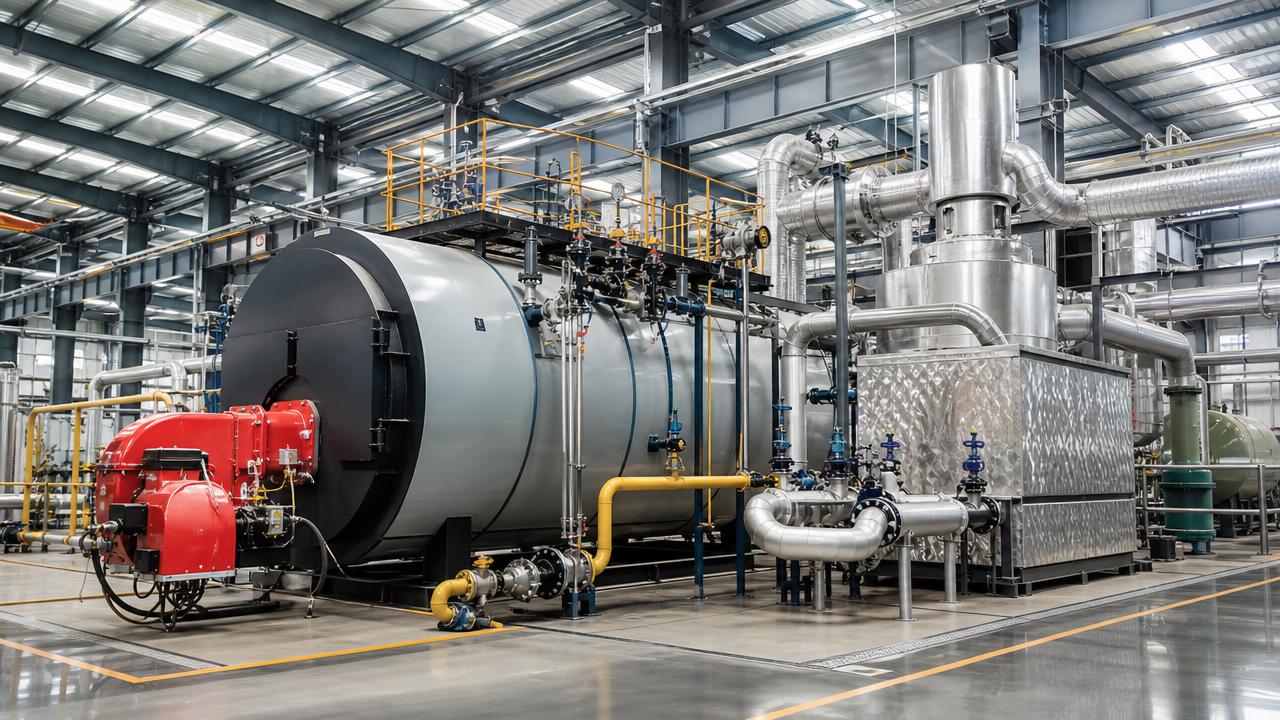
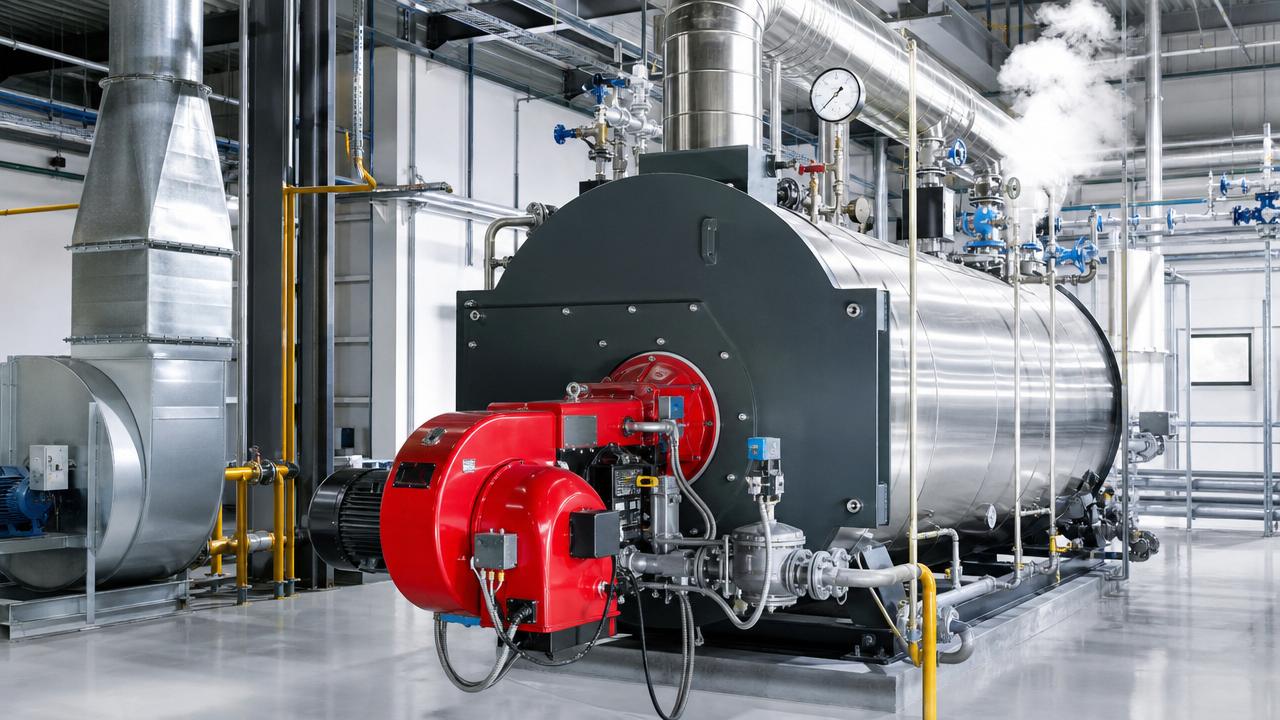
For project managers seeking measurable steam boiler savings, industrial heat recovery offers one of the fastest paths to lower fuel use, reduced emissions, and stronger system efficiency. From flue gas recovery to condensate reuse and economizer upgrades, the right strategy can turn wasted thermal energy into operational value while supporting reliability, compliance, and long-term capital planning.
In energy-intensive plants, steam systems often lose 10% to 30% of input energy through stack losses, hot blowdown, flash steam, radiation, and underused condensate streams. For project leaders balancing uptime, budget control, and decarbonization targets, the question is no longer whether waste heat exists, but which recovery option delivers the best return within site constraints.
This article outlines practical industrial heat recovery options for steam boilers, with a focus on project screening, implementation priorities, cost-risk tradeoffs, and decision points relevant to manufacturing, food processing, pharmaceuticals, chemicals, and other thermal-process industries. The goal is to help decision-makers move from generic efficiency goals to bankable project planning.
Why Steam Boiler Heat Recovery Matters in Industrial Projects
Steam remains a core utility across multiple sectors because it transfers heat quickly, supports sterilization, and integrates well with process lines. Yet a boiler system operating at 8 bar to 15 bar can still waste a significant portion of thermal value if exhaust gases leave at 180°C to 260°C, or if condensate is discharged instead of returned.
For project managers, industrial heat recovery is attractive because it often improves 3 performance layers at once: fuel efficiency, water efficiency, and carbon intensity. A well-selected recovery package can reduce natural gas or fuel oil demand, lower make-up water treatment costs, and ease pressure on emissions compliance without disrupting the core steam load profile.
Common Sources of Recoverable Heat
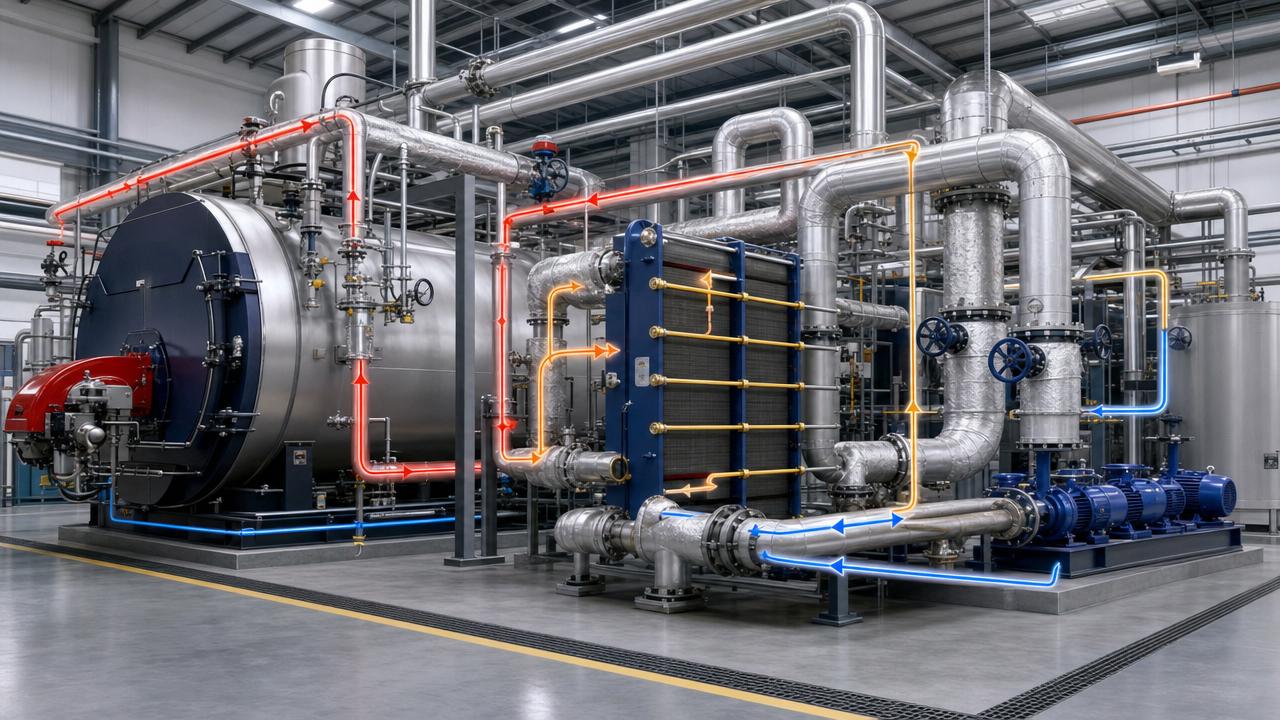
Most boiler-related recovery opportunities fall into 5 categories: flue gas, condensate, blowdown, flash steam, and process-adjacent heat exchange. Each source has different temperature levels, contamination risks, and retrofit complexity. High-grade heat from stack gas may support feedwater preheating, while lower-grade streams may be better suited to space heating or process water preheat.
- Flue gas heat: often the largest single opportunity in conventional boiler rooms.
- Condensate return: reduces both sensible heat loss and water replacement.
- Boiler blowdown recovery: useful where blowdown rates are 3% to 8% of steam production.
- Flash steam recovery: relevant in pressure reduction and condensate handling stations.
- Process-side recovery: links boiler efficiency projects with wider thermal integration.
Project-Level Benefits Beyond Fuel Savings
Many teams initially assess industrial heat recovery only through annual fuel savings. That is too narrow. In practice, project value also includes shorter boiler firing cycles, improved feedwater temperature stability, lower deaerator load, reduced corrosion risk from fresh water addition, and stronger resilience against energy price volatility over 12 to 36 months.
In industries with continuous operation, even a 2% to 5% boiler efficiency improvement can materially affect utility budgets. For larger sites, payback may fall within 12 to 24 months when fuel costs are elevated, especially if the project combines economizer upgrades with condensate recovery and control system tuning.
Main Industrial Heat Recovery Options for Steam Boiler Savings
The most effective steam boiler savings strategies are rarely identical across sites. Boiler size, operating hours, return condensate quality, stack temperature, and process variability all shape project viability. The table below compares common industrial heat recovery options from an implementation perspective useful for project planning.
For many facilities, the best starting point is an economizer plus a condensate recovery review. These two options are relatively mature, technically understandable to cross-functional teams, and easier to justify in capital approval discussions than highly customized thermal integration projects.
Economizers and Stack Heat Recovery
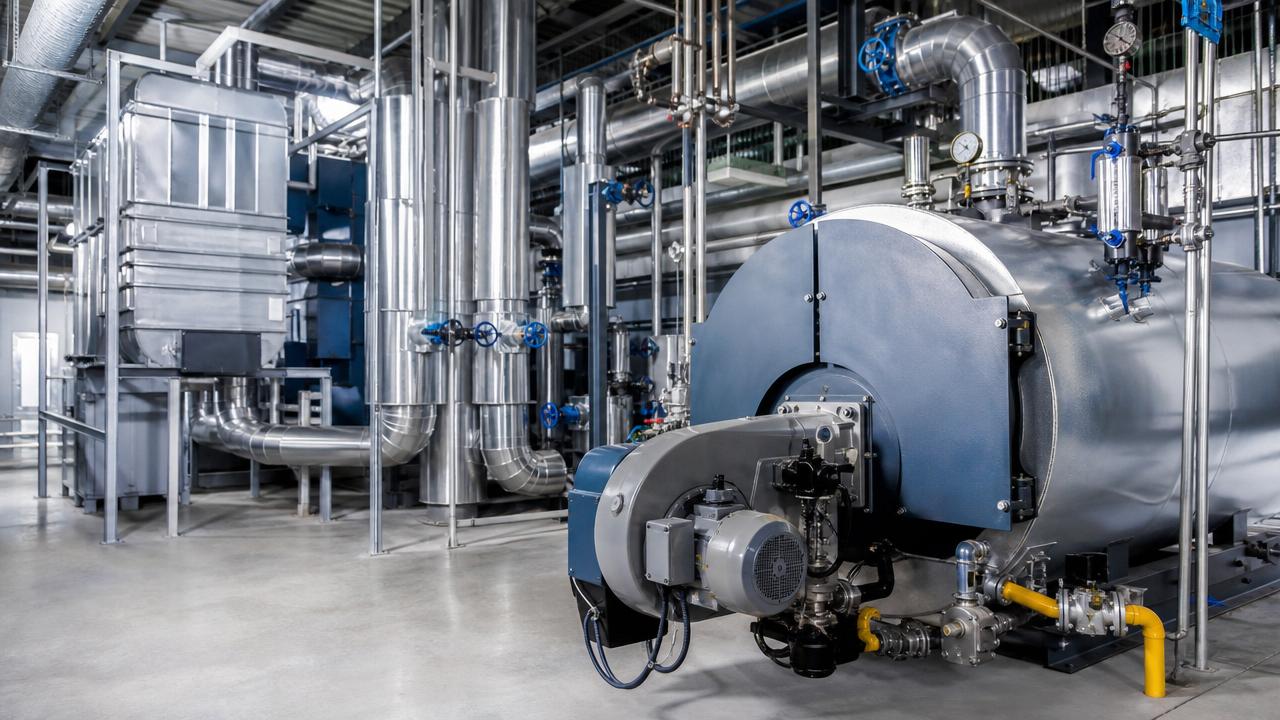
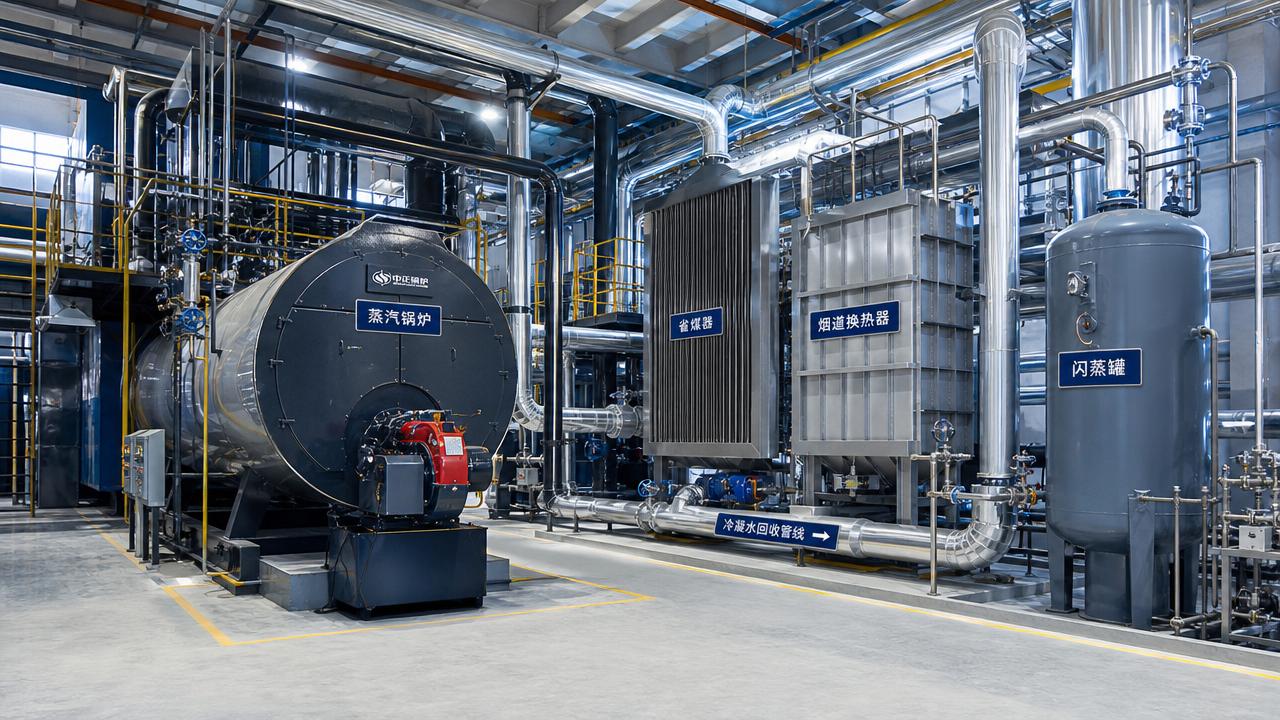
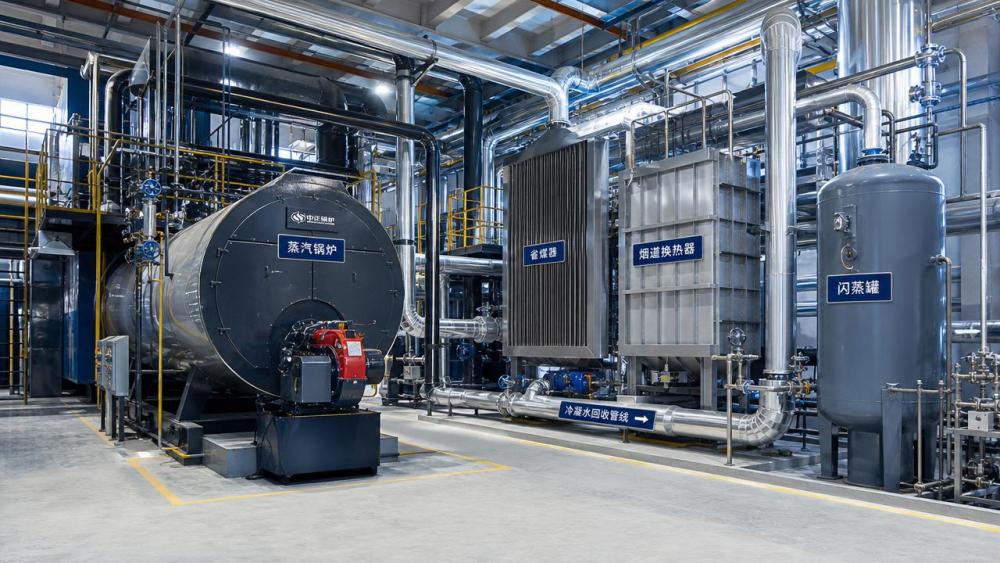
An economizer captures sensible heat from boiler exhaust and transfers it to incoming feedwater. When stack temperatures are above practical targets, usually by 20°C to 50°C, this can be one of the fastest industrial heat recovery upgrades to evaluate. The energy benefit depends on fuel type, excess air levels, boiler loading pattern, and feedwater baseline temperature.
Project teams should pay close attention to flue gas dew point. If exhaust is cooled too far, acidic condensation can damage downstream surfaces. Materials selection, bypass design, soot cleaning access, and instrumentation are therefore as important as thermal calculations when moving from concept to procurement.
When Economizers Perform Best
- Boilers operating more than 4,000 hours per year.
- Stable steam demand with moderate to high baseload.
- Feedwater systems capable of absorbing higher inlet temperatures.
- Adequate maintenance access for cleaning and inspection.
Condensate Recovery and Reuse
Hot condensate often returns at 80°C to 100°C, carrying valuable sensible heat and treated water. Reusing it can lower fuel input to the deaerator and reduce demand for make-up water, treatment chemicals, and pumping. In sectors such as food, pharma, and clean manufacturing, condensate quality monitoring becomes a critical design factor rather than a secondary detail.
Where contamination risk exists, a segregated return system or conductivity-based diversion strategy may be necessary. This avoids the common mistake of assuming all condensate streams are suitable for immediate reintegration. A modest sampling plan can prevent expensive boiler water quality failures later.
Blowdown and Flash Steam Recovery
Boiler blowdown is necessary to control dissolved solids, but it also carries heat that can be recovered through flash vessels and heat exchangers. In medium and large boiler plants, especially those with higher cycles of concentration and regular continuous blowdown, this option can support meaningful savings with moderate capital intensity.
Flash steam recovery works best when a reliable low-pressure demand exists nearby, such as tank heating, preheating loops, or auxiliary thermal users. Without a stable sink, the theoretical energy value may look attractive on paper but underperform in live operation.
How to Evaluate and Prioritize Projects
A practical project review should combine technical fit, operating profile, and financial discipline. Many heat recovery initiatives fail not because the technology is weak, but because the site did not establish clear screening criteria. For project managers, a 4-part evaluation model is usually more useful than a purely theoretical energy audit.
Four Core Evaluation Dimensions
- Thermal potential: quantify source temperature, flow stability, and annual operating hours.
- Integration complexity: review piping reroutes, controls, shutdown windows, and space conflicts.
- Operational risk: assess corrosion, fouling, contamination, and maintenance burden.
- Business case: estimate payback, energy price sensitivity, and compliance value.
The table below gives a procurement-oriented scoring view that can help cross-functional teams compare options during front-end planning. It is especially relevant when engineering, maintenance, finance, and sustainability teams have different priorities.
The most important takeaway is that strong projects combine measurable waste heat with realistic installation conditions. A large theoretical energy gain is less valuable if site access, contamination exposure, or shutdown timing make execution unreliable.
Implementation Roadmap for Project Managers
A disciplined rollout usually follows 5 steps. First, establish a baseline using fuel consumption, steam output, stack temperature, blowdown rate, and condensate return data over at least 4 to 8 weeks. Second, identify candidate recovery streams and rank them by temperature level and annual recoverable energy.
Third, review mechanical integration, control philosophy, water quality implications, and maintenance requirements. Fourth, develop a budgetary model with sensitivity to fuel prices, runtime variation, and outage cost. Fifth, define acceptance criteria such as temperature lift, steam reduction, emissions impact, and operator handover requirements.
Documentation That Reduces Approval Delays
- Piping and instrumentation review with tie-in points.
- Heat and mass balance with seasonal operating assumptions.
- Risk register covering fouling, corrosion, and contamination.
- Commissioning checklist with operator training needs.
Common Risks, Mistakes, and Long-Term Performance Considerations
Industrial heat recovery projects can underdeliver when teams focus on heat capture but ignore operating reality. The most common issue is overestimating stable load conditions. A system designed around full-load boiler operation may not reach expected savings if the plant cycles heavily or if low seasonal demand reduces heat sink availability.
Frequent Project Mistakes
- Selecting equipment without validating water chemistry and condensate purity.
- Ignoring stack-side fouling and cleaning frequency, which may range from monthly to quarterly.
- Assuming all recovered heat has equal value regardless of temperature level.
- Underestimating controls integration for variable-load operations.
- Treating heat recovery as a stand-alone asset rather than part of the boiler room strategy.
Maintenance and Monitoring Requirements
Long-term savings depend on verification. Project teams should define 3 to 6 key operating indicators after startup, such as stack temperature trend, feedwater inlet temperature, condensate return percentage, blowdown rate, and boiler fuel per unit of steam. Tracking these monthly helps confirm whether industrial heat recovery performance remains aligned with the original business case.
Inspection planning matters as much as design. Heat exchangers exposed to dirty flue gas or variable water quality need routine access, clear isolation points, and realistic cleaning procedures. A system that saves energy but requires excessive downtime can quickly lose support from operations teams.
Where Intelligence Platforms Add Decision Value
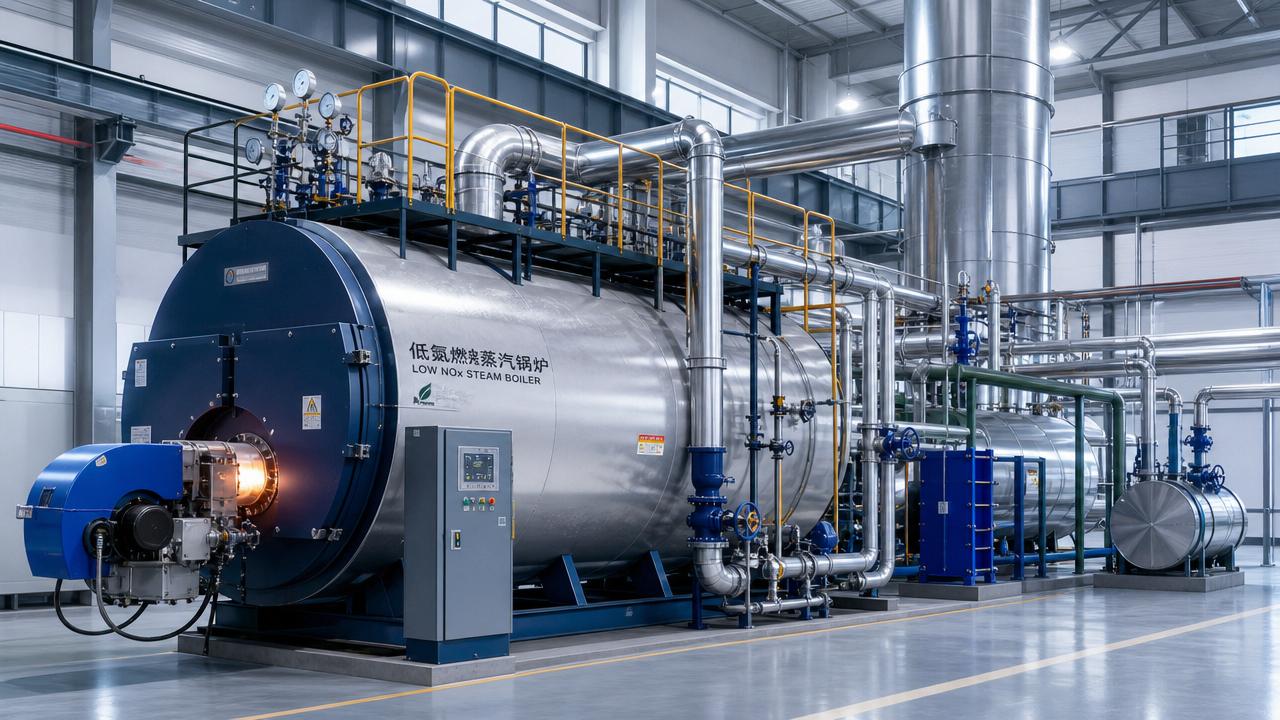
For engineering leaders working across multiple facilities or regions, thermal project decisions benefit from broader market visibility. Intelligence platforms such as GTC-Matrix help project teams connect site-level opportunities with wider developments in heat exchange, low-NOx boiler evolution, compressed utility optimization, and industrial decarbonization trends.
That wider view is useful when comparing technology maturity, reviewing supply-side changes, or aligning steam boiler upgrades with larger thermal modernization plans. In other words, industrial heat recovery works best when it is not treated as an isolated retrofit, but as part of a structured energy conversion strategy.
Choosing the Right Next Step for Boiler Savings
The strongest steam boiler savings projects usually begin with a focused assessment rather than a full plant overhaul. Start by identifying the top 2 or 3 recoverable heat sources, validating operating hours, and checking whether the plant has a reliable destination for recovered energy. That approach creates a practical shortlist and avoids oversized designs.
For project managers, the best industrial heat recovery solution is the one that matches thermal potential, shutdown reality, water quality limits, and financial approval thresholds. Economizers, condensate recovery, blowdown heat recovery, and flash steam reuse all have clear roles when selected against actual plant conditions rather than generic efficiency claims.
If you are planning a steam system upgrade, evaluating site-wide thermal integration, or building a multi-phase efficiency roadmap, now is the right time to compare options with clearer technical and commercial criteria. Contact GTC-Matrix to explore tailored industrial heat recovery insights, discuss project-specific decision factors, and learn more solutions for measurable boiler savings.
Related News
- EU PED Q2 Rules Require Digital Compliance TagsAuthor :Thermal Energy Strategist

- Thermal Power Systems: Key Efficiency Risks in Daily OperationAuthor :Thermal Energy Strategist

- Low-NOx Combustion Boilers: Key Efficiency and Compliance ChecksAuthor :Thermal Energy Strategist

- Low-NOx Combustion Boilers: Key Specs That Affect Emissions and Fuel UseAuthor :Thermal Energy Strategist

- Low-NOx Combustion Boilers: Key Compliance RisksAuthor :Thermal Energy Strategist

- Thermodynamics Analysis for Boiler Heat-Loss ReductionAuthor :Thermal Energy Strategist

- Industrial Thermal Systems: Common Operating RisksAuthor :Thermal Energy Strategist

- Low-NOx Combustion Boilers: Key Spec Checks Before PurchaseAuthor :Thermal Energy Strategist

- How Industrial Heat Recovery Cuts Boiler Fuel Costs in 2026Author :Thermal Energy Strategist

- Thermodynamics Analysis: 5 Heat Loss Clues in Steam BoilersAuthor :Thermal Energy Strategist

- Low-NOx Combustion Boilers: What Affects Real Emissions PerformanceAuthor :Thermal Energy Strategist

- Thermodynamics Analysis: Finding Heat Loss in Steam BoilersAuthor :Thermal Energy Strategist

- 2026 Steam Boiler Upgrades for Lower NOx and Fuel CostsAuthor :Thermal Energy Strategist

- EU to Expand CBAM to Steam Boilers; Exporters Must Prepare Carbon DataAuthor :Thermal Energy Strategist

- Industrial Heat Recovery: When Payback Beats New Boiler CapacityAuthor :Thermal Energy Strategist

- Carbon Neutrality Targets and the New Boiler Retrofit PaybackAuthor :Thermal Energy Strategist

- Low-NOx Combustion Boilers: Fuel Savings vs Emission LimitsAuthor :Thermal Energy Strategist

- Industrial Energy Efficiency Benchmarks for Steam Boiler Upgrades in 2026Author :Thermal Energy Strategist

- Low-NOx Combustion Boilers: Efficiency vs Emissions in 2026Author :Thermal Energy Strategist

- Industrial Heat Recovery Options for Steam Boiler SavingsAuthor :Thermal Energy Strategist

- Low-NOx Combustion Boilers and 2026 Compliance PressureAuthor :Thermal Energy Strategist

- Industrial Decarbonization Options for Existing Steam Boiler PlantsAuthor :Thermal Energy Strategist

- Thermal Power Systems: Key Upgrade Signals to WatchAuthor :Thermal Energy Strategist

- Thermal Power Systems: When Efficiency Gains Justify UpgradesAuthor :Thermal Energy Strategist

- Sustainable Manufacturing Risks Hidden in Outdated Steam BoilersAuthor :Thermal Energy Strategist

- Canton Fair Phase II: Biomass Boiler Orders Up 37% in Heat Exchange SegmentAuthor :Thermal Energy Strategist

- Low-NOx Combustion Boilers: Key Differences That Affect Project PlanningAuthor :Thermal Energy Strategist

- Thermal Power Systems Upgrades That Reduce Operating LossesAuthor :Thermal Energy Strategist

- What to Check Before Expanding Thermal Power Systems CapacityAuthor :Thermal Energy Strategist

- Thermal Optimization Methods for More Stable Boiler PerformanceAuthor :Thermal Energy Strategist