Boiler Combustion Systems: Common Causes of Unstable Fuel Performance




Boiler Combustion Systems: Common Causes of Unstable Fuel Performance
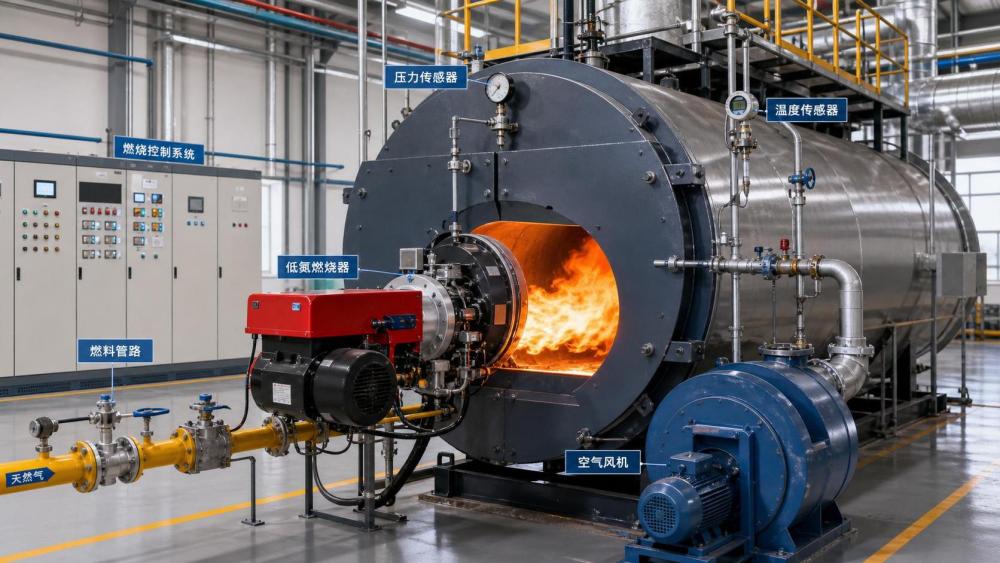
In boiler combustion systems, unstable fuel performance can quickly trigger flame instability, lower efficiency, higher emissions, and unexpected downtime.
That usually starts as a small operating change.
A slight shift in fuel quality, atomizing pressure, or air balance can push combustion away from its stable zone.
Once that happens, operators often notice noisy flames, uneven heat release, and more frequent burner corrections.
For boiler combustion systems, stable fuel performance depends on both fuel properties and surrounding process conditions.
This is why a boiler problem is rarely caused by fuel alone.
From a practical standpoint, the fastest improvements come from identifying the disruption point early.
That may be storage, delivery, atomization, draft control, or burner tuning.
The sections below break down the common causes and show how to restore stable boiler combustion systems performance.
Fuel Quality Variations Often Start the Problem
Fuel inconsistency is one of the most common reasons boiler combustion systems become unstable.
A burner tuned for one fuel profile may struggle when viscosity, moisture, density, or calorific value changes.
With gaseous fuel, pressure fluctuations and composition changes are especially disruptive.
With liquid fuel, contamination and poor preheating are more frequent triggers.
In mixed-fuel operations, the transition period is usually where unstable fuel performance becomes visible first.
Common warning signs include delayed ignition, fluctuating flame color, soot formation, and rising stack oxygen.
A practical response is to compare recent fuel certificates with baseline burner settings.
If the fuel profile drifted, the combustion curve may need adjustment.
- Check fuel viscosity, heating value, moisture, and contamination trends.
- Review delivery history for batch changes or supplier variation.
- Confirm fuel preheating meets burner design requirements.
- Match control settings to the current fuel, not last month’s fuel.
In day-to-day operation, this is often the most overlooked cause of unstable boiler combustion systems behavior.
Air-to-Fuel Imbalance Reduces Stability Fast
Even when fuel quality is acceptable, poor air management can destabilize boiler combustion systems within minutes.
Combustion needs the right air volume, pressure, temperature, and distribution across the burner.
Too little air leads to incomplete combustion.
Too much air cools the flame and reduces thermal efficiency.
The more obvious signal is a burner that constantly hunts for a stable firing position.
This usually points to a mismatch between damper position, fan output, and fuel input.
Dirty air filters, worn linkages, drifting actuators, and faulty oxygen trim systems can all cause it.
In real operating environments, seasonal air density changes also matter more than many teams expect.
For boiler combustion systems, stable excess oxygen is usually a better sign than occasional perfect readings.
- Inspect dampers, fan blades, and actuator response.
- Verify oxygen analyzer calibration and signal stability.
- Trend stack oxygen, CO, and flame signal together.
- Retune low-fire and high-fire points after maintenance.
When these checks are skipped, unstable fuel performance often gets blamed on the wrong component.
Atomization and Burner Condition Matter More Than Expected
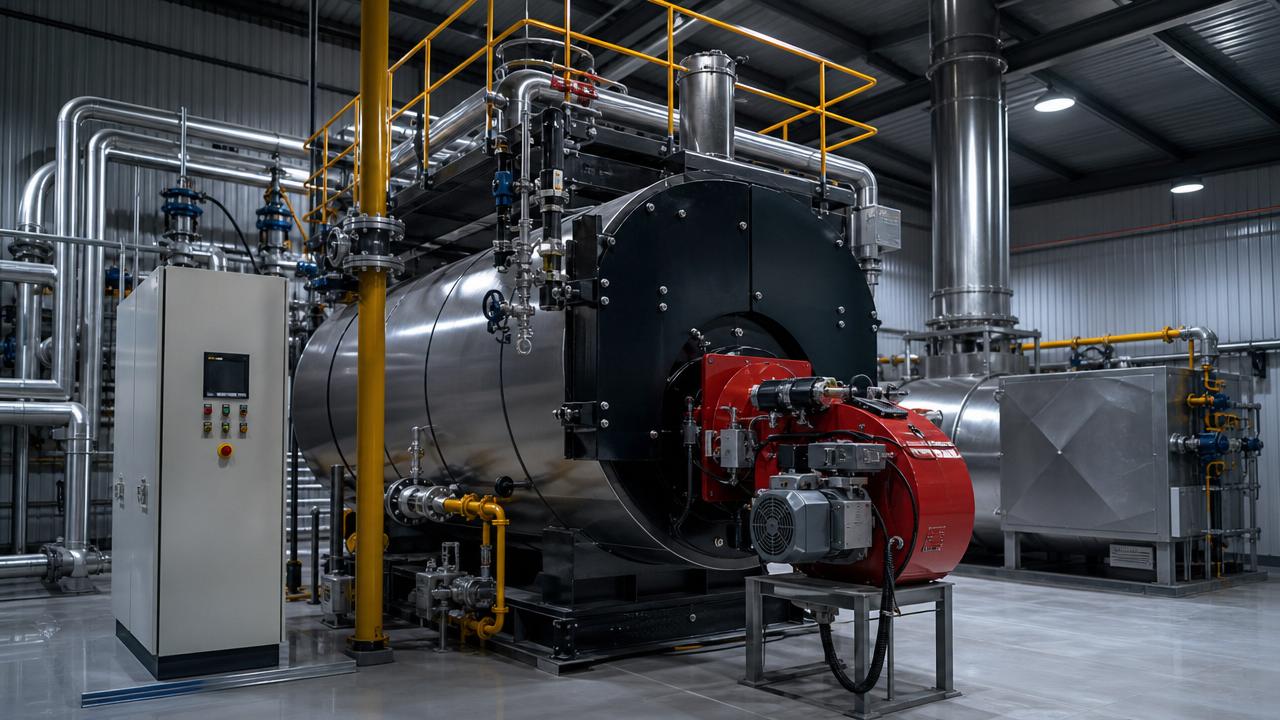
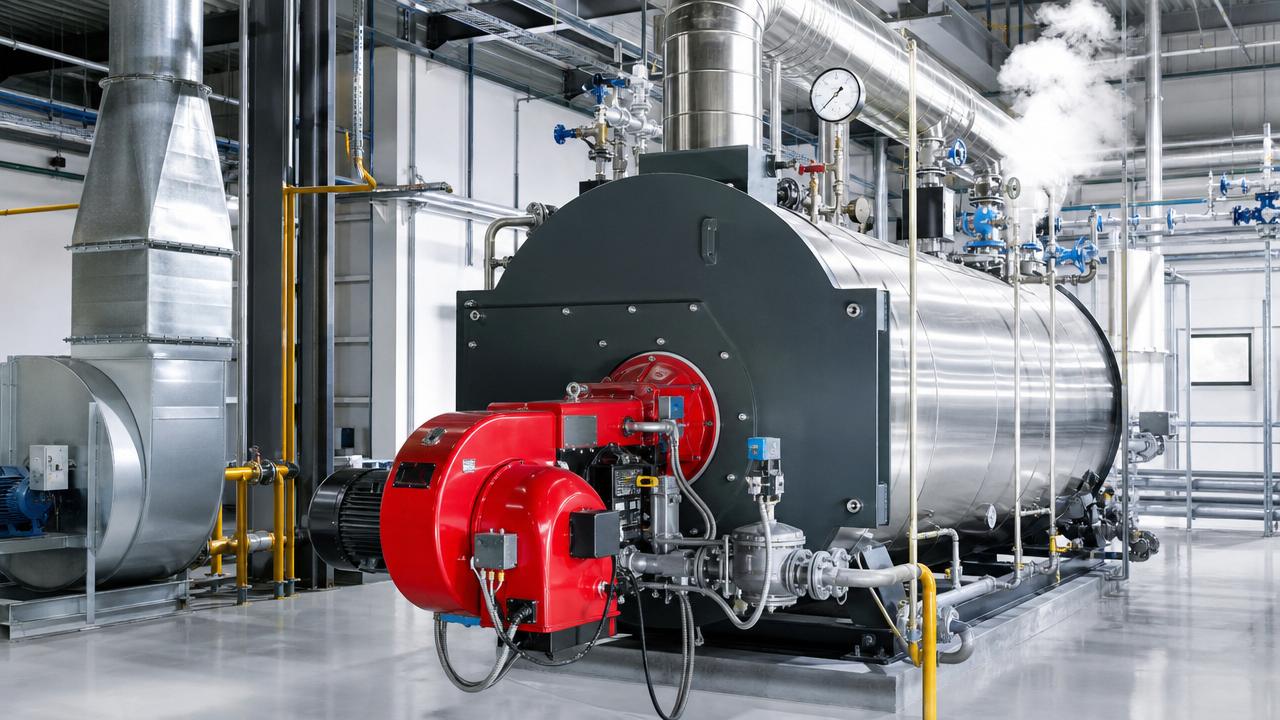
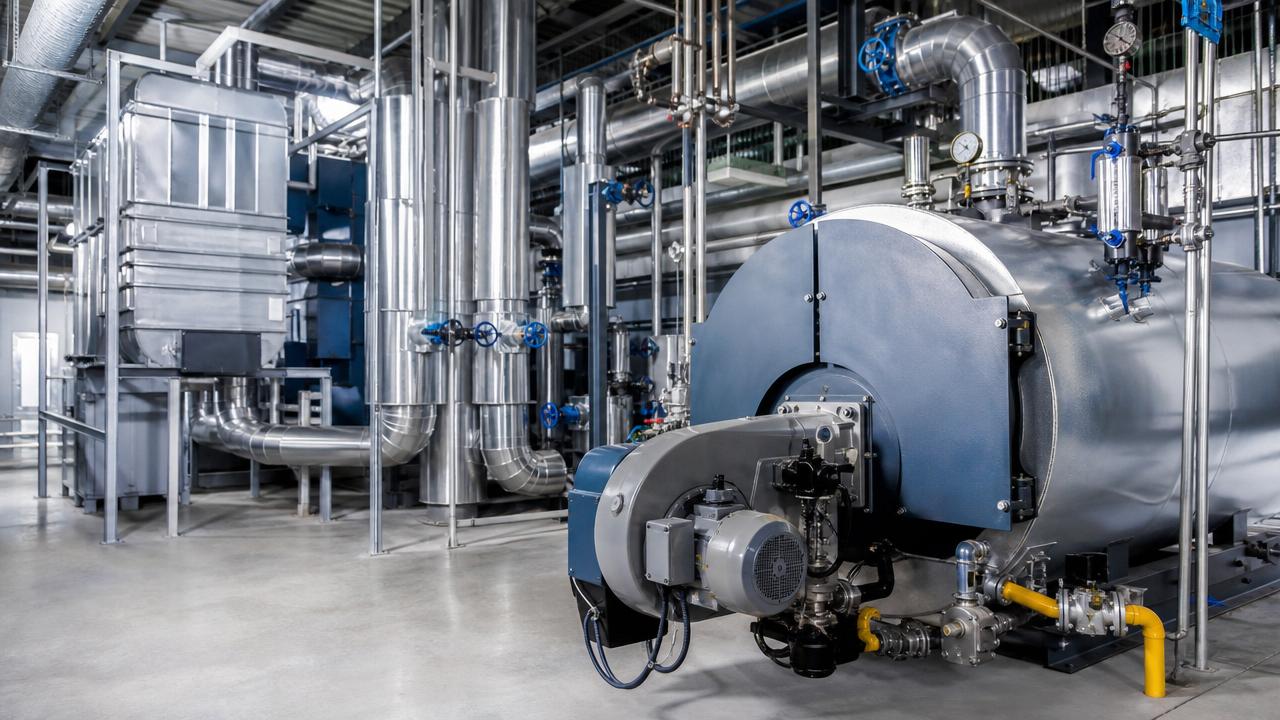
For liquid-fuel boiler combustion systems, atomization quality directly shapes flame stability.
If droplets are too large, combustion slows down and heat release becomes uneven.
That creates rough flame edges, carbon deposits, and poor response during load changes.
Typical causes include low atomizing steam pressure, clogged nozzles, worn tips, and incorrect fuel temperature.
Burner registers and diffuser parts can also wear gradually, shifting airflow patterns without obvious alarms.
That slow drift is why some boiler combustion systems lose performance over months rather than days.
When the burner hardware degrades, operators often see higher fuel use before they see a trip.
A short inspection routine can prevent that pattern.
If unstable fuel performance appears during load ramping, atomization should be checked early.
Control Logic, Sensors, and Draft Conditions Can Mislead Diagnosis
Some boiler combustion systems appear to have a fuel problem when the real cause is instrumentation drift.
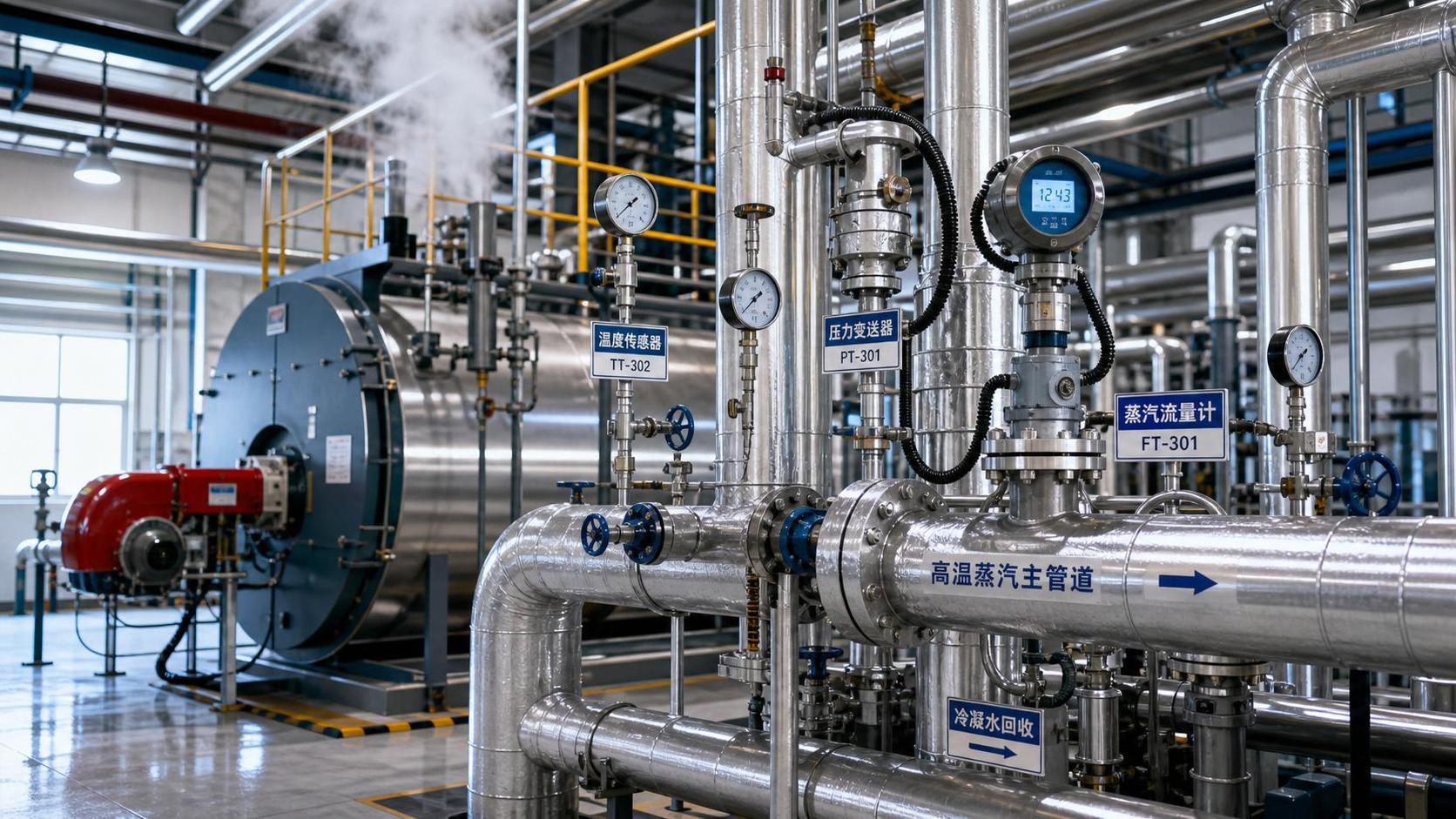
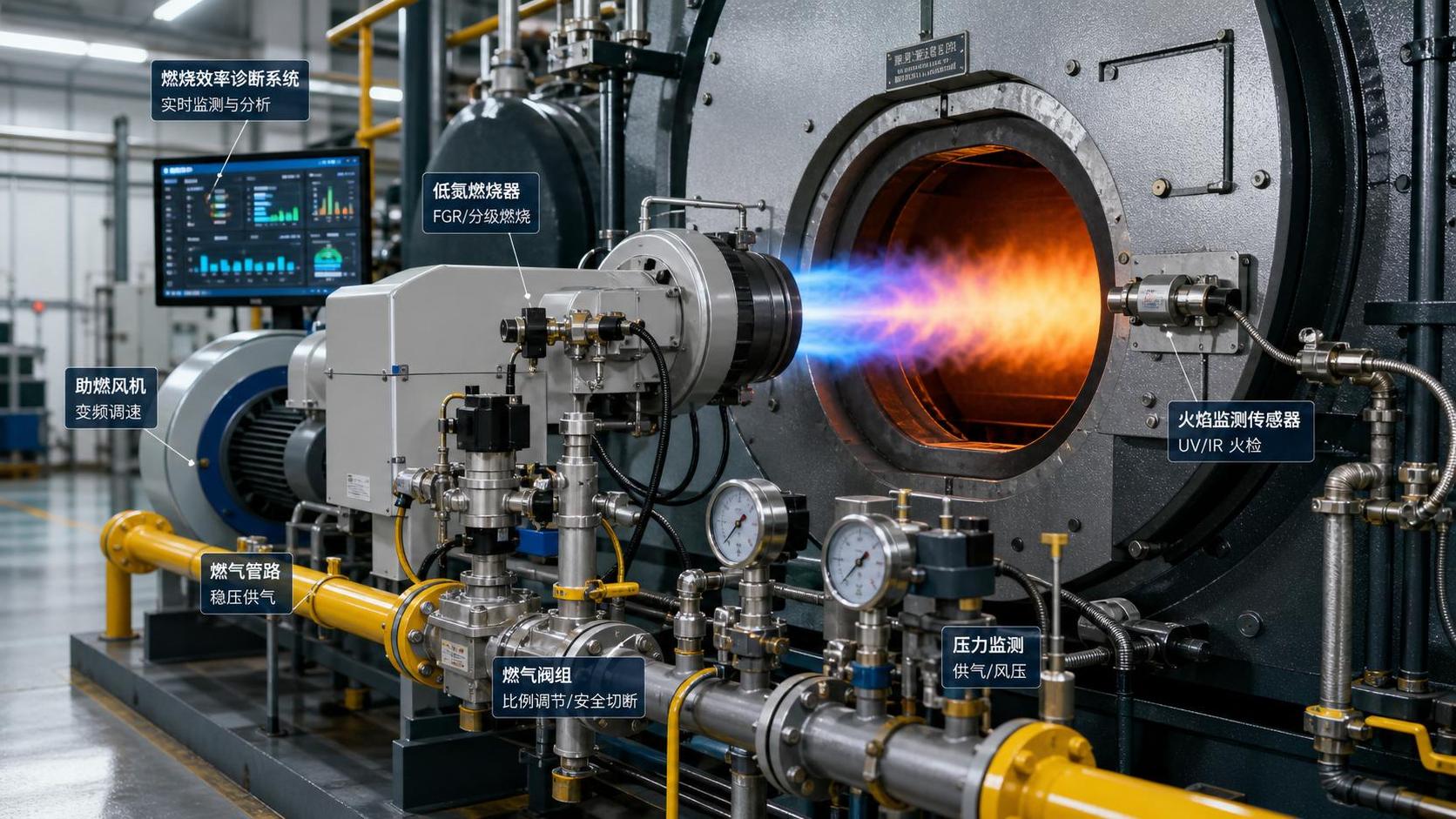
A weak flame scanner, noisy pressure transmitter, or sluggish control valve can distort the firing response.
The burner then keeps correcting based on bad feedback.
That repeated correction looks like unstable fuel performance, but the source is the control loop.
Furnace draft adds another layer.
If draft swings too far negative or turns positive, flame shape changes quickly and combustion becomes less predictable.
Leaking doors, fouled passes, and unstable ID fan performance often sit behind that issue.
In many plants, these are hidden losses because the boiler still runs, just badly.
A tighter verification routine improves diagnosis quality.
- Cross-check sensor readings against handheld instruments.
- Look for control valve lag during firing changes.
- Confirm flame scanner strength and alignment.
- Track furnace draft during startup, steady load, and shutdown.
For boiler combustion systems, good troubleshooting starts with reliable signals, not assumptions.
Storage, Housekeeping, and Operating Practice Shape Long-Term Performance
Not every combustion issue begins inside the burner.
Fuel storage temperature, tank water content, filter condition, and line cleanliness can quietly affect boiler combustion systems.
Water ingress, sludge buildup, and inconsistent recirculation often create repeating instability after each fuel delivery.
On the operating side, frequent manual overrides can make the system harder to stabilize.
Short-term correction may help once, but repeated intervention can hide the original pattern.
A better approach is to connect fuel handling records with combustion trends.
That gives a clearer picture of whether the problem is operational, mechanical, or fuel-related.
For industrial intelligence platforms such as GTC-Matrix, this kind of pattern tracking is increasingly valuable.
It helps connect process behavior with broader efficiency and emissions goals.
A Practical Checklist for Stabilizing Boiler Combustion Systems
When boiler combustion systems begin to show unstable fuel performance, a structured response saves time.
The goal is to isolate the disturbance before it spreads into emissions, reliability, and safety problems.
- Review recent fuel deliveries, certificates, and storage conditions.
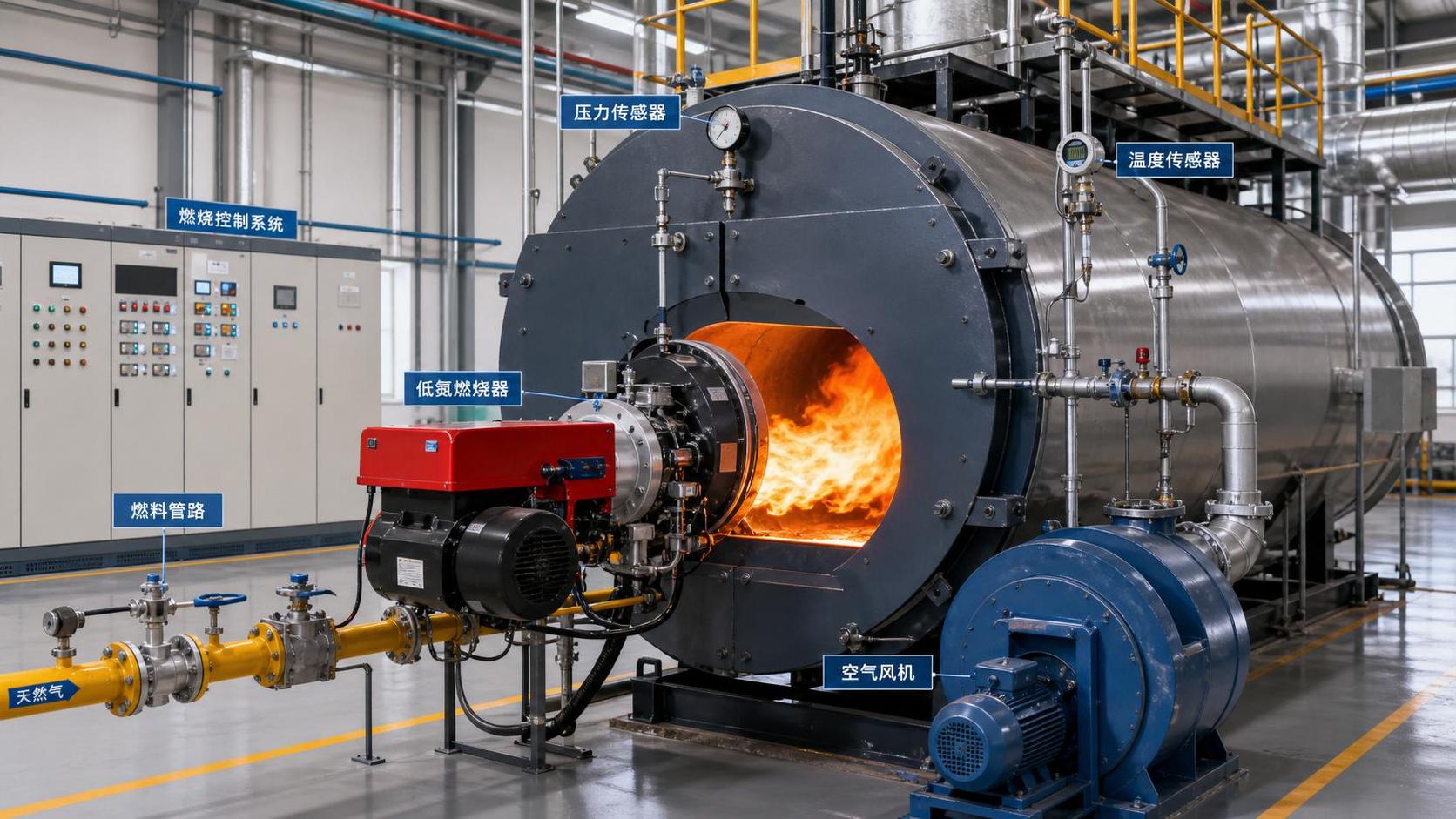
- Check burner flame pattern, ignition behavior, and load response.
- Verify air-to-fuel ratio through oxygen, CO, and draft trends.
- Inspect atomization pressure, nozzles, filters, and fuel temperature.
- Validate control instruments, scanner signals, and valve movement.
- Retune the burner only after the root cause is confirmed.
This order matters because premature tuning can mask the real fault.
Stable boiler combustion systems are built on consistent inputs, healthy hardware, and trustworthy controls.
In practical terms, the most effective next step is simple: trend the problem, verify the basics, and correct one variable at a time.
That approach improves efficiency, protects uptime, and brings boiler combustion systems back to stable, predictable operation.
Related News
- Low-NOx Boilers Cost Breakdown: Upfront Price, Fuel Savings, and PaybackAuthor :Thermal Energy Strategist

- Boiler Combustion Systems: Common Causes of Unstable Fuel PerformanceAuthor :Thermal Energy Strategist

- Hot Water Industrial Boilers: When Efficiency Gains Justify ReplacementAuthor :Thermal Energy Strategist

- What Boiler Efficiency Really Means in Daily Operation and Energy BillsAuthor :Thermal Energy Strategist

- Boiler Efficiency Testing Methods That Expose Heat Loss and Fuel WasteAuthor :Thermal Energy Strategist

- Industrial Burner Systems: Key Factors for Safe Heat OutputAuthor :Thermal Energy Strategist

- Gas-Fired Boiler Combustion Technology: Key Efficiency and Emissions Trade-OffsAuthor :Thermal Energy Strategist

- Unfired Heat Recovery Steam Generators: When Do They Pay Off?Author :Thermal Energy Strategist

- How to Evaluate Steam Generation Systems Electric for Process Heat ProjectsAuthor :Thermal Energy Strategist

- Thermal Power Systems for Industrial Heating: Common Sizing Mistakes to AvoidAuthor :Thermal Energy Strategist

- Low-NOx Condensing Boilers: How to Compare Efficiency and EmissionsAuthor :Thermal Energy Strategist
![]()
- Low Emissions Boilers for Food Processing: Key Compliance and Fuel Cost FactorsAuthor :Thermal Energy Strategist

- Steam System Efficiency Calculation: Key Inputs That Change the ResultAuthor :Thermal Energy Strategist

- How to Evaluate a Steam Boiler Components Exporter Before OrderingAuthor :Thermal Energy Strategist

- Burner Systems Troubleshooting: Common Efficiency Loss CausesAuthor :Thermal Energy Strategist

- EU PED Q2 Rules Require Digital Compliance TagsAuthor :Thermal Energy Strategist

- Thermal Power Systems: Key Efficiency Risks in Daily OperationAuthor :Thermal Energy Strategist

- Low-NOx Combustion Boilers: Key Efficiency and Compliance ChecksAuthor :Thermal Energy Strategist

- Low-NOx Combustion Boilers: Key Specs That Affect Emissions and Fuel UseAuthor :Thermal Energy Strategist

- Low-NOx Combustion Boilers: Key Compliance RisksAuthor :Thermal Energy Strategist

- Thermodynamics Analysis for Boiler Heat-Loss ReductionAuthor :Thermal Energy Strategist

- Industrial Thermal Systems: Common Operating RisksAuthor :Thermal Energy Strategist

- Low-NOx Combustion Boilers: Key Spec Checks Before PurchaseAuthor :Thermal Energy Strategist

- How Industrial Heat Recovery Cuts Boiler Fuel Costs in 2026Author :Thermal Energy Strategist

- Thermodynamics Analysis: 5 Heat Loss Clues in Steam BoilersAuthor :Thermal Energy Strategist

- Low-NOx Combustion Boilers: What Affects Real Emissions PerformanceAuthor :Thermal Energy Strategist

- Thermodynamics Analysis: Finding Heat Loss in Steam BoilersAuthor :Thermal Energy Strategist

- 2026 Steam Boiler Upgrades for Lower NOx and Fuel CostsAuthor :Thermal Energy Strategist

- EU to Expand CBAM to Steam Boilers; Exporters Must Prepare Carbon DataAuthor :Thermal Energy Strategist

- Industrial Heat Recovery: When Payback Beats New Boiler CapacityAuthor :Thermal Energy Strategist

- Carbon Neutrality Targets and the New Boiler Retrofit PaybackAuthor :Thermal Energy Strategist

- Low-NOx Combustion Boilers: Fuel Savings vs Emission LimitsAuthor :Thermal Energy Strategist

- Industrial Energy Efficiency Benchmarks for Steam Boiler Upgrades in 2026Author :Thermal Energy Strategist

- Low-NOx Combustion Boilers: Efficiency vs Emissions in 2026Author :Thermal Energy Strategist

- Industrial Heat Recovery Options for Steam Boiler SavingsAuthor :Thermal Energy Strategist

- Low-NOx Combustion Boilers and 2026 Compliance PressureAuthor :Thermal Energy Strategist