Industrial Burner Systems: Key Factors for Safe Heat Output




Why do industrial burner systems deserve closer attention?
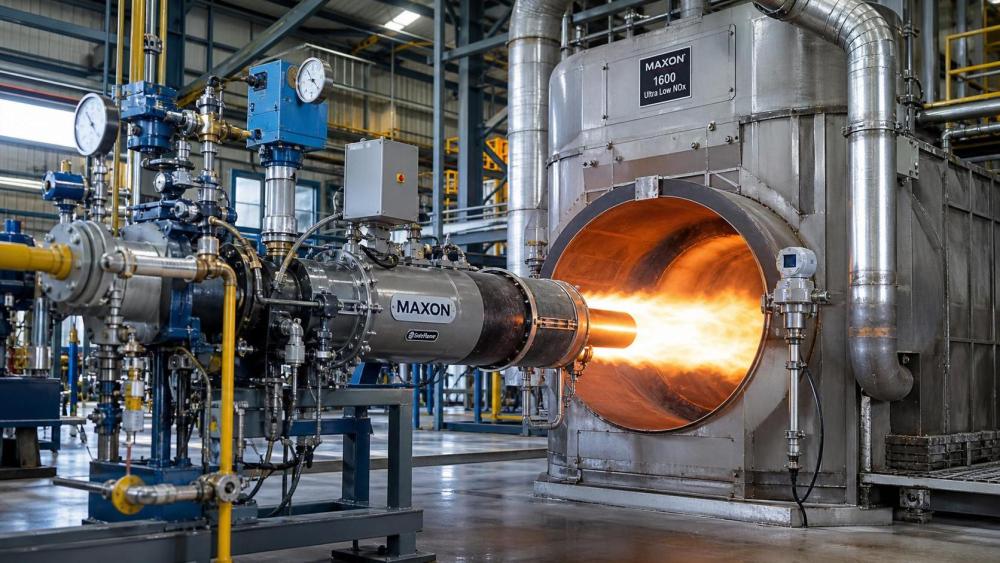
Industrial burner systems sit at the center of many heating processes, yet they are often judged only by flame strength or fuel use.
That view is too narrow. Safe heat output affects product quality, shutdown risk, emissions compliance, and equipment life at the same time.
In practical terms, a stable burner supports repeatable temperatures, predictable combustion, and fewer surprises during audits or maintenance windows.
This matters across general industry, from food drying and metal treatment to boilers, ovens, thermal oxidizers, and process air heating lines.
The wider thermal picture matters too. GTC-Matrix tracks cooling, compression, vacuum, and heat exchange trends because heat systems rarely work alone.
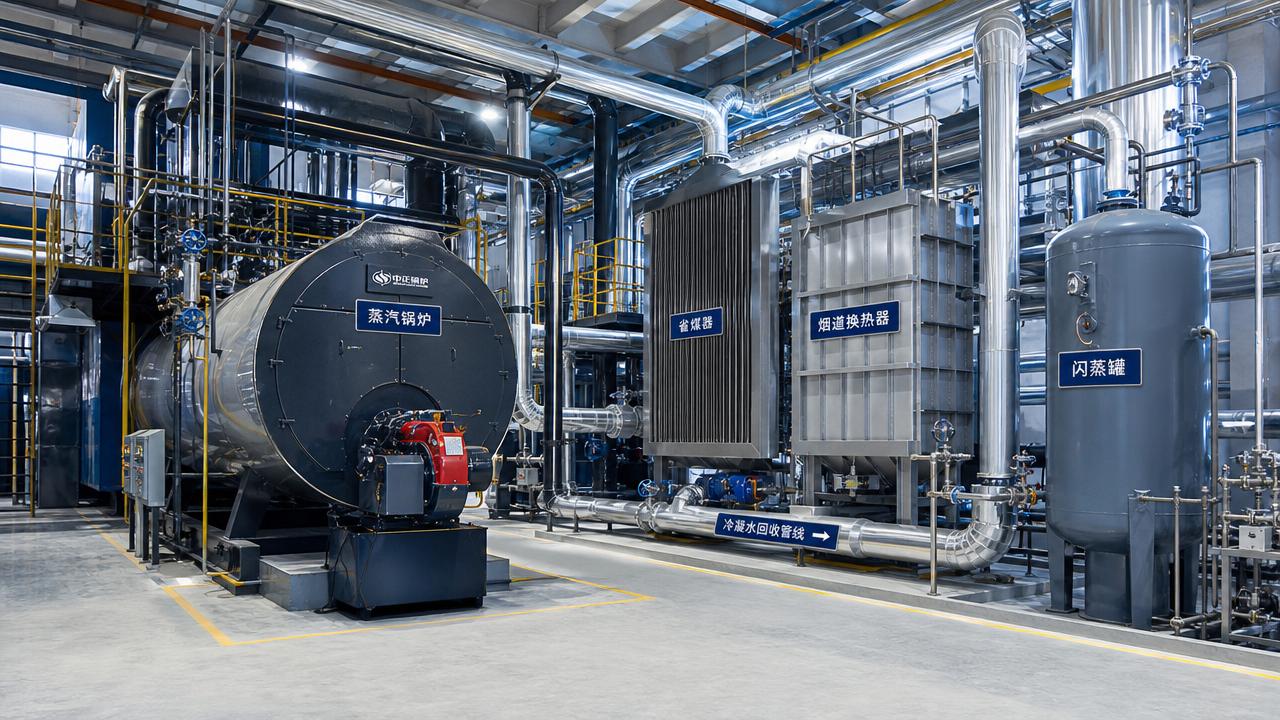
A burner that looks acceptable in isolation may still create instability when airflow, pressure control, exhaust handling, or heat recovery are poorly matched.
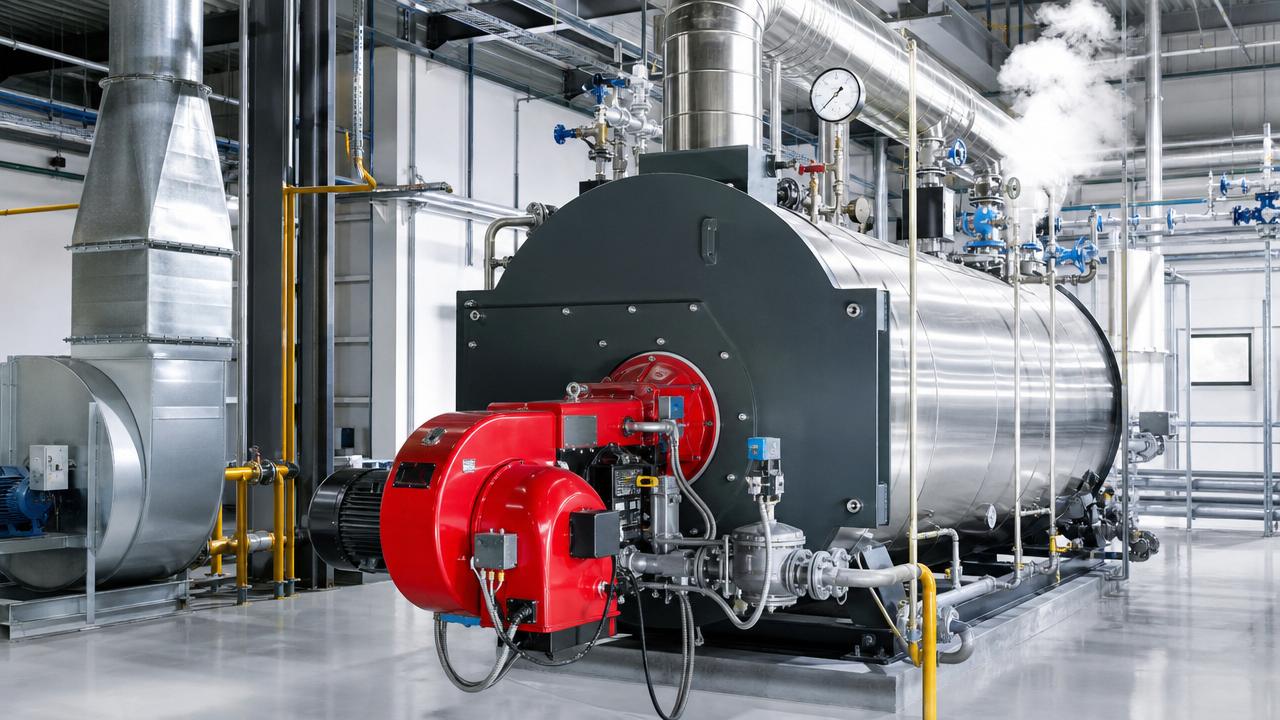
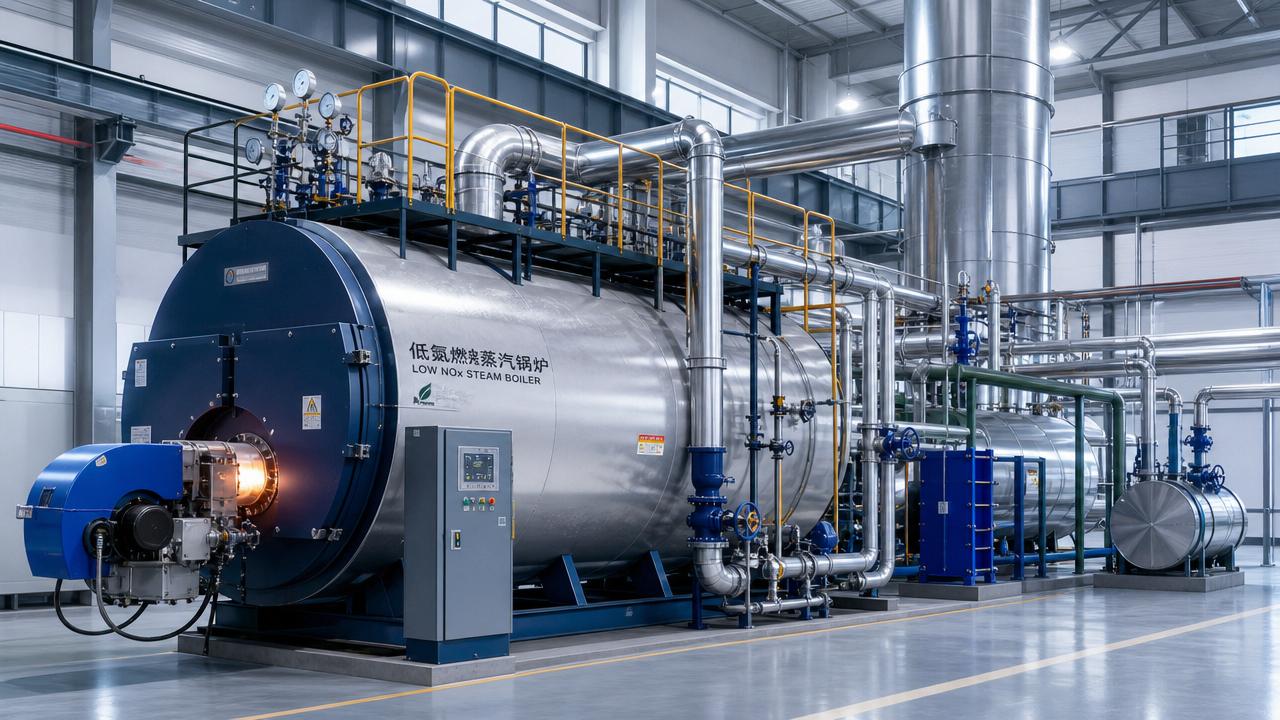
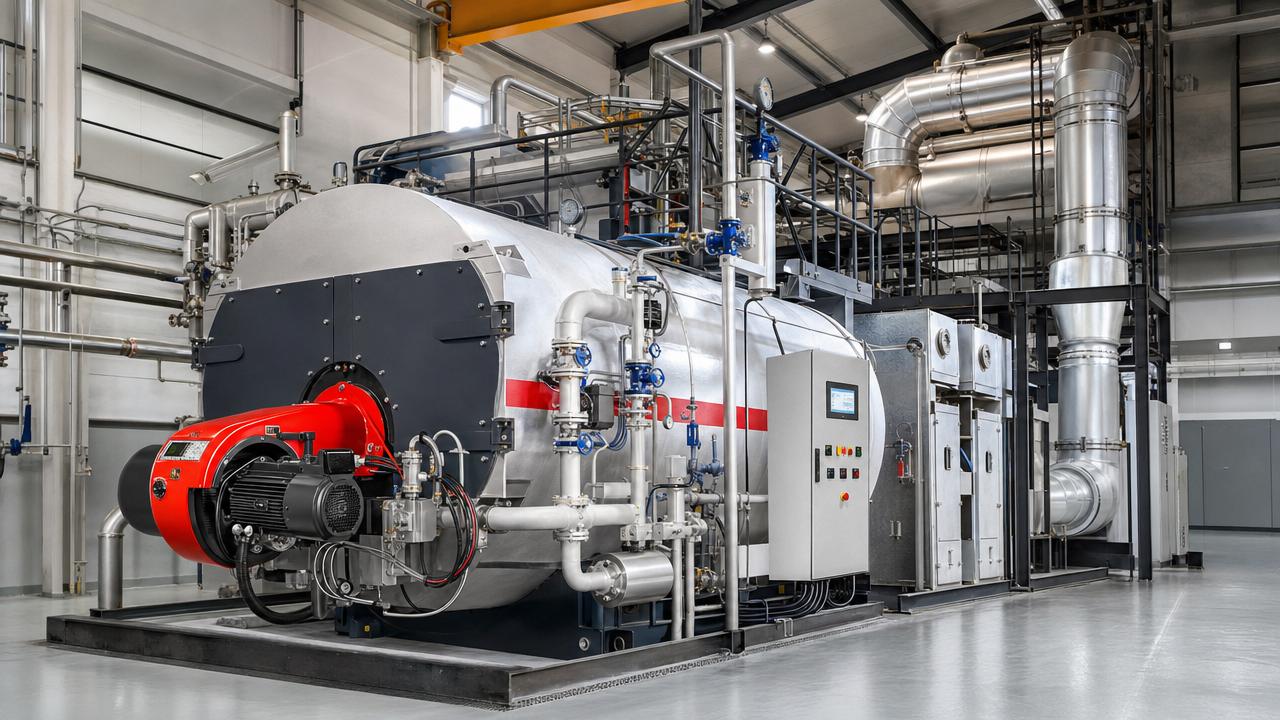
That is why industrial burner systems should be understood as controlled energy conversion units, not just ignition devices attached to a furnace.
What defines safe heat output in real operating conditions?
Safe heat output is not simply maximum capacity. It means the burner can deliver required heat without creating unstable flame behavior or uncontrolled emissions.
A reliable judgment usually includes several checks working together, not one headline number from a brochure.
- Correct fuel-to-air ratio across low, medium, and high firing ranges.
- Stable ignition and flame supervision during startup, modulation, and shutdown.
- Heat release that matches chamber design, airflow pattern, and material load.
- Surface and exhaust temperatures that stay within design and compliance limits.
- Protection logic that reacts quickly to flame failure, pressure loss, or overheating.
A common mistake is to assume more heat always improves throughput. In reality, excess firing often causes hot spots, product damage, refractory stress, and higher NOx.
Safer performance usually comes from controlled turndown, accurate sensors, and repeatable combustion settings rather than oversized burner selection.
Which design factors have the biggest effect on burner safety?
When people compare industrial burner systems, they often focus on fuel type first. Fuel matters, but design discipline matters more.
The strongest safety outcomes usually come from how combustion, controls, and process conditions are integrated.
Combustion air quality and pressure stability
Dirty filters, drifting fan performance, or fluctuating air pressure can shift the flame pattern long before operators notice visible trouble.
In systems tied to compressed air or plant ventilation changes, this effect becomes more pronounced.
Burner-to-chamber matching
A burner can be technically efficient and still be wrong for the chamber geometry. Flame length, velocity, and recirculation must suit the thermal envelope.
Controls, interlocks, and sensor placement
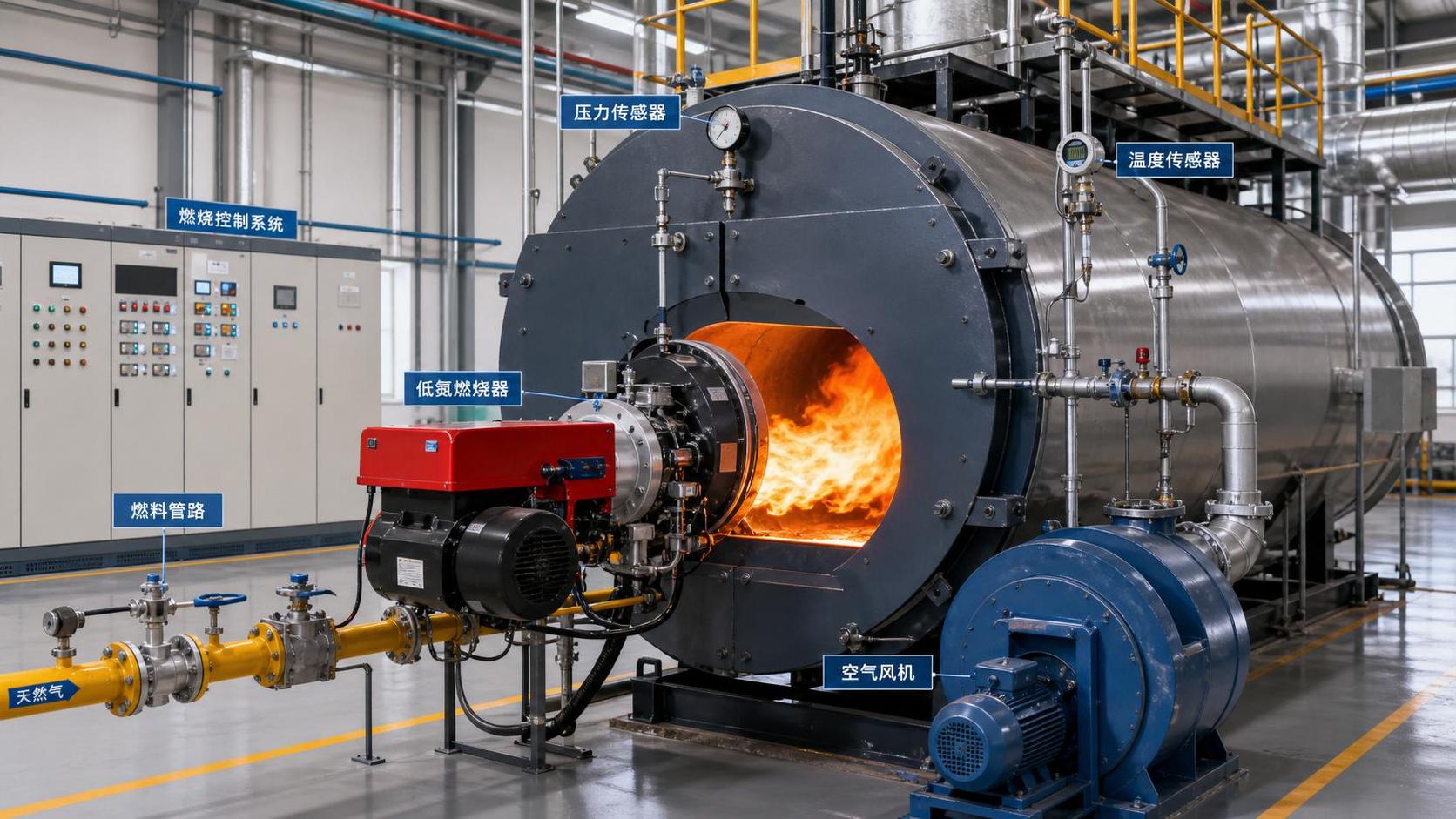
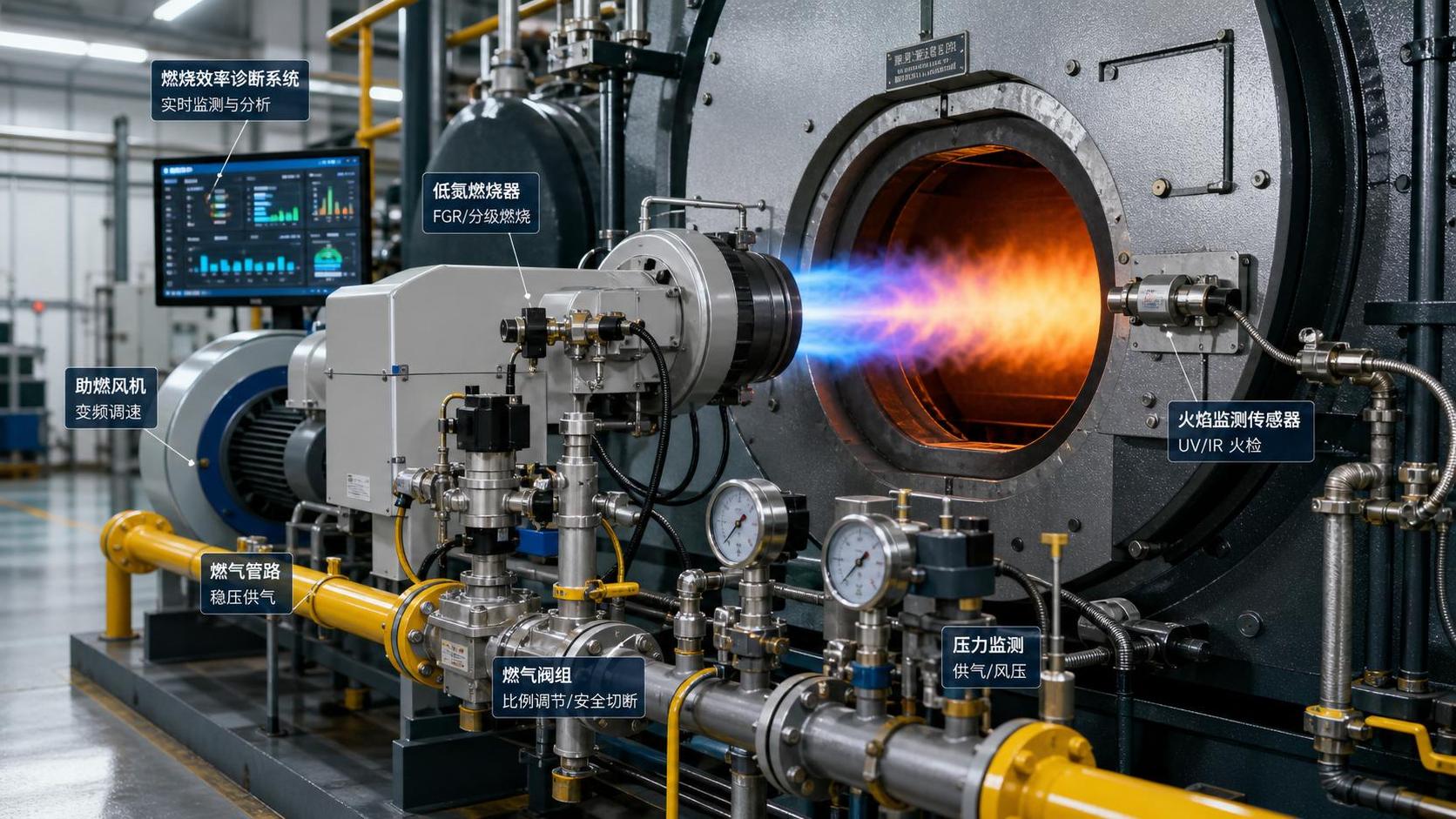
A good burner train needs dependable flame detection, purge logic, gas pressure switches, temperature feedback, and emergency shutdown sequencing.
Sensor location matters as much as sensor quality. Poor placement can hide overheating or delay the response to unsafe conditions.
Emission strategy
Low-NOx expectations are now part of many burner decisions. That trend is closely watched by intelligence platforms such as GTC-Matrix.
Low-NOx performance should be verified under actual load variation, not only at ideal test points.
How can you tell if a burner system fits the process, not just the specification sheet?
This is where many buying decisions become risky. Industrial burner systems should be matched to the process duty, not selected by rated heat input alone.
A better approach is to ask how the burner behaves through the full cycle: cold start, ramp-up, steady load, product changeover, and shutdown.
For example, a coating line may need tight temperature uniformity, while a thermal oxidizer may prioritize residence conditions and destruction efficiency.
The same burner architecture will not necessarily suit both duties, even if the heat demand appears similar.
Useful questions during evaluation
- Does the turndown ratio support actual part-load operation?
- Will the chamber see uneven loading or frequent starts?
- Are combustion readings available at several operating points?
- Can controls integrate with plant safety and data systems?
- What maintenance intervals are realistic under local fuel conditions?
In facilities where energy efficiency is under review, it also helps to compare burner behavior with upstream compression and downstream heat recovery performance.
That broader system thinking is one reason thermal intelligence sources remain useful beyond basic equipment catalogs.
Where do industrial burner systems usually fail from a safety perspective?
Serious incidents rarely come from one dramatic error. More often, several small control gaps build up until the margin of safety disappears.
The warning signs are usually visible earlier than expected, especially in trend data and maintenance records.
Common risk patterns
- Repeated ignition retries after unstable startup.
- Rising CO despite unchanged production settings.
- Frequent manual override of alarms or permissives.
- Temperature scatter that operators treat as normal drift.
- Valve train wear, leakage, or delayed actuator response.
- Burner tuning performed once, then left unchanged for years.
Another overlooked issue is process change. New fuel blends, altered exhaust flow, added heat recovery, or different product loads can shift combustion behavior.
When those changes happen, previous burner settings may no longer be safe or efficient.
Industrial burner systems also carry a hidden documentation risk. If settings, test results, and interlock logic are poorly recorded, troubleshooting becomes slower and less reliable.
What should be reviewed before upgrades, audits, or replacement decisions?
Not every burner issue requires a full replacement. Sometimes the real gain comes from controls modernization, better combustion tuning, or improved airflow management.
Before making that call, gather a short evidence set rather than relying on one recent trip event.
A practical review list
- Compare actual firing profile with original design assumptions.
- Review combustion data across seasons, products, and load ranges.
- Check whether current standards or local emission rules have changed.
- Inspect flame supervision, purge sequence, and shutdown records.
- Map burner performance against heat exchangers, fans, and exhaust systems.
This review is especially useful where decarbonization targets and energy pricing are changing investment priorities.
GTC-Matrix often frames these shifts through technology evolution and cost signals, which helps put burner upgrades into a wider thermal strategy.
If the next step is unclear, begin with a burner safety baseline: combustion readings, interlock verification, air and fuel stability, and heat distribution evidence.
That baseline usually reveals whether the priority is tuning, retrofitting, operational discipline, or a more substantial system redesign.
So, what is the smart next move?
The key lesson is straightforward: industrial burner systems deliver safe heat output only when combustion, controls, chamber design, and operating reality stay aligned.
A burner that fires well on paper may still create uneven heat, poor emissions, or hidden trip risk once process conditions start shifting.
The most useful next step is to document the process duty, current performance limits, alarm history, and compliance requirements in one review sheet.
From there, compare industrial burner systems by stability, controllability, maintenance burden, and fit with the wider thermal chain.
That approach supports safer decisions, stronger process consistency, and a clearer path for future upgrades.
Related News
- Low-NOx Boilers Cost Breakdown: Upfront Price, Fuel Savings, and PaybackAuthor :Thermal Energy Strategist

- Boiler Combustion Systems: Common Causes of Unstable Fuel PerformanceAuthor :Thermal Energy Strategist

- Hot Water Industrial Boilers: When Efficiency Gains Justify ReplacementAuthor :Thermal Energy Strategist

- What Boiler Efficiency Really Means in Daily Operation and Energy BillsAuthor :Thermal Energy Strategist

- Boiler Efficiency Testing Methods That Expose Heat Loss and Fuel WasteAuthor :Thermal Energy Strategist

- Industrial Burner Systems: Key Factors for Safe Heat OutputAuthor :Thermal Energy Strategist

- Gas-Fired Boiler Combustion Technology: Key Efficiency and Emissions Trade-OffsAuthor :Thermal Energy Strategist

- Unfired Heat Recovery Steam Generators: When Do They Pay Off?Author :Thermal Energy Strategist

- How to Evaluate Steam Generation Systems Electric for Process Heat ProjectsAuthor :Thermal Energy Strategist

- Thermal Power Systems for Industrial Heating: Common Sizing Mistakes to AvoidAuthor :Thermal Energy Strategist

- Low-NOx Condensing Boilers: How to Compare Efficiency and EmissionsAuthor :Thermal Energy Strategist
![]()
- Low Emissions Boilers for Food Processing: Key Compliance and Fuel Cost FactorsAuthor :Thermal Energy Strategist

- Steam System Efficiency Calculation: Key Inputs That Change the ResultAuthor :Thermal Energy Strategist

- How to Evaluate a Steam Boiler Components Exporter Before OrderingAuthor :Thermal Energy Strategist

- Burner Systems Troubleshooting: Common Efficiency Loss CausesAuthor :Thermal Energy Strategist

- EU PED Q2 Rules Require Digital Compliance TagsAuthor :Thermal Energy Strategist

- Thermal Power Systems: Key Efficiency Risks in Daily OperationAuthor :Thermal Energy Strategist

- Low-NOx Combustion Boilers: Key Efficiency and Compliance ChecksAuthor :Thermal Energy Strategist

- Low-NOx Combustion Boilers: Key Specs That Affect Emissions and Fuel UseAuthor :Thermal Energy Strategist

- Low-NOx Combustion Boilers: Key Compliance RisksAuthor :Thermal Energy Strategist

- Thermodynamics Analysis for Boiler Heat-Loss ReductionAuthor :Thermal Energy Strategist

- Industrial Thermal Systems: Common Operating RisksAuthor :Thermal Energy Strategist

- Low-NOx Combustion Boilers: Key Spec Checks Before PurchaseAuthor :Thermal Energy Strategist

- How Industrial Heat Recovery Cuts Boiler Fuel Costs in 2026Author :Thermal Energy Strategist

- Thermodynamics Analysis: 5 Heat Loss Clues in Steam BoilersAuthor :Thermal Energy Strategist

- Low-NOx Combustion Boilers: What Affects Real Emissions PerformanceAuthor :Thermal Energy Strategist

- Thermodynamics Analysis: Finding Heat Loss in Steam BoilersAuthor :Thermal Energy Strategist

- 2026 Steam Boiler Upgrades for Lower NOx and Fuel CostsAuthor :Thermal Energy Strategist

- EU to Expand CBAM to Steam Boilers; Exporters Must Prepare Carbon DataAuthor :Thermal Energy Strategist

- Industrial Heat Recovery: When Payback Beats New Boiler CapacityAuthor :Thermal Energy Strategist

- Carbon Neutrality Targets and the New Boiler Retrofit PaybackAuthor :Thermal Energy Strategist

- Low-NOx Combustion Boilers: Fuel Savings vs Emission LimitsAuthor :Thermal Energy Strategist

- Industrial Energy Efficiency Benchmarks for Steam Boiler Upgrades in 2026Author :Thermal Energy Strategist

- Low-NOx Combustion Boilers: Efficiency vs Emissions in 2026Author :Thermal Energy Strategist

- Industrial Heat Recovery Options for Steam Boiler SavingsAuthor :Thermal Energy Strategist

- Low-NOx Combustion Boilers and 2026 Compliance PressureAuthor :Thermal Energy Strategist