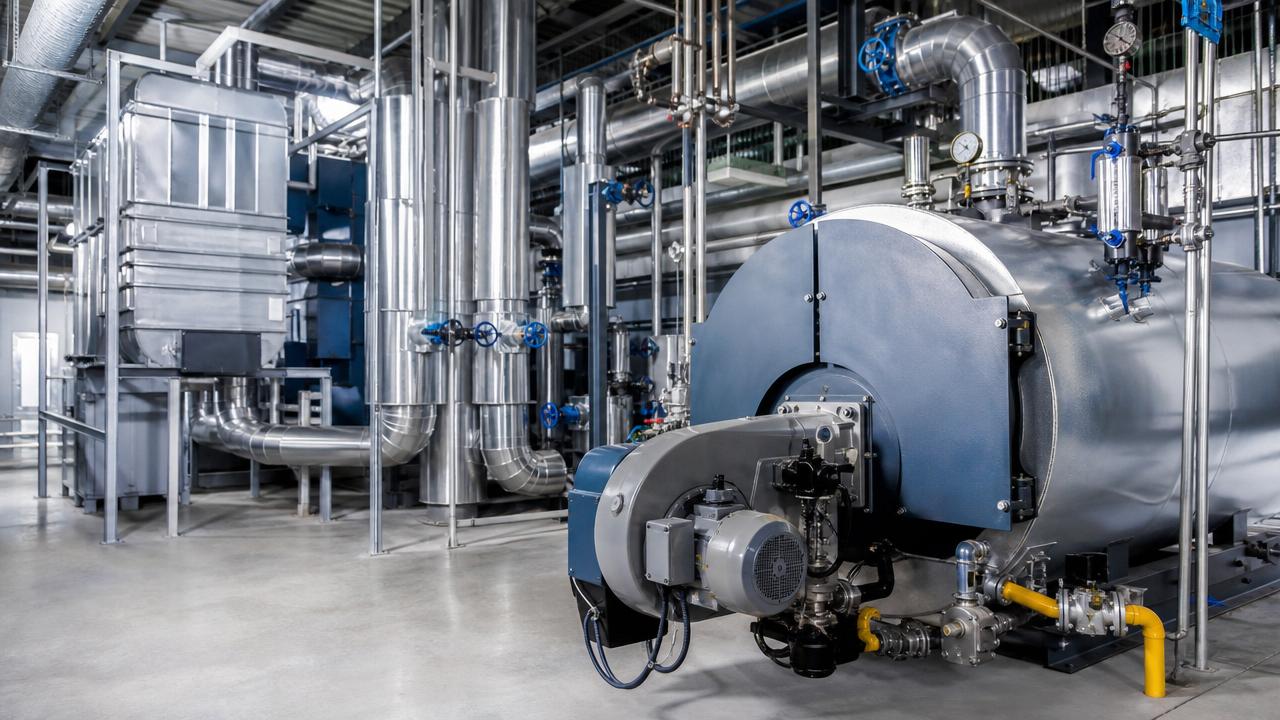
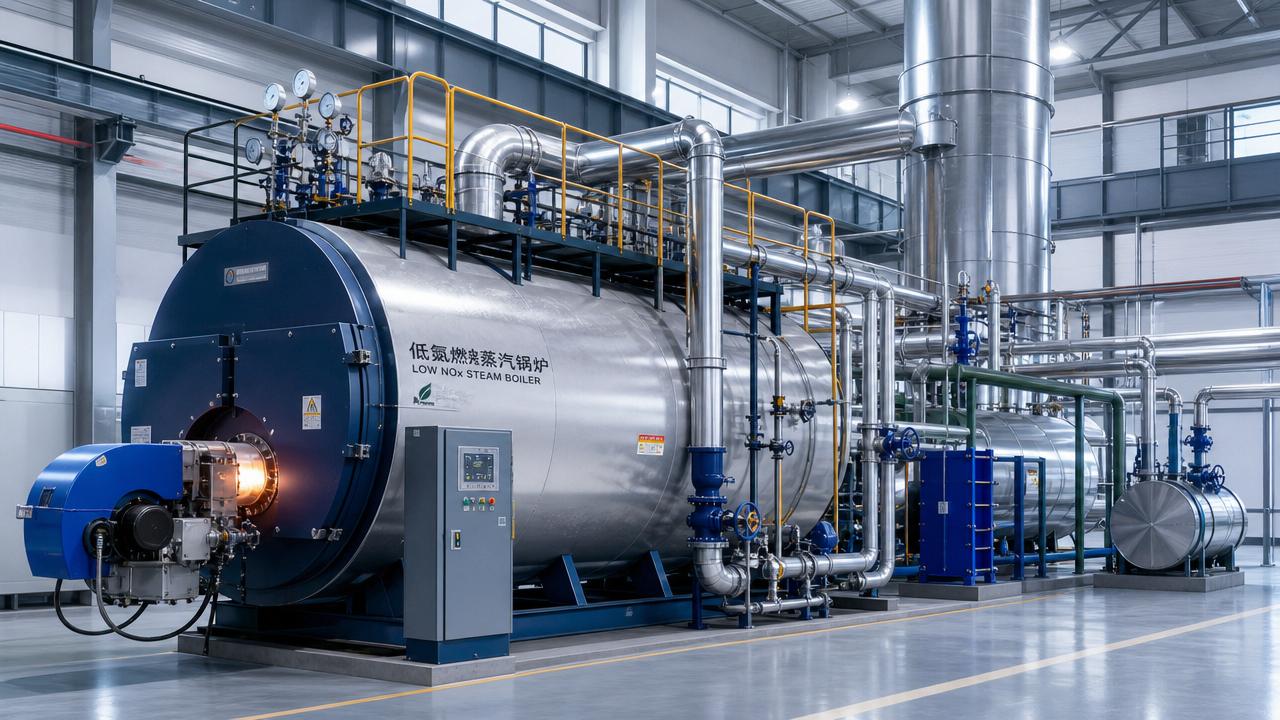
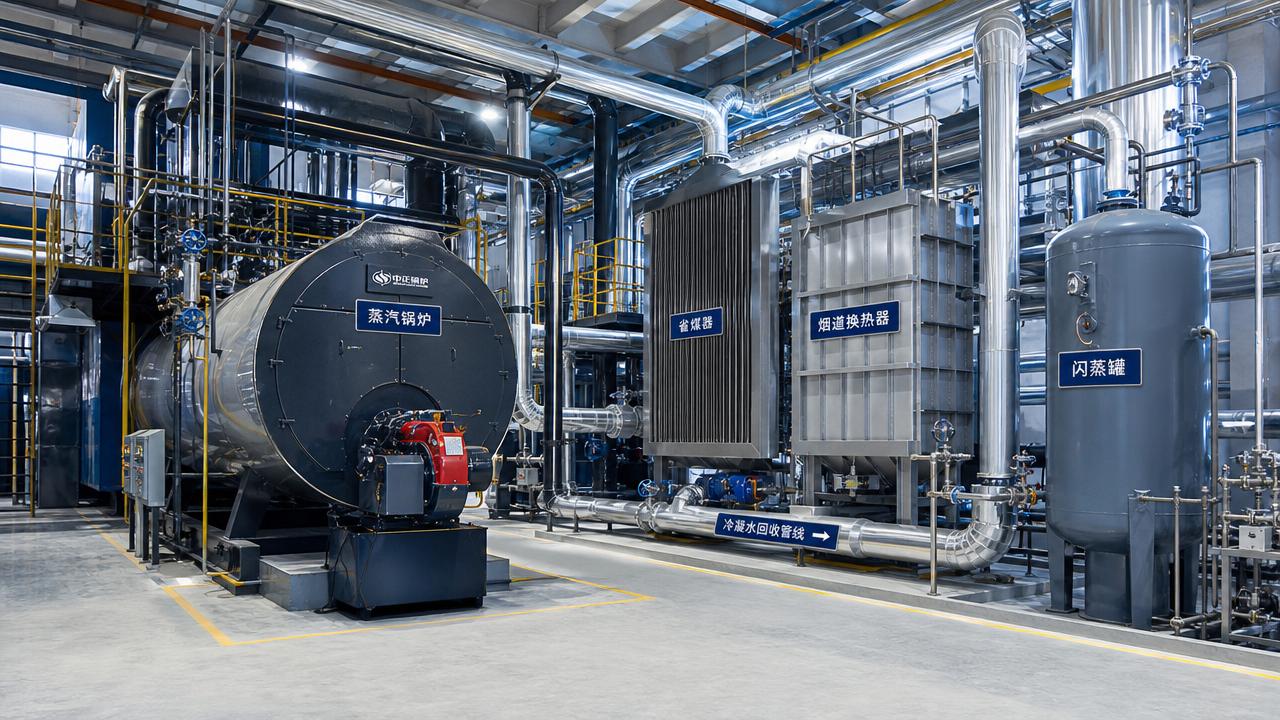
Thermal Power Systems: Key Efficiency Risks in Daily Operation




In daily production, thermal power systems rarely lose performance through one dramatic failure. More often, efficiency slips through routine operating deviations that seem minor at first: unstable loading, fouled heat surfaces, drifting controls, and maintenance delays. In plants where energy cost, uptime, and output consistency are tightly linked, these small losses accumulate quickly and affect both operating margins and equipment life.
Why daily efficiency risks deserve closer attention
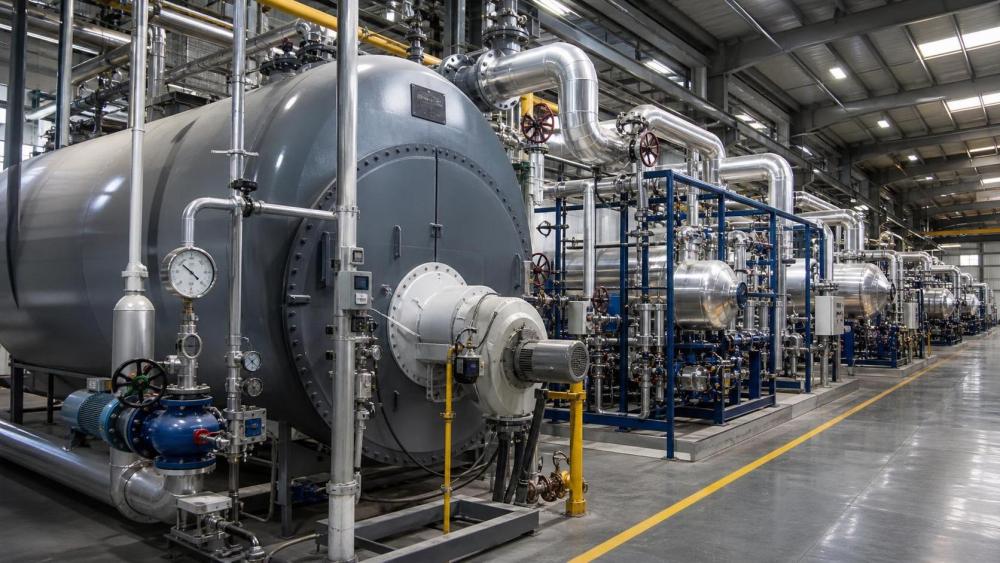
Thermal power systems sit at the center of many industrial processes, even outside traditional power generation. They support steam production, heat recovery, drying, cooling integration, compressed air support, and stable thermal balance across manufacturing lines.
That is why efficiency is no longer judged only by design specifications. It is judged by how well a system performs under shifting loads, changing ambient conditions, variable fuel quality, and real maintenance constraints.
This issue matters more today because energy prices remain volatile, emissions rules are tightening, and production environments demand steadier thermal control. A small drop in combustion quality or heat transfer can now have wider financial and operational consequences.
Across sectors such as pharmaceuticals, semiconductors, food processing, chemicals, and general manufacturing, thermal efficiency has become part of competitiveness rather than a background utility topic.
What efficiency really means in thermal power systems
For practical operation, efficiency is not only about fuel-to-power conversion. It also includes heat transfer quality, response to load changes, auxiliary power consumption, pressure stability, and the ability to maintain target output without excessive thermal loss.
In other words, thermal power systems perform efficiently when energy moves through the process with minimal waste and with predictable control. When any part of that chain drifts, the whole system pays for it.
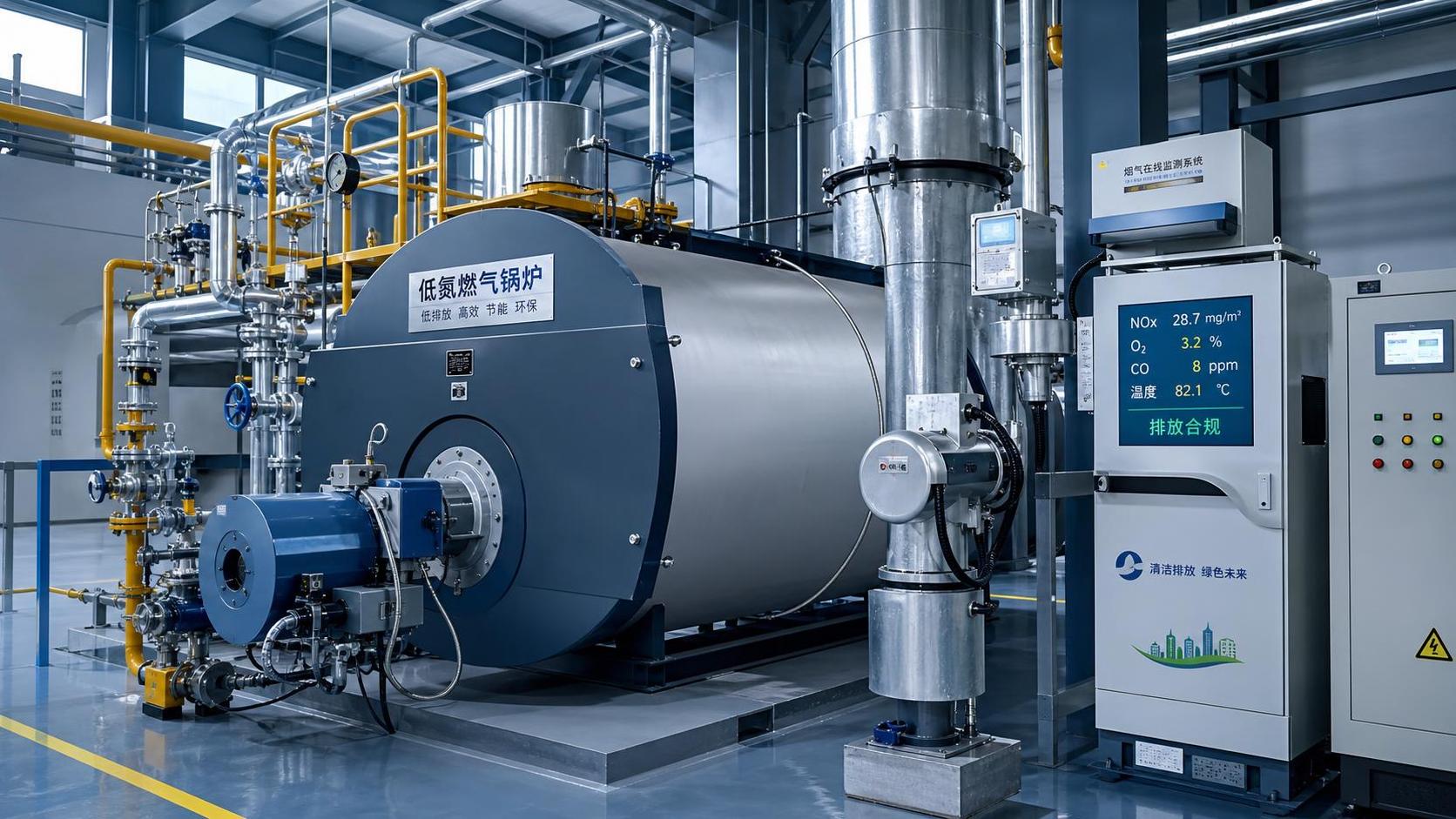
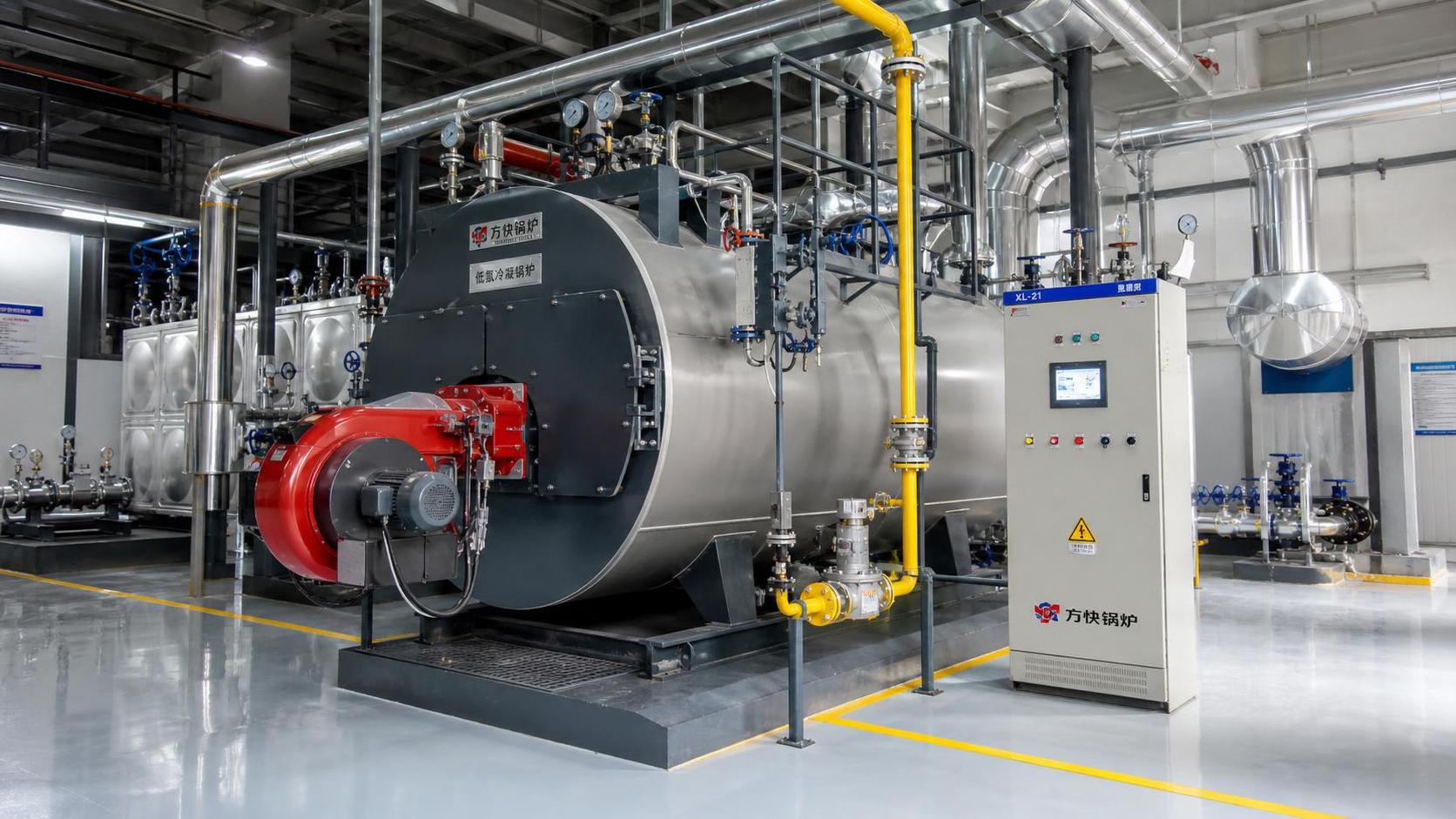
This is where a broader industrial view becomes useful. GTC-Matrix tracks cooling, compressed air, vacuum processes, and heat exchange technologies because these systems often interact. Thermal inefficiency is frequently connected to wider utility behavior, not just one boiler, exchanger, or burner.
The most common operational risks behind hidden losses
Several issues appear repeatedly in underperforming thermal power systems. None of them are unusual. Their impact grows because they develop gradually and are often accepted as normal operation.
Load instability and part-load mismatch
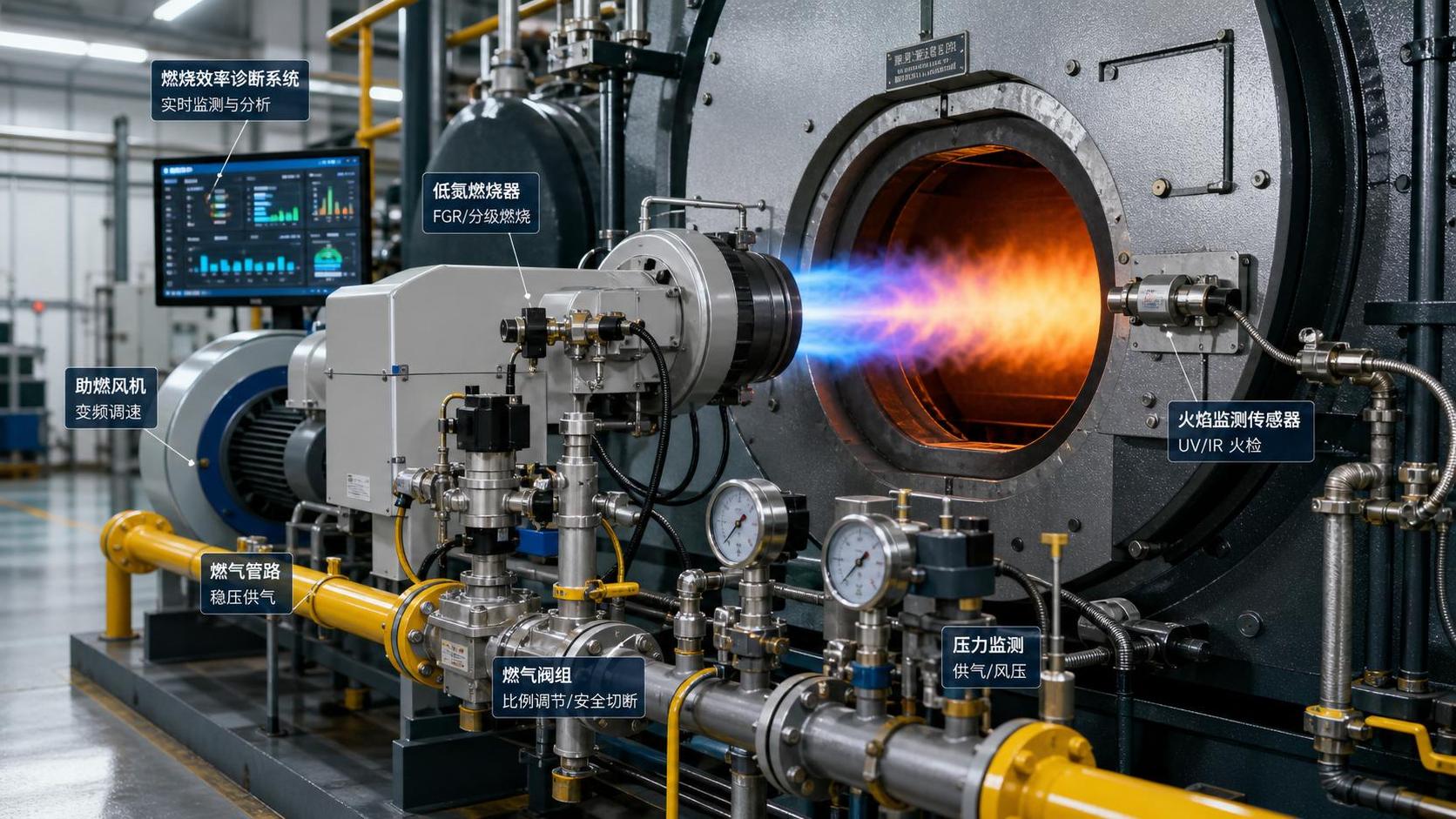
Many thermal power systems are designed for a stable operating band, but daily demand often moves above and below that range. Frequent cycling, long part-load operation, or abrupt load swings reduce combustion quality and waste recoverable energy.
This problem becomes more visible where production lines start and stop frequently or where multiple utilities compete for the same heat source.
Fouling, scaling, and poor heat exchange
Heat exchangers, boilers, condensers, and recovery units lose performance when surfaces are dirty or scaled. A thin insulating layer can force higher firing rates, longer running time, and uneven thermal delivery.
In facilities that rely on precise temperature windows, that loss is not only an energy issue. It can also affect product quality and process repeatability.
Control drift and sensor inaccuracy
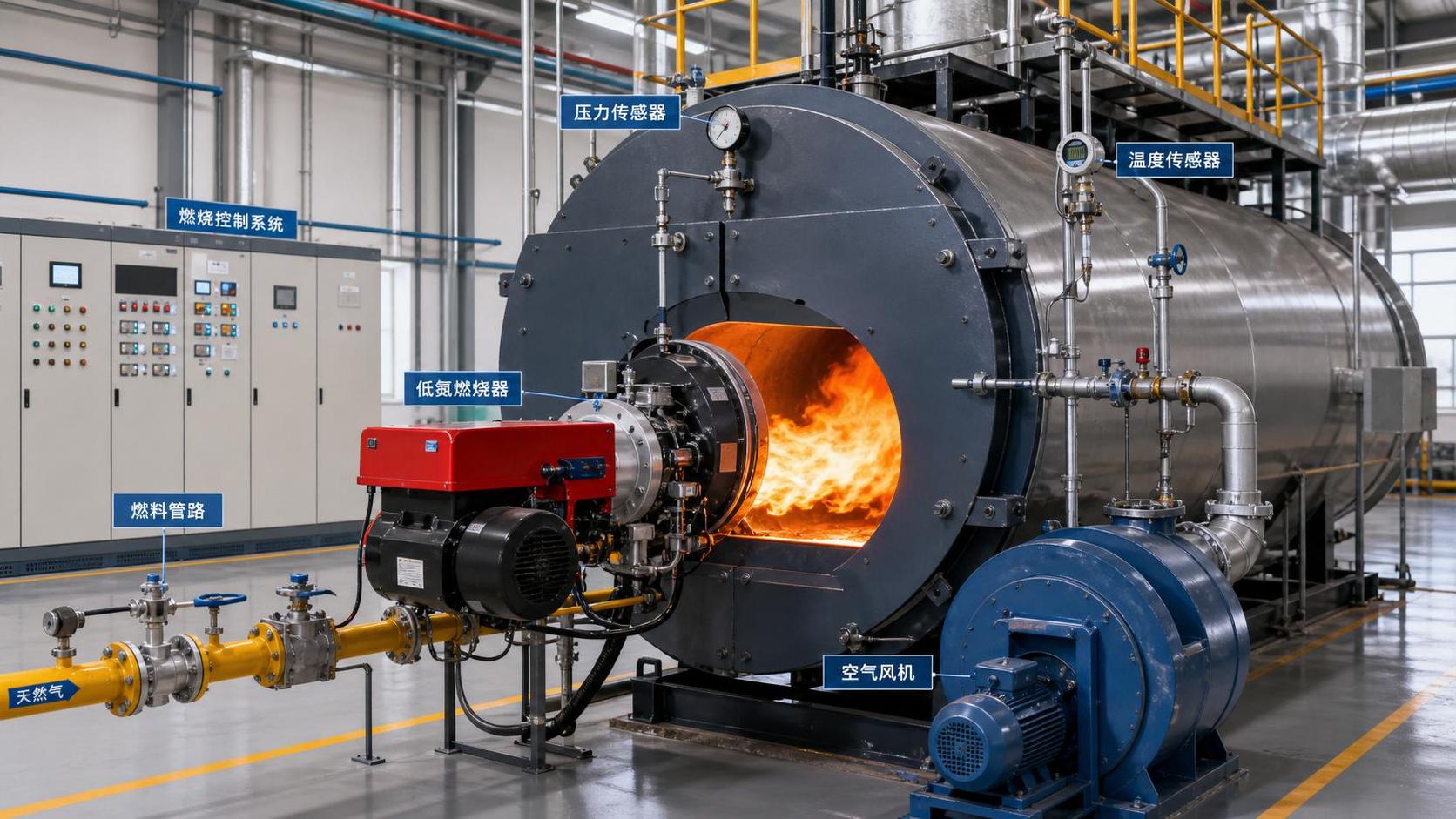
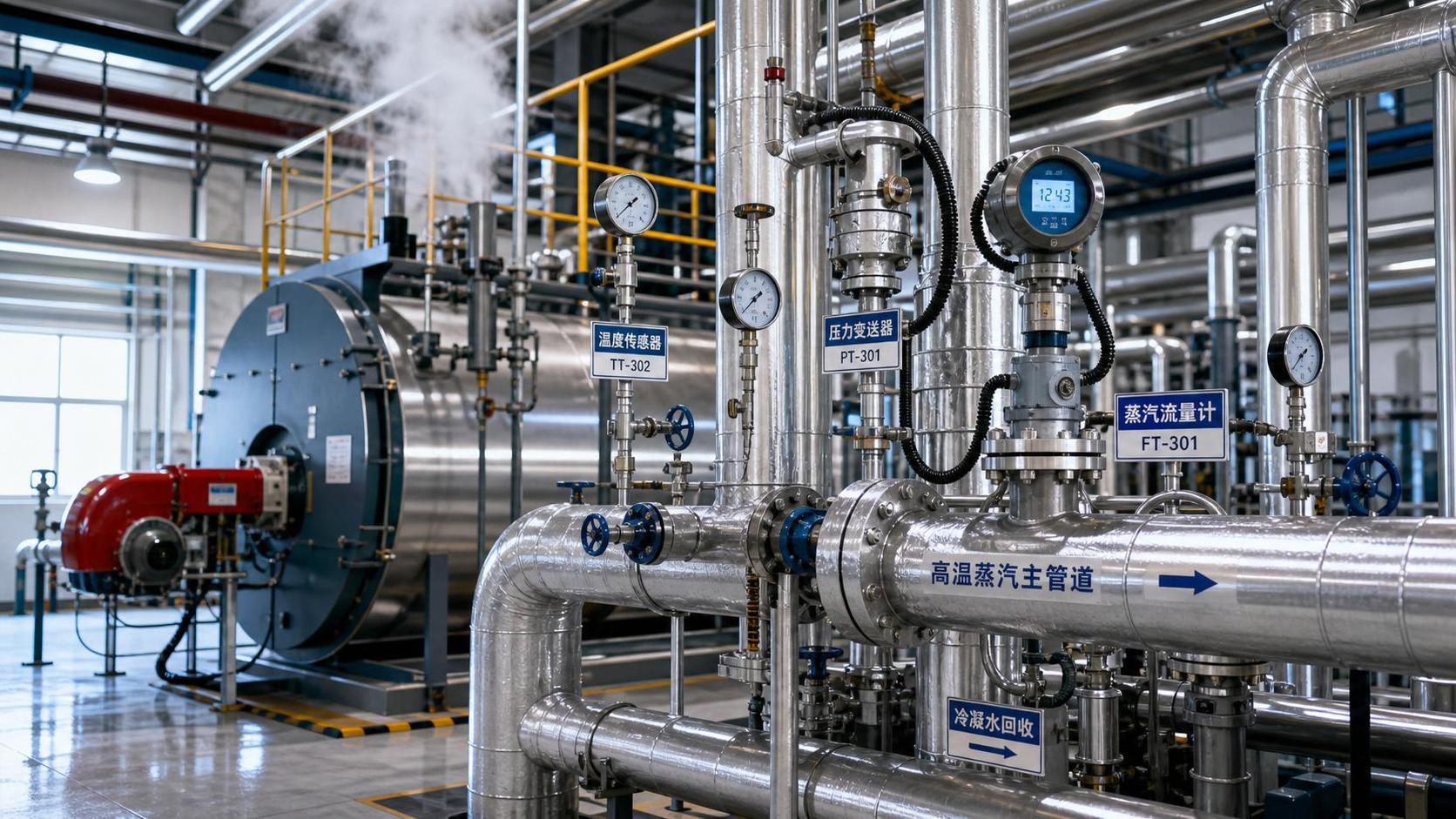
Operators usually trust dashboards, but thermal power systems are only as reliable as their measurement points. A drifting temperature sensor or poorly tuned control loop can create false stability while real losses grow in the background.
This leads to over-firing, unnecessary safety margins, and delayed response to genuine efficiency decline.
Air leakage, insulation loss, and auxiliary waste
Thermal power systems often lose energy through support equipment rather than core generation units. Leaking valves, damaged insulation, oversized pumps, inefficient fans, and compressed air misuse all increase the energy required to maintain the same result.
These are especially important in mixed utility environments where thermal and pneumatic systems operate together.
Delayed maintenance and reactive intervention
When maintenance is driven only by failure, thermal power systems tend to run in a degraded state for too long. Burners lose calibration, traps fail, exchangers foul, and filters clog long before a shutdown is triggered.
The cost of that delay usually appears as a higher baseline energy bill rather than a single visible event.
Where these risks show up across industrial settings
The same efficiency risks appear in different forms depending on the process environment. Looking at typical scenarios helps make thermal power systems easier to evaluate in practice.
From an industry intelligence perspective, these patterns explain why efficient thermal operation is increasingly tied to heat exchange upgrades, oil-free compression trends, low-NOx combustion improvements, and smarter monitoring strategies.
How to judge system condition before losses become structural
A useful approach is to watch for deviation, not only failure. Efficient thermal power systems rarely deteriorate overnight. They show early signals that can be tracked and interpreted.
- Compare actual fuel or energy use against stable output periods, not only design benchmarks.
- Track approach temperatures, pressure drops, and warm-up time for heat exchange equipment.
- Check whether part-load operation is becoming the normal state rather than an exception.
- Review sensor calibration history and control loop response after maintenance activity.
- Include fans, pumps, traps, valves, and insulation in routine loss assessment.
- Look for repeated operator adjustments, because repeated manual correction often signals hidden system drift.
These checks matter because thermal power systems are integrated assets. A weak heat exchanger, unstable compressor support, or poor condensate recovery can distort the performance picture of the whole utility network.
Why better intelligence improves daily decisions
Daily operation improves when technical judgment is supported by wider context. That includes energy price movements, refrigerant policy changes, decarbonization pressure, and the adoption curve of technologies such as microchannel heat exchangers or cleaner combustion systems.
This is where platforms such as GTC-Matrix add practical value. By connecting thermodynamic analysis with industrial cooling, compression, and heat exchange developments, they help translate scattered technical signals into clearer operating priorities.
For thermal power systems, that broader visibility supports better timing for retrofits, more accurate maintenance planning, and more realistic expectations for efficiency gains.
A practical next step for stronger thermal performance
The most effective next move is usually not a full redesign. It is a structured review of where thermal power systems are losing control, transfer quality, or operating balance during normal shifts.
Start with recurring deviations: unstable load, unexpected fuel rise, slower heat response, or frequent manual intervention. Then connect those signs to specific equipment, utility interactions, and maintenance history.
From there, it becomes easier to decide whether the priority is cleaning, recalibration, insulation repair, load optimization, control tuning, or a broader upgrade path. In a tighter energy environment, thermal power systems reward disciplined observation long before major capital projects begin.
Related News
- Low Emissions Boilers: What to Compare Before You ChooseAuthor :Thermal Energy Strategist

- Low-NOx Boilers Cost Breakdown: Upfront Price, Fuel Savings, and PaybackAuthor :Thermal Energy Strategist

- Boiler Combustion Systems: Common Causes of Unstable Fuel PerformanceAuthor :Thermal Energy Strategist

- Hot Water Industrial Boilers: When Efficiency Gains Justify ReplacementAuthor :Thermal Energy Strategist

- What Boiler Efficiency Really Means in Daily Operation and Energy BillsAuthor :Thermal Energy Strategist

- Boiler Efficiency Testing Methods That Expose Heat Loss and Fuel WasteAuthor :Thermal Energy Strategist

- Industrial Burner Systems: Key Factors for Safe Heat OutputAuthor :Thermal Energy Strategist

- Gas-Fired Boiler Combustion Technology: Key Efficiency and Emissions Trade-OffsAuthor :Thermal Energy Strategist

- Unfired Heat Recovery Steam Generators: When Do They Pay Off?Author :Thermal Energy Strategist

- How to Evaluate Steam Generation Systems Electric for Process Heat ProjectsAuthor :Thermal Energy Strategist

- Thermal Power Systems for Industrial Heating: Common Sizing Mistakes to AvoidAuthor :Thermal Energy Strategist

- Low-NOx Condensing Boilers: How to Compare Efficiency and EmissionsAuthor :Thermal Energy Strategist
![]()
- Low Emissions Boilers for Food Processing: Key Compliance and Fuel Cost FactorsAuthor :Thermal Energy Strategist

- Steam System Efficiency Calculation: Key Inputs That Change the ResultAuthor :Thermal Energy Strategist

- How to Evaluate a Steam Boiler Components Exporter Before OrderingAuthor :Thermal Energy Strategist

- Burner Systems Troubleshooting: Common Efficiency Loss CausesAuthor :Thermal Energy Strategist

- EU PED Q2 Rules Require Digital Compliance TagsAuthor :Thermal Energy Strategist

- Thermal Power Systems: Key Efficiency Risks in Daily OperationAuthor :Thermal Energy Strategist

- Low-NOx Combustion Boilers: Key Efficiency and Compliance ChecksAuthor :Thermal Energy Strategist

- Low-NOx Combustion Boilers: Key Specs That Affect Emissions and Fuel UseAuthor :Thermal Energy Strategist

- Low-NOx Combustion Boilers: Key Compliance RisksAuthor :Thermal Energy Strategist

- Thermodynamics Analysis for Boiler Heat-Loss ReductionAuthor :Thermal Energy Strategist

- Industrial Thermal Systems: Common Operating RisksAuthor :Thermal Energy Strategist

- Low-NOx Combustion Boilers: Key Spec Checks Before PurchaseAuthor :Thermal Energy Strategist

- How Industrial Heat Recovery Cuts Boiler Fuel Costs in 2026Author :Thermal Energy Strategist

- Thermodynamics Analysis: 5 Heat Loss Clues in Steam BoilersAuthor :Thermal Energy Strategist

- Low-NOx Combustion Boilers: What Affects Real Emissions PerformanceAuthor :Thermal Energy Strategist

- Thermodynamics Analysis: Finding Heat Loss in Steam BoilersAuthor :Thermal Energy Strategist

- 2026 Steam Boiler Upgrades for Lower NOx and Fuel CostsAuthor :Thermal Energy Strategist

- EU to Expand CBAM to Steam Boilers; Exporters Must Prepare Carbon DataAuthor :Thermal Energy Strategist

- Industrial Heat Recovery: When Payback Beats New Boiler CapacityAuthor :Thermal Energy Strategist

- Carbon Neutrality Targets and the New Boiler Retrofit PaybackAuthor :Thermal Energy Strategist

- Low-NOx Combustion Boilers: Fuel Savings vs Emission LimitsAuthor :Thermal Energy Strategist

- Industrial Energy Efficiency Benchmarks for Steam Boiler Upgrades in 2026Author :Thermal Energy Strategist

- Low-NOx Combustion Boilers: Efficiency vs Emissions in 2026Author :Thermal Energy Strategist

- Industrial Heat Recovery Options for Steam Boiler SavingsAuthor :Thermal Energy Strategist