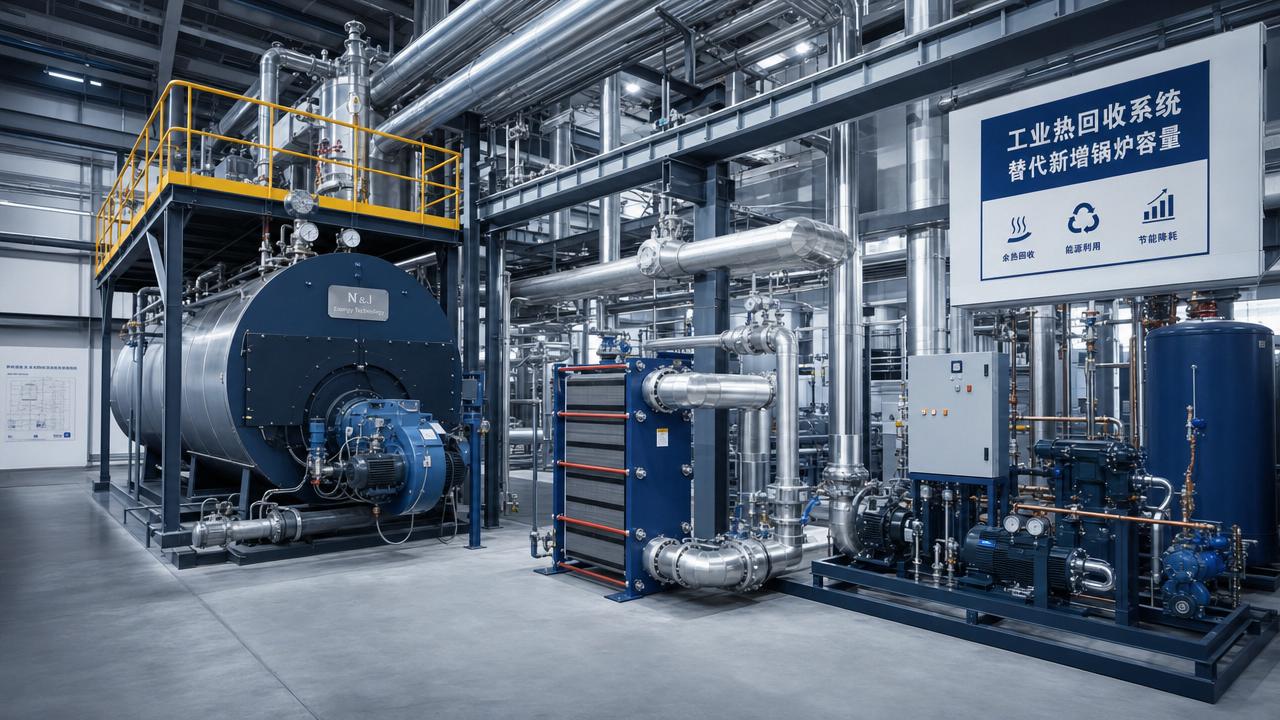
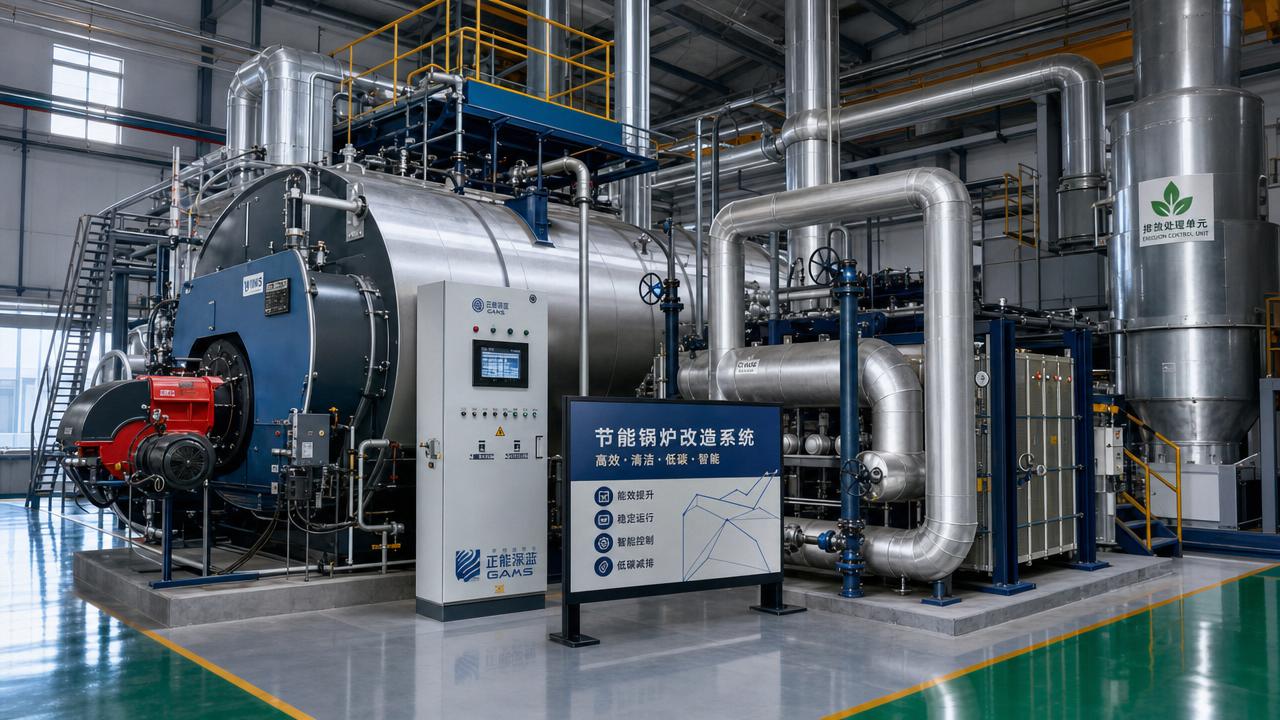
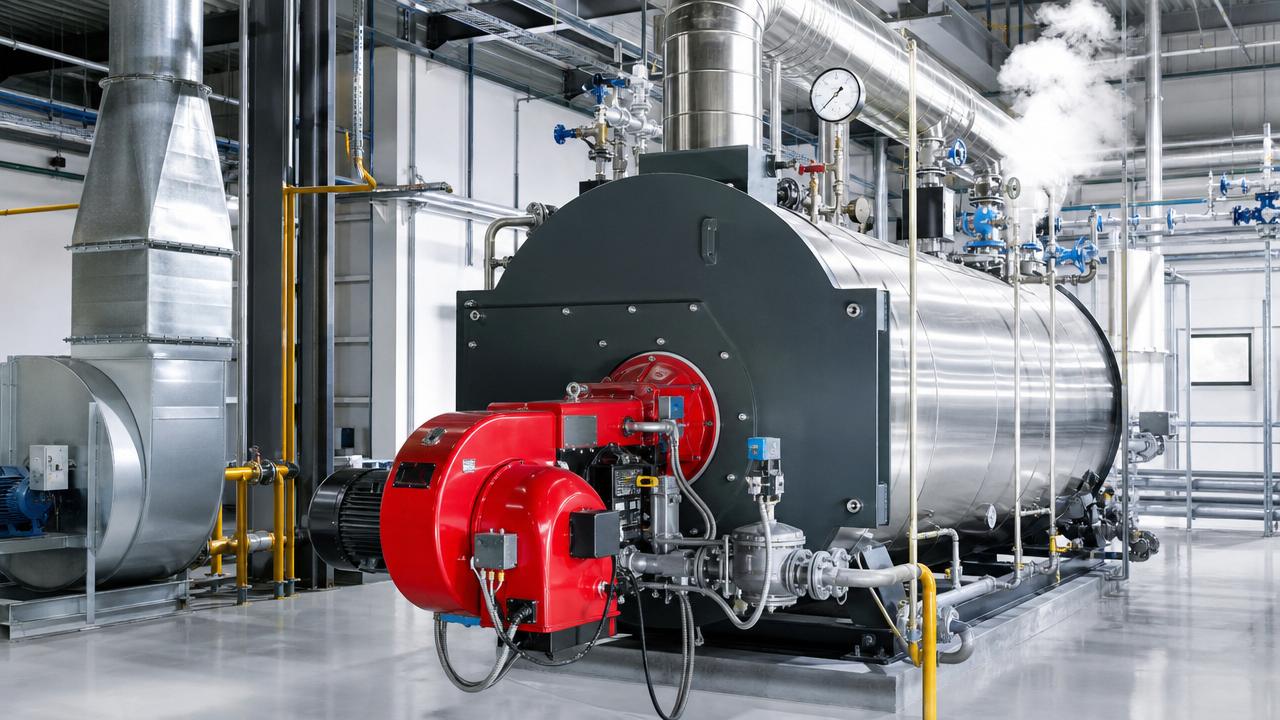
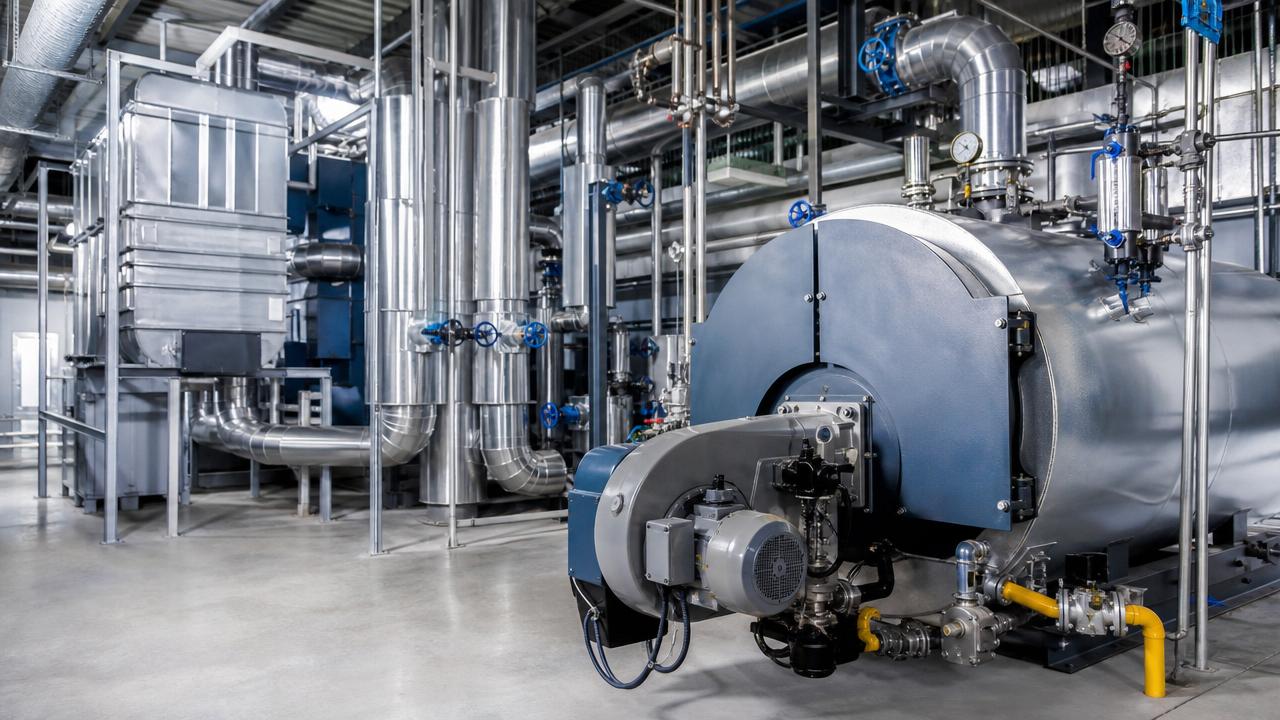
Carbon Neutrality Targets and the New Boiler Retrofit Payback




As carbon neutrality targets tighten across industries, project managers are under growing pressure to justify boiler retrofit investments with clear operational and financial returns. Understanding the new boiler retrofit payback means balancing energy efficiency, emissions reduction, fuel cost volatility, and long-term asset performance. This article explores how decision-makers can evaluate retrofit strategies that align sustainability goals with practical project economics.
For industrial facilities, a boiler retrofit is no longer a narrow maintenance decision. It often affects energy intensity, emissions compliance, steam reliability, and production continuity for the next 10–15 years. For project leaders managing budgets, shutdown windows, and cross-functional approvals, the payback discussion must move beyond simple fuel savings and include lifecycle value.
In sectors such as food processing, pharmaceuticals, electronics, chemicals, and general manufacturing, boiler systems sit close to the thermal center of plant operations. That makes retrofit timing, scope, and technology selection central to both carbon neutrality planning and day-to-day operating economics.
Why Boiler Retrofit Payback Has Changed Under Carbon Neutrality Pressure
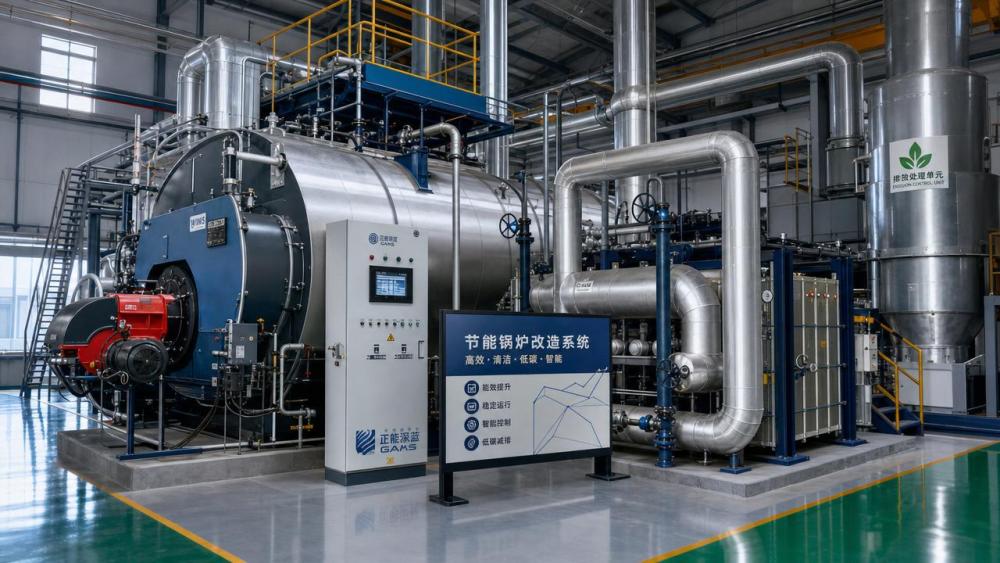
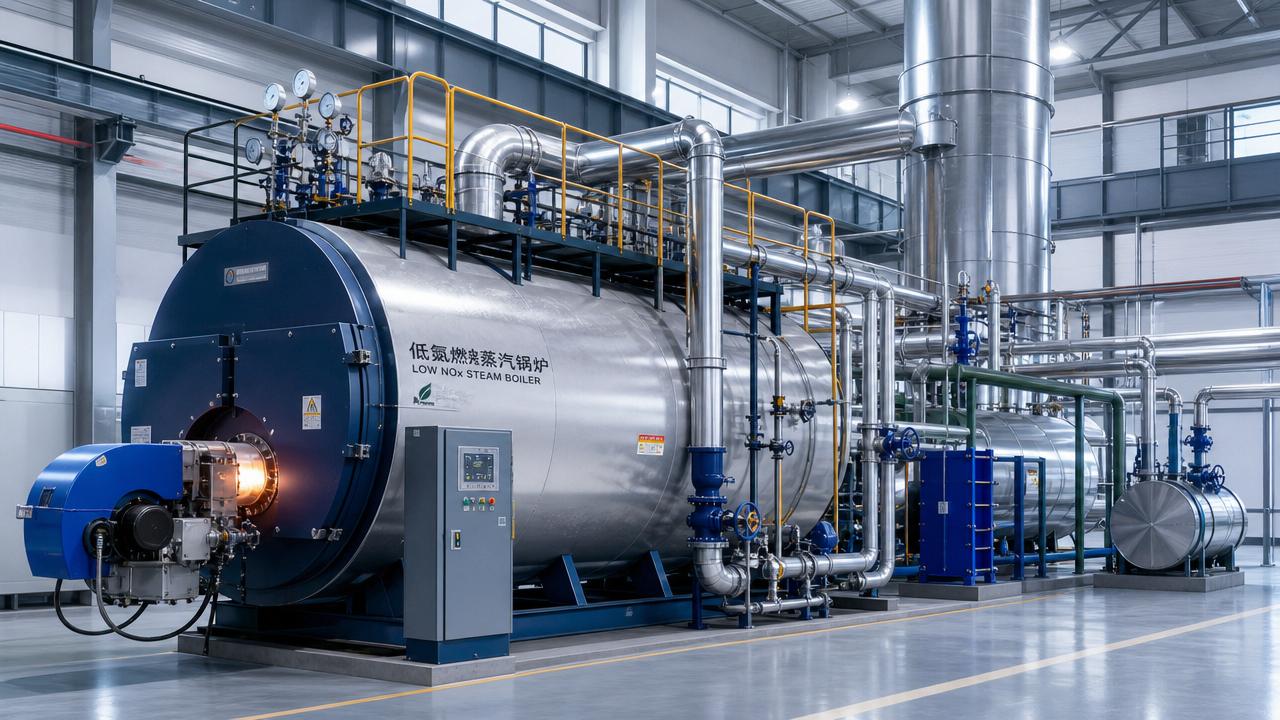
The traditional payback model for boiler upgrades focused mainly on burner efficiency and fuel consumption. Today, project managers must also account for carbon pricing exposure, stricter NOx limits, electrification pathways, and greater volatility in natural gas and fuel oil markets. A retrofit that looked marginal 5 years ago can now become strategically necessary.
In many industrial settings, legacy boilers operate at 72%–82% seasonal efficiency, especially when cycling losses, poor controls, and degraded heat transfer surfaces are included. Modern retrofit packages can often lift practical operating efficiency into the 85%–92% range, depending on load profile, return temperature, and combustion control quality.
The new drivers behind retrofit economics
Carbon neutrality has changed the decision framework in at least 4 ways. First, emissions performance now influences financing and internal capital approval. Second, energy projects are increasingly judged against 3–7 year decarbonization roadmaps. Third, heat demand flexibility matters more as plants integrate digital energy management. Fourth, resilience against fuel price swings has become a board-level concern.
- Higher fuel costs can compress simple payback from 6 years to 3–4 years.
- Carbon reporting obligations add value to measurable combustion improvements.
- Shutdown avoidance may justify retrofit even when energy savings alone look moderate.
- Lower NOx and better controls can reduce compliance risk during permit renewal cycles.
Why project managers need a broader ROI lens
A narrow capital recovery formula can miss important realities. If a boiler supplies critical steam to sterilization, clean-in-place, drying, or process heating lines, one unplanned outage can destroy the economics of delaying action. In practice, project managers often compare retrofit options over a 5-year, 10-year, and remaining-asset-life horizon rather than relying on a single simple payback number.
This broader approach is especially relevant for companies following data-led industrial efficiency strategies, where thermal equipment decisions are connected to compressed air demand, heat recovery potential, and overall utility optimization.
Key cost elements that now matter
The strongest retrofit evaluations usually include 6 cost layers: equipment package, engineering integration, downtime planning, commissioning support, maintenance impact, and carbon-related operating exposure. Ignoring even 1 of these can distort the investment case.
How to Calculate the Real Boiler Retrofit Payback
A reliable payback calculation starts with a plant-specific thermal baseline. Project managers should collect at least 12 months of fuel use, steam output or thermal load, operating hours, burner modulation behavior, and maintenance records. If seasonal production varies sharply, a 24-month view can improve confidence.
The goal is to separate theoretical nameplate performance from actual field performance. A boiler rated efficiently at full load may spend 40%–60% of its time in partial-load operation, where poor controls and standby losses reduce real savings.
Core formula inputs for project teams
Below is a practical framework used by many industrial project teams when comparing retrofit scenarios. It helps convert carbon neutrality goals into measurable financial terms without overstating benefits.
The table shows why simple payback should never rely on a single efficiency claim from a brochure. For most plants, the biggest errors come from weak baseline data and unrealistic operating assumptions rather than from the retrofit hardware itself.
Simple payback versus strategic payback
Simple payback usually equals total installed cost divided by annual savings. That remains useful, but strategic payback adds avoided compliance cost, lower maintenance spend, reduced startup losses, and lower outage probability. In carbon neutrality programs, this expanded method often gives a more accurate picture of capital efficiency.
For example, a retrofit costing $250,000 with annual fuel savings of $60,000 suggests a simple payback of about 4.2 years. If the same project also avoids $15,000 in annual maintenance and $10,000 in expected compliance-related cost, effective payback drops closer to 3 years.
A 5-step evaluation process
- Measure current thermal performance over at least 1 full operating cycle.
- Define retrofit scope: burner, controls, heat recovery, insulation, or partial replacement.
- Model 3 cost scenarios based on fuel and production variation.
- Estimate downtime requirements, typically 3–14 days depending on complexity.
- Validate savings after commissioning through trend data and acceptance testing.
Retrofit Options and Their Payback Profiles
Not every carbon neutrality plan requires a full boiler replacement. In many facilities, targeted retrofit measures can deliver 60%–80% of the achievable savings at a significantly lower capital cost. The right path depends on boiler age, pressure requirements, return water temperature, fuel flexibility, and shutdown tolerance.
Common retrofit paths for industrial sites
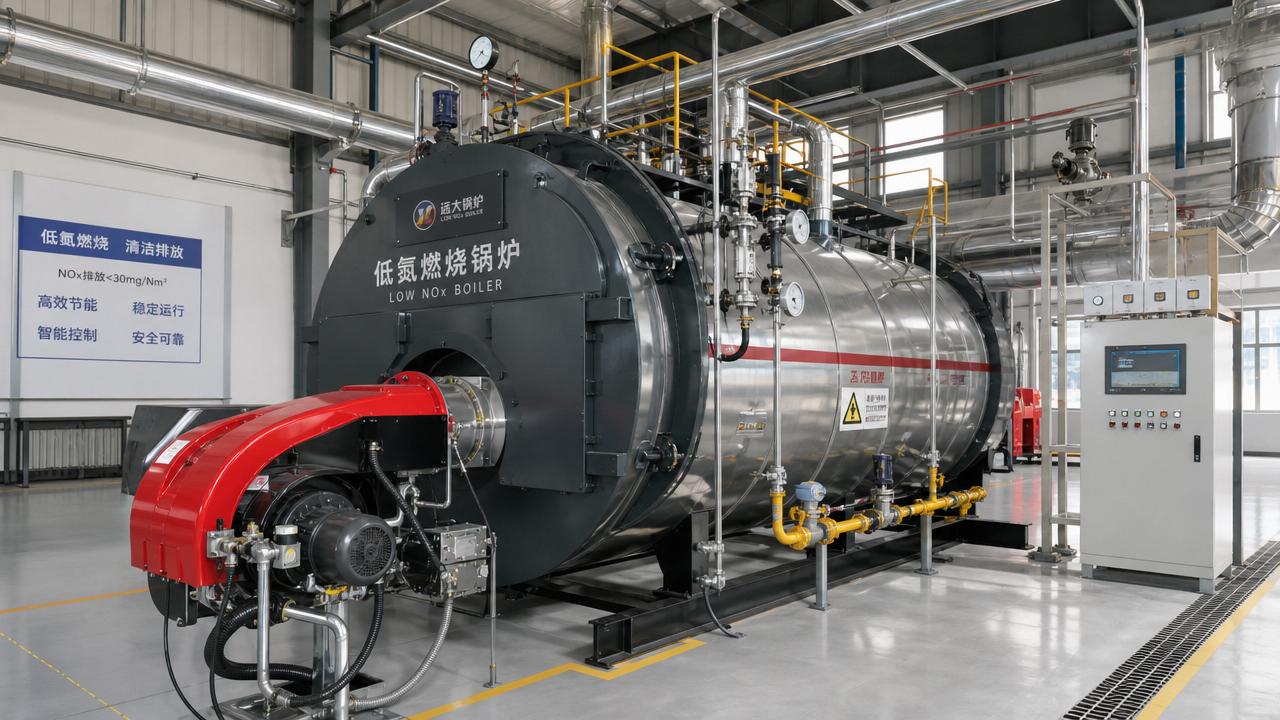
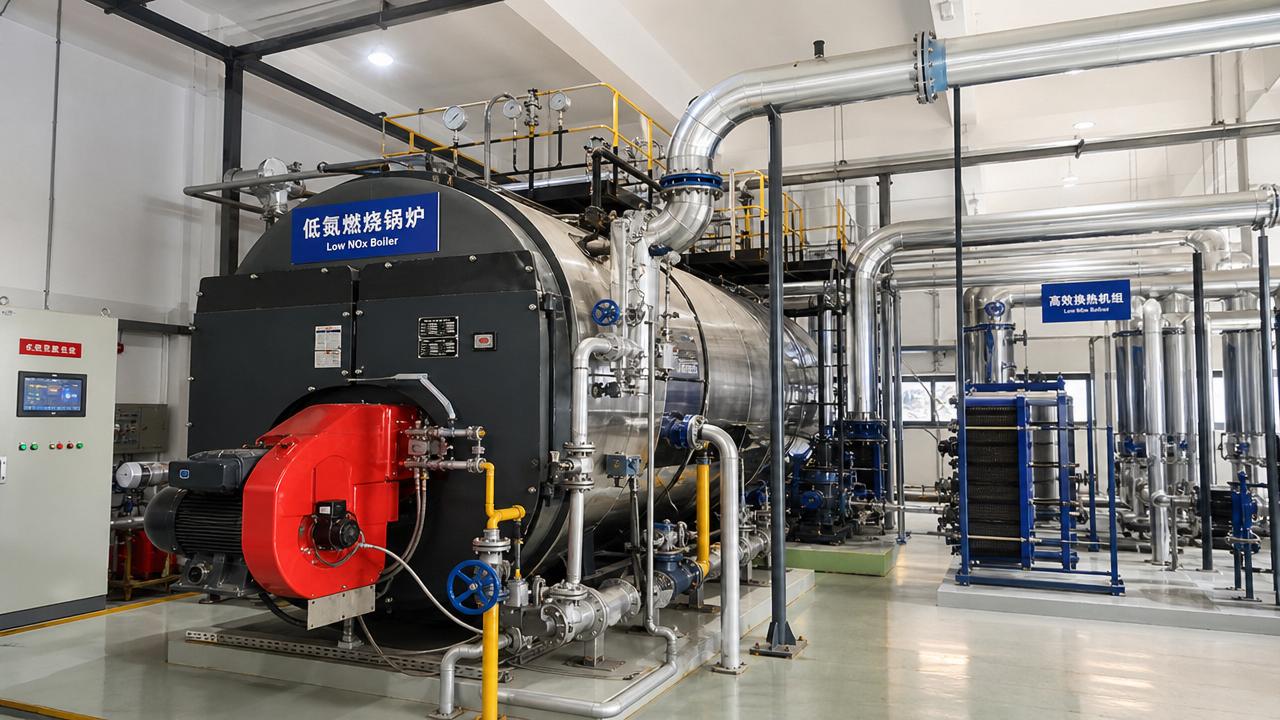
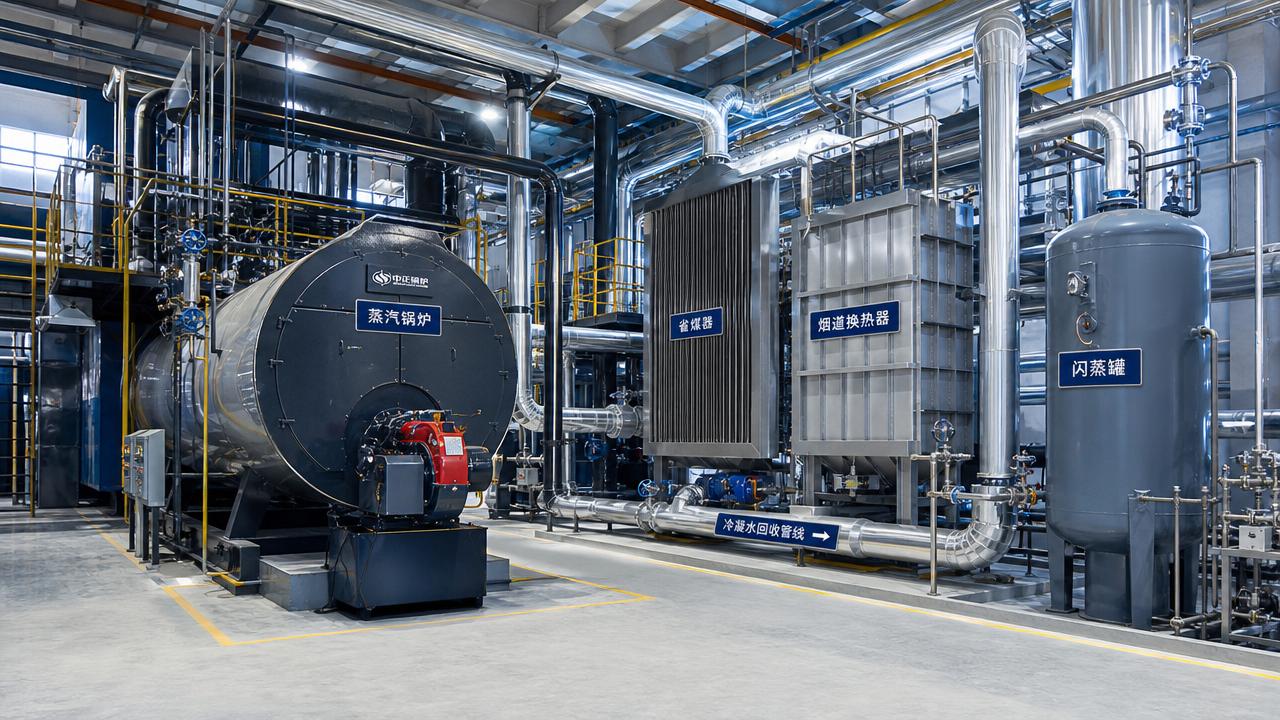
The most common options include burner upgrades, oxygen trim systems, variable speed fan control, economizers, condensate recovery improvements, and digital combustion management. In some cases, low-NOx conversion is the trigger, with energy payback serving as a secondary but still important benefit.
These payback windows are indicative rather than universal, but they show a useful pattern. Measures tied to waste heat recovery often recover fastest, while compliance-driven retrofits may show stronger long-term value than short-term cash return alone.
When replacement beats retrofit
If a boiler is nearing end of life, suffers chronic refractory or tube failures, or cannot meet process load without excessive cycling, replacement may deliver better economics over 10 years. Many teams use 3 threshold questions: Is the unit older than 20 years? Is annual maintenance rising above 4%–6% of replacement value? Does process reliability depend on oversized standby capacity?
When the answer is yes to 2 or more, a retrofit-only strategy may postpone rather than solve the problem. Carbon neutrality goals should not push facilities into short-lived investments that leave core thermal inefficiencies untouched.
Project Risks, Implementation Planning, and Procurement Priorities
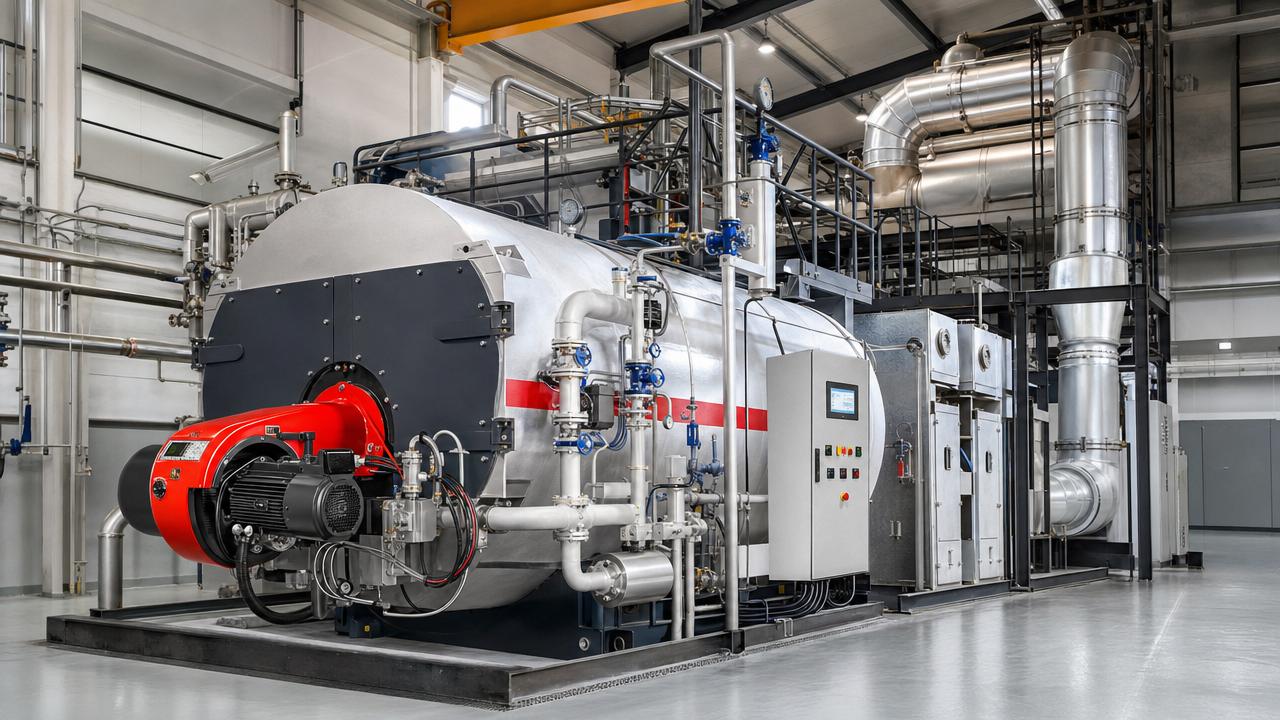
Even a technically sound boiler retrofit can fail financially if project execution is weak. The most common problems are incomplete site surveys, underestimated shutdown durations, control system incompatibility, and insufficient post-startup tuning. For project managers, implementation discipline is as important as equipment selection.
Risk points to address before approval
- Verify burner-room space, flue path, and access constraints before final design.
- Check utility interactions with steam, compressed air, and process cooling systems.
- Plan a commissioning window of 2–7 days for tuning, alarms, and operator training.
- Confirm spare parts availability for at least the next 5 years.
- Set acceptance metrics such as fuel rate, stack temperature, and NOx performance.
What procurement teams should compare
Procurement should not evaluate vendors on capex alone. A lower upfront offer may carry longer downtime, weaker local support, or less transparent controls integration. In industrial thermal systems, a 2% performance gap can materially change the payback case over several thousand annual operating hours.
A strong bid comparison matrix typically includes 5 dimensions: guaranteed performance, total installed cost, shutdown duration, commissioning scope, and service response time. For multi-site operators, data connectivity and remote diagnostics may become a sixth factor.
A practical decision checklist
- Define the carbon neutrality objective in measurable plant terms.
- Map steam demand by process line, batch schedule, and seasonal load.
- Compare retrofit scenarios against a do-nothing baseline and a replacement baseline.
- Stress-test economics with ±15% fuel price movement.
- Align finance, operations, EHS, and maintenance before final approval.
From Payback to Long-Term Thermal Strategy
The best boiler retrofit decisions support more than one target. They reduce fuel waste, strengthen emissions performance, improve process stability, and fit a wider industrial energy strategy. For facilities already tracking compressed air efficiency, heat exchanger performance, and utility digitization, boiler upgrades should be evaluated as part of an integrated thermal roadmap.
This is where intelligence-led planning becomes valuable. Project managers need not only equipment data, but also context on fuel trends, low-NOx evolution, heat recovery design, and industry-specific load behavior. A retrofit that works for a food plant running 16 hours per day may be a poor fit for a semiconductor site requiring tighter thermal stability and different redundancy logic.
Questions decision-makers should ask internally
Before moving to detailed engineering, teams should ask 4 practical questions. How much of current fuel use is avoidable through controls and heat recovery? What level of downtime can production tolerate? Which emissions limits are likely to tighten in the next 3–5 years? And how will this project contribute to the company’s carbon neutrality milestones?
When those answers are clear, payback becomes easier to defend internally. It shifts from a narrow maintenance expenditure to a managed energy transition project with operational and financial logic.
For project managers and engineering leaders, the new boiler retrofit payback is not just about recovering capital quickly. It is about choosing the right thermal intervention at the right time, using realistic data, disciplined implementation, and a clear link to carbon neutrality objectives. Well-scoped retrofits can deliver measurable savings within 1.5–5 years while improving reliability and emissions performance across critical industrial processes.
If your team is reviewing boiler upgrades alongside broader utility optimization, GTC-Matrix can help you assess technology pathways, operating trade-offs, and sector-specific thermal trends. Contact us to discuss your retrofit priorities, get a tailored evaluation framework, and explore more solutions for efficient, lower-carbon industrial heat systems.
Related News
- Low-NOx Boilers Cost Breakdown: Upfront Price, Fuel Savings, and PaybackAuthor :Thermal Energy Strategist

- Boiler Combustion Systems: Common Causes of Unstable Fuel PerformanceAuthor :Thermal Energy Strategist

- Hot Water Industrial Boilers: When Efficiency Gains Justify ReplacementAuthor :Thermal Energy Strategist

- What Boiler Efficiency Really Means in Daily Operation and Energy BillsAuthor :Thermal Energy Strategist

- Boiler Efficiency Testing Methods That Expose Heat Loss and Fuel WasteAuthor :Thermal Energy Strategist

- Industrial Burner Systems: Key Factors for Safe Heat OutputAuthor :Thermal Energy Strategist

- Gas-Fired Boiler Combustion Technology: Key Efficiency and Emissions Trade-OffsAuthor :Thermal Energy Strategist

- Unfired Heat Recovery Steam Generators: When Do They Pay Off?Author :Thermal Energy Strategist

- How to Evaluate Steam Generation Systems Electric for Process Heat ProjectsAuthor :Thermal Energy Strategist

- Thermal Power Systems for Industrial Heating: Common Sizing Mistakes to AvoidAuthor :Thermal Energy Strategist

- Low-NOx Condensing Boilers: How to Compare Efficiency and EmissionsAuthor :Thermal Energy Strategist
![]()
- Low Emissions Boilers for Food Processing: Key Compliance and Fuel Cost FactorsAuthor :Thermal Energy Strategist

- Steam System Efficiency Calculation: Key Inputs That Change the ResultAuthor :Thermal Energy Strategist

- How to Evaluate a Steam Boiler Components Exporter Before OrderingAuthor :Thermal Energy Strategist

- Burner Systems Troubleshooting: Common Efficiency Loss CausesAuthor :Thermal Energy Strategist

- EU PED Q2 Rules Require Digital Compliance TagsAuthor :Thermal Energy Strategist

- Thermal Power Systems: Key Efficiency Risks in Daily OperationAuthor :Thermal Energy Strategist

- Low-NOx Combustion Boilers: Key Efficiency and Compliance ChecksAuthor :Thermal Energy Strategist

- Low-NOx Combustion Boilers: Key Specs That Affect Emissions and Fuel UseAuthor :Thermal Energy Strategist

- Low-NOx Combustion Boilers: Key Compliance RisksAuthor :Thermal Energy Strategist

- Thermodynamics Analysis for Boiler Heat-Loss ReductionAuthor :Thermal Energy Strategist

- Industrial Thermal Systems: Common Operating RisksAuthor :Thermal Energy Strategist

- Low-NOx Combustion Boilers: Key Spec Checks Before PurchaseAuthor :Thermal Energy Strategist

- How Industrial Heat Recovery Cuts Boiler Fuel Costs in 2026Author :Thermal Energy Strategist

- Thermodynamics Analysis: 5 Heat Loss Clues in Steam BoilersAuthor :Thermal Energy Strategist

- Low-NOx Combustion Boilers: What Affects Real Emissions PerformanceAuthor :Thermal Energy Strategist

- Thermodynamics Analysis: Finding Heat Loss in Steam BoilersAuthor :Thermal Energy Strategist

- 2026 Steam Boiler Upgrades for Lower NOx and Fuel CostsAuthor :Thermal Energy Strategist

- EU to Expand CBAM to Steam Boilers; Exporters Must Prepare Carbon DataAuthor :Thermal Energy Strategist

- Industrial Heat Recovery: When Payback Beats New Boiler CapacityAuthor :Thermal Energy Strategist

- Carbon Neutrality Targets and the New Boiler Retrofit PaybackAuthor :Thermal Energy Strategist

- Low-NOx Combustion Boilers: Fuel Savings vs Emission LimitsAuthor :Thermal Energy Strategist

- Industrial Energy Efficiency Benchmarks for Steam Boiler Upgrades in 2026Author :Thermal Energy Strategist

- Low-NOx Combustion Boilers: Efficiency vs Emissions in 2026Author :Thermal Energy Strategist

- Industrial Heat Recovery Options for Steam Boiler SavingsAuthor :Thermal Energy Strategist

- Low-NOx Combustion Boilers and 2026 Compliance PressureAuthor :Thermal Energy Strategist