



Low-NOx Boilers Cost Breakdown: Upfront Price, Fuel Savings, and Payback




Low-NOx Boilers Cost Breakdown: Upfront Price, Fuel Savings, and Payback
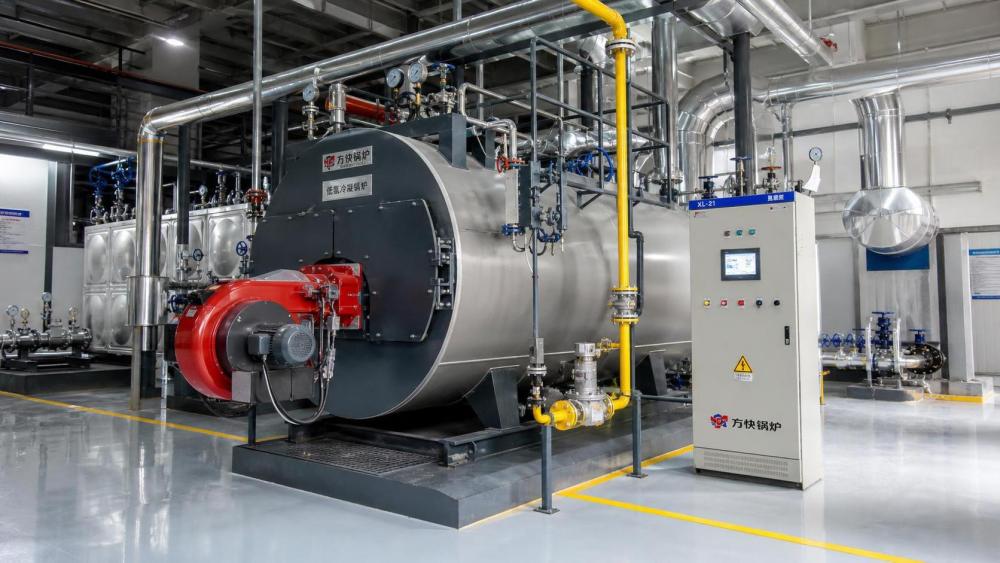
For procurement teams evaluating cleaner heat generation, understanding low-NOx boilers cost is essential to balancing compliance, capital budgets, and long-term operating efficiency.
Beyond the purchase price, the real decision includes installation, controls, fuel use, maintenance, and expected payback under local operating conditions.
That matters more now because air-quality rules, gas price swings, and efficiency targets are moving at the same time.
In practical buying situations, low-NOx boilers cost should be viewed as a lifecycle equation, not a simple equipment quote.
This guide breaks that equation into clear cost components, realistic savings drivers, and a usable framework for comparing suppliers.
What Shapes Low-NOx Boilers Cost First
The first number most buyers see is the equipment price, but that figure rarely tells the whole story.
Low-NOx boilers cost usually rises with tighter emission limits, higher turndown ratios, and more advanced burner control packages.
Capacity also changes pricing quickly. A small commercial boiler and a large industrial steam unit sit in very different cost bands.
Boiler type matters as well. Fire-tube, water-tube, condensing, and hybrid designs each carry different cost and efficiency profiles.
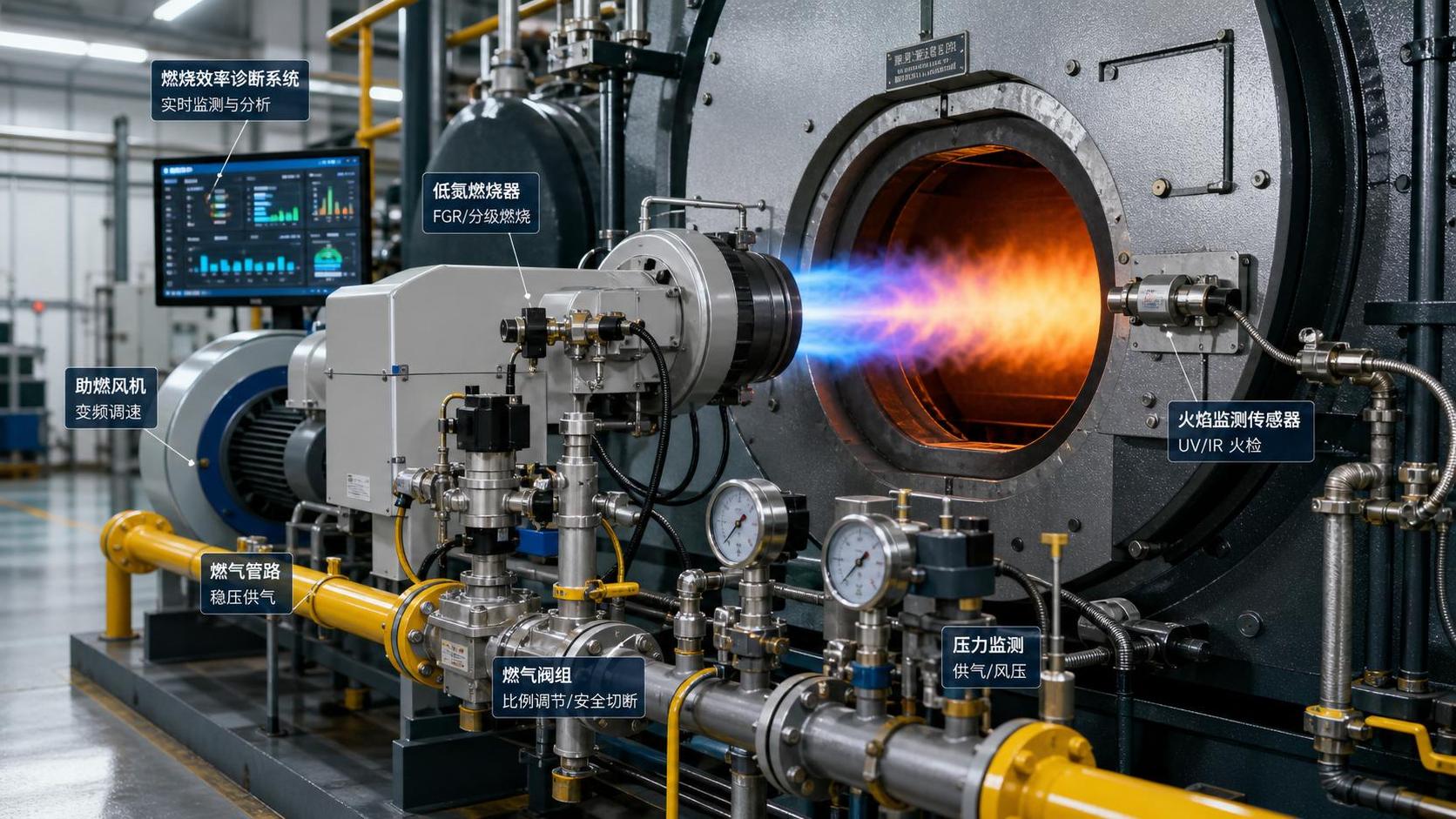
More importantly, the emissions target can change the burner architecture, flue gas recirculation needs, and controls complexity.
- Boiler output and pressure rating
- Required NOx level in ppm
- Fuel type and fuel flexibility
- Condensing or non-condensing design
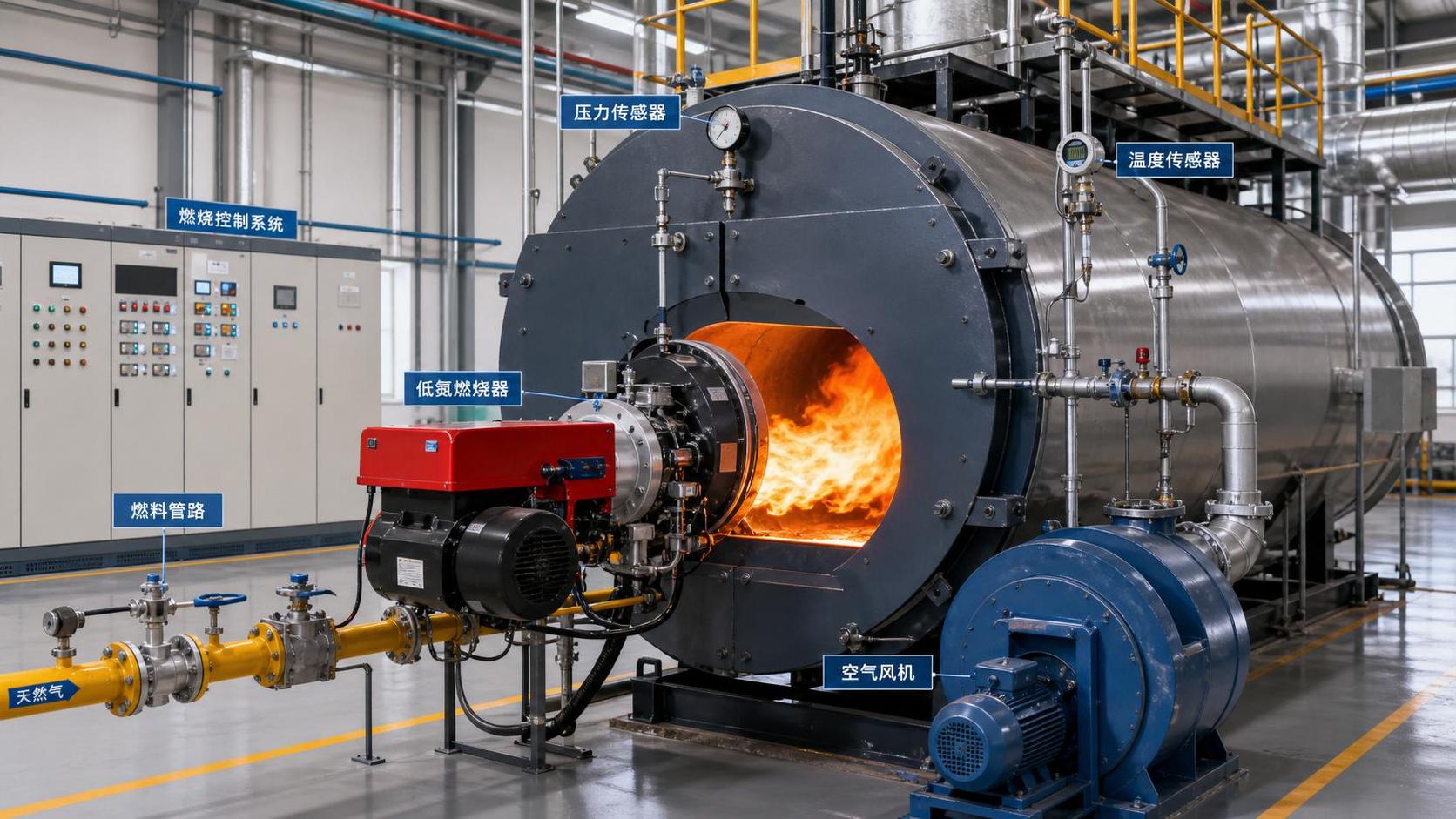
- Automation, monitoring, and BMS integration
- Brand support, warranty, and local service coverage
From a sourcing perspective, those variables explain why two similar-looking quotations can differ by a wide margin.
Upfront Price: Equipment, Installation, and Compliance Items
When estimating low-NOx boilers cost, splitting capital spending into categories makes supplier comparisons much cleaner.
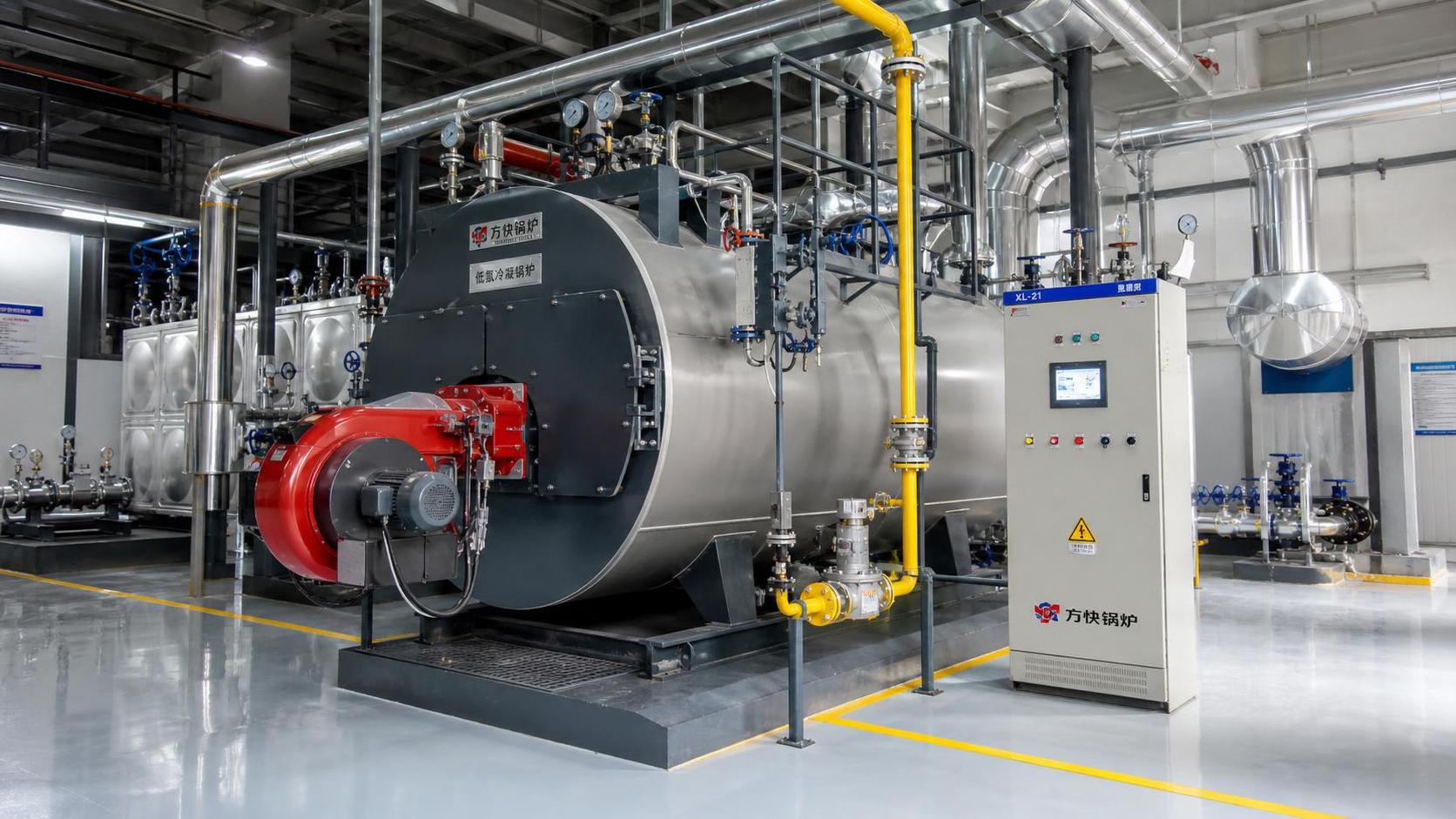
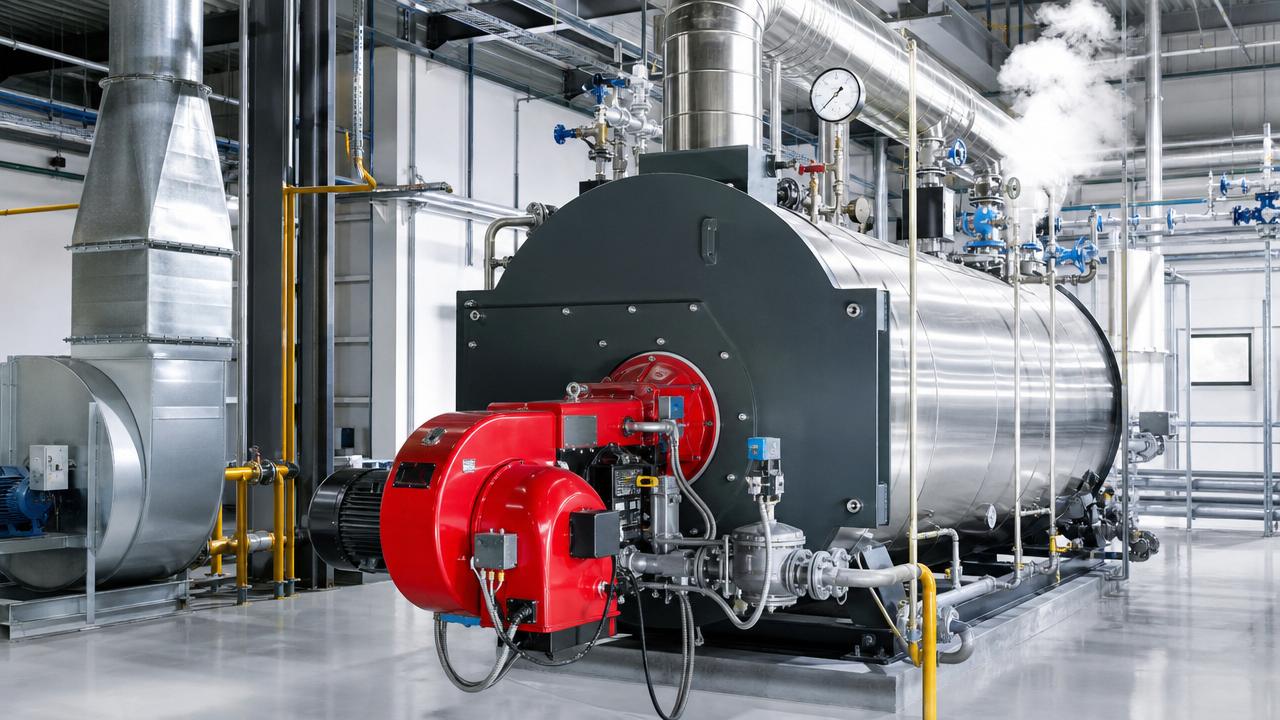
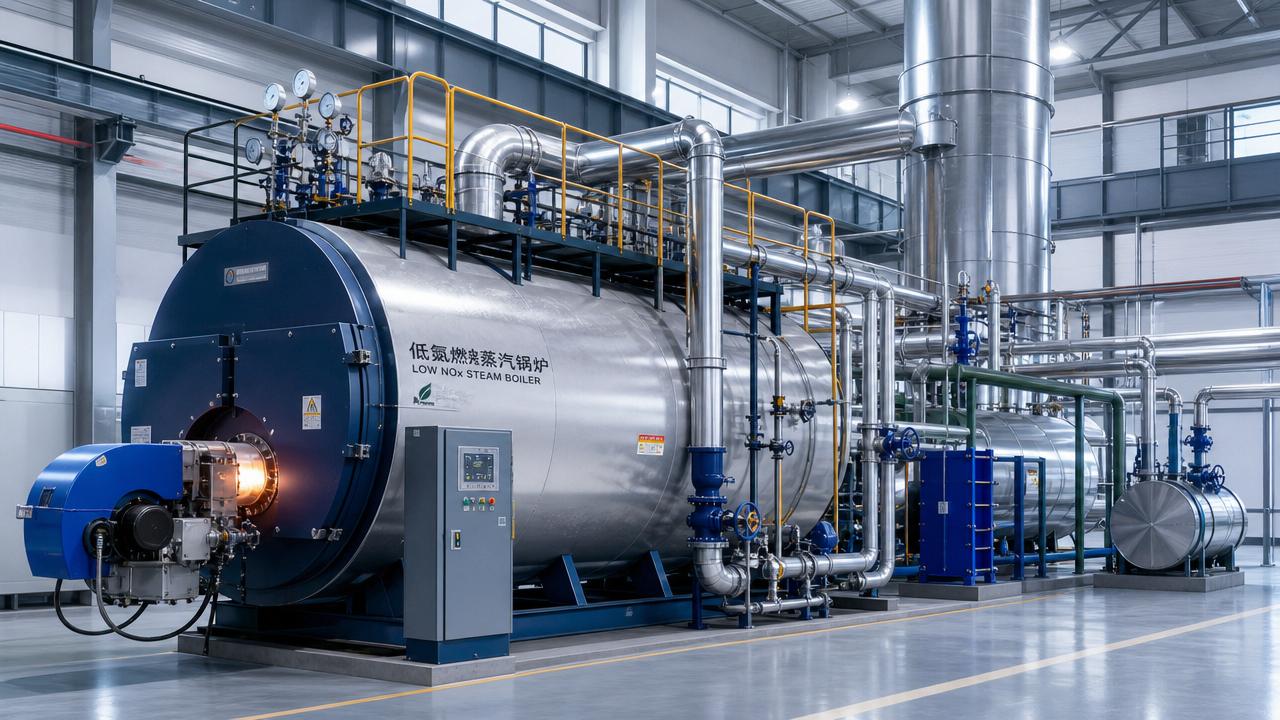
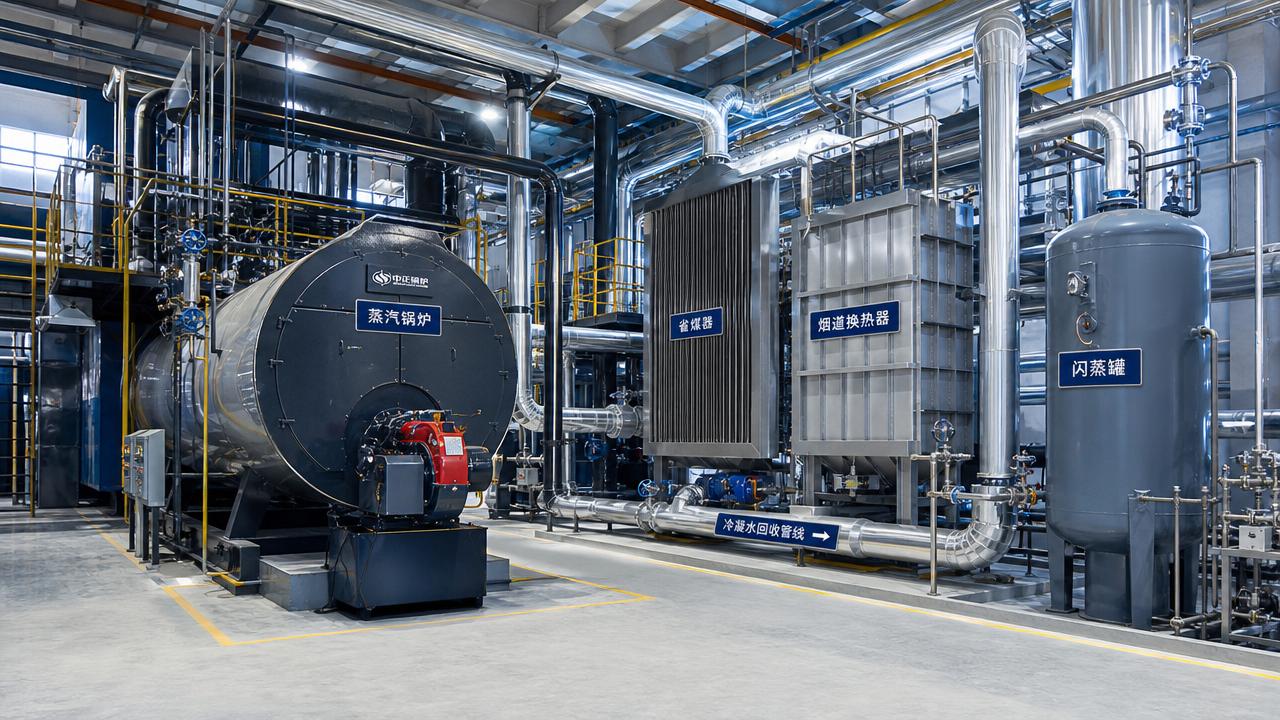
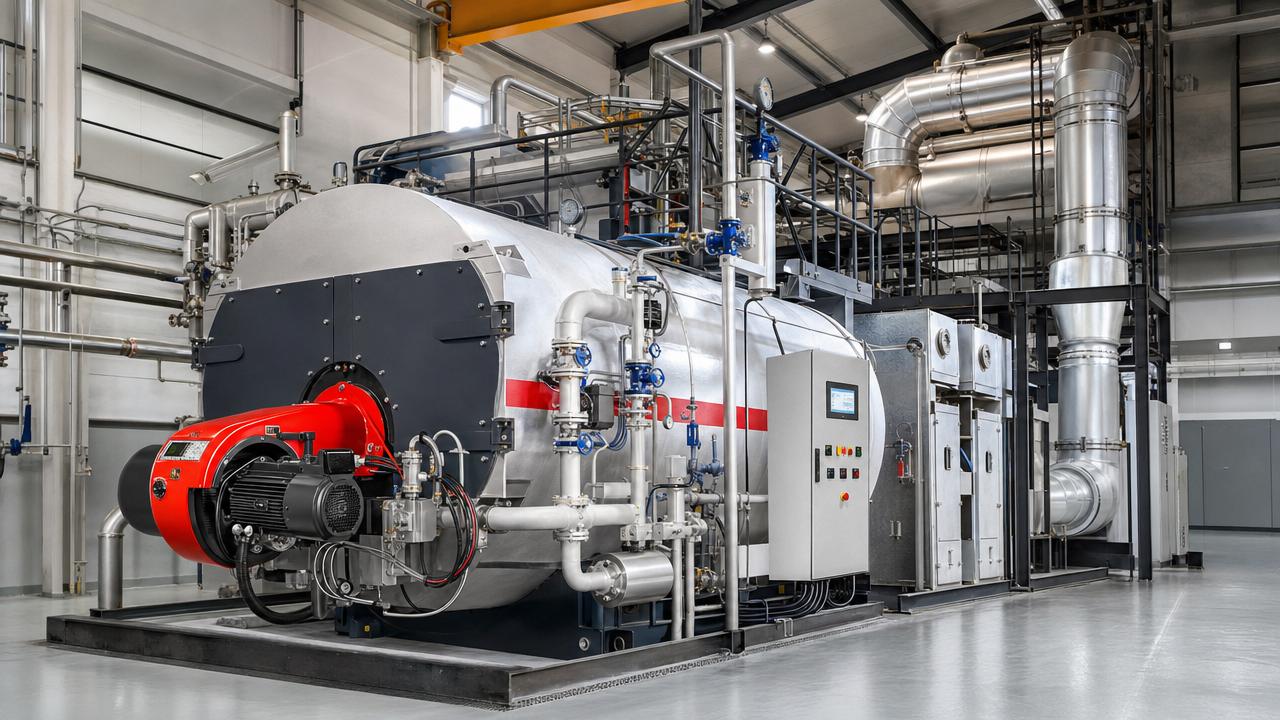
The first bucket is the boiler package itself. That usually includes the vessel, burner, controls, and standard safety devices.
The second bucket is balance-of-plant cost. This area is where many budgets drift upward after order placement.
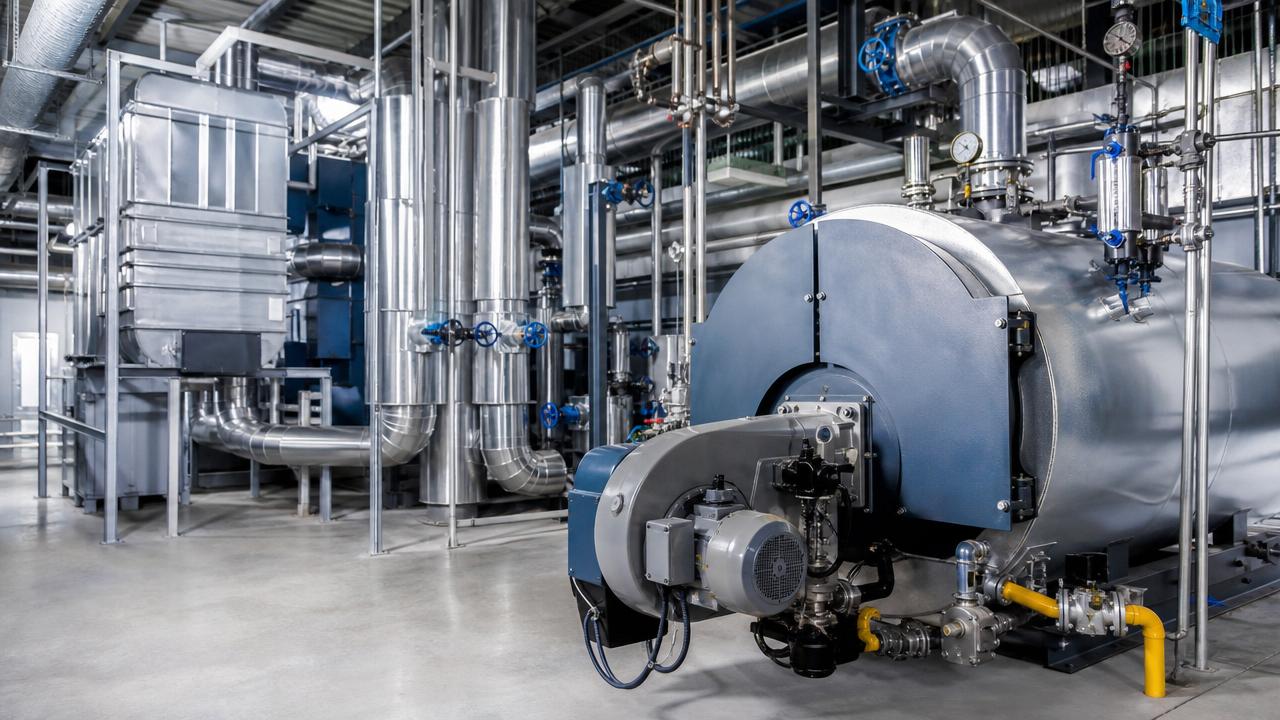
Common additions include pumps, feedwater systems, gas trains, valves, economizers, stack upgrades, and water treatment packages.
The third bucket is installation. Rigging, piping, wiring, commissioning, and site modifications can add substantial cost.
Then comes compliance spending. Permitting, emissions testing, and documentation support often sit outside the base bid.
A disciplined RFQ should request these items separately. That makes low-NOx boilers cost much easier to benchmark across bids.
Fuel Savings: Where the Real Financial Story Starts
Upfront spending matters, but operating cost usually decides whether the project creates value or only meets compliance.
That is why low-NOx boilers cost should always be paired with a fuel consumption model based on real load patterns.
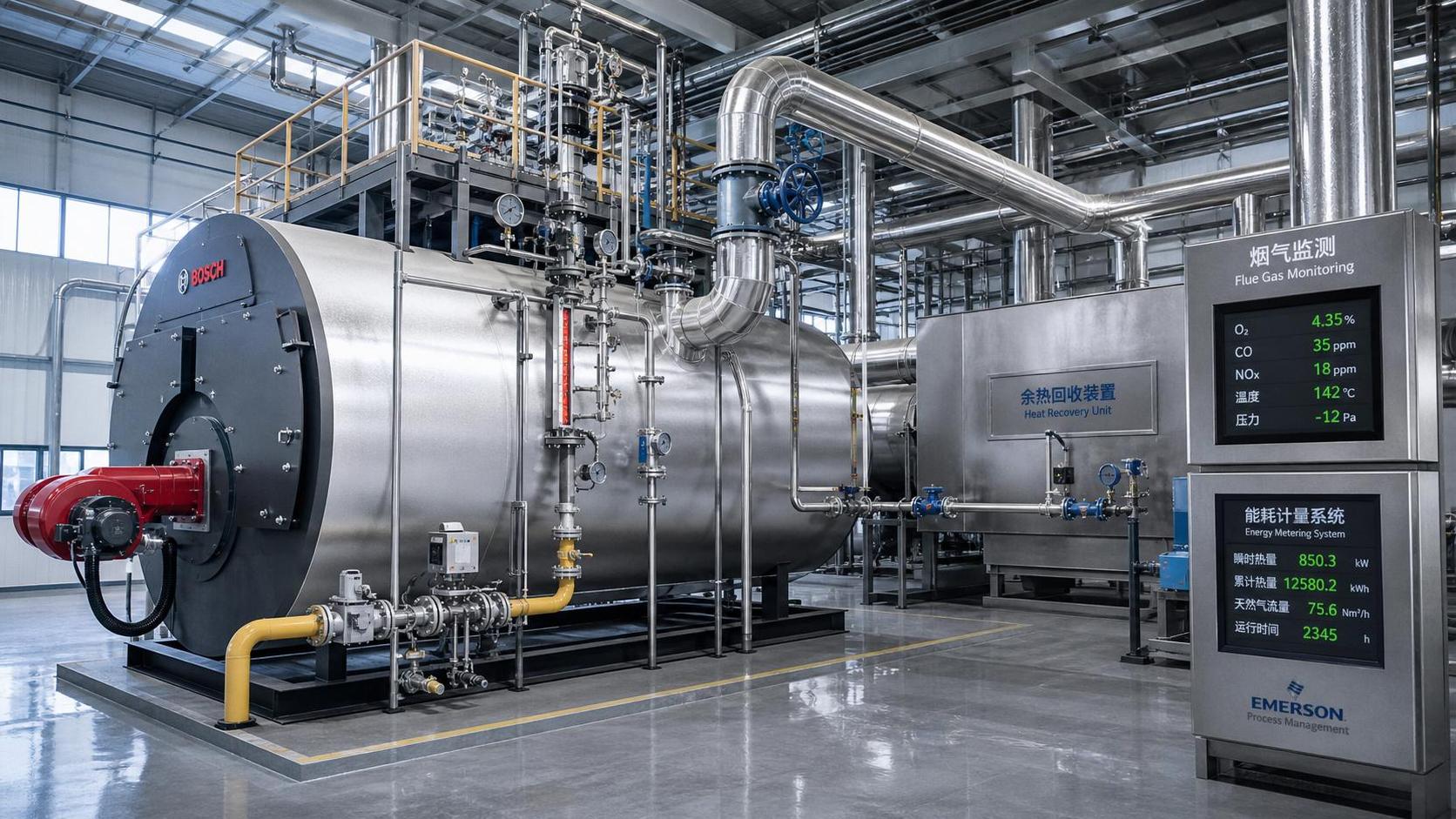
A high-efficiency low-NOx system can reduce annual gas use through better combustion control, improved heat recovery, and stable part-load performance.
Savings become more visible when older boilers cycle frequently, run oversized, or operate without effective oxygen trim.
Condensing low-NOx boilers can push efficiency even further, but only when return water temperatures stay low enough.
In actual projects, the strongest savings case usually comes from matching boiler design to the plant’s true duty profile.
- Review twelve months of fuel bills and operating hours.
- Map seasonal load variation and minimum stable demand.
- Check current combustion efficiency and stack losses.
- Estimate new efficiency at full and part load.
- Run sensitivity for gas price increases and downtime.
This approach turns low-NOx boilers cost from a static purchase number into a decision model with business context.
Maintenance and Lifecycle Costs Buyers Often Miss
Another common gap in boiler evaluation is maintenance. The cheapest quote can produce the highest ownership cost later.
Low-NOx boilers cost should include planned service intervals, spare part pricing, burner tuning needs, and local technician availability.
Advanced burners and controls improve emissions performance, but they may require more disciplined maintenance practices.
That does not make them expensive by default. It means maintenance planning must be part of the sourcing process.
Downtime exposure is another hidden factor. In process industries, an unscheduled stop can outweigh annual service cost very quickly.
This is where brand support, spare parts lead times, and remote diagnostics become financially important, not just operationally convenient.
- Annual burner inspection requirements
- Control system calibration frequency
- Availability of local emissions specialists
- Critical spare parts stocking strategy
- Expected refractory, tube, or sensor replacement cycles
A better ownership comparison usually combines purchase, fuel, maintenance, and outage risk into one five- to ten-year view.
How to Estimate Payback Without Guesswork
Payback is often discussed too loosely. A useful estimate needs clear assumptions and a realistic operating baseline.
Start with the total installed low-NOx boilers cost, not just the boiler package price.
Then subtract measurable yearly gains, including fuel savings, lower emissions penalties, reduced downtime, and possible incentive support.
A simple payback formula is still helpful: total project cost divided by annual net savings.
However, a stronger procurement case also tests three scenarios: conservative, expected, and high-energy-price upside.
That scenario view reflects what has changed recently across fuel markets and environmental enforcement.
For many facilities, expected payback may fall between two and five years, but actual results depend heavily on utilization and fuel price.
A Smarter Sourcing Checklist for Low-NOx Boilers Cost
The most effective way to control low-NOx boilers cost is to tighten the buying process before quotations arrive.
A clear technical and commercial checklist reduces scope gaps, protects payback assumptions, and improves supplier accountability.
- Define target NOx level, load range, fuel type, and site altitude.
- Request separate pricing for boiler, auxiliaries, installation, and commissioning.
- Ask for guaranteed efficiency at expected operating loads, not only at rated conditions.
- Review maintenance schedules, spare parts lists, and local service response times.
- Verify emissions testing support and startup documentation responsibilities.
- Model payback using plant data, not vendor averages alone.
- Check references from similar industries and duty cycles.
Seen this way, low-NOx boilers cost becomes a strategic procurement topic tied to efficiency, resilience, and environmental readiness.
For decision-makers following industrial thermal trends, that broader view is increasingly important as cleaner heat systems move from optional to expected.
The best next step is simple: compare suppliers on total installed cost, verified fuel performance, and service support, then build payback from real operating data.
Related News
- Low-NOx Boilers Cost Breakdown: Upfront Price, Fuel Savings, and PaybackAuthor :Thermal Energy Strategist

- Boiler Combustion Systems: Common Causes of Unstable Fuel PerformanceAuthor :Thermal Energy Strategist

- Hot Water Industrial Boilers: When Efficiency Gains Justify ReplacementAuthor :Thermal Energy Strategist

- What Boiler Efficiency Really Means in Daily Operation and Energy BillsAuthor :Thermal Energy Strategist

- Boiler Efficiency Testing Methods That Expose Heat Loss and Fuel WasteAuthor :Thermal Energy Strategist

- Industrial Burner Systems: Key Factors for Safe Heat OutputAuthor :Thermal Energy Strategist

- Gas-Fired Boiler Combustion Technology: Key Efficiency and Emissions Trade-OffsAuthor :Thermal Energy Strategist

- Unfired Heat Recovery Steam Generators: When Do They Pay Off?Author :Thermal Energy Strategist

- How to Evaluate Steam Generation Systems Electric for Process Heat ProjectsAuthor :Thermal Energy Strategist

- Thermal Power Systems for Industrial Heating: Common Sizing Mistakes to AvoidAuthor :Thermal Energy Strategist

- Low-NOx Condensing Boilers: How to Compare Efficiency and EmissionsAuthor :Thermal Energy Strategist
![]()
- Low Emissions Boilers for Food Processing: Key Compliance and Fuel Cost FactorsAuthor :Thermal Energy Strategist

- Steam System Efficiency Calculation: Key Inputs That Change the ResultAuthor :Thermal Energy Strategist

- How to Evaluate a Steam Boiler Components Exporter Before OrderingAuthor :Thermal Energy Strategist

- Burner Systems Troubleshooting: Common Efficiency Loss CausesAuthor :Thermal Energy Strategist

- EU PED Q2 Rules Require Digital Compliance TagsAuthor :Thermal Energy Strategist

- Thermal Power Systems: Key Efficiency Risks in Daily OperationAuthor :Thermal Energy Strategist

- Low-NOx Combustion Boilers: Key Efficiency and Compliance ChecksAuthor :Thermal Energy Strategist

- Low-NOx Combustion Boilers: Key Specs That Affect Emissions and Fuel UseAuthor :Thermal Energy Strategist

- Low-NOx Combustion Boilers: Key Compliance RisksAuthor :Thermal Energy Strategist

- Thermodynamics Analysis for Boiler Heat-Loss ReductionAuthor :Thermal Energy Strategist

- Industrial Thermal Systems: Common Operating RisksAuthor :Thermal Energy Strategist

- Low-NOx Combustion Boilers: Key Spec Checks Before PurchaseAuthor :Thermal Energy Strategist

- How Industrial Heat Recovery Cuts Boiler Fuel Costs in 2026Author :Thermal Energy Strategist

- Thermodynamics Analysis: 5 Heat Loss Clues in Steam BoilersAuthor :Thermal Energy Strategist

- Low-NOx Combustion Boilers: What Affects Real Emissions PerformanceAuthor :Thermal Energy Strategist

- Thermodynamics Analysis: Finding Heat Loss in Steam BoilersAuthor :Thermal Energy Strategist

- 2026 Steam Boiler Upgrades for Lower NOx and Fuel CostsAuthor :Thermal Energy Strategist

- EU to Expand CBAM to Steam Boilers; Exporters Must Prepare Carbon DataAuthor :Thermal Energy Strategist

- Industrial Heat Recovery: When Payback Beats New Boiler CapacityAuthor :Thermal Energy Strategist

- Carbon Neutrality Targets and the New Boiler Retrofit PaybackAuthor :Thermal Energy Strategist

- Low-NOx Combustion Boilers: Fuel Savings vs Emission LimitsAuthor :Thermal Energy Strategist

- Industrial Energy Efficiency Benchmarks for Steam Boiler Upgrades in 2026Author :Thermal Energy Strategist

- Low-NOx Combustion Boilers: Efficiency vs Emissions in 2026Author :Thermal Energy Strategist

- Industrial Heat Recovery Options for Steam Boiler SavingsAuthor :Thermal Energy Strategist

- Low-NOx Combustion Boilers and 2026 Compliance PressureAuthor :Thermal Energy Strategist