How to Evaluate a Steam Boiler Components Exporter Before Ordering




How should you start evaluating a steam boiler components exporter?
A low quote rarely tells the full story.
When steam systems fail, the issue often starts with one overlooked component.
That is why choosing a steam boiler components exporter needs a structured review, not a quick price comparison.
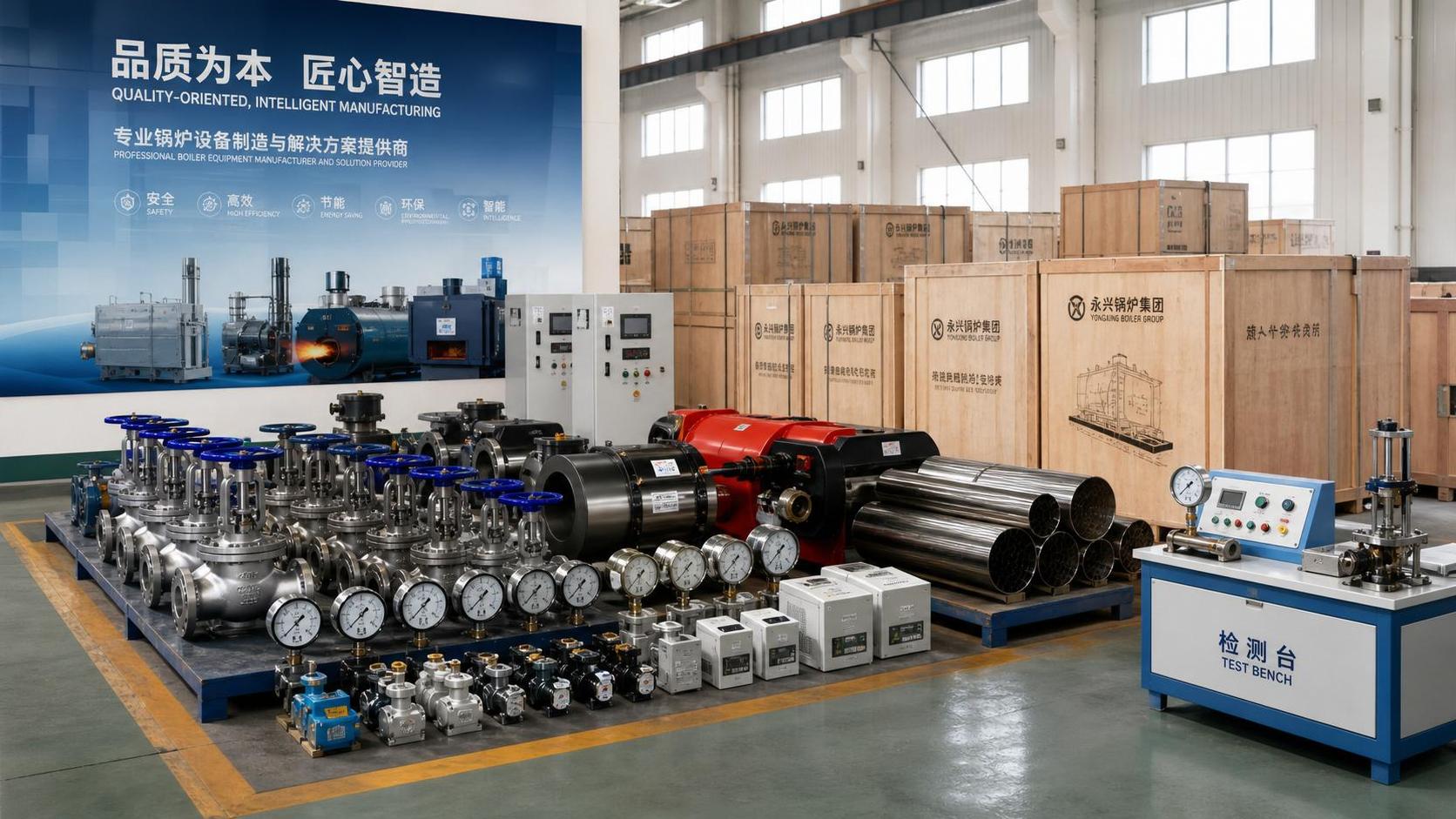
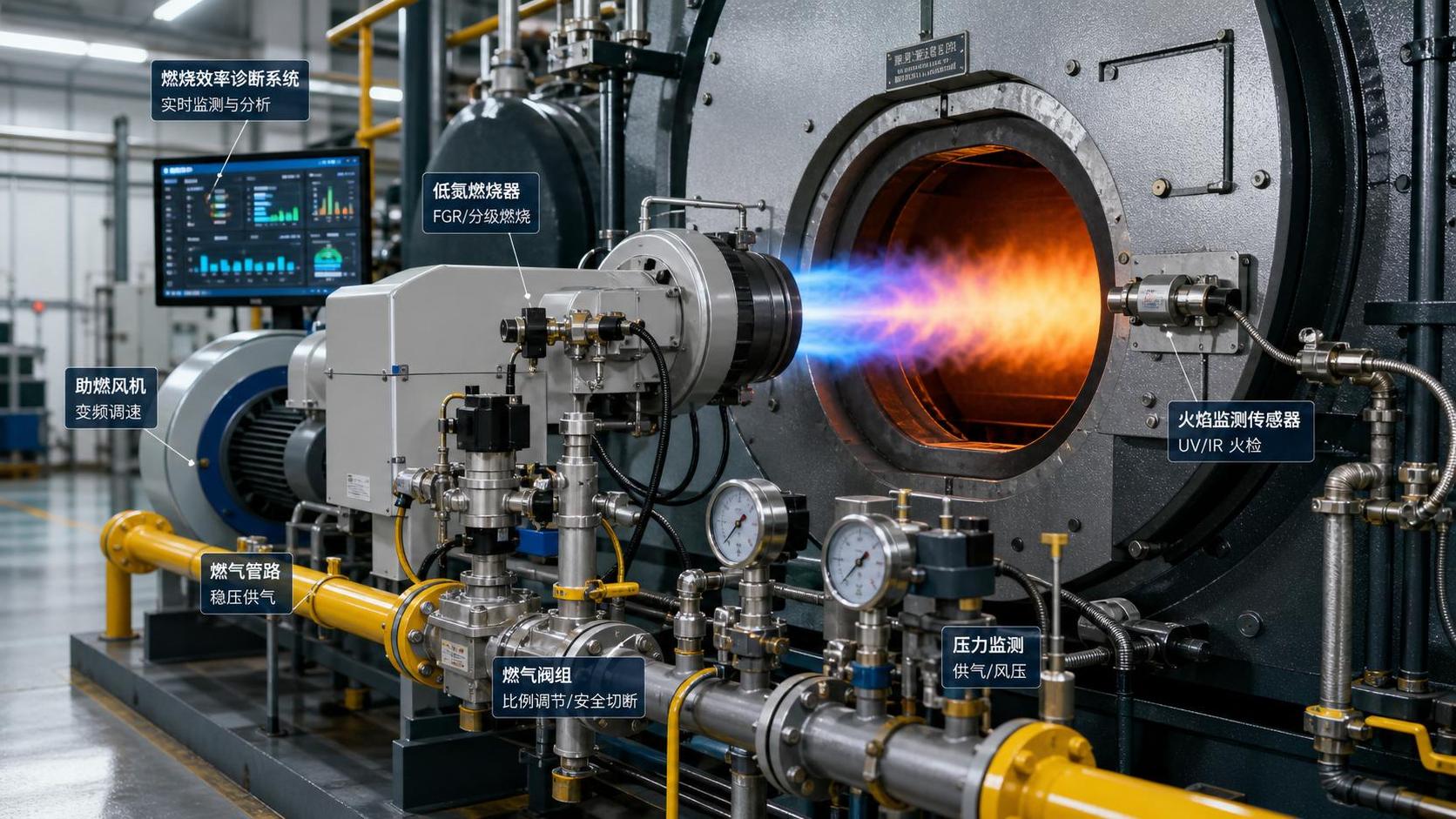
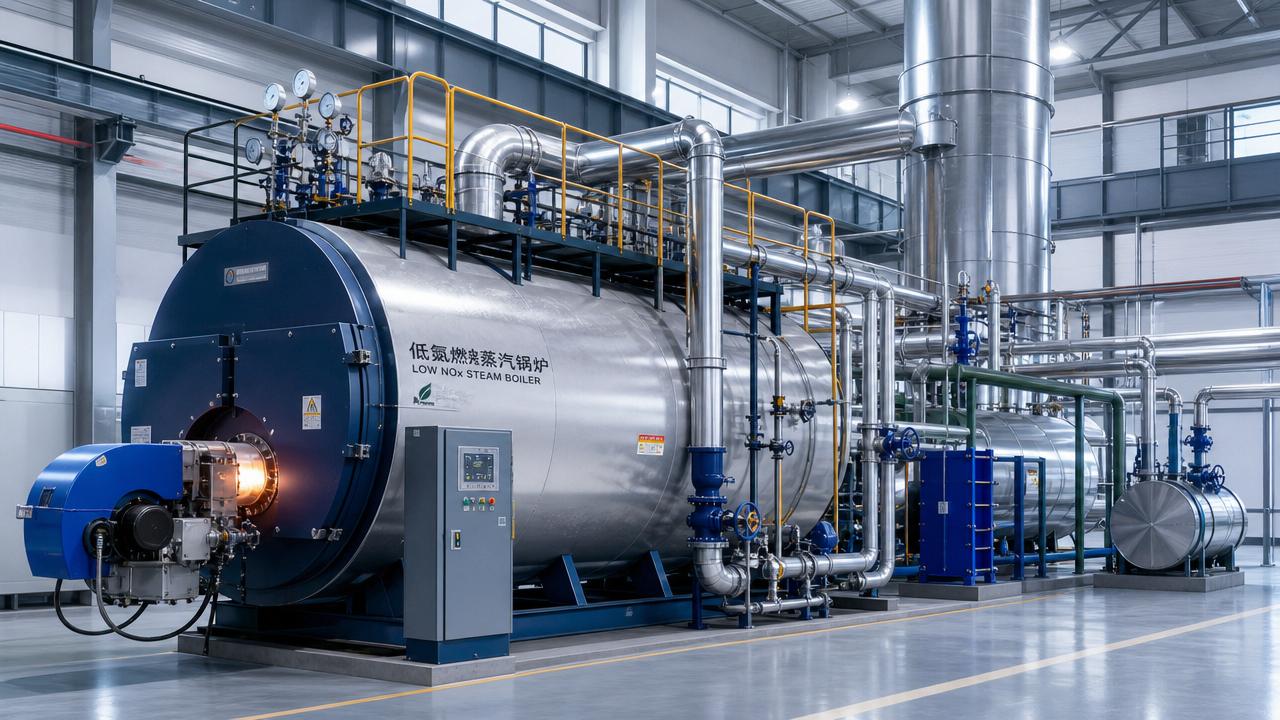
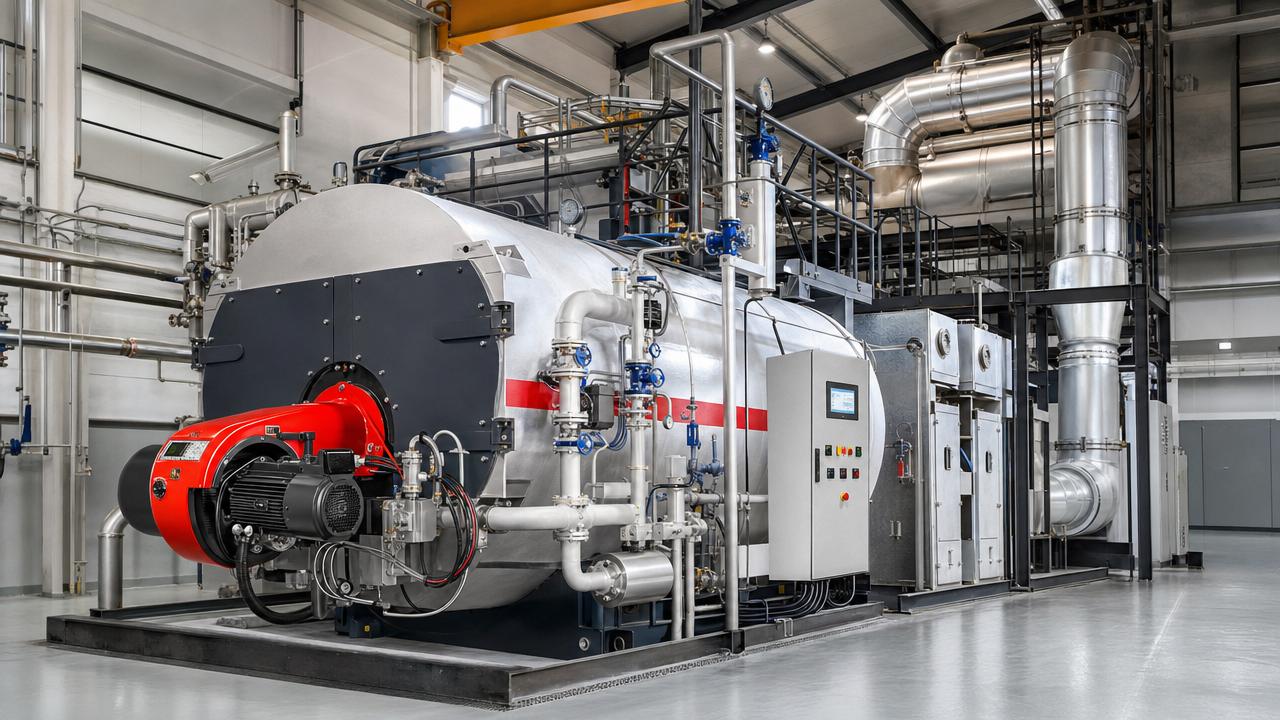
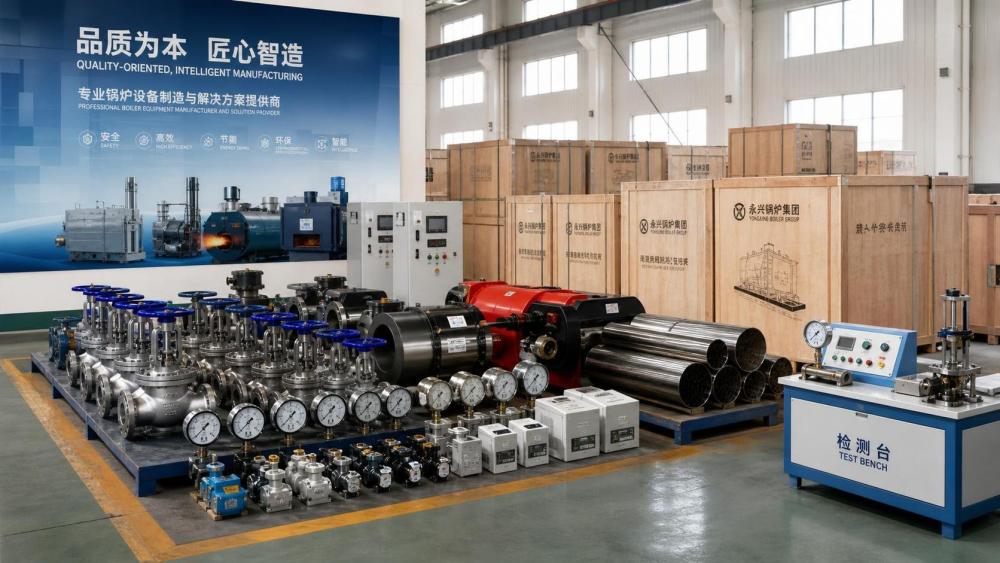
In real projects, valves, gauges, burners, tubes, fittings, and control parts affect safety, efficiency, and uptime together.
The better starting question is simple: can this supplier support stable operation after the shipment arrives?
That means checking technical depth, export discipline, traceable quality records, and realistic lead times.
This matters even more in industries with strict temperature control, such as food processing, pharmaceuticals, and electronics.
GTC-Matrix often frames industrial equipment decisions through energy efficiency, compliance pressure, and long-term operating risk.
That perspective is useful here.
A capable steam boiler components exporter should help protect both project performance and thermal system economics.
What proves an exporter is technically reliable, not just commercially active?
Many suppliers export regularly, but not all of them truly understand steam boiler operating conditions.
A technically reliable steam boiler components exporter can explain pressure classes, material grades, temperature limits, and compatibility clearly.
Ask for data sheets tied to actual standards, not generic product summaries.
For critical parts, it helps to confirm design codes, welding procedures, hydrostatic testing, and non-destructive inspection records.
More importantly, see whether answers are consistent across sales, engineering, and quality teams.
If every question returns to price, that is usually a warning sign.
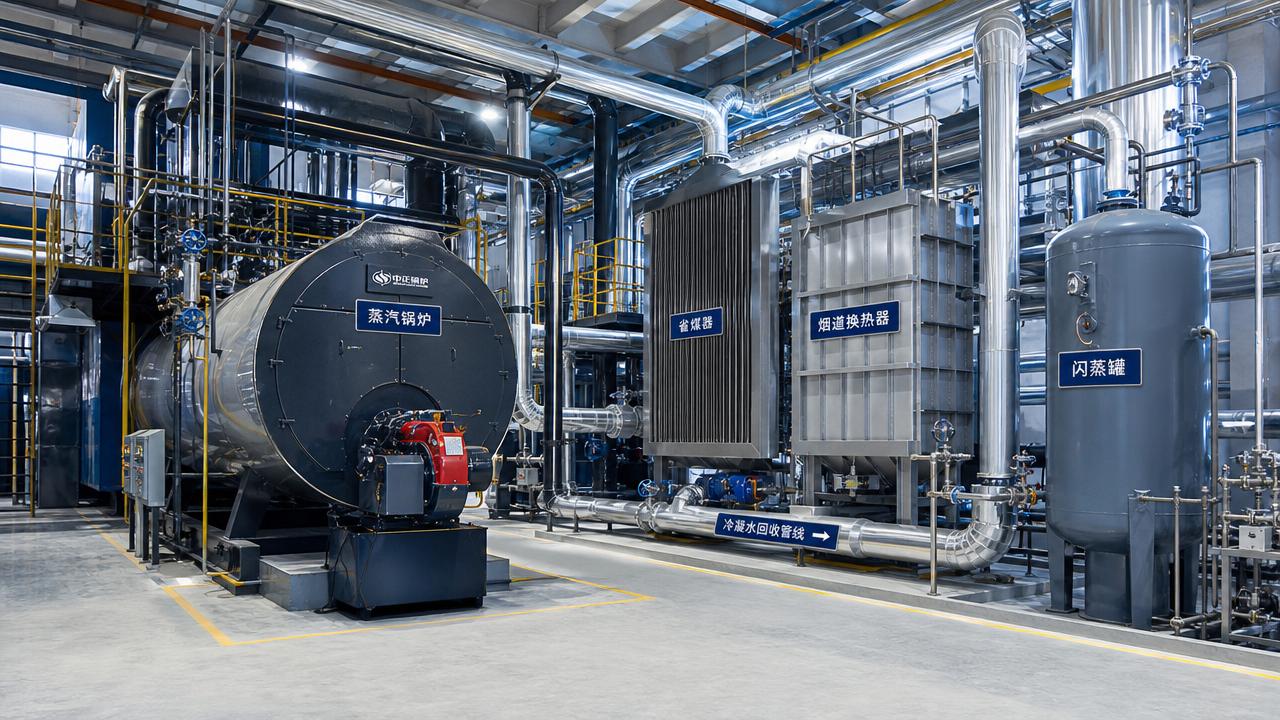
A stronger exporter will also understand how components interact with burner systems, condensate recovery, feedwater quality, and load variation.
That broader system awareness reduces mismatch risk.
It is worth checking whether they serve sectors with demanding thermal standards.
Suppliers active in regulated industries usually manage documentation and tolerance control more carefully.
A quick reliability screen
This kind of table works well because it separates sales confidence from verifiable capability.
Which certifications and factory controls deserve closer attention?
Certifications matter, but they should be read carefully.
A steam boiler components exporter may present ISO certificates, yet that alone does not confirm product suitability.
The key is whether the factory control system matches the component risk level.
For pressure-bearing parts, review production routing, inspection hold points, calibration records, and final release approval.
If coatings or corrosion protection are involved, verify surface preparation and thickness records as well.
In practice, the best exporters are transparent about what is made in-house and what is outsourced.
That distinction affects consistency.
It also affects lead time control and root-cause analysis if a field issue appears later.
Given current pressure on energy efficiency and low-emission boiler systems, factory discipline matters more than ever.
GTC-Matrix regularly highlights how low-NOx combustion trends and stricter thermal performance expectations are changing component selection.
A supplier that tracks these changes usually delivers better technical alignment.
- Ask whether quality records are batch-based or shipment-based.
- Confirm if third-party inspection can be arranged before dispatch.
- Check whether spare parts are standardized or custom-machined.
- Review how nonconforming parts are isolated and reported.
How can you compare quotes without missing hidden cost drivers?
This is where many orders go wrong.
A lower unit price from one steam boiler components exporter can become the highest total cost after freight, rework, and schedule loss.
Start by comparing scope line by line.
Some offers exclude test certificates, special packing, insulation accessories, or export documentation.
Others quote equivalent materials that look acceptable on paper but perform differently in wet steam or cyclic heating service.
Lead time also needs a closer look.
A short production promise means little if raw materials are not reserved.
More careful exporters can explain which items are stocked, which are fabricated to order, and which depend on outside approvals.
This creates a more credible delivery plan.
Quote comparison points that often get missed
- Included standards and revision year
- Material origin and substitution policy
- Testing scope and witness options
- Packing method for moisture-sensitive parts
- Warranty response time and claim handling path
- Availability of future replacement parts
A solid comparison should estimate landed cost and operating risk together.
That is usually more valuable than chasing the lowest opening price.
What export experience separates a dependable supplier from a risky one?
Export experience is not only about shipping volume.
For a steam boiler components exporter, it is about handling documentation, packaging, labeling, and destination compliance without repeated correction.
Steam boiler parts often move into projects with strict inspection windows.
A paperwork error can hold the entire package at the port or at site receiving.
Ask for examples of recent export files with sensitive information hidden.
That will show whether the exporter understands HS codes, certificate formats, and consignee requirements.
It also helps to ask how they manage mixed shipments.
Boiler accessories, control devices, and metal parts may need different packing logic inside one order.
Good exporters separate fragile instruments, rust-sensitive parts, and heavy assemblies correctly.
That sounds basic, but it directly affects field readiness.
In broader industrial trade, especially under tighter environmental policy and energy cost volatility, schedule reliability has become part of cost control.
That is consistent with the intelligence approach promoted by GTC-Matrix.
Where do buyers misjudge risk before ordering steam boiler components?
One common mistake is treating all parts as standard commodities.
Some components are easy to replace locally.
Others are tied to boiler design, burner tuning, or control logic, which makes substitution expensive later.
Another mistake is approving samples without checking documentation discipline.
A good-looking sample does not prove repeatable production.
Some buyers also overlook after-sales support.
If a steam boiler components exporter cannot answer installation questions or provide replacement timing, the savings disappear quickly.
A practical way to judge risk is to ask scenario questions.
For example, what happens if one safety valve fails inspection at destination?
How fast can the supplier issue corrected paperwork?
Can they provide root-cause evidence within days rather than weeks?
The quality of those answers often says more than the brochure.
A short pre-order checklist
- Lock the final technical specification before price approval.
- Request a document list as part of the quotation.
- Match inspection points to component criticality.
- Confirm packaging, marking, and rust prevention methods.
- Set response times for claims and spare part supply.
So what is the smartest next step before placing an order?
A good decision usually comes from narrowing the review to a few high-impact checks.
Define the critical components first.
Then compare each steam boiler components exporter on technical fit, quality evidence, export execution, and response discipline.
That creates a fair basis for selection.
If two suppliers appear close on price, the one with cleaner documentation and stronger engineering support is usually the lower-risk choice.
In energy-sensitive industries, that difference can affect uptime, fuel use, and maintenance cost for years.
It helps to keep a simple scorecard and update it after every quote review, factory discussion, and sample check.
This turns supplier selection into a repeatable process instead of a one-time judgment call.
For teams following industrial intelligence sources such as GTC-Matrix, the same rule applies.
Use market insight to support technical evaluation, not replace it.
Before issuing the final order, align the specification sheet, document package, inspection plan, and delivery milestones in one written record.
That single step prevents many avoidable disputes later.
Related News
- Low-NOx Boilers Cost Breakdown: Upfront Price, Fuel Savings, and PaybackAuthor :Thermal Energy Strategist

- Boiler Combustion Systems: Common Causes of Unstable Fuel PerformanceAuthor :Thermal Energy Strategist

- Hot Water Industrial Boilers: When Efficiency Gains Justify ReplacementAuthor :Thermal Energy Strategist

- What Boiler Efficiency Really Means in Daily Operation and Energy BillsAuthor :Thermal Energy Strategist

- Boiler Efficiency Testing Methods That Expose Heat Loss and Fuel WasteAuthor :Thermal Energy Strategist

- Industrial Burner Systems: Key Factors for Safe Heat OutputAuthor :Thermal Energy Strategist

- Gas-Fired Boiler Combustion Technology: Key Efficiency and Emissions Trade-OffsAuthor :Thermal Energy Strategist

- Unfired Heat Recovery Steam Generators: When Do They Pay Off?Author :Thermal Energy Strategist

- How to Evaluate Steam Generation Systems Electric for Process Heat ProjectsAuthor :Thermal Energy Strategist

- Thermal Power Systems for Industrial Heating: Common Sizing Mistakes to AvoidAuthor :Thermal Energy Strategist

- Low-NOx Condensing Boilers: How to Compare Efficiency and EmissionsAuthor :Thermal Energy Strategist
![]()
- Low Emissions Boilers for Food Processing: Key Compliance and Fuel Cost FactorsAuthor :Thermal Energy Strategist

- Steam System Efficiency Calculation: Key Inputs That Change the ResultAuthor :Thermal Energy Strategist

- How to Evaluate a Steam Boiler Components Exporter Before OrderingAuthor :Thermal Energy Strategist

- Burner Systems Troubleshooting: Common Efficiency Loss CausesAuthor :Thermal Energy Strategist

- EU PED Q2 Rules Require Digital Compliance TagsAuthor :Thermal Energy Strategist

- Thermal Power Systems: Key Efficiency Risks in Daily OperationAuthor :Thermal Energy Strategist

- Low-NOx Combustion Boilers: Key Efficiency and Compliance ChecksAuthor :Thermal Energy Strategist

- Low-NOx Combustion Boilers: Key Specs That Affect Emissions and Fuel UseAuthor :Thermal Energy Strategist

- Low-NOx Combustion Boilers: Key Compliance RisksAuthor :Thermal Energy Strategist

- Thermodynamics Analysis for Boiler Heat-Loss ReductionAuthor :Thermal Energy Strategist

- Industrial Thermal Systems: Common Operating RisksAuthor :Thermal Energy Strategist

- Low-NOx Combustion Boilers: Key Spec Checks Before PurchaseAuthor :Thermal Energy Strategist

- How Industrial Heat Recovery Cuts Boiler Fuel Costs in 2026Author :Thermal Energy Strategist

- Thermodynamics Analysis: 5 Heat Loss Clues in Steam BoilersAuthor :Thermal Energy Strategist

- Low-NOx Combustion Boilers: What Affects Real Emissions PerformanceAuthor :Thermal Energy Strategist

- Thermodynamics Analysis: Finding Heat Loss in Steam BoilersAuthor :Thermal Energy Strategist

- 2026 Steam Boiler Upgrades for Lower NOx and Fuel CostsAuthor :Thermal Energy Strategist

- EU to Expand CBAM to Steam Boilers; Exporters Must Prepare Carbon DataAuthor :Thermal Energy Strategist

- Industrial Heat Recovery: When Payback Beats New Boiler CapacityAuthor :Thermal Energy Strategist

- Carbon Neutrality Targets and the New Boiler Retrofit PaybackAuthor :Thermal Energy Strategist

- Low-NOx Combustion Boilers: Fuel Savings vs Emission LimitsAuthor :Thermal Energy Strategist

- Industrial Energy Efficiency Benchmarks for Steam Boiler Upgrades in 2026Author :Thermal Energy Strategist

- Low-NOx Combustion Boilers: Efficiency vs Emissions in 2026Author :Thermal Energy Strategist

- Industrial Heat Recovery Options for Steam Boiler SavingsAuthor :Thermal Energy Strategist

- Low-NOx Combustion Boilers and 2026 Compliance PressureAuthor :Thermal Energy Strategist