Industrial Heat Recovery: When Payback Beats New Boiler Capacity




For finance leaders, industrial heat recovery is no longer a sustainability side project—it is a capital-efficiency decision. When energy prices stay volatile, emissions rules tighten, and boiler projects become expensive, wasted heat starts looking like stranded value. In many facilities, industrial heat recovery now offers a faster return than building new boiler capacity, while also improving resilience, asset utilization, and long-term planning quality.
Industrial heat recovery is shifting from engineering option to boardroom priority
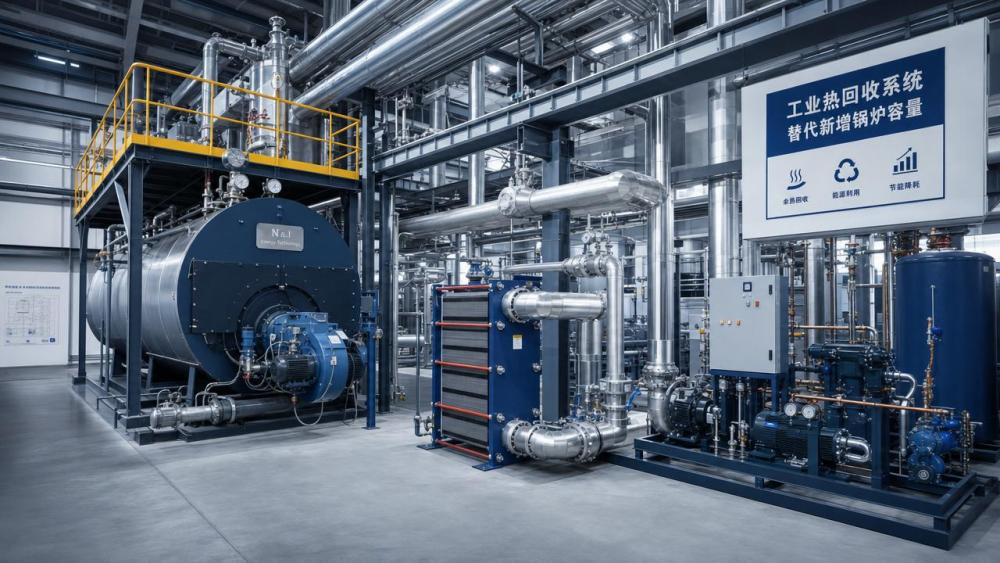
The old assumption was simple: rising steam demand required another boiler. That logic is weakening. Plants now face fuel uncertainty, grid pressure, and stricter carbon accountability.
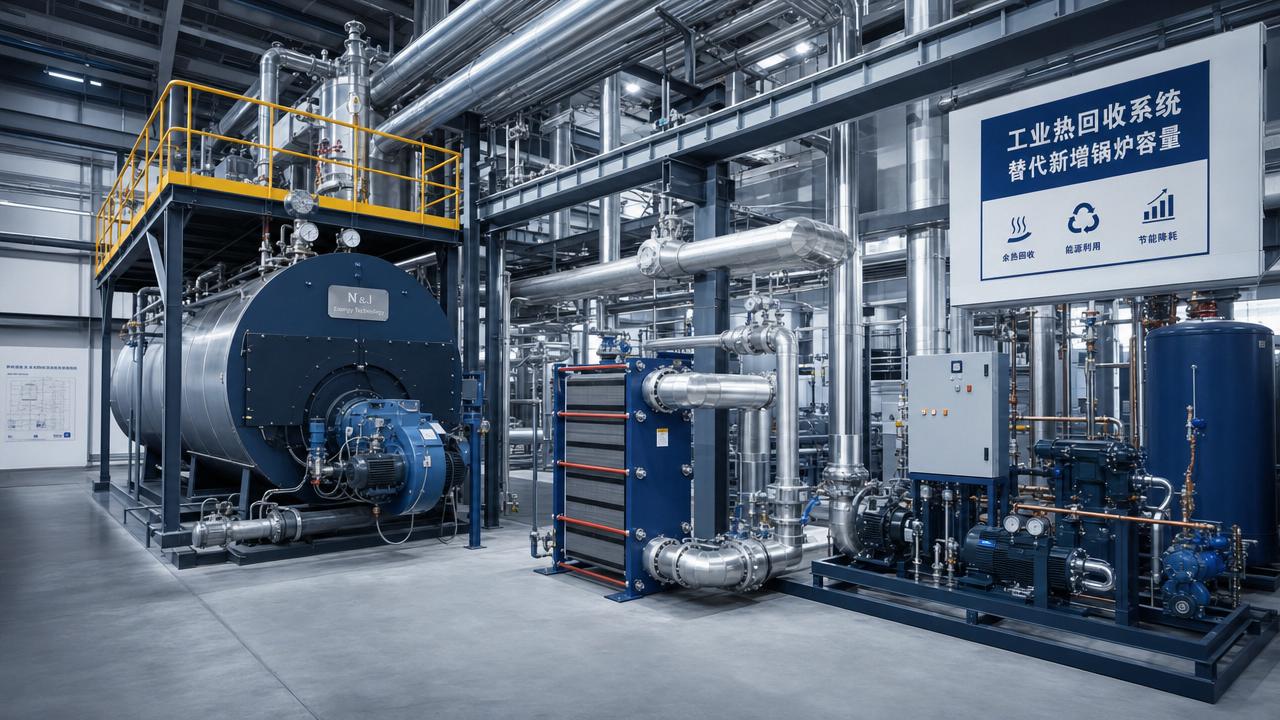
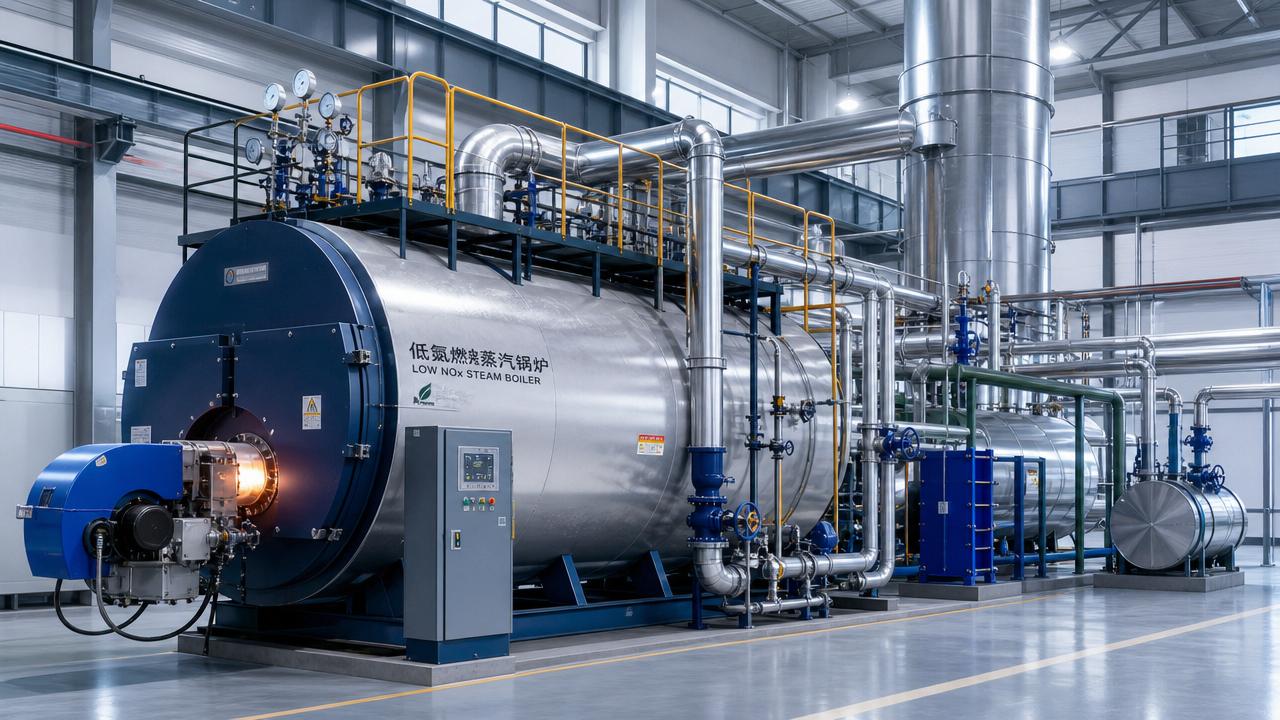
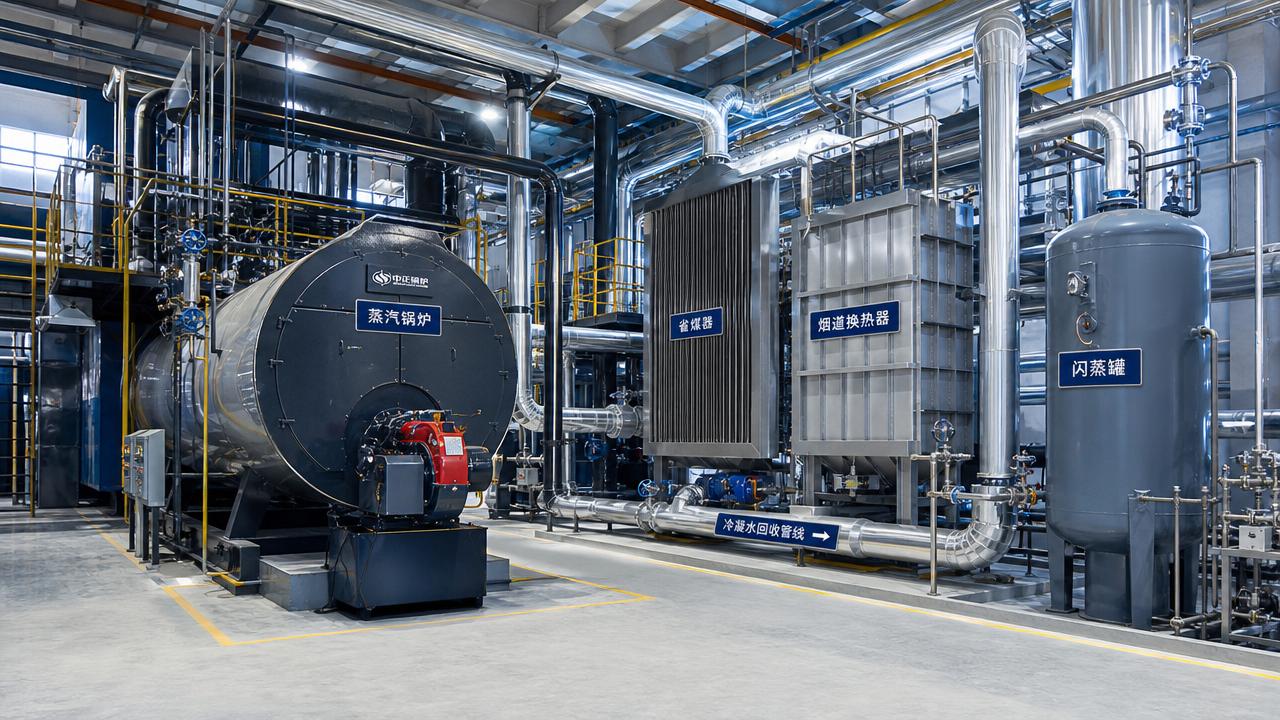
At the same time, many processes reject usable heat through exhaust, cooling loops, condensate losses, dryers, compressors, and vacuum systems. Industrial heat recovery turns those losses into thermal input.
This matters across the broader industrial landscape. Food plants, chemical sites, paper mills, packaging lines, pharmaceuticals, metals, and logistics hubs all carry recoverable thermal loads.
The trend is not only technical. It reflects a different investment mindset. Instead of adding combustion capacity first, many operations now test whether recovered heat can cover part of demand.
That shift creates a clearer hierarchy for capital deployment. Use existing wasted energy first. Delay avoidable boiler spending second. Expand fired capacity only when demand still remains.
The strongest trend signals are appearing in cost, carbon, and capacity decisions
Three signals explain why industrial heat recovery is gaining strategic credibility. They show up in budgets, maintenance plans, and decarbonization roadmaps at the same time.
Signal 1: fuel economics are making waste heat more valuable
When natural gas or other boiler fuels rise in price, every recovered thermal unit directly offsets purchased energy. The avoided cost is immediate and measurable.
Signal 2: boiler additions now carry broader risk
New boiler capacity often means permitting complexity, emissions exposure, water treatment expansion, and longer project lead times. Capital outlay is only one part of the decision.
Signal 3: existing systems already contain hidden thermal assets
Compressed air systems, refrigeration circuits, thermal oxidizers, ovens, and hot process effluent often release temperatures useful for preheating, washdown water, space heat, or feedwater support.
Why industrial heat recovery often beats new boiler capacity on payback
The core financial argument is not complicated. New boilers create more heat by buying more fuel. Industrial heat recovery creates useful heat from energy already paid for.
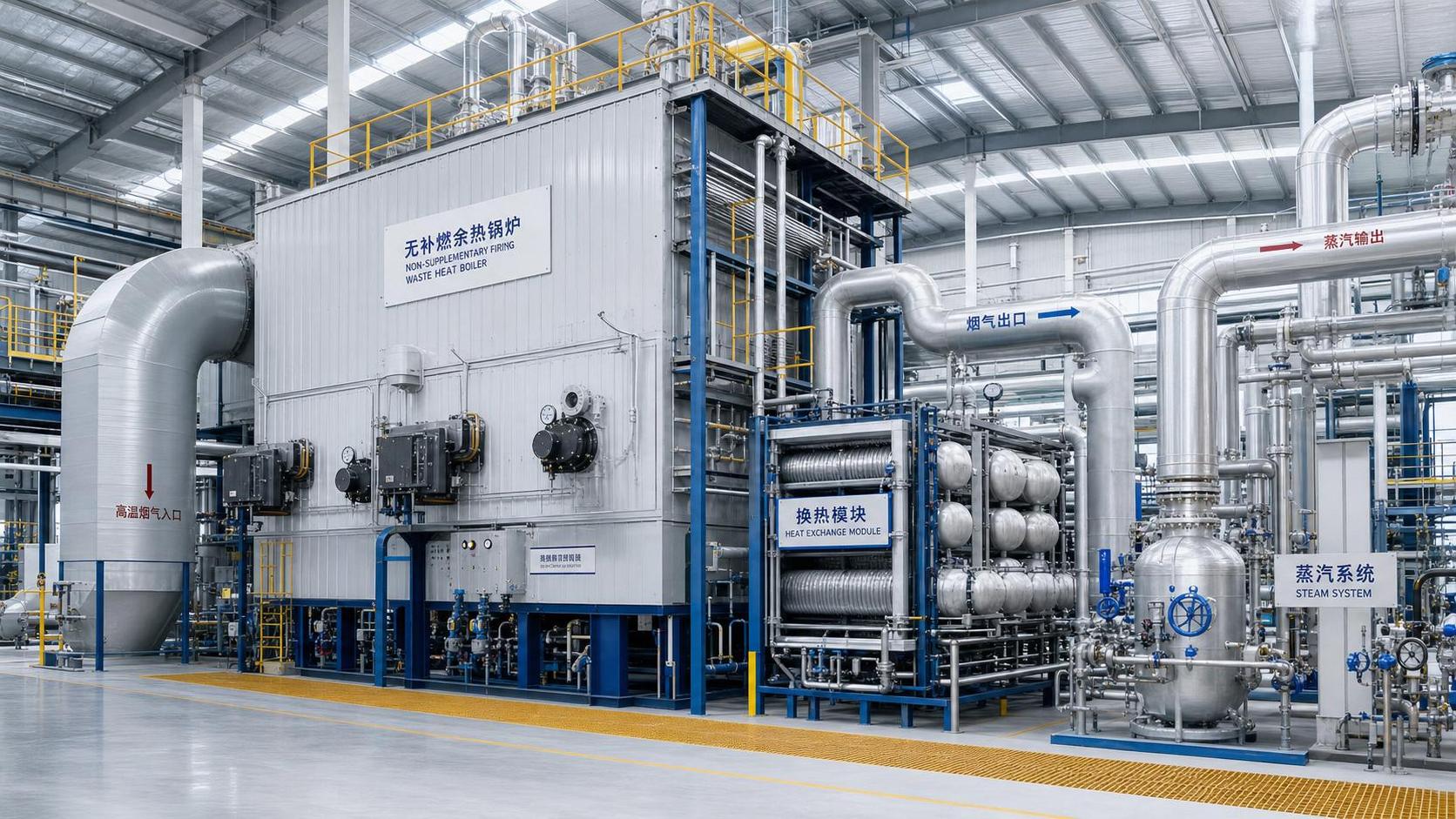
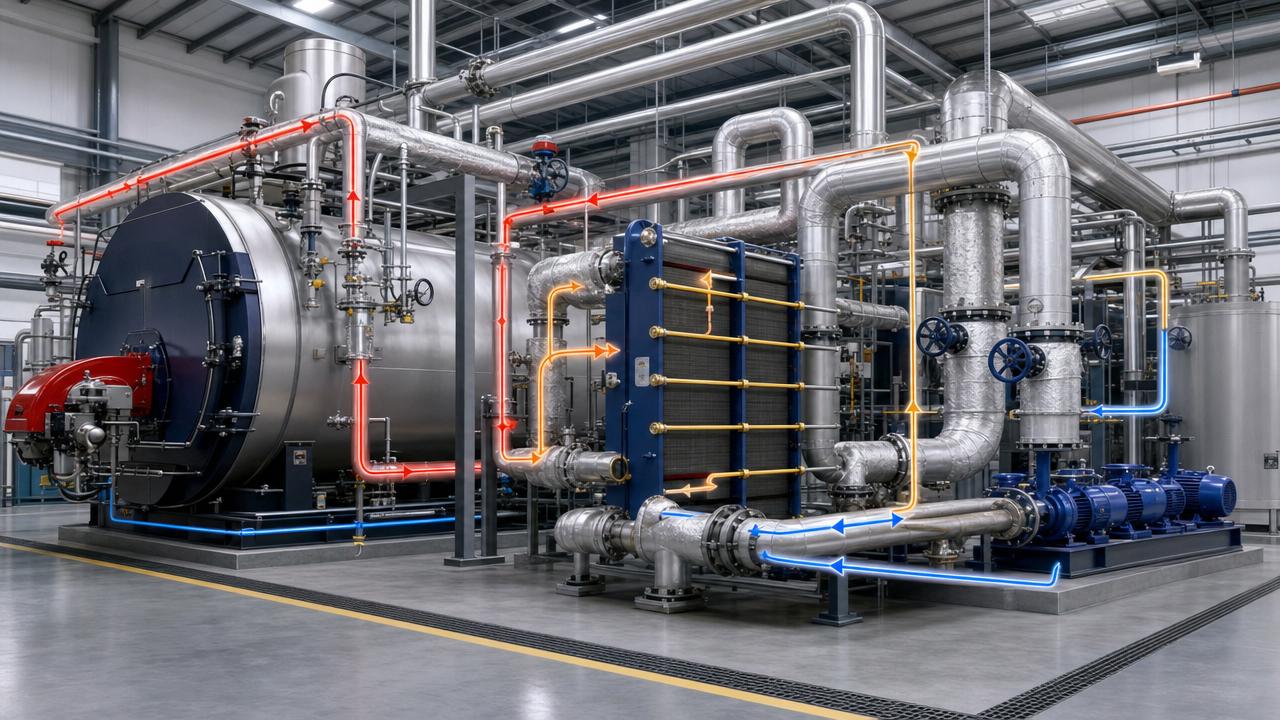
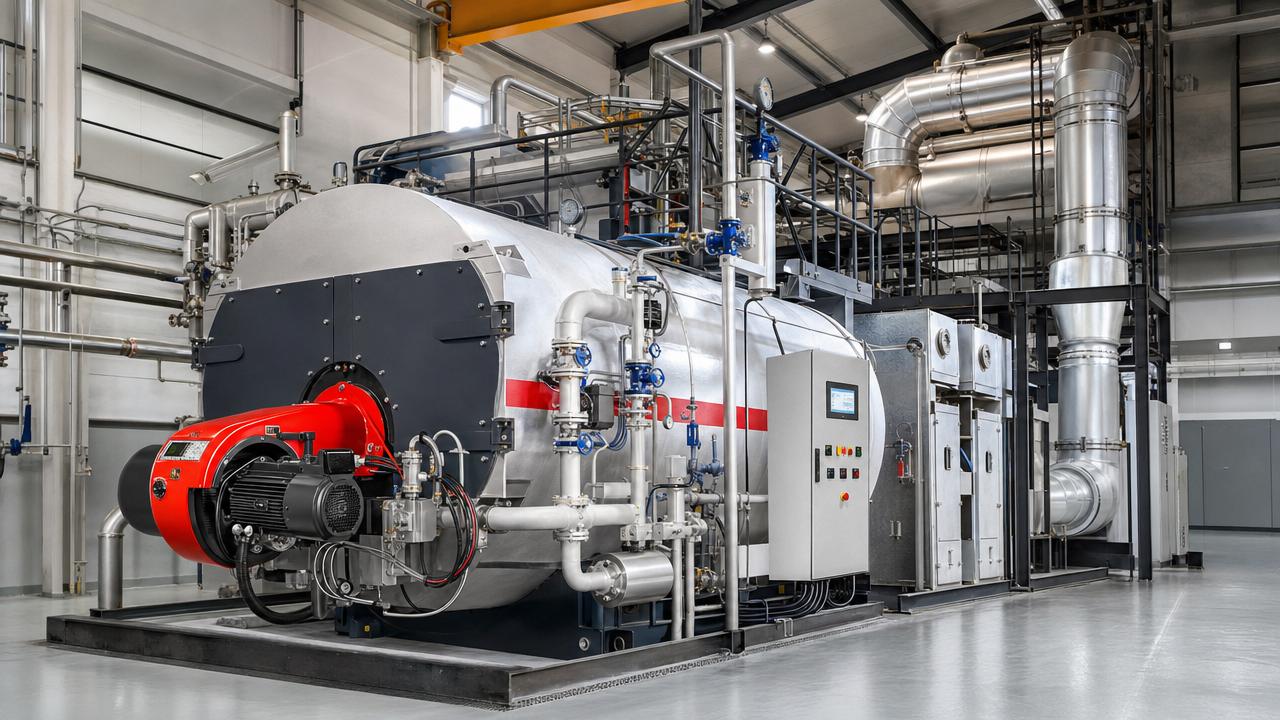
That difference changes project economics. Recovered heat systems may require heat exchangers, controls, piping, storage, and integration work, but they avoid much of the recurring fuel burden.
- Lower annual energy spend through fuel displacement
- Reduced peak boiler loading during critical periods
- Deferred capital spending on new fired equipment
- Lower emissions intensity per unit of output
- Better return from existing compressors, chillers, and process assets
In many cases, industrial heat recovery also improves project speed. Permitting is often simpler than adding combustion equipment, especially when the system repurposes internal waste streams.
Another advantage is modularity. A plant can recover heat from one line, one compressor room, or one process loop, then expand after results are proven.
That staged approach lowers execution risk. It also gives capital committees real operating data before larger thermal investments are approved.
The most common drivers behind this trend can be mapped clearly
Industrial heat recovery becomes compelling when several drivers overlap. The following factors usually explain why projects move from idea to funded initiative.
- Process heat demand is steady across multiple shifts
- Waste heat temperature matches a useful thermal load
- Boilers are oversized, aging, or near expansion limits
- Compressed air or cooling systems reject substantial heat daily
- Fuel prices are elevated or difficult to hedge
- Carbon reduction goals require measurable near-term action
- Maintenance teams want to reduce boiler runtime stress
- Sites need better energy resilience without major utility dependence
Not every stream is valuable. The best industrial heat recovery opportunities combine recoverable volume, usable temperature, proximity to demand, and manageable integration complexity.
The impact reaches operations, finance, maintenance, and long-range planning
Operationally, industrial heat recovery can stabilize thermal systems. It reduces unnecessary boiler cycling, supports process preheating, and lowers dependence on purchased fuel during demand peaks.
From a finance perspective, it converts waste into avoided cost. That improves the quality of energy projects because the benefit links directly to measurable utility reduction.
Maintenance teams may also benefit. Lower boiler loading can extend service intervals, reduce wear on auxiliary equipment, and improve reliability across the thermal network.
For long-term planning, industrial heat recovery changes capacity logic. It helps separate true growth demand from demand that can be covered by optimization and thermal reuse.
What deserves attention before committing to industrial heat recovery
The opportunity is strong, but project quality depends on disciplined evaluation. Several issues deserve close review before any capital decision is finalized.
- Map heat sources by temperature, hours, and seasonal variation
- Confirm demand sinks that can absorb recovered heat consistently
- Check fouling, contamination, and maintenance implications
- Review controls needed for load balancing and backup operation
- Model payback using realistic fuel, uptime, and maintenance assumptions
- Consider future electrification or process redesign interactions
- Verify space, piping routes, and shutdown windows for installation
A common mistake is valuing heat only by temperature. Time alignment matters equally. Intermittent waste heat has lower value if the receiving load is unavailable.
Another mistake is ignoring system boundaries. The best industrial heat recovery studies include boilers, compressors, chillers, water loops, ventilation, and process integration together.
A practical judgment framework helps compare options with confidence
When deciding between industrial heat recovery and new boiler capacity, a structured comparison improves speed and clarity. The goal is not enthusiasm. The goal is evidence.
- Quantify current wasted heat sources and annual thermal losses.
- Match each source to a real heating demand by temperature band.
- Estimate avoided fuel, avoided emissions, and avoided boiler runtime.
- Compare project cost against boiler expansion and related infrastructure.
- Test sensitivity for fuel price, production volume, and uptime changes.
- Prioritize projects with simple integration and measurable performance.
This framework is especially useful in mixed industrial environments. Facilities with cooling, compression, vacuum, and process heating often hold multiple recovery pathways.
Intelligence platforms such as GTC-Matrix add value by connecting technical thermodynamic logic with commercial energy context. That helps turn isolated data points into better investment timing.
The next move is to treat industrial heat recovery as a capacity strategy
The most important insight is simple: industrial heat recovery should be evaluated before defaulting to new boiler capacity. In many cases, the cheapest new heat is recovered heat.
A focused site review can identify where compressed air heat, hot exhaust, warm process water, or refrigeration reject heat already supports useful demand. Those links create the fastest wins.
Start with one quantified question: how much thermal demand can be covered by energy already leaving the process? That answer often reshapes the entire capital plan.
As energy, carbon, and capacity pressures intensify, industrial heat recovery is becoming more than an efficiency upgrade. It is a practical route to lower cost, stronger resilience, and smarter industrial growth.
Related News
- Low-NOx Boilers Cost Breakdown: Upfront Price, Fuel Savings, and PaybackAuthor :Thermal Energy Strategist

- Boiler Combustion Systems: Common Causes of Unstable Fuel PerformanceAuthor :Thermal Energy Strategist

- Hot Water Industrial Boilers: When Efficiency Gains Justify ReplacementAuthor :Thermal Energy Strategist

- What Boiler Efficiency Really Means in Daily Operation and Energy BillsAuthor :Thermal Energy Strategist

- Boiler Efficiency Testing Methods That Expose Heat Loss and Fuel WasteAuthor :Thermal Energy Strategist

- Industrial Burner Systems: Key Factors for Safe Heat OutputAuthor :Thermal Energy Strategist

- Gas-Fired Boiler Combustion Technology: Key Efficiency and Emissions Trade-OffsAuthor :Thermal Energy Strategist

- Unfired Heat Recovery Steam Generators: When Do They Pay Off?Author :Thermal Energy Strategist

- How to Evaluate Steam Generation Systems Electric for Process Heat ProjectsAuthor :Thermal Energy Strategist

- Thermal Power Systems for Industrial Heating: Common Sizing Mistakes to AvoidAuthor :Thermal Energy Strategist

- Low-NOx Condensing Boilers: How to Compare Efficiency and EmissionsAuthor :Thermal Energy Strategist
![]()
- Low Emissions Boilers for Food Processing: Key Compliance and Fuel Cost FactorsAuthor :Thermal Energy Strategist

- Steam System Efficiency Calculation: Key Inputs That Change the ResultAuthor :Thermal Energy Strategist

- How to Evaluate a Steam Boiler Components Exporter Before OrderingAuthor :Thermal Energy Strategist

- Burner Systems Troubleshooting: Common Efficiency Loss CausesAuthor :Thermal Energy Strategist

- EU PED Q2 Rules Require Digital Compliance TagsAuthor :Thermal Energy Strategist

- Thermal Power Systems: Key Efficiency Risks in Daily OperationAuthor :Thermal Energy Strategist

- Low-NOx Combustion Boilers: Key Efficiency and Compliance ChecksAuthor :Thermal Energy Strategist

- Low-NOx Combustion Boilers: Key Specs That Affect Emissions and Fuel UseAuthor :Thermal Energy Strategist

- Low-NOx Combustion Boilers: Key Compliance RisksAuthor :Thermal Energy Strategist

- Thermodynamics Analysis for Boiler Heat-Loss ReductionAuthor :Thermal Energy Strategist

- Industrial Thermal Systems: Common Operating RisksAuthor :Thermal Energy Strategist

- Low-NOx Combustion Boilers: Key Spec Checks Before PurchaseAuthor :Thermal Energy Strategist

- How Industrial Heat Recovery Cuts Boiler Fuel Costs in 2026Author :Thermal Energy Strategist

- Thermodynamics Analysis: 5 Heat Loss Clues in Steam BoilersAuthor :Thermal Energy Strategist

- Low-NOx Combustion Boilers: What Affects Real Emissions PerformanceAuthor :Thermal Energy Strategist

- Thermodynamics Analysis: Finding Heat Loss in Steam BoilersAuthor :Thermal Energy Strategist

- 2026 Steam Boiler Upgrades for Lower NOx and Fuel CostsAuthor :Thermal Energy Strategist

- EU to Expand CBAM to Steam Boilers; Exporters Must Prepare Carbon DataAuthor :Thermal Energy Strategist

- Industrial Heat Recovery: When Payback Beats New Boiler CapacityAuthor :Thermal Energy Strategist

- Carbon Neutrality Targets and the New Boiler Retrofit PaybackAuthor :Thermal Energy Strategist

- Low-NOx Combustion Boilers: Fuel Savings vs Emission LimitsAuthor :Thermal Energy Strategist

- Industrial Energy Efficiency Benchmarks for Steam Boiler Upgrades in 2026Author :Thermal Energy Strategist

- Low-NOx Combustion Boilers: Efficiency vs Emissions in 2026Author :Thermal Energy Strategist

- Industrial Heat Recovery Options for Steam Boiler SavingsAuthor :Thermal Energy Strategist

- Low-NOx Combustion Boilers and 2026 Compliance PressureAuthor :Thermal Energy Strategist