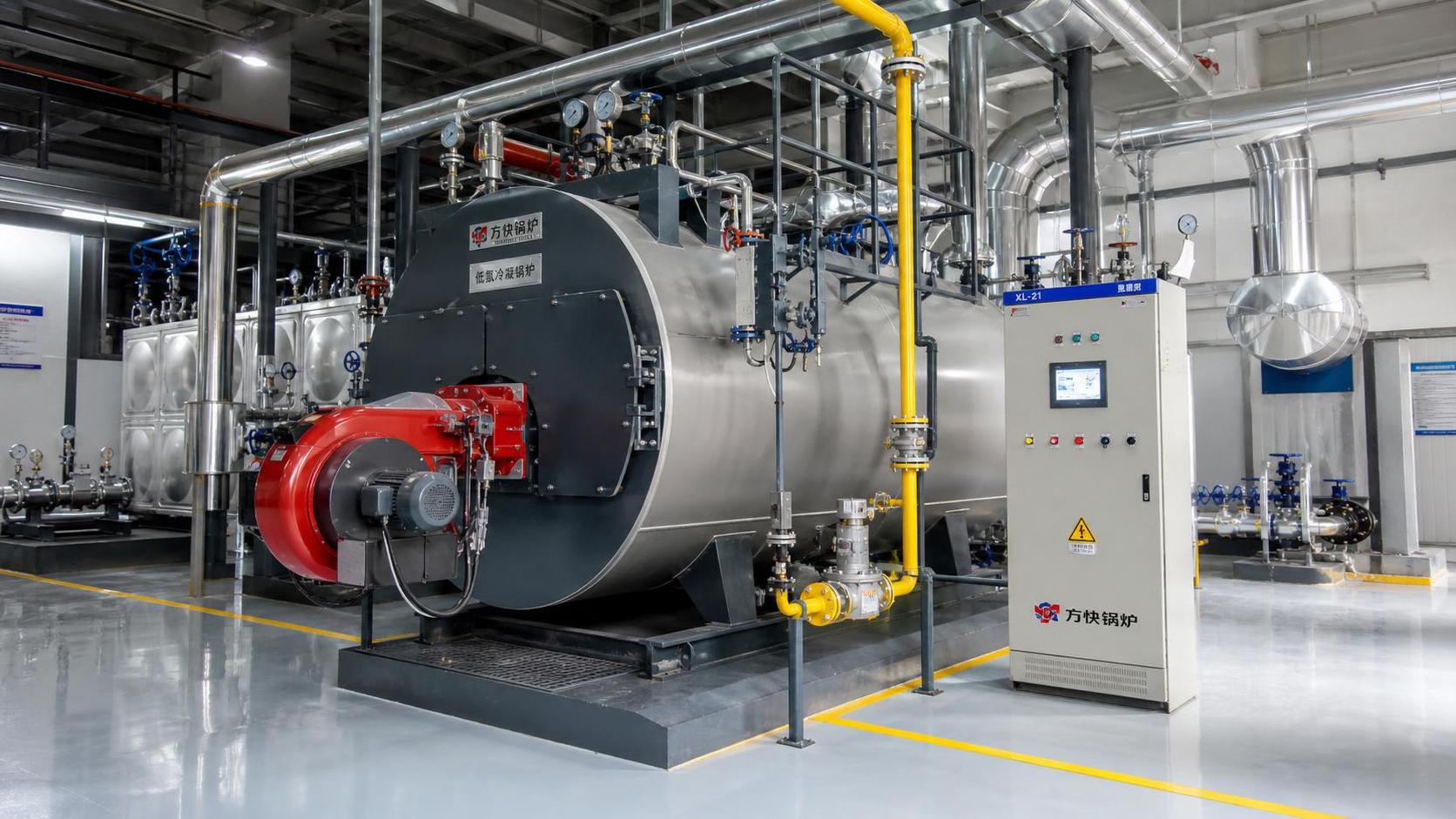
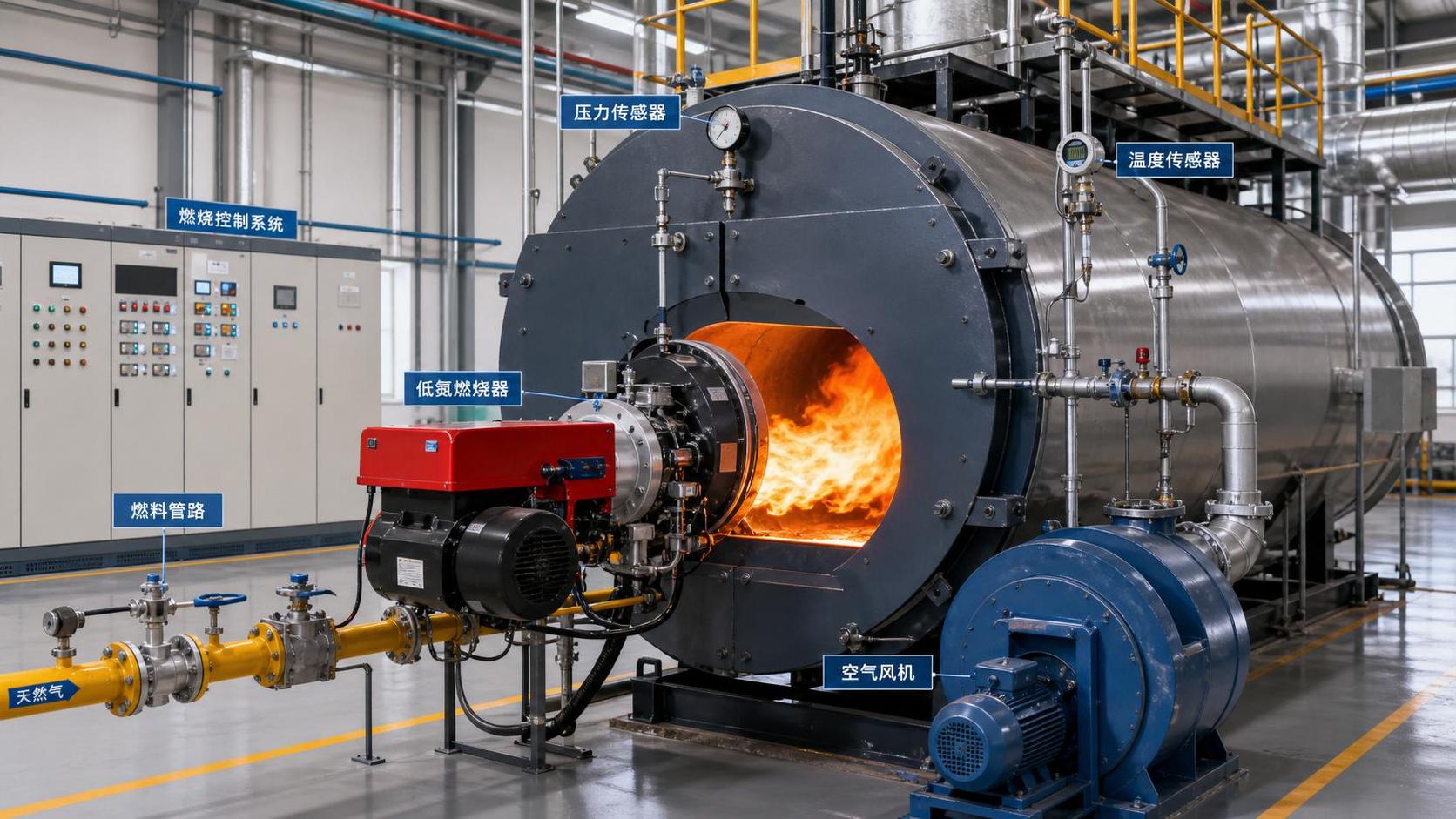
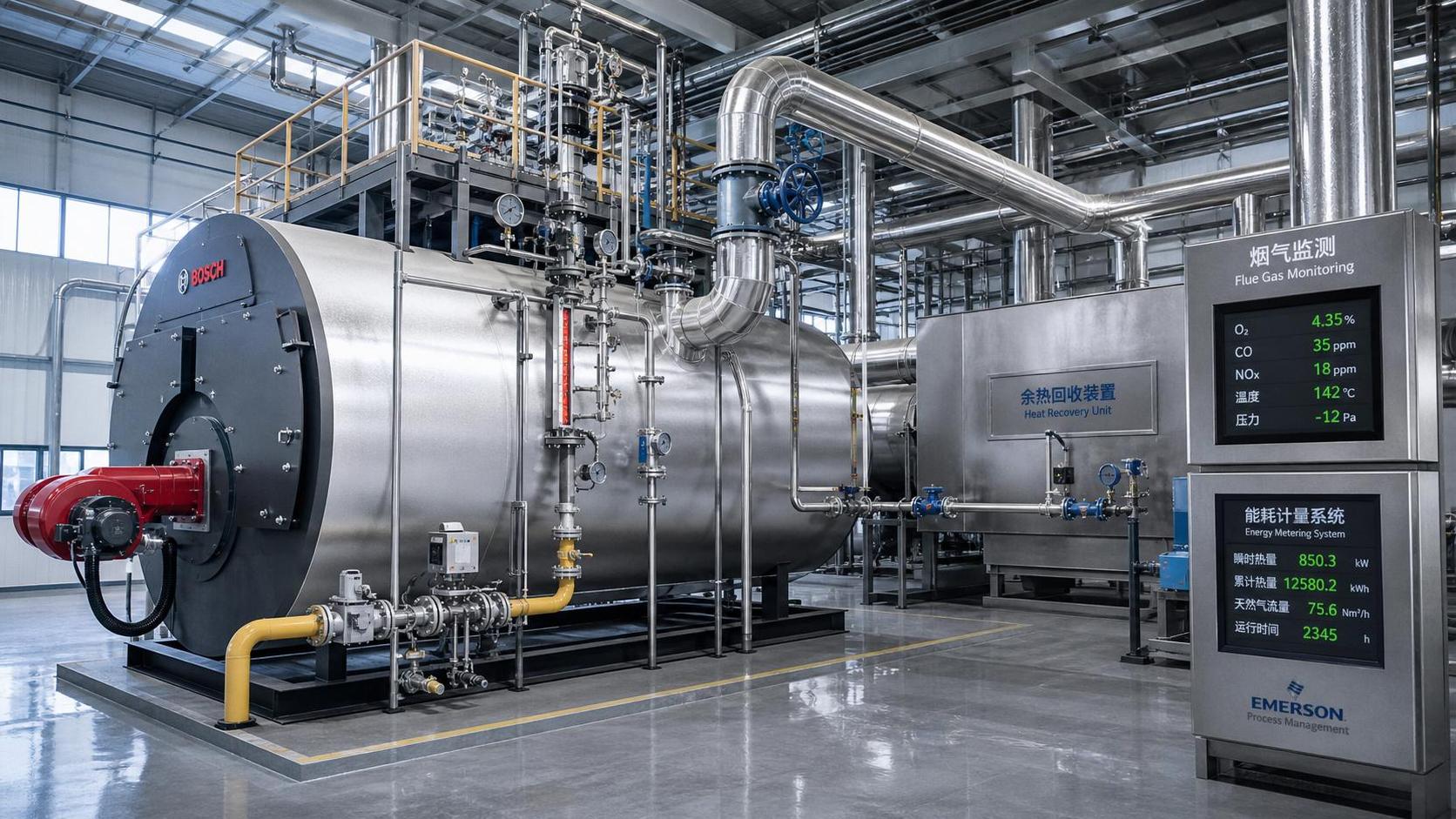
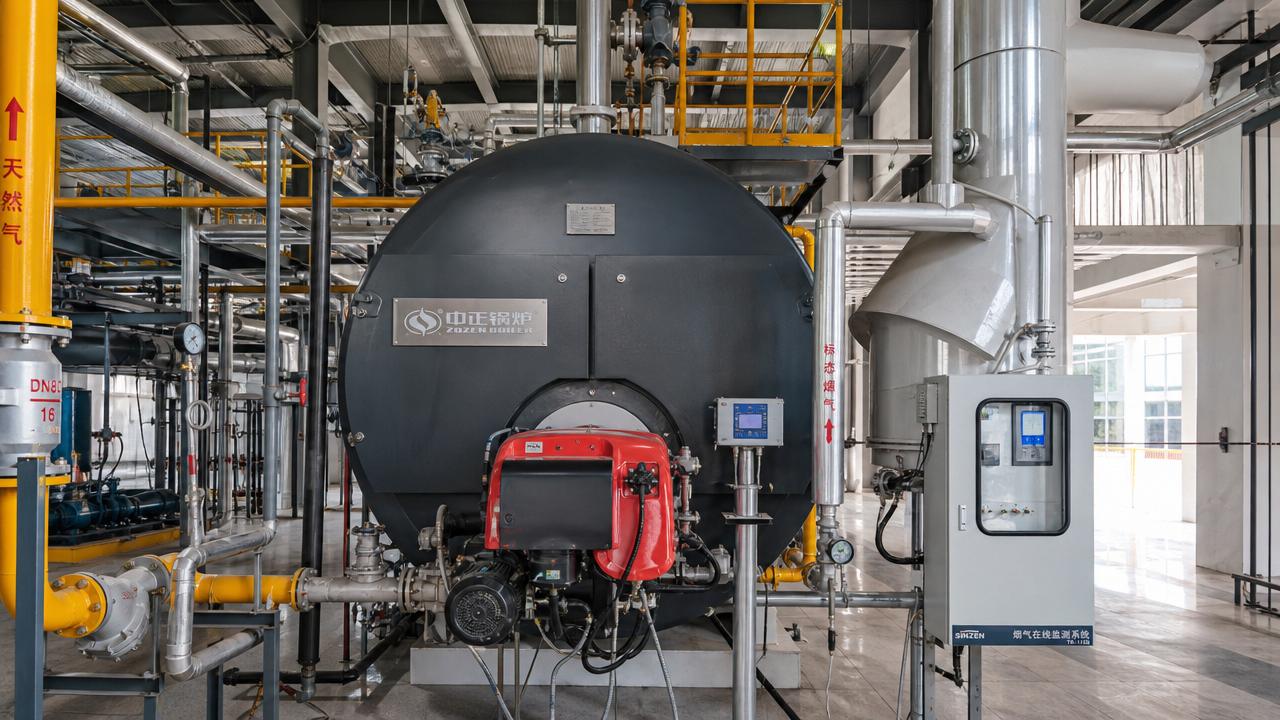
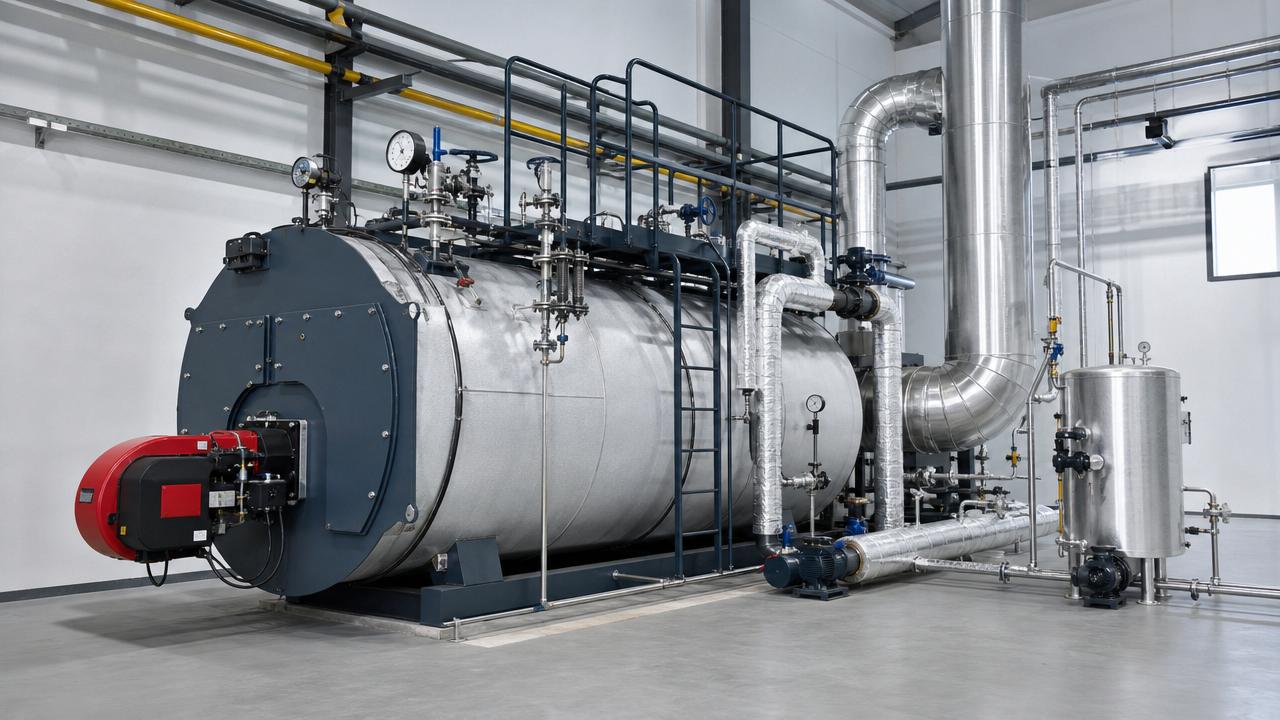
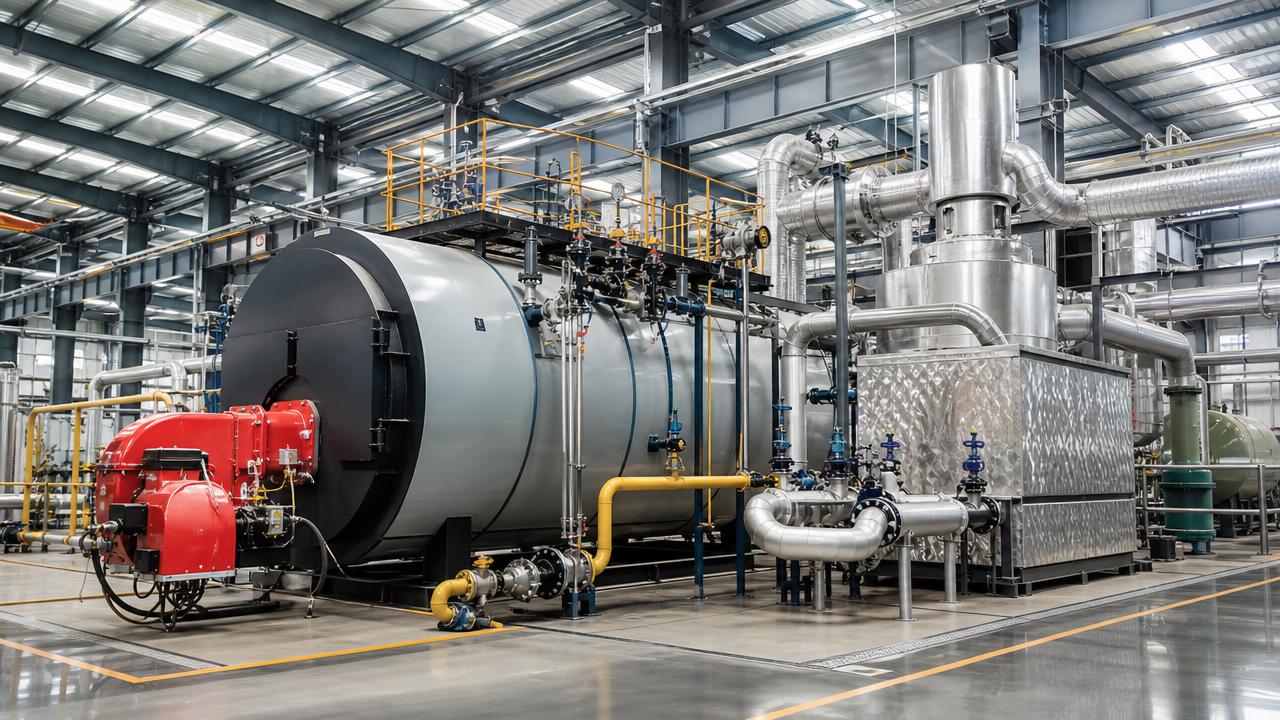
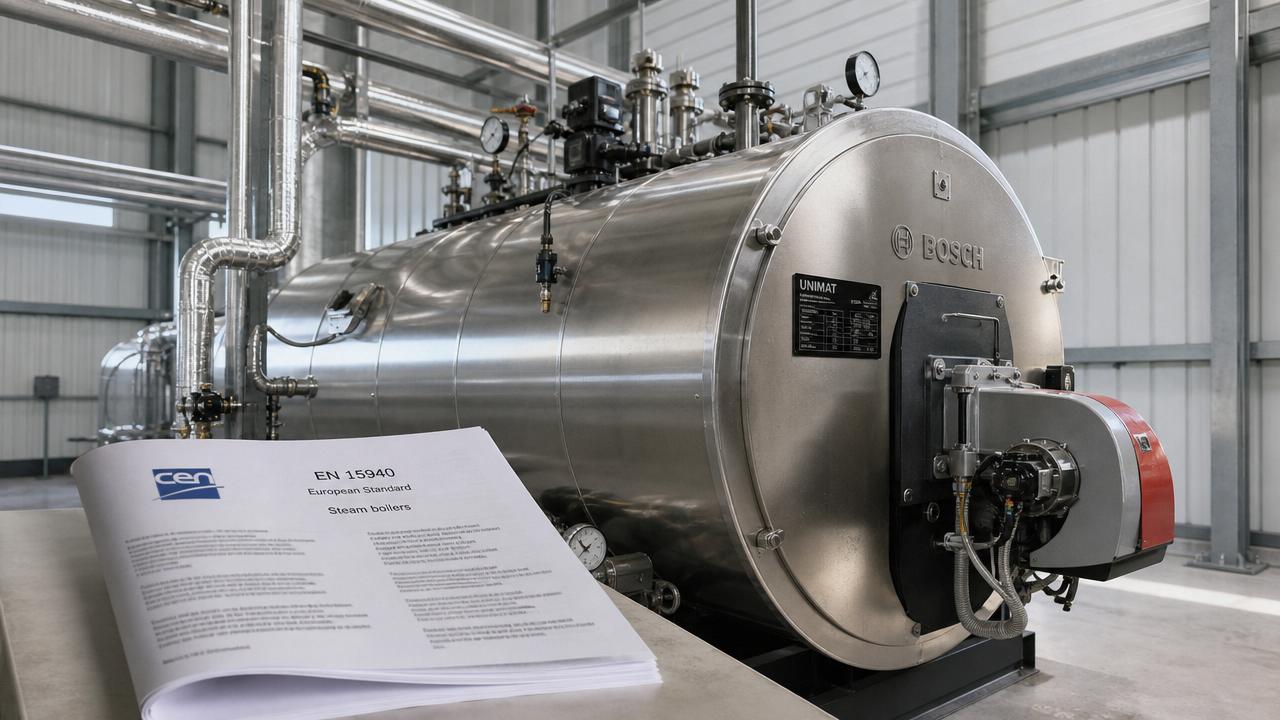
Hot Water Industrial Boilers: When Efficiency Gains Justify Replacement




When does replacing hot water industrial boilers stop being optional?
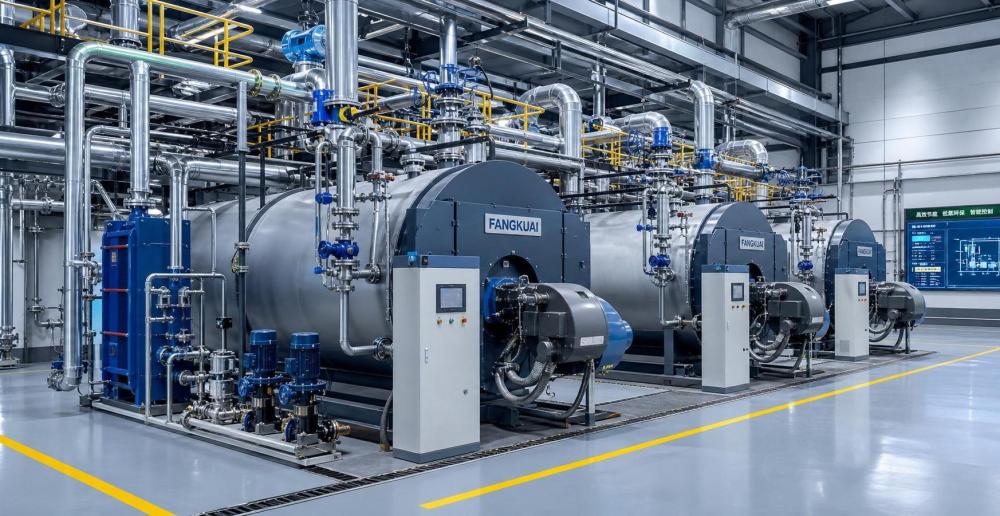
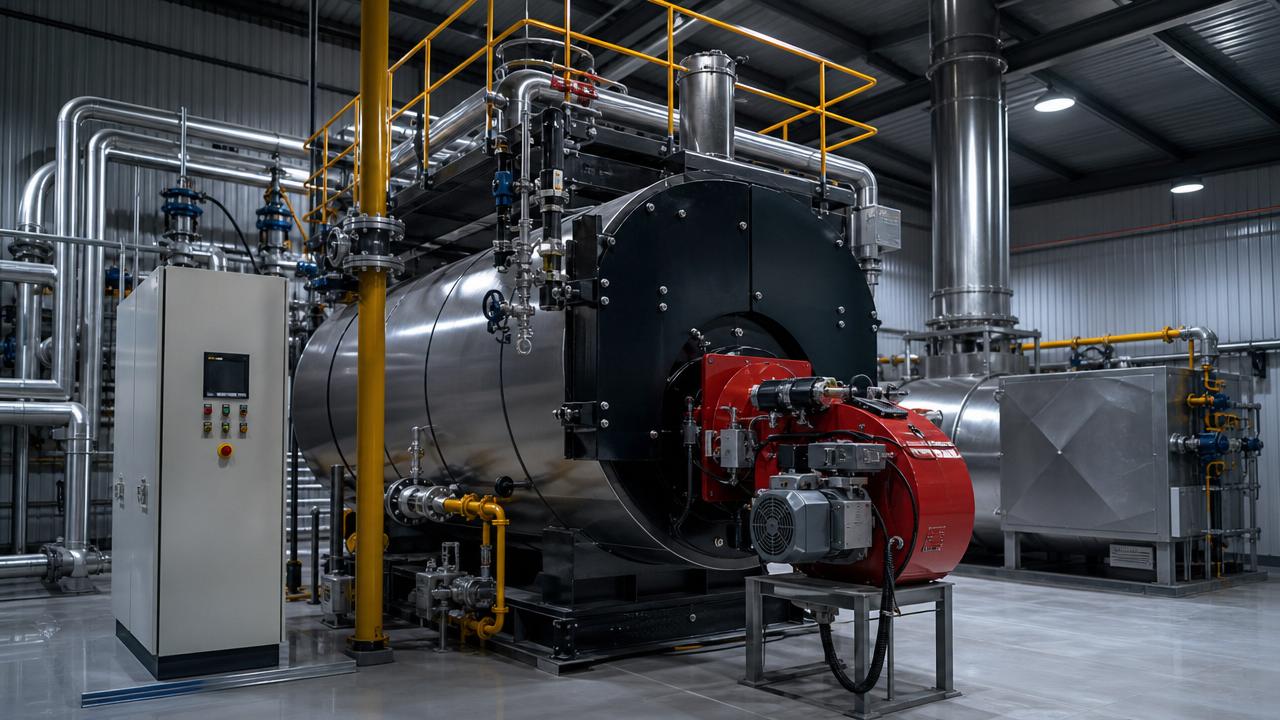
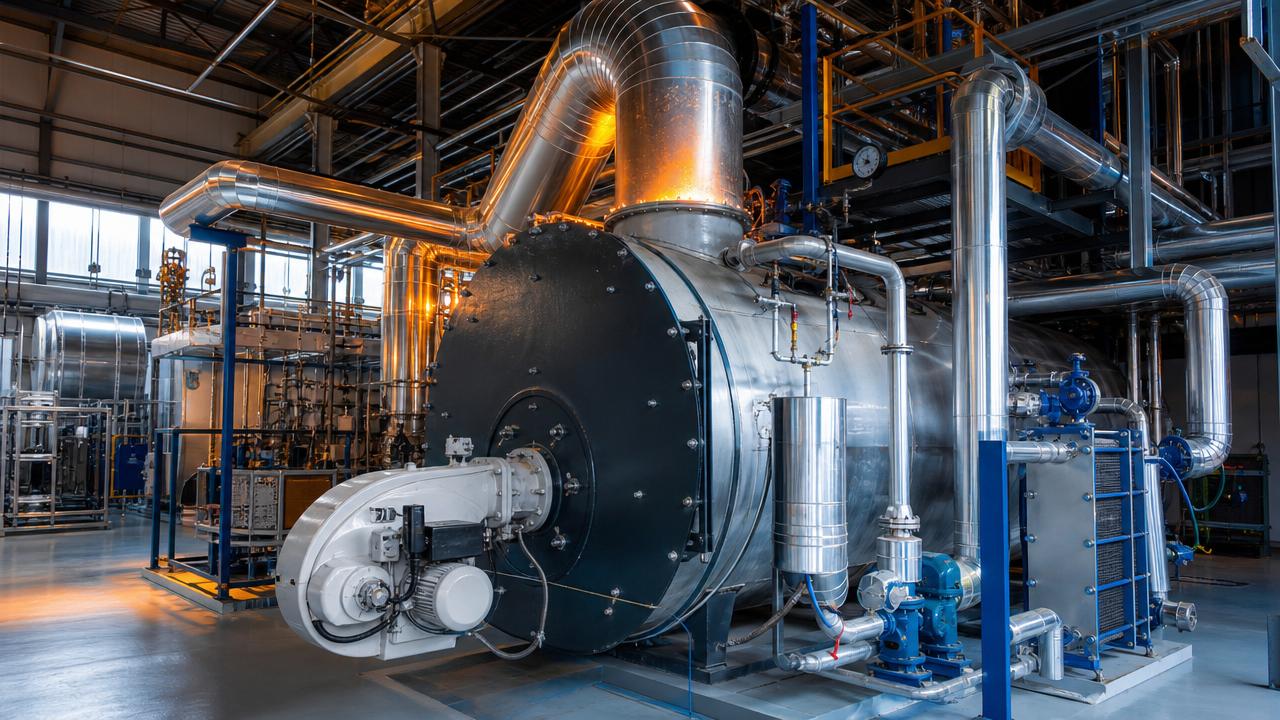
Hot water industrial boilers usually stay in service longer than planned. That is why replacement decisions often arrive late, under pressure, and with incomplete operating data.
The real issue is not age alone. It is the point where fuel waste, unplanned downtime, and emissions exposure begin costing more than continued maintenance can reasonably justify.
In practical terms, rising gas prices and tighter environmental expectations have changed the threshold. Many plants now revisit boiler economics years earlier than they did before.
This is especially relevant across food processing, pharmaceuticals, electronics support utilities, district heating, and general manufacturing where thermal stability affects both cost and output quality.
From the perspective of GTC-Matrix, the strongest replacement cases usually appear where thermal systems are evaluated together with compression, heat exchange, and plant-wide energy performance.
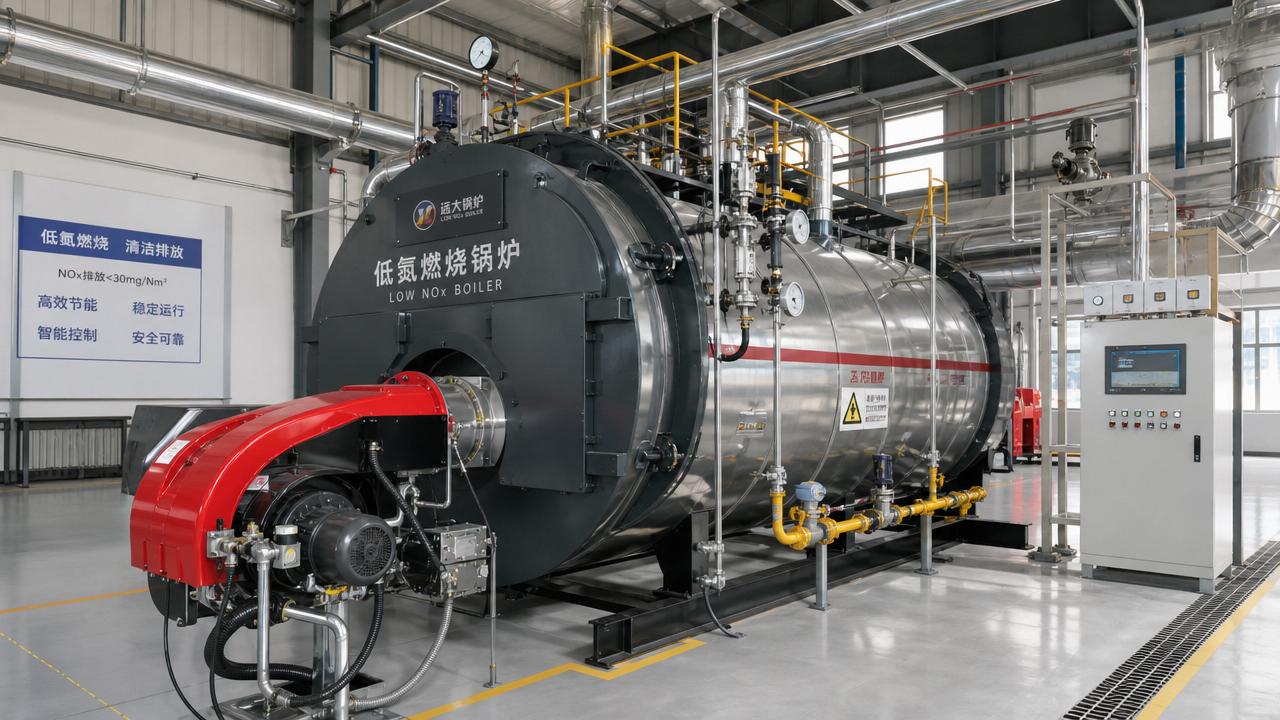
That broader view matters. A boiler upgrade can improve more than combustion efficiency if it also reduces distribution losses, improves controls, and supports low-NOx compliance.
What signals show that efficiency gains may justify replacement now?
A common mistake is waiting for catastrophic failure. By that stage, the business case becomes reactive, and equipment selection is often rushed.
More useful signals appear earlier. They can be tracked through fuel intensity, service records, burner behavior, and temperature stability at the point of use.
- Annual fuel consumption rises while production volume stays flat.
- Stack temperatures remain high despite regular tune-ups.
- Frequent cycling causes unstable hot water supply during partial load periods.
- Spare parts become difficult to source or service intervals shorten.
- NOx or carbon reporting pressure starts affecting operating permits or site targets.
If two or three of these signals appear together, replacement deserves formal review. Hot water industrial boilers rarely become uneconomic for a single reason.
Load profile is another strong clue. Older units may still look acceptable at full load, yet perform poorly during the frequent turndown conditions seen in modern plants.
That is why condensing designs, advanced burners, and digital controls often produce larger savings in real operation than nameplate efficiency alone suggests.
How should replacement value be measured beyond simple boiler efficiency?
The headline efficiency number matters, but it is not enough. A replacement decision should be judged across total thermal performance and business continuity.
A useful evaluation compares current and future systems across five dimensions: fuel use, maintenance burden, emissions exposure, process stability, and remaining asset risk.
This wider lens often changes the answer. Some hot water industrial boilers look expensive to replace until downtime avoidance and compliance costs are included.
In sectors needing precise thermal balance, reliability can be just as valuable as fuel savings. That point is easy to miss in a narrow payback calculation.
Is a modern condensing unit always the right upgrade path?
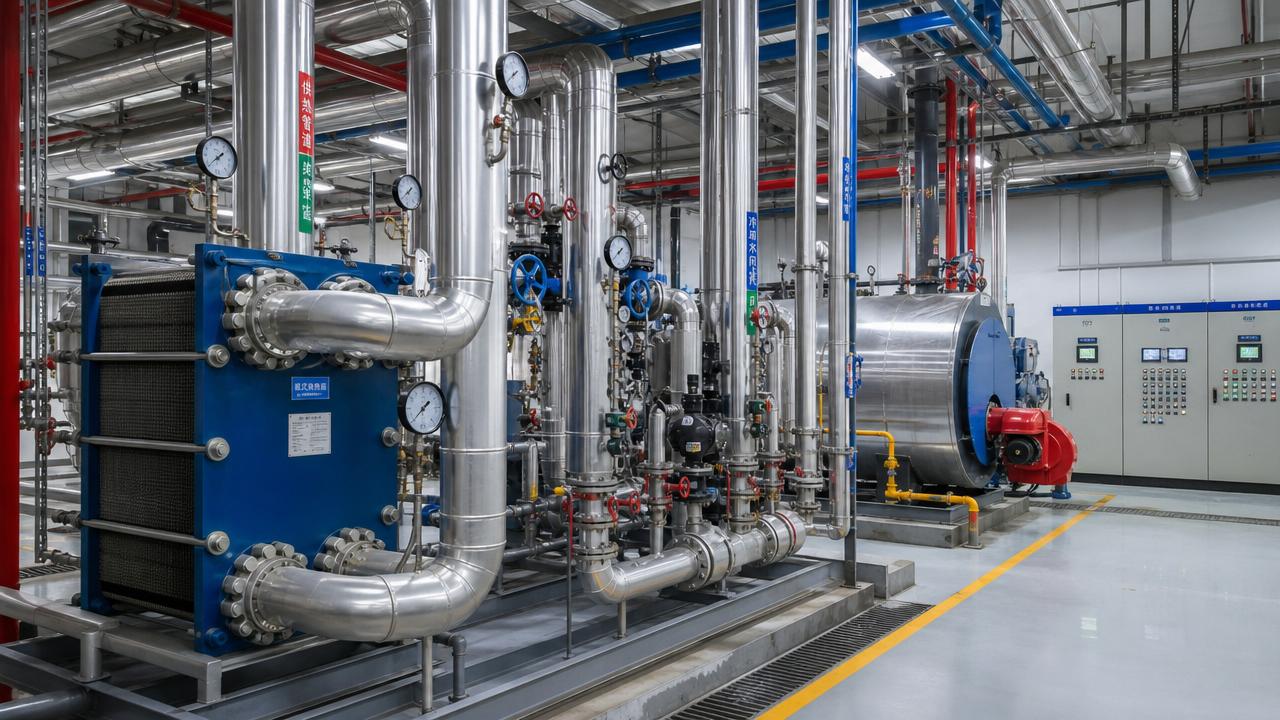
Not always. Condensing hot water industrial boilers deliver the strongest gains when the system allows low enough return water temperatures for continuous condensing operation.
If the return temperature stays high for most of the year, expected savings can be overstated. In that case, burner upgrades, modular staging, or hydraulic redesign may deserve equal attention.
The better question is whether the plant can use the new boiler properly. Distribution design often decides project value more than boiler technology alone.
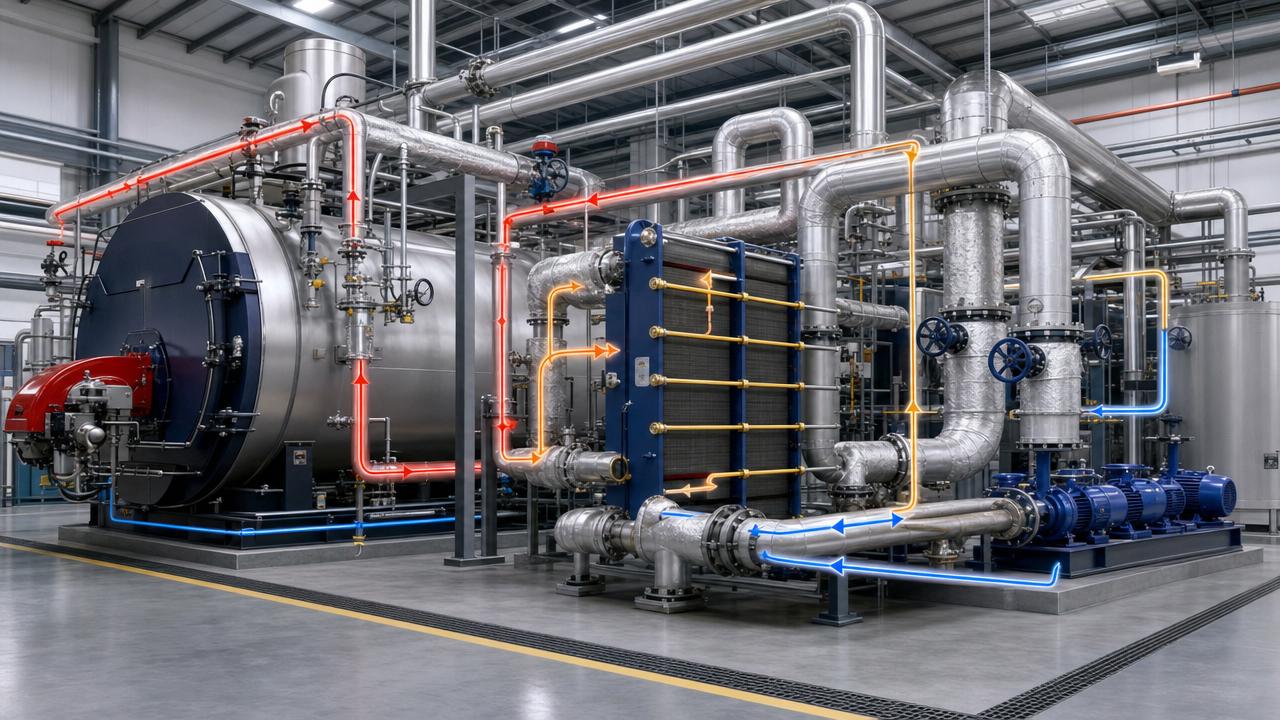
This is where integrated thermal intelligence becomes useful. GTC-Matrix frequently highlights how heat exchangers, load diversity, and control sequencing shape actual boiler performance.
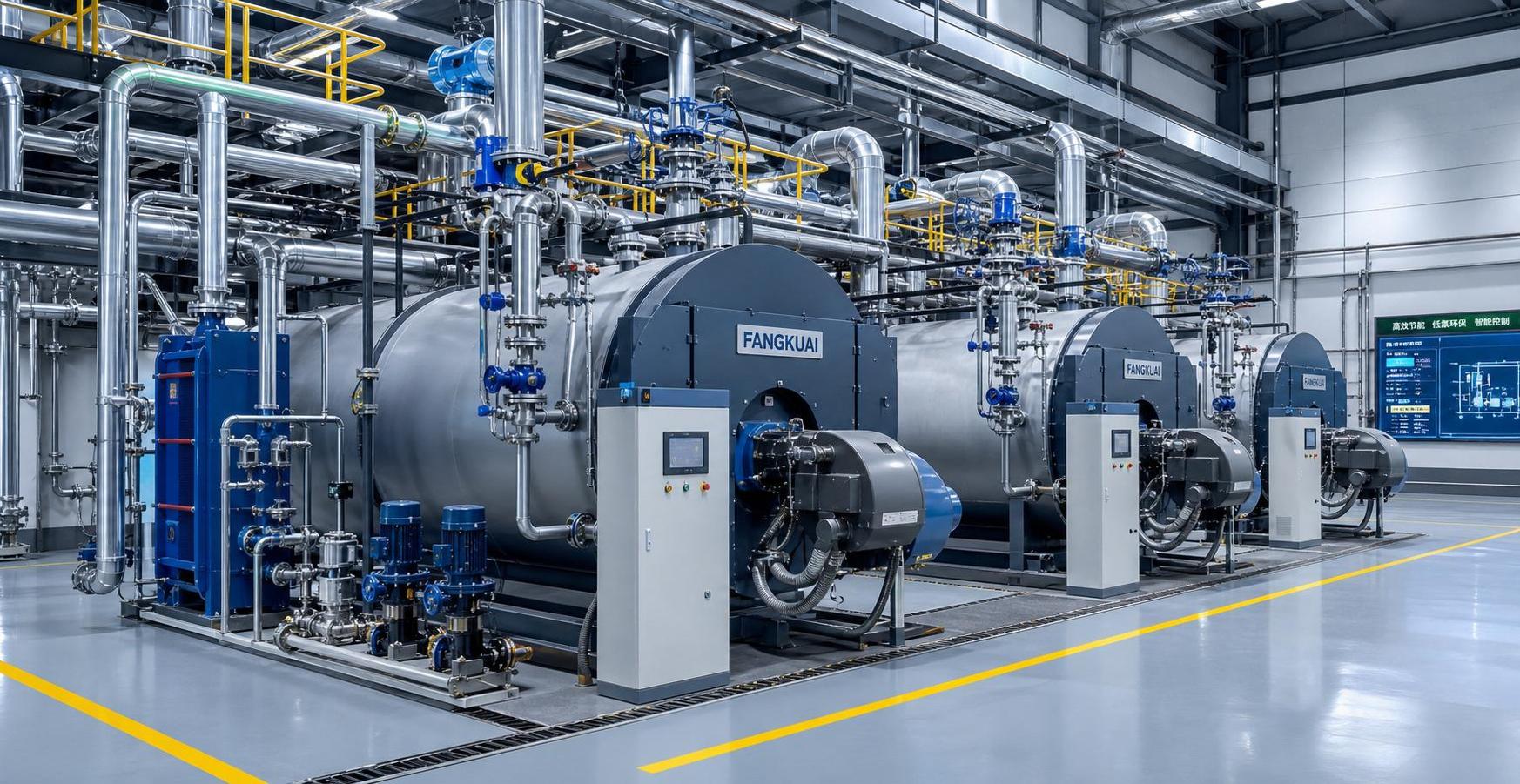
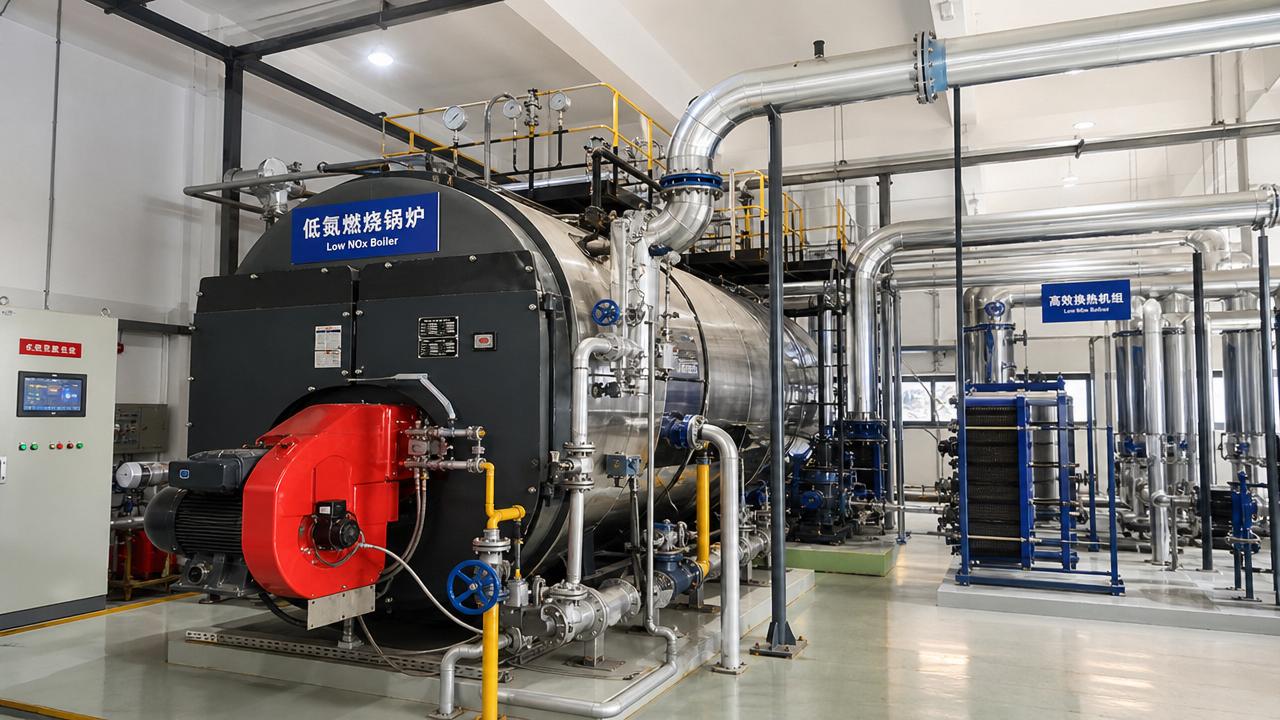
For example, sites with variable occupancy, seasonal demand swings, or mixed-temperature loops usually benefit from modular hot water industrial boilers rather than one oversized replacement.
A modular approach may reduce cycling, simplify maintenance windows, and improve resilience if one unit goes offline. Those advantages are operational, not just technical.
What cost and payback ranges should be considered before moving ahead?
There is no universal payback rule, because project economics depend on fuel price, annual run hours, water temperatures, and how much auxiliary equipment must be replaced.
Still, the most credible evaluations separate direct savings from avoided losses. That creates a more realistic financial picture.
- Direct savings: lower gas use, lower power draw for auxiliaries, improved combustion control.
- Avoided losses: fewer emergency repairs, lower rental boiler risk, less production disruption.
- Strategic value: easier emissions compliance, stronger reporting performance, better lifecycle predictability.
In many facilities, simple payback for hot water industrial boilers becomes attractive when annual operating hours are high and the existing plant runs inefficiently at part load.
More cautious cases appear when the old boiler still performs adequately and the site lacks the hydraulic conditions needed to unlock condensing efficiency.
That is why a pre-project audit should include trend data, not just a one-day inspection. Short snapshots often miss the real cost of cycling and seasonal inefficiency.
Which mistakes make boiler replacement look better on paper than in operation?
One common mistake is sizing the new unit around rare peak demand without considering actual load duration. Oversizing destroys part-load efficiency and weakens the replacement case.
Another is ignoring the surrounding system. New hot water industrial boilers cannot compensate for fouled heat exchangers, poor water treatment, or unbalanced distribution loops.
There is also a planning risk. Installation windows, venting changes, controls integration, and operator training can all stretch the project beyond the original estimate.
More subtle errors happen in the financial model. If fuel escalation, carbon reporting, and spare-part obsolescence are excluded, staying with the old asset may look cheaper than it really is.
The stronger approach is to test assumptions against current market intelligence. That includes energy trends, low-NOx developments, and sector-specific heat demand patterns tracked by GTC-Matrix.
So how should the next decision step be framed?
Start with a structured review of current performance. Gather twelve months of fuel, maintenance, fault, and operating temperature data before comparing boiler options.
Then test whether the plant can actually capture the efficiency promised by modern hot water industrial boilers. Return temperature and load profile deserve close attention.
If the system is already struggling with emissions, downtime, or unstable thermal control, replacement should be evaluated as a resilience project, not only an energy project.
The most reliable decisions usually come from comparing several scenarios: keep and repair, retrofit controls, partial system redesign, or full boiler replacement with modular staging.
That process makes the answer clearer. Efficiency gains justify replacement when they are supported by operating data, system fit, and lifecycle economics rather than optimistic assumptions alone.
A sensible next move is to build a short decision sheet covering fuel intensity, annual downtime, emissions exposure, return temperature, and total installed cost before moving into supplier comparison.
Related News
- Low-NOx Boilers Cost Breakdown: Upfront Price, Fuel Savings, and PaybackAuthor :Thermal Energy Strategist

- Boiler Combustion Systems: Common Causes of Unstable Fuel PerformanceAuthor :Thermal Energy Strategist

- Hot Water Industrial Boilers: When Efficiency Gains Justify ReplacementAuthor :Thermal Energy Strategist

- What Boiler Efficiency Really Means in Daily Operation and Energy BillsAuthor :Thermal Energy Strategist

- Boiler Efficiency Testing Methods That Expose Heat Loss and Fuel WasteAuthor :Thermal Energy Strategist

- Industrial Burner Systems: Key Factors for Safe Heat OutputAuthor :Thermal Energy Strategist

- Gas-Fired Boiler Combustion Technology: Key Efficiency and Emissions Trade-OffsAuthor :Thermal Energy Strategist

- Unfired Heat Recovery Steam Generators: When Do They Pay Off?Author :Thermal Energy Strategist

- How to Evaluate Steam Generation Systems Electric for Process Heat ProjectsAuthor :Thermal Energy Strategist

- Thermal Power Systems for Industrial Heating: Common Sizing Mistakes to AvoidAuthor :Thermal Energy Strategist

- Low-NOx Condensing Boilers: How to Compare Efficiency and EmissionsAuthor :Thermal Energy Strategist
![]()
- Low Emissions Boilers for Food Processing: Key Compliance and Fuel Cost FactorsAuthor :Thermal Energy Strategist

- Steam System Efficiency Calculation: Key Inputs That Change the ResultAuthor :Thermal Energy Strategist

- How to Evaluate a Steam Boiler Components Exporter Before OrderingAuthor :Thermal Energy Strategist

- Burner Systems Troubleshooting: Common Efficiency Loss CausesAuthor :Thermal Energy Strategist

- EU PED Q2 Rules Require Digital Compliance TagsAuthor :Thermal Energy Strategist

- Thermal Power Systems: Key Efficiency Risks in Daily OperationAuthor :Thermal Energy Strategist

- Low-NOx Combustion Boilers: Key Efficiency and Compliance ChecksAuthor :Thermal Energy Strategist

- Low-NOx Combustion Boilers: Key Specs That Affect Emissions and Fuel UseAuthor :Thermal Energy Strategist

- Low-NOx Combustion Boilers: Key Compliance RisksAuthor :Thermal Energy Strategist

- Thermodynamics Analysis for Boiler Heat-Loss ReductionAuthor :Thermal Energy Strategist

- Industrial Thermal Systems: Common Operating RisksAuthor :Thermal Energy Strategist

- Low-NOx Combustion Boilers: Key Spec Checks Before PurchaseAuthor :Thermal Energy Strategist

- How Industrial Heat Recovery Cuts Boiler Fuel Costs in 2026Author :Thermal Energy Strategist

- Thermodynamics Analysis: 5 Heat Loss Clues in Steam BoilersAuthor :Thermal Energy Strategist

- Low-NOx Combustion Boilers: What Affects Real Emissions PerformanceAuthor :Thermal Energy Strategist

- Thermodynamics Analysis: Finding Heat Loss in Steam BoilersAuthor :Thermal Energy Strategist

- 2026 Steam Boiler Upgrades for Lower NOx and Fuel CostsAuthor :Thermal Energy Strategist

- EU to Expand CBAM to Steam Boilers; Exporters Must Prepare Carbon DataAuthor :Thermal Energy Strategist

- Industrial Heat Recovery: When Payback Beats New Boiler CapacityAuthor :Thermal Energy Strategist

- Carbon Neutrality Targets and the New Boiler Retrofit PaybackAuthor :Thermal Energy Strategist

- Low-NOx Combustion Boilers: Fuel Savings vs Emission LimitsAuthor :Thermal Energy Strategist

- Industrial Energy Efficiency Benchmarks for Steam Boiler Upgrades in 2026Author :Thermal Energy Strategist

- Low-NOx Combustion Boilers: Efficiency vs Emissions in 2026Author :Thermal Energy Strategist

- Industrial Heat Recovery Options for Steam Boiler SavingsAuthor :Thermal Energy Strategist

- Low-NOx Combustion Boilers and 2026 Compliance PressureAuthor :Thermal Energy Strategist