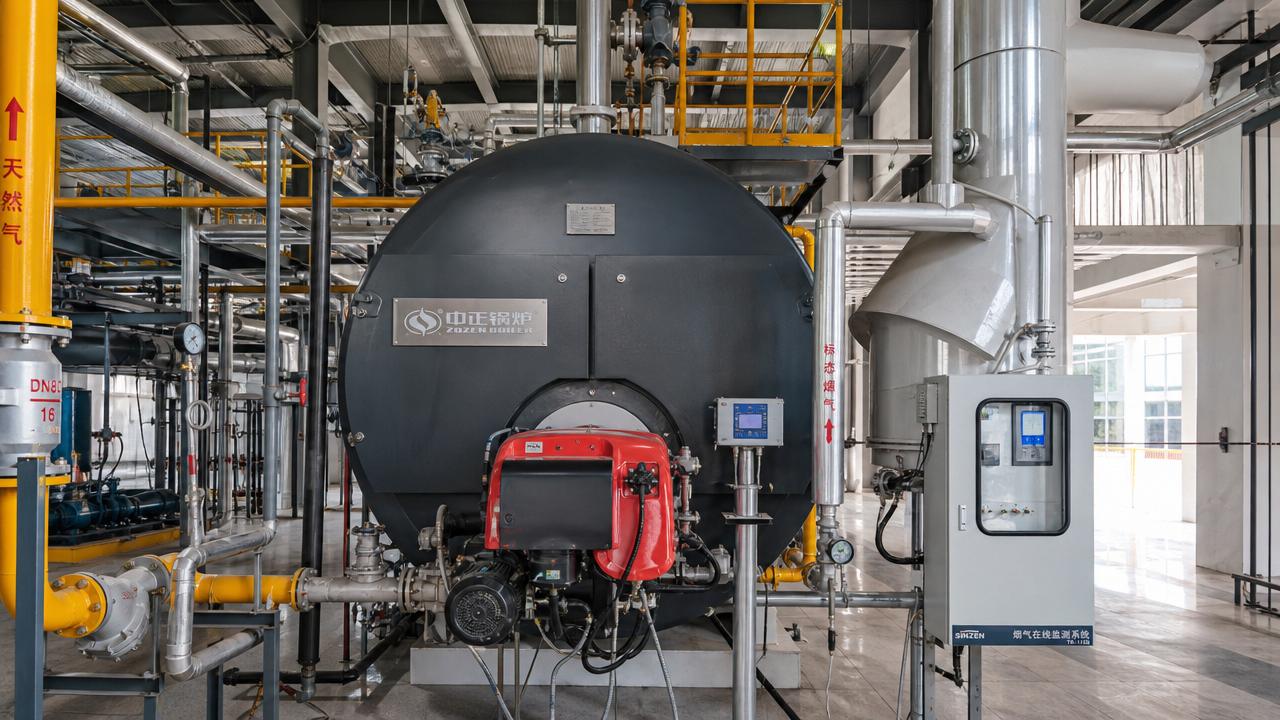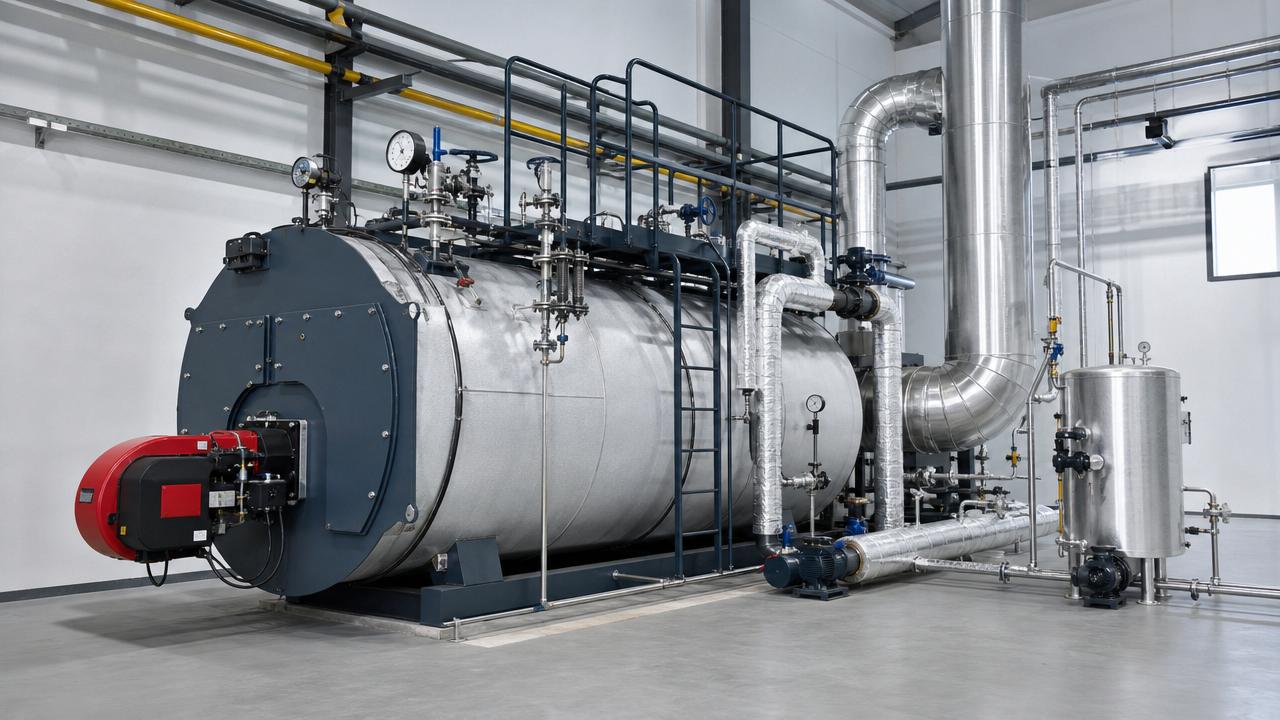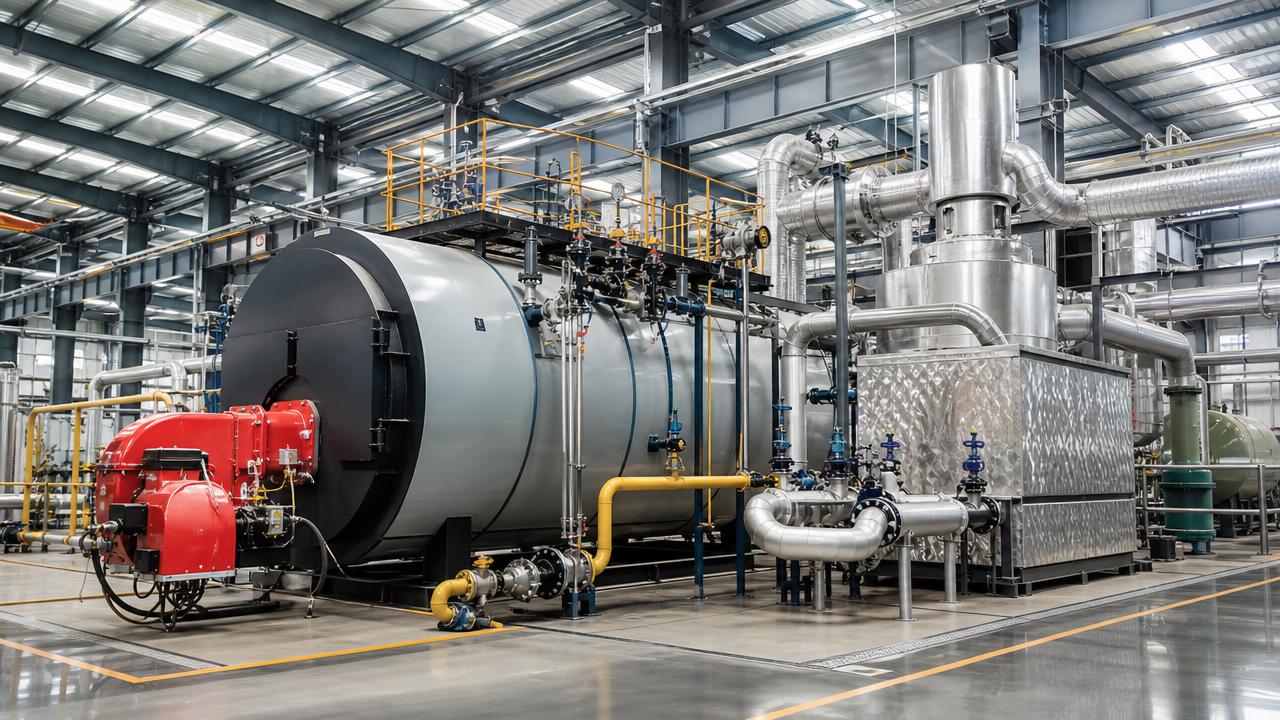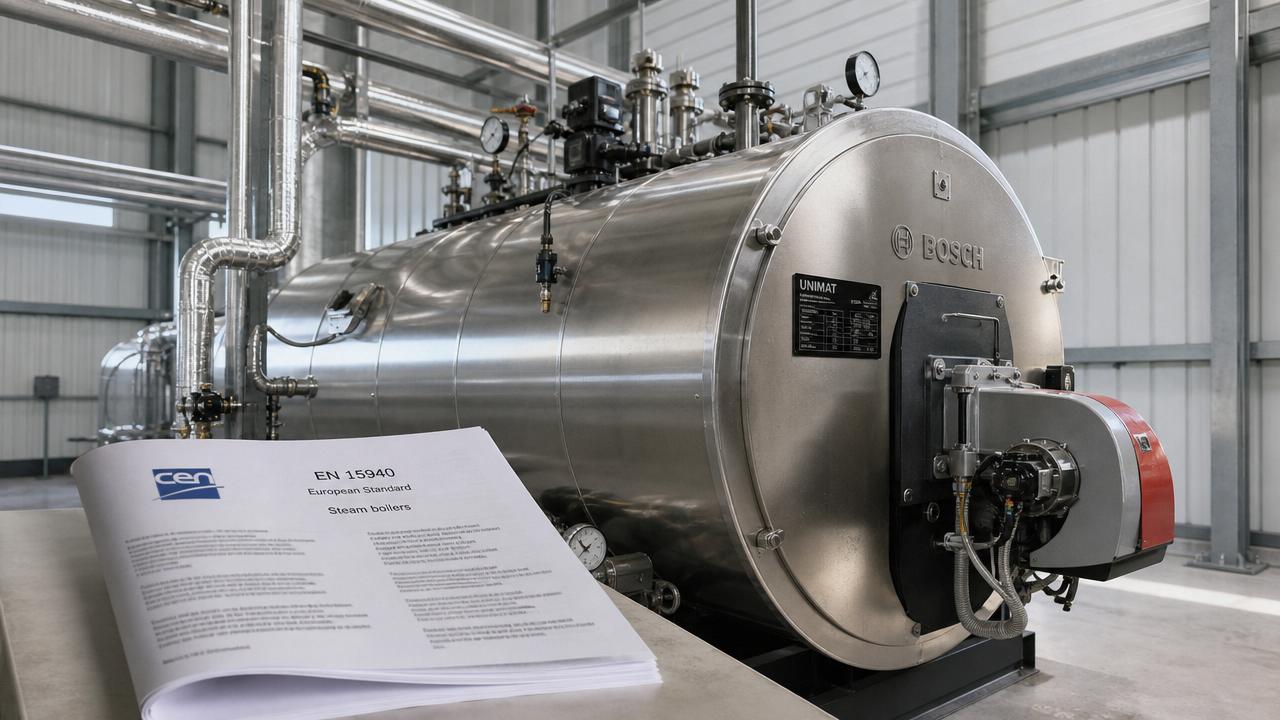




Boiler Efficiency Testing Methods That Expose Heat Loss and Fuel Waste




Boiler efficiency testing reveals how much purchased fuel becomes useful heat, and how much disappears through exhaust, poor combustion, radiation, or unstable operating conditions.
That matters far beyond routine maintenance. In plants where steam or hot water supports production, weak boiler performance can quietly raise costs, increase emission risk, and narrow safety margins.
For industrial operations under energy pressure, boiler efficiency testing has become a practical way to connect thermal reliability, compliance, and cost control with measurable evidence.
Why boiler efficiency testing deserves closer attention
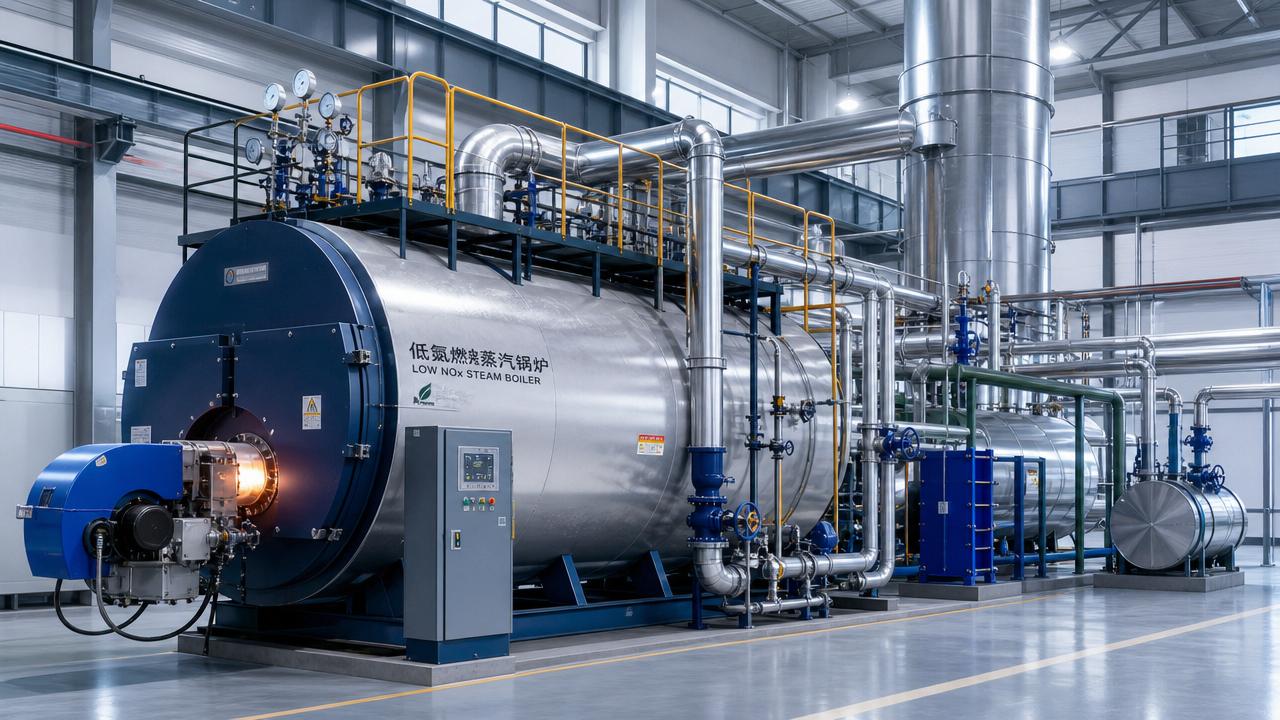
The issue is not only fuel price volatility. It is also the growing need to prove stable combustion, lower NOx exposure, and disciplined thermal management across complex facilities.
A boiler may still run every day while wasting fuel. Stack temperature can drift, excess air can rise, and short cycling can increase, long before operators see an obvious failure.
This is why boiler efficiency testing is valuable for both operating and governance decisions. It turns hidden thermal losses into numbers that can be compared, trended, and acted on.
Seen through the lens of GTC-Matrix, the topic also fits a broader industrial shift. Energy conversion equipment is now judged by efficiency, emissions, and system intelligence, not nameplate output alone.
What the test is actually measuring
At its core, boiler efficiency testing compares energy in with useful heat out. The difference points to loss mechanisms that deserve technical and operational review.
Some losses are expected. Flue gas always carries away some heat. Boiler shells also release a smaller amount through radiation and convection.
The concern starts when those losses exceed the design expectation. Then the test stops being a reporting exercise and becomes a diagnostic tool.
The main heat loss channels
- High stack temperature, often linked to fouling, poor heat transfer, or oversized firing conditions.
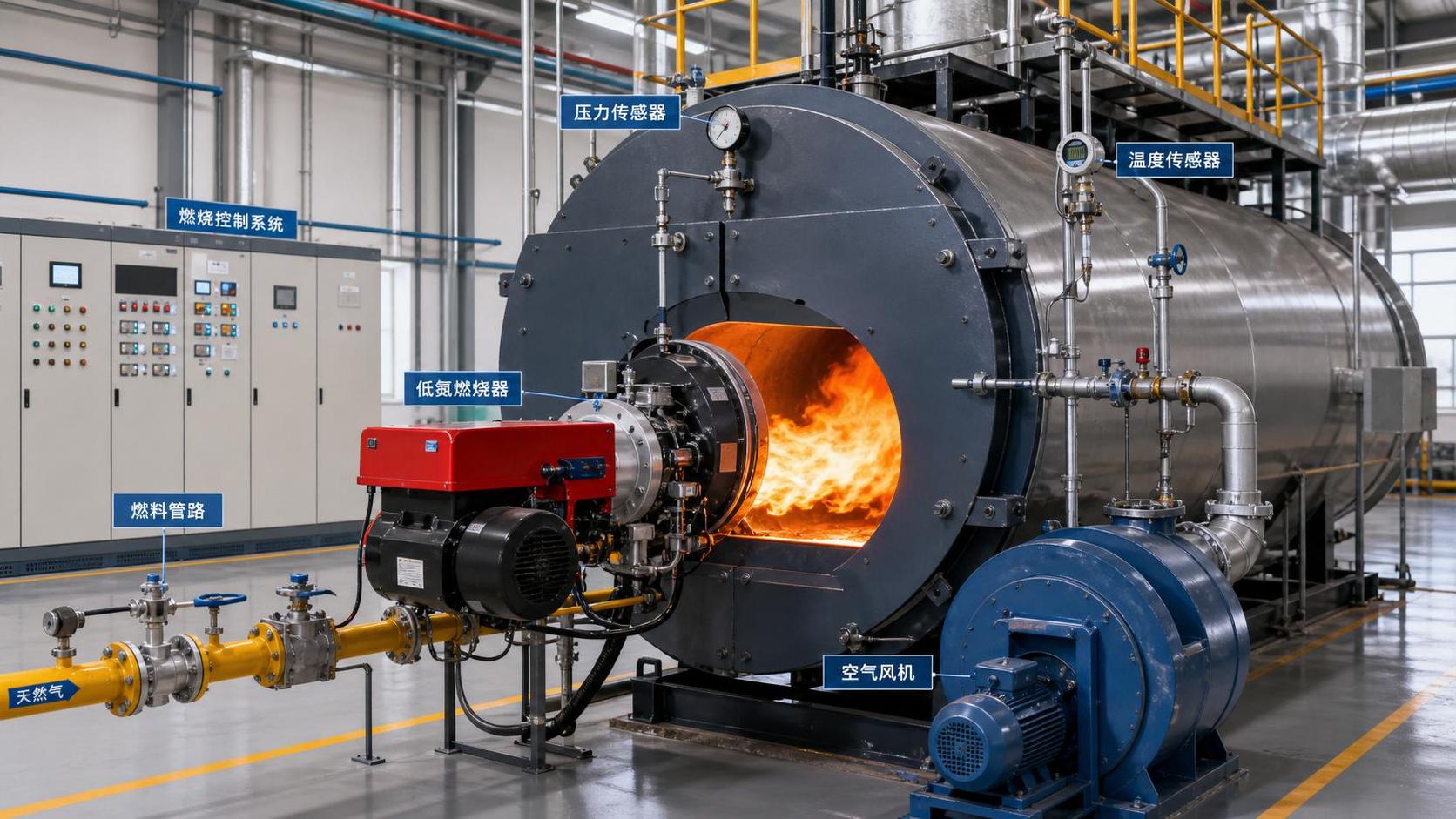
- Excess combustion air, which dilutes flame temperature and sends unnecessary heated air up the flue.
- Incomplete combustion, visible through elevated CO, unburned fuel, soot, or unstable flame behavior.
- Blowdown losses that are technically necessary, yet often higher than required in poorly controlled water treatment programs.
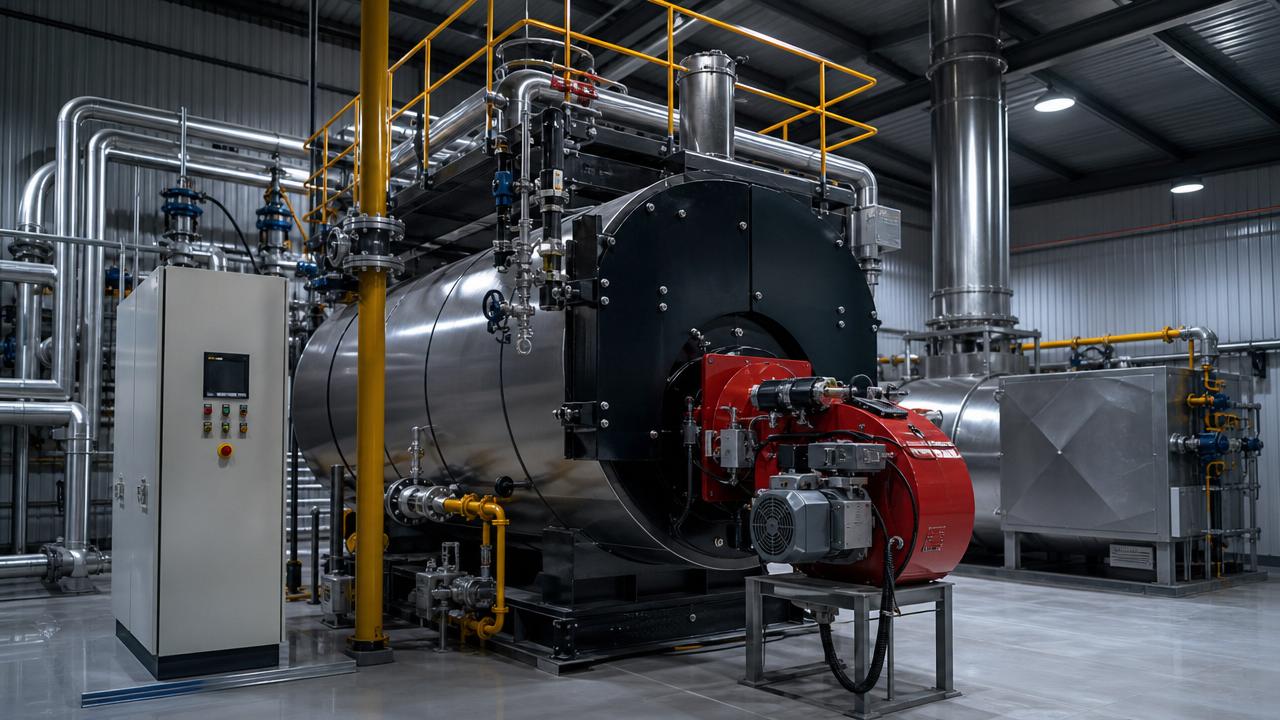
- Standby and cycling losses, especially in systems with fluctuating load or weak burner control logic.
A good boiler efficiency testing program identifies which of these losses dominates. That distinction matters because each one leads to a different corrective path.
Testing methods that expose fuel waste clearly
Not every method answers the same question. Some are fast screening tools, while others support deeper root-cause analysis and performance verification after adjustment.
Direct efficiency method
This approach compares useful heat delivered with total fuel consumed. It is conceptually simple and often useful for system-level performance tracking.
Its weakness is sensitivity to measurement quality. Poor steam flow data, uncertain fuel calorific value, or unstable load conditions can distort the result.
Indirect or heat-loss method
This is widely used in boiler efficiency testing because it breaks losses into components. Flue gas temperature, O2, CO2, ambient air temperature, and fuel type become central inputs.
It is especially useful when the goal is to locate waste rather than only report a percentage. Facilities can see whether stack loss, excess air, or combustion quality is the larger problem.
Flue gas analysis
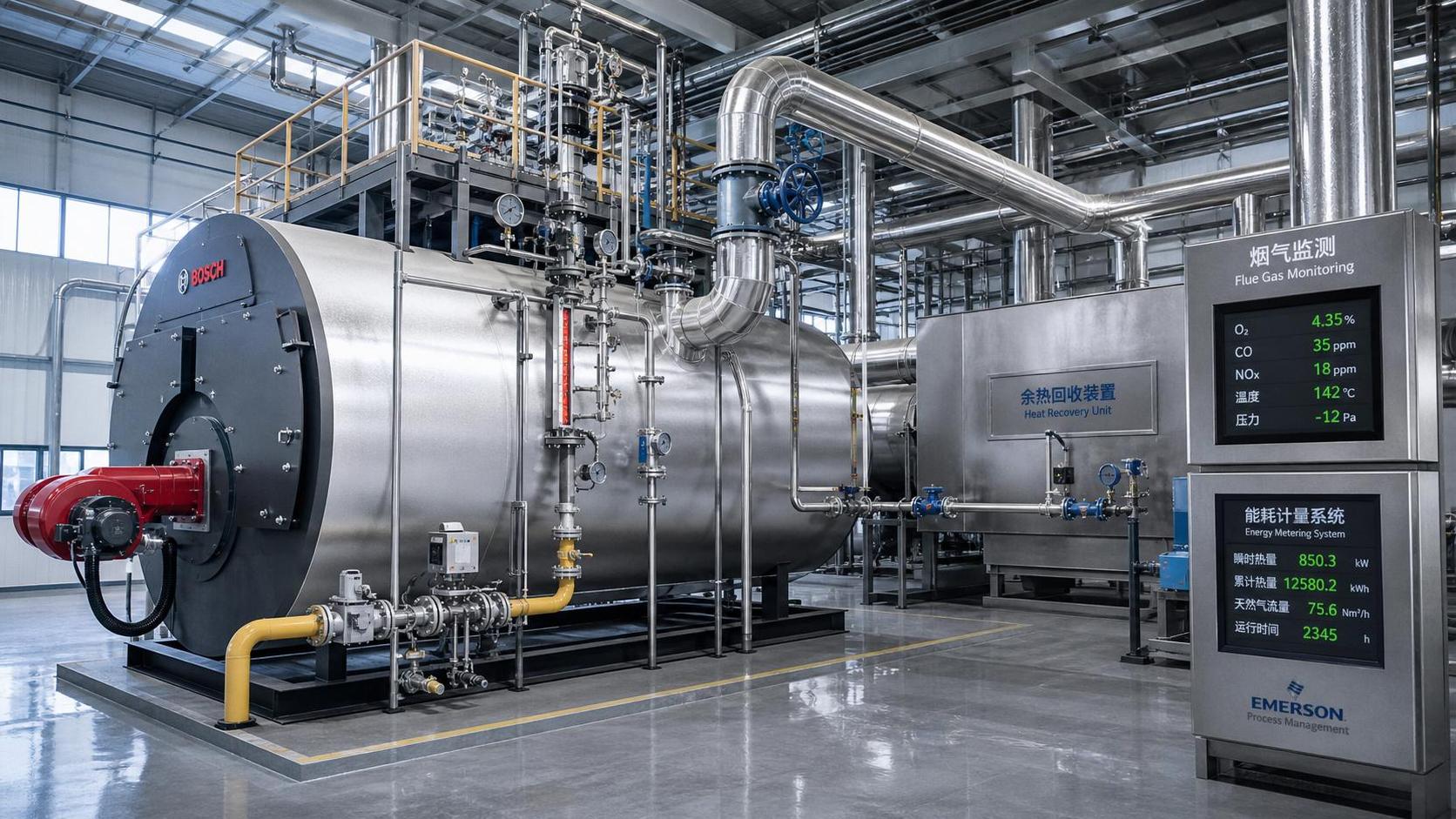
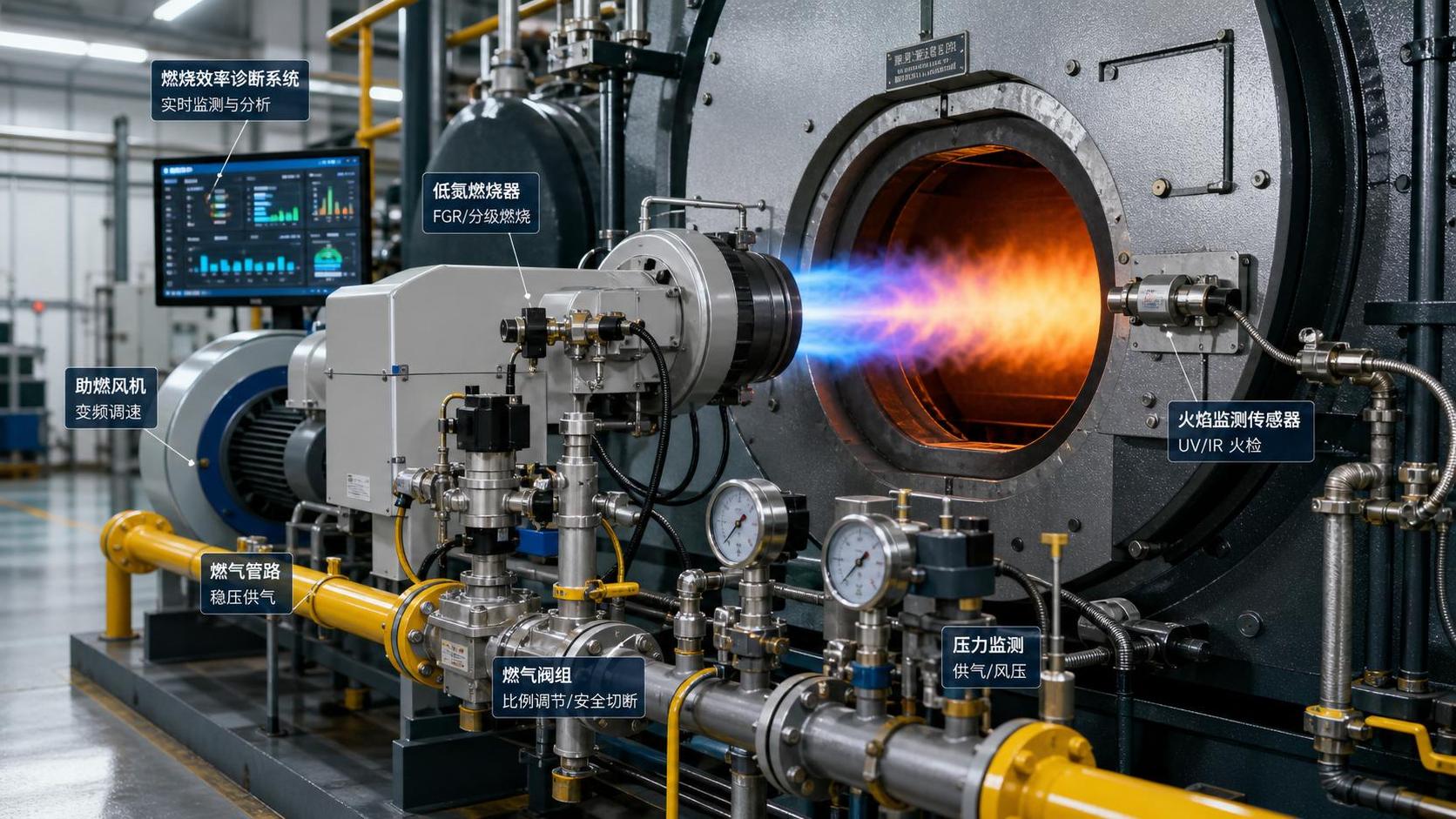
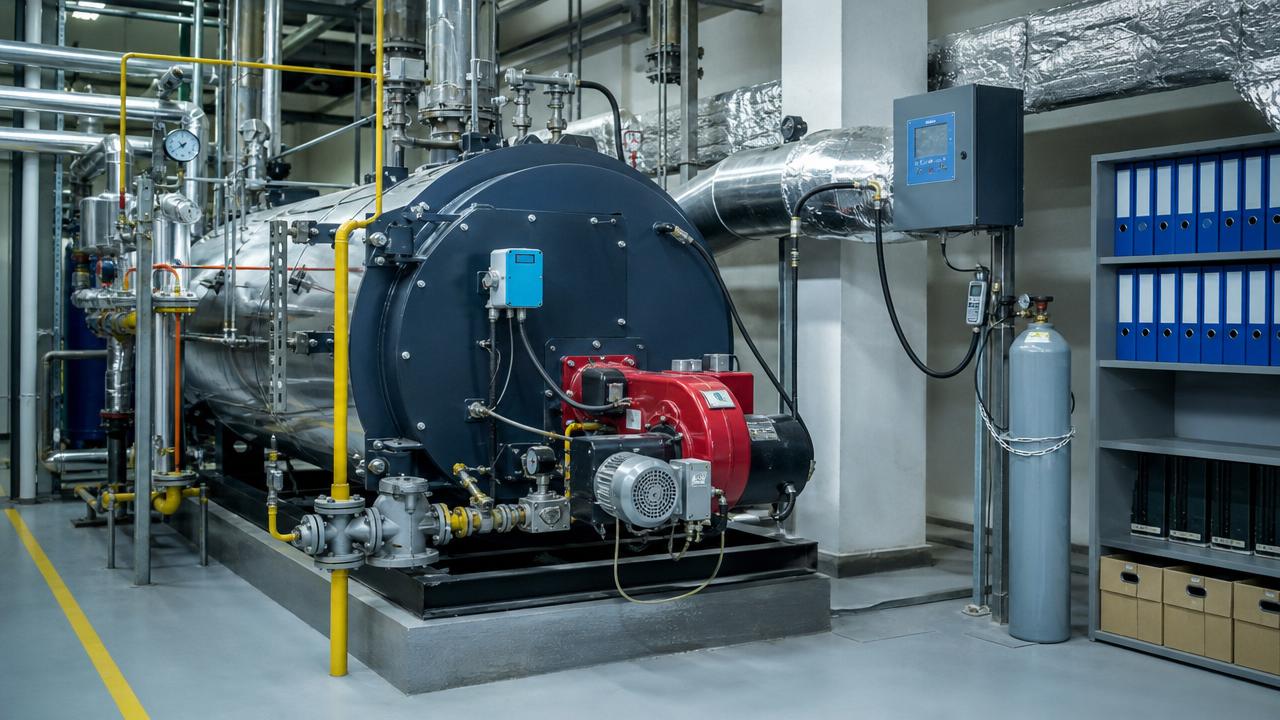
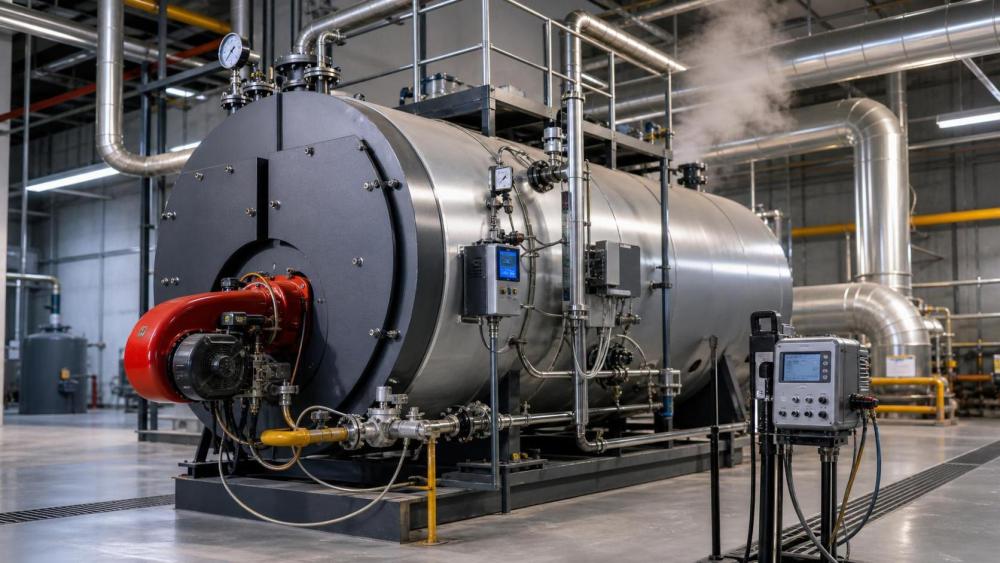
Portable analyzers provide the fastest practical signal. O2, CO, CO2, stack temperature, and draft conditions can reveal burner imbalance and air-fuel mismatch within a short inspection window.
This method becomes more valuable when repeated under different loads. A boiler may look acceptable at one firing point and wasteful at another.
Infrared and surface heat checks
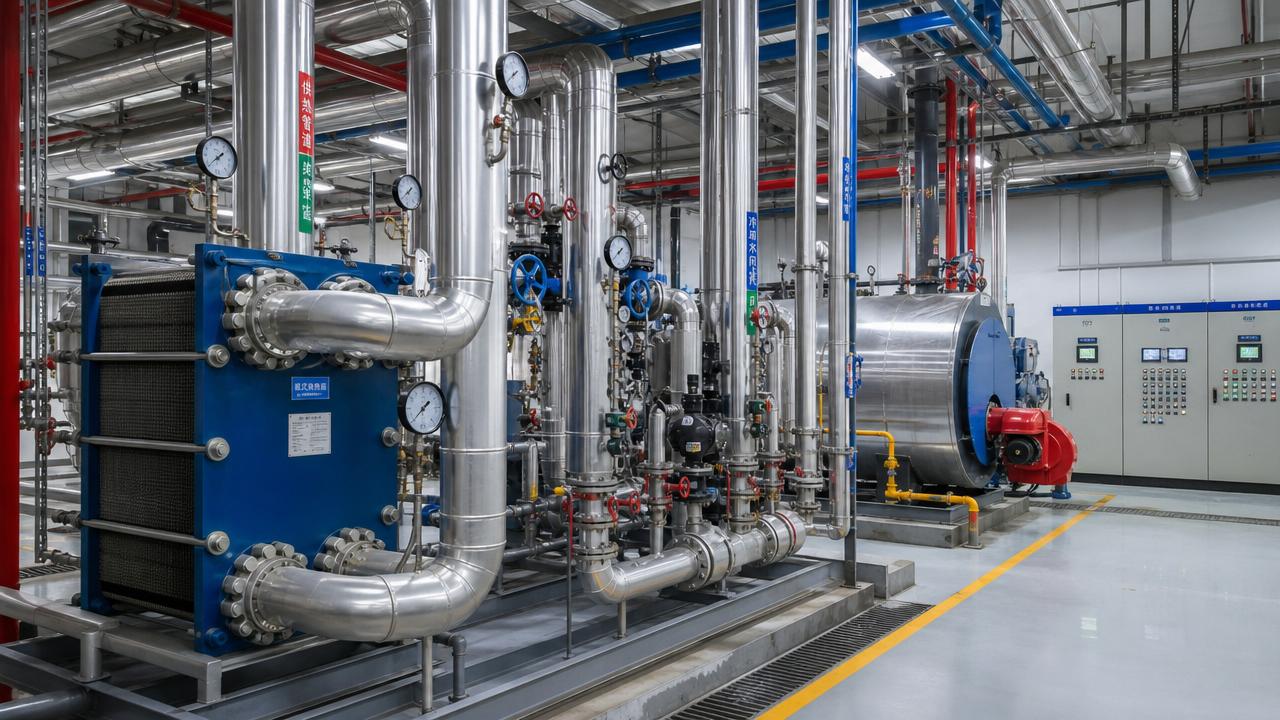
Infrared inspection does not replace full boiler efficiency testing, but it helps expose casing hot spots, insulation weakness, refractory damage, and steam leakage around connected equipment.
Those findings are important because thermal waste often sits outside the combustion chamber itself.
Load profiling and trend analysis
Boilers rarely fail because of one bad reading. Waste usually appears as a pattern: rising O2, frequent cycling, increasing blowdown, or declining steam generation per unit of fuel.
Trend-based boiler efficiency testing is useful in sectors with variable demand, such as food processing, pharmaceuticals, district energy, and mixed manufacturing lines.
Where testing delivers the most business value
The strongest return usually appears in sites where thermal systems sit close to process quality, sanitation, clean utility requirements, or strict environmental reporting.
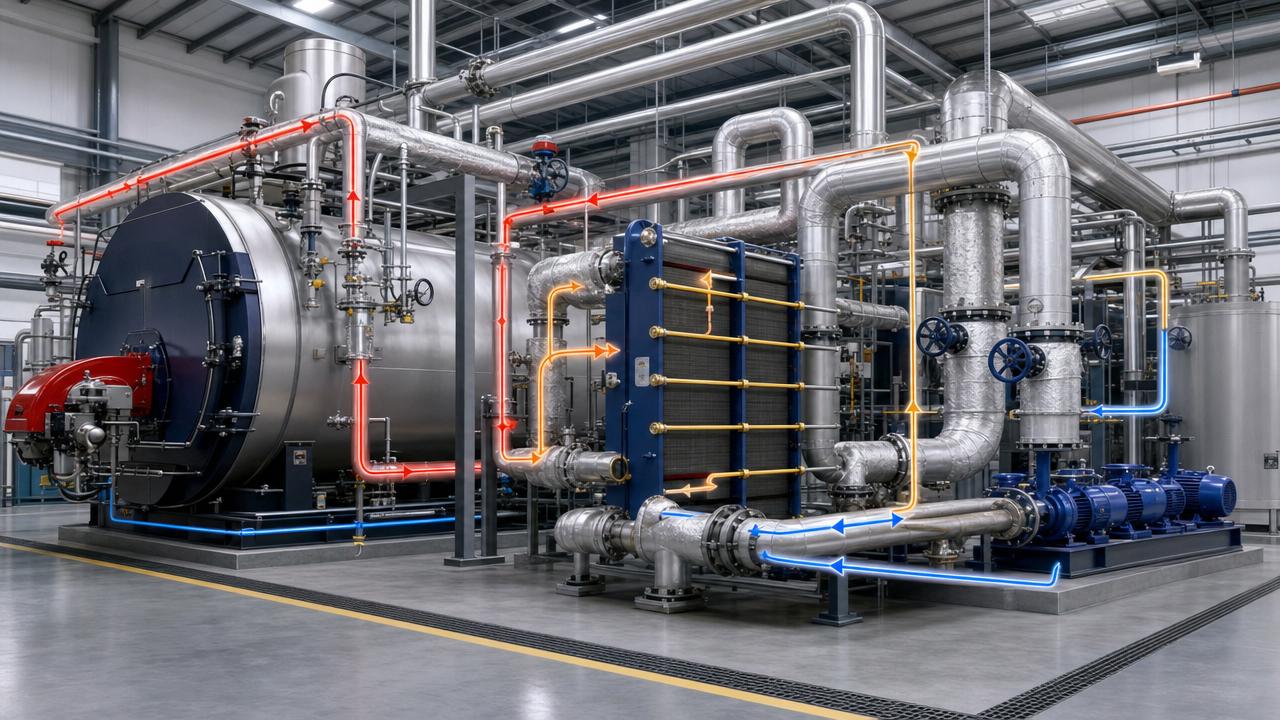
This is also where intelligence platforms such as GTC-Matrix add context. A boiler result is more useful when reviewed against low-NOx trends, heat exchanger performance, and broader energy market pressure.
What often goes wrong during boiler efficiency testing
The biggest mistake is treating a single reading as a conclusion. Boiler efficiency testing should reflect actual operating states, not only a convenient inspection moment.
Another weak point is measurement discipline. Sensor drift, poor sampling location, unverified fuel composition, and ignored ambient conditions can produce misleading confidence.
It is also common to optimize one parameter while worsening another. Lowering excess air too aggressively, for example, may improve efficiency on paper but increase CO risk.
Practical checks before trusting results
- Confirm analyzer calibration and probe condition.
- Record fuel type, heating value, and burner load.
- Measure under stable and representative operating conditions.
- Compare readings across low, medium, and high firing ranges.
- Review combustion results alongside water treatment and blowdown practice.
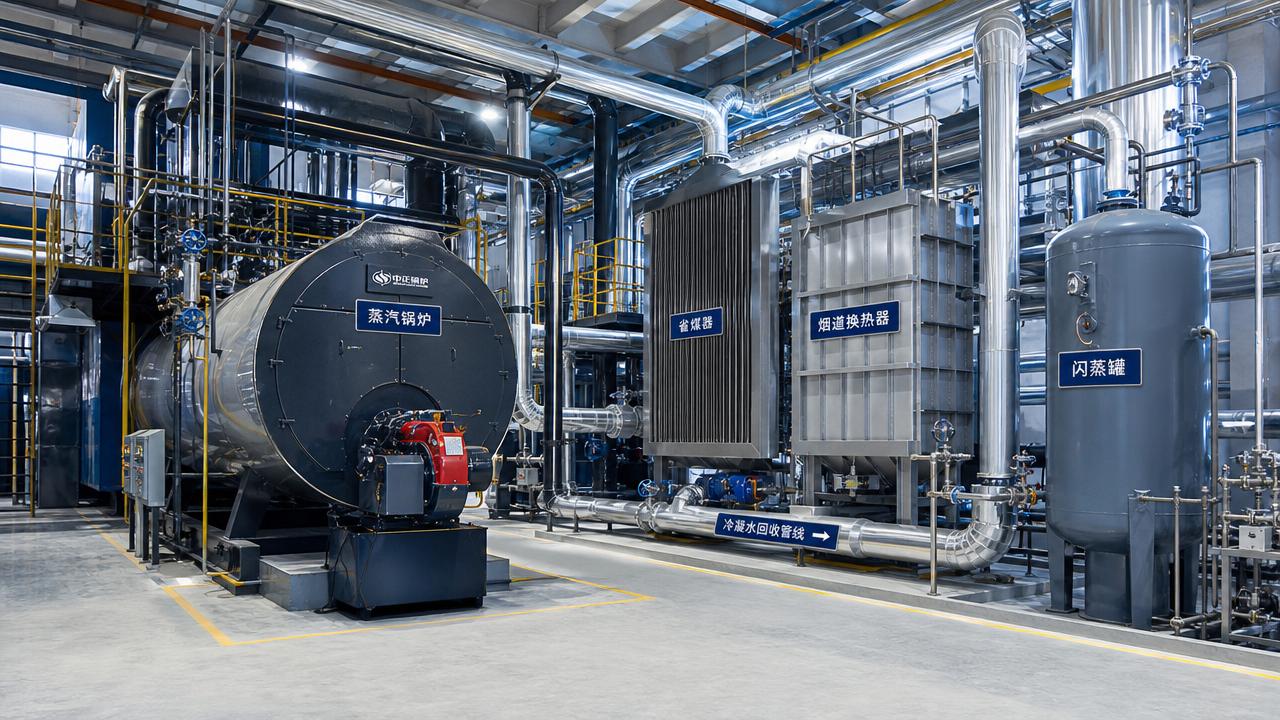
- Check linked equipment, including economizers, deaerators, and condensate recovery lines.
These checks keep boiler efficiency testing anchored in plant reality rather than isolated data points.
How to turn test findings into action
The most useful next step is prioritization. Not every efficiency gap needs capital spending, and not every poor result should trigger immediate equipment replacement.
Some losses can be corrected through burner tuning, excess air adjustment, better load sequencing, insulation repair, or blowdown optimization.
Other findings point to deeper issues, such as fouled heat transfer surfaces, degraded controls, damaged refractory, or a boiler that no longer matches process demand.
In practice, boiler efficiency testing works best when it feeds a repeatable review cycle. Test, compare, correct, and retest under the same operating logic.
That approach supports stronger decision-making around emission exposure, maintenance planning, and energy budgeting, especially where thermal assets connect with broader decarbonization targets.
A more useful way to evaluate the next move
Boiler efficiency testing is most valuable when it is treated as part of thermal system intelligence, not a one-time checklist item.
A clear baseline, repeated measurements, and attention to heat loss mechanisms can reveal whether the real issue is combustion setup, heat recovery, control strategy, or aging equipment.
For facilities reviewing fuel waste, safety margin, or compliance risk, the next logical step is to map current test data against operating load, emission trends, and maintenance history.
From there, it becomes easier to judge whether tuning, retrofit work, or broader thermal optimization will deliver the strongest result.
Related News
- Low-NOx Boilers Cost Breakdown: Upfront Price, Fuel Savings, and PaybackAuthor :Thermal Energy Strategist

- Boiler Combustion Systems: Common Causes of Unstable Fuel PerformanceAuthor :Thermal Energy Strategist

- Hot Water Industrial Boilers: When Efficiency Gains Justify ReplacementAuthor :Thermal Energy Strategist

- What Boiler Efficiency Really Means in Daily Operation and Energy BillsAuthor :Thermal Energy Strategist

- Boiler Efficiency Testing Methods That Expose Heat Loss and Fuel WasteAuthor :Thermal Energy Strategist

- Industrial Burner Systems: Key Factors for Safe Heat OutputAuthor :Thermal Energy Strategist

- Gas-Fired Boiler Combustion Technology: Key Efficiency and Emissions Trade-OffsAuthor :Thermal Energy Strategist

- Unfired Heat Recovery Steam Generators: When Do They Pay Off?Author :Thermal Energy Strategist

- How to Evaluate Steam Generation Systems Electric for Process Heat ProjectsAuthor :Thermal Energy Strategist

- Thermal Power Systems for Industrial Heating: Common Sizing Mistakes to AvoidAuthor :Thermal Energy Strategist

- Low-NOx Condensing Boilers: How to Compare Efficiency and EmissionsAuthor :Thermal Energy Strategist
![]()
- Low Emissions Boilers for Food Processing: Key Compliance and Fuel Cost FactorsAuthor :Thermal Energy Strategist

- Steam System Efficiency Calculation: Key Inputs That Change the ResultAuthor :Thermal Energy Strategist

- How to Evaluate a Steam Boiler Components Exporter Before OrderingAuthor :Thermal Energy Strategist

- Burner Systems Troubleshooting: Common Efficiency Loss CausesAuthor :Thermal Energy Strategist

- EU PED Q2 Rules Require Digital Compliance TagsAuthor :Thermal Energy Strategist

- Thermal Power Systems: Key Efficiency Risks in Daily OperationAuthor :Thermal Energy Strategist

- Low-NOx Combustion Boilers: Key Efficiency and Compliance ChecksAuthor :Thermal Energy Strategist

- Low-NOx Combustion Boilers: Key Specs That Affect Emissions and Fuel UseAuthor :Thermal Energy Strategist

- Low-NOx Combustion Boilers: Key Compliance RisksAuthor :Thermal Energy Strategist

- Thermodynamics Analysis for Boiler Heat-Loss ReductionAuthor :Thermal Energy Strategist

- Industrial Thermal Systems: Common Operating RisksAuthor :Thermal Energy Strategist

- Low-NOx Combustion Boilers: Key Spec Checks Before PurchaseAuthor :Thermal Energy Strategist

- How Industrial Heat Recovery Cuts Boiler Fuel Costs in 2026Author :Thermal Energy Strategist

- Thermodynamics Analysis: 5 Heat Loss Clues in Steam BoilersAuthor :Thermal Energy Strategist

- Low-NOx Combustion Boilers: What Affects Real Emissions PerformanceAuthor :Thermal Energy Strategist

- Thermodynamics Analysis: Finding Heat Loss in Steam BoilersAuthor :Thermal Energy Strategist

- 2026 Steam Boiler Upgrades for Lower NOx and Fuel CostsAuthor :Thermal Energy Strategist

- EU to Expand CBAM to Steam Boilers; Exporters Must Prepare Carbon DataAuthor :Thermal Energy Strategist

- Industrial Heat Recovery: When Payback Beats New Boiler CapacityAuthor :Thermal Energy Strategist

- Carbon Neutrality Targets and the New Boiler Retrofit PaybackAuthor :Thermal Energy Strategist

- Low-NOx Combustion Boilers: Fuel Savings vs Emission LimitsAuthor :Thermal Energy Strategist

- Industrial Energy Efficiency Benchmarks for Steam Boiler Upgrades in 2026Author :Thermal Energy Strategist

- Low-NOx Combustion Boilers: Efficiency vs Emissions in 2026Author :Thermal Energy Strategist

- Industrial Heat Recovery Options for Steam Boiler SavingsAuthor :Thermal Energy Strategist

- Low-NOx Combustion Boilers and 2026 Compliance PressureAuthor :Thermal Energy Strategist