Low-NOx Condensing Boilers: How to Compare Efficiency and Emissions




Comparing low-NOx condensing boilers starts with a simple reality: rated efficiency alone does not explain operating value. In practice, fuel use, return-water temperature, part-load behavior, and verified NOx performance determine whether a boiler meets both energy and compliance targets.
That is why low-NOx combustion boilers condensing systems are drawing closer scrutiny across industrial and commercial heat applications. Tightening emissions rules, volatile fuel pricing, and decarbonization plans have pushed boiler selection into a broader thermodynamic and lifecycle discussion.
Within that context, GTC-Matrix tracks low-NOx combustion boilers condensing technology as part of a wider shift in heat exchange and energy conversion efficiency. The main question is no longer which unit looks best on paper, but which one stays efficient, clean, and stable under real site conditions.
What makes a condensing boiler different

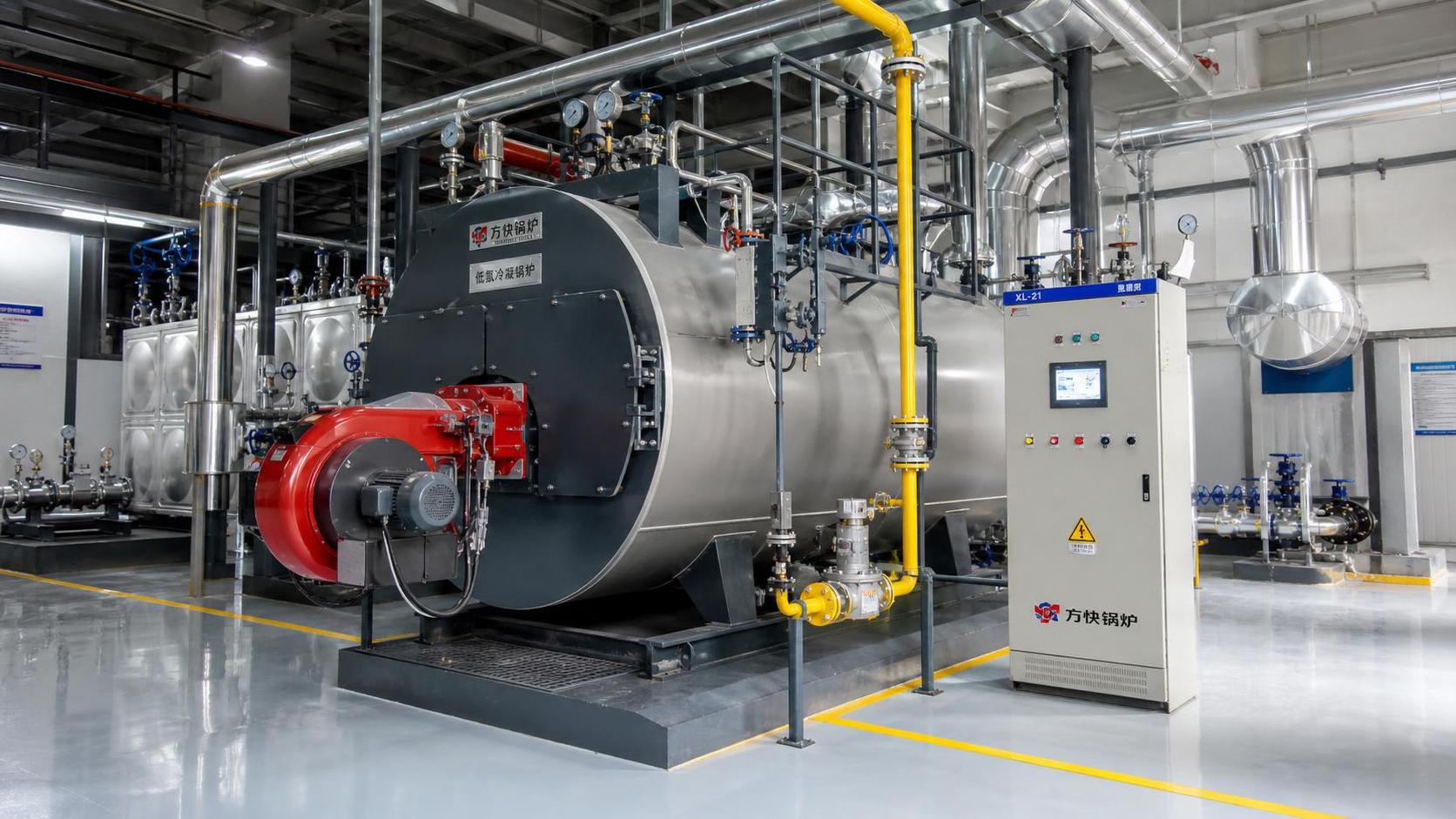
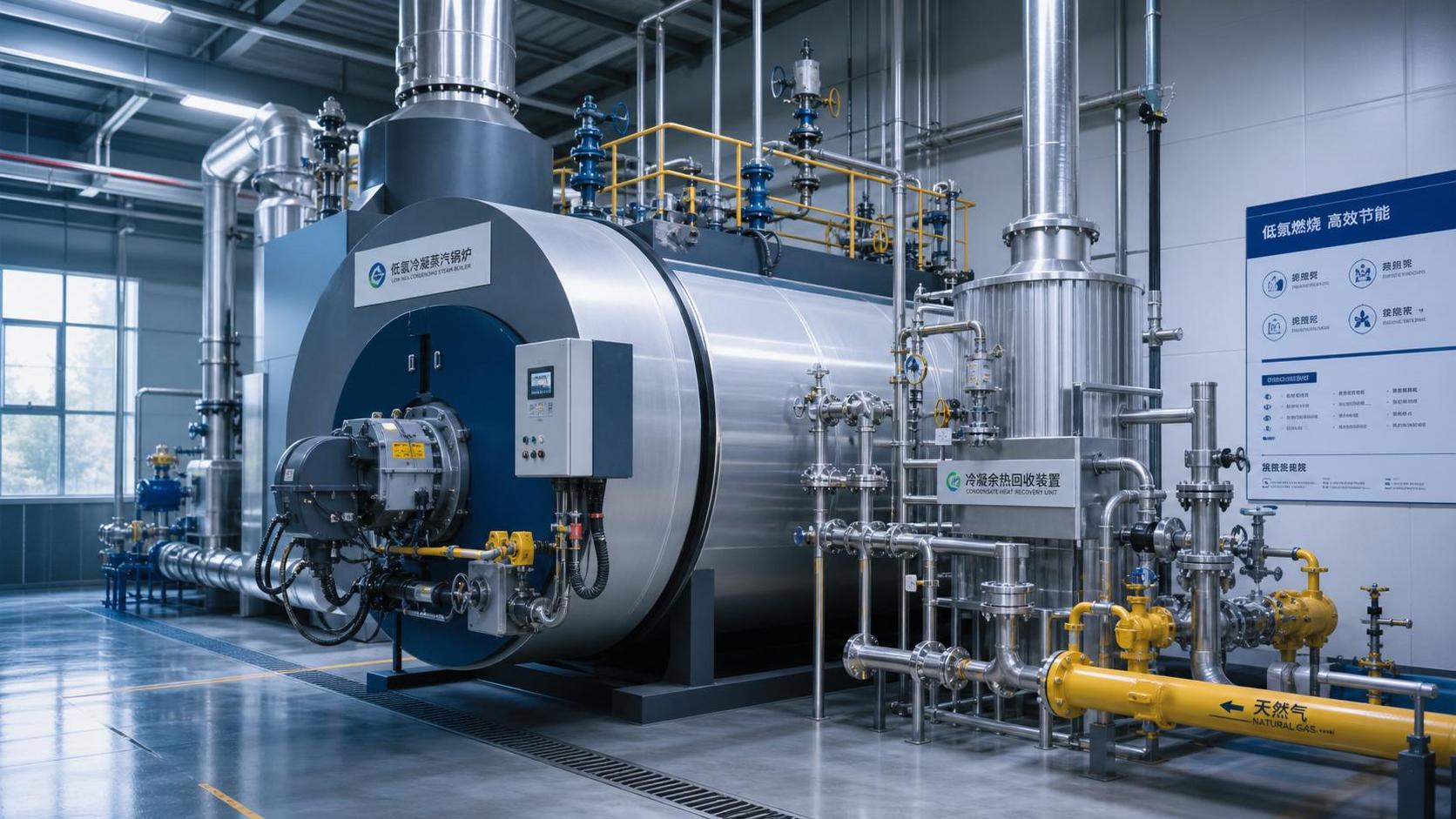
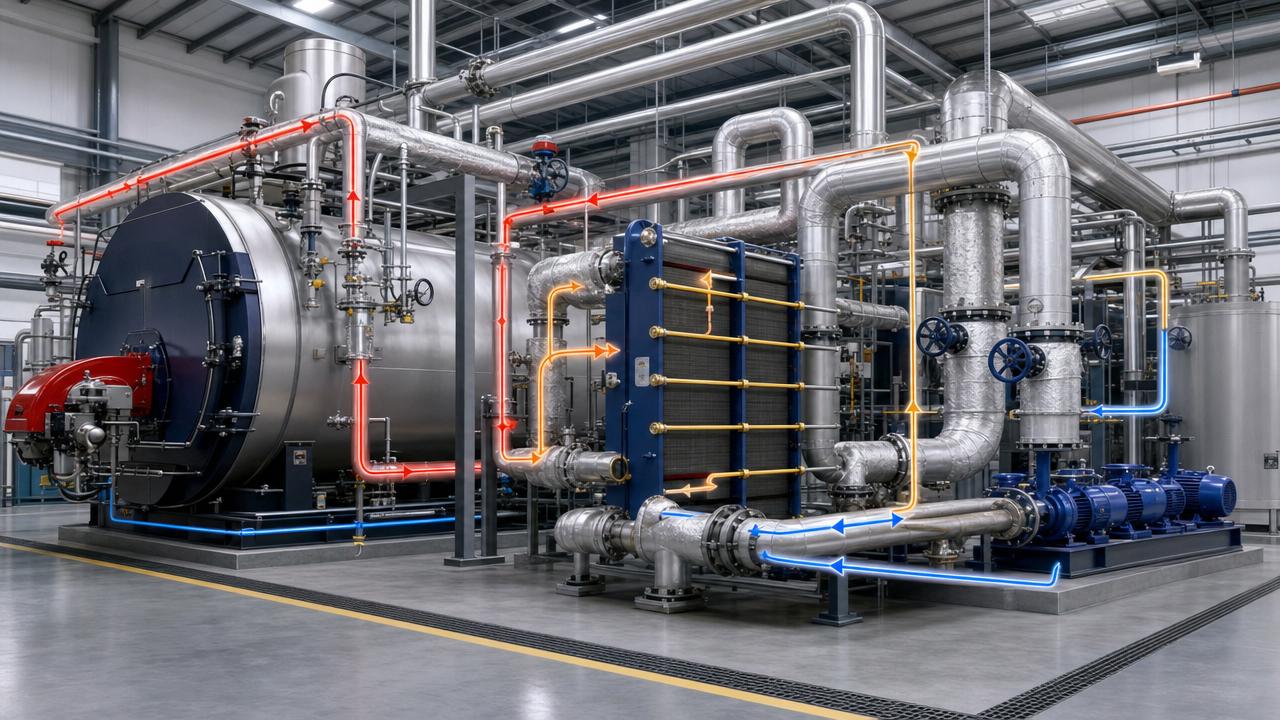
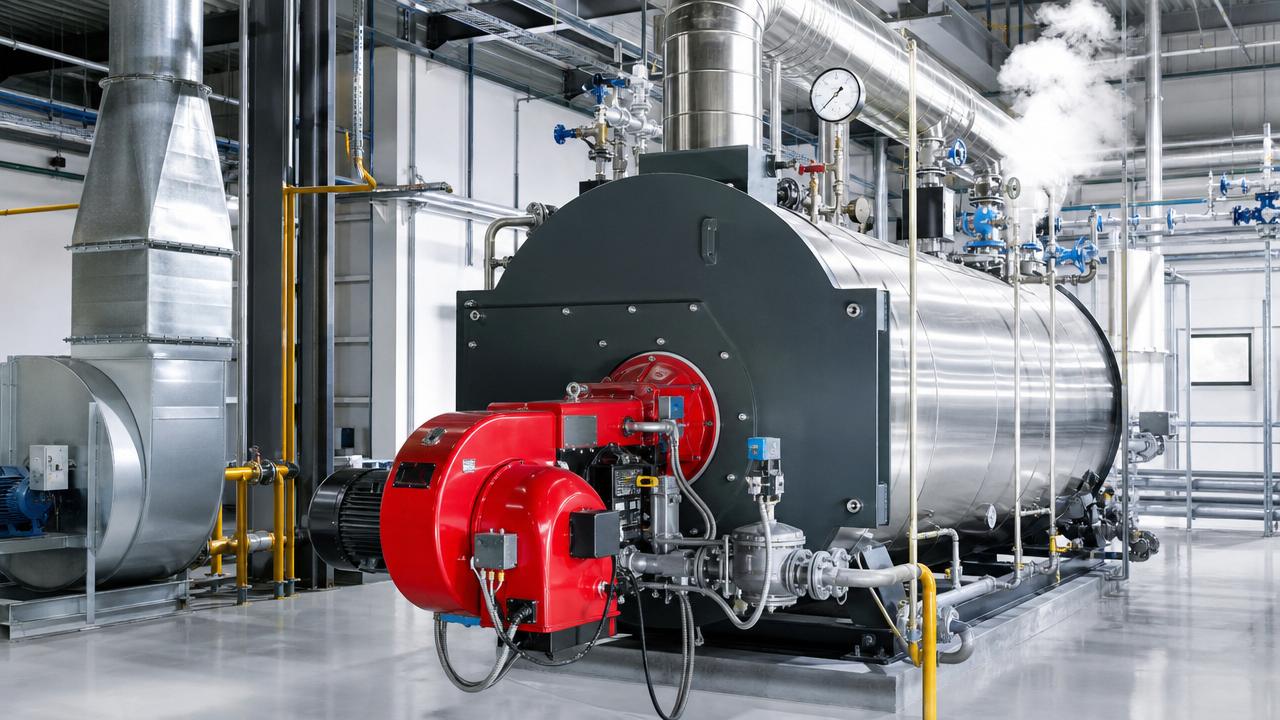
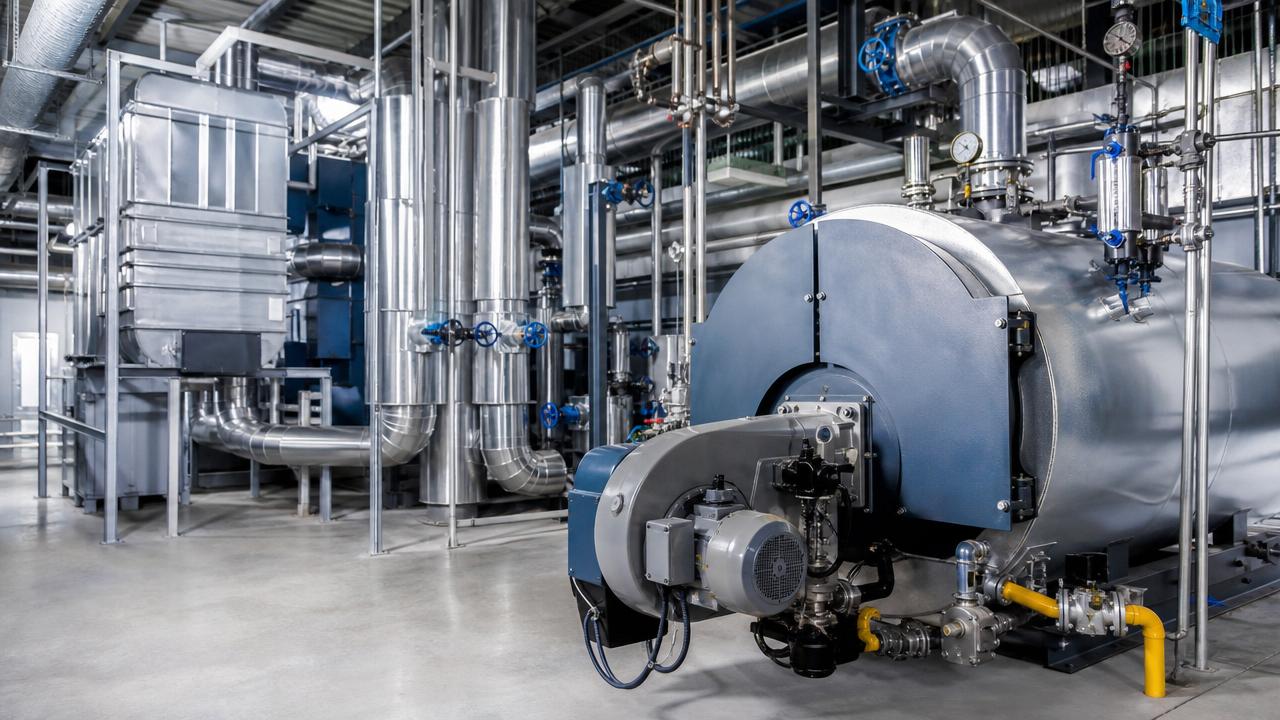
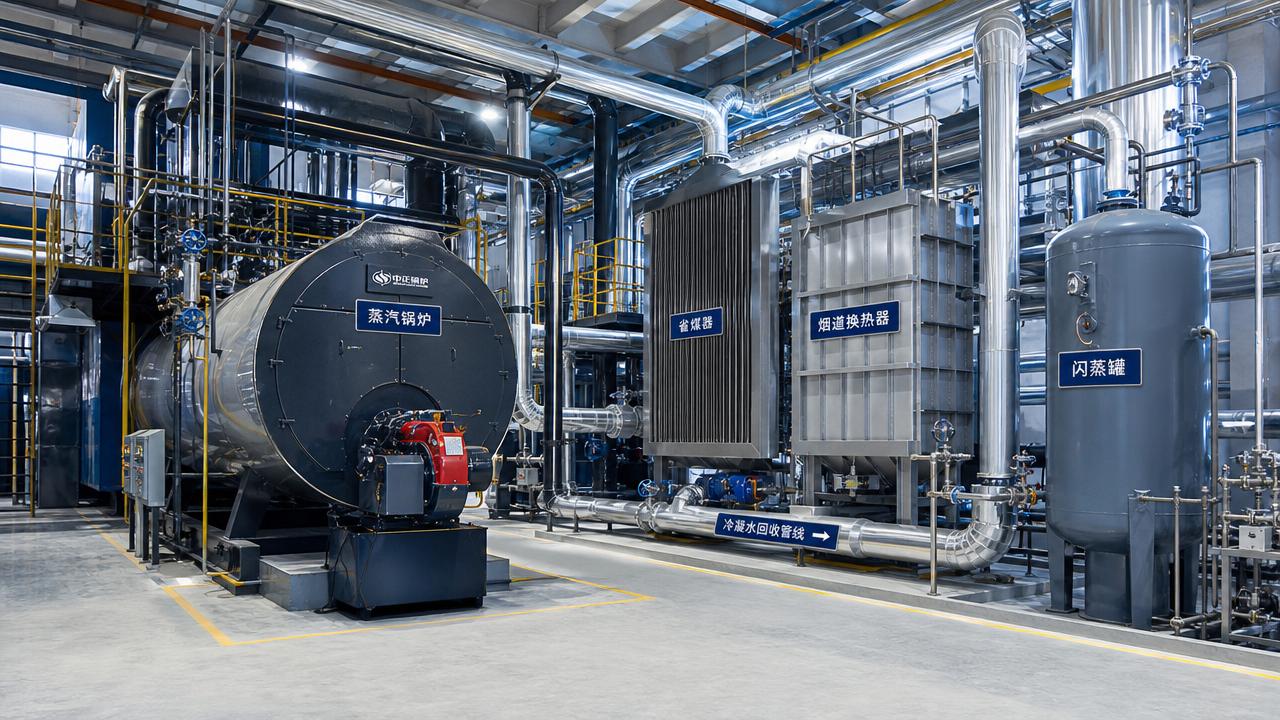
A condensing boiler captures latent heat from water vapor in the flue gas. That recovered heat would otherwise leave through the stack. The result is higher thermal efficiency, especially when return-water temperatures stay low enough to support condensation.
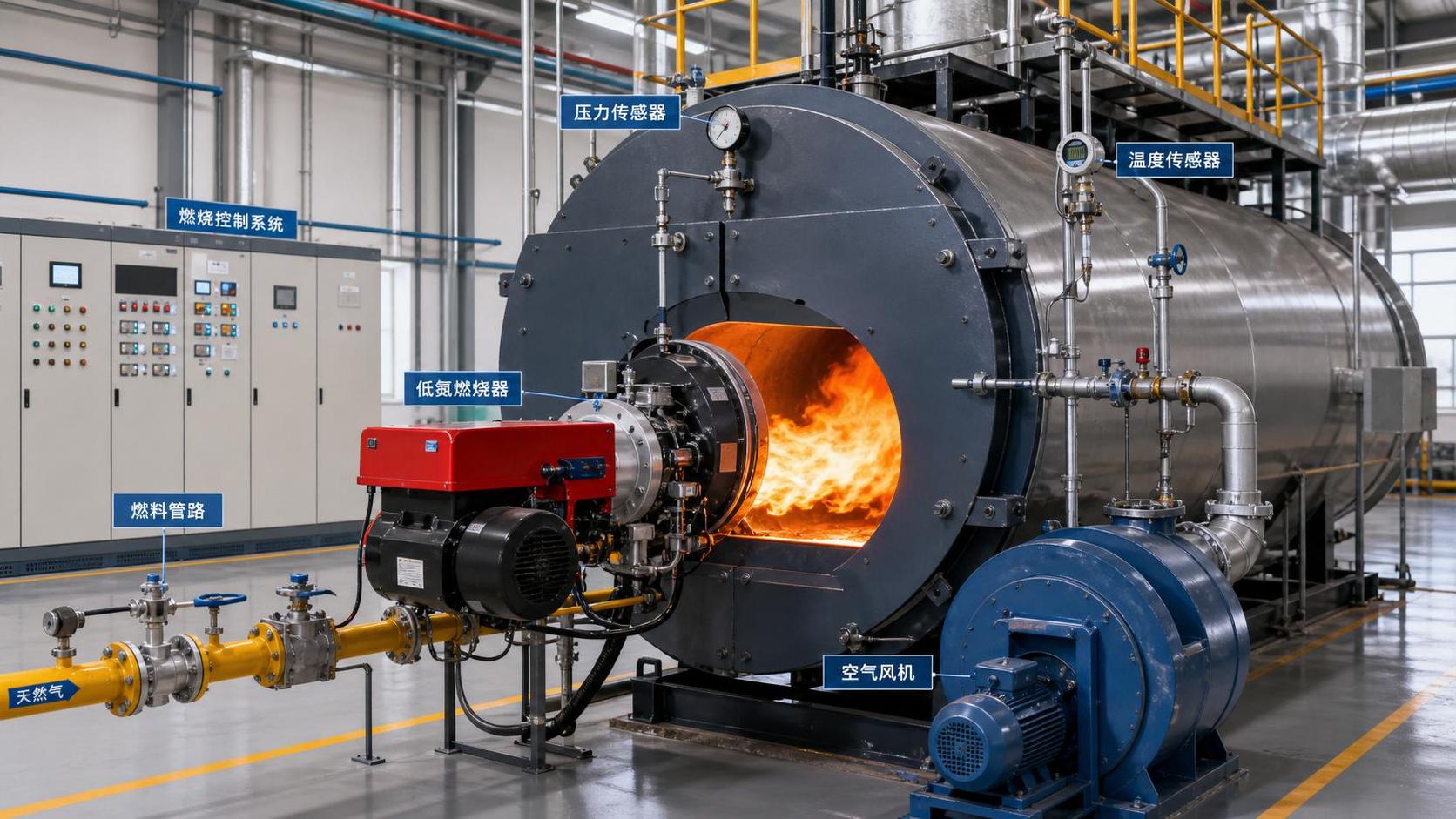
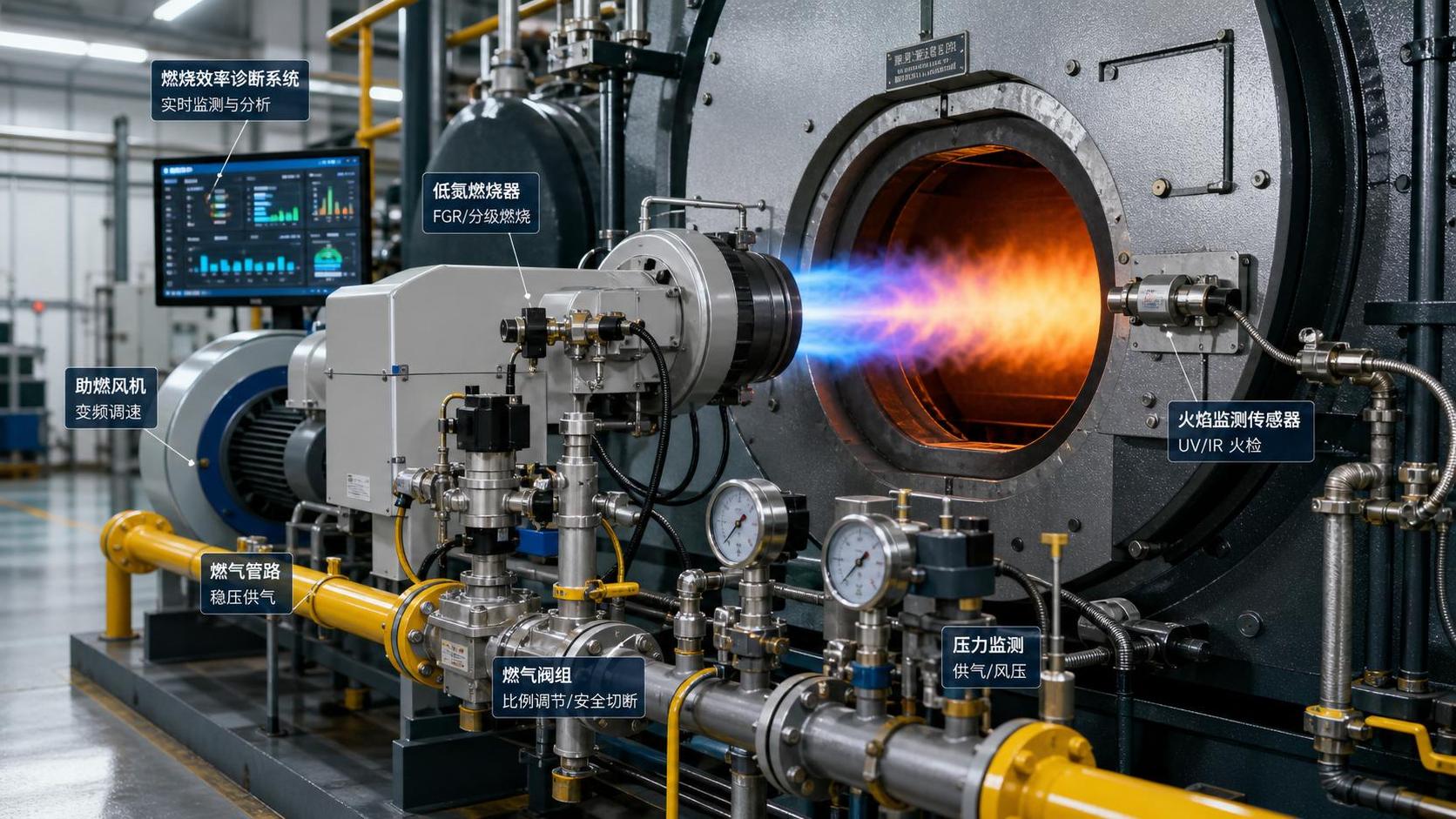
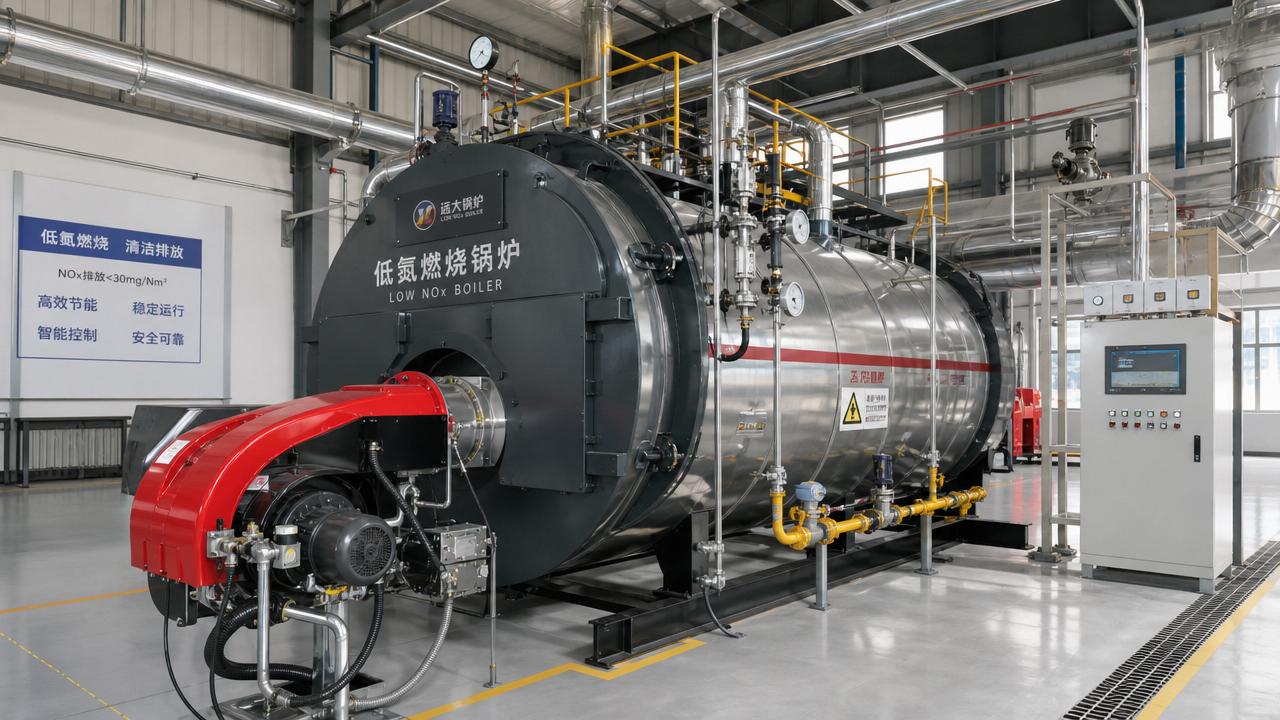
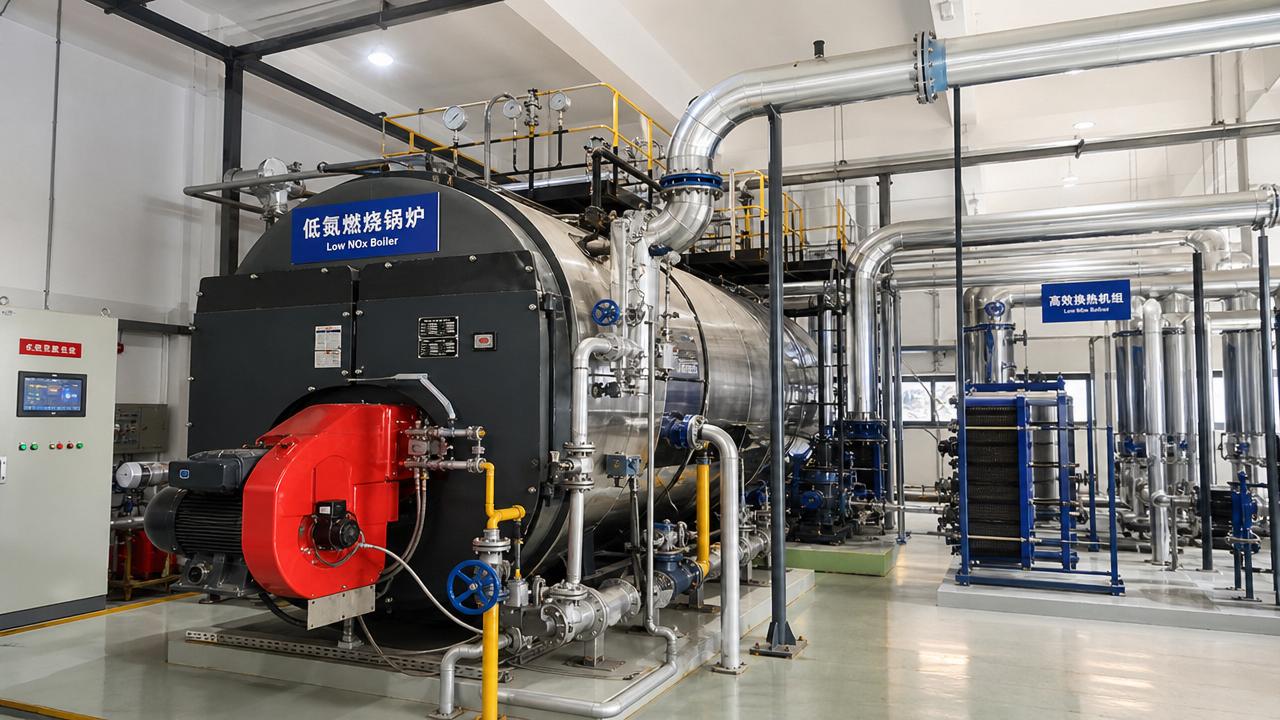
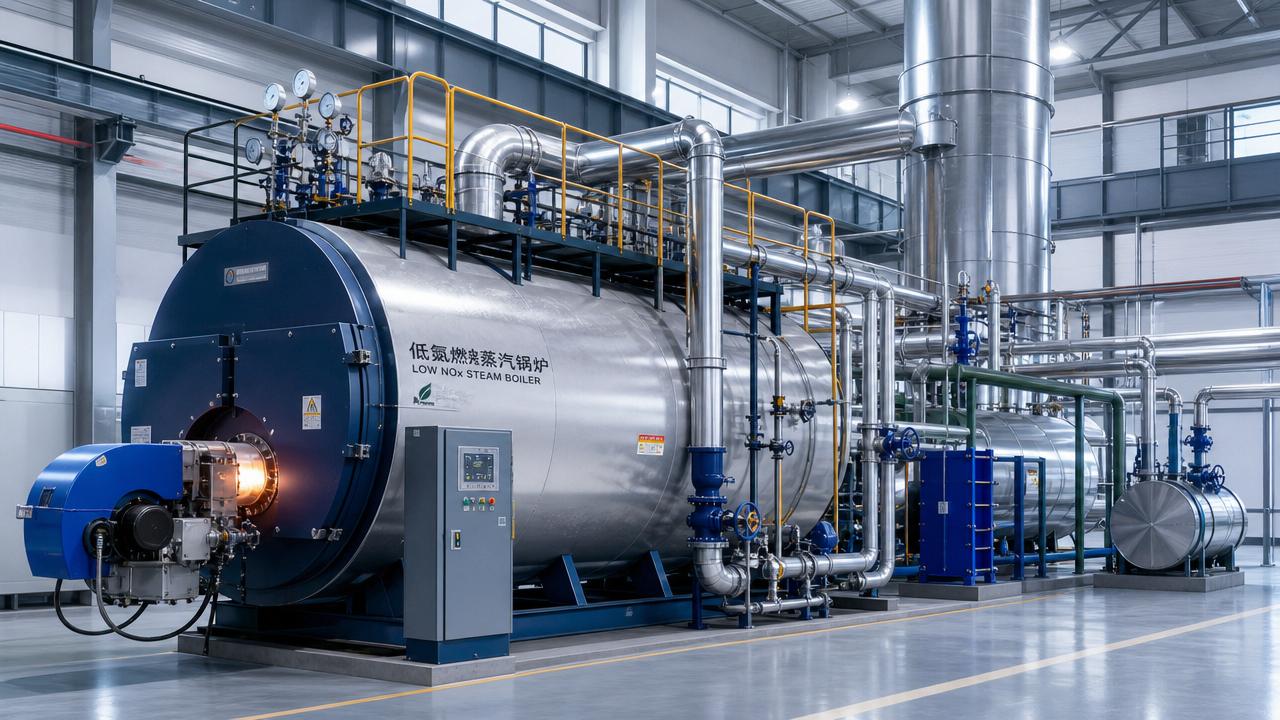
Low-NOx designs add another layer. They reduce nitrogen oxide formation through burner geometry, premix combustion, staged firing, flue gas recirculation, or tighter air-fuel control. The best systems manage both tasks together without forcing a tradeoff.
This matters because low-NOx combustion boilers condensing packages are often specified for hospitals, food plants, district heating nodes, process heating loops, and clean manufacturing environments. In these settings, stack emissions and fuel intensity are both visible decision points.
Why efficiency and emissions must be assessed together
A boiler can post strong combustion efficiency at one firing point yet underperform over a full season. It can also meet a published NOx figure only under test conditions that do not match local excess air, altitude, or water temperatures.
For that reason, a useful comparison joins thermal and emissions data. Separating them creates blind spots. High efficiency with unstable NOx control may create compliance risk. Very low NOx with poor seasonal efficiency can undermine operating economics.
This is where market intelligence becomes practical. GTC-Matrix often frames boiler evaluation inside larger energy system questions: how a heat source interacts with controls, exchangers, load variability, and energy price exposure over time.
The comparison points that deserve more attention
Nameplate numbers are only the starting point. Several technical details usually tell more about real performance than headline efficiency claims.
Seasonal efficiency instead of peak efficiency
Check how the unit performs across part-load operation. Many boilers spend most of the year below full load. Turndown ratio, cycling behavior, and control stability directly affect annual gas use.
Return-water temperature window
Condensing gains depend on low return temperatures. If the system regularly sends water back too warm, much of the condensing advantage disappears. A strong boiler cannot compensate for a poorly matched hydronic circuit.
Verified NOx basis
Compare NOx values on the same basis. Check units, oxygen reference, fuel type, and test standard. A number in mg/kWh is not directly comparable with ppm unless the conversion basis is clear.
Heat exchanger durability
Low-NOx combustion boilers condensing systems often operate with acidic condensate. Material choice, water chemistry tolerance, and cleaning access affect long-term efficiency retention more than brochure claims suggest.
Where low-NOx condensing choices become more complex
Some applications look favorable for condensing operation but are not equally easy in practice. The complexity usually comes from load swings, water temperatures, process sensitivity, or local emissions rules.
- Space heating networks with low-temperature loops usually support strong condensing performance.
- Domestic hot water or sanitary duties may push return temperatures upward, reducing latent heat recovery.
- Process heating can be efficient if control sequencing prevents short cycling during partial demand.
- Pharmaceutical, semiconductor, and food facilities often value low emissions, stable output, and clean operating envelopes together.
Those sectors also align with the demand signals tracked by GTC-Matrix. As energy efficiency, process purity, and thermal reliability become interconnected, boiler selection increasingly sits inside broader utility optimization decisions.
How to read supplier data without missing the real story
Published data sheets often compress important context. A careful read focuses less on headline claims and more on the conditions behind them.
Look for the test conditions
Efficiency and NOx values should show water temperatures, firing rate, fuel specification, and reference standard. Without that detail, low-NOx combustion boilers condensing options become hard to compare on equal terms.
Check the control architecture
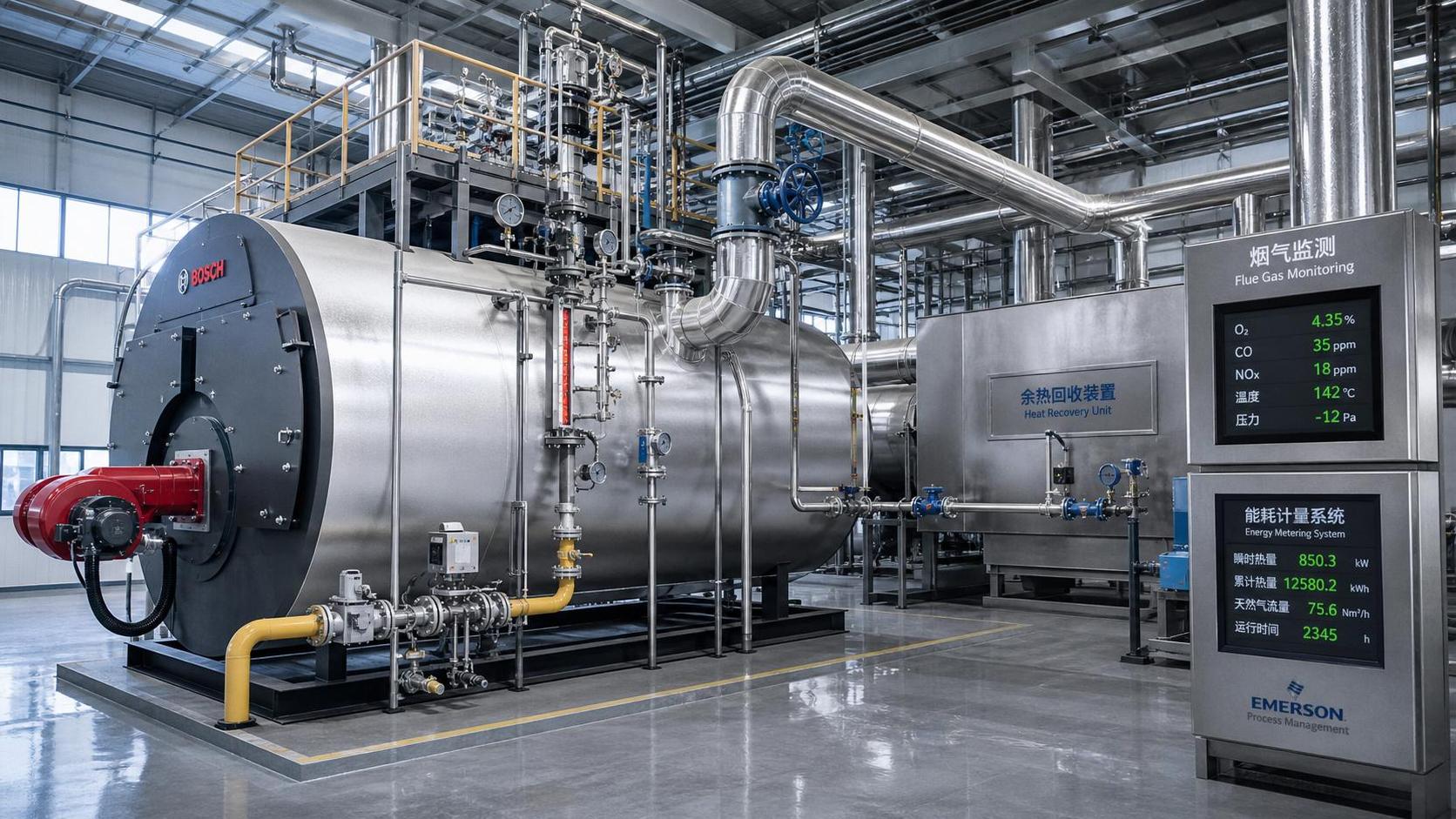
Combustion controls, oxygen trim, cascade logic, and remote monitoring influence both fuel use and emissions drift. A modern burner with weak controls may not hold performance over changing site conditions.
Review maintenance implications
Ask how often cleaning is needed, how condensate is handled, and which parts are considered routine wear items. Service burden affects lifecycle cost and practical uptime.
A practical framework for comparing options
A useful evaluation framework usually balances five dimensions at once. This prevents the decision from collapsing into a single advertised percentage or a single emissions line.
- Thermal fit: expected supply and return temperatures across operating seasons.
- Load fit: minimum turndown, staging behavior, and cycling frequency.
- Compliance fit: NOx output under local reporting and permitting rules.
- Asset fit: material durability, water treatment demands, and maintenance access.
- Economic fit: fuel cost exposure, service cost, and expected efficiency retention.
Used this way, low-NOx combustion boilers condensing comparisons become less vulnerable to marketing simplification. The stronger option is often the one with fewer performance surprises after commissioning.
What deserves attention before the next shortlist
The next step is to convert site conditions into a comparison matrix. Record return-water temperature profiles, annual load distribution, local NOx thresholds, and maintenance constraints before reviewing suppliers.
Then ask each vendor to respond on the same basis. Comparable data reveals which low-NOx combustion boilers condensing packages are genuinely efficient and which only appear strong under narrow test points.
For organizations tracking broader thermal system shifts, the value of that disciplined approach extends beyond one boiler purchase. It builds a cleaner benchmark for future heat recovery, decarbonization, and utility optimization decisions across the plant or portfolio.
Related News
- Low-NOx Boilers Cost Breakdown: Upfront Price, Fuel Savings, and PaybackAuthor :Thermal Energy Strategist

- Boiler Combustion Systems: Common Causes of Unstable Fuel PerformanceAuthor :Thermal Energy Strategist

- Hot Water Industrial Boilers: When Efficiency Gains Justify ReplacementAuthor :Thermal Energy Strategist

- What Boiler Efficiency Really Means in Daily Operation and Energy BillsAuthor :Thermal Energy Strategist

- Boiler Efficiency Testing Methods That Expose Heat Loss and Fuel WasteAuthor :Thermal Energy Strategist

- Industrial Burner Systems: Key Factors for Safe Heat OutputAuthor :Thermal Energy Strategist

- Gas-Fired Boiler Combustion Technology: Key Efficiency and Emissions Trade-OffsAuthor :Thermal Energy Strategist

- Unfired Heat Recovery Steam Generators: When Do They Pay Off?Author :Thermal Energy Strategist

- How to Evaluate Steam Generation Systems Electric for Process Heat ProjectsAuthor :Thermal Energy Strategist

- Thermal Power Systems for Industrial Heating: Common Sizing Mistakes to AvoidAuthor :Thermal Energy Strategist

- Low-NOx Condensing Boilers: How to Compare Efficiency and EmissionsAuthor :Thermal Energy Strategist
![]()
- Low Emissions Boilers for Food Processing: Key Compliance and Fuel Cost FactorsAuthor :Thermal Energy Strategist

- Steam System Efficiency Calculation: Key Inputs That Change the ResultAuthor :Thermal Energy Strategist

- How to Evaluate a Steam Boiler Components Exporter Before OrderingAuthor :Thermal Energy Strategist

- Burner Systems Troubleshooting: Common Efficiency Loss CausesAuthor :Thermal Energy Strategist

- EU PED Q2 Rules Require Digital Compliance TagsAuthor :Thermal Energy Strategist

- Thermal Power Systems: Key Efficiency Risks in Daily OperationAuthor :Thermal Energy Strategist

- Low-NOx Combustion Boilers: Key Efficiency and Compliance ChecksAuthor :Thermal Energy Strategist

- Low-NOx Combustion Boilers: Key Specs That Affect Emissions and Fuel UseAuthor :Thermal Energy Strategist

- Low-NOx Combustion Boilers: Key Compliance RisksAuthor :Thermal Energy Strategist

- Thermodynamics Analysis for Boiler Heat-Loss ReductionAuthor :Thermal Energy Strategist

- Industrial Thermal Systems: Common Operating RisksAuthor :Thermal Energy Strategist

- Low-NOx Combustion Boilers: Key Spec Checks Before PurchaseAuthor :Thermal Energy Strategist

- How Industrial Heat Recovery Cuts Boiler Fuel Costs in 2026Author :Thermal Energy Strategist

- Thermodynamics Analysis: 5 Heat Loss Clues in Steam BoilersAuthor :Thermal Energy Strategist

- Low-NOx Combustion Boilers: What Affects Real Emissions PerformanceAuthor :Thermal Energy Strategist

- Thermodynamics Analysis: Finding Heat Loss in Steam BoilersAuthor :Thermal Energy Strategist

- 2026 Steam Boiler Upgrades for Lower NOx and Fuel CostsAuthor :Thermal Energy Strategist

- EU to Expand CBAM to Steam Boilers; Exporters Must Prepare Carbon DataAuthor :Thermal Energy Strategist

- Industrial Heat Recovery: When Payback Beats New Boiler CapacityAuthor :Thermal Energy Strategist

- Carbon Neutrality Targets and the New Boiler Retrofit PaybackAuthor :Thermal Energy Strategist

- Low-NOx Combustion Boilers: Fuel Savings vs Emission LimitsAuthor :Thermal Energy Strategist

- Industrial Energy Efficiency Benchmarks for Steam Boiler Upgrades in 2026Author :Thermal Energy Strategist

- Low-NOx Combustion Boilers: Efficiency vs Emissions in 2026Author :Thermal Energy Strategist

- Industrial Heat Recovery Options for Steam Boiler SavingsAuthor :Thermal Energy Strategist

- Low-NOx Combustion Boilers and 2026 Compliance PressureAuthor :Thermal Energy Strategist