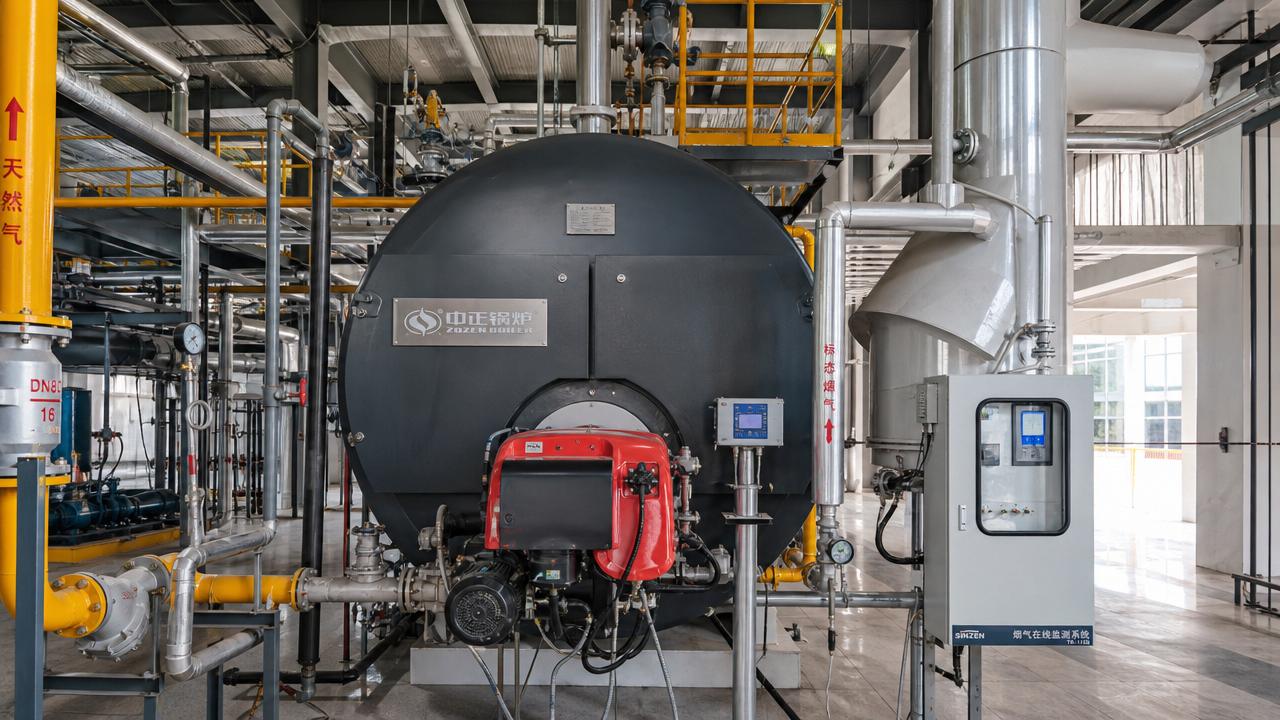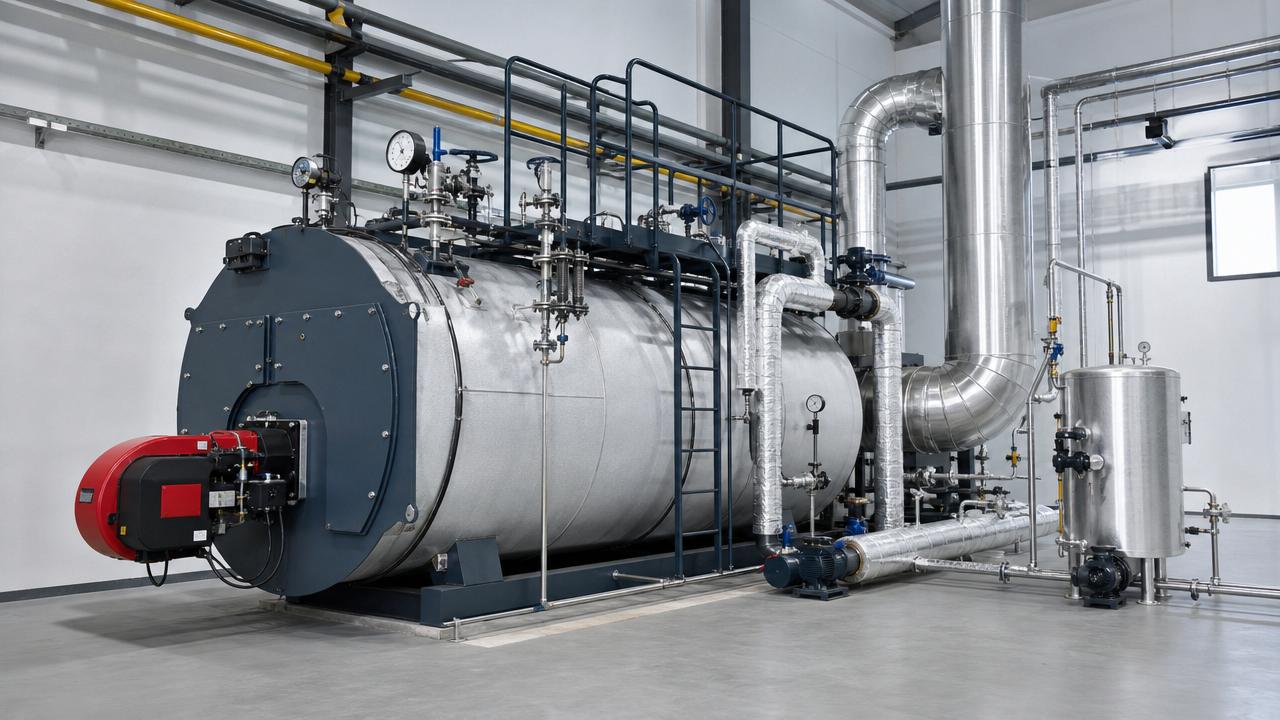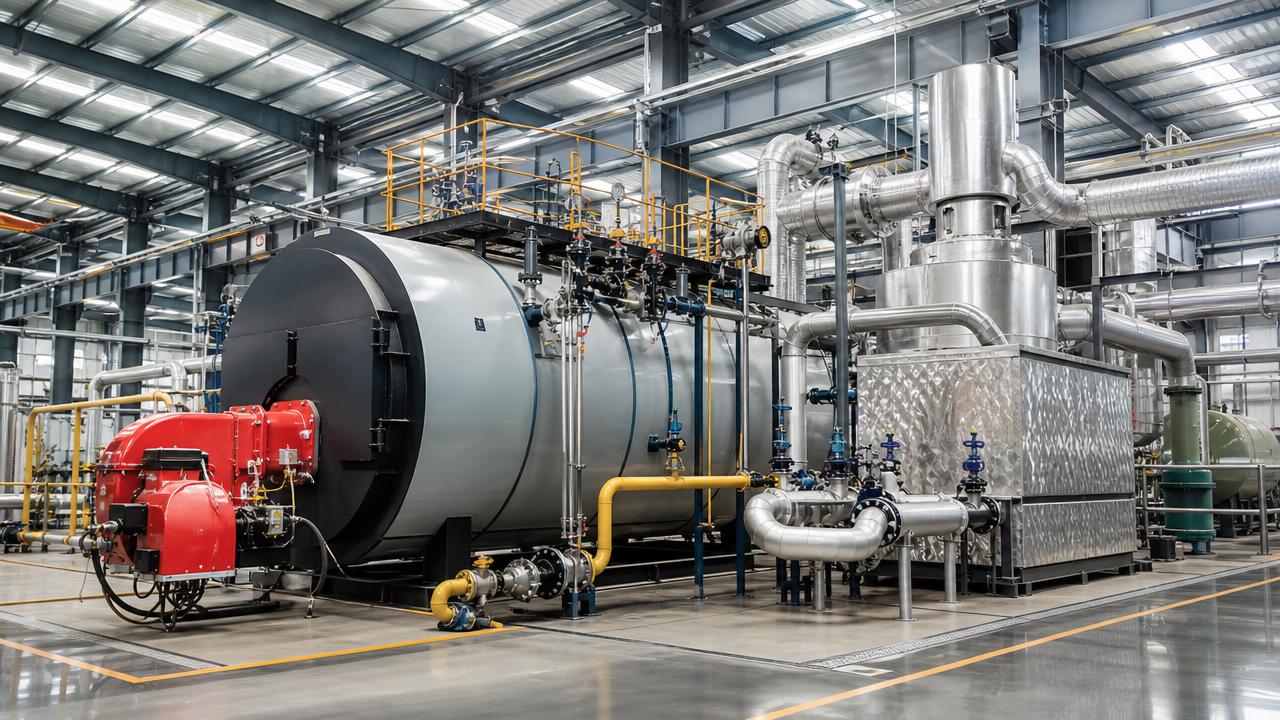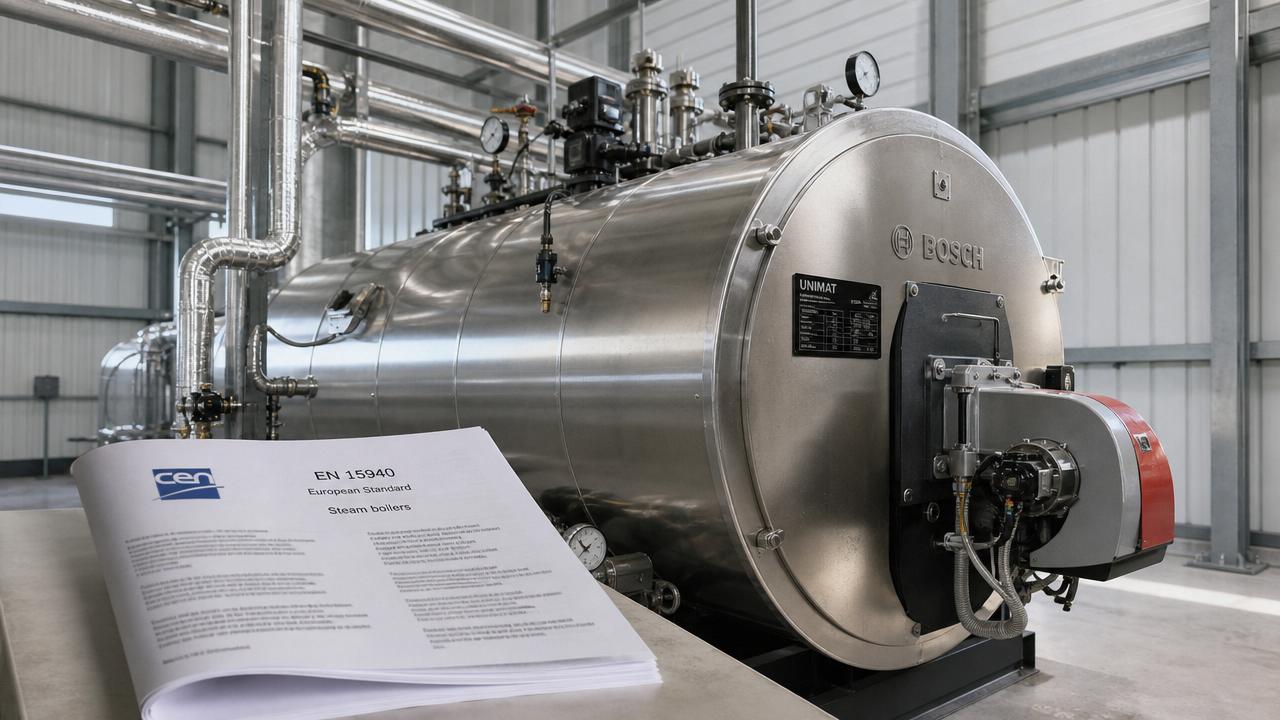




Thermodynamics Analysis for Boiler Heat-Loss Reduction




Boiler heat loss remains one of the most measurable yet often under-optimized factors affecting industrial energy performance.
For technical evaluators, a rigorous thermodynamics analysis identifies stack losses, radiation leakage, blowdown inefficiencies, and combustion imbalance with quantifiable precision.
By linking heat-transfer behavior, fuel utilization, and operating data, structured evaluation supports lower energy costs, stronger reliability, and measurable decarbonization outcomes.
Thermodynamics Analysis Is Becoming Central to Boiler Efficiency Decisions
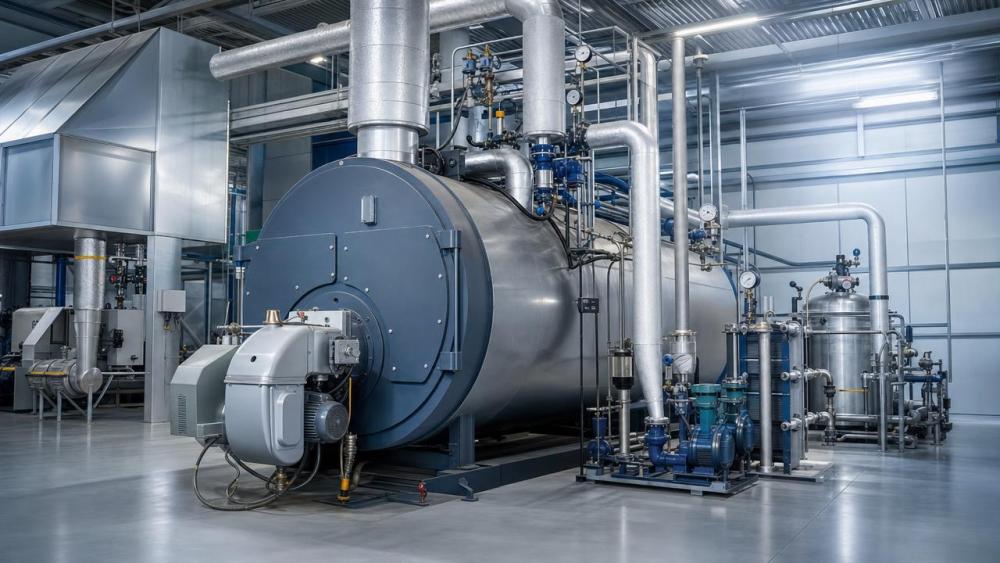
Industrial energy systems are moving from routine maintenance toward evidence-based thermal optimization.
This shift makes thermodynamics analysis a strategic method, not only a technical calculation.
Boilers remain the thermal center of many plants, including food, chemicals, textiles, pharmaceuticals, and district energy operations.
Small heat-loss percentages can translate into substantial fuel penalties across continuous production schedules.
A modern thermodynamics analysis combines combustion data, flue-gas temperature, steam load patterns, surface losses, and water chemistry indicators.
The result is a clearer view of where useful energy becomes unrecovered waste heat.
Current Trend Signals: Boiler Losses Are No Longer Treated as Fixed Costs
Rising fuel volatility is increasing attention on controllable thermal losses.
Carbon reporting also pushes facilities to verify efficiency claims with defensible operating evidence.
In this environment, thermodynamics analysis helps distinguish unavoidable design limits from correctable operating losses.
Digital instrumentation has made the trend more visible.
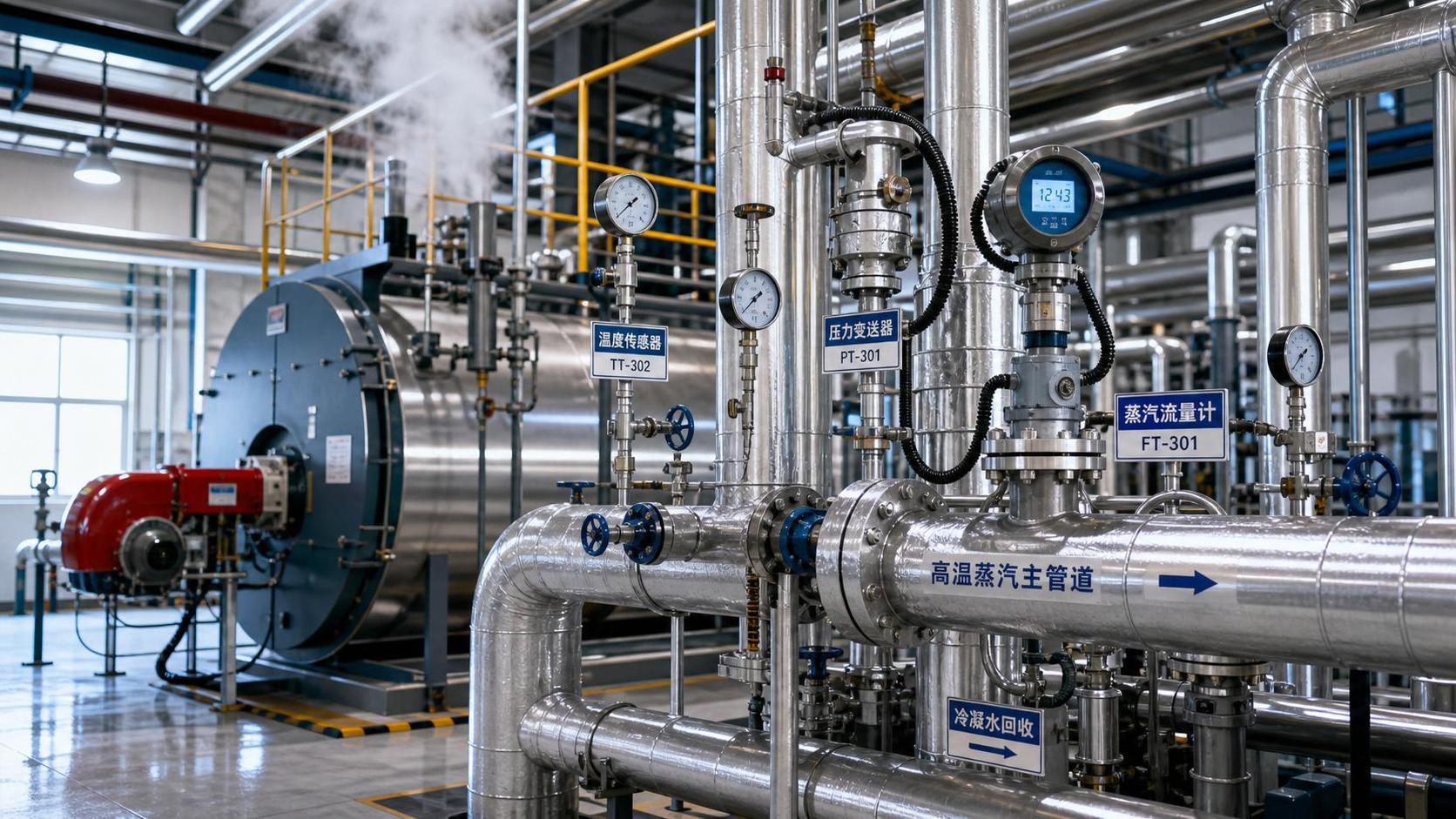
Oxygen sensors, stack temperature transmitters, flow meters, and condensate monitors now provide frequent data points.
However, data alone does not reduce heat loss.
Thermodynamics analysis converts fragmented readings into loss categories, energy balances, and operational priorities.
Why the Heat-Loss Reduction Trend Is Accelerating
Several forces are pushing boiler optimization higher on the industrial agenda.
They combine energy economics, environmental pressure, asset reliability, and operational intelligence.
These forces explain why boiler heat-loss projects increasingly compete with larger capital upgrades.
Many improvements require tuning, insulation repair, condensate recovery, or better blowdown control.
Thermodynamics analysis gives these actions financial and technical credibility.
Where Boiler Heat Loss Usually Appears First
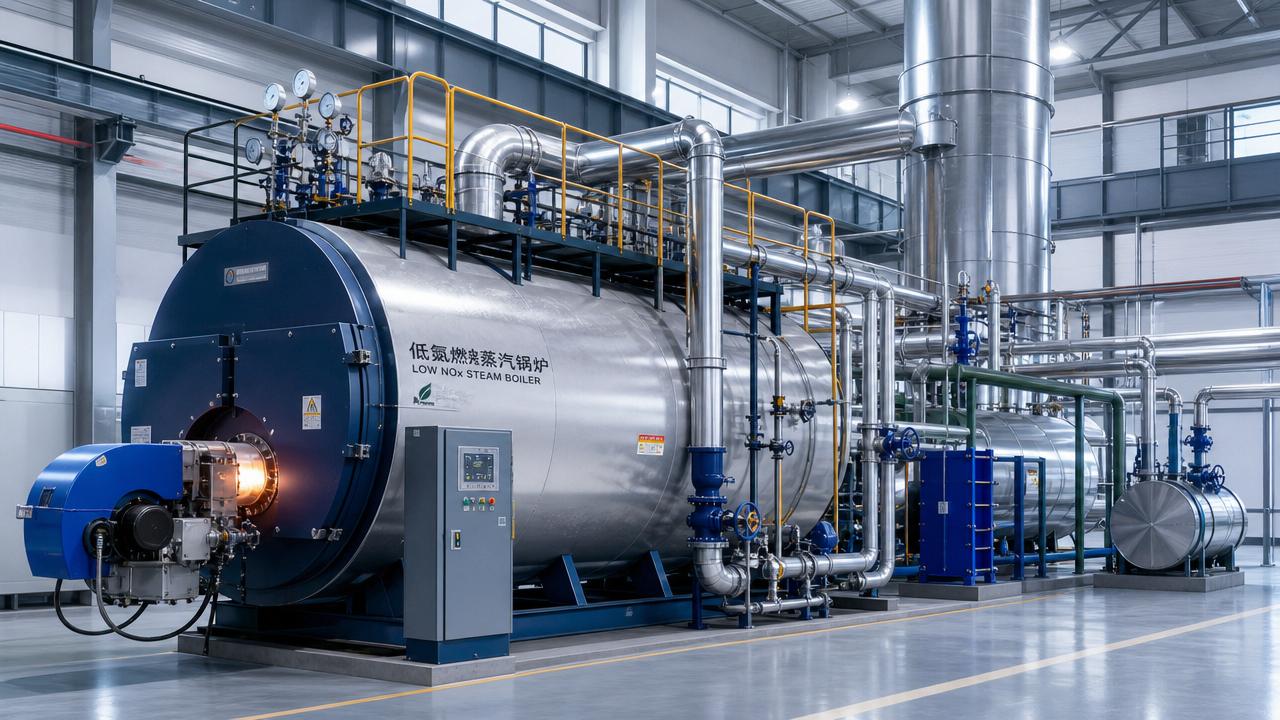
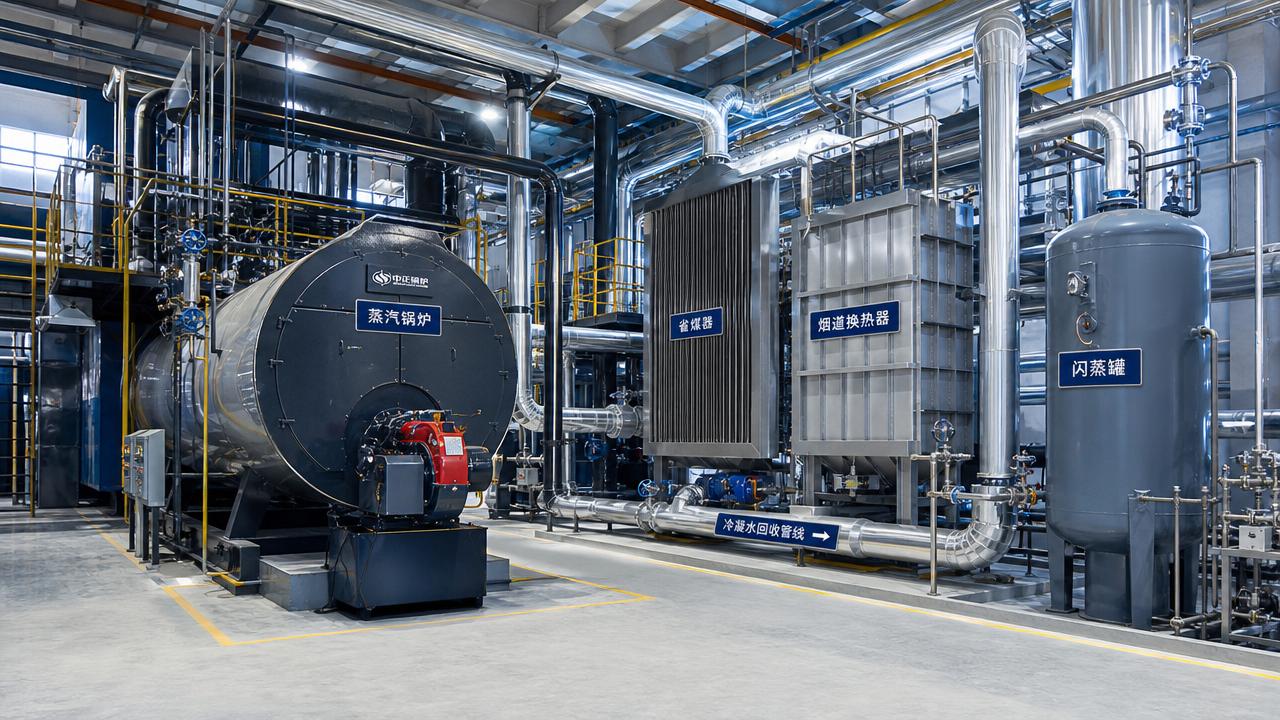
Stack loss is usually the most visible category.
High flue-gas temperature often indicates excess air, fouled heat-transfer surfaces, or poor heat recovery.
A practical thermodynamics analysis compares stack temperature against load, oxygen content, and fuel type.
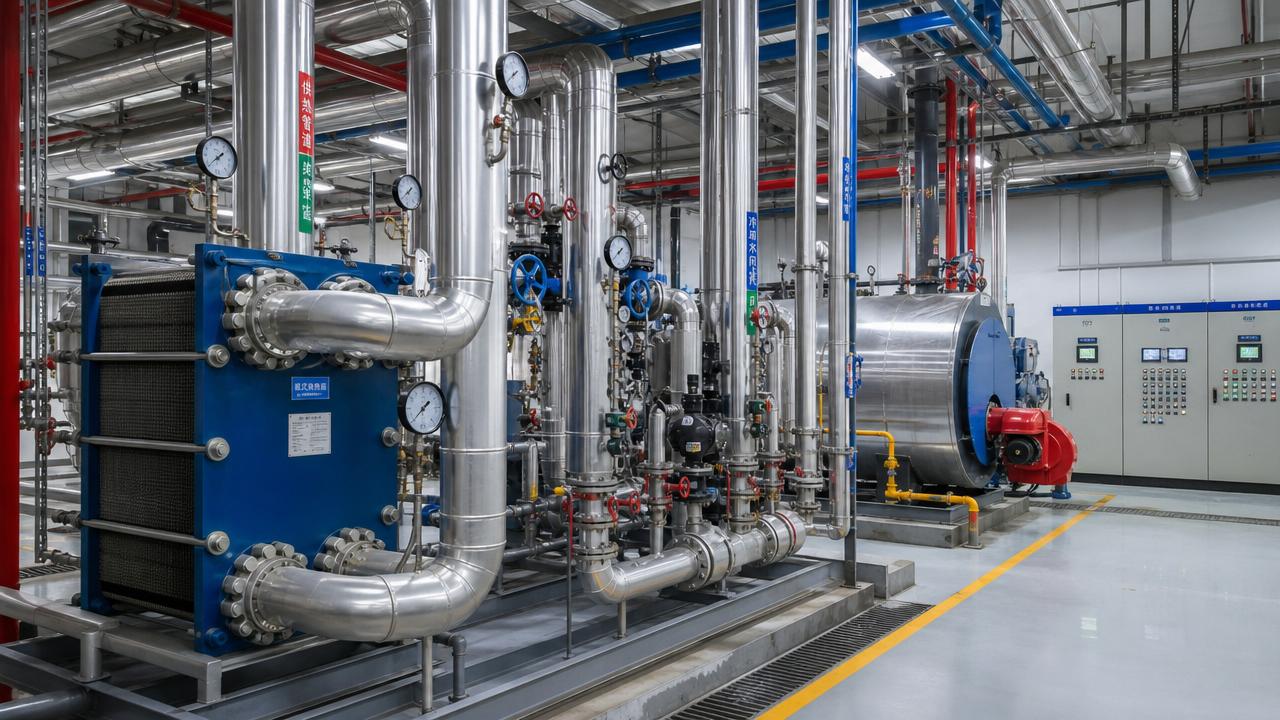
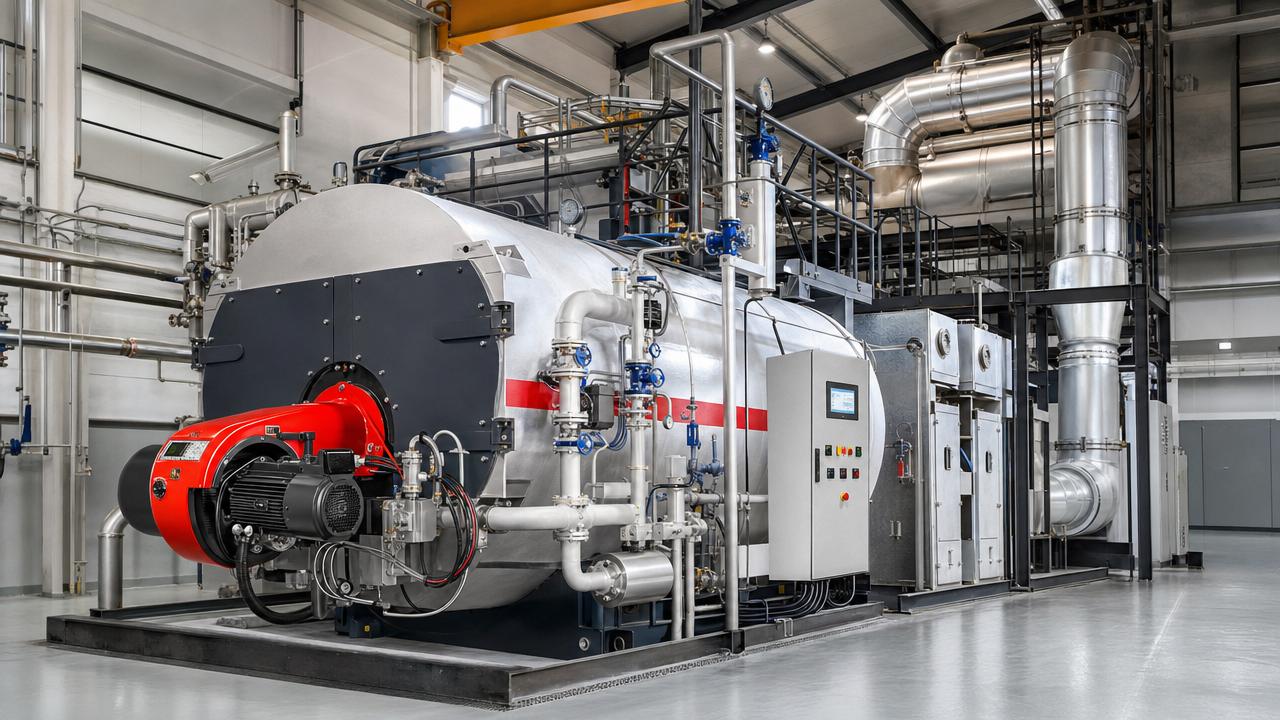
Radiation and convection losses appear around boiler surfaces, ducts, valves, and uninsulated fittings.
They may look minor during inspection but accumulate across long operating hours.
Thermodynamics analysis can estimate their impact by surface temperature, area, ambient conditions, and operating duration.
Blowdown losses are also frequently underestimated.
Excessive blowdown discharges hot water and forces additional make-up heating.
When water treatment, conductivity control, and steam quality are aligned, boiler efficiency improves without compromising safety.
Combustion Imbalance Is a High-Value Diagnostic Area
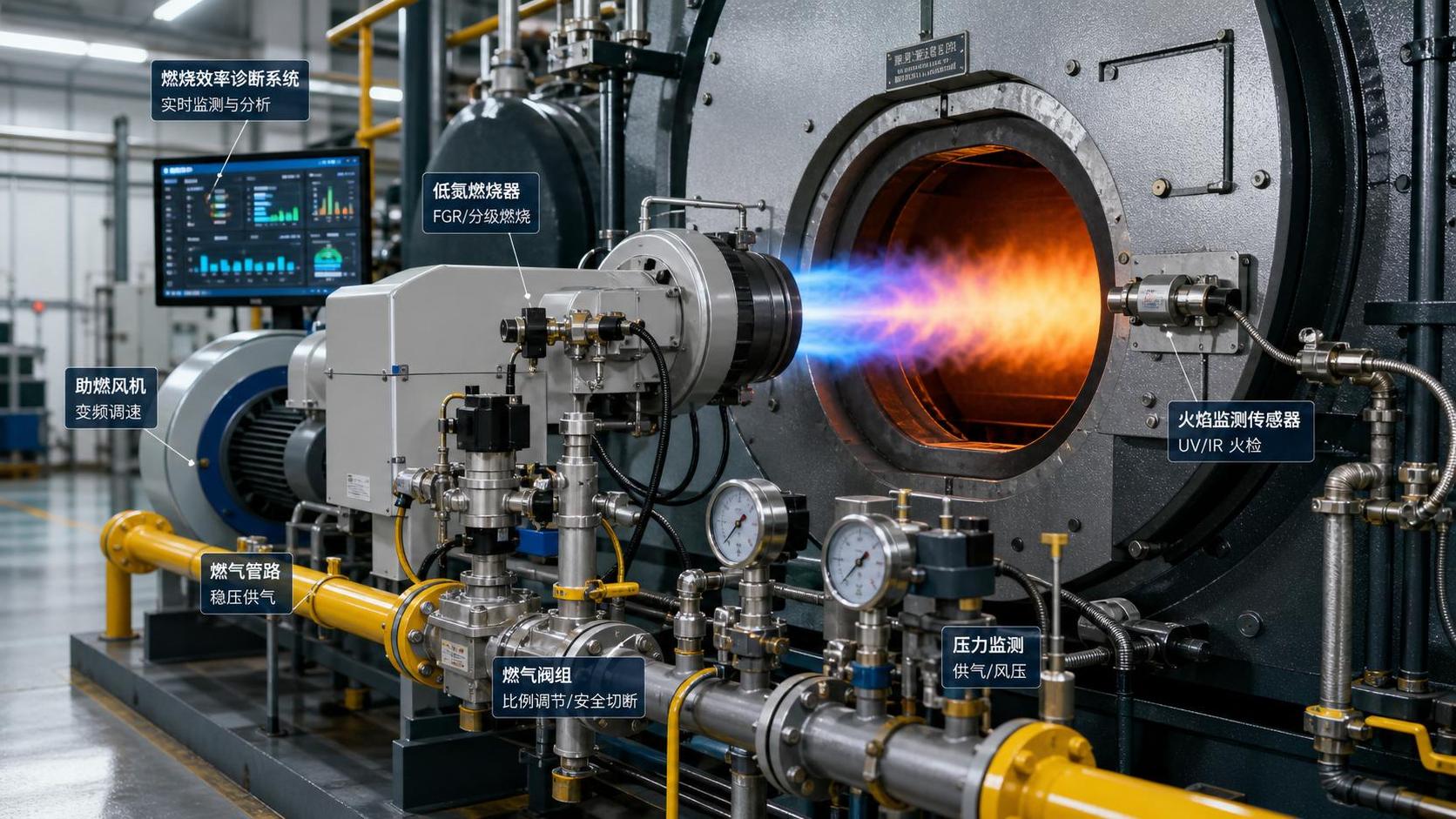
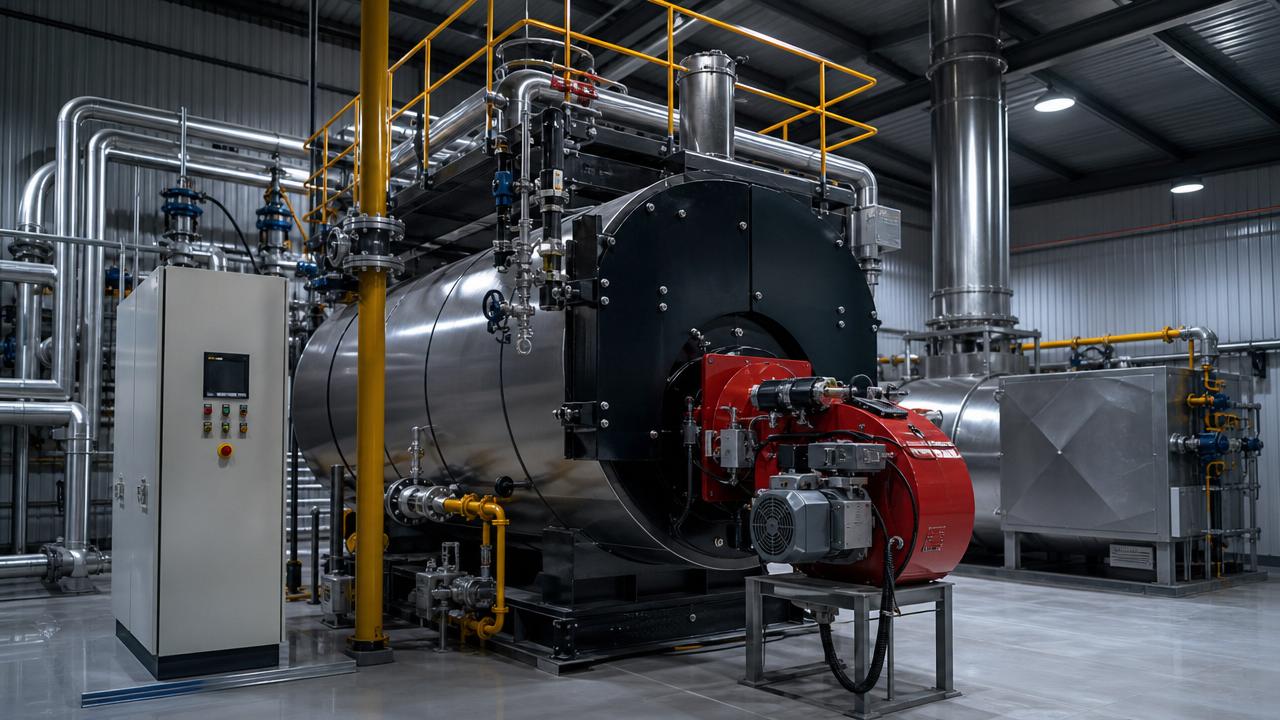
Combustion imbalance can produce unburned fuel, high excess air, unstable flame patterns, and elevated emissions.
Thermodynamics analysis connects oxygen, carbon monoxide, carbon dioxide, fuel input, and steam output.
This connection helps determine whether the boiler is using fuel efficiently under partial and full load conditions.
Impact Across Operations, Maintenance, and Energy Planning
Heat-loss reduction changes more than fuel bills.
It influences production stability, maintenance timing, carbon disclosure, and long-term asset planning.
For operations, thermodynamics analysis supports stable steam pressure with less wasted fuel input.
It also helps identify inefficient load cycling, oversized standby capacity, and weak condensate return practices.
For maintenance planning, measured losses can reveal fouling, leaking traps, refractory deterioration, and insulation breakdown.
These findings help prioritize work by energy impact, not only failure risk.
For sustainability planning, thermodynamics analysis creates a defensible baseline.
That baseline is essential when calculating avoided fuel consumption and emissions reductions.
- Operations gain clearer load-control and combustion-tuning guidance.
- Maintenance teams gain evidence for cleaning, sealing, and insulation priorities.
- Energy teams gain verified savings assumptions for efficiency projects.
- Finance teams gain stronger payback calculations from measured thermal losses.
Key Data Points That Make Thermodynamics Analysis Reliable
A reliable evaluation depends on disciplined data collection.
Single readings are useful, but trends reveal the actual behavior of thermal systems.
Thermodynamics analysis should include boiler load, feedwater temperature, fuel flow, steam pressure, and flue-gas composition.
It should also review blowdown rate, condensate return, ambient temperature, and insulation condition.
Instrument accuracy matters because small deviations may distort the efficiency picture.
Calibration, sampling frequency, and consistent load conditions improve the quality of thermodynamics analysis.
Practical Priorities for Reducing Boiler Heat Loss
The best improvements usually begin with the largest verified losses.
This prevents teams from investing in visible issues while ignoring high-value efficiency gaps.
Thermodynamics analysis helps rank measures by savings potential, implementation difficulty, and operational risk.
- Tune combustion to reduce excess air while maintaining safe flame stability.
- Clean heat-transfer surfaces when stack temperatures rise abnormally.
- Repair insulation around boiler shells, headers, valves, and steam lines.
- Optimize blowdown using conductivity control and heat recovery where feasible.
- Increase condensate return to recover sensible heat and treated water value.
- Review load matching to avoid inefficient cycling and prolonged low-load operation.
Each measure should be verified after implementation.
Without verification, thermodynamics analysis cannot confirm whether savings are permanent or temporary.
How to Judge the Next Phase of Boiler Optimization
The next phase will emphasize continuous diagnostics rather than annual audits.
Boiler performance will be monitored like a living thermal system.
Thermodynamics analysis will increasingly connect with digital twins, predictive maintenance, and energy management platforms.
This does not remove the need for engineering judgment.
Instead, it makes disciplined interpretation more important.
The strongest decisions will combine measured data, process requirements, and lifecycle economics.
Thermodynamics analysis is the bridge between these three decision layers.
Action Path for Measurable Heat-Loss Reduction
Start by establishing a verified boiler energy balance under normal operating conditions.
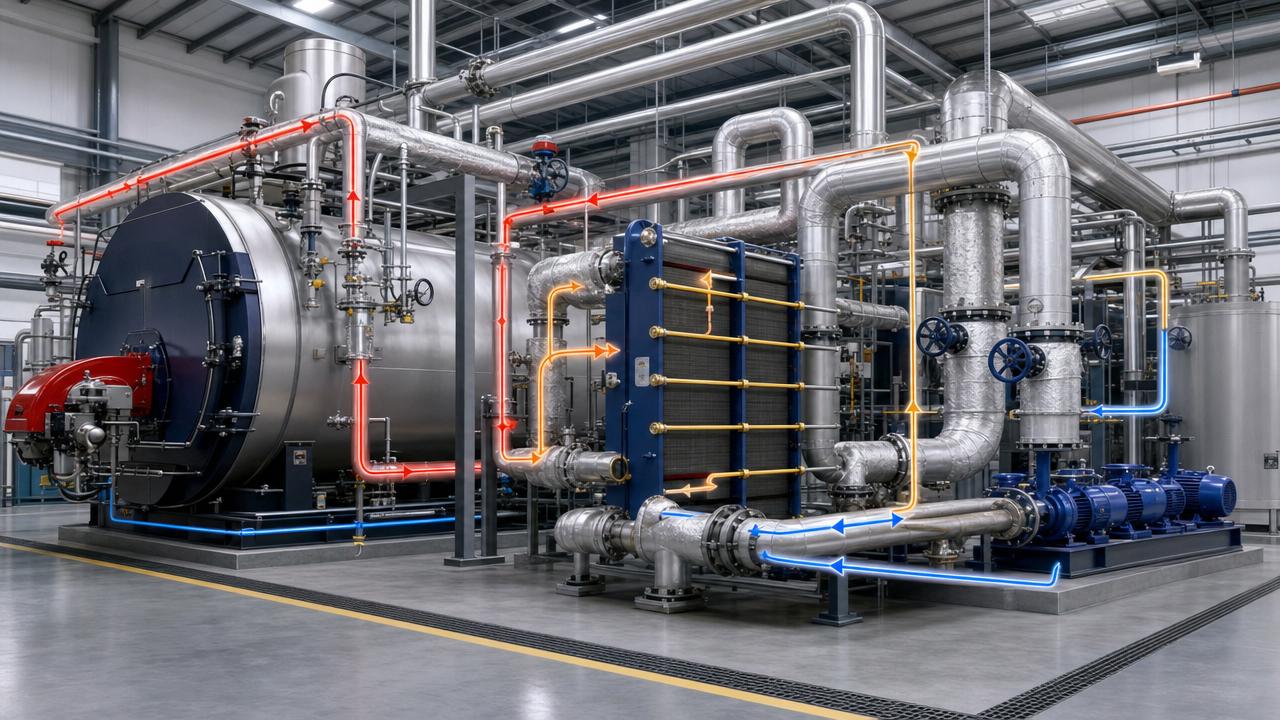
Then separate stack loss, surface loss, blowdown loss, and condensate-related loss.
Use thermodynamics analysis to rank each loss by annual cost, carbon impact, and reliability relevance.
After that, select actions that can be measured again within a defined review period.
For complex sites, connect boiler diagnostics with compressed air, cooling, and heat-exchange intelligence.
This system view reflects the GTC-Matrix principle: thermal driving industry, intelligence connecting power.
A disciplined thermodynamics analysis program turns boiler heat loss from a hidden expense into a managed performance variable.
The next practical step is to compare current boiler data against a structured loss map and act on the highest-value gap first.
Related News
- Low-NOx Boilers Cost Breakdown: Upfront Price, Fuel Savings, and PaybackAuthor :Thermal Energy Strategist

- Boiler Combustion Systems: Common Causes of Unstable Fuel PerformanceAuthor :Thermal Energy Strategist

- Hot Water Industrial Boilers: When Efficiency Gains Justify ReplacementAuthor :Thermal Energy Strategist

- What Boiler Efficiency Really Means in Daily Operation and Energy BillsAuthor :Thermal Energy Strategist

- Boiler Efficiency Testing Methods That Expose Heat Loss and Fuel WasteAuthor :Thermal Energy Strategist

- Industrial Burner Systems: Key Factors for Safe Heat OutputAuthor :Thermal Energy Strategist

- Gas-Fired Boiler Combustion Technology: Key Efficiency and Emissions Trade-OffsAuthor :Thermal Energy Strategist

- Unfired Heat Recovery Steam Generators: When Do They Pay Off?Author :Thermal Energy Strategist

- How to Evaluate Steam Generation Systems Electric for Process Heat ProjectsAuthor :Thermal Energy Strategist

- Thermal Power Systems for Industrial Heating: Common Sizing Mistakes to AvoidAuthor :Thermal Energy Strategist

- Low-NOx Condensing Boilers: How to Compare Efficiency and EmissionsAuthor :Thermal Energy Strategist
![]()
- Low Emissions Boilers for Food Processing: Key Compliance and Fuel Cost FactorsAuthor :Thermal Energy Strategist

- Steam System Efficiency Calculation: Key Inputs That Change the ResultAuthor :Thermal Energy Strategist

- How to Evaluate a Steam Boiler Components Exporter Before OrderingAuthor :Thermal Energy Strategist

- Burner Systems Troubleshooting: Common Efficiency Loss CausesAuthor :Thermal Energy Strategist

- EU PED Q2 Rules Require Digital Compliance TagsAuthor :Thermal Energy Strategist

- Thermal Power Systems: Key Efficiency Risks in Daily OperationAuthor :Thermal Energy Strategist

- Low-NOx Combustion Boilers: Key Efficiency and Compliance ChecksAuthor :Thermal Energy Strategist

- Low-NOx Combustion Boilers: Key Specs That Affect Emissions and Fuel UseAuthor :Thermal Energy Strategist

- Low-NOx Combustion Boilers: Key Compliance RisksAuthor :Thermal Energy Strategist

- Thermodynamics Analysis for Boiler Heat-Loss ReductionAuthor :Thermal Energy Strategist

- Industrial Thermal Systems: Common Operating RisksAuthor :Thermal Energy Strategist

- Low-NOx Combustion Boilers: Key Spec Checks Before PurchaseAuthor :Thermal Energy Strategist

- How Industrial Heat Recovery Cuts Boiler Fuel Costs in 2026Author :Thermal Energy Strategist

- Thermodynamics Analysis: 5 Heat Loss Clues in Steam BoilersAuthor :Thermal Energy Strategist

- Low-NOx Combustion Boilers: What Affects Real Emissions PerformanceAuthor :Thermal Energy Strategist

- Thermodynamics Analysis: Finding Heat Loss in Steam BoilersAuthor :Thermal Energy Strategist

- 2026 Steam Boiler Upgrades for Lower NOx and Fuel CostsAuthor :Thermal Energy Strategist

- EU to Expand CBAM to Steam Boilers; Exporters Must Prepare Carbon DataAuthor :Thermal Energy Strategist

- Industrial Heat Recovery: When Payback Beats New Boiler CapacityAuthor :Thermal Energy Strategist

- Carbon Neutrality Targets and the New Boiler Retrofit PaybackAuthor :Thermal Energy Strategist

- Low-NOx Combustion Boilers: Fuel Savings vs Emission LimitsAuthor :Thermal Energy Strategist

- Industrial Energy Efficiency Benchmarks for Steam Boiler Upgrades in 2026Author :Thermal Energy Strategist

- Low-NOx Combustion Boilers: Efficiency vs Emissions in 2026Author :Thermal Energy Strategist

- Industrial Heat Recovery Options for Steam Boiler SavingsAuthor :Thermal Energy Strategist

- Low-NOx Combustion Boilers and 2026 Compliance PressureAuthor :Thermal Energy Strategist