Industrial Energy Efficiency Benchmarks for Steam Boiler Upgrades in 2026




As energy prices, emissions rules, and uptime pressures intensify in 2026, industrial energy efficiency has become a boardroom priority for steam boiler upgrades. For decision-making, clear benchmarks matter because they connect fuel use, maintenance burden, emissions exposure, and production stability. This guide reviews the most useful indicators for comparing boiler retrofit paths across mixed industrial settings.
Why 2026 Boiler Benchmarking Needs a Checklist Approach
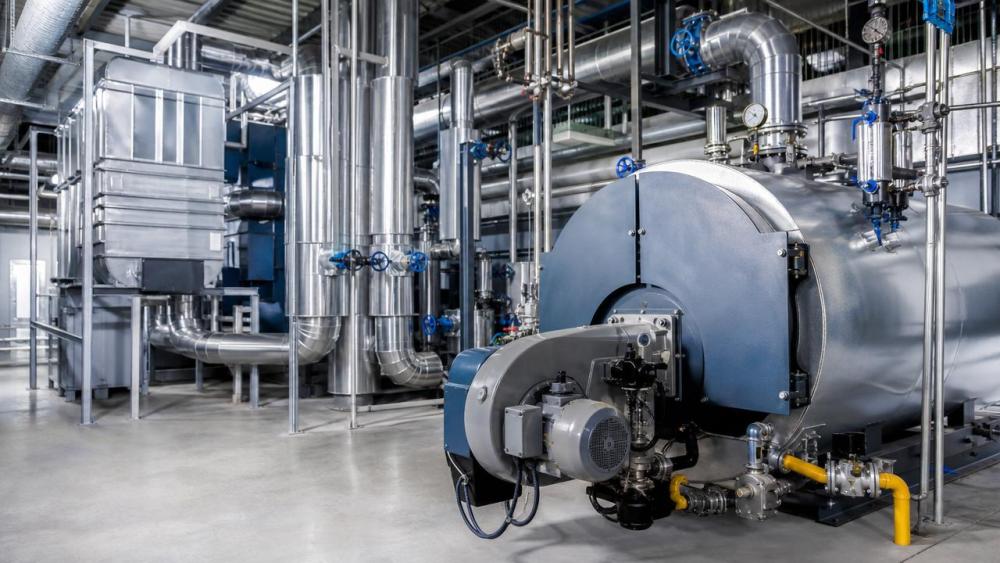
Steam systems often look efficient on paper while wasting energy through cycling losses, poor blowdown control, oversized burners, and unstable condensate return. A checklist avoids single-metric decisions.
For broad industrial operations, industrial energy efficiency is no longer measured only by nominal combustion efficiency. It now includes load flexibility, water treatment quality, digital visibility, emissions intensity, and resilience under changing utility tariffs.
In 2026, benchmark selection must also reflect decarbonization pathways. That includes low-NOx compliance, heat recovery integration, electrification readiness, and compatibility with plant-wide optimization platforms.
Core Checklist for Industrial Energy Efficiency in Steam Boiler Upgrades
- Measure actual seasonal efficiency, not nameplate efficiency, across low, medium, and peak loads to capture cycling losses, purge losses, and standby fuel consumption.
- Compare steam generation cost per ton, including fuel, water, chemicals, electricity, labor, and unplanned downtime rather than burner performance alone.
- Verify turndown ratio under real process conditions because higher stable turndown improves industrial energy efficiency during partial-load operation and frequent demand swings.
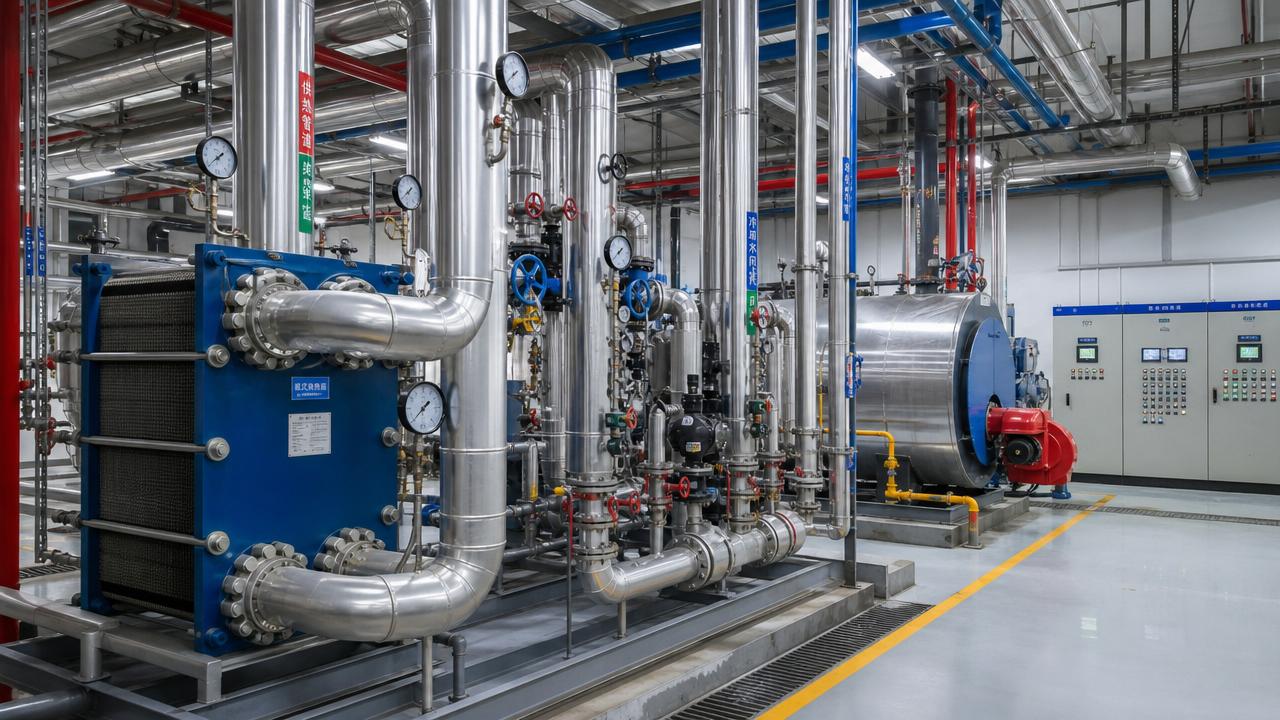
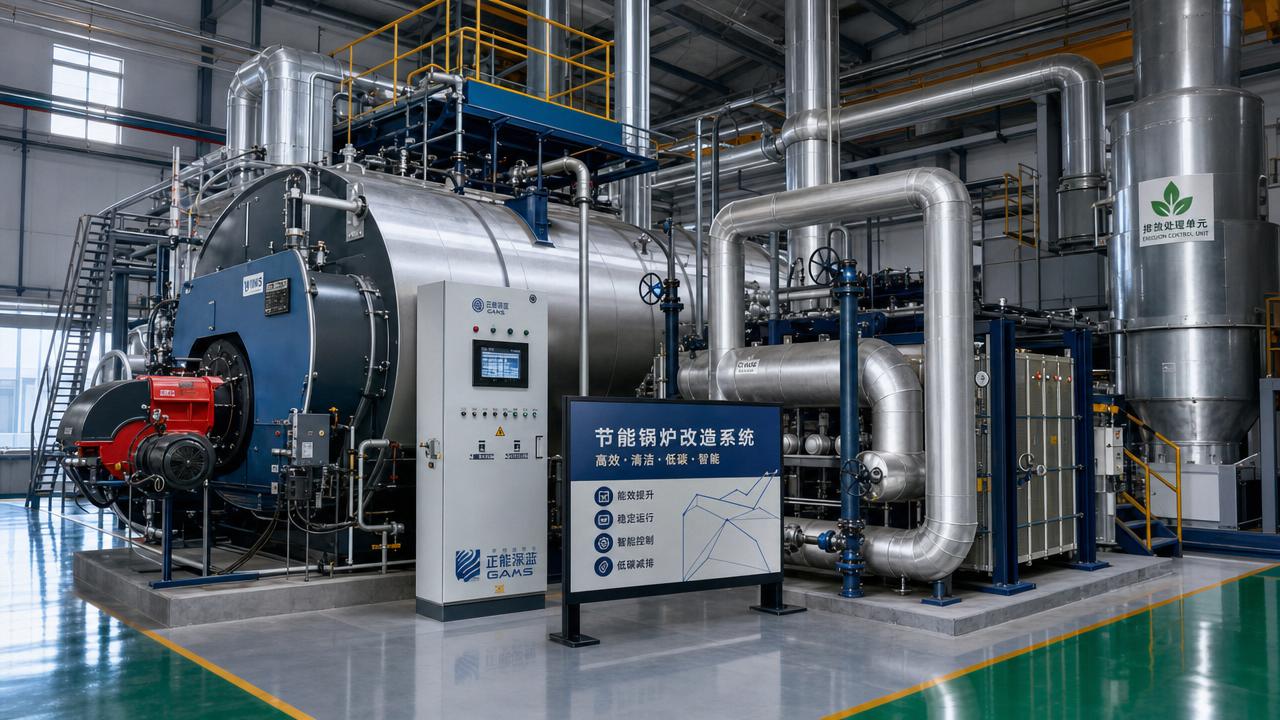
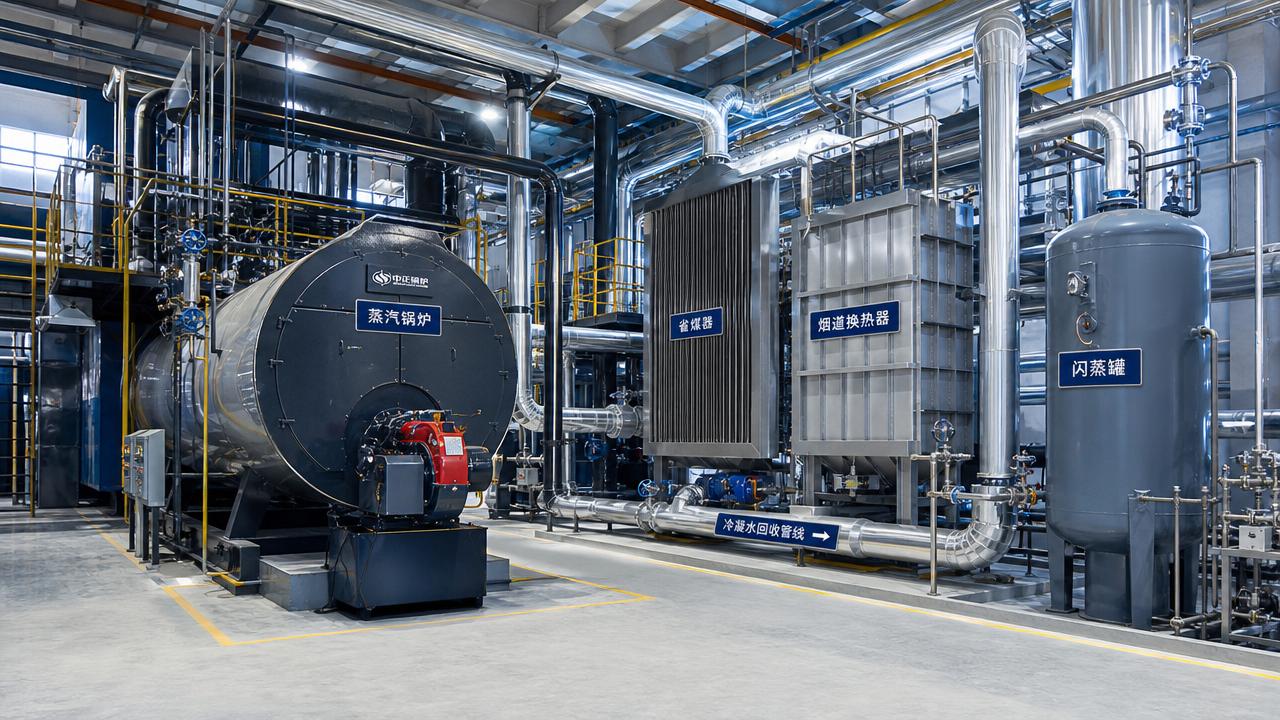
- Check stack temperature after economizer installation and confirm whether flue gas heat recovery remains effective under fouling, seasonal feedwater variation, and load changes.
- Audit blowdown rate and heat recovery potential because excessive blowdown quickly erodes boiler upgrade savings in multi-shift and high-purity steam applications.
- Assess condensate return percentage and contamination risks since every lost return stream raises fuel demand, makeup water consumption, and chemical treatment costs.
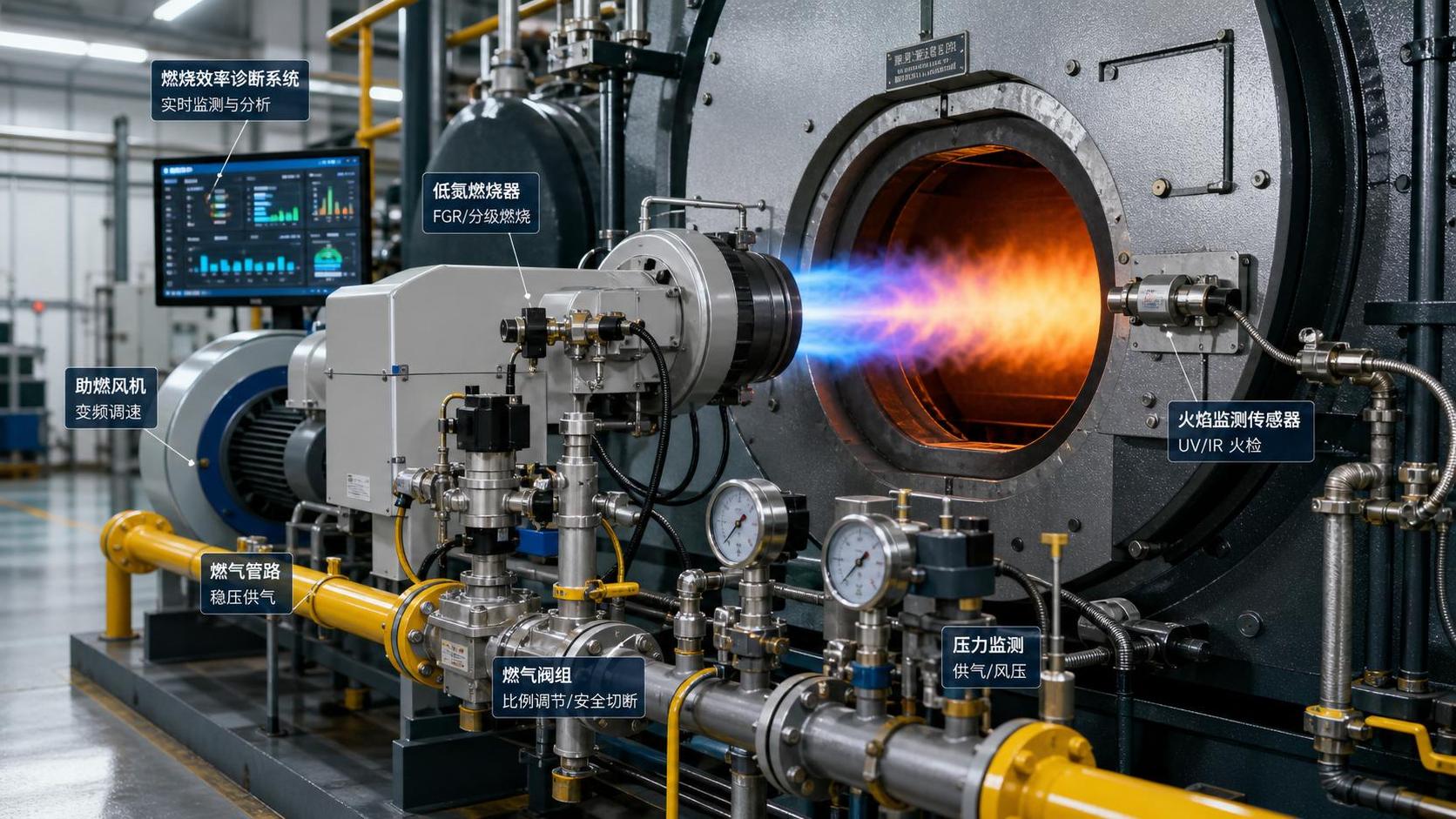
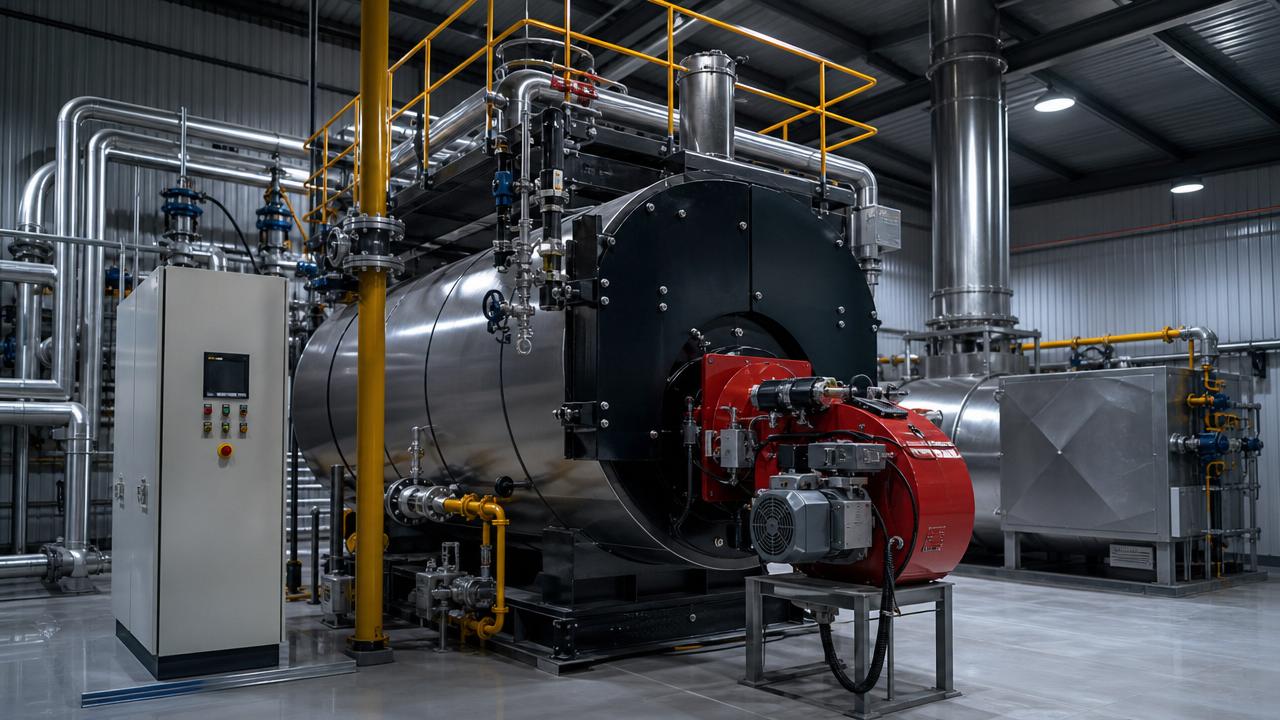
- Confirm burner and controls can maintain excess oxygen near optimal setpoints without instability, because poor combustion tuning undermines emissions and energy results.
- Benchmark NOx, CO, and CO2 intensity together so the project supports compliance, carbon reporting, and broader industrial energy efficiency targets.
- Review control architecture for remote monitoring, alarm history, and trending because modern upgrades need data to sustain savings beyond commissioning.
- Test auxiliary loads, including feed pumps, fans, deaerators, and water treatment skids, since support equipment can hide major efficiency penalties.
- Evaluate redundancy strategy and restart time because a technically efficient boiler loses value if trips disrupt thermal continuity or product quality.
- Model lifecycle payback using expected fuel price volatility, carbon costs, maintenance intervals, and uptime gains instead of relying on a simple capital-cost comparison.
Priority Benchmarks to Put in the Evaluation Table
How Benchmarks Shift by Industrial Scenario
Continuous Process Operations
In continuous plants, stable steam pressure and high availability often matter as much as headline efficiency. The best industrial energy efficiency result comes from balancing economizer gains with dependable controls and spare-part simplicity.
Here, benchmark low-load stability carefully. Even small combustion instability can trigger quality losses or force conservative operating margins that erase expected savings.
Batch and Multi-Product Facilities
Batch environments usually face sharp load swings and frequent starts. A boiler with strong turndown, fast response, and precise oxygen trim may outperform a larger unit with higher catalog efficiency.
For these sites, benchmark warm-start fuel use, purge time, and control responsiveness. Those factors have direct impact on industrial energy efficiency and daily operating cost.
Sites with Heat Recovery Opportunities
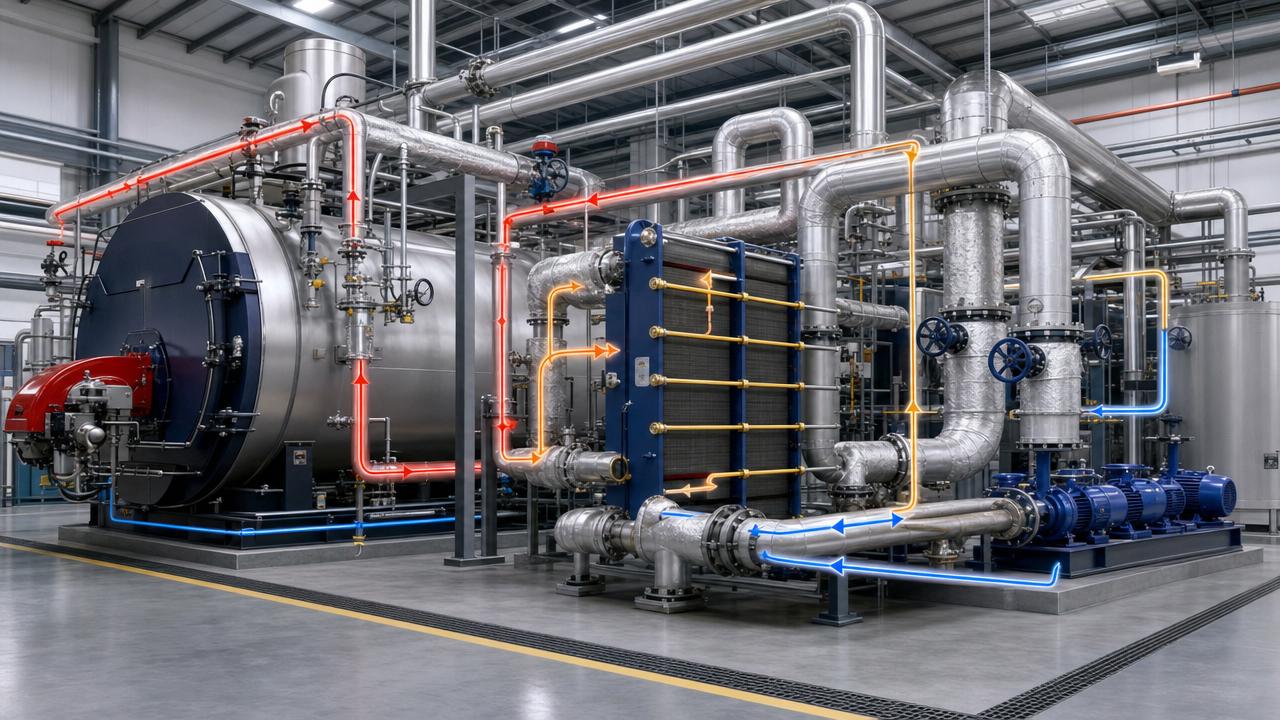
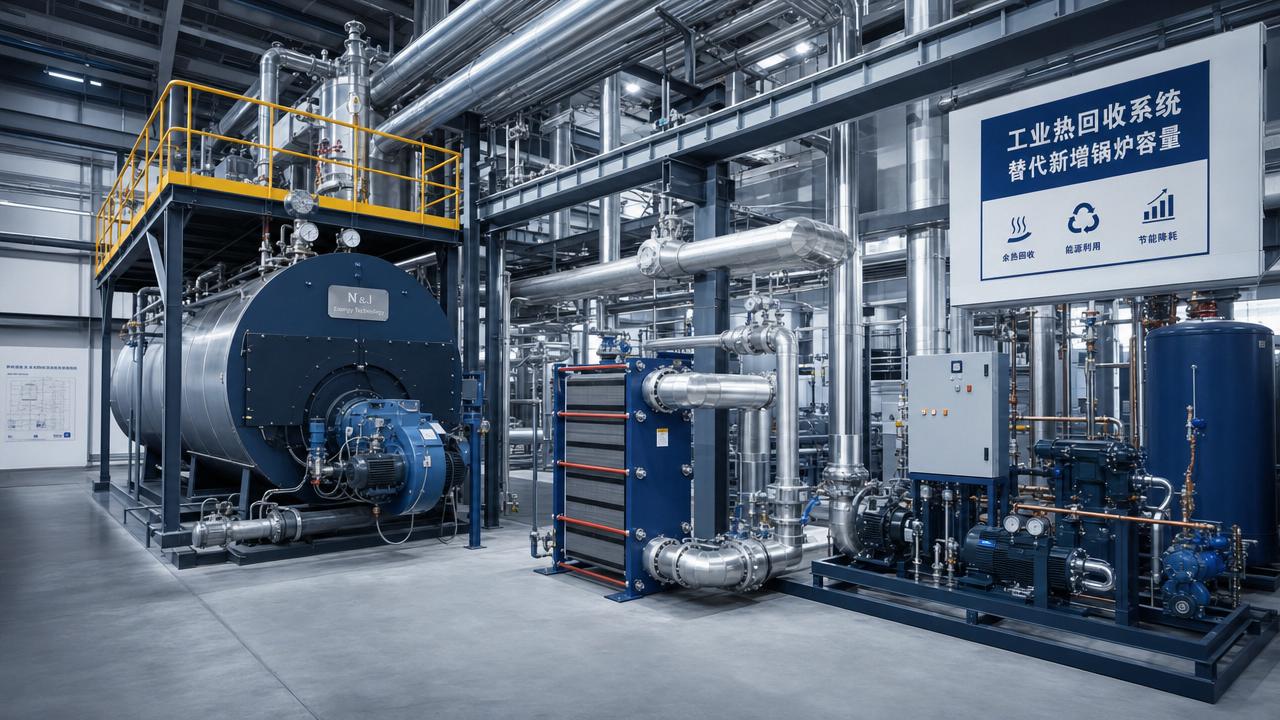
Where process exhaust, hot water loops, or condensate flash steam are available, boiler upgrades should be screened as part of a wider thermal system. Boiler-only analysis can miss the best savings route.
In this scenario, compare integrated energy intensity before and after recovery projects. The key question is not only boiler efficiency, but total useful heat utilization.
Commonly Missed Risks That Distort Industrial Energy Efficiency Results
Ignoring Water-Side Losses
Poor feedwater quality increases scale, raises stack temperature, and weakens heat transfer. A boiler upgrade cannot deliver durable industrial energy efficiency if water treatment remains outdated.
Overlooking Distribution Losses
Insulation failure, leaking steam traps, and unbalanced pressure zones can consume a major share of the projected gain. Benchmark the boiler room and the steam network together.
Using Supplier Test Data Without Site Validation
Factory conditions rarely reflect real fuel quality, altitude, return condensate variability, or maintenance discipline. Site-based verification protects capital planning from optimistic assumptions.
Undervaluing Controls and Analytics
Many projects focus on pressure vessels and burners, then underinvest in sensors, trending, and alarms. Yet sustained industrial energy efficiency depends on visible performance drift and faster correction.
Practical Execution Steps for 2026 Boiler Upgrade Reviews
- Build a 12-month baseline for fuel use, steam output, downtime, blowdown, and condensate return before requesting upgrade proposals.
- Normalize all options to the same load profile, fuel price basis, and emission reporting method.
- Run short field tests on oxygen trim, trap losses, and feedwater temperature to identify low-capex gains before major replacement.
- Require lifecycle models that include maintenance labor, inspection intervals, refractory impact, and auxiliary electricity use.
- Set post-installation verification milestones at 30, 90, and 180 days to confirm industrial energy efficiency gains are real and repeatable.
For organizations tracking thermal technology trends, intelligence-led review methods can sharpen these steps. Market signals on low-NOx combustion, heat exchange advances, and fuel economics help frame realistic benchmark targets.
Conclusion and Next Action
The strongest 2026 boiler upgrades are not chosen by brochure efficiency alone. They are selected through benchmark discipline, site validation, and system-level analysis that protects uptime while lowering thermal cost.
Start with a clear checklist, rank options by seasonal performance and controllability, then verify how each project improves industrial energy efficiency across fuel, water, emissions, and reliability. That approach produces better steam economics and more credible decarbonization progress.
Related News
- Low-NOx Boilers Cost Breakdown: Upfront Price, Fuel Savings, and PaybackAuthor :Thermal Energy Strategist

- Boiler Combustion Systems: Common Causes of Unstable Fuel PerformanceAuthor :Thermal Energy Strategist

- Hot Water Industrial Boilers: When Efficiency Gains Justify ReplacementAuthor :Thermal Energy Strategist

- What Boiler Efficiency Really Means in Daily Operation and Energy BillsAuthor :Thermal Energy Strategist

- Boiler Efficiency Testing Methods That Expose Heat Loss and Fuel WasteAuthor :Thermal Energy Strategist

- Industrial Burner Systems: Key Factors for Safe Heat OutputAuthor :Thermal Energy Strategist

- Gas-Fired Boiler Combustion Technology: Key Efficiency and Emissions Trade-OffsAuthor :Thermal Energy Strategist

- Unfired Heat Recovery Steam Generators: When Do They Pay Off?Author :Thermal Energy Strategist

- How to Evaluate Steam Generation Systems Electric for Process Heat ProjectsAuthor :Thermal Energy Strategist

- Thermal Power Systems for Industrial Heating: Common Sizing Mistakes to AvoidAuthor :Thermal Energy Strategist

- Low-NOx Condensing Boilers: How to Compare Efficiency and EmissionsAuthor :Thermal Energy Strategist
![]()
- Low Emissions Boilers for Food Processing: Key Compliance and Fuel Cost FactorsAuthor :Thermal Energy Strategist

- Steam System Efficiency Calculation: Key Inputs That Change the ResultAuthor :Thermal Energy Strategist

- How to Evaluate a Steam Boiler Components Exporter Before OrderingAuthor :Thermal Energy Strategist

- Burner Systems Troubleshooting: Common Efficiency Loss CausesAuthor :Thermal Energy Strategist

- EU PED Q2 Rules Require Digital Compliance TagsAuthor :Thermal Energy Strategist

- Thermal Power Systems: Key Efficiency Risks in Daily OperationAuthor :Thermal Energy Strategist

- Low-NOx Combustion Boilers: Key Efficiency and Compliance ChecksAuthor :Thermal Energy Strategist

- Low-NOx Combustion Boilers: Key Specs That Affect Emissions and Fuel UseAuthor :Thermal Energy Strategist

- Low-NOx Combustion Boilers: Key Compliance RisksAuthor :Thermal Energy Strategist

- Thermodynamics Analysis for Boiler Heat-Loss ReductionAuthor :Thermal Energy Strategist

- Industrial Thermal Systems: Common Operating RisksAuthor :Thermal Energy Strategist

- Low-NOx Combustion Boilers: Key Spec Checks Before PurchaseAuthor :Thermal Energy Strategist

- How Industrial Heat Recovery Cuts Boiler Fuel Costs in 2026Author :Thermal Energy Strategist

- Thermodynamics Analysis: 5 Heat Loss Clues in Steam BoilersAuthor :Thermal Energy Strategist

- Low-NOx Combustion Boilers: What Affects Real Emissions PerformanceAuthor :Thermal Energy Strategist

- Thermodynamics Analysis: Finding Heat Loss in Steam BoilersAuthor :Thermal Energy Strategist

- 2026 Steam Boiler Upgrades for Lower NOx and Fuel CostsAuthor :Thermal Energy Strategist

- EU to Expand CBAM to Steam Boilers; Exporters Must Prepare Carbon DataAuthor :Thermal Energy Strategist

- Industrial Heat Recovery: When Payback Beats New Boiler CapacityAuthor :Thermal Energy Strategist

- Carbon Neutrality Targets and the New Boiler Retrofit PaybackAuthor :Thermal Energy Strategist

- Low-NOx Combustion Boilers: Fuel Savings vs Emission LimitsAuthor :Thermal Energy Strategist

- Industrial Energy Efficiency Benchmarks for Steam Boiler Upgrades in 2026Author :Thermal Energy Strategist

- Low-NOx Combustion Boilers: Efficiency vs Emissions in 2026Author :Thermal Energy Strategist

- Industrial Heat Recovery Options for Steam Boiler SavingsAuthor :Thermal Energy Strategist

- Low-NOx Combustion Boilers and 2026 Compliance PressureAuthor :Thermal Energy Strategist