



Low-NOx Combustion Boilers: Efficiency vs Emissions in 2026




As industrial leaders weigh decarbonization goals against rising energy costs, low-NOx combustion boilers are becoming a critical technology choice for 2026. For enterprise decision-makers, the real question is no longer compliance alone, but how to balance emissions reduction, thermal efficiency, and long-term operating value in an increasingly regulated and competitive market.
Why are low-NOx combustion boilers moving from compliance equipment to strategic assets?
In many industrial facilities, boiler decisions were once driven by fuel availability, steam demand, and capex limits. That logic is no longer sufficient. In 2026, low-NOx combustion boilers sit at the intersection of energy efficiency, environmental performance, and operational resilience.
For business leaders, the challenge is not simply choosing a boiler with lower nitrogen oxide emissions. It is deciding whether a combustion system can maintain thermal output, support fuel flexibility, reduce regulatory exposure, and preserve lifecycle economics under volatile gas and electricity prices.
This is where GTC-Matrix brings value. As an intelligence platform focused on industrial cooling, compressed air, vacuum processes, and heat exchange technologies, GTC-Matrix interprets boiler selection through the broader energy conversion chain. That means low-NOx combustion boilers are evaluated not as isolated assets, but as part of a plant’s thermal center and production reliability strategy.
- Stricter emissions expectations are extending beyond local permits into investor scrutiny, customer audits, and supply chain carbon reporting.
- Efficiency gains are increasingly tied to burner control quality, excess air management, heat recovery integration, and part-load performance.
- Industrial users now require clearer comparisons between retrofitted systems, fully new installations, and hybrid thermal upgrades.
What defines a low-NOx combustion boiler in practical terms?
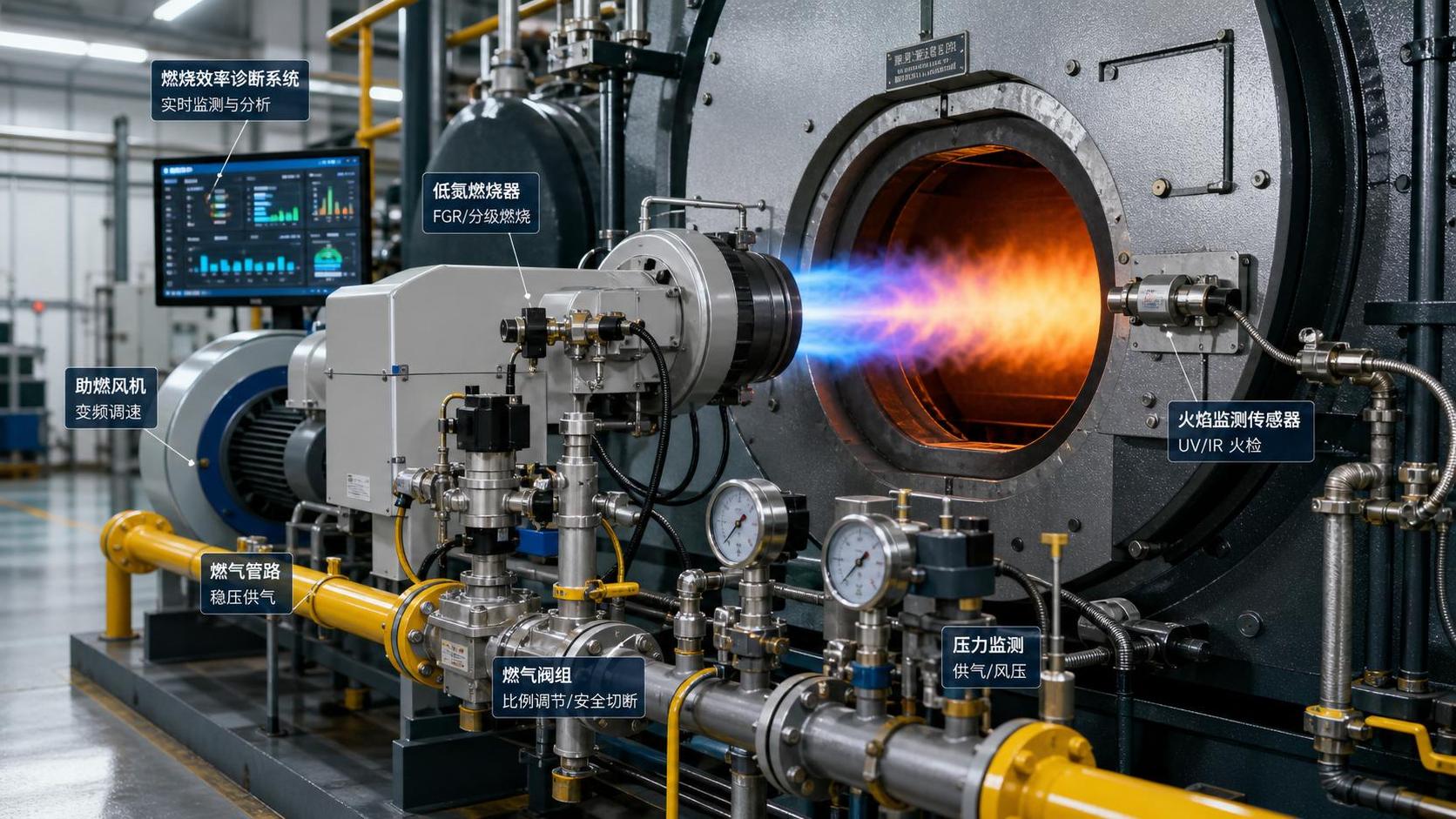
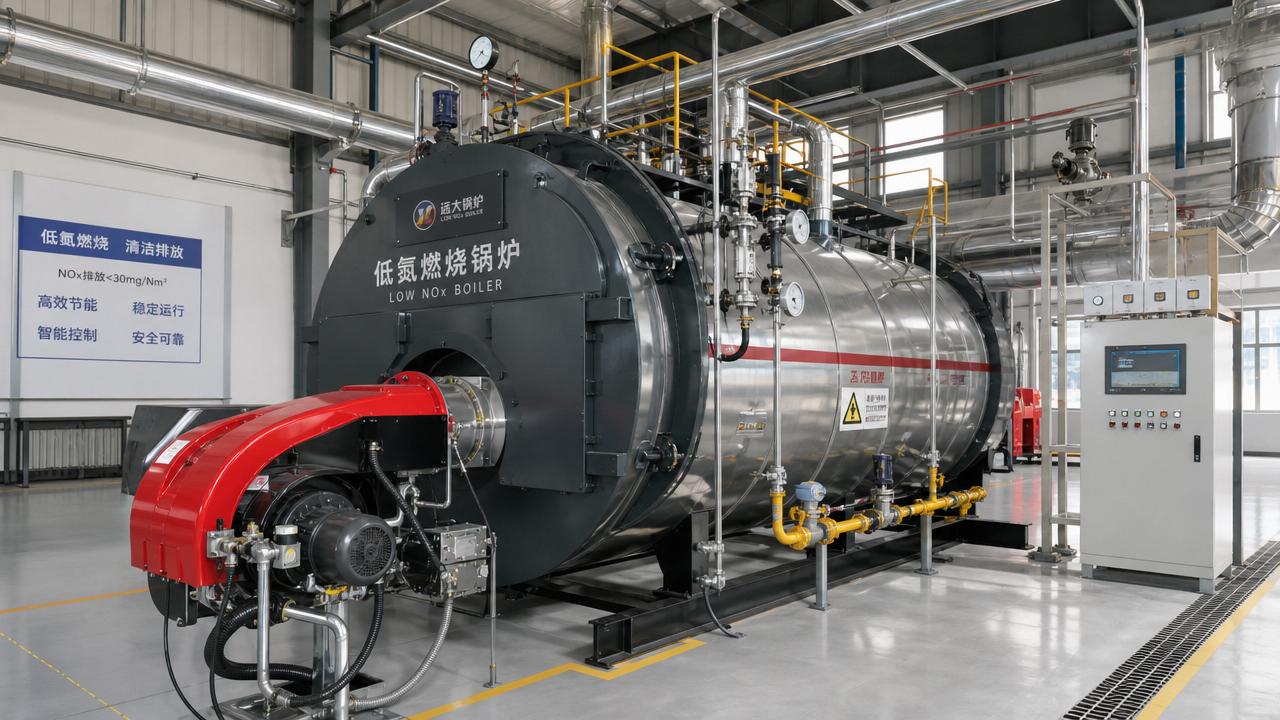
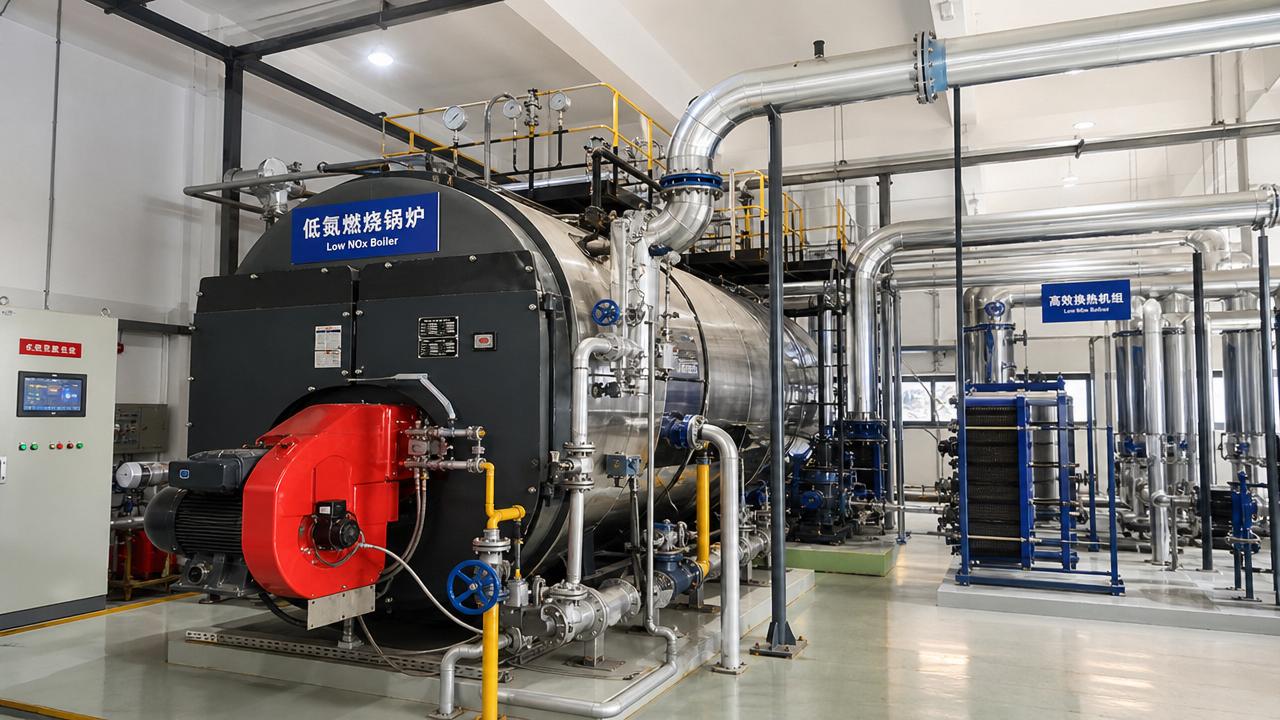
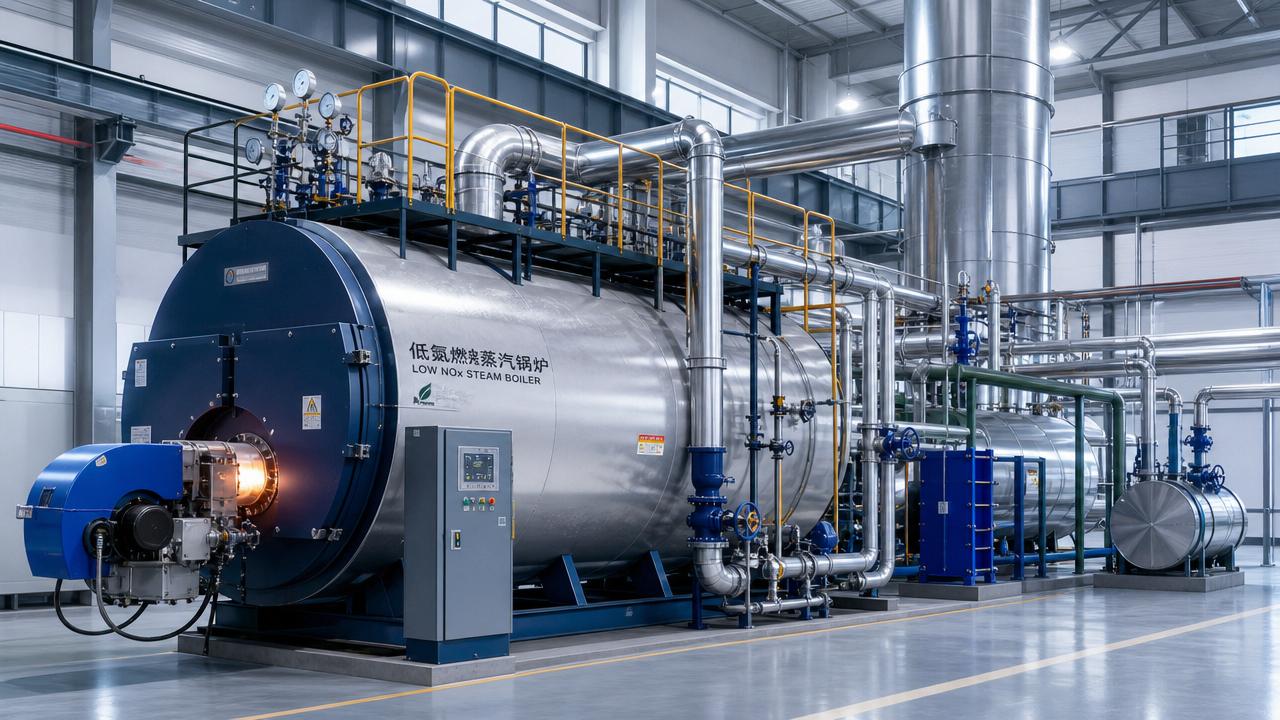
A low-NOx combustion boiler is generally designed to reduce nitrogen oxide formation during fuel burning by controlling flame temperature, combustion staging, flue gas recirculation, premixing behavior, and air-fuel ratios. The exact emissions threshold depends on jurisdiction, fuel type, and application, but the commercial principle is consistent: reduce pollutants without sacrificing stable heat generation.
That sounds simple. In practice, every emissions reduction measure affects flame dynamics, turndown ratio, maintenance needs, and control complexity. This is why decision-makers should judge low-NOx combustion boilers by system performance, not brochure claims.
Efficiency vs emissions: where do enterprise buyers usually misjudge the trade-off?
Many buyers assume the lowest NOx number automatically represents the best procurement outcome. It does not. A boiler with very low emissions may require tighter fuel quality control, more advanced tuning, or more sensitive maintenance intervals. Another boiler may deliver slightly higher NOx within permitted limits, yet generate better annualized thermal efficiency and lower total ownership cost.
The comparison below shows why low-NOx combustion boilers should be evaluated on multiple decision factors rather than emissions figures alone.
The key insight is that low-NOx combustion boilers create value only when emissions control and operational efficiency remain aligned. If a system cuts NOx but adds unstable combustion, high excess air, or frequent tuning interruptions, the financial case weakens quickly.
Common decision errors in board-level reviews
- Using nameplate efficiency instead of real operating efficiency across seasonal and part-load conditions.
- Comparing low-NOx combustion boilers without confirming site altitude, fuel composition, return water temperature, and control integration constraints.
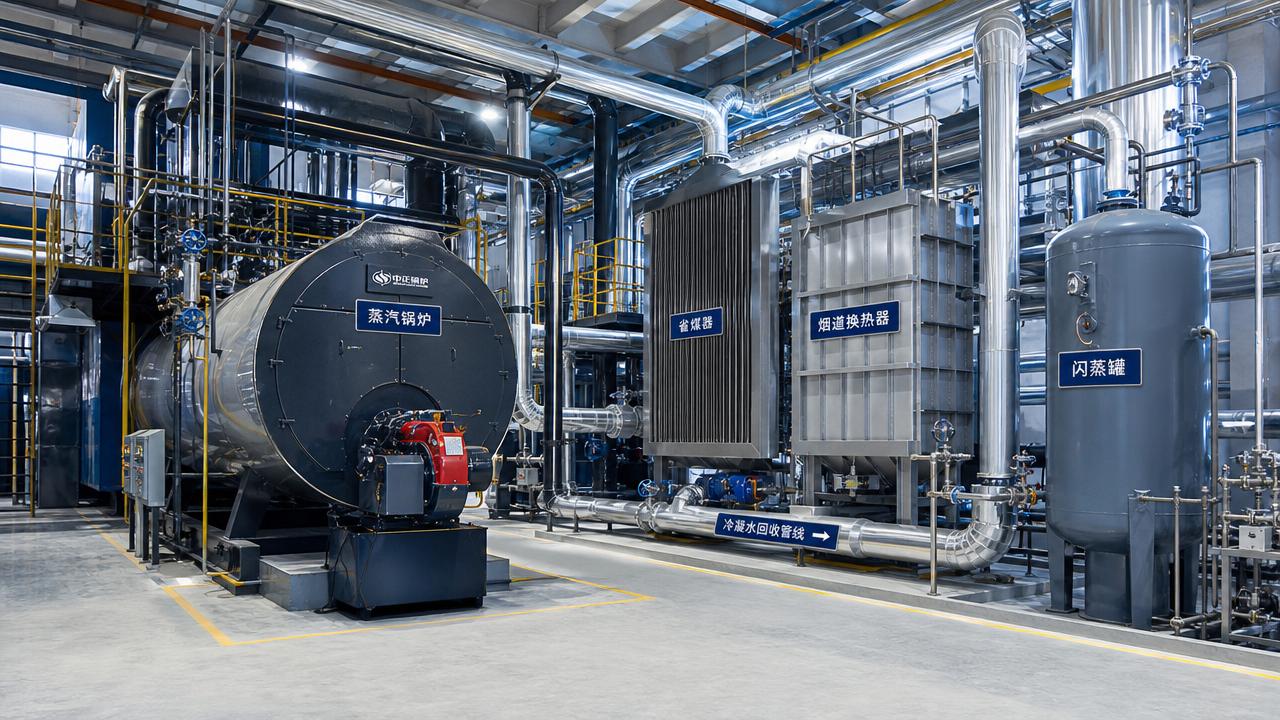
- Treating burner performance separately from economizers, deaeration, condensate recovery, and plant heat balance.
Which industrial scenarios benefit most from low-NOx combustion boilers?
Not every facility values the same boiler characteristics. Some prioritize tight process temperature control. Others need uninterrupted steam. In sectors with export customers or sensitive production environments, emissions reputation can also influence contracts and financing discussions.
The following scenario table helps connect low-NOx combustion boilers to practical operational priorities.
For decision-makers managing diverse production loads, low-NOx combustion boilers are especially attractive when steam demand is significant, public or customer scrutiny is rising, and fuel cost volatility makes every efficiency point financially material.
Where they may be less straightforward
Some older plants with unstable fuel quality, limited controls infrastructure, or poor water treatment may struggle to unlock the full value of advanced low-NOx combustion boilers. In such cases, burner upgrades, heat recovery retrofits, or staged modernization can be more practical than immediate full replacement.
What technical indicators should buyers verify before selecting low-NOx combustion boilers?
The most useful technical review is not a generic specification sheet. It is a site-matched validation exercise. Buyers should confirm how the boiler performs under their actual pressure setpoints, return conditions, fuel profile, and duty cycle.
Priority indicators to request from suppliers
- Guaranteed NOx level under defined operating conditions, not under idealized test assumptions only.
- Efficiency data at full load and part load, especially where seasonal variation is substantial.
- Turndown ratio, because better modulation can reduce cycling losses and improve control accuracy.
- Combustion control architecture, including oxygen trim, flame monitoring, and remote diagnostics capability.
- Maintenance intervals for burners, sensors, refractory-sensitive parts, and emissions-critical tuning components.
At GTC-Matrix, boiler assessment is strongest when linked to adjacent thermal systems. A low-NOx combustion boiler may appear efficient on its own, but the true business outcome depends on condensate return rates, heat exchanger design, plant scheduling, and even compressed air interactions where utility synchronization matters.
A practical selection matrix for enterprise teams
Use this selection matrix to align engineering, procurement, and finance teams around measurable criteria before shortlisting low-NOx combustion boilers.
This matrix is particularly useful when procurement teams must compare multiple offers with different claims on efficiency, NOx reduction, and delivery scope. It turns technical ambiguity into a structured business decision.
How should companies think about cost, retrofit options, and alternatives?
A common mistake is to frame low-NOx combustion boilers as a simple capex premium. In reality, the financial question is broader: what is the cost of emissions non-compliance, fuel inefficiency, unstable utility output, and missed decarbonization milestones over the next five to ten years?
In some projects, a full boiler replacement makes sense. In others, a staged pathway may generate faster payback and lower disruption.
Typical pathways to evaluate
- Full replacement with modern low-NOx combustion boilers when the existing asset is near end of life or cannot meet expected emissions limits.
- Burner retrofit and controls upgrade when the pressure vessel remains sound and the main weakness is combustion performance.
- Efficiency-first optimization through economizers, condensate recovery, and steam system balancing before major boiler investment.
- Hybrid planning that considers electrification or heat pump integration for selected low-temperature loads while preserving boilers for high-temperature duty.
The right answer depends on duty profile, emissions exposure, remaining asset life, and energy pricing forecasts. GTC-Matrix supports this decision with cross-technology intelligence, helping buyers compare thermal pathways instead of judging a boiler in isolation.
What standards, compliance issues, and implementation risks should not be ignored?
Low-NOx combustion boilers should be reviewed in the context of local emissions permitting, pressure equipment requirements, combustion safety standards, and site-specific environmental reporting obligations. Enterprises operating across regions must also consider whether one specification can satisfy multiple jurisdictions or whether localized configuration is necessary.
Implementation risks that deserve early attention
- Commissioning delays caused by underestimated control integration or incomplete utility interface mapping.
- Failure to maintain low-NOx performance because operators are not trained in tuning sensitivity and alarm response.
- Unexpected efficiency loss due to poor feedwater quality, heat recovery mismatch, or inadequate condensate return.
- Procurement misalignment where lowest bid wins despite missing lifecycle service support or compliance documentation depth.
Decision-makers should ask for documentation that clearly states test conditions, emissions assumptions, control scope, maintenance recommendations, and site acceptance criteria. This protects the project from vague promises that become expensive after handover.
FAQ: the questions enterprise buyers ask most about low-NOx combustion boilers
How do I know if low-NOx combustion boilers are worth the premium?
Start with three variables: annual fuel spend, emissions exposure, and load variability. If your site has significant steam consumption, tightening permit pressure, or part-load operation for much of the year, the premium can be justified through lower fuel waste, reduced compliance risk, and stronger operational predictability.
Are ultra-low NOx numbers always better?
Not automatically. The best option is the one that meets realistic emissions targets while preserving efficient, stable combustion in your actual operating environment. Extremely low emissions targets may bring extra complexity that is unnecessary for some facilities.
What should procurement teams request before comparing quotations?
Request guaranteed emissions values, efficiency data across load ranges, control system scope, installation boundaries, startup support details, spare parts recommendations, and expected maintenance intervals. Without those items, quote comparisons remain incomplete and potentially misleading.
Can an existing boiler be upgraded instead of replaced?
Often yes, but only after checking vessel condition, burner compatibility, controls architecture, and expected post-upgrade performance. A retrofit can be attractive when downtime tolerance is low and the existing platform still has acceptable mechanical life.
Why choose us for low-NOx combustion boiler intelligence and decision support?
GTC-Matrix helps enterprise buyers move beyond fragmented equipment data. Our value lies in connecting boiler technology with the full industrial thermal ecosystem, including heat exchange, cooling, compressed air, and process utility trends. That perspective is especially important when low-NOx combustion boilers must serve both compliance and profitability goals.
Through our Strategic Intelligence Center, we track policy shifts, energy cost signals, technology evolution, and sector demand patterns across pharmaceutical, semiconductor, food, and broader manufacturing environments. This enables more grounded decisions on selection timing, retrofit feasibility, and long-term thermal strategy.
- Consult us for parameter confirmation, including load profile, fuel assumptions, and emissions target interpretation.
- Ask for support on product selection, supplier comparison, and lifecycle trade-off analysis for low-NOx combustion boilers.
- Discuss delivery cycle planning, retrofit sequencing, and project risk points before tender release.
- Request guidance on custom thermal solutions, compliance documentation priorities, and quotation communication frameworks.
If your team is evaluating low-NOx combustion boilers for 2026, the best next step is not a rushed equipment shortlist. It is a structured review of emissions goals, efficiency expectations, integration constraints, and investment logic. GTC-Matrix is ready to support that process with actionable industrial intelligence.
Related News
- Low-NOx Boilers Cost Breakdown: Upfront Price, Fuel Savings, and PaybackAuthor :Thermal Energy Strategist

- Boiler Combustion Systems: Common Causes of Unstable Fuel PerformanceAuthor :Thermal Energy Strategist

- Hot Water Industrial Boilers: When Efficiency Gains Justify ReplacementAuthor :Thermal Energy Strategist

- What Boiler Efficiency Really Means in Daily Operation and Energy BillsAuthor :Thermal Energy Strategist

- Boiler Efficiency Testing Methods That Expose Heat Loss and Fuel WasteAuthor :Thermal Energy Strategist

- Industrial Burner Systems: Key Factors for Safe Heat OutputAuthor :Thermal Energy Strategist

- Gas-Fired Boiler Combustion Technology: Key Efficiency and Emissions Trade-OffsAuthor :Thermal Energy Strategist

- Unfired Heat Recovery Steam Generators: When Do They Pay Off?Author :Thermal Energy Strategist

- How to Evaluate Steam Generation Systems Electric for Process Heat ProjectsAuthor :Thermal Energy Strategist

- Thermal Power Systems for Industrial Heating: Common Sizing Mistakes to AvoidAuthor :Thermal Energy Strategist

- Low-NOx Condensing Boilers: How to Compare Efficiency and EmissionsAuthor :Thermal Energy Strategist
![]()
- Low Emissions Boilers for Food Processing: Key Compliance and Fuel Cost FactorsAuthor :Thermal Energy Strategist

- Steam System Efficiency Calculation: Key Inputs That Change the ResultAuthor :Thermal Energy Strategist

- How to Evaluate a Steam Boiler Components Exporter Before OrderingAuthor :Thermal Energy Strategist

- Burner Systems Troubleshooting: Common Efficiency Loss CausesAuthor :Thermal Energy Strategist

- EU PED Q2 Rules Require Digital Compliance TagsAuthor :Thermal Energy Strategist

- Thermal Power Systems: Key Efficiency Risks in Daily OperationAuthor :Thermal Energy Strategist

- Low-NOx Combustion Boilers: Key Efficiency and Compliance ChecksAuthor :Thermal Energy Strategist

- Low-NOx Combustion Boilers: Key Specs That Affect Emissions and Fuel UseAuthor :Thermal Energy Strategist

- Low-NOx Combustion Boilers: Key Compliance RisksAuthor :Thermal Energy Strategist

- Thermodynamics Analysis for Boiler Heat-Loss ReductionAuthor :Thermal Energy Strategist

- Industrial Thermal Systems: Common Operating RisksAuthor :Thermal Energy Strategist

- Low-NOx Combustion Boilers: Key Spec Checks Before PurchaseAuthor :Thermal Energy Strategist

- How Industrial Heat Recovery Cuts Boiler Fuel Costs in 2026Author :Thermal Energy Strategist

- Thermodynamics Analysis: 5 Heat Loss Clues in Steam BoilersAuthor :Thermal Energy Strategist

- Low-NOx Combustion Boilers: What Affects Real Emissions PerformanceAuthor :Thermal Energy Strategist

- Thermodynamics Analysis: Finding Heat Loss in Steam BoilersAuthor :Thermal Energy Strategist

- 2026 Steam Boiler Upgrades for Lower NOx and Fuel CostsAuthor :Thermal Energy Strategist

- EU to Expand CBAM to Steam Boilers; Exporters Must Prepare Carbon DataAuthor :Thermal Energy Strategist

- Industrial Heat Recovery: When Payback Beats New Boiler CapacityAuthor :Thermal Energy Strategist

- Carbon Neutrality Targets and the New Boiler Retrofit PaybackAuthor :Thermal Energy Strategist

- Low-NOx Combustion Boilers: Fuel Savings vs Emission LimitsAuthor :Thermal Energy Strategist

- Industrial Energy Efficiency Benchmarks for Steam Boiler Upgrades in 2026Author :Thermal Energy Strategist

- Low-NOx Combustion Boilers: Efficiency vs Emissions in 2026Author :Thermal Energy Strategist

- Industrial Heat Recovery Options for Steam Boiler SavingsAuthor :Thermal Energy Strategist

- Low-NOx Combustion Boilers and 2026 Compliance PressureAuthor :Thermal Energy Strategist