EU to Expand CBAM to Steam Boilers; Exporters Must Prepare Carbon Data




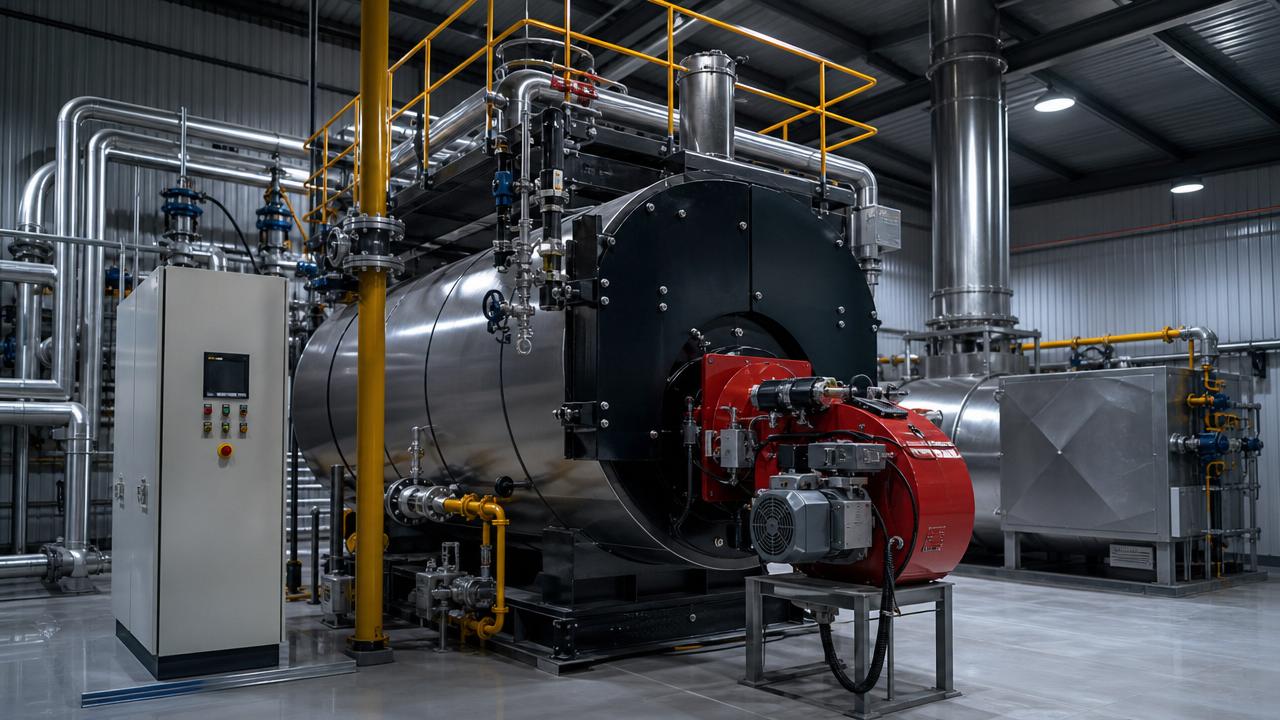
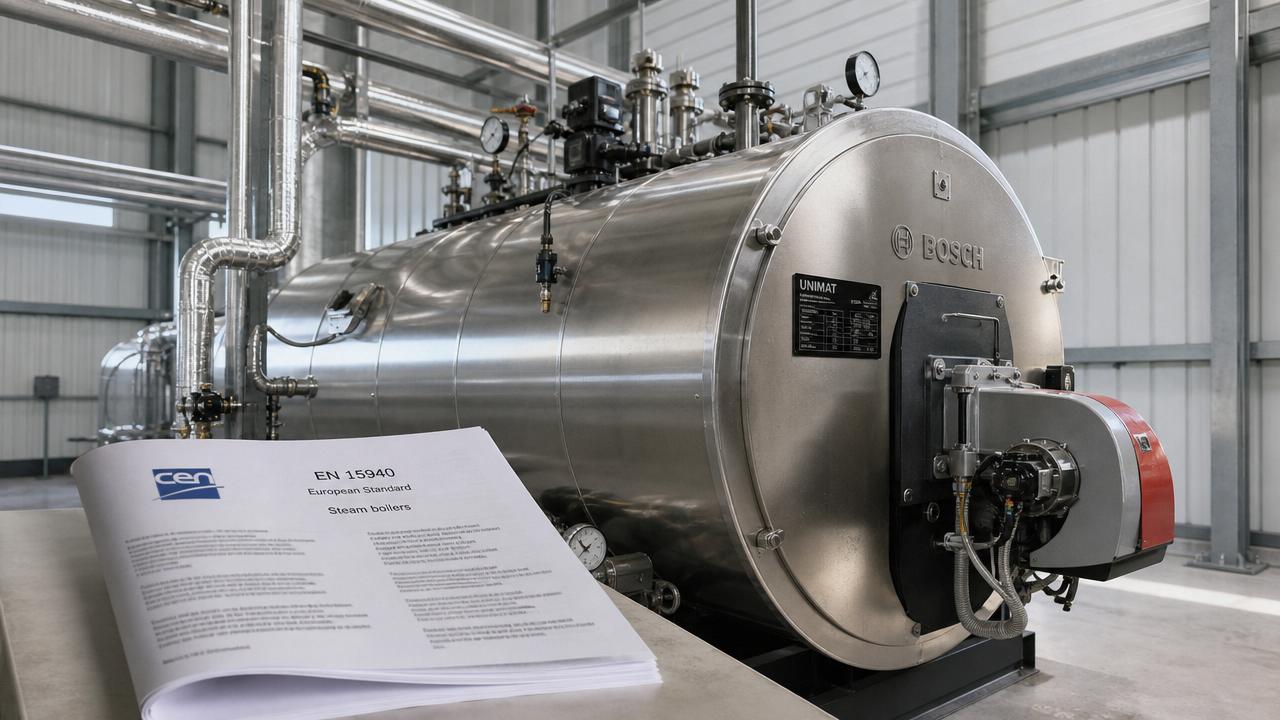
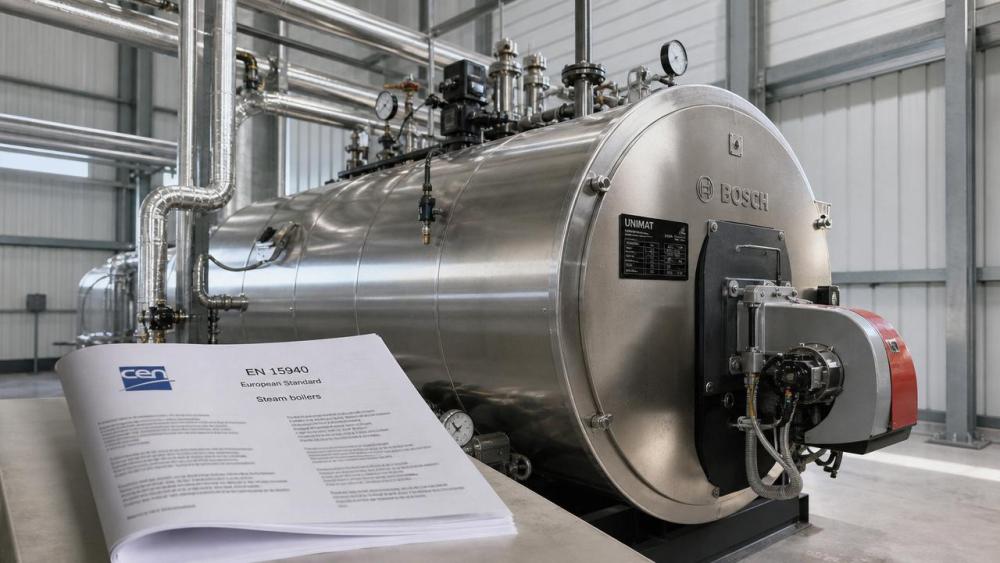
On May 20, the European Parliament’s closed briefing indicated that steam boilers will be added to the Carbon Border Adjustment Mechanism (CBAM) scope in its second phase. Starting in 2027, industrial steam boilers exported to the EU must submit full lifecycle carbon footprint reports aligned with EN 15940. Manufacturers in China and other third countries—and their EU importers—now face new data transparency and compliance requirements, with potential impacts on customs clearance timelines and cost allocation.
Event Overview
According to a European Parliament closed briefing held on May 20, steam boilers have been included in the first batch of equipment categories newly covered under CBAM’s second phase. The regulation mandates that, from 2027 onward, exporters of industrial steam boilers to the EU provide verified carbon footprint reports based on the EN 15940 standard. No further official implementation details—including transitional arrangements, reporting frequency, or verification body accreditation criteria—have been publicly released as of this briefing.
Industries Affected
Steam Boiler Manufacturers (OEMs)
Manufacturers producing industrial steam boilers for export to the EU will be directly responsible for generating and disclosing product-level carbon footprint data. This requires establishing internal life cycle assessment (LCA) modeling capabilities or engaging qualified third-party verifiers. Failure to comply may result in delayed customs clearance or financial liability for unreported emissions.
Export-Oriented Component Suppliers
Suppliers of critical subsystems—such as burners, heat exchangers, and control systems—may face upstream data requests from boiler OEMs. Since EN 15940 requires cradle-to-gate or cradle-to-grave accounting, component-level emission data (e.g., steel, refractory materials, electronics) becomes essential input for the final report. Suppliers lacking LCA-ready documentation may risk being excluded from compliant supply chains.
EU-Based Importers and Distributors
Importers will bear legal responsibility for ensuring CBAM-relevant declarations are accurate and submitted on time. The briefing explicitly notes that carbon data transparency should be integrated into supplier qualification processes. Importers without robust due diligence mechanisms for supplier carbon reporting may encounter regulatory exposure or contractual disputes.
What Stakeholders Should Monitor and Do Now
Track official CBAM Delegated Acts and sectoral guidance
The European Commission is expected to publish formal delegated acts specifying technical rules for thermal equipment, including definitions of system boundaries, allocation methods for multi-output boilers, and acceptable LCA databases. Stakeholders should monitor the Official Journal of the European Union and CBAM Transitional Registry updates—not just press summaries—for binding language.
Prioritize EN 15940-aligned LCA capacity building
Manufacturers should initiate internal capability assessments: Can current BOMs and energy consumption logs support EN 15940-compliant modeling? If not, pilot engagement with accredited LCA consultants (e.g., those recognized under ISO 14040/44) is advisable before 2025, given typical verification lead times.
Distinguish policy signal from enforceable obligation
This briefing reflects a preparatory political consensus—not an adopted legal act. While inclusion in the ‘first expansion list’ signals strong likelihood of adoption, no legislative text has yet entered the co-decision process. Companies should treat this as a high-probability readiness trigger, not an immediate compliance deadline.
Review and revise procurement and contract terms
OEMs and importers should begin updating supplier agreements to include clauses on carbon data provision, confidentiality of LCA inputs, and allocation of verification costs. Early alignment reduces friction during future audit cycles and supports traceability across tiers.
Editorial Perspective / Industry Observation
Observably, this development marks a structural shift—from CBAM as a carbon price mechanism for bulk commodities toward a product-specific environmental compliance regime. Analysis shows the inclusion of steam boilers suggests the EU intends to extend CBAM to capital goods with significant embedded energy use, especially where substitution options exist within the Single Market. From an industry perspective, this is currently best understood as a strong regulatory signal rather than an operational mandate; however, its timing (with 2027 enforcement) implies a three-year window for capability ramp-up—not merely documentation retrofits. Continued attention is warranted because final scope definitions could influence parallel initiatives, such as the Ecodesign for Sustainable Products Regulation (ESPR).
Conclusion
While not yet codified in law, the proposed CBAM extension to steam boilers introduces tangible near-term preparation requirements for manufacturers, suppliers, and importers engaged in EU thermal equipment trade. It reflects a broader trend toward embedding climate accountability into industrial product regulations—not only at the raw material stage but also at the finished equipment level. Currently, this is more appropriately understood as a strategic readiness milestone than an imminent compliance event; proactive data governance and cross-tier collaboration are now more valuable than reactive compliance alone.
Information Source:
European Parliament closed briefing, May 20.
Note: Key implementation details—including exact coverage definitions, verification protocols, and transitional provisions—remain pending formal Commission proposals and are subject to ongoing legislative review.
Related News
- Low-NOx Boilers Cost Breakdown: Upfront Price, Fuel Savings, and PaybackAuthor :Thermal Energy Strategist

- Boiler Combustion Systems: Common Causes of Unstable Fuel PerformanceAuthor :Thermal Energy Strategist

- Hot Water Industrial Boilers: When Efficiency Gains Justify ReplacementAuthor :Thermal Energy Strategist

- What Boiler Efficiency Really Means in Daily Operation and Energy BillsAuthor :Thermal Energy Strategist

- Boiler Efficiency Testing Methods That Expose Heat Loss and Fuel WasteAuthor :Thermal Energy Strategist

- Industrial Burner Systems: Key Factors for Safe Heat OutputAuthor :Thermal Energy Strategist

- Gas-Fired Boiler Combustion Technology: Key Efficiency and Emissions Trade-OffsAuthor :Thermal Energy Strategist

- Unfired Heat Recovery Steam Generators: When Do They Pay Off?Author :Thermal Energy Strategist

- How to Evaluate Steam Generation Systems Electric for Process Heat ProjectsAuthor :Thermal Energy Strategist

- Thermal Power Systems for Industrial Heating: Common Sizing Mistakes to AvoidAuthor :Thermal Energy Strategist

- Low-NOx Condensing Boilers: How to Compare Efficiency and EmissionsAuthor :Thermal Energy Strategist
![]()
- Low Emissions Boilers for Food Processing: Key Compliance and Fuel Cost FactorsAuthor :Thermal Energy Strategist

- Steam System Efficiency Calculation: Key Inputs That Change the ResultAuthor :Thermal Energy Strategist

- How to Evaluate a Steam Boiler Components Exporter Before OrderingAuthor :Thermal Energy Strategist

- Burner Systems Troubleshooting: Common Efficiency Loss CausesAuthor :Thermal Energy Strategist

- EU PED Q2 Rules Require Digital Compliance TagsAuthor :Thermal Energy Strategist

- Thermal Power Systems: Key Efficiency Risks in Daily OperationAuthor :Thermal Energy Strategist

- Low-NOx Combustion Boilers: Key Efficiency and Compliance ChecksAuthor :Thermal Energy Strategist

- Low-NOx Combustion Boilers: Key Specs That Affect Emissions and Fuel UseAuthor :Thermal Energy Strategist

- Low-NOx Combustion Boilers: Key Compliance RisksAuthor :Thermal Energy Strategist

- Thermodynamics Analysis for Boiler Heat-Loss ReductionAuthor :Thermal Energy Strategist

- Industrial Thermal Systems: Common Operating RisksAuthor :Thermal Energy Strategist

- Low-NOx Combustion Boilers: Key Spec Checks Before PurchaseAuthor :Thermal Energy Strategist

- How Industrial Heat Recovery Cuts Boiler Fuel Costs in 2026Author :Thermal Energy Strategist

- Thermodynamics Analysis: 5 Heat Loss Clues in Steam BoilersAuthor :Thermal Energy Strategist

- Low-NOx Combustion Boilers: What Affects Real Emissions PerformanceAuthor :Thermal Energy Strategist

- Thermodynamics Analysis: Finding Heat Loss in Steam BoilersAuthor :Thermal Energy Strategist

- 2026 Steam Boiler Upgrades for Lower NOx and Fuel CostsAuthor :Thermal Energy Strategist

- EU to Expand CBAM to Steam Boilers; Exporters Must Prepare Carbon DataAuthor :Thermal Energy Strategist

- Industrial Heat Recovery: When Payback Beats New Boiler CapacityAuthor :Thermal Energy Strategist

- Carbon Neutrality Targets and the New Boiler Retrofit PaybackAuthor :Thermal Energy Strategist

- Low-NOx Combustion Boilers: Fuel Savings vs Emission LimitsAuthor :Thermal Energy Strategist

- Industrial Energy Efficiency Benchmarks for Steam Boiler Upgrades in 2026Author :Thermal Energy Strategist

- Low-NOx Combustion Boilers: Efficiency vs Emissions in 2026Author :Thermal Energy Strategist

- Industrial Heat Recovery Options for Steam Boiler SavingsAuthor :Thermal Energy Strategist

- Low-NOx Combustion Boilers and 2026 Compliance PressureAuthor :Thermal Energy Strategist