



Thermodynamics Analysis: 5 Heat Loss Clues in Steam Boilers




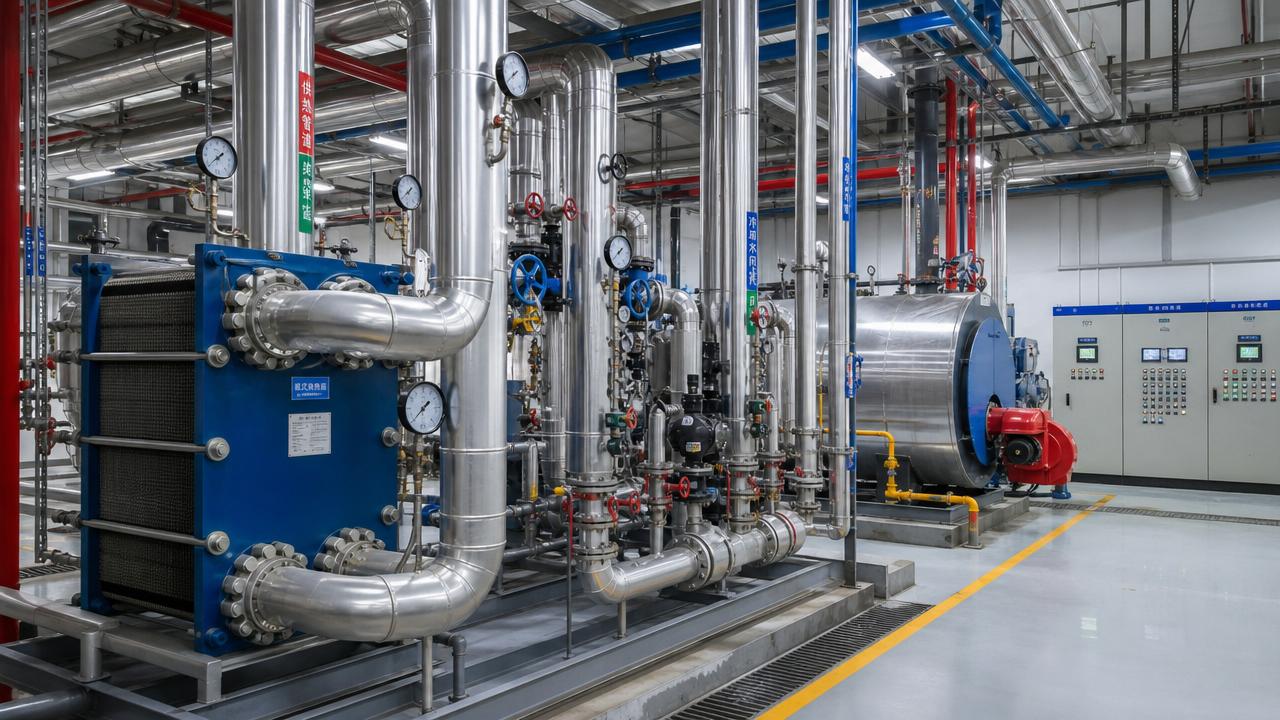
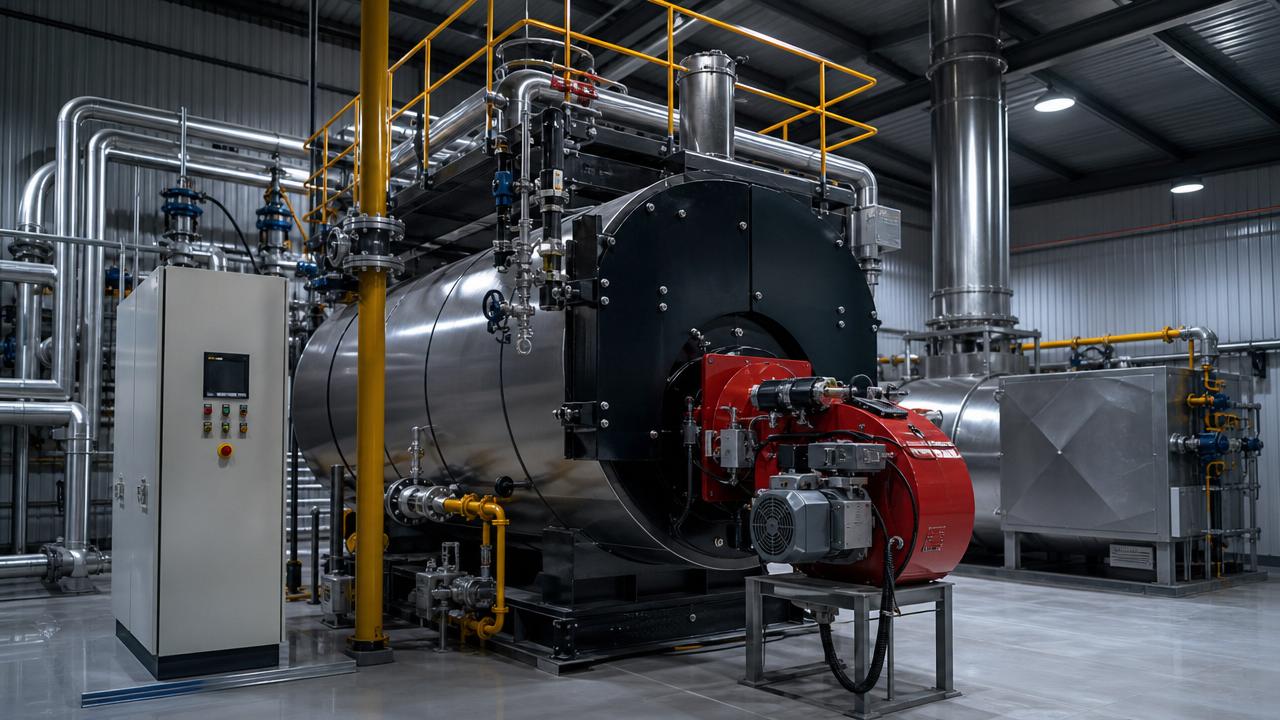
In steam boiler operations, thermodynamics analysis is often the fastest way to uncover hidden heat loss before it escalates into efficiency decline, fuel waste, and unstable output. This article highlights five practical clues that technical evaluators can use to identify performance gaps, assess thermal balance, and support smarter decisions on boiler optimization, maintenance, and energy cost control.
For industrial utilities, building services, food processing, and process heating lines, the same boiler symptom can signal different causes. That is why thermodynamics analysis should be linked to operating context, not isolated readings.
GTC-Matrix tracks this issue across energy-intensive systems. Its intelligence approach connects heat exchange behavior, combustion efficiency, and load variation, helping identify where thermal losses begin and why they persist.
When rising fuel use appears before output loss
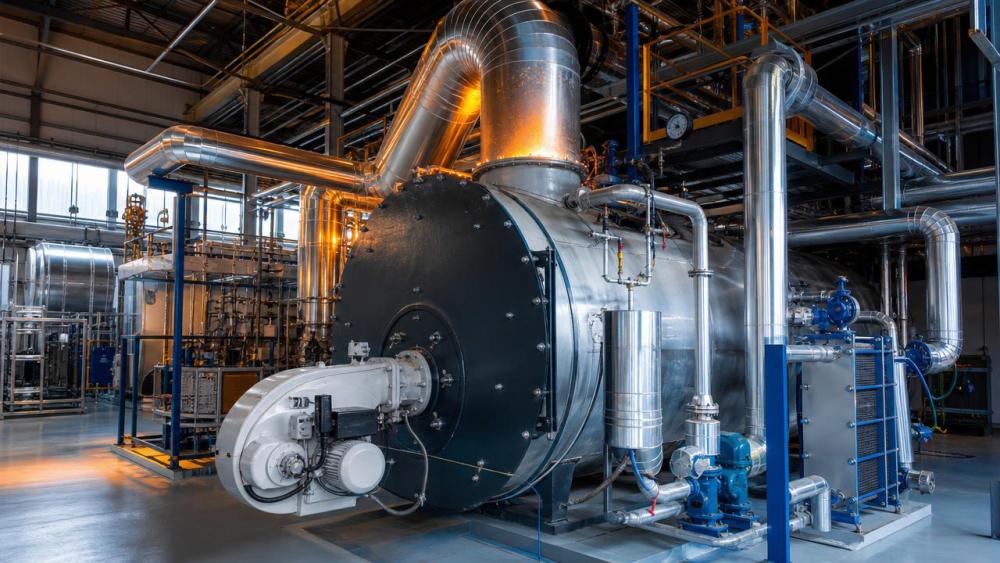
A common scenario starts with higher fuel consumption while steam demand seems unchanged. Thermodynamics analysis treats this as an early warning, not a billing problem.
If feedwater temperature, stack temperature, and blowdown remain unbalanced, the boiler may be losing usable heat long before pressure stability visibly drops.
Clue 1: Stack temperature rises faster than load
When exhaust temperature climbs without proportional steam output growth, recovered combustion energy is escaping through the flue. This is one of the clearest thermodynamics analysis signals.
Possible causes include soot deposits, poor heat transfer surfaces, excess air, and failing economizer performance. Each reduces heat capture within the boiler envelope.
Useful checks include:
- Compare stack temperature against seasonal baselines.
- Track oxygen concentration with burner position.
- Inspect fouling trends on fire-side and water-side surfaces.
- Review economizer approach temperature.
When steam quality becomes inconsistent across process scenarios
Not every heat loss appears as obvious energy waste. In batch heating, sterilization, humidification, and heat tracing, unstable steam quality may reveal hidden thermal imbalance.
Thermodynamics analysis helps separate distribution losses from boiler-side inefficiency. That distinction matters because corrective action changes by scenario.
Clue 2: Steam dryness drops during load swings
Wet steam carries less usable latent heat. It also creates unstable process temperatures, water hammer risk, and poor control response in downstream equipment.
In thermodynamics analysis, falling dryness during rapid demand changes often points to poor drum level control, oversizing, carryover, or inadequate separation performance.
This clue is especially relevant in sectors where process consistency matters more than gross pressure readings. A boiler may look stable, yet still waste thermal potential.
Clue 3: Feedwater enthalpy stays low despite recovery equipment
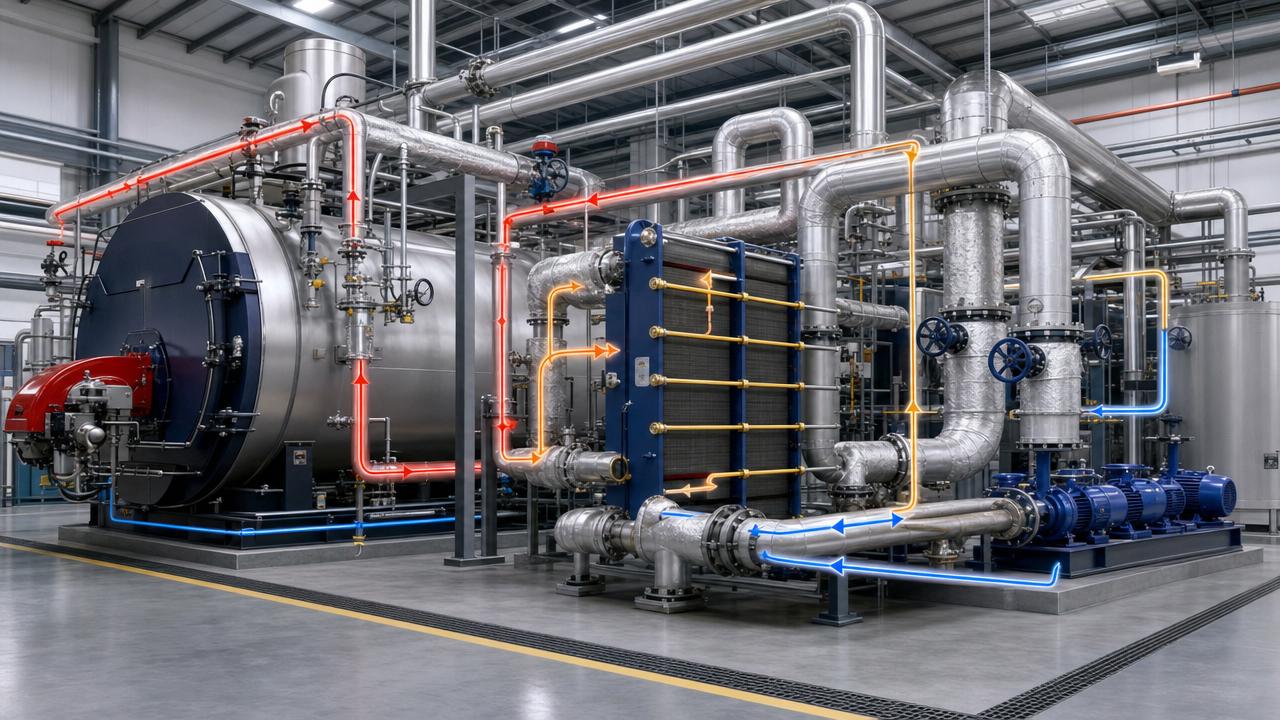
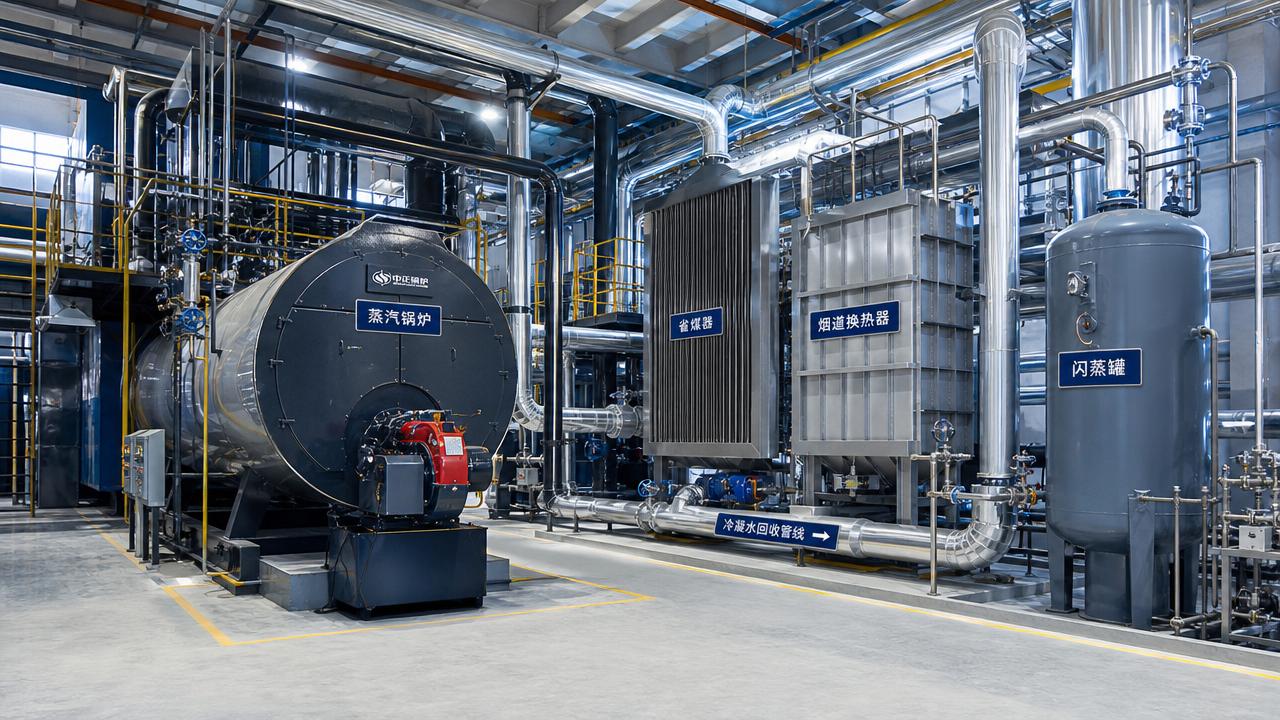
Many systems install deaerators, condensate return loops, or economizers, but expected savings never fully appear. Thermodynamics analysis tests whether heat recovery is truly working.
If returned condensate is cooler than expected, flashed steam is lost, or make-up water volume rises, the boiler must supply more sensible heat before evaporation begins.
This scenario often appears in mixed-use plants, older facilities, and lines with changing schedules. Thermal recovery equipment may exist, but operation does not match design intent.
How operating environments change the meaning of heat loss clues
The same metric does not carry the same weight everywhere. Thermodynamics analysis becomes stronger when interpreted through operating environment, duty cycle, and steam use pattern.
Scenario A: Continuous process lines
In continuous production, small efficiency drifts create large annual energy losses. Stack heat, blowdown frequency, and condensate return consistency deserve close tracking.
Here, thermodynamics analysis should focus on steady-state deviation from baseline. Minor shifts often reveal fouling, tuning drift, or heat exchanger underperformance.
Scenario B: Intermittent or batch operations
Batch processes create frequent starts, pauses, and short peaks. Heat loss may come less from full-load combustion and more from standby radiation, purge cycles, and overshoot.
In this case, thermodynamics analysis should examine cycle timing, warm-up losses, and how quickly steam conditions recover after disturbances.
Scenario C: Utility boilers serving multiple buildings or lines
Shared systems introduce distribution uncertainty. The boiler may be efficient, while steam traps, insulation gaps, or long piping runs consume the thermal value offsite.
Thermodynamics analysis must therefore include boundary definition. Heat loss inside the boiler house and heat loss across the network require different remedies and budgets.
Where the fifth clue often hides: blowdown, shell loss, and unnoticed surface heat
Some losses stay ignored because they look normal in daily operation. Yet thermodynamics analysis often exposes them as persistent efficiency drains.
Clue 4: Blowdown rate rises without water quality justification
Excessive blowdown removes hot water and dissolved solids together. The thermal penalty can be significant, especially when make-up water enters cold.
If conductivity control is loose or water treatment is mismatched, operators may compensate with unnecessary blowdown. Thermodynamics analysis connects chemistry practice with heat efficiency.
Clue 5: Boiler room temperature rises while useful heat does not
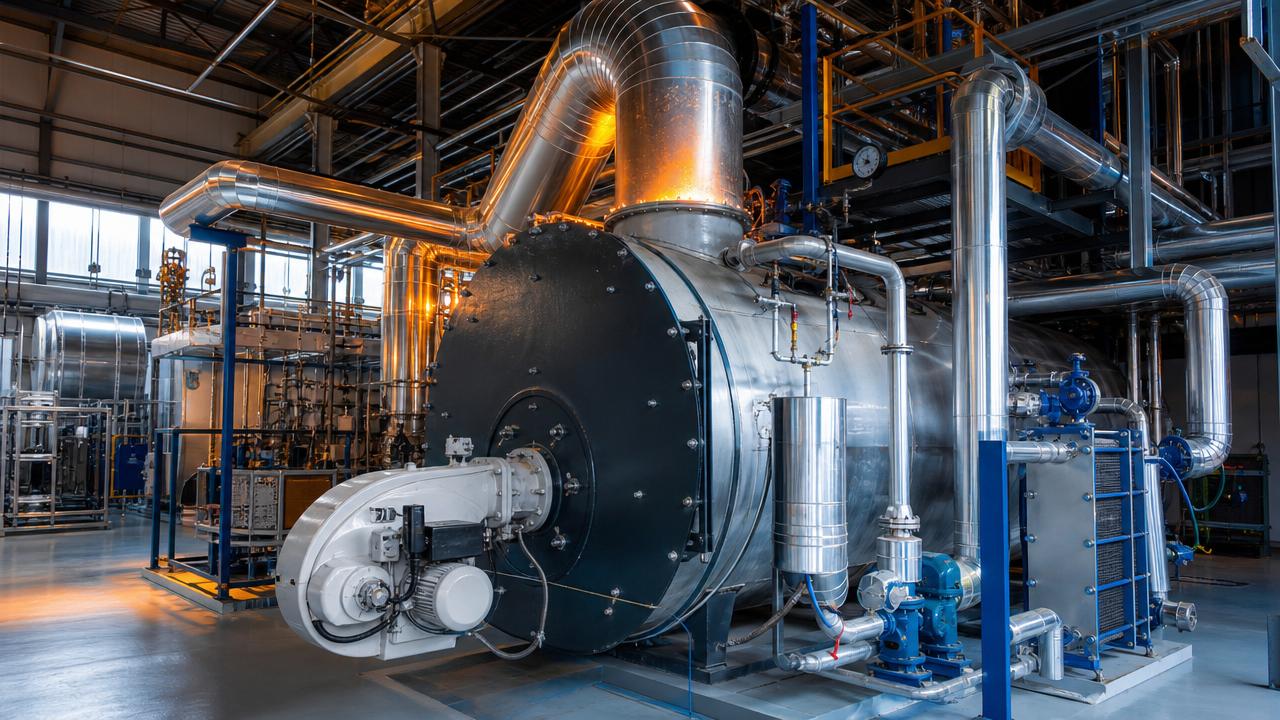
Radiation and convection losses from casing, valves, doors, and nearby piping are easy to overlook. They are also easy to confirm with surface temperature mapping.
When the boiler room grows hotter but process results do not improve, thermodynamics analysis suggests insulation failure, leakage, or unnecessary standby exposure.
Different scenarios, different priorities in thermodynamics analysis
Practical adaptation steps for better boiler evaluation
To make thermodynamics analysis useful, evaluation should move from data collection to scenario-matched action. The following steps support that transition.
- Build a baseline using load, fuel input, stack temperature, and feedwater temperature.
- Separate boiler losses from distribution losses before planning upgrades.
- Compare measured enthalpy flows with design assumptions, not nameplate expectations alone.
- Review blowdown and condensate patterns during different production schedules.
- Use thermal imaging and trend logs together for faster fault localization.
Frequent misjudgments that weaken heat loss decisions
One common mistake is treating boiler pressure as the main efficiency indicator. Pressure can remain acceptable while thermodynamics analysis reveals major heat loss elsewhere.
Another error is assuming installed recovery hardware is functioning correctly. Without measured enthalpy gain, heat recovery remains an assumption, not a verified result.
A third oversight is ignoring part-load behavior. Many boilers spend more time in partial operation than at design capacity, where losses often become less visible but more frequent.
Turning thermodynamics analysis into the next operational move
The five clues above offer a practical path: rising stack temperature, unstable steam dryness, low feedwater enthalpy, unjustified blowdown, and excessive surface heat.
Used together, thermodynamics analysis helps convert scattered symptoms into ranked actions. That supports maintenance planning, retrofit timing, and better energy cost control.
For organizations following industrial thermal intelligence, GTC-Matrix provides a broader view of how boiler efficiency connects with heat exchange, compression, and energy transition decisions.
The next step is simple: define the operating scenario, validate the heat balance, and investigate the clue with the highest recurring cost impact first.
Related News
- Low-NOx Boilers Cost Breakdown: Upfront Price, Fuel Savings, and PaybackAuthor :Thermal Energy Strategist

- Boiler Combustion Systems: Common Causes of Unstable Fuel PerformanceAuthor :Thermal Energy Strategist

- Hot Water Industrial Boilers: When Efficiency Gains Justify ReplacementAuthor :Thermal Energy Strategist

- What Boiler Efficiency Really Means in Daily Operation and Energy BillsAuthor :Thermal Energy Strategist

- Boiler Efficiency Testing Methods That Expose Heat Loss and Fuel WasteAuthor :Thermal Energy Strategist

- Industrial Burner Systems: Key Factors for Safe Heat OutputAuthor :Thermal Energy Strategist

- Gas-Fired Boiler Combustion Technology: Key Efficiency and Emissions Trade-OffsAuthor :Thermal Energy Strategist

- Unfired Heat Recovery Steam Generators: When Do They Pay Off?Author :Thermal Energy Strategist

- How to Evaluate Steam Generation Systems Electric for Process Heat ProjectsAuthor :Thermal Energy Strategist

- Thermal Power Systems for Industrial Heating: Common Sizing Mistakes to AvoidAuthor :Thermal Energy Strategist

- Low-NOx Condensing Boilers: How to Compare Efficiency and EmissionsAuthor :Thermal Energy Strategist
![]()
- Low Emissions Boilers for Food Processing: Key Compliance and Fuel Cost FactorsAuthor :Thermal Energy Strategist

- Steam System Efficiency Calculation: Key Inputs That Change the ResultAuthor :Thermal Energy Strategist

- How to Evaluate a Steam Boiler Components Exporter Before OrderingAuthor :Thermal Energy Strategist

- Burner Systems Troubleshooting: Common Efficiency Loss CausesAuthor :Thermal Energy Strategist

- EU PED Q2 Rules Require Digital Compliance TagsAuthor :Thermal Energy Strategist

- Thermal Power Systems: Key Efficiency Risks in Daily OperationAuthor :Thermal Energy Strategist

- Low-NOx Combustion Boilers: Key Efficiency and Compliance ChecksAuthor :Thermal Energy Strategist

- Low-NOx Combustion Boilers: Key Specs That Affect Emissions and Fuel UseAuthor :Thermal Energy Strategist

- Low-NOx Combustion Boilers: Key Compliance RisksAuthor :Thermal Energy Strategist

- Thermodynamics Analysis for Boiler Heat-Loss ReductionAuthor :Thermal Energy Strategist

- Industrial Thermal Systems: Common Operating RisksAuthor :Thermal Energy Strategist

- Low-NOx Combustion Boilers: Key Spec Checks Before PurchaseAuthor :Thermal Energy Strategist

- How Industrial Heat Recovery Cuts Boiler Fuel Costs in 2026Author :Thermal Energy Strategist

- Thermodynamics Analysis: 5 Heat Loss Clues in Steam BoilersAuthor :Thermal Energy Strategist

- Low-NOx Combustion Boilers: What Affects Real Emissions PerformanceAuthor :Thermal Energy Strategist

- Thermodynamics Analysis: Finding Heat Loss in Steam BoilersAuthor :Thermal Energy Strategist

- 2026 Steam Boiler Upgrades for Lower NOx and Fuel CostsAuthor :Thermal Energy Strategist

- EU to Expand CBAM to Steam Boilers; Exporters Must Prepare Carbon DataAuthor :Thermal Energy Strategist

- Industrial Heat Recovery: When Payback Beats New Boiler CapacityAuthor :Thermal Energy Strategist

- Carbon Neutrality Targets and the New Boiler Retrofit PaybackAuthor :Thermal Energy Strategist

- Low-NOx Combustion Boilers: Fuel Savings vs Emission LimitsAuthor :Thermal Energy Strategist

- Industrial Energy Efficiency Benchmarks for Steam Boiler Upgrades in 2026Author :Thermal Energy Strategist

- Low-NOx Combustion Boilers: Efficiency vs Emissions in 2026Author :Thermal Energy Strategist

- Industrial Heat Recovery Options for Steam Boiler SavingsAuthor :Thermal Energy Strategist

- Low-NOx Combustion Boilers and 2026 Compliance PressureAuthor :Thermal Energy Strategist