



Burner Systems Troubleshooting: Common Efficiency Loss Causes




Burner Systems Troubleshooting: Common Efficiency Loss Causes
When burner systems begin losing efficiency, the warning signs often show up well before shutdowns or safety trips.
A slight fuel increase, uneven flame shape, or longer warm-up time can point to bigger issues ahead.
For maintenance work, early diagnosis matters because small combustion problems often turn into expensive energy loss.
This guide breaks down the most common burner systems efficiency problems and shows practical ways to fix them.
The focus stays on field symptoms, likely causes, inspection priorities, and actions that restore stable burner performance.
Why burner systems lose efficiency over time
Most burner systems do not fail all at once. Efficiency usually drifts because several small variables move out of control.
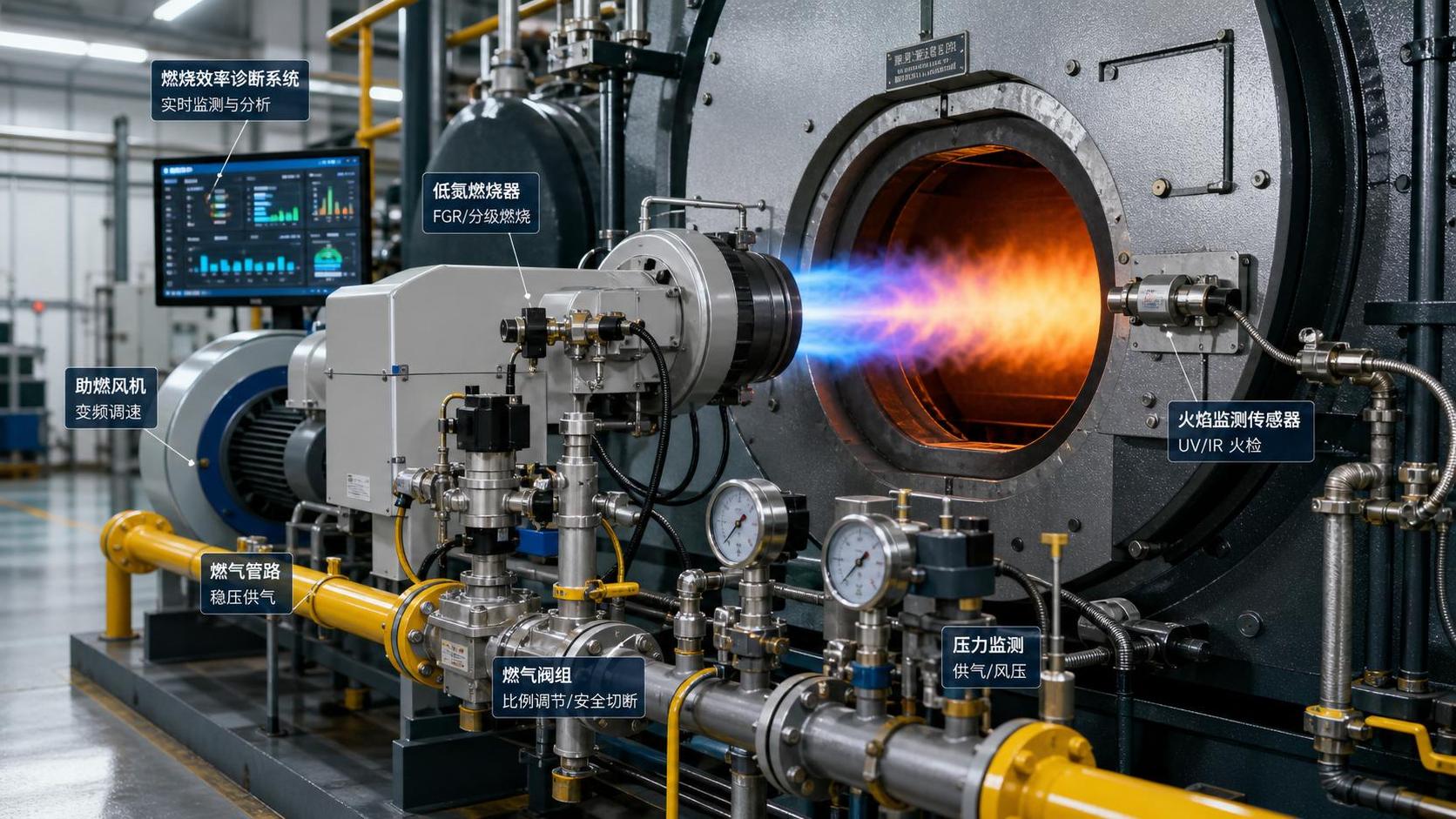
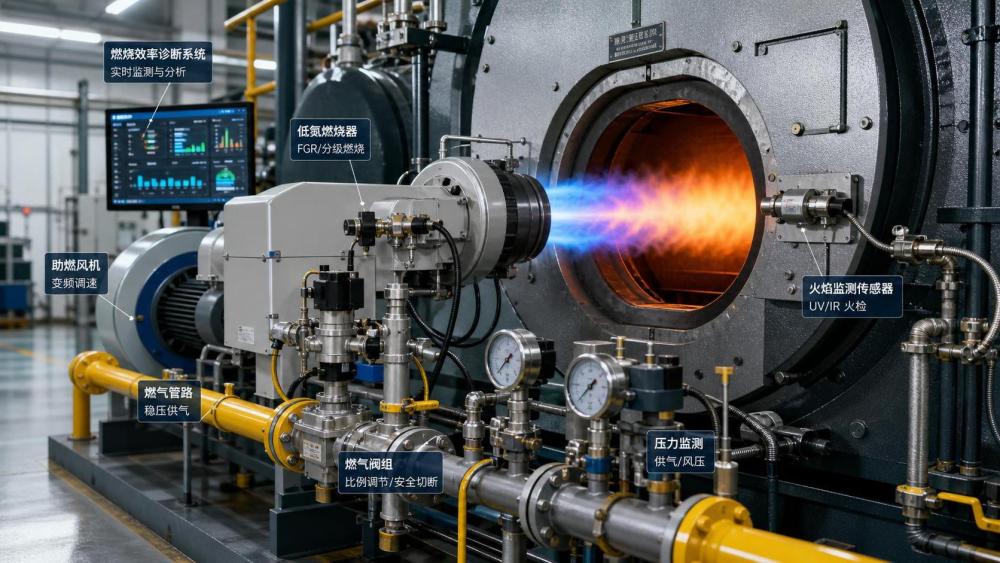
Combustion depends on fuel quality, airflow, ignition stability, flame supervision, heat transfer, and control response.
When one factor shifts, the burner may still run, but it runs harder, hotter, or longer than necessary.
That is where operating cost rises first. Mechanical stress and reliability issues usually follow.
In actual service environments, dust, vibration, inconsistent gas pressure, and delayed maintenance are frequent contributors.
Early warning signs worth checking
- Higher fuel consumption without a production change
- Repeated ignition retries or delayed flame establishment
- Visible flame instability, pulsing, or unusual flame color
- Rising exhaust temperature with weak process heating
- Soot, deposits, or odor around the combustion area
- Frequent nuisance trips from safeguard controls
These clues do not always mean major failure, but they do indicate burner systems need closer inspection.
Air-fuel imbalance is the most common burner systems issue
Across many sites, the biggest efficiency loss in burner systems starts with an incorrect air-fuel ratio.
Too much excess air cools the flame and sends useful heat out through the stack.
Too little air creates incomplete combustion, carbon deposits, unstable flames, and avoidable emissions risk.
Typical reasons the ratio shifts
- Damper linkages loosen or drift out of calibration
- Combustion air filters become restricted
- Fan performance drops because of dust buildup or wear
- Fuel regulators no longer hold pressure steadily
- Valve positioning feedback becomes inaccurate
What to do in the field
- Verify inlet gas pressure and pressure stability under load.
- Inspect air dampers, actuators, and linkage travel across firing range.
- Measure O2, CO, and stack temperature with a calibrated analyzer.
- Re-tune low fire, mid fire, and high fire points methodically.
A proper combustion tune-up often delivers the fastest energy recovery in burner systems troubleshooting.
Fouled components quietly reduce burner systems performance
Another common cause is contamination. Dirty burner systems lose efficiency even when controls still look normal.
Nozzles, diffusers, scanner lenses, electrodes, registers, and heat transfer surfaces all affect combustion quality.
Even light fouling can distort flame shape or reduce the heat reaching the process side.
High-impact inspection points
- Blocked fuel tips causing poor atomization or uneven gas distribution
- Carbon on ignition rods increasing misfire risk
- Dust on flame scanners weakening signal quality
- Scale or soot on exchanger surfaces reducing heat transfer
- Corrosion around air passages changing designed airflow patterns
From recent maintenance patterns, neglected cleaning remains one of the easiest losses to prevent.
The more important signal is when deposits return quickly. That usually points to a deeper combustion imbalance.
Ignition instability can make efficient burner systems impossible
Reliable ignition is not only a startup issue. It directly affects how burner systems transition into stable combustion.
Weak sparks, poor pilot alignment, or delayed flame carryover can create repeated retries and wasted fuel.
This also increases wear on igniters, valves, relays, and safeguard components.
Common causes of unstable ignition
- Improper electrode gap or damaged ceramic insulation
- Pilot gas pressure outside specification
- Misaligned pilot assembly relative to main burner throat
- Weak transformer output or grounding problems
- Airflow at light-off set too high for clean flame pickup
In practice, many burner systems are tuned for running load but not carefully verified during ignition sequence.
That gap creates recurring startup inefficiency and intermittent service calls.
Heat transfer loss often gets missed during burner systems troubleshooting
Sometimes the burner itself is firing correctly, but the system still performs poorly because heat is not moving efficiently.
This matters in furnaces, boilers, ovens, dryers, and thermal process equipment with exchanger surfaces.
If the heat path is blocked or insulated by deposits, burner systems consume more fuel to reach the same output.
Check these loss points
This also means combustion readings alone cannot confirm healthy burner systems efficiency.
Controls and sensors can mislead burner systems diagnosis
Modern burner systems depend heavily on sensors, actuators, and interlocks. Small signal errors can create large efficiency losses.
A drifting temperature sensor may cause unnecessary firing. A bad pressure switch may trigger unstable operating cycles.
When troubleshooting, it is risky to assume the displayed value is the real value.
Smart verification steps
- Compare controller readings with independent calibrated instruments.
- Check actuator response time and full travel repeatability.
- Review alarm history for cycling, flame loss, or load swing patterns.
- Inspect wiring terminals for heat damage, looseness, or moisture exposure.
This step is especially useful where burner systems support continuous process loads with narrow temperature limits.
A practical burner systems troubleshooting sequence
A structured sequence saves time and avoids replacing parts without evidence.
For most burner systems, a simple order works better than chasing symptoms randomly.
- Confirm the complaint with actual operating data and recent fuel trend changes.
- Check safety status, lockout history, and startup sequence behavior.
- Inspect burner cleanliness, ignition components, and flame sensing hardware.
- Measure fuel pressure, airflow condition, and combustion analyzer readings.
- Review heat transfer surfaces, exhaust condition, and insulation losses.
- Verify controls, calibration, and actuator repeatability before retuning.
- Document final settings and baseline values for future burner systems service.
That final record matters because future drift becomes easier to spot and correct.
How to prevent recurring burner systems efficiency loss
The best burner systems troubleshooting result is the one that does not come back next month.
That usually requires better routines, not only one successful repair.
- Schedule combustion checks at stable load intervals, not only after alarms.
- Track O2, CO, stack temperature, and fuel use as trend data.
- Clean scanner lenses, electrodes, and burner heads before fouling becomes visible.
- Recheck linkage and actuator calibration after shutdown maintenance.
- Inspect insulation, refractory, and exchanger surfaces during planned outages.
For facilities monitoring broader thermal performance, GTC-Matrix continues tracking efficiency trends across combustion, heat exchange, and industrial energy systems.
The practical takeaway is simple: treat burner systems as a linked thermal system, not only a flame source.
When airflow, fuel delivery, ignition, sensing, and heat transfer are checked together, efficiency recovery becomes faster, safer, and more durable.
Related News
- Low-NOx Boilers Cost Breakdown: Upfront Price, Fuel Savings, and PaybackAuthor :Thermal Energy Strategist

- Boiler Combustion Systems: Common Causes of Unstable Fuel PerformanceAuthor :Thermal Energy Strategist

- Hot Water Industrial Boilers: When Efficiency Gains Justify ReplacementAuthor :Thermal Energy Strategist

- What Boiler Efficiency Really Means in Daily Operation and Energy BillsAuthor :Thermal Energy Strategist

- Boiler Efficiency Testing Methods That Expose Heat Loss and Fuel WasteAuthor :Thermal Energy Strategist

- Industrial Burner Systems: Key Factors for Safe Heat OutputAuthor :Thermal Energy Strategist

- Gas-Fired Boiler Combustion Technology: Key Efficiency and Emissions Trade-OffsAuthor :Thermal Energy Strategist

- Unfired Heat Recovery Steam Generators: When Do They Pay Off?Author :Thermal Energy Strategist

- How to Evaluate Steam Generation Systems Electric for Process Heat ProjectsAuthor :Thermal Energy Strategist

- Thermal Power Systems for Industrial Heating: Common Sizing Mistakes to AvoidAuthor :Thermal Energy Strategist

- Low-NOx Condensing Boilers: How to Compare Efficiency and EmissionsAuthor :Thermal Energy Strategist
![]()
- Low Emissions Boilers for Food Processing: Key Compliance and Fuel Cost FactorsAuthor :Thermal Energy Strategist

- Steam System Efficiency Calculation: Key Inputs That Change the ResultAuthor :Thermal Energy Strategist

- How to Evaluate a Steam Boiler Components Exporter Before OrderingAuthor :Thermal Energy Strategist

- Burner Systems Troubleshooting: Common Efficiency Loss CausesAuthor :Thermal Energy Strategist

- EU PED Q2 Rules Require Digital Compliance TagsAuthor :Thermal Energy Strategist

- Thermal Power Systems: Key Efficiency Risks in Daily OperationAuthor :Thermal Energy Strategist

- Low-NOx Combustion Boilers: Key Efficiency and Compliance ChecksAuthor :Thermal Energy Strategist

- Low-NOx Combustion Boilers: Key Specs That Affect Emissions and Fuel UseAuthor :Thermal Energy Strategist

- Low-NOx Combustion Boilers: Key Compliance RisksAuthor :Thermal Energy Strategist

- Thermodynamics Analysis for Boiler Heat-Loss ReductionAuthor :Thermal Energy Strategist

- Industrial Thermal Systems: Common Operating RisksAuthor :Thermal Energy Strategist

- Low-NOx Combustion Boilers: Key Spec Checks Before PurchaseAuthor :Thermal Energy Strategist

- How Industrial Heat Recovery Cuts Boiler Fuel Costs in 2026Author :Thermal Energy Strategist

- Thermodynamics Analysis: 5 Heat Loss Clues in Steam BoilersAuthor :Thermal Energy Strategist

- Low-NOx Combustion Boilers: What Affects Real Emissions PerformanceAuthor :Thermal Energy Strategist

- Thermodynamics Analysis: Finding Heat Loss in Steam BoilersAuthor :Thermal Energy Strategist

- 2026 Steam Boiler Upgrades for Lower NOx and Fuel CostsAuthor :Thermal Energy Strategist

- EU to Expand CBAM to Steam Boilers; Exporters Must Prepare Carbon DataAuthor :Thermal Energy Strategist

- Industrial Heat Recovery: When Payback Beats New Boiler CapacityAuthor :Thermal Energy Strategist

- Carbon Neutrality Targets and the New Boiler Retrofit PaybackAuthor :Thermal Energy Strategist

- Low-NOx Combustion Boilers: Fuel Savings vs Emission LimitsAuthor :Thermal Energy Strategist

- Industrial Energy Efficiency Benchmarks for Steam Boiler Upgrades in 2026Author :Thermal Energy Strategist

- Low-NOx Combustion Boilers: Efficiency vs Emissions in 2026Author :Thermal Energy Strategist

- Industrial Heat Recovery Options for Steam Boiler SavingsAuthor :Thermal Energy Strategist

- Low-NOx Combustion Boilers and 2026 Compliance PressureAuthor :Thermal Energy Strategist