



How Industrial Heat Recovery Cuts Boiler Fuel Costs in 2026




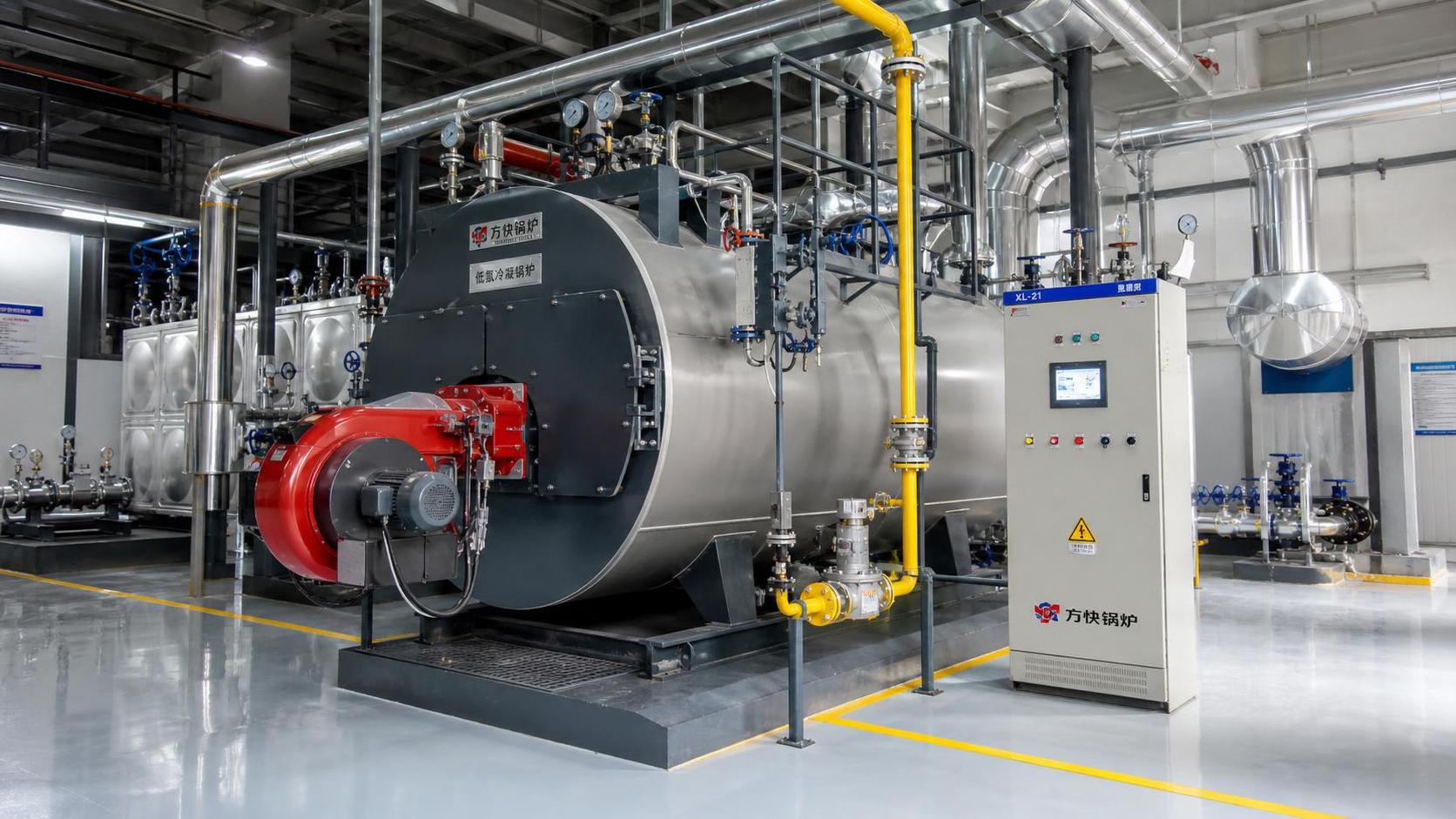
In 2026, industrial heat recovery is no longer just an engineering upgrade—it is a financial strategy. For organizations facing volatile energy prices, tighter carbon targets, and rising boiler operating costs, recovering wasted thermal energy creates direct fuel savings and stronger asset efficiency. Across processing, food, chemicals, pharmaceuticals, logistics, and mixed industrial sites, industrial heat recovery is becoming a practical way to stabilize energy budgets while improving system resilience.
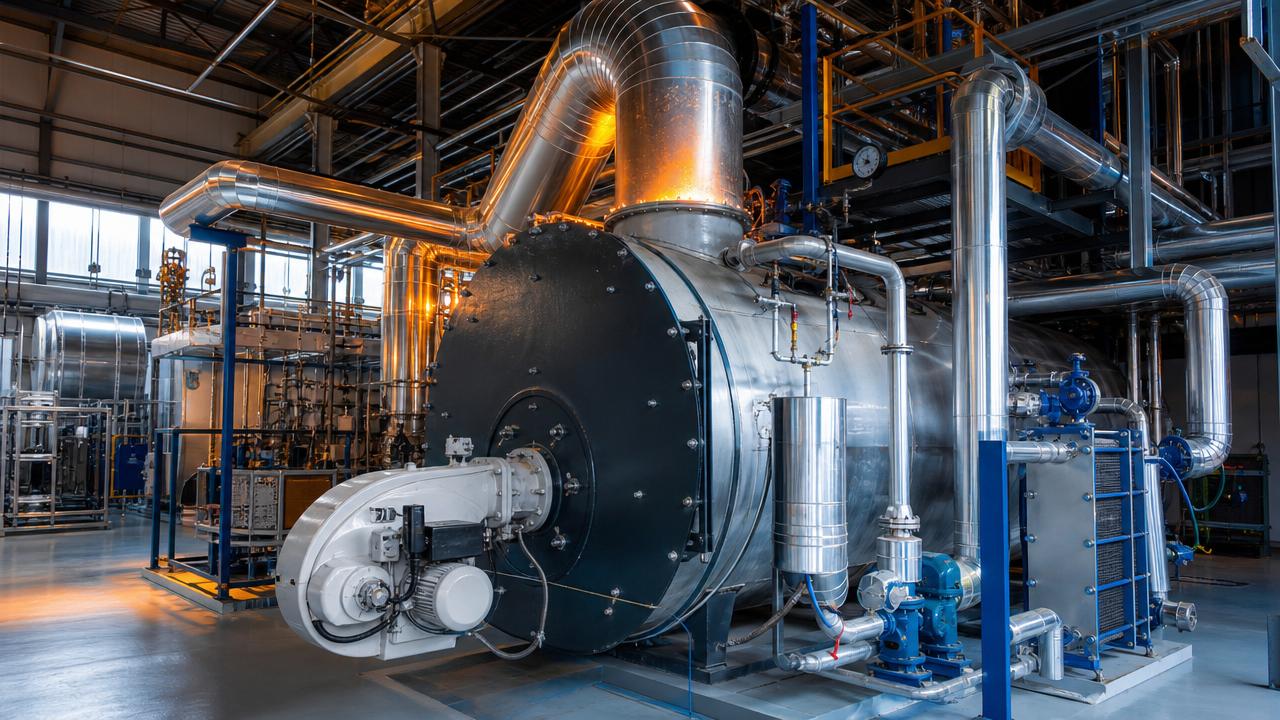
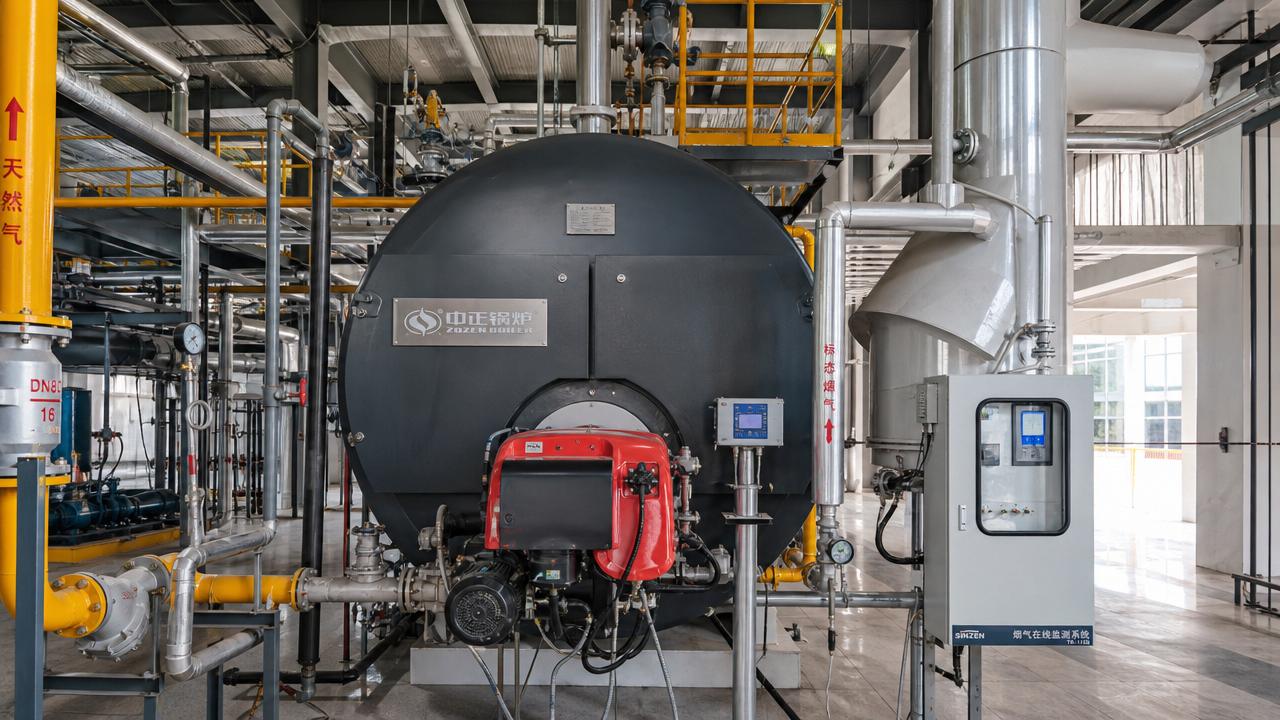
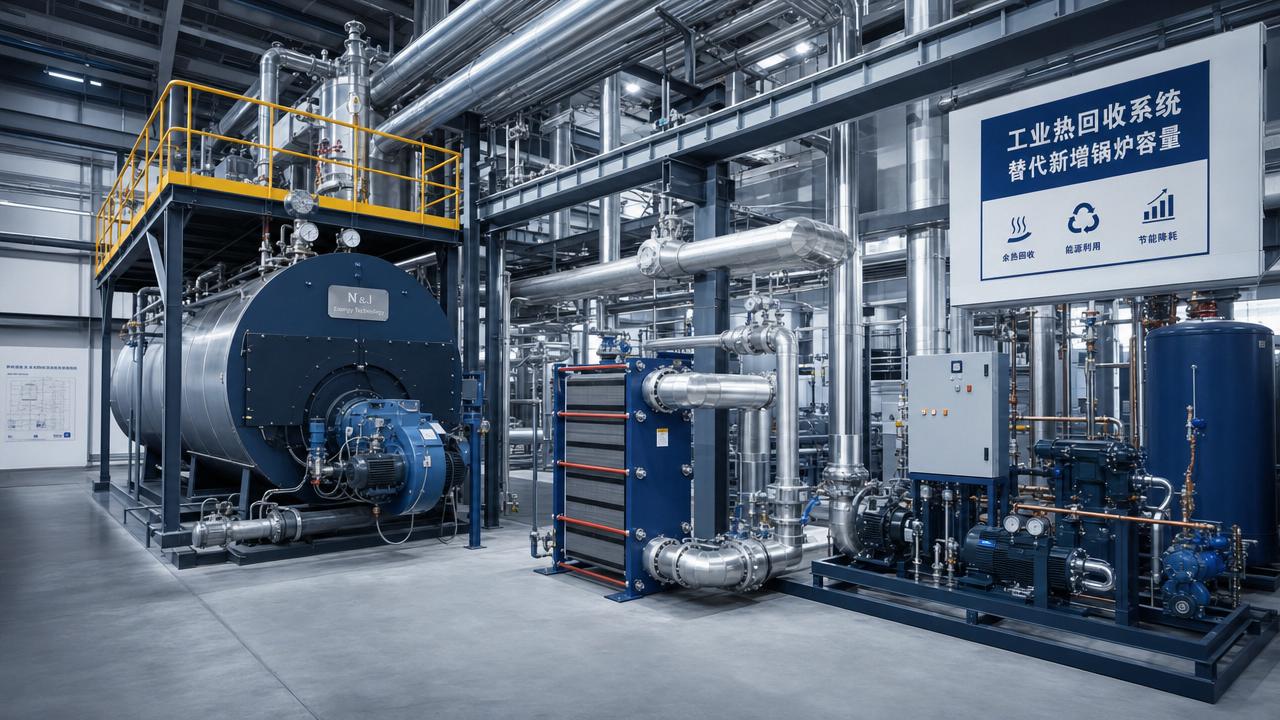
The logic is simple. Many facilities reject usable heat through exhaust stacks, compressors, condensers, dryers, cooling loops, and wastewater streams. When that heat is captured and redirected, boilers need less fuel to deliver the same thermal output. In capital planning terms, industrial heat recovery converts a hidden loss into a recurring operating benefit. That shift matters more in 2026 because every avoided unit of fuel also reduces emissions exposure and compliance pressure.
Why industrial heat recovery is moving from efficiency project to cost-control priority
Energy markets remain unpredictable, and thermal loads are still essential in most industrial operations. Steam, hot water, process heating, cleaning, sterilization, drying, and preheating all rely on dependable boiler performance. When fuel prices rise, boiler costs escalate quickly. Industrial heat recovery addresses that exposure by lowering the heat input boilers must provide.
The broader trend also reflects better data visibility. Facilities now measure stack temperatures, compressed air discharge heat, condensate returns, and process cooling losses more accurately. That visibility reveals how much energy was previously ignored. As a result, industrial heat recovery is increasingly evaluated alongside burner upgrades, controls optimization, and electrification pathways.
For intelligence-led platforms such as GTC-Matrix, this trend connects thermal systems and power systems in one economic picture. Boiler efficiency no longer stands alone. It depends on how effectively a site captures, transfers, stores, and reuses available heat across the whole process chain.
The strongest signals shaping industrial heat recovery decisions in 2026
Several market and technical signals explain why industrial heat recovery is gaining momentum now rather than later.
- Fuel volatility is increasing the value of every avoided boiler firing cycle.
- Carbon reporting frameworks now spotlight thermal losses more clearly.
- Heat exchanger design has improved, especially for compact retrofits.
- Compressed air, refrigeration, and process cooling systems offer reliable heat sources.
- Digital monitoring helps verify savings and shorten internal approval cycles.
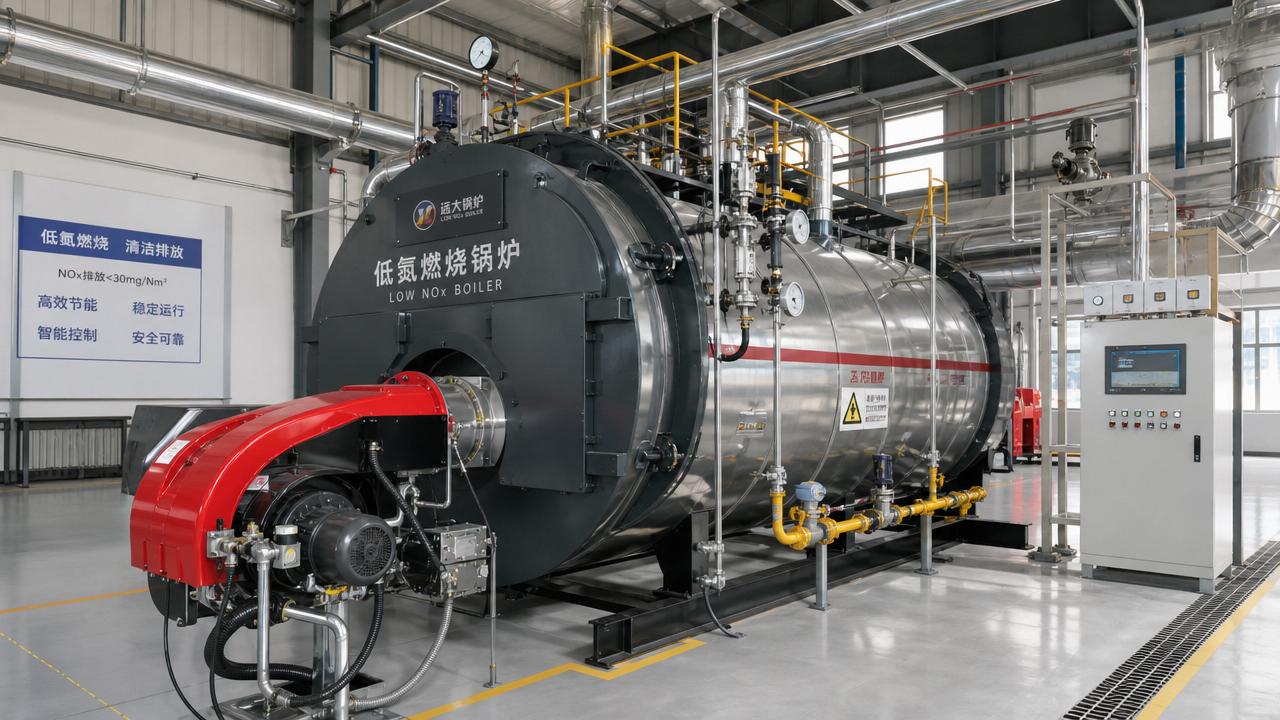
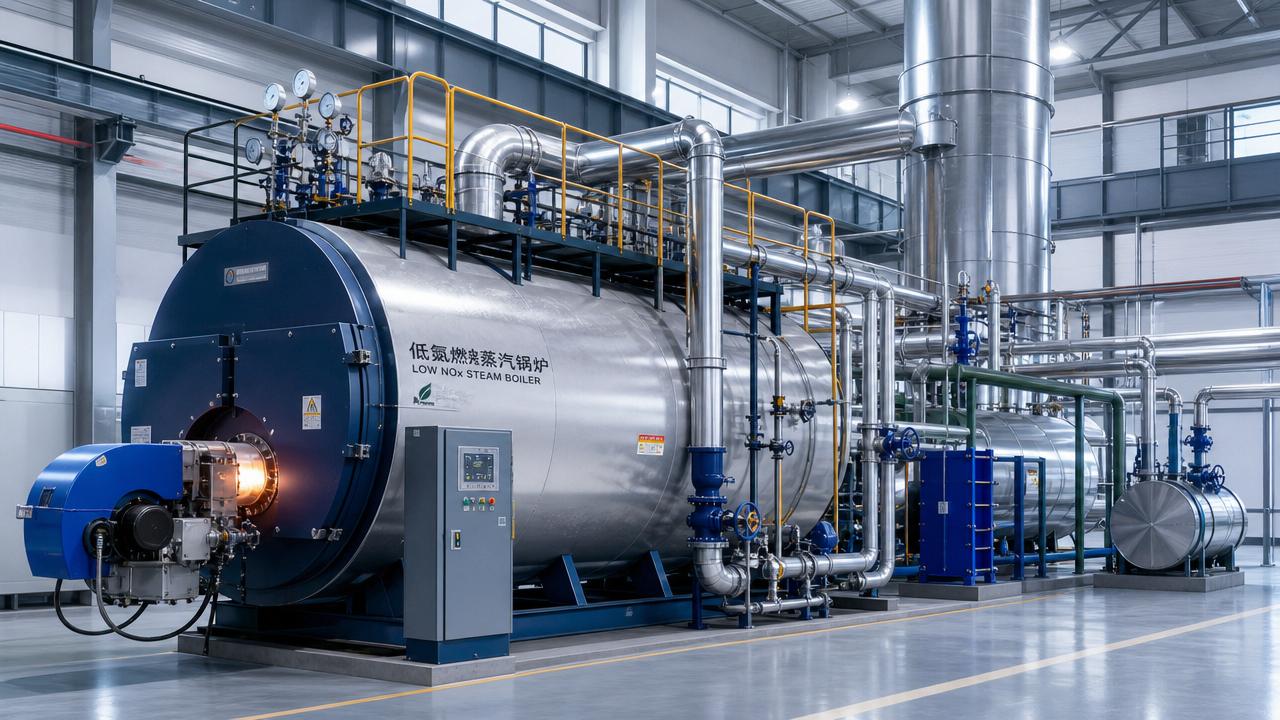
- Water treatment and low-NOx boiler strategies benefit from stable preheated inputs.
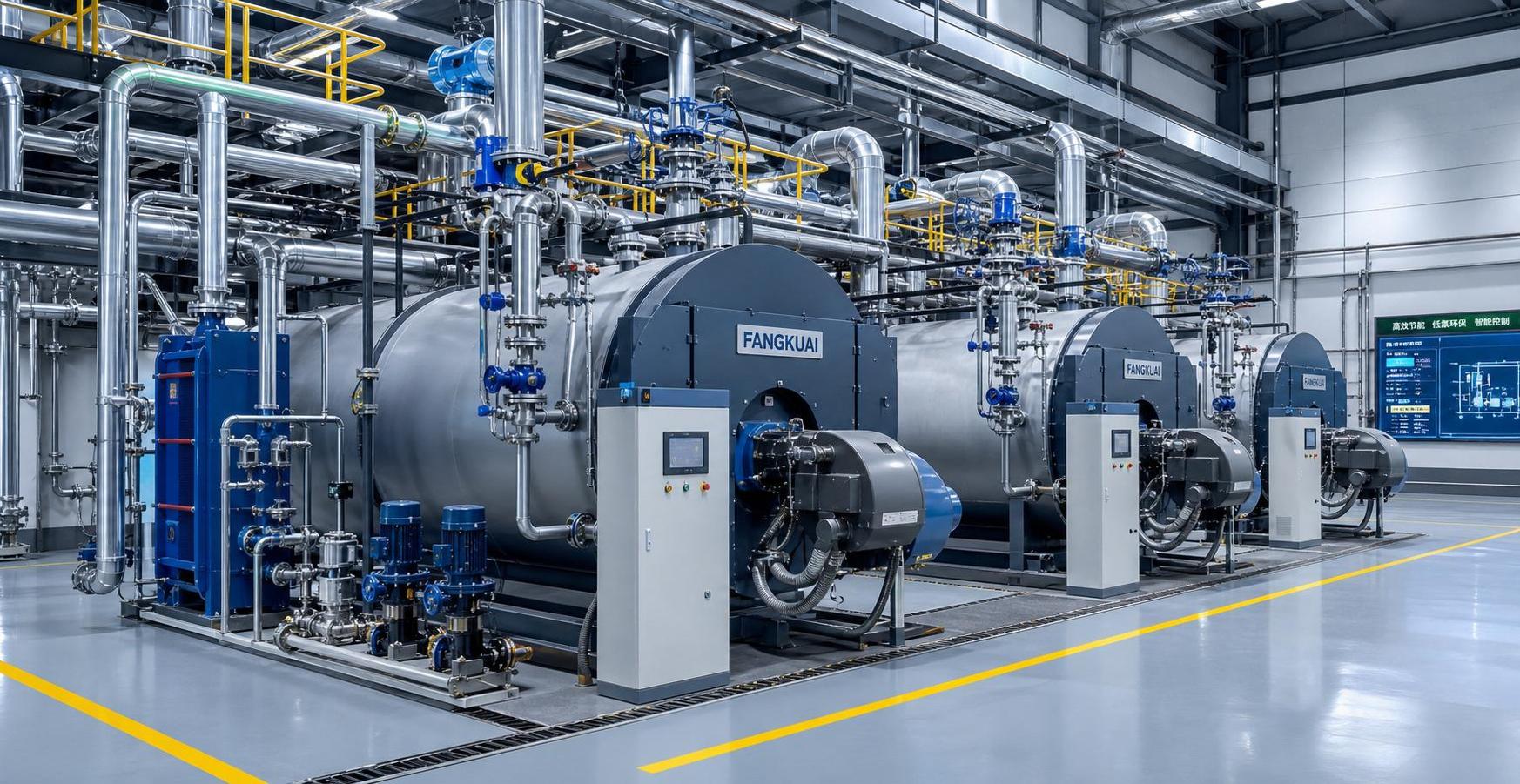
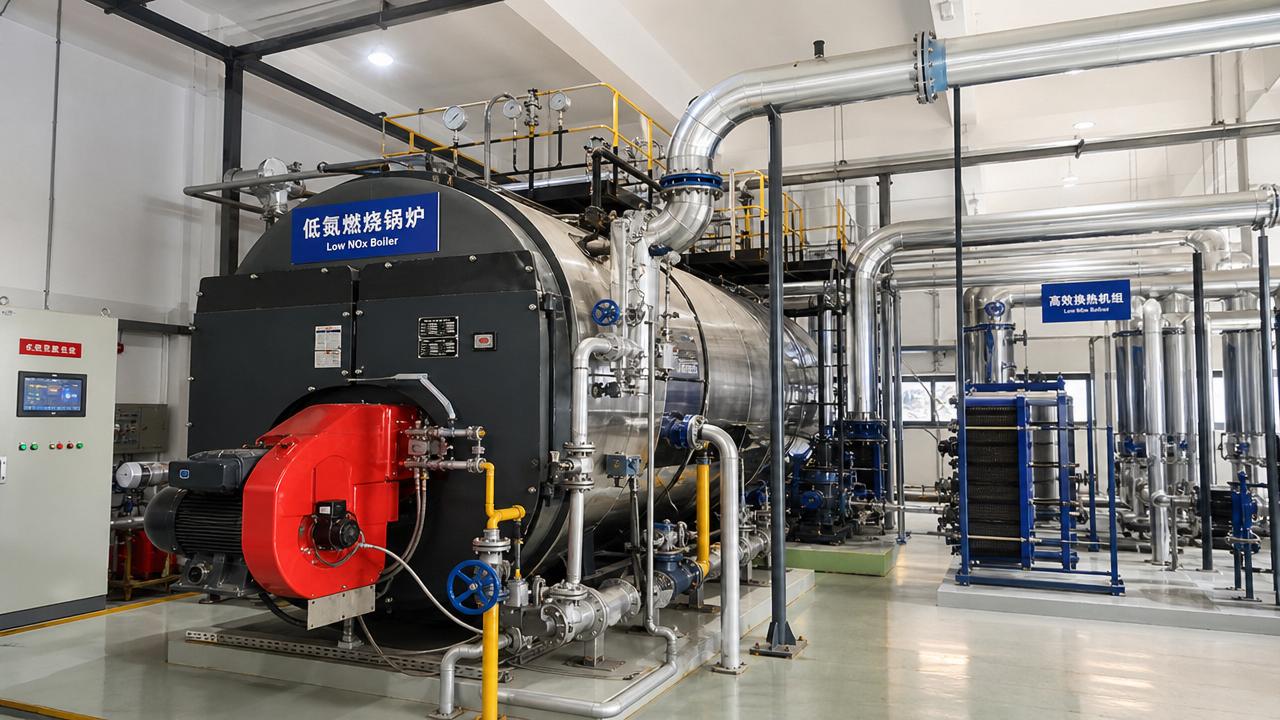
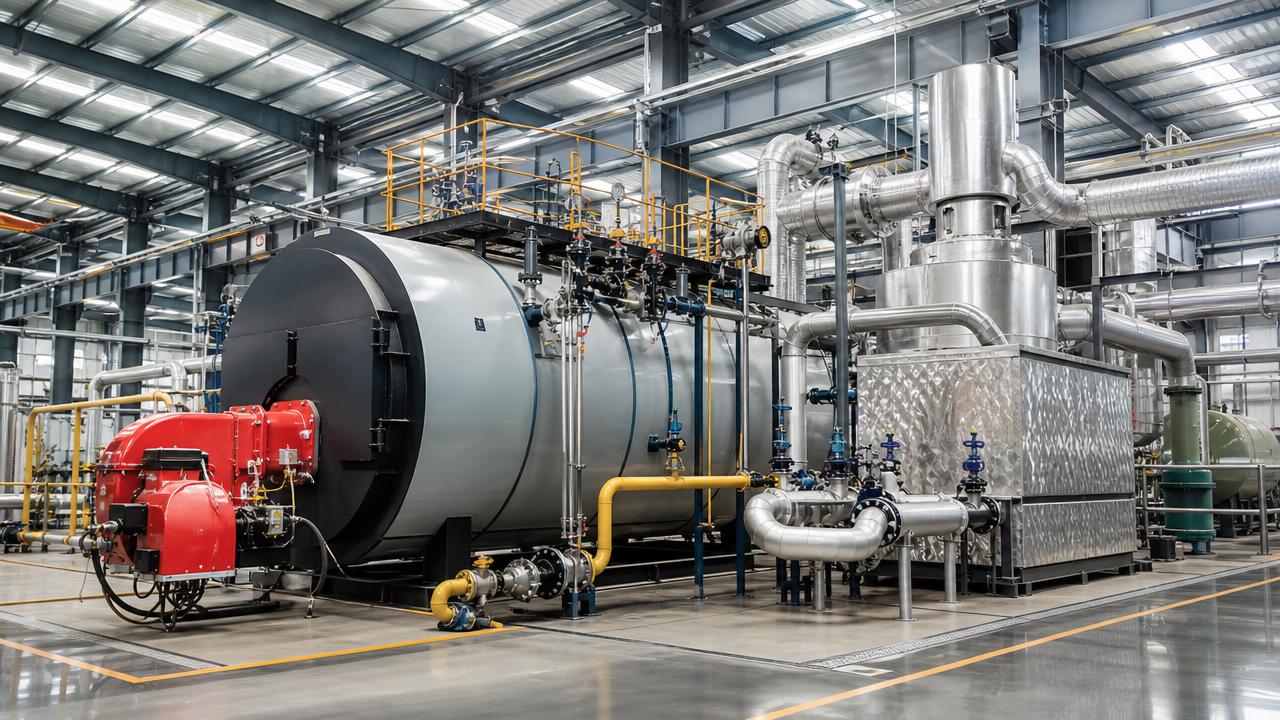
These signals matter because industrial heat recovery is no longer limited to large greenfield projects. Many 2026 deployments are modular retrofits. They target boiler feedwater preheating, combustion air preheating, process water warming, or low-temperature heat reuse. That flexibility expands the business case across the general industrial sector.
Where wasted heat most often hides
How industrial heat recovery cuts boiler fuel costs in practical terms
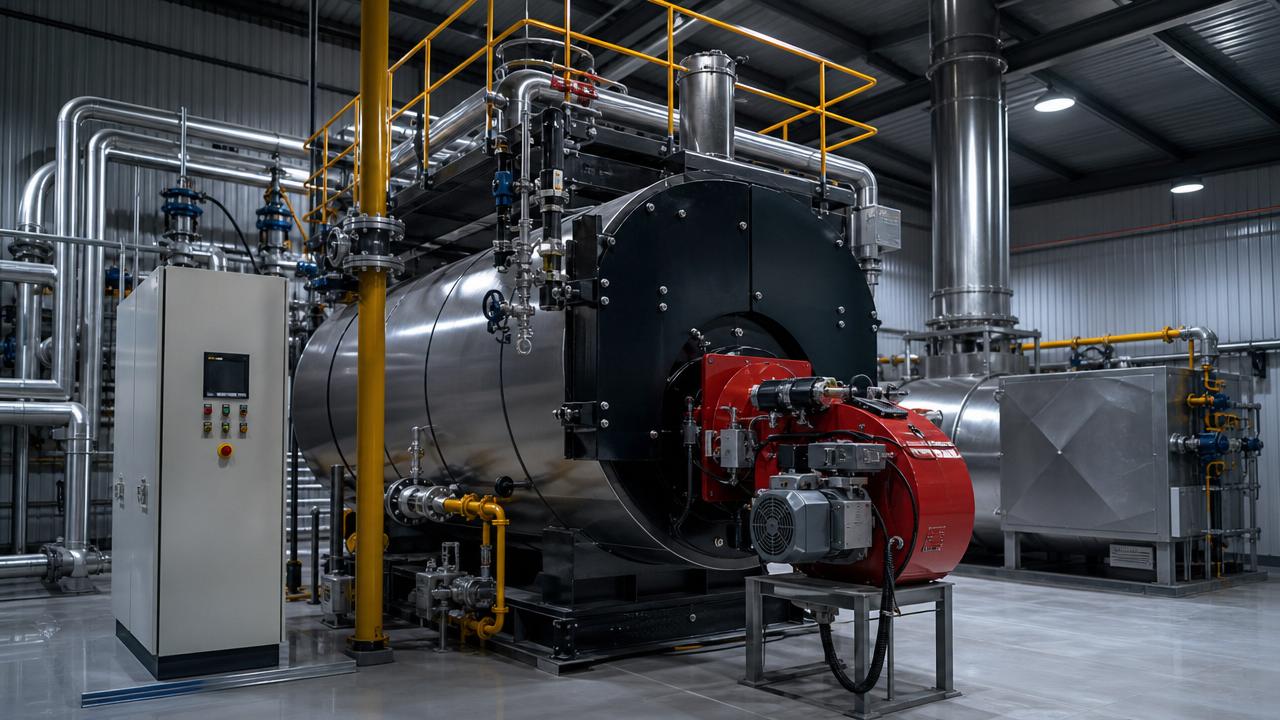
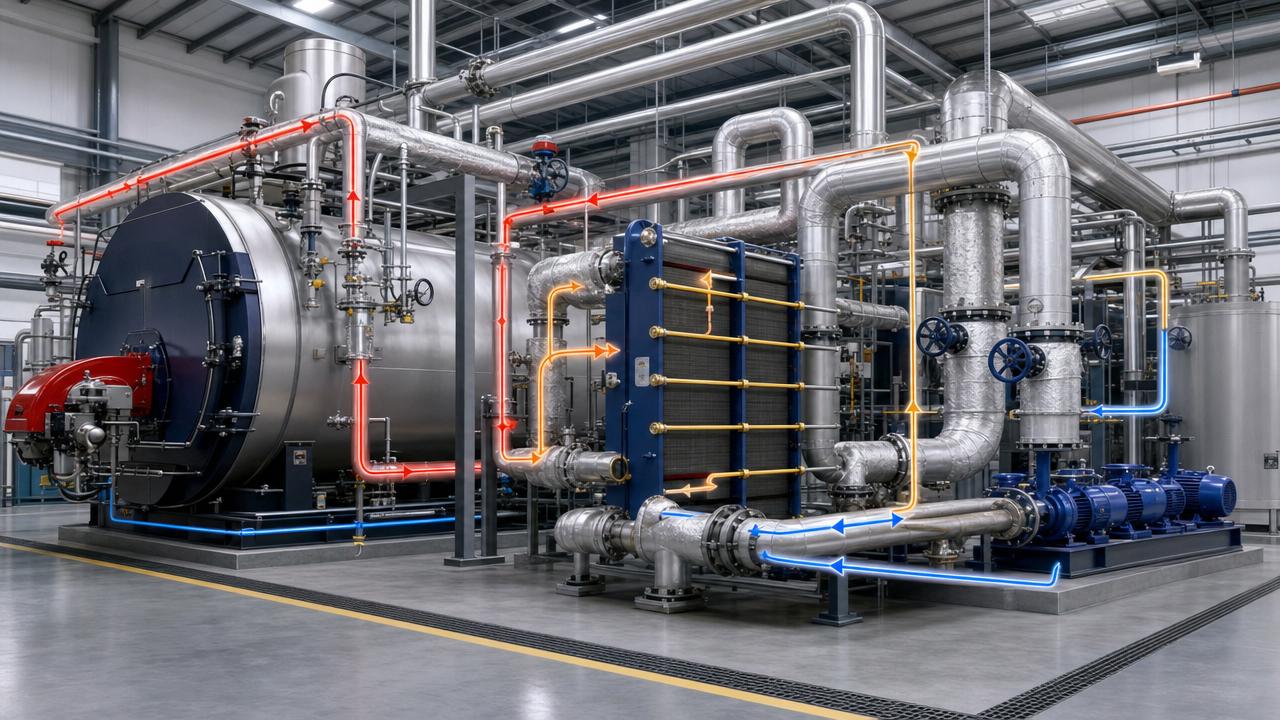
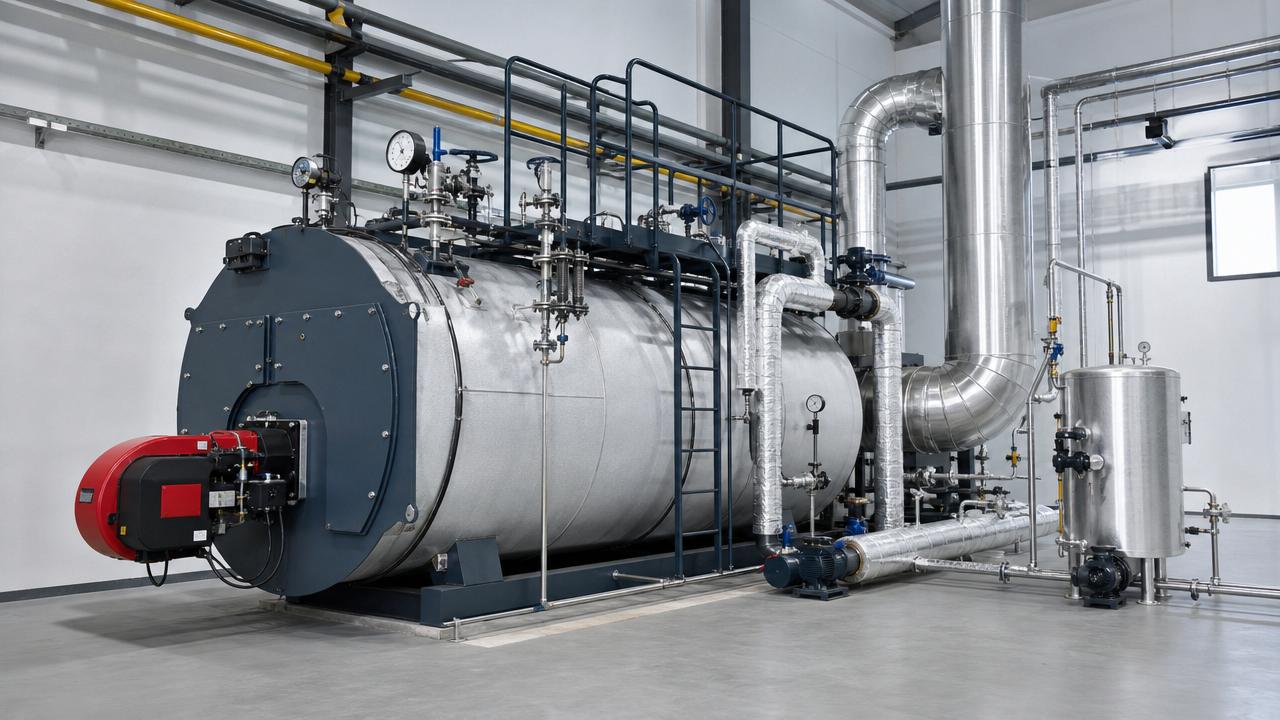
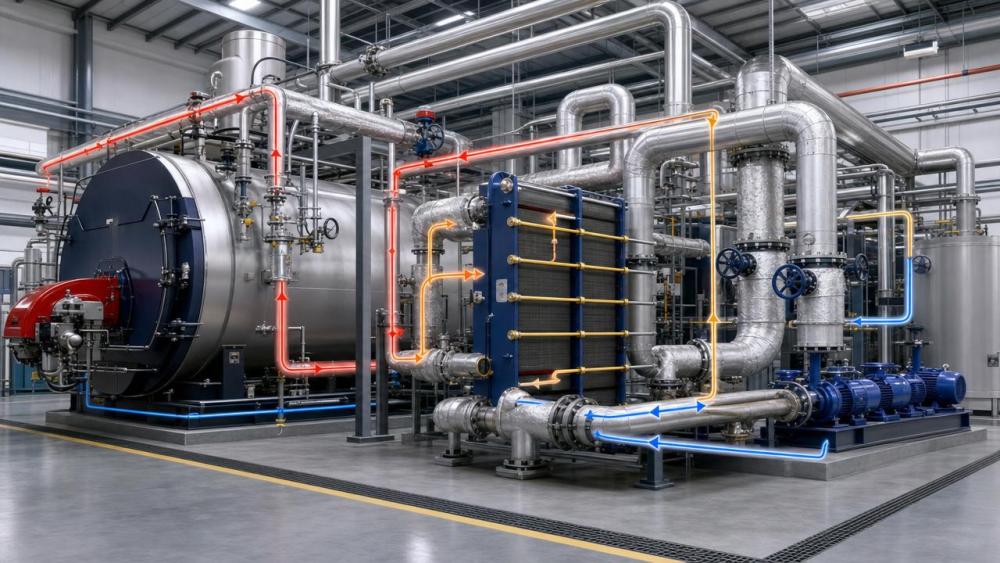
Industrial heat recovery reduces boiler fuel costs by shrinking the temperature gap that the boiler must cover. If feedwater enters warmer, less fuel is required. If process water is preheated, the boiler runs fewer hours or at lower firing rates. If heat is recovered from compressors or condensers, thermal demand shifts away from direct combustion.
The savings are often strongest in facilities with steady operations. Continuous or multi-shift plants usually provide predictable heat sources and stable demand sinks. That alignment increases recovered energy utilization, which improves payback. Seasonal variability can still work, but matching source and demand profiles becomes more important.
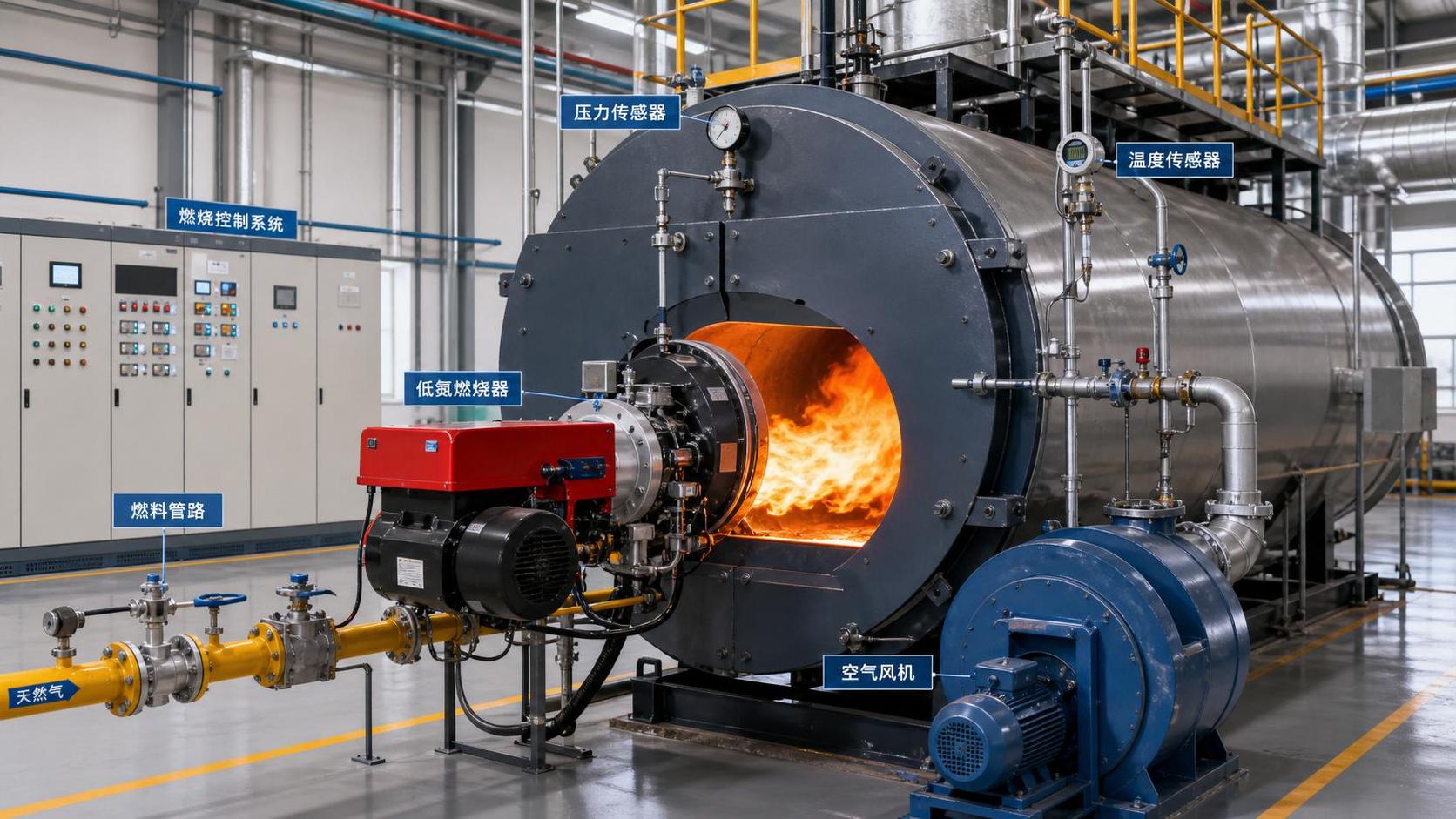
Another cost advantage comes from system stability. Preheated inputs can reduce thermal shock, improve combustion consistency, and support smoother controls. Boilers then operate closer to optimized conditions, especially when heat recovery is combined with better sensors, combustion tuning, and condensate management.
Common fuel-saving pathways
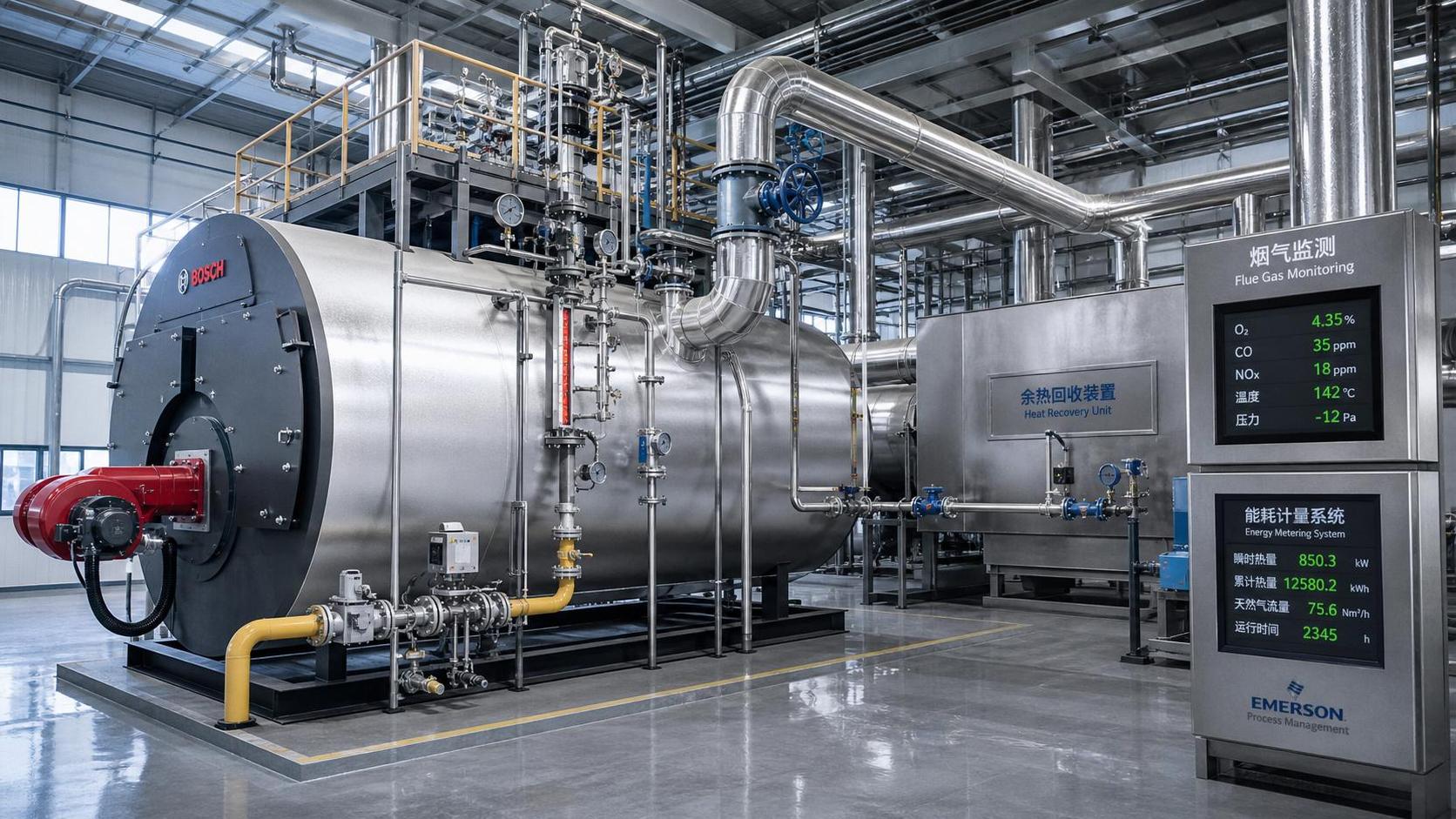
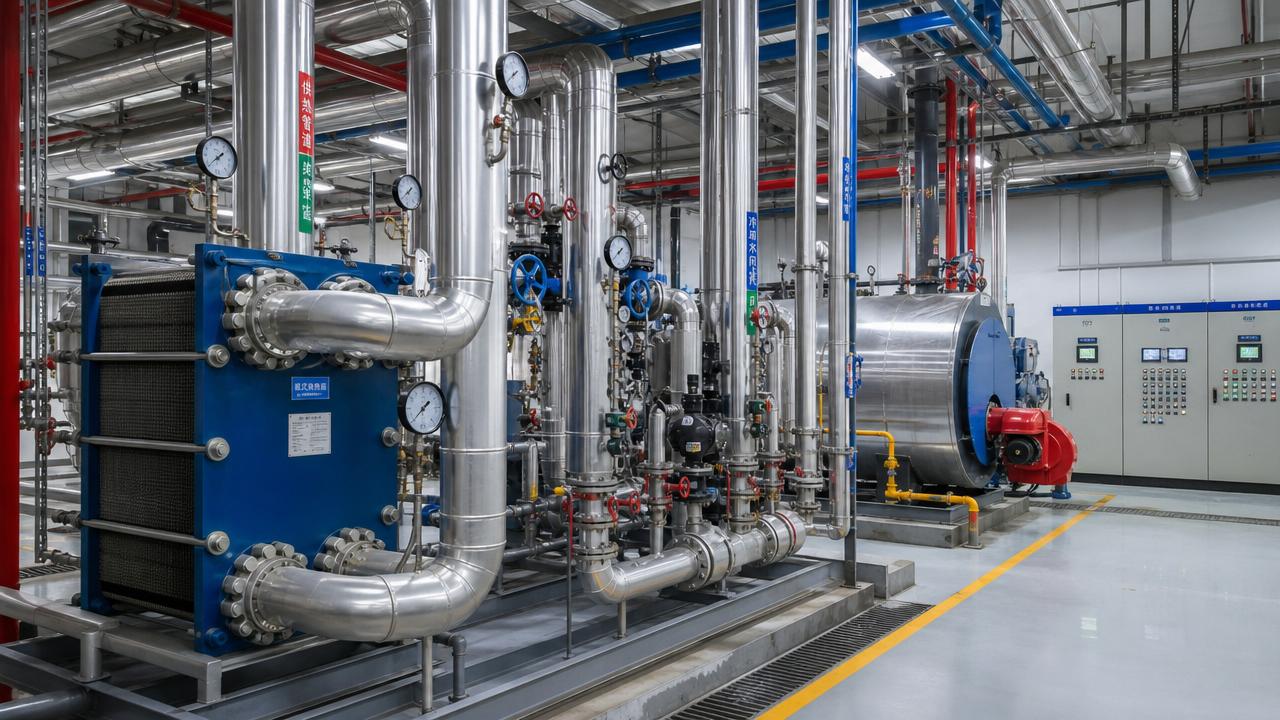
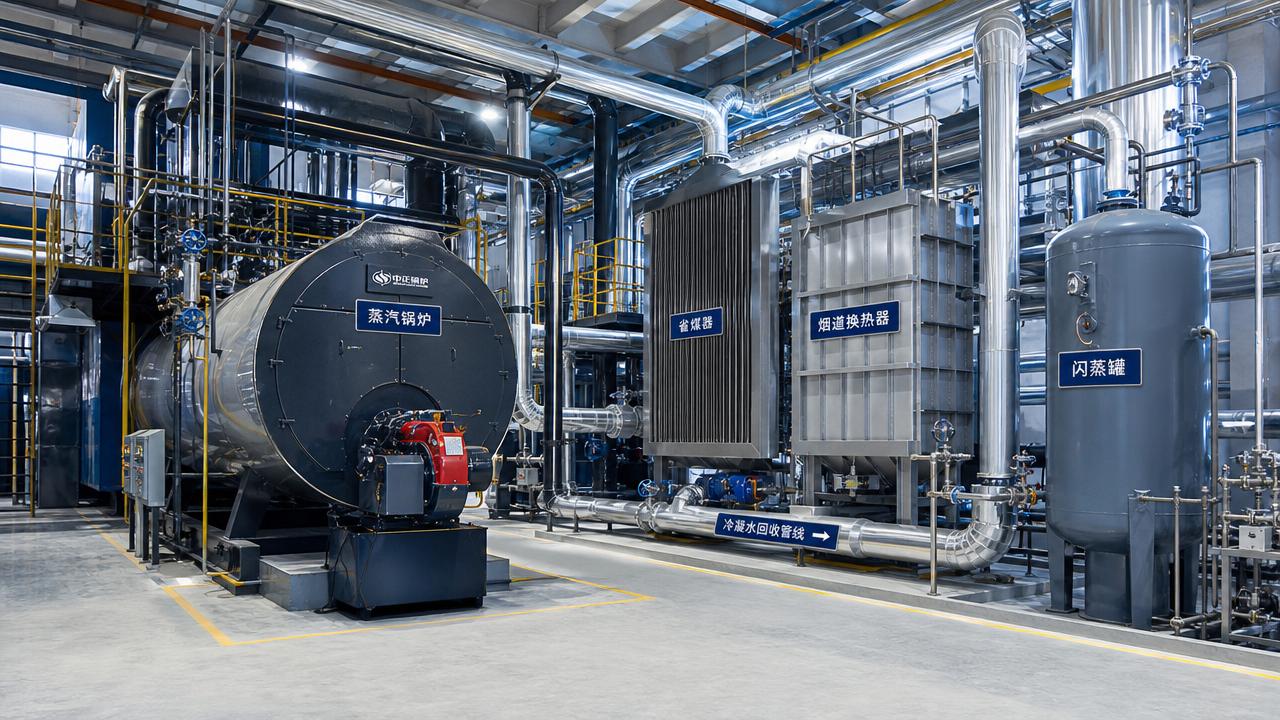
- Use economizers to transfer stack heat into boiler feedwater.
- Capture compressor heat for washdown water, space heating, or utility hot water.
- Recover condenser heat from cooling systems for process preheating.
- Install heat exchangers on wastewater or warm process return lines.
- Integrate controls so recovered heat is prioritized before boiler firing increases.
What is driving adoption beyond energy savings alone
Industrial heat recovery is also expanding because it solves multiple constraints at once. It improves efficiency, but it also supports compliance, capacity, and capital discipline. In some facilities, the real value is not just lower fuel bills. It is avoided boiler expansion, better emissions intensity, and improved reliability during peak energy pricing periods.
How the impact differs across business functions and industrial settings
The impact of industrial heat recovery varies by system design and operating profile. Sites with steam-intensive cleaning, sanitation, evaporation, drying, or batch heating often see direct boiler savings first. Cold-chain, refrigeration, and compressed air heavy sites may benefit more from cross-system heat reuse.
The financial effect also reaches beyond the boiler room. Better heat recovery can lower maintenance stress, reduce burner cycling, and improve utility planning. It may even postpone equipment replacement by easing peak thermal demand. In multi-utility environments, industrial heat recovery becomes a coordination tool, not just an efficiency measure.
- Processing lines gain more stable thermal inputs.
- Utility systems gain lower fuel intensity and smoother loads.
- Sustainability programs gain auditable emissions reductions.
- Capital planning gains a stronger case for staged upgrades.
What deserves closer attention before investing in industrial heat recovery
Not every heat source produces equal value. Temperature level, operating hours, contamination risk, control compatibility, and distance between source and demand all influence results. Strong projects begin with usable heat, not just available heat.
Core checkpoints
- Map hourly heat source profiles against actual demand profiles.
- Confirm target temperatures before selecting recovery equipment.
- Review fouling, water quality, and maintenance access.
- Quantify boiler turndown and controls interaction.
- Verify metering plans to prove fuel savings after startup.
- Assess whether low-grade heat needs storage or heat pumps.
This is where high-authority intelligence becomes useful. A decision should consider thermodynamics, utility economics, and future policy signals together. GTC-Matrix approaches this intersection by connecting cooling, compression, vacuum, and heat exchange intelligence into one decision framework.
A practical 2026 roadmap for stronger boiler economics
The best response is usually phased. Start with visible losses and fast measurement. Then expand toward integrated thermal optimization.
- Audit stack heat, compressor heat, condensers, and warm discharge streams.
- Rank opportunities by annual hours, temperature quality, and retrofit complexity.
- Pilot one industrial heat recovery loop with clear metering.
- Integrate controls to prioritize recovered heat automatically.
- Use verified results to build the next-stage business case.
In 2026, industrial heat recovery is one of the clearest ways to cut boiler fuel costs without waiting for a full plant redesign. It transforms wasted thermal energy into lower operating expense, reduced emissions intensity, and better long-term capital efficiency. For organizations seeking sharper energy decisions, the next step is straightforward: identify where heat escapes, determine where it can be reused, and evaluate industrial heat recovery as a strategic lever rather than a secondary upgrade.
To support that next step, follow trusted intelligence on heat exchange, compression power, and thermal system evolution. Better visibility leads to better timing, better design choices, and stronger returns from industrial heat recovery.
Related News
- Low-NOx Boilers Cost Breakdown: Upfront Price, Fuel Savings, and PaybackAuthor :Thermal Energy Strategist

- Boiler Combustion Systems: Common Causes of Unstable Fuel PerformanceAuthor :Thermal Energy Strategist

- Hot Water Industrial Boilers: When Efficiency Gains Justify ReplacementAuthor :Thermal Energy Strategist

- What Boiler Efficiency Really Means in Daily Operation and Energy BillsAuthor :Thermal Energy Strategist

- Boiler Efficiency Testing Methods That Expose Heat Loss and Fuel WasteAuthor :Thermal Energy Strategist

- Industrial Burner Systems: Key Factors for Safe Heat OutputAuthor :Thermal Energy Strategist

- Gas-Fired Boiler Combustion Technology: Key Efficiency and Emissions Trade-OffsAuthor :Thermal Energy Strategist

- Unfired Heat Recovery Steam Generators: When Do They Pay Off?Author :Thermal Energy Strategist

- How to Evaluate Steam Generation Systems Electric for Process Heat ProjectsAuthor :Thermal Energy Strategist

- Thermal Power Systems for Industrial Heating: Common Sizing Mistakes to AvoidAuthor :Thermal Energy Strategist

- Low-NOx Condensing Boilers: How to Compare Efficiency and EmissionsAuthor :Thermal Energy Strategist
![]()
- Low Emissions Boilers for Food Processing: Key Compliance and Fuel Cost FactorsAuthor :Thermal Energy Strategist

- Steam System Efficiency Calculation: Key Inputs That Change the ResultAuthor :Thermal Energy Strategist

- How to Evaluate a Steam Boiler Components Exporter Before OrderingAuthor :Thermal Energy Strategist

- Burner Systems Troubleshooting: Common Efficiency Loss CausesAuthor :Thermal Energy Strategist

- EU PED Q2 Rules Require Digital Compliance TagsAuthor :Thermal Energy Strategist

- Thermal Power Systems: Key Efficiency Risks in Daily OperationAuthor :Thermal Energy Strategist

- Low-NOx Combustion Boilers: Key Efficiency and Compliance ChecksAuthor :Thermal Energy Strategist

- Low-NOx Combustion Boilers: Key Specs That Affect Emissions and Fuel UseAuthor :Thermal Energy Strategist

- Low-NOx Combustion Boilers: Key Compliance RisksAuthor :Thermal Energy Strategist

- Thermodynamics Analysis for Boiler Heat-Loss ReductionAuthor :Thermal Energy Strategist

- Industrial Thermal Systems: Common Operating RisksAuthor :Thermal Energy Strategist

- Low-NOx Combustion Boilers: Key Spec Checks Before PurchaseAuthor :Thermal Energy Strategist

- How Industrial Heat Recovery Cuts Boiler Fuel Costs in 2026Author :Thermal Energy Strategist

- Thermodynamics Analysis: 5 Heat Loss Clues in Steam BoilersAuthor :Thermal Energy Strategist

- Low-NOx Combustion Boilers: What Affects Real Emissions PerformanceAuthor :Thermal Energy Strategist

- Thermodynamics Analysis: Finding Heat Loss in Steam BoilersAuthor :Thermal Energy Strategist

- 2026 Steam Boiler Upgrades for Lower NOx and Fuel CostsAuthor :Thermal Energy Strategist

- EU to Expand CBAM to Steam Boilers; Exporters Must Prepare Carbon DataAuthor :Thermal Energy Strategist

- Industrial Heat Recovery: When Payback Beats New Boiler CapacityAuthor :Thermal Energy Strategist

- Carbon Neutrality Targets and the New Boiler Retrofit PaybackAuthor :Thermal Energy Strategist

- Low-NOx Combustion Boilers: Fuel Savings vs Emission LimitsAuthor :Thermal Energy Strategist

- Industrial Energy Efficiency Benchmarks for Steam Boiler Upgrades in 2026Author :Thermal Energy Strategist

- Low-NOx Combustion Boilers: Efficiency vs Emissions in 2026Author :Thermal Energy Strategist

- Industrial Heat Recovery Options for Steam Boiler SavingsAuthor :Thermal Energy Strategist

- Low-NOx Combustion Boilers and 2026 Compliance PressureAuthor :Thermal Energy Strategist