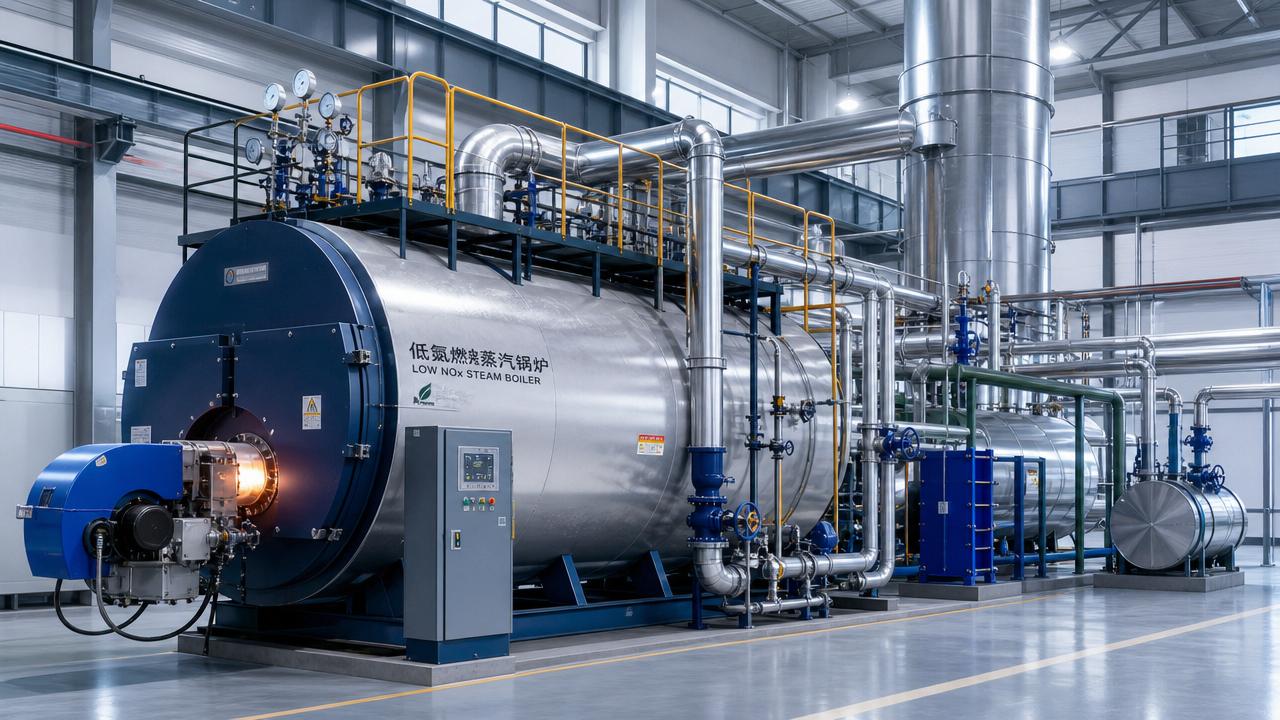
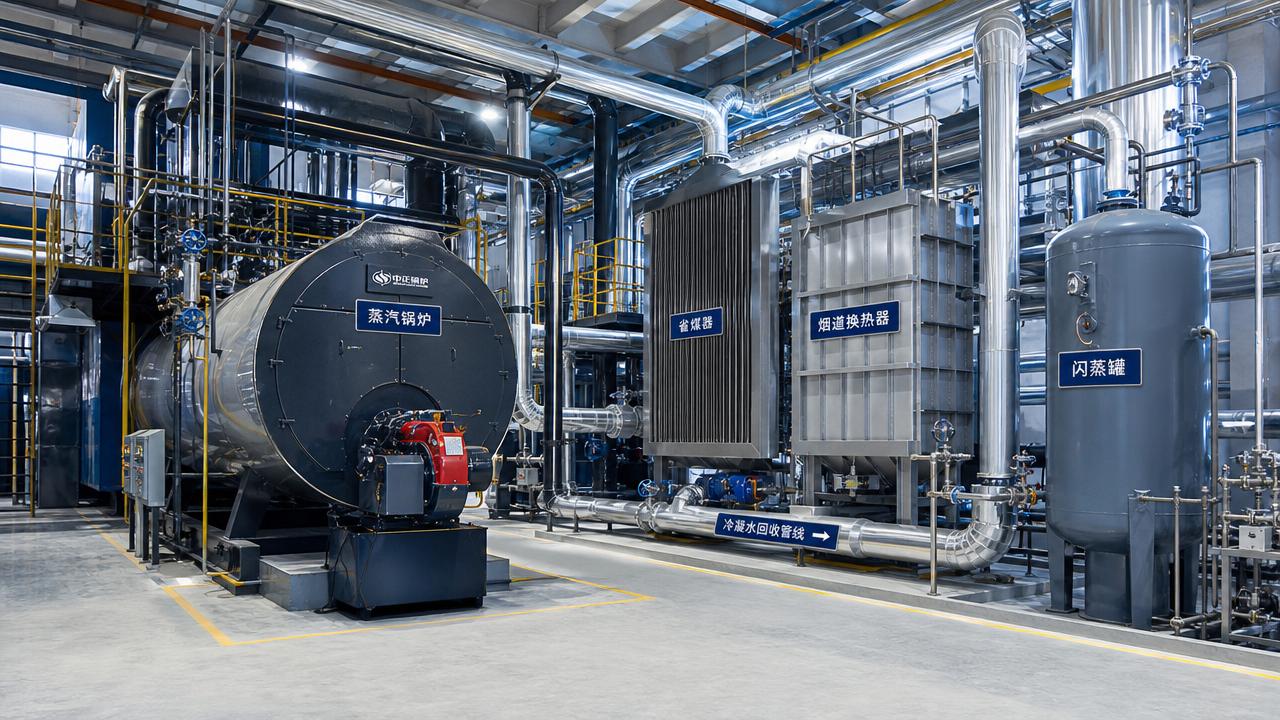
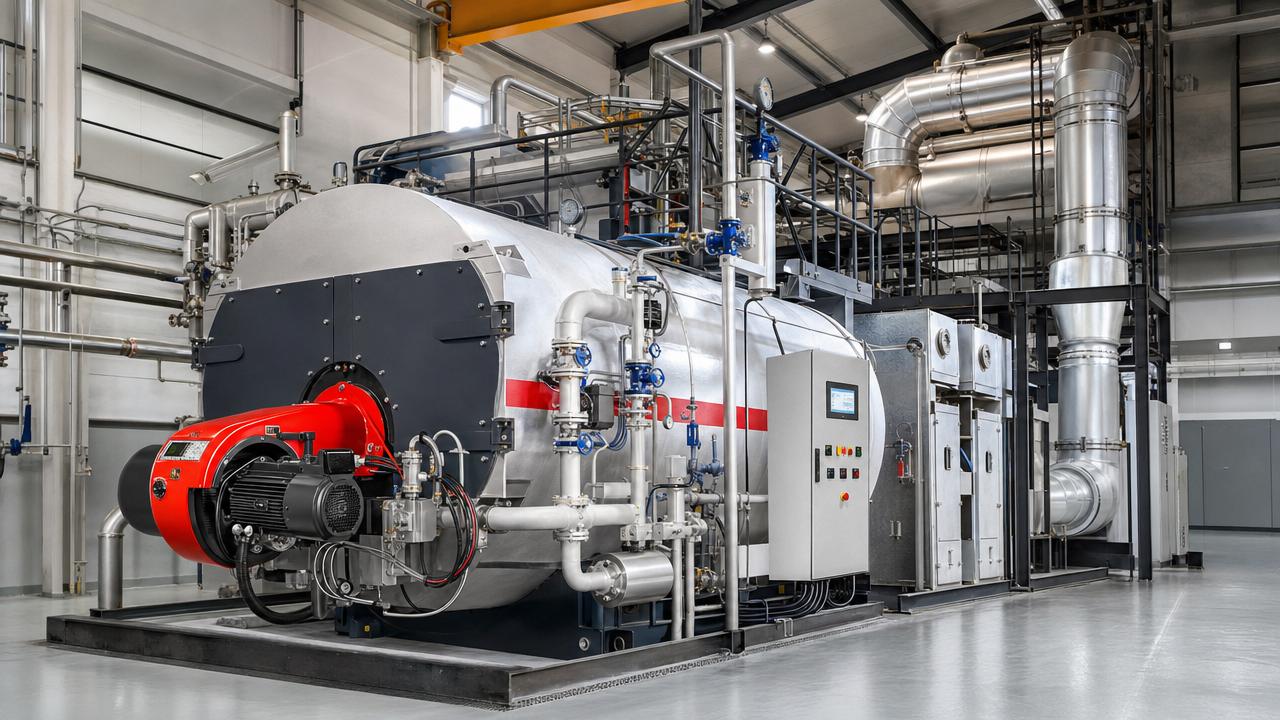
Low-NOx Combustion Boilers: What Affects Real Emissions Performance




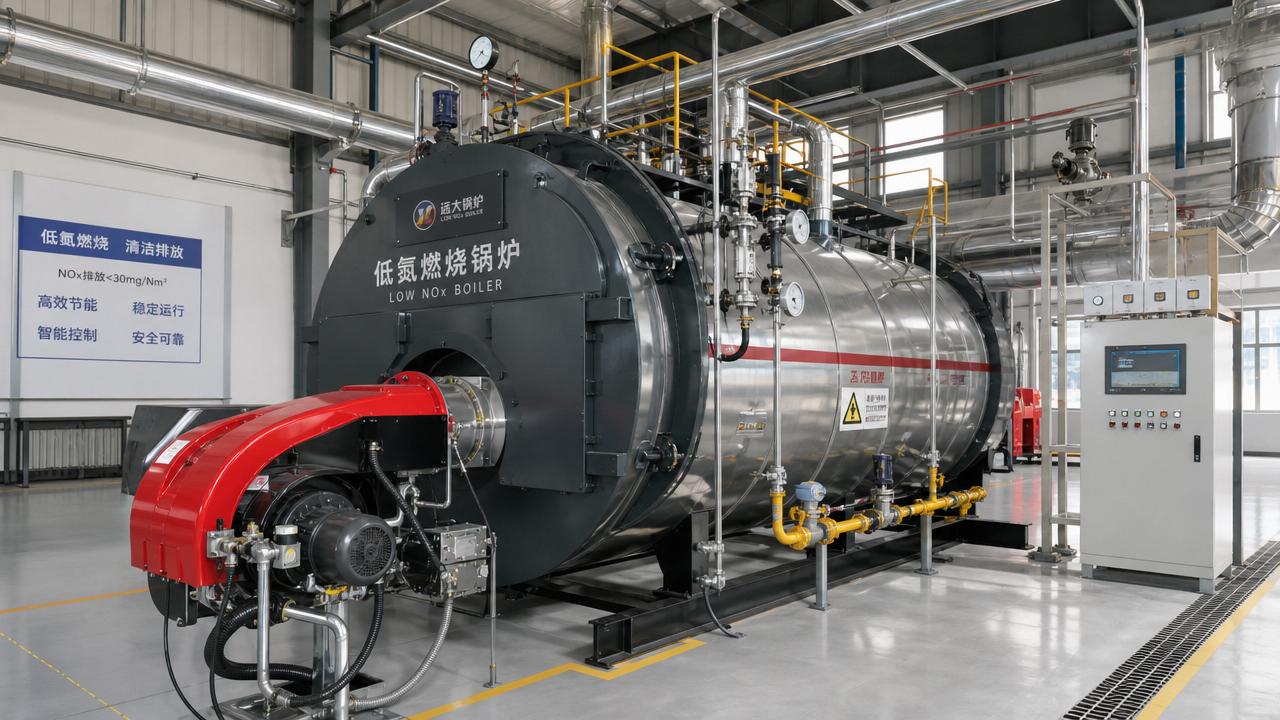
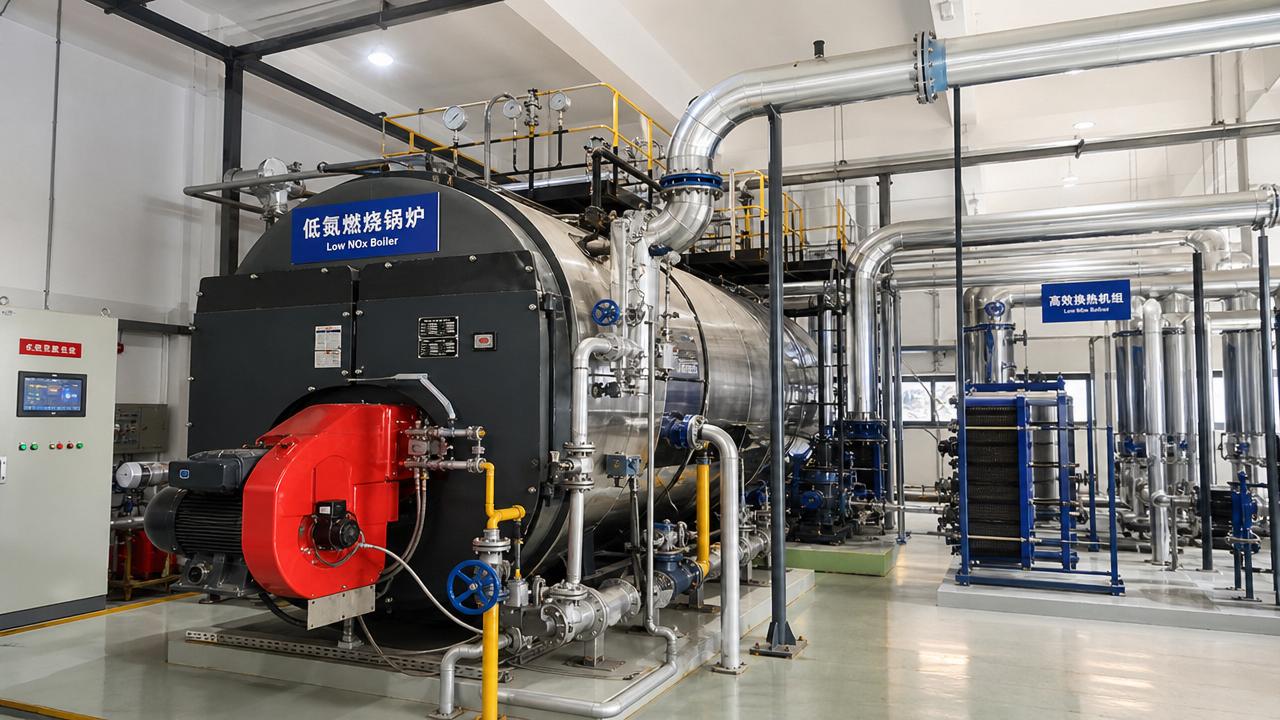
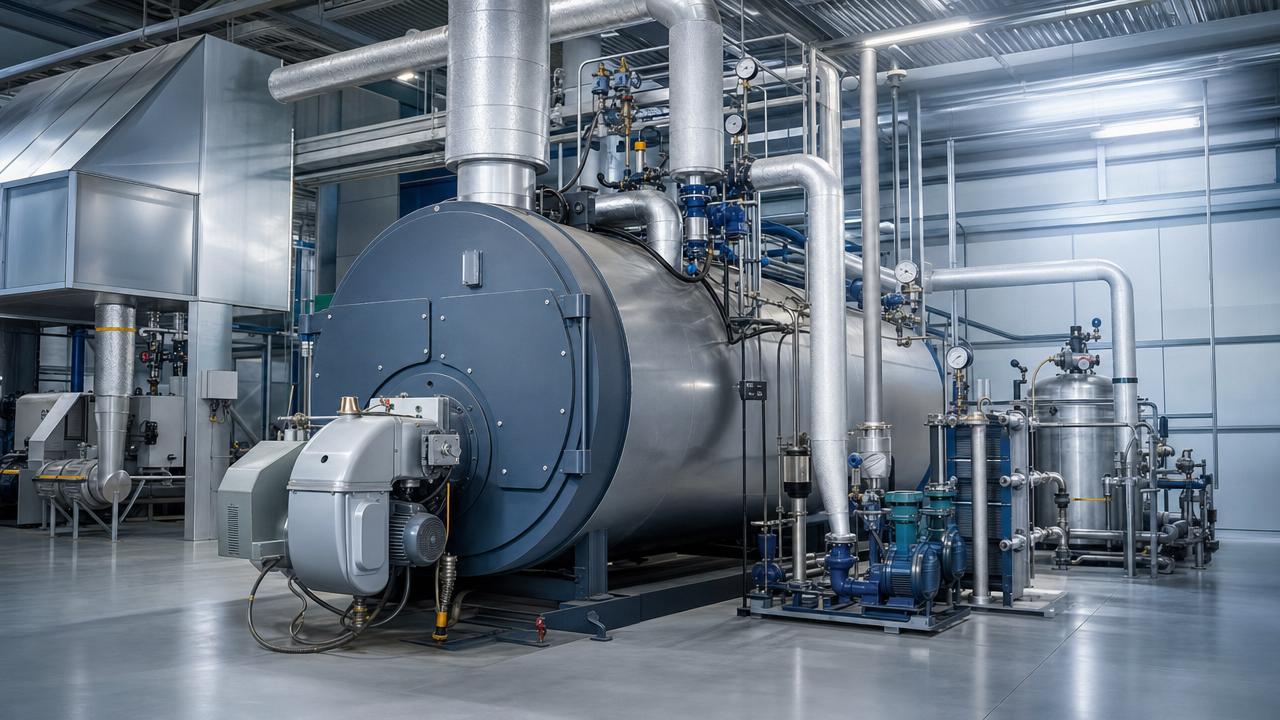
For quality-control and safety teams, the real challenge with low-NOx combustion boilers is not only the nameplate value. It is the gap between certified performance and day-to-day stack readings. Fuel shifts, burner settings, load changes, excess oxygen, and deferred maintenance can all move emissions far from the brochure number. Understanding these drivers helps industrial sites keep low-NOx combustion boilers compliant, stable, and efficient under real operating conditions.
Why Real Emissions Performance Needs a Checklist
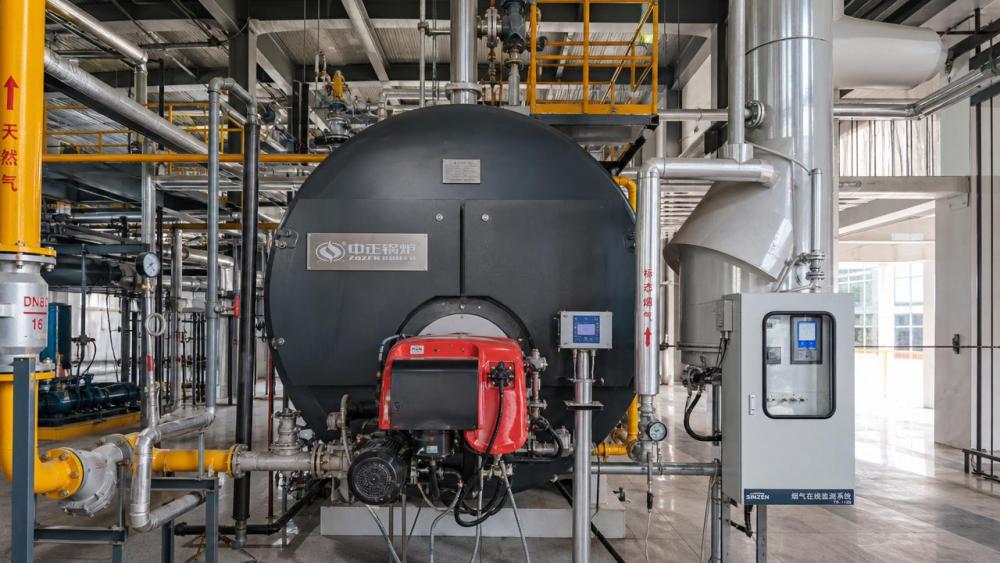
Low-NOx combustion boilers are influenced by interacting combustion variables rather than one fixed design point. A unit can pass factory tests and still show elevated NOx in the field when process demand, ambient conditions, or controls drift.
A checklist approach reduces blind spots. It turns emissions management into repeatable verification, linking burner mechanics, fuel properties, oxygen control, and maintenance records to measurable outcomes.
This matters across the broader industrial sector, where steam and hot water systems support food processing, chemicals, hospitals, district energy, electronics, and general manufacturing. In these environments, real emissions performance affects permits, uptime, inspection readiness, and fuel cost.
Core Checklist for Low-NOx Combustion Boilers
- Verify fuel composition before tuning. Natural gas quality, hydrogen blending, Wobbe index, and oil viscosity can alter flame temperature, mixing behavior, and NOx formation.
- Check burner tuning at real operating loads. A setting that looks clean at high fire may produce excess NOx or CO during low-load modulation.
- Measure excess oxygen with calibrated instruments. Too much air cools efficiency and may still raise NOx through unstable mixing and poor flame shape.
- Track load swings and cycling frequency. Repeated starts, rapid ramping, and short cycling often create transient emissions spikes not captured in steady-state tests.
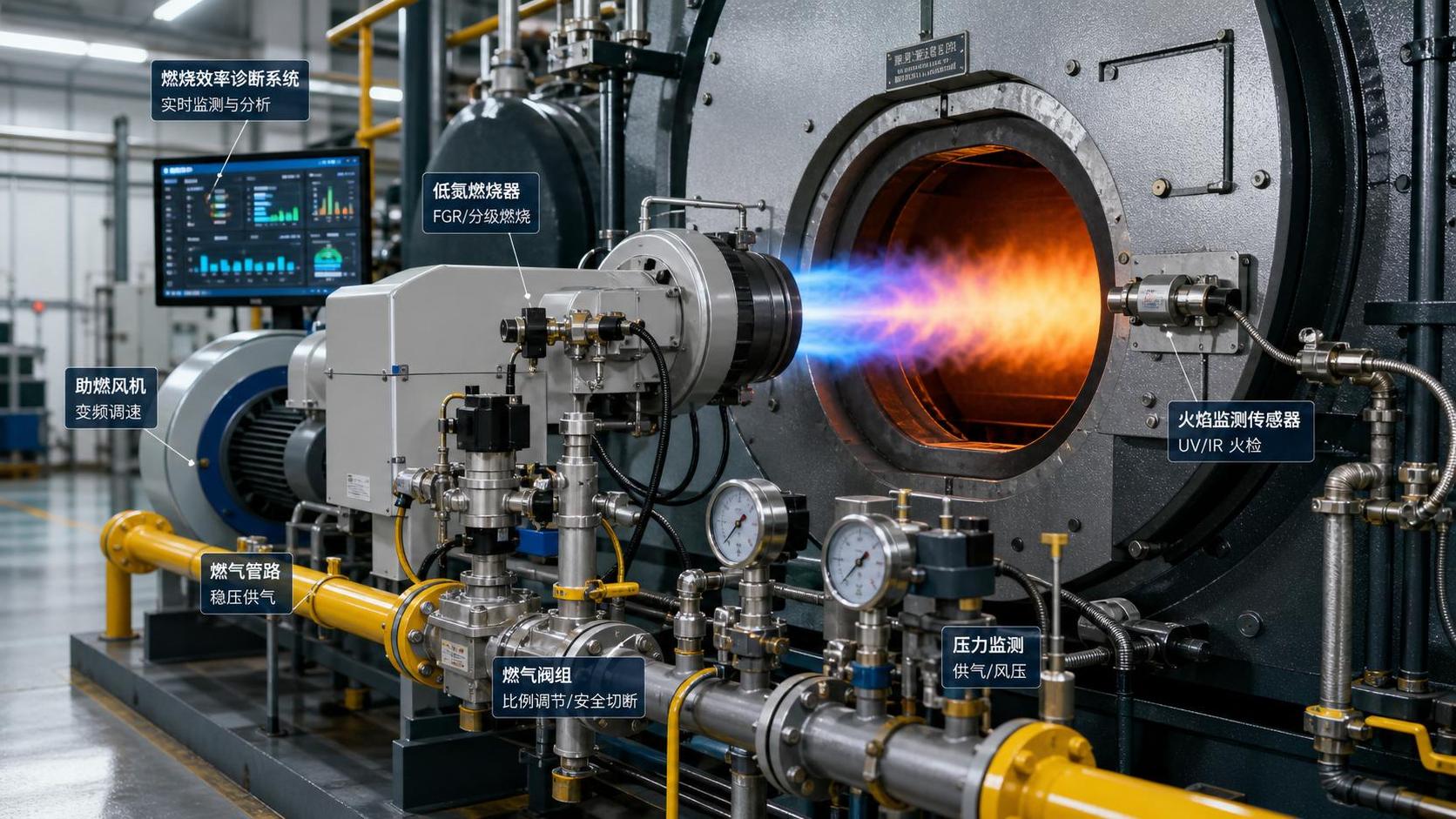
- Inspect flame stability and ignition quality. Weak ignition, flame impingement, or delayed light-off can increase both NOx and safety risk.
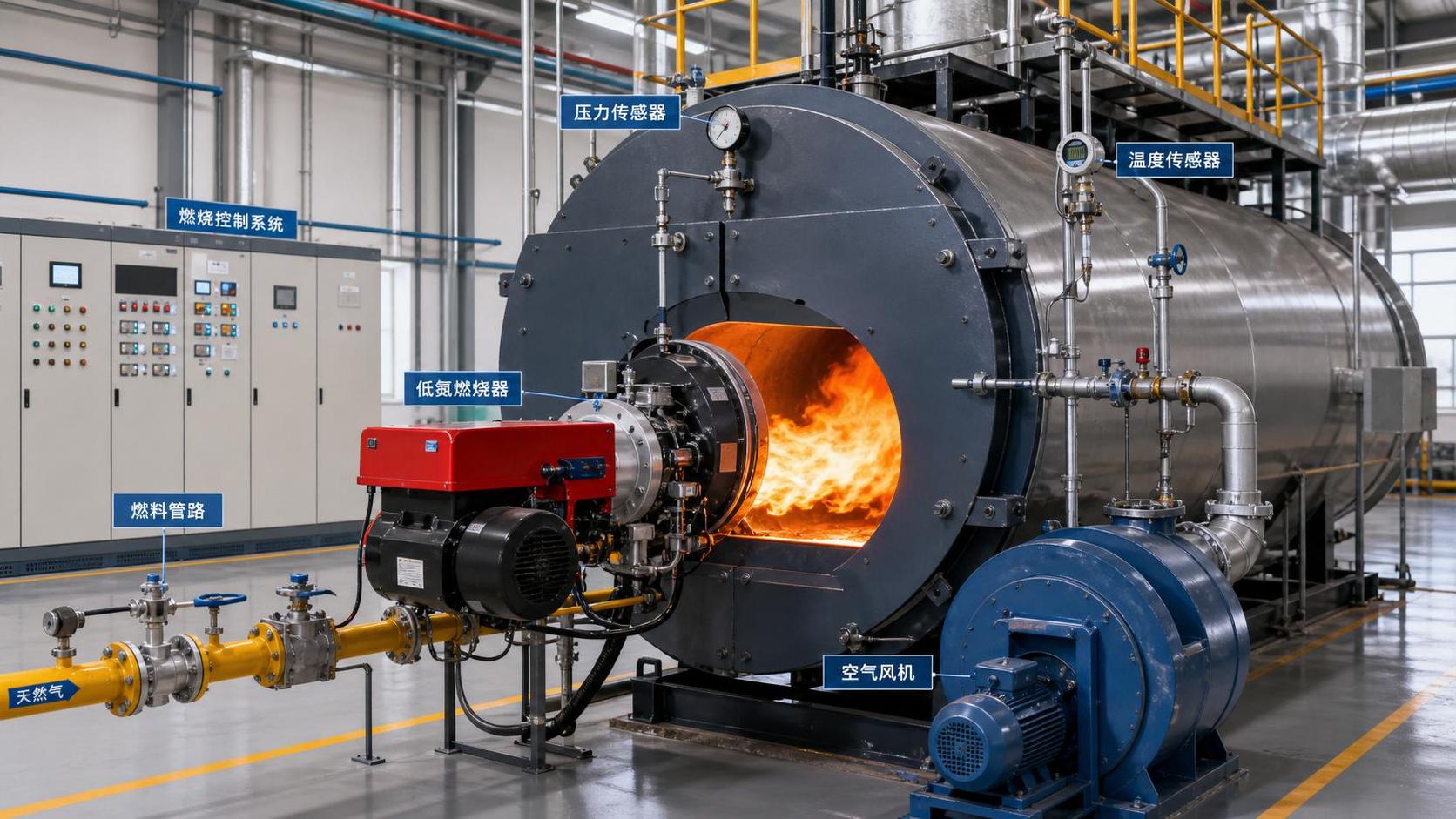
- Review fan, damper, and actuator response. Airflow components that lag or stick can disrupt the air-fuel ratio and undermine low-NOx combustion boilers.
- Confirm FGR performance where installed. Flue gas recirculation rates, leakage, and control logic strongly affect flame temperature and real NOx reduction.
- Examine heat-transfer surfaces for fouling. Soot, scale, and refractory damage can change furnace temperature profiles and push emissions away from target values.
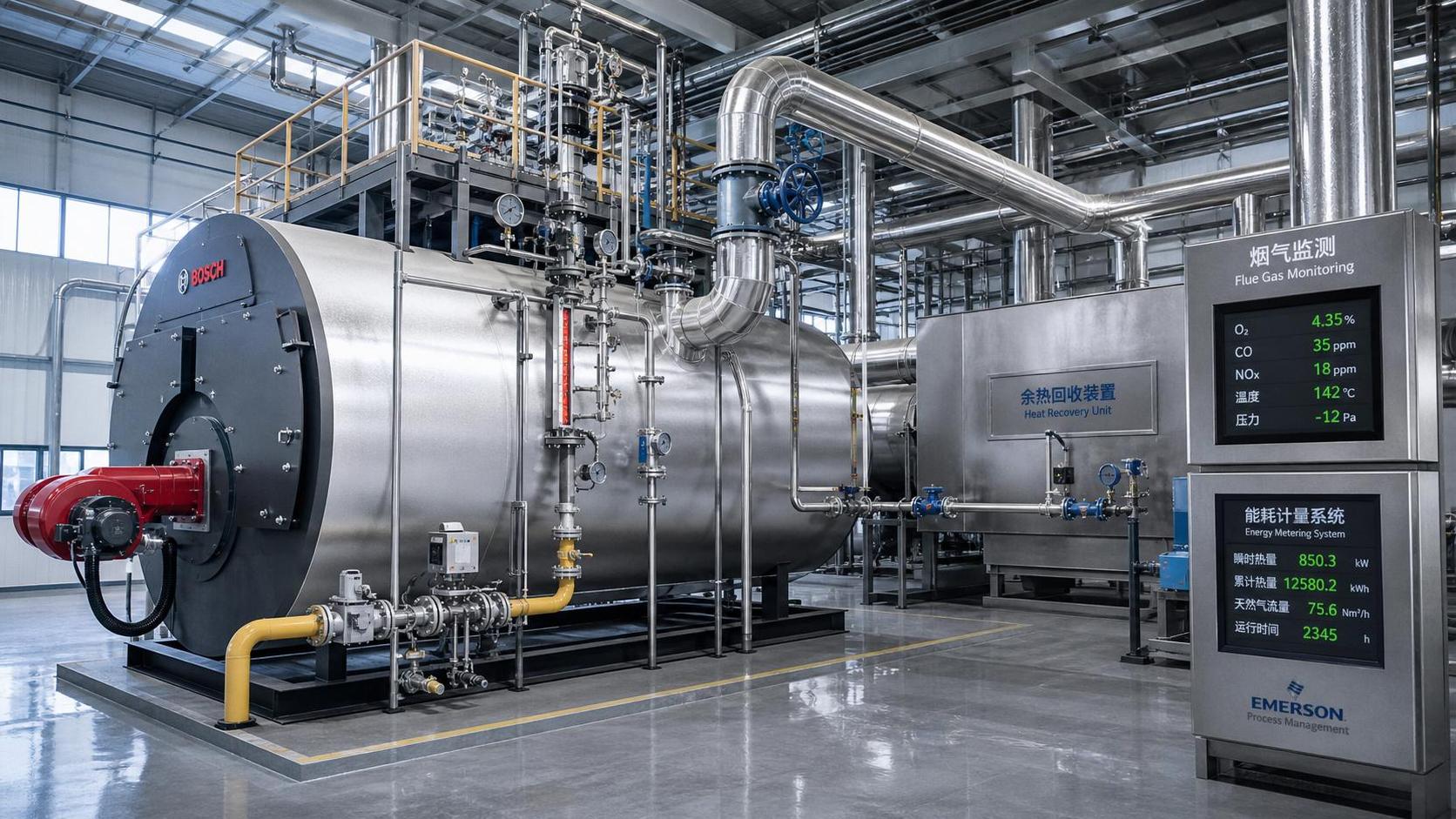
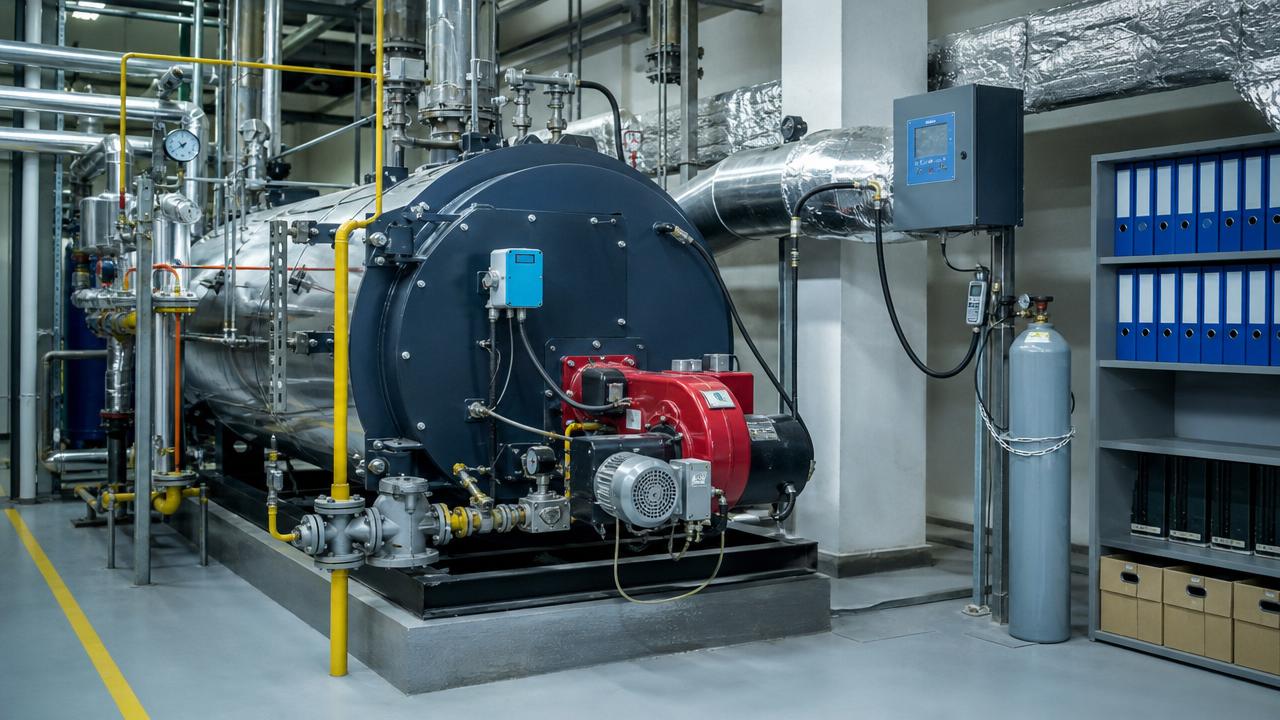
- Calibrate O2, NOx, and draft sensors on schedule. Sensor drift can mislead operators and make a compliant boiler appear optimized when it is not.
- Document stack conditions during testing. Temperature, humidity, reference oxygen, and sampling location affect reported values and comparison against permit limits.
What Most Strongly Affects Measurable NOx
Fuel Quality and Blend Variability
Fuel is often the first hidden variable. Pipeline gas can vary in calorific value, inert content, and trace components. When the fuel changes, flame speed and peak temperature change too.
For low-NOx combustion boilers, even modest shifts can upset a previously stable tuning window. Mixed-fuel sites and seasonal supply variations need regular combustion verification, not one-time commissioning assumptions.
Air-Fuel Ratio and Excess Oxygen
Low NOx is not achieved by simply adding more air. Excess oxygen reduces efficiency and may destabilize staged combustion strategies. Too little air, meanwhile, increases CO and unburned combustibles.
The target is controlled balance across the firing range. That requires responsive actuators, accurate trim systems, and combustion testing under the same process conditions seen during normal operation.
Load Profile, Turndown, and Cycling
Many published NOx values come from stable, near-ideal points. Real plants rarely operate there all day. Steam demand surges, night setbacks, and seasonal loads push the boiler through unstable regions.
Low-NOx combustion boilers with good turndown usually perform better over variable duty. Frequent start-stop behavior, however, can create short emissions bursts that matter in cumulative compliance reviews.
Burner Design, FGR, and Controls Integration
Burner geometry, flame staging, and internal recirculation shape the primary NOx pathway. If external FGR is used, damper position, duct leakage, and fan consistency become equally important.
Control integration is where theoretical design becomes field performance. Poor sequencing between fuel valve position and combustion air flow often causes real emissions drift in low-NOx combustion boilers.
Application Scenarios That Change Performance
Process Steam with Fast Demand Changes
In batch processing, sterilization, or packaging lines, steam demand can rise quickly. Boilers must ramp without overshooting oxygen targets or losing flame stability.
In these cases, stack testing should include ramp events, not only stable periods. Real NOx performance is often defined by transition control quality rather than maximum firing performance.
Hot Water Systems with Seasonal Operation
Commercial campuses, district heating loops, and institutional buildings often run far below design load for long periods. That exposes low-fire tuning weaknesses and repeated cycling losses.
For low-NOx combustion boilers in these systems, minimum stable load and burner turn-down ratio deserve as much attention as full-load NOx certification.
High-Purity or Regulated Production Environments
Pharmaceutical, electronics, and food facilities often care about both emissions and process continuity. Combustion instability can create alarms, shutdowns, or utility interruptions with wider production impacts.
Here, robust monitoring, sensor calibration discipline, and trend analysis are essential. Emissions control should be managed as part of critical utility reliability, not a separate compliance activity.
Commonly Missed Risks
Ignoring reference correction is a frequent mistake. NOx values may be reported at different oxygen references, making direct comparison misleading during audits or vendor evaluation.
Assuming one successful tune-up will last indefinitely is another risk. Valve wear, linkage drift, fan fouling, and seasonal combustion air changes slowly shift the emissions baseline.
Focusing only on NOx can also backfire. Aggressive tuning for very low NOx may increase CO, reduce flame stability, or create condensation and corrosion issues in some operating windows.
Overlooking data quality creates false confidence. If portable analyzers, continuous monitors, or draft readings are inaccurate, decisions on low-NOx combustion boilers will be wrong even when procedures look correct.
Practical Execution Steps
- Test emissions at low, mid, and high fire, then repeat during a normal production cycle.
- Log fuel source, ambient conditions, stack oxygen, draft, and burner position with every emissions check.
- Set maintenance triggers for sensor drift, actuator lag, abnormal cycling, and rising excess oxygen.
- Compare field data against permit basis, not only against the original factory acceptance number.
- Use trend reviews to catch gradual deterioration before it becomes a compliance or safety event.
Conclusion and Next Action
The real emissions performance of low-NOx combustion boilers depends on combustion balance, control quality, fuel consistency, and maintenance discipline working together. Nameplate values remain useful, but they are only the starting point.
A practical next step is to build a site-specific verification routine around load range, fuel variability, oxygen control, and sensor accuracy. That approach turns low-NOx combustion boilers from a specification item into a stable, measurable operating result.
For industrial intelligence platforms such as GTC-Matrix, this issue also highlights a larger truth: emissions compliance is increasingly tied to data quality, thermodynamic understanding, and cross-functional visibility across modern thermal systems.
Related News
- Low-NOx Boilers Cost Breakdown: Upfront Price, Fuel Savings, and PaybackAuthor :Thermal Energy Strategist

- Boiler Combustion Systems: Common Causes of Unstable Fuel PerformanceAuthor :Thermal Energy Strategist

- Hot Water Industrial Boilers: When Efficiency Gains Justify ReplacementAuthor :Thermal Energy Strategist

- What Boiler Efficiency Really Means in Daily Operation and Energy BillsAuthor :Thermal Energy Strategist

- Boiler Efficiency Testing Methods That Expose Heat Loss and Fuel WasteAuthor :Thermal Energy Strategist

- Industrial Burner Systems: Key Factors for Safe Heat OutputAuthor :Thermal Energy Strategist

- Gas-Fired Boiler Combustion Technology: Key Efficiency and Emissions Trade-OffsAuthor :Thermal Energy Strategist

- Unfired Heat Recovery Steam Generators: When Do They Pay Off?Author :Thermal Energy Strategist

- How to Evaluate Steam Generation Systems Electric for Process Heat ProjectsAuthor :Thermal Energy Strategist

- Thermal Power Systems for Industrial Heating: Common Sizing Mistakes to AvoidAuthor :Thermal Energy Strategist

- Low-NOx Condensing Boilers: How to Compare Efficiency and EmissionsAuthor :Thermal Energy Strategist
![]()
- Low Emissions Boilers for Food Processing: Key Compliance and Fuel Cost FactorsAuthor :Thermal Energy Strategist

- Steam System Efficiency Calculation: Key Inputs That Change the ResultAuthor :Thermal Energy Strategist

- How to Evaluate a Steam Boiler Components Exporter Before OrderingAuthor :Thermal Energy Strategist

- Burner Systems Troubleshooting: Common Efficiency Loss CausesAuthor :Thermal Energy Strategist

- EU PED Q2 Rules Require Digital Compliance TagsAuthor :Thermal Energy Strategist

- Thermal Power Systems: Key Efficiency Risks in Daily OperationAuthor :Thermal Energy Strategist

- Low-NOx Combustion Boilers: Key Efficiency and Compliance ChecksAuthor :Thermal Energy Strategist

- Low-NOx Combustion Boilers: Key Specs That Affect Emissions and Fuel UseAuthor :Thermal Energy Strategist

- Low-NOx Combustion Boilers: Key Compliance RisksAuthor :Thermal Energy Strategist

- Thermodynamics Analysis for Boiler Heat-Loss ReductionAuthor :Thermal Energy Strategist

- Industrial Thermal Systems: Common Operating RisksAuthor :Thermal Energy Strategist

- Low-NOx Combustion Boilers: Key Spec Checks Before PurchaseAuthor :Thermal Energy Strategist

- How Industrial Heat Recovery Cuts Boiler Fuel Costs in 2026Author :Thermal Energy Strategist

- Thermodynamics Analysis: 5 Heat Loss Clues in Steam BoilersAuthor :Thermal Energy Strategist

- Low-NOx Combustion Boilers: What Affects Real Emissions PerformanceAuthor :Thermal Energy Strategist

- Thermodynamics Analysis: Finding Heat Loss in Steam BoilersAuthor :Thermal Energy Strategist

- 2026 Steam Boiler Upgrades for Lower NOx and Fuel CostsAuthor :Thermal Energy Strategist

- EU to Expand CBAM to Steam Boilers; Exporters Must Prepare Carbon DataAuthor :Thermal Energy Strategist

- Industrial Heat Recovery: When Payback Beats New Boiler CapacityAuthor :Thermal Energy Strategist

- Carbon Neutrality Targets and the New Boiler Retrofit PaybackAuthor :Thermal Energy Strategist

- Low-NOx Combustion Boilers: Fuel Savings vs Emission LimitsAuthor :Thermal Energy Strategist

- Industrial Energy Efficiency Benchmarks for Steam Boiler Upgrades in 2026Author :Thermal Energy Strategist

- Low-NOx Combustion Boilers: Efficiency vs Emissions in 2026Author :Thermal Energy Strategist

- Industrial Heat Recovery Options for Steam Boiler SavingsAuthor :Thermal Energy Strategist

- Low-NOx Combustion Boilers and 2026 Compliance PressureAuthor :Thermal Energy Strategist