Low Emissions Boilers: What to Compare Before You Choose




Low Emissions Boilers: What to Compare Before You Choose
Choosing among low emissions boilers gets messy fast if the discussion stays at the level of brochure efficiency numbers. Technical evaluators usually have to sort through a more practical set of questions: how low the NOx level really is under site conditions, whether the boiler can handle fuel variability, how the controls behave during load swings, what the maintenance burden looks like after year three, and whether the unit will still fit local compliance rules if standards tighten. That is where most buying mistakes happen.
If you are comparing options for a plant upgrade, a new process line, or a replacement in an older steam or hot water system, treat this as a working checklist rather than a theory piece. The aim is simple: reduce the chance of choosing a boiler that looks clean on paper but becomes expensive, unstable, or hard to permit in operation.
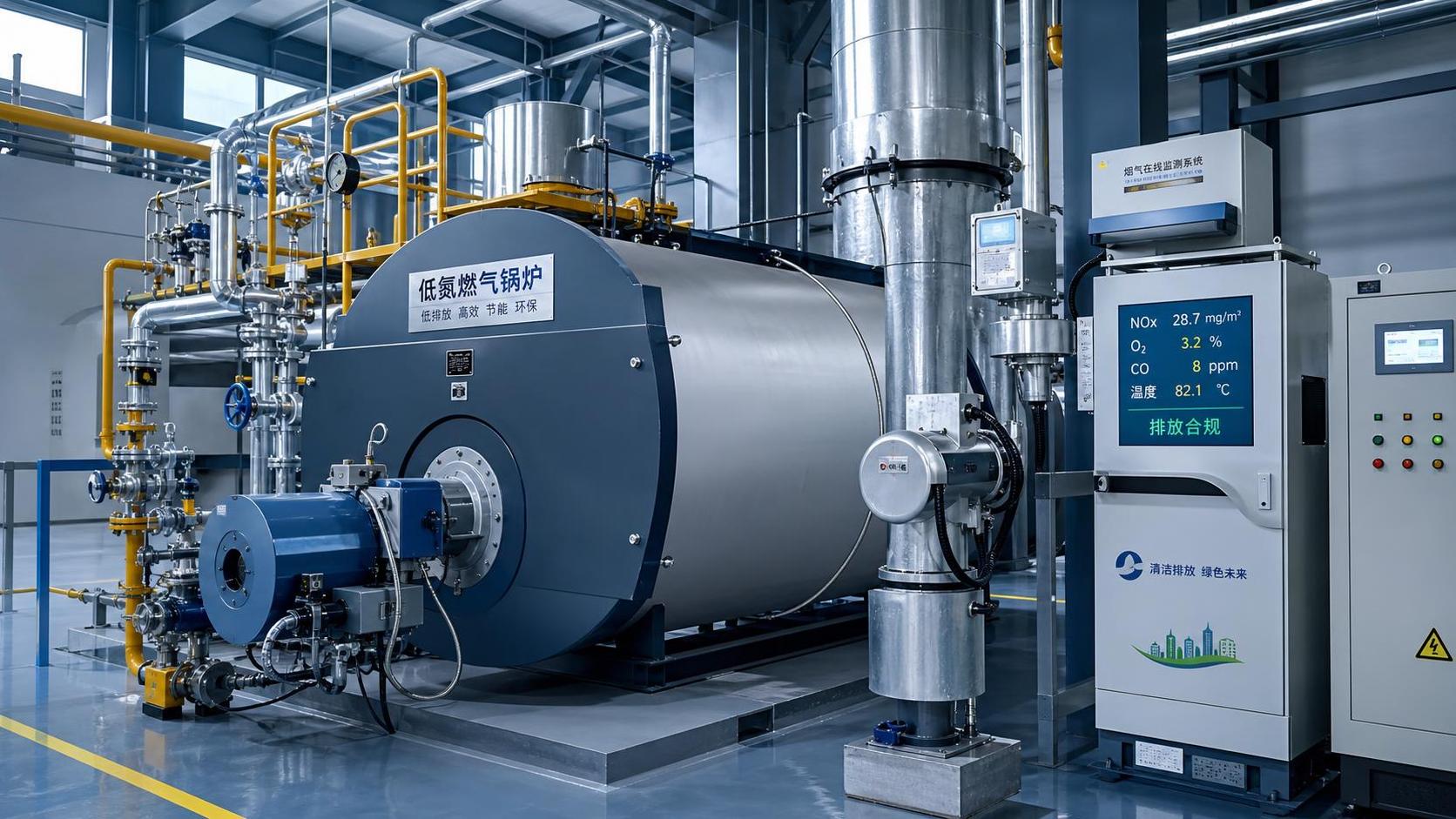
Start with emissions performance, but do not stop there. “Low emissions” can mean very different things depending on jurisdiction, test basis, burner setup, excess air level, and whether quoted values are guaranteed across the firing range or only achieved at a narrow point.
Check the emissions claim the way a permit reviewer would
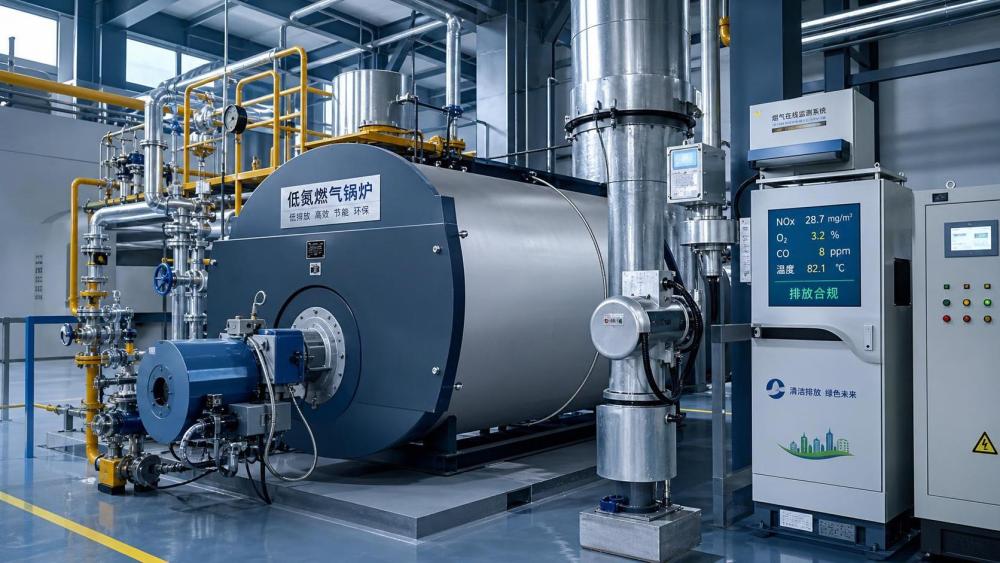
Ask suppliers to state NOx, CO, and where relevant unburned hydrocarbons or particulate-related implications on a clearly defined basis. That means corrected oxygen reference, fuel type, load condition, and whether the value is a design target, factory test result, or contractual guarantee. Numbers without test conditions are not useful for a decision.
This matters even more in cross-border projects. U.S. air district expectations, EU environmental compliance practice, and local permit language in Southeast Asia or the Middle East may not line up neatly. A vendor may honestly present a low-NOx burner package that satisfies one market and still leave you exposed in another. If your project will face environmental review, confirm the exact local standard and emissions reporting basis with the permitting team early. Do not let that verification happen after technical selection.
- Is the quoted NOx level guaranteed at high fire only, or across turndown?
- Does the guarantee depend on a specific excess oxygen window?
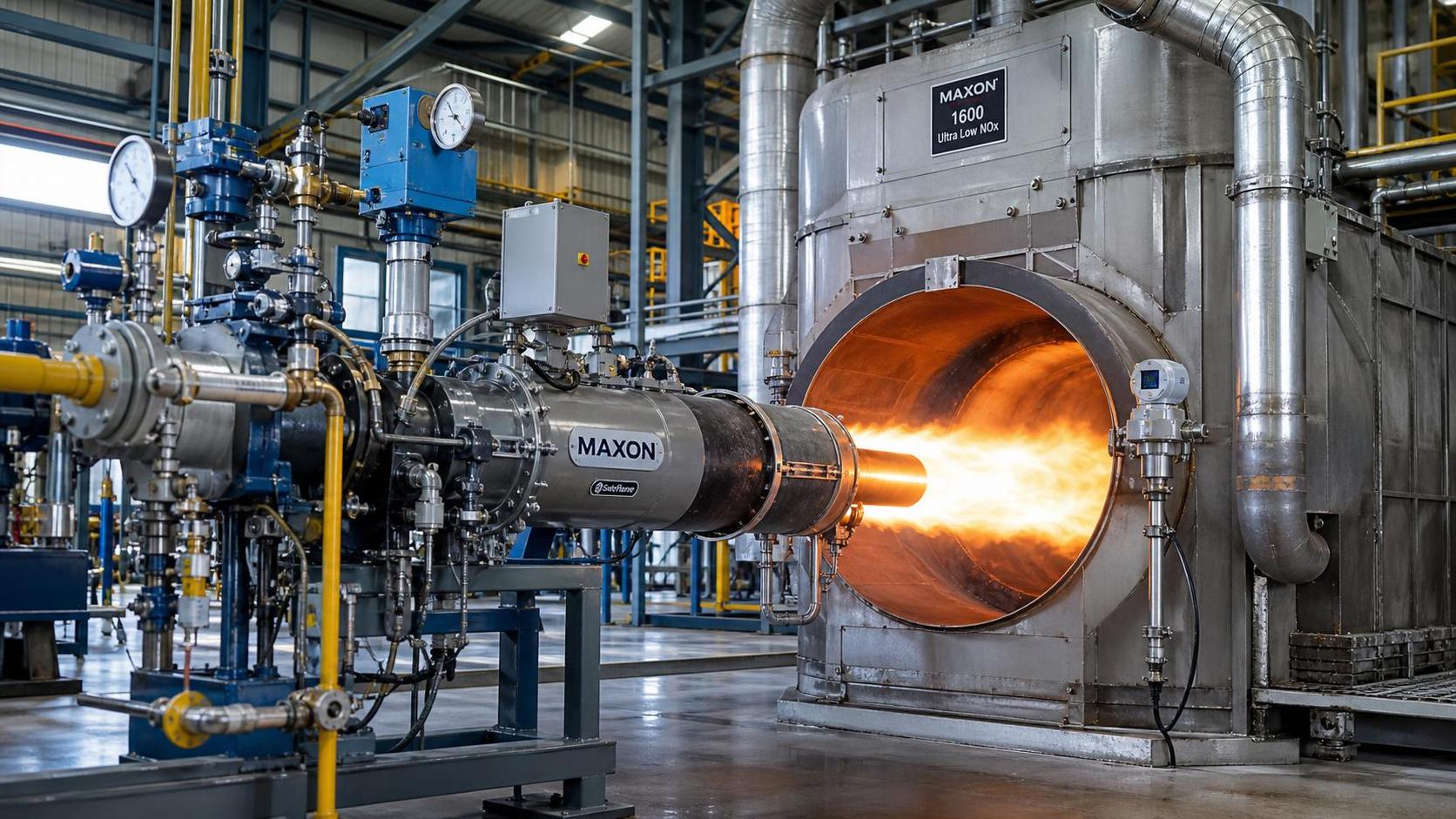
- Is flue gas recirculation, premix combustion, or another method used to reach the number?
- What happens to CO when NOx is pushed lower?
- Has the package already been accepted in your target market, or is that still 【待核实】?
A common mistake is chasing the lowest headline NOx figure while ignoring combustion stability. In real plants, unstable low-load operation and nuisance trips create more trouble than a marginal difference between two quoted emissions levels.
Look at the real operating profile, not just rated capacity
A boiler that spends most of its life at 35% to 60% load should not be judged mainly on full-load performance. Technical evaluators know this, but it still gets overlooked when procurement tables focus on nameplate output.
Check the annual load profile, startup frequency, seasonal swings, and whether demand is smooth or erratic. In food processing, laundry, pharmaceuticals, and some batch chemical operations, the load pattern often punishes equipment that looks fine in steady-state calculations. A boiler with better turndown, tighter control, and cleaner low-load combustion can outperform a theoretically more efficient unit over the year.
Ask for performance data at several operating points. If the vendor only presents one efficiency number, push for more detail. You need to know how the system behaves at the loads your site actually sees.
Fuel flexibility is either a strength or a hidden risk
Many low emissions boilers are specified around natural gas, but the real question is whether your fuel supply is consistently clean and stable. If the gas composition swings, pressure quality is poor, backup fuel is required, or there is a future decarbonization path under discussion, that has to be part of the comparison now.
Dual-fuel capability sounds reassuring, but it often comes with tradeoffs in burner complexity, tuning sensitivity, emissions performance, and maintenance effort. The same goes for any discussion involving blends or alternative fuels. There are active market conversations around lower-carbon fuel strategies, but compatibility claims should be verified against the actual burner design, controls logic, local code requirements, and manufacturer documentation. If a future hydrogen blend or biogas use case is being suggested, mark it as a separate validation item rather than assuming smooth conversion later.
Compare burner and control philosophy, not just boiler shell design
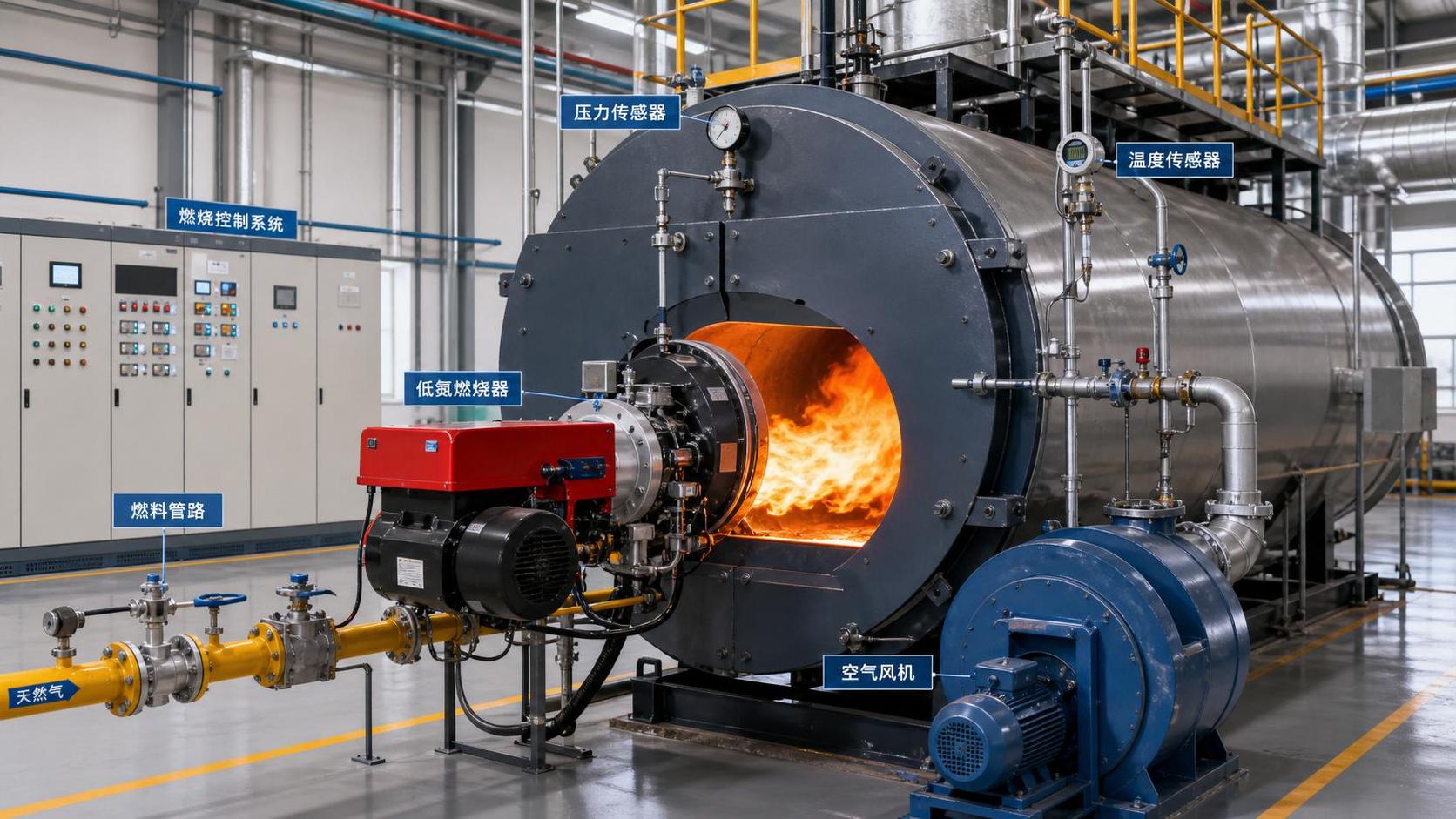
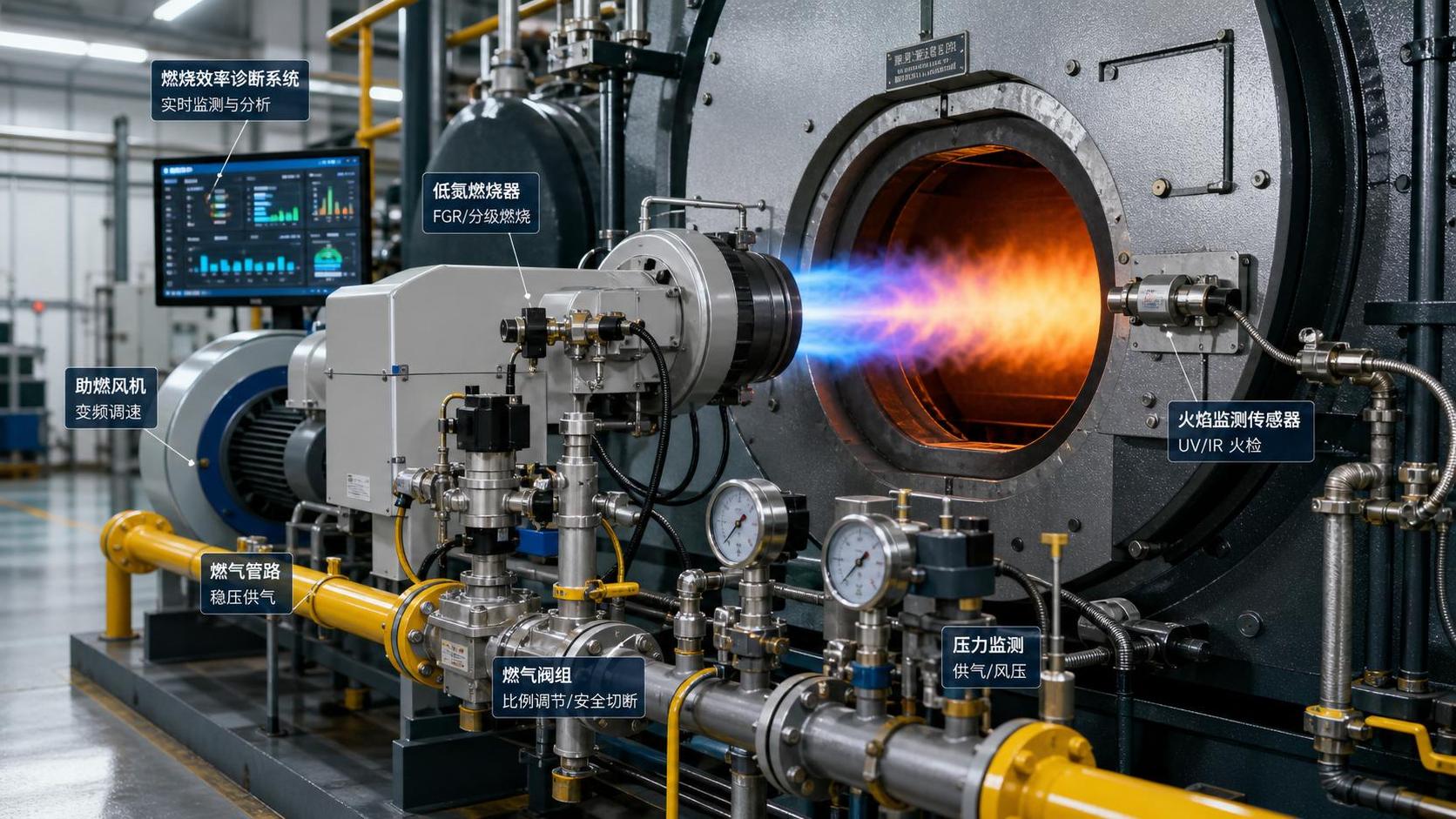
When two packages are close on thermal output and emissions claims, the controls architecture often decides which one is easier to live with. Advanced combustion controls, O2 trim, variable speed drives, flame monitoring, remote diagnostics, and burner management integration all affect real operating value.
What you want to know is not whether the controls are “smart.” That word is too loose. Ask whether they are understandable to your operators, maintainable by your instrumentation team, and compatible with your plant DCS or BMS. A system that requires constant vendor intervention for tuning is not a technical win.
One practical question worth asking: when the boiler starts drifting out of tune, how quickly can your team recognize it, and how hard is it to bring it back?
Do not separate efficiency from the rest of the system
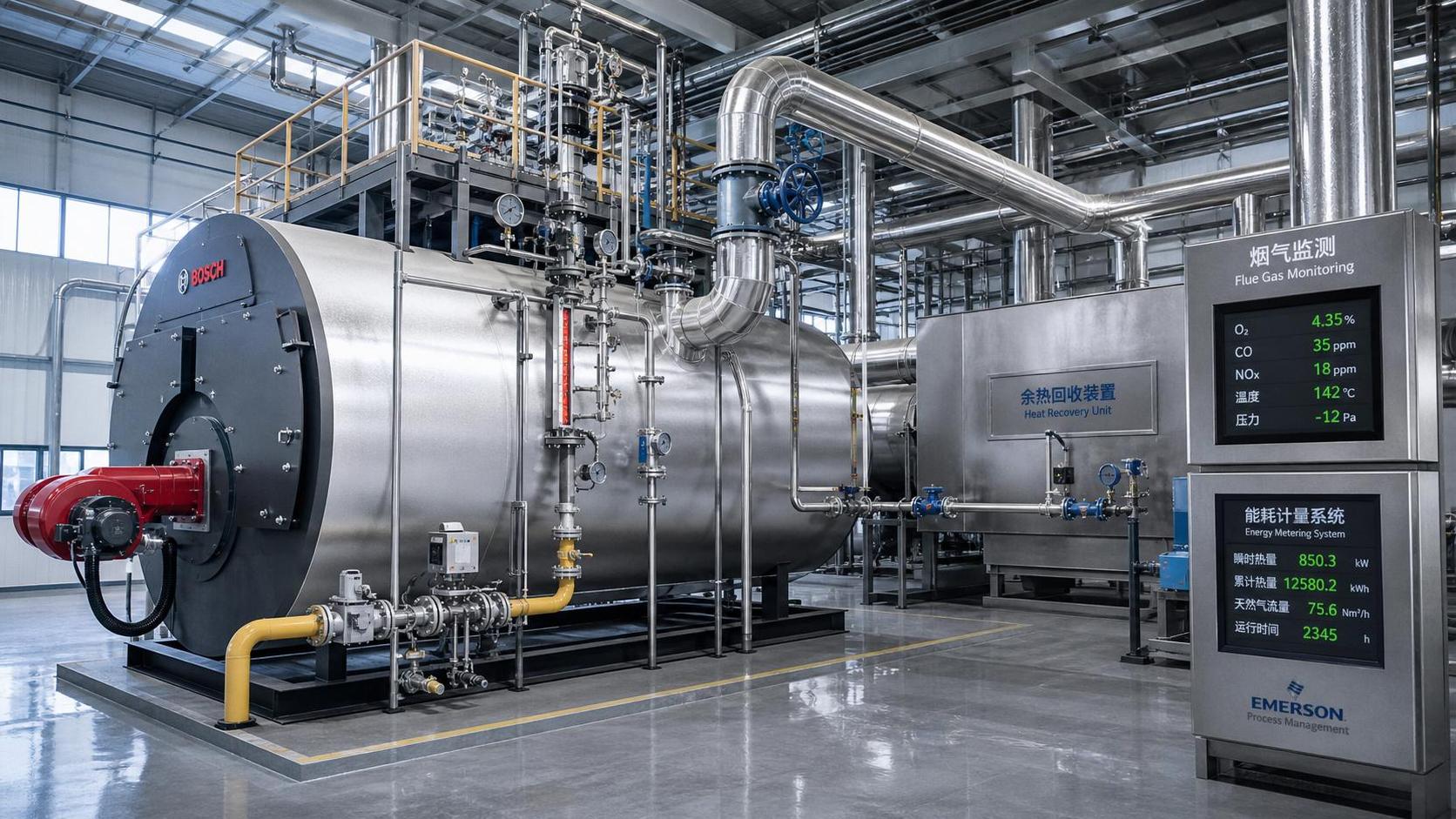
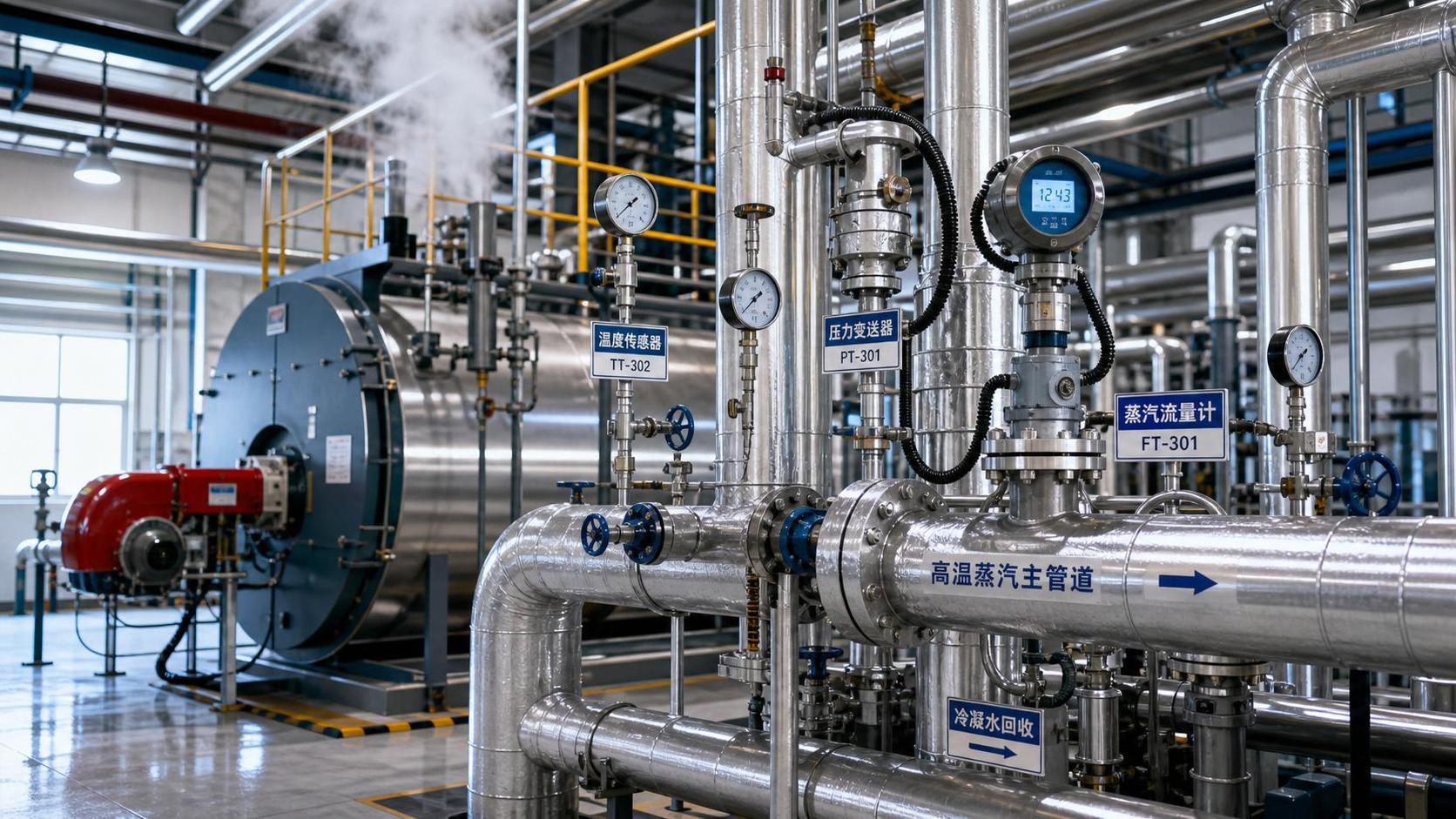
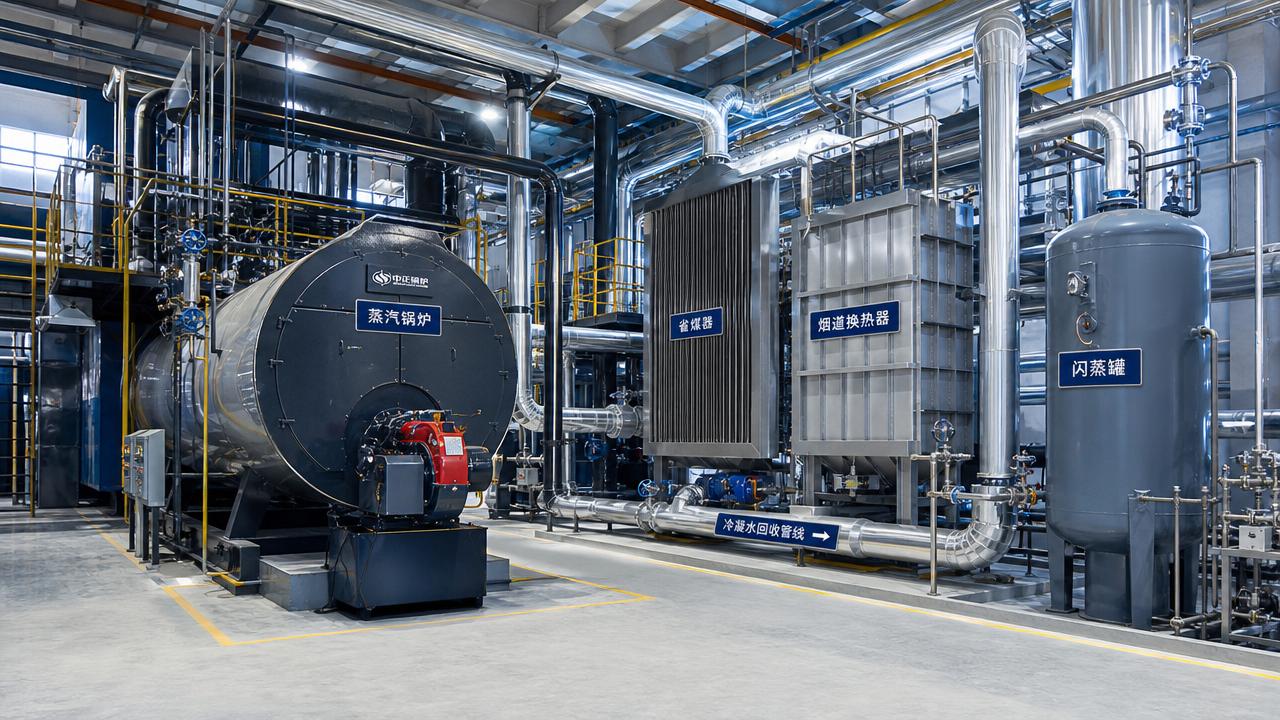
Combustion efficiency and seasonal efficiency are not the same thing, and neither tells the full story if the surrounding system is weak. Low emissions boilers need to be evaluated in context: economizer arrangement, feedwater quality, return temperature, condensate recovery, blowdown management, stack configuration, and plant sequencing all influence actual fuel use.
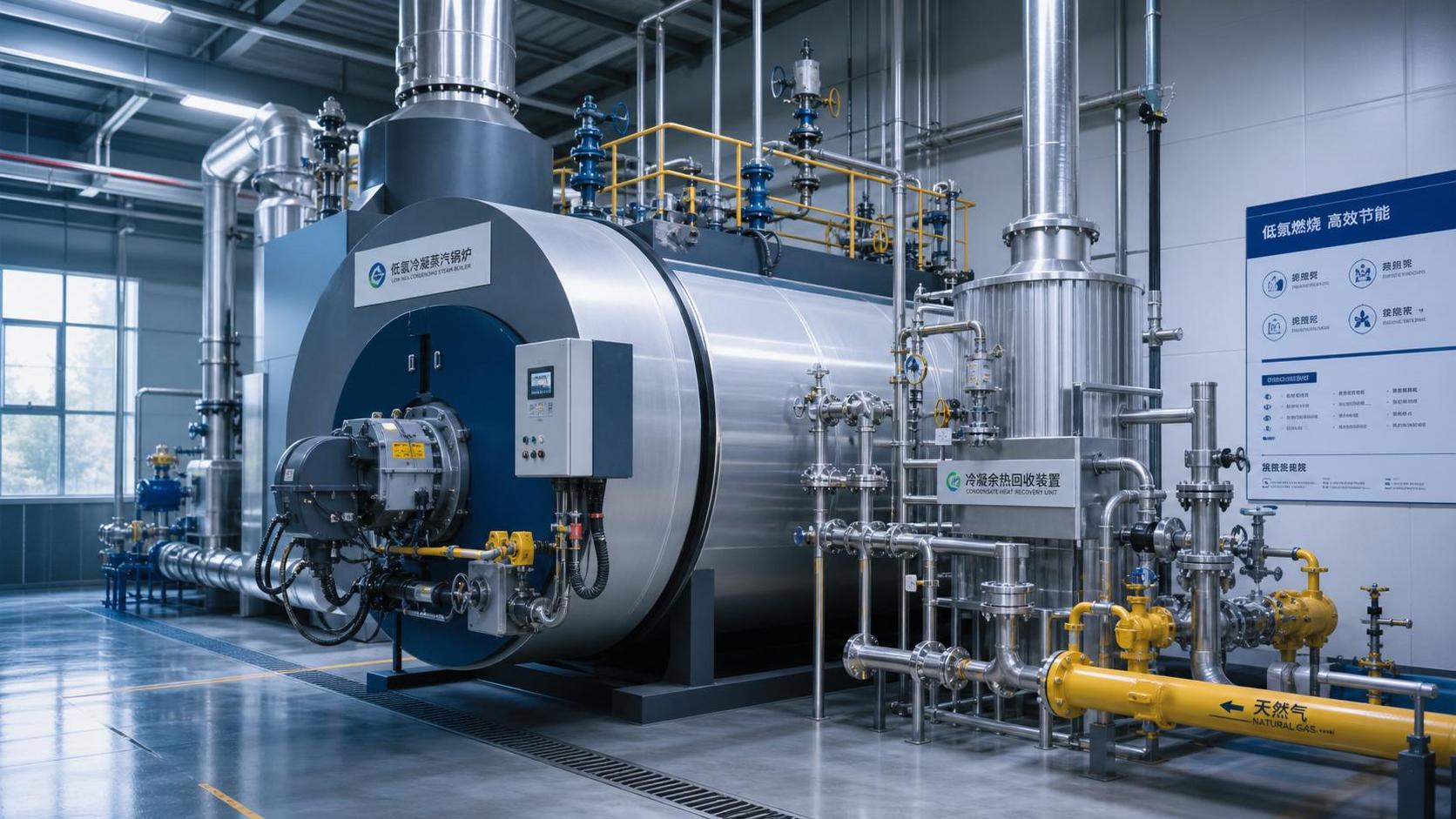
Condensing designs deserve special attention. They can deliver strong efficiency gains in the right temperature regime, but only when return temperatures stay low enough and materials are appropriate for condensate handling. A condensing unit installed into a high-return-temperature system without broader redesign may never achieve the promised economics.
This is where evaluators should ask for a simple annualized energy model tied to site conditions. Not a glossy estimate. A transparent one with assumptions you can challenge.
Maintenance access tells you a lot about long-term cost
Low emissions performance often depends on tighter combustion control and more specialized burner components. That is manageable if maintenance access is good, spare parts are available, and service intervals are realistic. It becomes expensive when burner inspection is awkward, refractory life is short, sensors foul easily, or only one outside technician knows how to tune the system.
Review these points during comparison, not after award:
- Estimated maintenance intervals for burner, controls, sensors, and heat transfer surfaces.
- Required calibration routines and who is expected to perform them.
- Lead times for critical spare parts.
- Local service coverage and commissioning capability.
- Training depth for operators and maintenance personnel.
A low purchase price can disappear quickly if downtime risk is high or support is thin in your region.
Compliance should include tomorrow’s operating reality
For technical evaluators, compliance is not just “can we get approval now.” It is also “what happens if monitoring expectations tighten, carbon reporting gets stricter, or site expansion changes the permitting basis.” In some markets, low-NOx combustion is enough. In others, monitoring, reporting, and documentation discipline matter nearly as much as burner technology.
Be cautious with generic statements about certifications unless the vendor identifies the exact code, standard, or approval path relevant to your project. Boiler codes, burner standards, pressure vessel requirements, and emissions acceptance procedures vary by region. If any claimed conformity is not clearly documented for your jurisdiction, flag it as 【待核实】 and keep it off the final scorecard until confirmed.
Use lifecycle cost, but keep the model honest
Lifecycle cost is where many decisions should be settled, but only if the assumptions are visible. Compare capital cost, fuel cost sensitivity, maintenance labor, consumables, expected service interventions, downtime risk, and remaining compliance upgrades that may be needed later.
Do not let the financial model hide weak engineering assumptions. If one option depends on perfect operating discipline, premium fuel quality, and aggressive tuning to deliver savings, price that risk in. The more advanced the low emissions boiler package, the more important it is to understand what conditions are required for it to stay in its best operating window.
A short final screen before you decide
Before selecting among low emissions boilers, I would want five answers on one page: what emissions level is contractually guaranteed and on what basis, how the unit performs across my actual load range, what fuel and controls constraints apply, what maintenance burden my team is really taking on, and what local compliance items are already proven versus still pending verification.
If a supplier cannot answer those clearly, the comparison is not mature yet. Keep the decision table practical. The best choice is usually not the boiler with the most impressive headline claim. It is the one that stays clean, stable, serviceable, and economically credible in your plant, under your operating habits, with your permitting reality.
Related News
- Low Emissions Boilers: What to Compare Before You ChooseAuthor :Thermal Energy Strategist

- Low-NOx Boilers Cost Breakdown: Upfront Price, Fuel Savings, and PaybackAuthor :Thermal Energy Strategist

- Boiler Combustion Systems: Common Causes of Unstable Fuel PerformanceAuthor :Thermal Energy Strategist

- Hot Water Industrial Boilers: When Efficiency Gains Justify ReplacementAuthor :Thermal Energy Strategist

- What Boiler Efficiency Really Means in Daily Operation and Energy BillsAuthor :Thermal Energy Strategist

- Boiler Efficiency Testing Methods That Expose Heat Loss and Fuel WasteAuthor :Thermal Energy Strategist

- Industrial Burner Systems: Key Factors for Safe Heat OutputAuthor :Thermal Energy Strategist

- Gas-Fired Boiler Combustion Technology: Key Efficiency and Emissions Trade-OffsAuthor :Thermal Energy Strategist

- Unfired Heat Recovery Steam Generators: When Do They Pay Off?Author :Thermal Energy Strategist

- How to Evaluate Steam Generation Systems Electric for Process Heat ProjectsAuthor :Thermal Energy Strategist

- Thermal Power Systems for Industrial Heating: Common Sizing Mistakes to AvoidAuthor :Thermal Energy Strategist

- Low-NOx Condensing Boilers: How to Compare Efficiency and EmissionsAuthor :Thermal Energy Strategist
![]()
- Low Emissions Boilers for Food Processing: Key Compliance and Fuel Cost FactorsAuthor :Thermal Energy Strategist

- Steam System Efficiency Calculation: Key Inputs That Change the ResultAuthor :Thermal Energy Strategist

- How to Evaluate a Steam Boiler Components Exporter Before OrderingAuthor :Thermal Energy Strategist

- Burner Systems Troubleshooting: Common Efficiency Loss CausesAuthor :Thermal Energy Strategist

- EU PED Q2 Rules Require Digital Compliance TagsAuthor :Thermal Energy Strategist

- Thermal Power Systems: Key Efficiency Risks in Daily OperationAuthor :Thermal Energy Strategist

- Low-NOx Combustion Boilers: Key Efficiency and Compliance ChecksAuthor :Thermal Energy Strategist

- Low-NOx Combustion Boilers: Key Specs That Affect Emissions and Fuel UseAuthor :Thermal Energy Strategist

- Low-NOx Combustion Boilers: Key Compliance RisksAuthor :Thermal Energy Strategist

- Thermodynamics Analysis for Boiler Heat-Loss ReductionAuthor :Thermal Energy Strategist

- Industrial Thermal Systems: Common Operating RisksAuthor :Thermal Energy Strategist

- Low-NOx Combustion Boilers: Key Spec Checks Before PurchaseAuthor :Thermal Energy Strategist

- How Industrial Heat Recovery Cuts Boiler Fuel Costs in 2026Author :Thermal Energy Strategist

- Thermodynamics Analysis: 5 Heat Loss Clues in Steam BoilersAuthor :Thermal Energy Strategist

- Low-NOx Combustion Boilers: What Affects Real Emissions PerformanceAuthor :Thermal Energy Strategist

- Thermodynamics Analysis: Finding Heat Loss in Steam BoilersAuthor :Thermal Energy Strategist

- 2026 Steam Boiler Upgrades for Lower NOx and Fuel CostsAuthor :Thermal Energy Strategist

- EU to Expand CBAM to Steam Boilers; Exporters Must Prepare Carbon DataAuthor :Thermal Energy Strategist

- Industrial Heat Recovery: When Payback Beats New Boiler CapacityAuthor :Thermal Energy Strategist

- Carbon Neutrality Targets and the New Boiler Retrofit PaybackAuthor :Thermal Energy Strategist

- Low-NOx Combustion Boilers: Fuel Savings vs Emission LimitsAuthor :Thermal Energy Strategist

- Industrial Energy Efficiency Benchmarks for Steam Boiler Upgrades in 2026Author :Thermal Energy Strategist

- Low-NOx Combustion Boilers: Efficiency vs Emissions in 2026Author :Thermal Energy Strategist

- Industrial Heat Recovery Options for Steam Boiler SavingsAuthor :Thermal Energy Strategist