



How to Compare Boiler Systems in Latin America by Fuel Cost and Compliance




Comparing boiler systems in Latin America is rarely a simple capex exercise. A unit that looks economical on paper can become an expensive mistake once local fuel pricing, burner tuning requirements, water quality, stack emissions, and permitting timelines start to show up in the real project file. For technical evaluators, the hard part is not listing boiler types. It is building a comparison method that reflects how industrial heat is actually bought, regulated, and operated across different countries in the region.
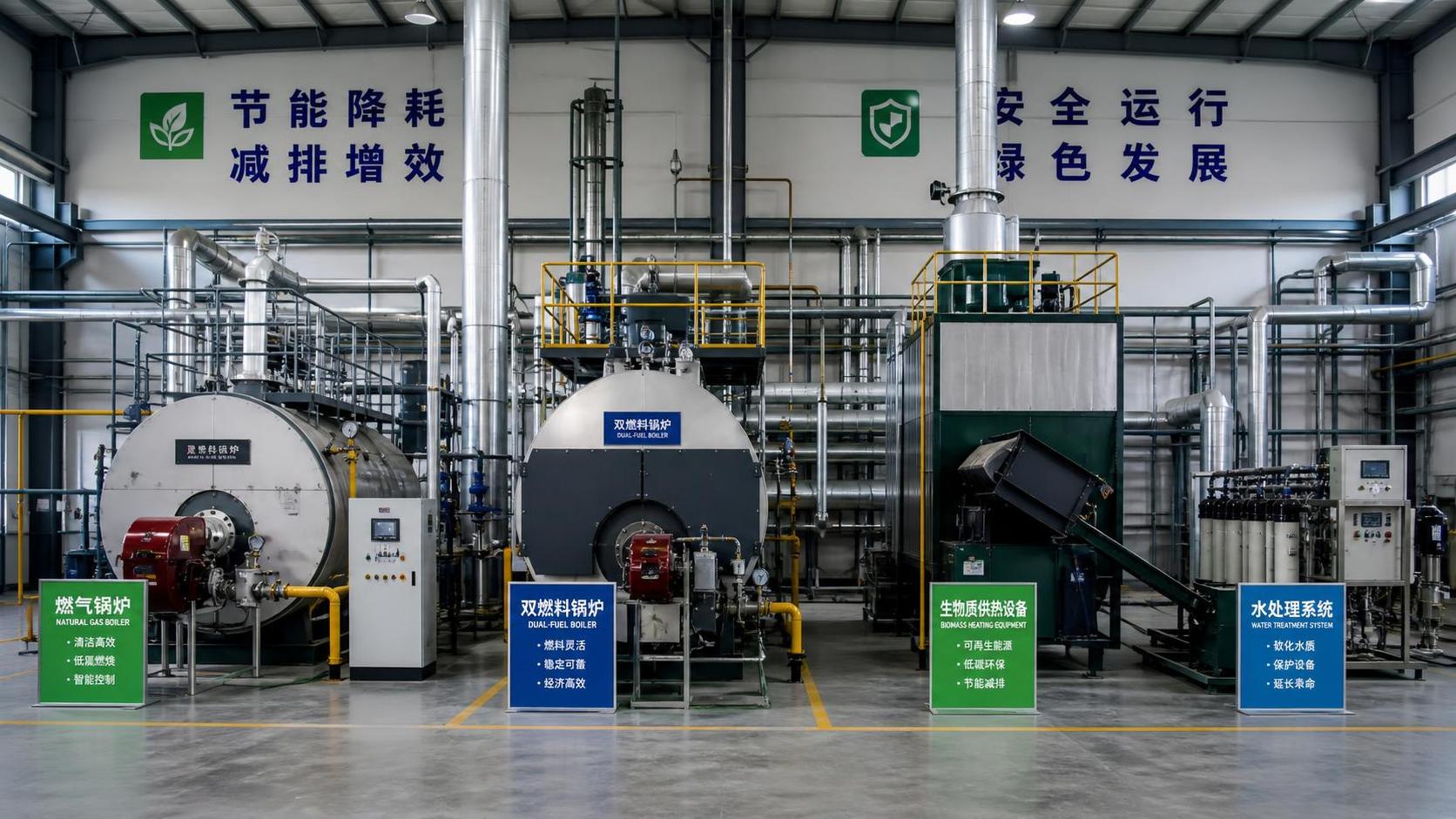
That is especially true when the same production group may be reviewing natural gas boilers in Mexico, dual-fuel packages in the Caribbean, biomass options in parts of South America, or diesel backup configurations where gas supply is unstable. In practice, the right answer often depends less on nameplate efficiency alone and more on fuel flexibility, emissions margin, and serviceability under local conditions.
Start with the fuel reality, not the boiler brochure
A common evaluation mistake is to compare boiler systems Latin America projects by thermal efficiency only. That matters, of course, but fuel procurement often dominates lifecycle cost. In some markets, pipeline natural gas can make a condensing or high-efficiency fire-tube package look attractive. In others, interruptible supply, regional infrastructure gaps, or imported fuel exposure can quickly change the economics.
Before comparing boiler designs, lock down four fuel questions:
- What fuel is reliably available at the plant, not just theoretically available in the country?
- How volatile is the delivered cost, including transport, storage, and seasonal pricing?
- Does the process need one fuel or a dual-fuel fallback strategy?
- Can the burner and controls maintain emissions compliance across expected fuel quality variation?
That last point is often underestimated. A boiler specified for one gas composition may not behave the same way if local supply quality shifts. The same goes for heavy liquid fuels, LPG, or biomass with variable moisture content. On paper, two systems can show similar heat output; in the field, one may drift out of its optimal combustion window much faster than the other.
Compare operating cost on usable steam or hot water, not fuel price alone
Fuel cost comparison only becomes meaningful when normalized to useful thermal output. If one boiler runs at higher seasonal efficiency but needs cleaner feedwater, tighter load control, or more disciplined maintenance to stay there, the theoretical savings may never fully materialize. Evaluators should compare:
- Expected part-load efficiency
- Blowdown impact
- Start-stop frequency
- Stack loss under local ambient conditions
- Auxiliary power draw for fans, pumps, and treatment systems
This matters in food processing, pharmaceuticals, and light manufacturing, where demand profiles are often uneven rather than flat. A boiler that performs well near full load may be a poor fit if the plant spends long hours cycling at partial load. In those cases, burner turndown, control stability, and heat recovery options can be more valuable than a headline efficiency figure.
Teams that track energy conversion equipment more broadly, including heat exchangers and compressed air systems, already know this pattern: system efficiency is usually decided at the interaction level, not the component level. That is one reason industrial intelligence platforms such as GTC-Matrix increasingly look at boilers alongside wider thermal architecture rather than as isolated assets.
Compliance is not a final checkpoint; it changes the shortlist early
In Latin America, emissions and permitting requirements are not uniform enough to treat compliance as a box-ticking exercise at the end. Technical evaluators usually need to check local, regional, and sometimes sector-specific rules on combustion emissions, fuel storage, safety devices, water treatment discharge, and inspection obligations before finalizing the boiler concept.
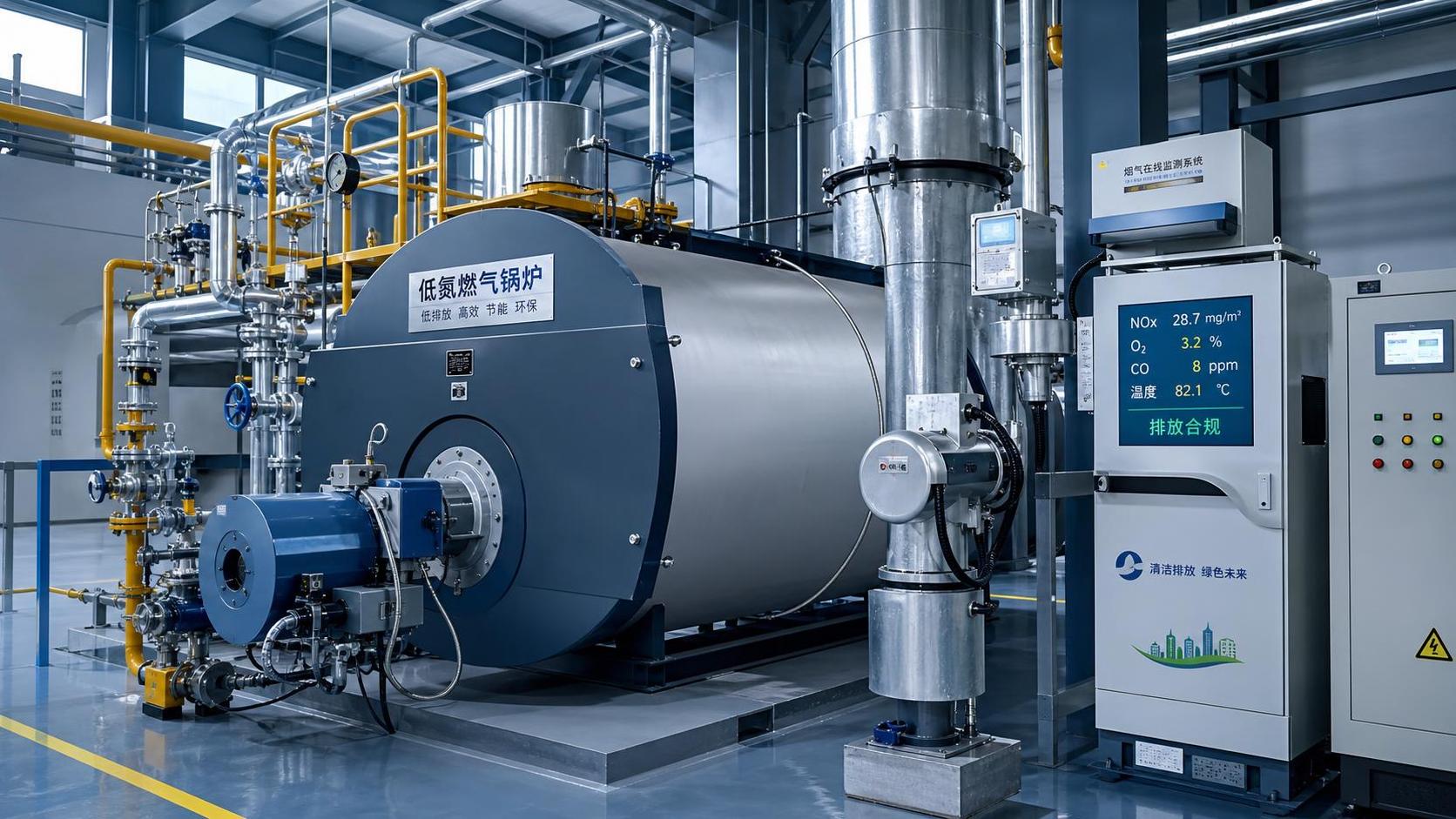
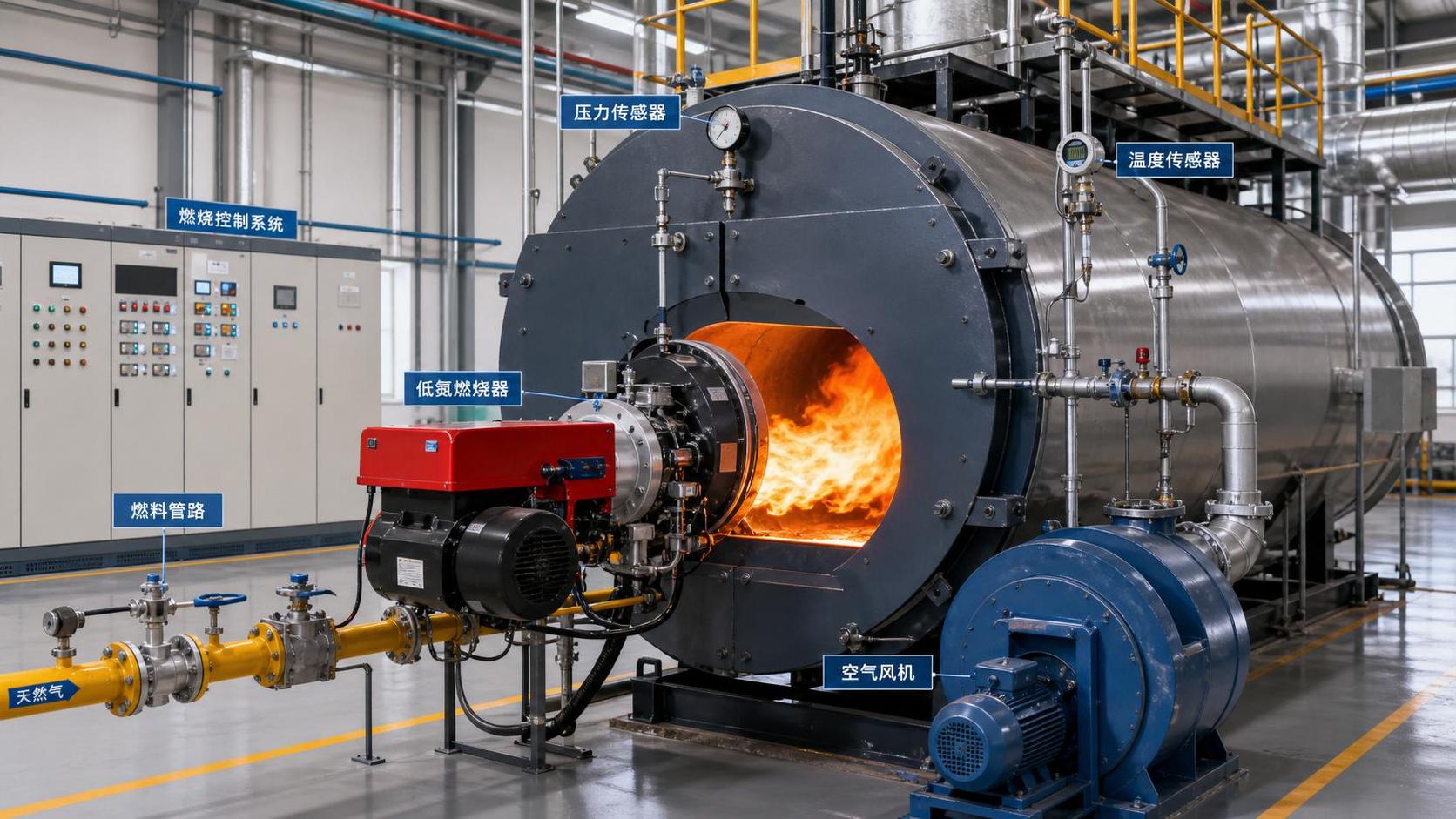
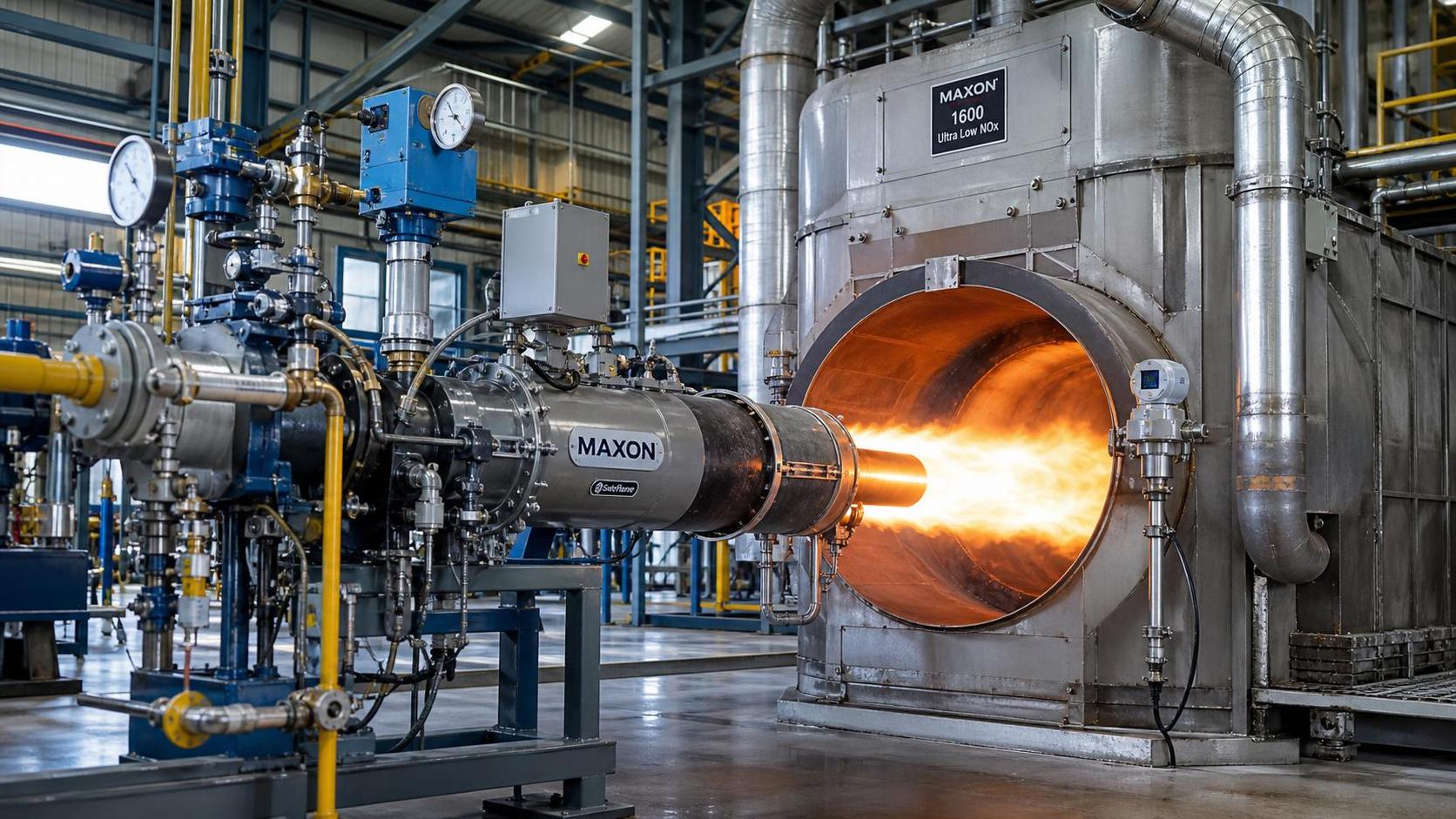
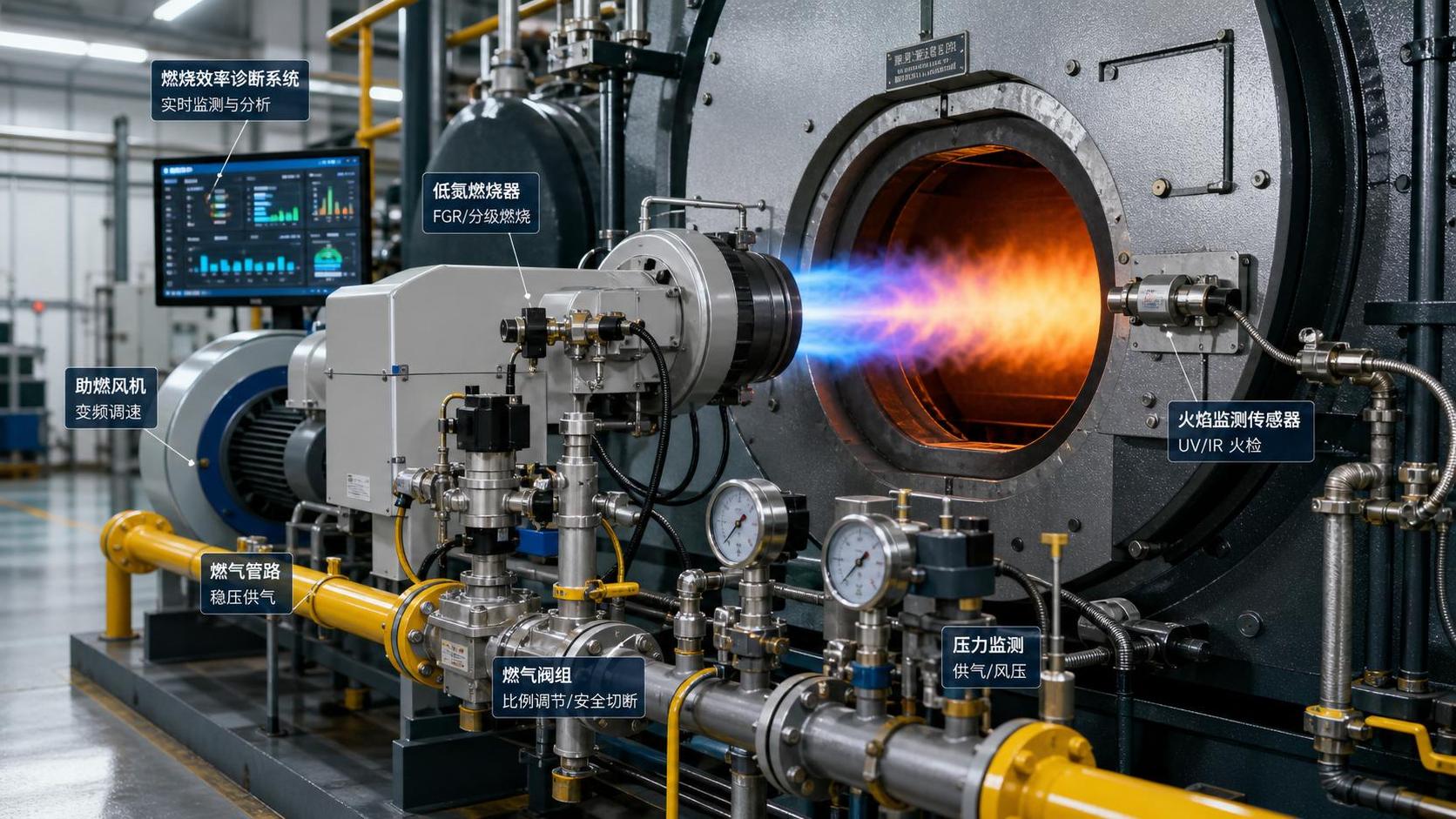
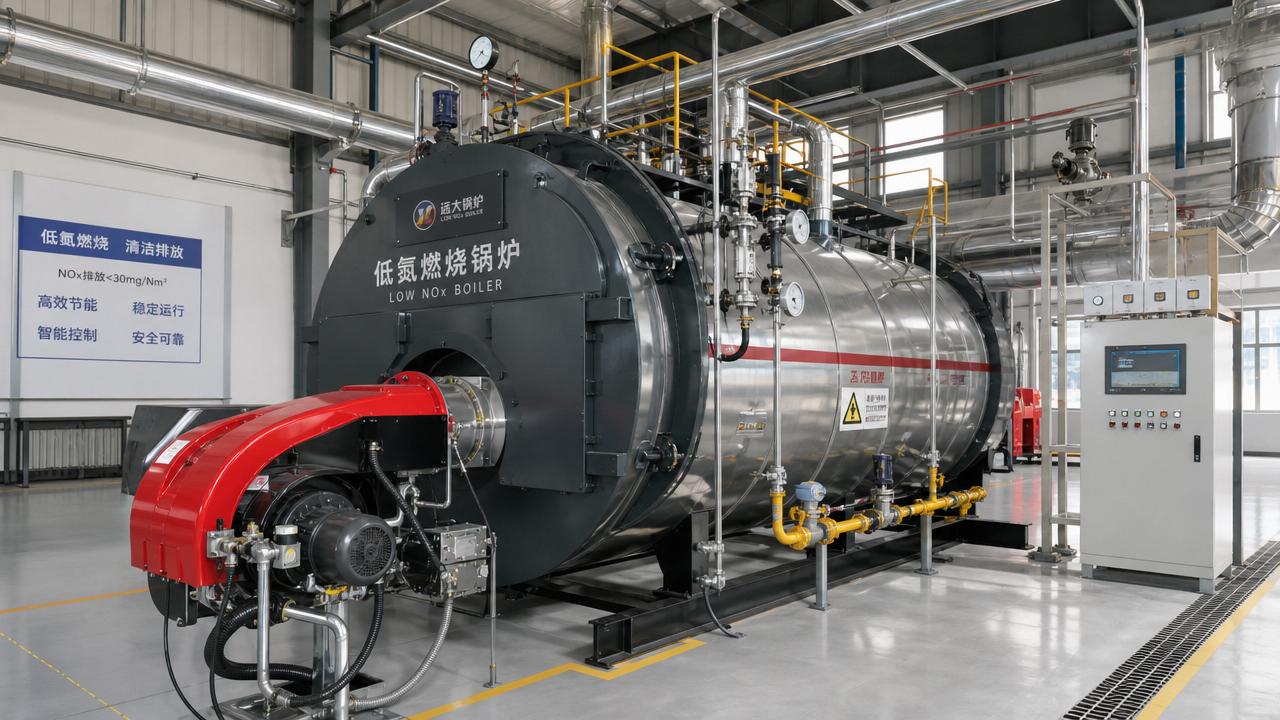
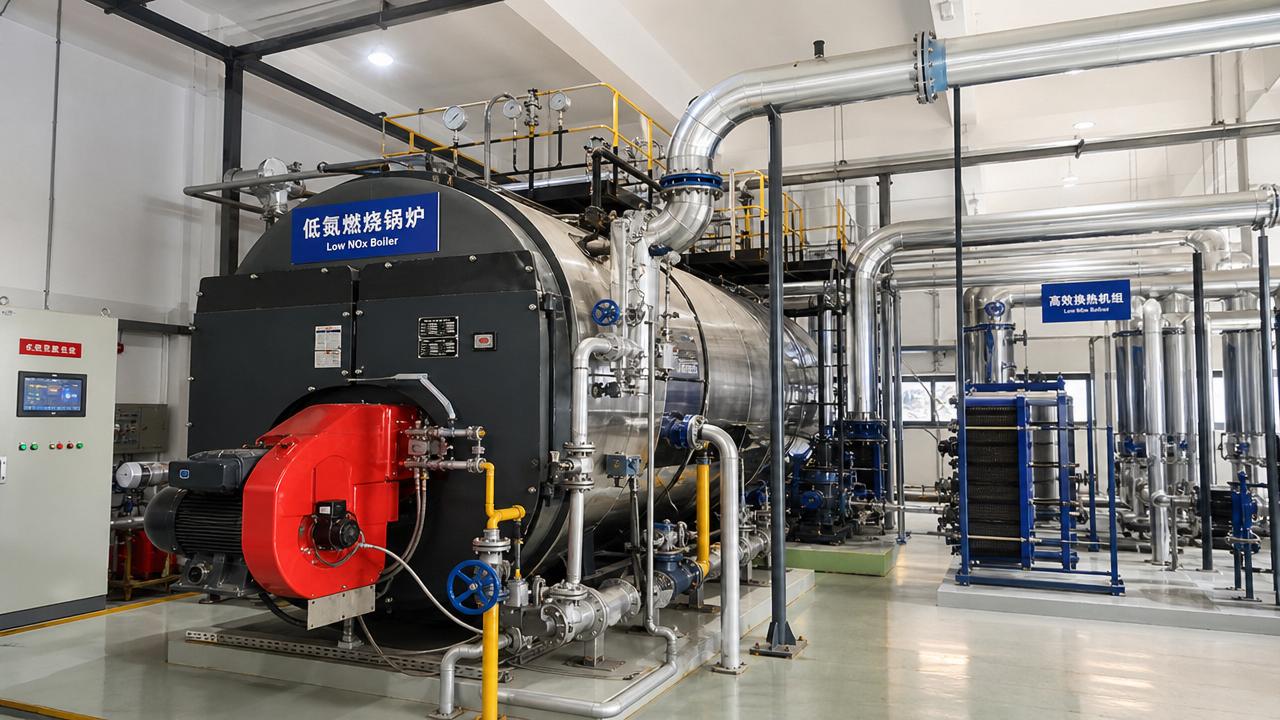
The practical issue is that low-NOx performance, stack configuration, and combustion controls are not accessories. They affect burner selection, fan sizing, flue gas recirculation decisions, maintenance needs, and commissioning complexity. If local regulators or corporate ESG policies require a tighter emissions profile, it may eliminate lower-cost boiler options right away.
For multinational operators, there is another layer: internal standards can be stricter than local law. A plant may legally operate with one emissions configuration, while the parent company requires a different design basis for NOx, CO, fuel switching safeguards, or remote monitoring. If that gap is discovered after bid evaluation, rework is almost guaranteed.
Country differences usually show up in logistics and enforcement, not just written rules
A regulation may look manageable on paper, but the real project impact often comes from inspection lead time, spare parts access, customs delays, or approved service availability. This is where many regional comparisons become too abstract. Two countries may both allow similar boiler technologies, yet one market supports fast burner service and routine calibration, while the other depends heavily on imported components and long technical response times.
That changes the value of design simplicity. In locations where specialized technicians are limited, a robust package boiler with familiar controls may outperform a more advanced system whose best efficiency depends on frequent expert tuning. There is no universal rule here. The point is that compliance and operability need to be evaluated together.
What to compare between common boiler paths
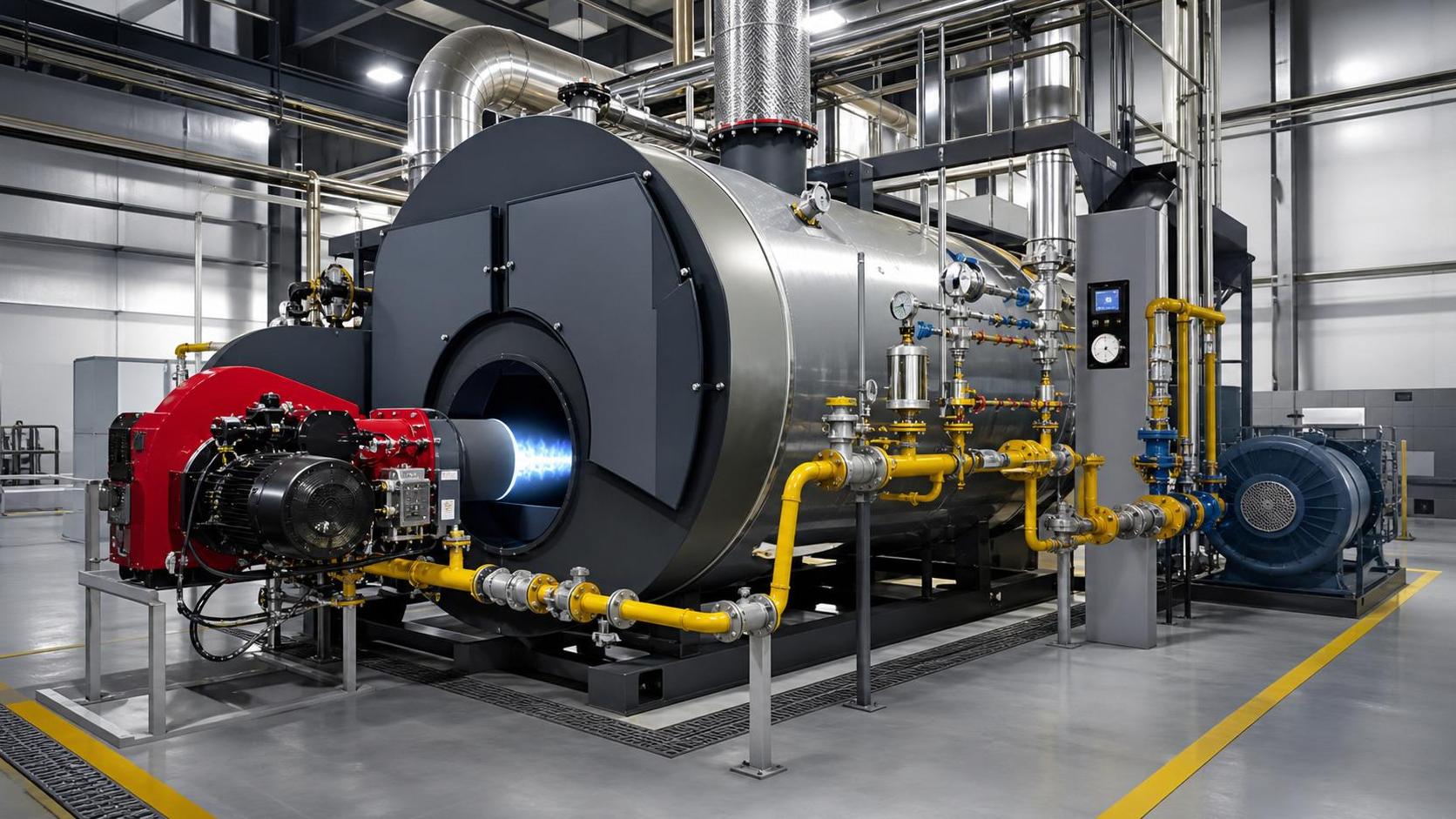
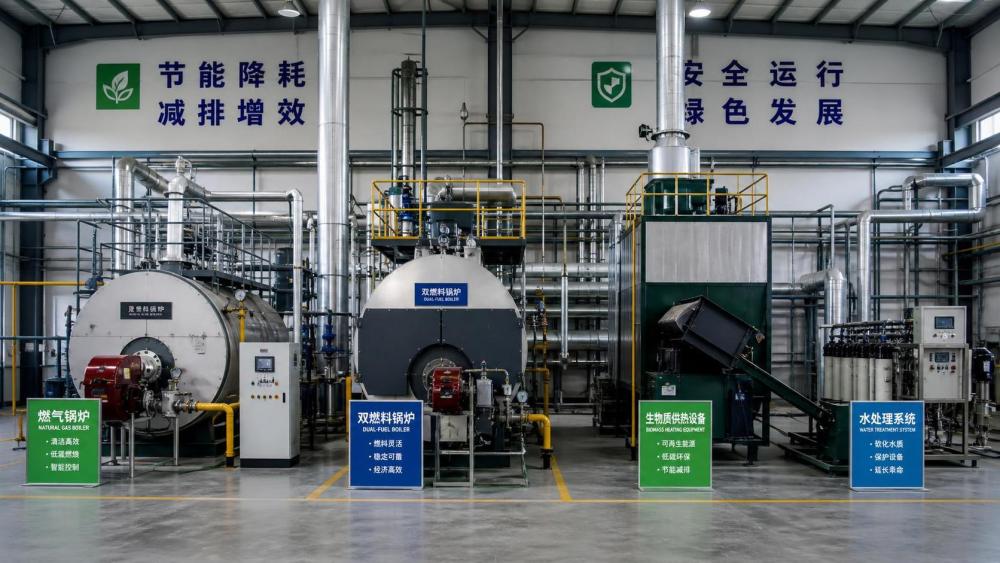
Most industrial comparisons in the region end up considering some variation of gas-fired, oil-fired, dual-fuel, electric, or biomass-supported systems. Instead of ranking them in the abstract, compare them against the site’s actual constraints.
This kind of matrix is more useful than generic “best boiler type” advice because it forces technical and commercial teams to compare what the plant can actually support.
Do not separate thermal performance from water and maintenance conditions
Across Latin America, site water quality can be as decisive as fuel choice, especially for steam systems. Evaluators sometimes focus heavily on burner technology and overlook the effect of feedwater treatment, scaling tendency, blowdown practice, and operator routine. That can distort the comparison between boiler systems more than expected.
If the plant cannot consistently maintain the water chemistry required by a high-performance system, a slightly less optimized but more forgiving configuration may deliver lower real operating cost over time. The same logic applies to spare parts strategy. A burner package with advanced controls is only as good as the local ability to diagnose, recalibrate, and keep it in spec.
A practical scoring method works better than a single “winner”
For selection teams, a weighted decision sheet is usually the cleanest way to avoid bias from capex or efficiency headlines. The scoring categories often include:
- Delivered fuel cost and volatility
- Expected seasonal efficiency at actual load profile
- Emissions compliance margin
- Water treatment compatibility
- Fuel-switch or redundancy needs
- Availability of local service and critical spares
- Permitting complexity and project schedule risk
- Integration with existing heat recovery or plant controls
Not every category deserves the same weight. A pharmaceutical plant with strict process stability may prioritize combustion control and uptime over pure fuel arbitrage. A food plant in an area with uncertain gas continuity may value dual-fuel resilience more highly. A greenfield industrial campus may care most about future emissions tightening and expansion flexibility.
This is also where market intelligence becomes genuinely useful. A platform like GTC-Matrix, with visibility into low-NOx boiler evolution, industrial energy cost shifts, and cross-sector thermal demand trends, can help evaluators pressure-test assumptions before they become procurement commitments.
Three mistakes that keep showing up
One is choosing on nominal efficiency without examining part-load behavior.
Another is assuming compliance can be solved later with add-ons, even though burner architecture and control logic may need to be selected from the beginning around emissions expectations.
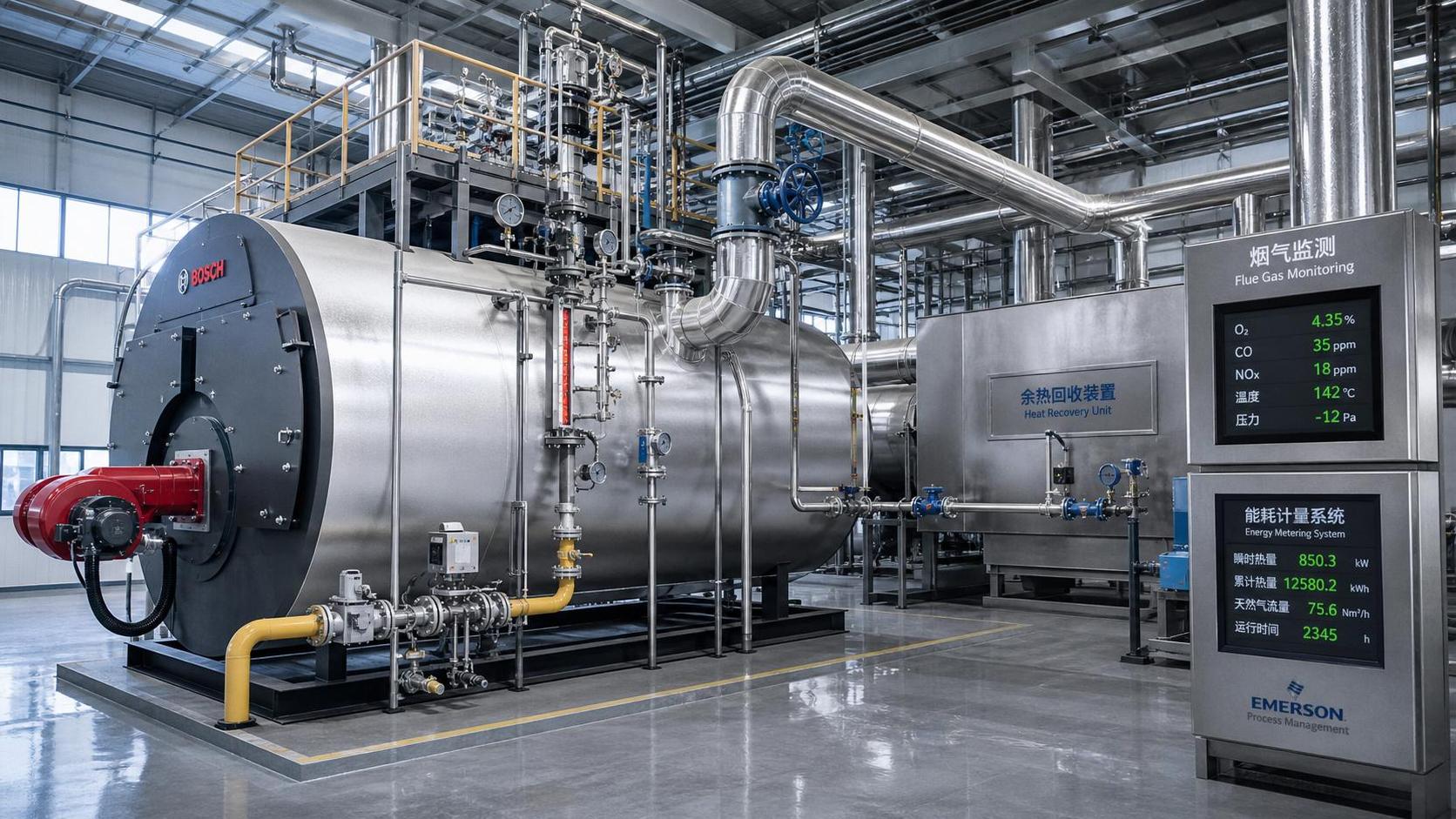
The third is treating the boiler as a standalone utility package. In reality, condensate return, deaeration, stack heat recovery, process integration, and control interoperability all shape the economics. The best boiler choice is often the one that fits the plant’s thermal ecosystem with the least friction.
What a solid comparison should produce
By the end of the evaluation, the team should not just have a preferred boiler model or vendor list. It should have a documented position on fuel exposure, emissions headroom, maintenance realism, and country-specific implementation risk. If those items are still vague, the comparison is not finished.
In Latin America, the most reliable boiler decisions usually come from combining thermodynamic logic with regional operating context. That sounds obvious, but many costly missteps happen when one side is missing. If fuel strategy, compliance pathway, and service conditions are aligned early, the shortlist gets smaller for the right reasons—and the boiler is much more likely to perform as intended once the plant is running.
Related News
- How to Compare Boiler Systems in Latin America by Fuel Cost and ComplianceAuthor :Thermal Energy Strategist

- How to Size Low-Pressure Industrial Steam Systems for Stable Heat DemandAuthor :Thermal Energy Strategist

- Low Emissions Boilers: What to Compare Before You ChooseAuthor :Thermal Energy Strategist

- Low-NOx Boilers Cost Breakdown: Upfront Price, Fuel Savings, and PaybackAuthor :Thermal Energy Strategist

- Boiler Combustion Systems: Common Causes of Unstable Fuel PerformanceAuthor :Thermal Energy Strategist

- Hot Water Industrial Boilers: When Efficiency Gains Justify ReplacementAuthor :Thermal Energy Strategist

- What Boiler Efficiency Really Means in Daily Operation and Energy BillsAuthor :Thermal Energy Strategist

- Boiler Efficiency Testing Methods That Expose Heat Loss and Fuel WasteAuthor :Thermal Energy Strategist

- Industrial Burner Systems: Key Factors for Safe Heat OutputAuthor :Thermal Energy Strategist

- Gas-Fired Boiler Combustion Technology: Key Efficiency and Emissions Trade-OffsAuthor :Thermal Energy Strategist

- Unfired Heat Recovery Steam Generators: When Do They Pay Off?Author :Thermal Energy Strategist

- How to Evaluate Steam Generation Systems Electric for Process Heat ProjectsAuthor :Thermal Energy Strategist

- Thermal Power Systems for Industrial Heating: Common Sizing Mistakes to AvoidAuthor :Thermal Energy Strategist

- Low-NOx Condensing Boilers: How to Compare Efficiency and EmissionsAuthor :Thermal Energy Strategist
![]()
- Low Emissions Boilers for Food Processing: Key Compliance and Fuel Cost FactorsAuthor :Thermal Energy Strategist

- Steam System Efficiency Calculation: Key Inputs That Change the ResultAuthor :Thermal Energy Strategist

- How to Evaluate a Steam Boiler Components Exporter Before OrderingAuthor :Thermal Energy Strategist

- Burner Systems Troubleshooting: Common Efficiency Loss CausesAuthor :Thermal Energy Strategist

- EU PED Q2 Rules Require Digital Compliance TagsAuthor :Thermal Energy Strategist

- Thermal Power Systems: Key Efficiency Risks in Daily OperationAuthor :Thermal Energy Strategist

- Low-NOx Combustion Boilers: Key Efficiency and Compliance ChecksAuthor :Thermal Energy Strategist

- Low-NOx Combustion Boilers: Key Specs That Affect Emissions and Fuel UseAuthor :Thermal Energy Strategist

- Low-NOx Combustion Boilers: Key Compliance RisksAuthor :Thermal Energy Strategist

- Thermodynamics Analysis for Boiler Heat-Loss ReductionAuthor :Thermal Energy Strategist

- Industrial Thermal Systems: Common Operating RisksAuthor :Thermal Energy Strategist

- Low-NOx Combustion Boilers: Key Spec Checks Before PurchaseAuthor :Thermal Energy Strategist

- How Industrial Heat Recovery Cuts Boiler Fuel Costs in 2026Author :Thermal Energy Strategist

- Thermodynamics Analysis: 5 Heat Loss Clues in Steam BoilersAuthor :Thermal Energy Strategist

- Low-NOx Combustion Boilers: What Affects Real Emissions PerformanceAuthor :Thermal Energy Strategist

- Thermodynamics Analysis: Finding Heat Loss in Steam BoilersAuthor :Thermal Energy Strategist

- 2026 Steam Boiler Upgrades for Lower NOx and Fuel CostsAuthor :Thermal Energy Strategist

- EU to Expand CBAM to Steam Boilers; Exporters Must Prepare Carbon DataAuthor :Thermal Energy Strategist

- Industrial Heat Recovery: When Payback Beats New Boiler CapacityAuthor :Thermal Energy Strategist

- Carbon Neutrality Targets and the New Boiler Retrofit PaybackAuthor :Thermal Energy Strategist

- Low-NOx Combustion Boilers: Fuel Savings vs Emission LimitsAuthor :Thermal Energy Strategist

- Industrial Energy Efficiency Benchmarks for Steam Boiler Upgrades in 2026Author :Thermal Energy Strategist