Vacuum Technology Solutions: Leak Risks You Should Test First




In vacuum-dependent operations, even a minor leak can compromise product quality, disrupt safety controls, and increase energy loss. For quality control and safety teams, choosing reliable vacuum technology solutions starts with knowing which leak risks to test first. This guide highlights the most critical inspection points to help you strengthen system integrity, reduce downtime, and support more stable industrial performance.
What Quality and Safety Teams Need to Know First
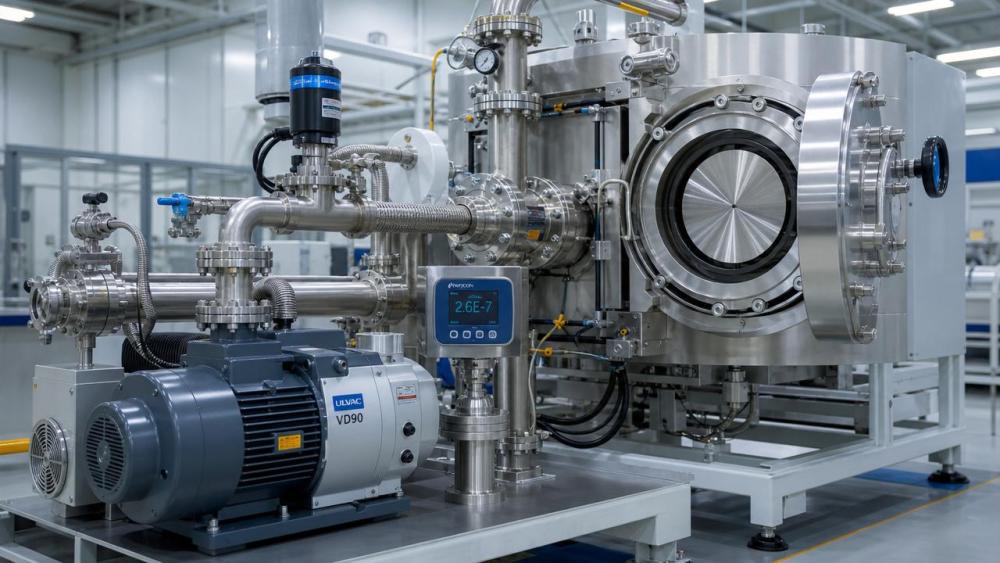
When people search for vacuum technology solutions, they usually are not looking for theory alone. They want practical ways to find leaks early, reduce failure risk, and protect process consistency.
For quality control and safety managers, the priority is clear. Test the leak points most likely to create contamination, unstable pressure, equipment stress, or dangerous exposure before expanding inspections elsewhere.
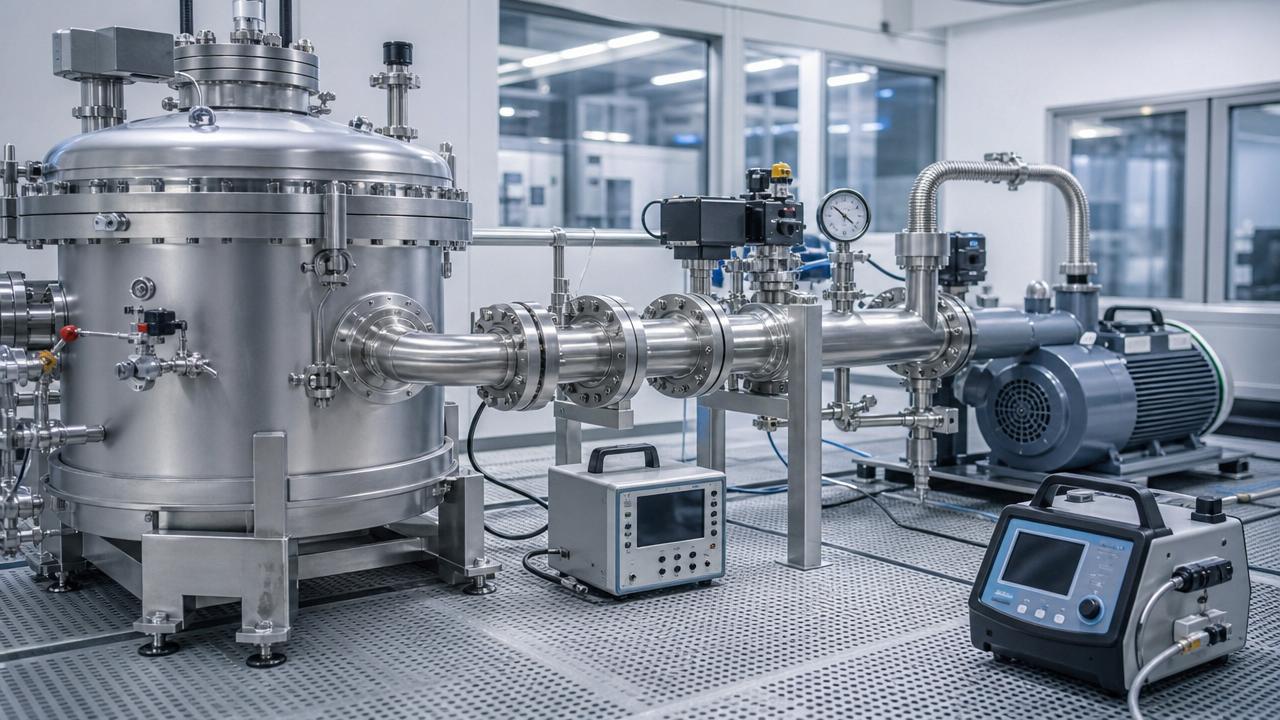
That means focusing first on joints, seals, valves, hose connections, pump interfaces, and any area exposed to vibration, temperature cycling, chemical attack, or repeated maintenance handling.
If your inspection plan starts with the highest-consequence leak risks, you can usually prevent larger losses in product quality, operator confidence, and production uptime with a relatively small testing effort.
Why Small Vacuum Leaks Cause Big Operational Problems
A vacuum leak is rarely just an efficiency issue. In many industrial systems, it directly changes process conditions, making products less uniform and forcing equipment to work harder than designed.
For quality teams, leaks can shift drying rates, coating behavior, degassing efficiency, material transfer stability, and packaging performance. The result may be scrap, failed inspections, or batches that cannot be released.
For safety teams, leaks may allow oxygen ingress, vapor escape, or uncontrolled pressure behavior. In hazardous applications, that can raise fire, toxicity, or worker exposure concerns much faster than expected.
Energy is another hidden cost. Pumps compensate for leaks by running longer or at higher loads. Over time, this increases wear, maintenance demand, and electrical consumption across the system.
This is why strong vacuum technology solutions are not limited to buying better equipment. They also include risk-based testing routines, leak detection methods, and clear response thresholds.
Which Leak Risks Should You Test First
Not every leak point deserves equal attention. Quality and safety teams get better results when they rank leak risks by likelihood, process impact, and the consequences of delayed detection.
The first category to test is dynamic sealing points. These include pump shaft seals, moving valve stems, actuator-linked interfaces, and components exposed to repeated motion or pressure cycling.
Dynamic locations fail early because movement accelerates wear. Even if the leak rate starts small, it often becomes unstable, which makes process control harder and root-cause analysis more difficult.
The second priority is flange joints and gasketed connections. These are common leak sources, especially after maintenance, thermal expansion, improper bolt loading, or the use of incompatible sealing materials.
Third, inspect flexible hoses and quick-connect fittings. These parts are often convenient during installation, but they are vulnerable to fatigue, accidental pulling, surface cracking, and poor reconnection practices.
Fourth, test vacuum chamber doors, lids, and access panels. Frequent opening and closing can damage sealing surfaces, compress elastomers unevenly, or trap debris that prevents full sealing.
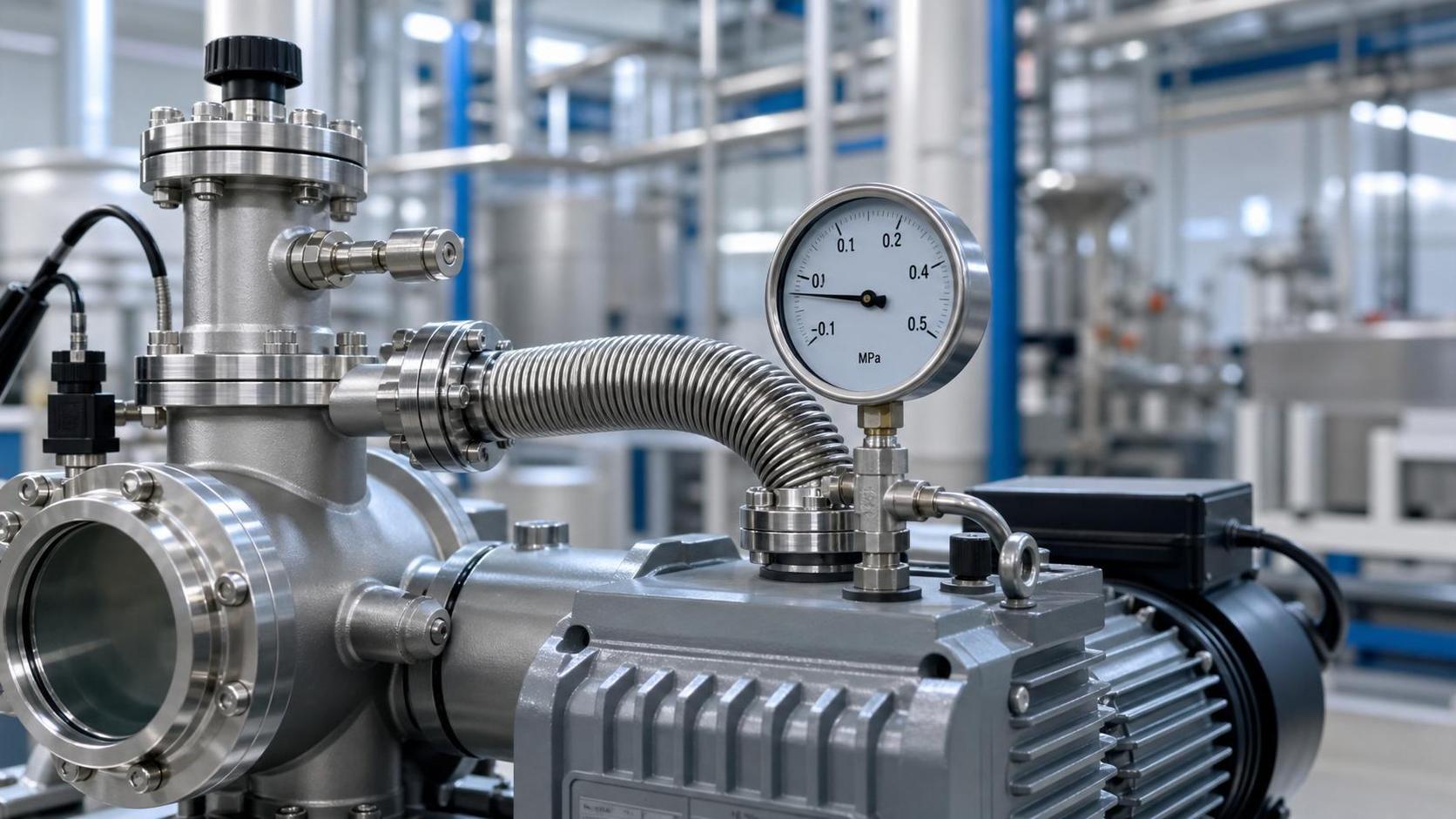
Fifth, examine instruments and auxiliary ports. Pressure gauges, sampling lines, sensors, purge ports, and drain points are small details that often escape routine inspection yet regularly cause persistent leakage.
Finally, review pump inlet connections, filter housings, and exhaust-side interfaces where relevant. These areas may not always be the first suspect, but failures there can distort system performance data.
How to Prioritize Leak Testing by Process Consequence
The best testing sequence depends on what your process cannot tolerate. In pharmaceutical, food, electronics, and precision manufacturing environments, contamination control may be the main concern.
In those cases, test every point where outside air, moisture, particles, or cleaning residues could enter the system. Even a modest leak can damage sterile conditions or alter sensitive product properties.
In chemical, thermal, or solvent-based operations, the bigger issue may be worker exposure or combustible atmosphere change. Then your first tests should cover seals near hazardous media paths.
For packaging or vacuum holding systems, performance stability often matters most. Teams should begin with leaks that cause cycle-time variation, weak holding force, poor sealing quality, or reject increases.
Where uptime is the main business driver, prioritize components with a history of sudden failure or hard-to-access repair locations. A small known leak in a critical line may deserve earlier action than a larger noncritical one.
A simple ranking model helps: score each point by failure probability, impact on quality, impact on safety, ease of detection, and expected downtime if repair is delayed.
Common High-Risk Leak Locations That Are Often Missed
Some leak sources are obvious, but others remain hidden because they are small, intermittent, or normalized by operators who assume minor loss is acceptable.
One overlooked area is recently serviced equipment. A system may appear functional after maintenance, yet incorrect torque, damaged O-rings, or reused gaskets can create slow leaks from day one.
Another missed risk is heat-affected joints. Components near furnaces, heaters, compressors, or hot process zones may expand and contract enough to weaken sealing integrity over time.
Vibration transfer points also deserve attention. Equipment mounted near pumps, rotating machinery, or transport systems can develop leaks because fasteners loosen gradually under repeated motion.
Do not ignore vacuum lines routed through congested spaces. Contact with edges, chemical splash, or repeated bending can degrade hose walls and create pinhole leakage that is hard to detect visually.
Temporary modifications are another frequent cause. Blank-offs, trial instrumentation, bypasses, and emergency repairs often stay in service longer than intended and become chronic leak sources.
Which Leak Detection Methods Make Sense in Real Operations
Different vacuum technology solutions support different leak detection methods. The right choice depends on leak size, required sensitivity, system complexity, and how much downtime you can accept.
For routine screening, visual inspection and pressure decay checks are often the fastest starting point. They are useful for finding gross leaks and confirming whether a system is generally stable.
Soap solution testing can help on accessible external joints in some applications, but it is not suitable everywhere. It may introduce contamination, miss very small leaks, or create cleanup concerns.
Ultrasonic detection is valuable when leaks generate identifiable sound patterns, especially in noisy industrial settings. It can speed field inspections, though performance depends on technician skill and conditions.
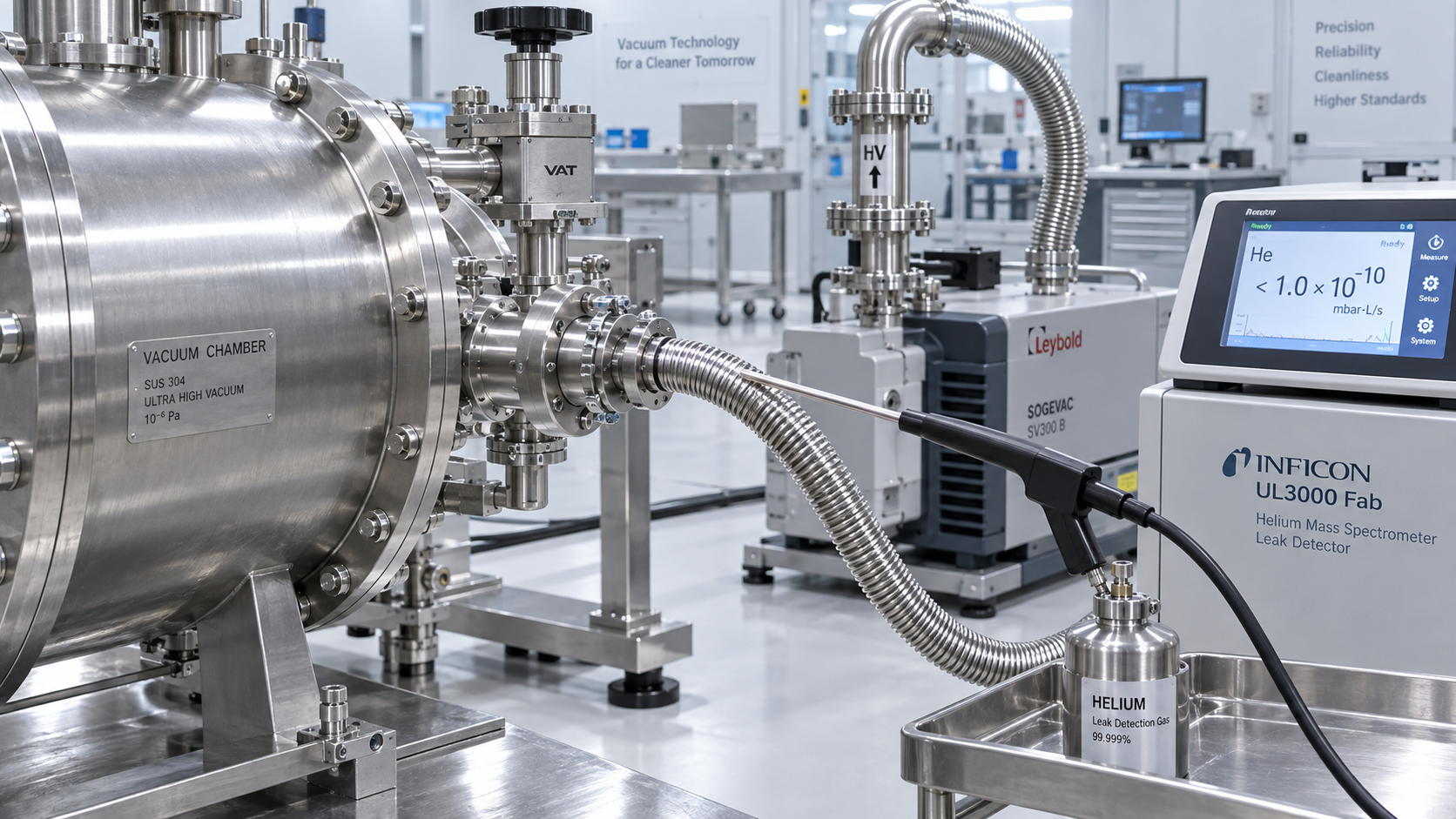
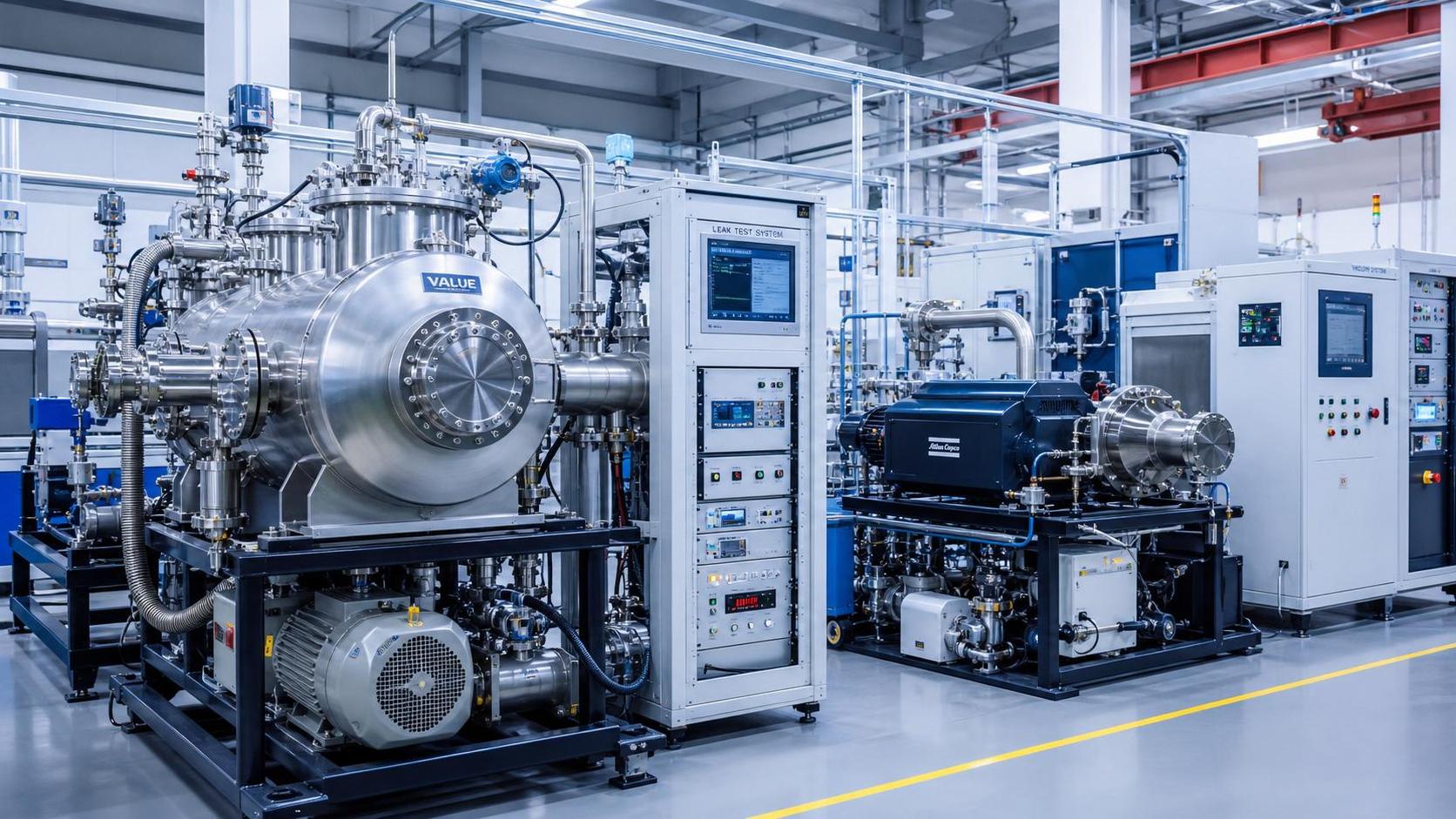
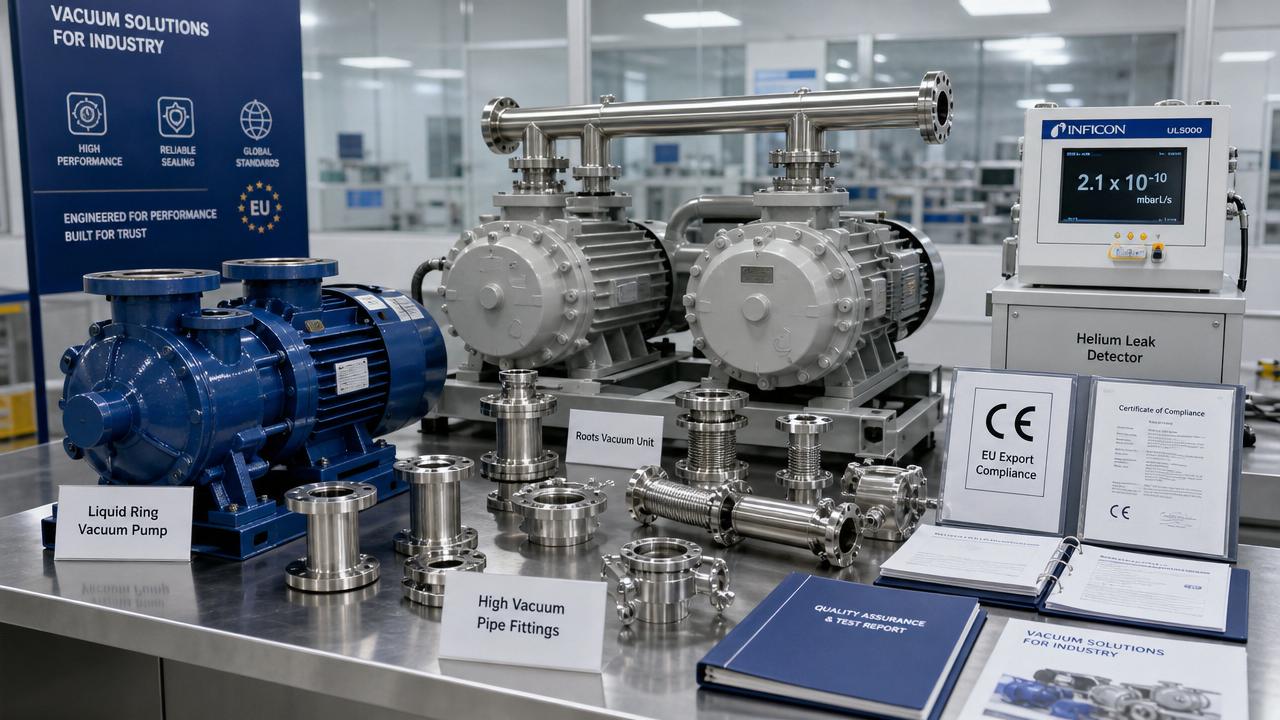
Helium leak testing remains one of the most sensitive methods for critical systems. It is especially useful where product purity, safety integrity, or demanding vacuum performance requires precise verification.
Tracer gas methods are often worth the investment when the cost of failure is high. For quality-sensitive industries, they can reveal small defects before they create recurring production losses.
Residual gas analysis and process trend monitoring can also support diagnosis. If base pressure, pump-down time, or contamination indicators drift over time, a leak may be developing even before direct testing confirms it.
How QC and Safety Teams Can Build a Practical Inspection Routine
A strong inspection routine should be simple enough to repeat and disciplined enough to produce consistent decisions. Start by defining the assets where vacuum loss creates the greatest operational consequences.
Next, identify standard leak points for each asset type. Build inspection checklists around actual failure history instead of generic templates copied from unrelated systems or vendors.
Set testing frequency according to risk. Critical systems may need checks at startup, after maintenance, or at fixed intervals. Lower-risk equipment may only require trend review and periodic confirmation.
Document acceptance limits clearly. Teams should know what leak rate, pressure loss, or pump-down deviation triggers maintenance action, line hold, or escalation to engineering review.
Inspection records should also capture context. Temperature, production mode, recent maintenance, and operator observations often explain why a leak appears only under certain conditions.
Where possible, combine quality and safety reporting. A leak that seems small from a process standpoint may still matter if it affects exposure control, flammable gas management, or confined-space procedures.
How to Evaluate Vacuum Technology Solutions Before You Invest
Many companies buy leak detection tools or upgraded vacuum equipment without first defining the decisions those solutions must support. That often leads to underused systems and unclear returns.
Start with the problem you need to solve. Do you need earlier warning, higher detection sensitivity, faster maintenance confirmation, lower contamination risk, or better audit documentation?
Then assess whether the solution fits your operating reality. A highly sensitive method is not automatically better if it requires shutdowns your plant cannot easily schedule.
For quality control teams, valuable solutions improve repeatability and traceability. They should help link leak findings to batch stability, reject rates, or process capability in a measurable way.
For safety managers, the best solutions improve confidence in containment, worker protection, and emergency prevention. Usability matters because complex tools are less effective if teams avoid using them routinely.
Also consider training needs, calibration requirements, maintenance burden, and compatibility with your existing procedures. Good vacuum technology solutions should strengthen your workflow, not complicate it unnecessarily.
Warning Signs That Your Leak Risk Is Already Escalating
Teams should not wait for a full failure to suspect leakage. Several operational signals usually appear first and can help you intervene before quality or safety events occur.
Longer pump-down times are a common early sign. If the system consistently takes more time to reach target vacuum, leakage or internal component degradation may be developing.
Unstable pressure readings also matter. Fluctuation without a clear process cause often suggests a leak, faulty valve behavior, or a sealing issue at a connection point.
Unexpected increases in pump temperature, noise, or power draw can indicate that the vacuum system is compensating for loss. That not only wastes energy but may shorten equipment life.
From a quality perspective, watch for rising reject rates, inconsistent drying, packaging defects, coating irregularities, or contamination patterns that correlate with certain lines or shifts.
From a safety perspective, treat odor reports, abnormal gas detection readings, unexplained ventilation demands, or repeated alarms near vacuum-linked equipment as signals that deserve immediate testing.
Turning Leak Testing Into a Long-Term Reliability Advantage
Leak testing should not be treated as a one-time troubleshooting activity. The most effective plants use it as part of a broader reliability and risk control strategy.
When inspection data is trended over time, teams can predict where seals degrade fastest, which maintenance practices create repeat failures, and which assets justify design upgrades.
This approach supports better budgeting as well. Instead of replacing parts reactively, companies can focus investments where leak risk creates the highest combined quality, safety, and energy cost.
It also improves communication between departments. Quality, safety, maintenance, and engineering teams often see different symptoms of the same vacuum problem. Shared data creates faster alignment.
For organizations comparing vacuum technology solutions across sites, standardized leak testing criteria can make performance benchmarking more meaningful and support smarter purchasing decisions.
Conclusion: Start With the Leaks That Carry the Highest Consequence
If your goal is stronger system integrity, the right first step is not testing everything equally. It is identifying the leak points most likely to harm quality, safety, and operational stability.
For most facilities, that means starting with dynamic seals, flanges, hoses, chamber access points, instrument ports, and post-maintenance connections. These areas regularly produce outsized risk.
Effective vacuum technology solutions combine suitable detection methods with a risk-based inspection routine, clear action limits, and cross-functional follow-through.
When quality control and safety teams test the highest-priority leak risks first, they gain faster insight, better resource use, and a more reliable foundation for industrial performance.
Ready when you are. Send us a message to get started.
Related News
- How does base pressure affect film purity in vacuum deposition?Author :Vacuum Process Fellow

- How to size vacuum process equipment for the required pump-down timeAuthor :Vacuum Process Fellow

- Which vacuum specification best protects semiconductor process yield?Author :Vacuum Process Fellow

- How Can Contamination Be Prevented in a Semiconductor Vacuum Chamber?Author :Vacuum Process Fellow

- Which Vacuum Pump Specifications Matter Most for Semiconductor Processes?Author :Vacuum Process Fellow

- How to find leaks in vacuum pump systems before pump performance dropsAuthor :Vacuum Process Fellow

- How to size a Roots blower for vacuum process equipmentAuthor :Vacuum Process Fellow

- How vacuum level affects vacuum process efficiencyAuthor :Vacuum Process Fellow

- China Imposes Temporary Helium Export BanAuthor :Vacuum Process Fellow

- Semiconductor Vacuum Systems Factory Checklist for Process Stability and Cleanroom UseAuthor :Vacuum Process Fellow

- Vacuum Process Optimization Services: Signs Your Line Needs a Performance ReviewAuthor :Vacuum Process Fellow

- Vacuum Chambers for Cleanroom Use: Key Design Points That Prevent ContaminationAuthor :Vacuum Process Fellow

- Vacuum Distillation Systems: Key Performance Metrics That Affect Product PurityAuthor :Vacuum Process Fellow

- Vietnam Halts High Vacuum Pump Import Licenses for 30 DaysAuthor :Vacuum Process Fellow

- Vacuum Technology Database: What to Check Before Using Technical DataAuthor :Vacuum Process Fellow

- Dry Pump Vacuum System Design Mistakes That Raise DowntimeAuthor :Vacuum Process Fellow

- When Vacuum Systems Lose Performance: Common Causes and FixesAuthor :Vacuum Process Fellow
![]()
- EU Tightens EN 13445-3 Weld Testing for Vacuum VesselsAuthor :Vacuum Process Fellow
![]()
- EPA Cuts R-1234ze(E) Quota 35%, Tightening Vacuum Cooling SupplyAuthor :Vacuum Process Fellow
 Quota 35%, Tightening Vacuum Cooling Supply")
- ICA Warns of Tight Copper Alloy Supply for Vacuum PumpsAuthor :Vacuum Process Fellow

- Vacuum System Leak Detection: Signs, Tests, and FixesAuthor :Vacuum Process Fellow

- How to Compare Vacuum Systems Factory Capabilities for Stable Process UptimeAuthor :Vacuum Process Fellow

- Vacuum Pump Lead Times Extend to 26 WeeksAuthor :Vacuum Process Fellow

- Semiconductor Vacuum Systems Explained for Stable Process YieldAuthor :Vacuum Process Fellow

- Vacuum Process Efficiency: 7 Hidden Causes of Energy LossAuthor :Vacuum Process Fellow

- Vacuum Technology Solutions for Stable Low-Pressure ProductionAuthor :Vacuum Process Fellow

- Vacuum Processes: Common Efficiency Losses and FixesAuthor :Vacuum Process Fellow

- Common Vacuum Processes Problems and How to Prevent DowntimeAuthor :Vacuum Process Fellow

- Tantalum Spike Extends Vacuum Crucible Lead TimesAuthor :Vacuum Process Fellow

- Vacuum Process Efficiency: 5 Hidden Losses to Check FirstAuthor :Vacuum Process Fellow

- How Heat Transfer Design Impacts Vacuum Process EfficiencyAuthor :Vacuum Process Fellow

- EN 13445-4:2026 Takes Effect for High-Vacuum ComponentsAuthor :Vacuum Process Fellow

- EU Vacuum Components Face New EN 13445-4:2026 Leak Test RuleAuthor :Vacuum Process Fellow

- UBS: Fed Cut View May Ease Vacuum Pump Lead TimesAuthor :Vacuum Process Fellow

- Vacuum Processes: Common Causes of Unstable PerformanceAuthor :Vacuum Process Fellow
![]()
- SiC Certification Signals New Entry Path for Vacuum and Compressor DrivesAuthor :Vacuum Process Fellow
![]()