UBS: Fed Cut View May Ease Vacuum Pump Lead Times




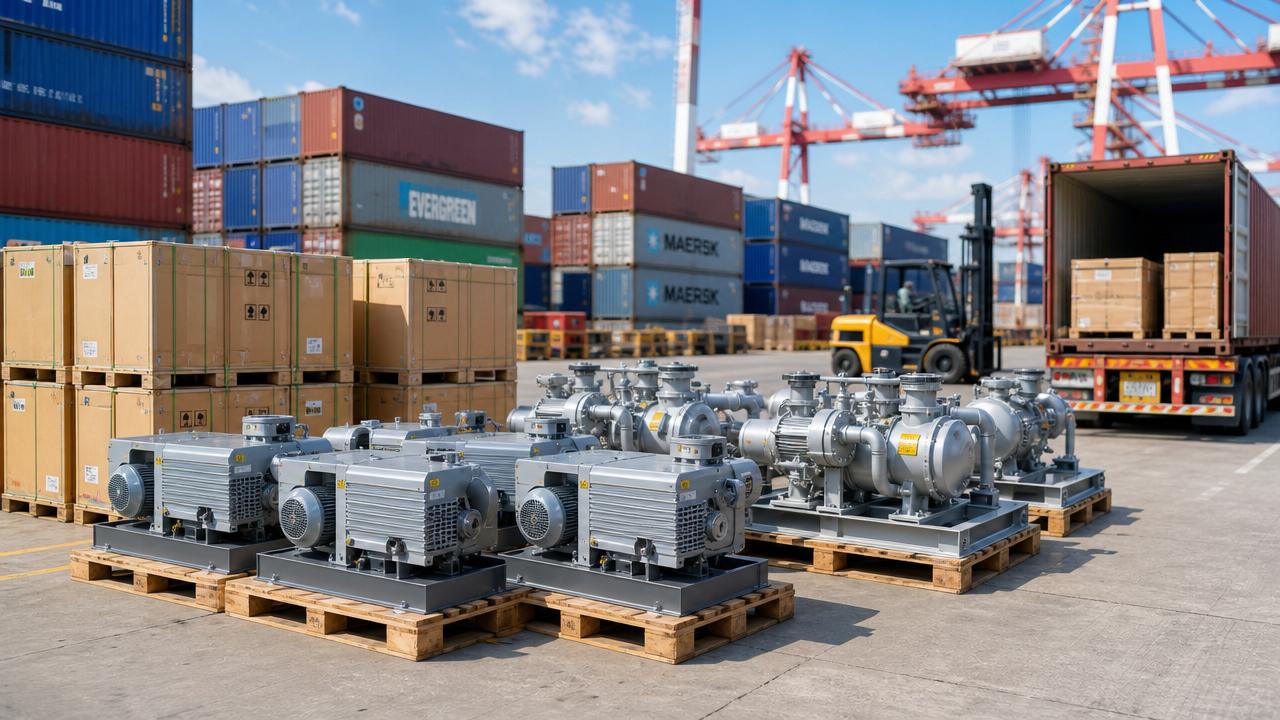
The timing of the event is not clearly stated in the source input, but the update deserves attention because it connects a shipping disruption, a monetary policy expectation, and export delivery conditions into one actionable trade signal. Based on a June 7 research note cited from the UBS global macro team, the issue is not a new regulation in itself; rather, it reflects how changes in shipping conditions, financing expectations, and trade execution pressures may affect Chinese exporters of high vacuum pumps and liquid ring vacuum pumps, especially in booking space, port dwell time, and delivery scheduling.
What the cited note actually says
The confirmed facts provided in the input are limited and specific. A June 7 research note from the UBS global macro team states that if shipping through the Strait of Hormuz remains disrupted, the resulting pressure on global energy inflation could increase the probability of a Federal Reserve rate cut within the year. The same input also states that about 30% of Middle East LNG sailings are already affected. It further notes that if expectations for a rate cut strengthen, a weaker U.S. dollar together with lower ocean freight rates may ease container-space tightness and port congestion faced by Chinese exporters of high vacuum pumps and liquid ring vacuum pumps. Under that scenario, average Q3 export lead times are expected to be 5 to 7 working days shorter than in Q2.
Why this matters across trade and delivery workflows
Export planning may become less constrained by freight execution
From an industry perspective, exporters are the most directly affected group because the cited change relates to shipping capacity, port delays, and outbound lead times. If freight conditions ease as described, the main effect would likely appear in shipment booking, handover scheduling, and delivery commitments made to overseas buyers. What deserves closer attention is not only transit timing, but also whether export documentation, packing schedules, and promised dispatch windows need to be adjusted in line with shorter delivery assumptions.
Procurement teams may need to revisit order timing
Buyers and procurement teams may also be affected because delivery expectations are closely tied to production planning and project installation windows. Analysis shows that if Q3 lead times do improve relative to Q2, purchasers of high vacuum pumps and liquid ring vacuum pumps may need to reassess procurement calendars, buffer stock assumptions, and supplier communication records. The practical point is to keep technical documents, order confirmations, and delivery clauses aligned with any change in execution pace rather than relying on earlier congestion-based assumptions.
Supply chain service providers should watch operational compliance details
Freight forwarders, logistics coordinators, and related supply chain service providers may see the impact in slot allocation, port handling, and delivery coordination. Observably, even if transport pressure eases, businesses still need to ensure that shipping paperwork, customs-facing files, and handover records remain consistent with actual dispatch conditions. The relevant change here is operational rather than legal: a shift in delivery rhythm can create mismatches if internal compliance files and customer-facing shipping commitments are not updated promptly.
What companies should monitor now
Track whether the signal turns into actual execution conditions
Analysis shows that this item should not yet be treated as a fully settled outcome. Companies should monitor whether the expected combination of a weaker U.S. dollar and softer freight rates is reflected in real booking availability, reduced port dwell time, and more reliable dispatch windows for vacuum pump exports.
Keep technical and trade documents synchronized with delivery changes
If lead times begin to shorten, exporters should review order paperwork, delivery schedules, packing lists, shipping timelines, and customer commitments to avoid documentation gaps. What deserves closer attention is whether internal records and external trade documents still reflect current operating conditions once logistics pressure changes.
Review tender and supply commitments with caution
For companies bidding on supply contracts or managing project-based orders, any apparent improvement in delivery should be handled carefully. It is more appropriate to understand this as a signal to recheck promised lead times, supplier coordination, and after-sales readiness, rather than as a basis for aggressive revisions to commercial commitments.
Watch compliance-sensitive handoff points
Although no new certification or formal regulatory text is provided in the input, firms should still watch compliance-sensitive points such as document consistency, shipment traceability, and product file completeness. In practice, shorter lead times can tighten internal handoff windows, making record accuracy more important for export execution and customer acceptance.
How this signal should be interpreted for now
Observably, this update is better understood as a market and execution signal than as a confirmed regulatory change already in force. The article input links shipping disruption, inflation pressure, and monetary policy expectations to possible relief in export delivery conditions, but it does not provide a formal rule text, an official trade measure, or a binding implementation notice. From an industry perspective, the value of this information lies in its warning function: companies should pay attention to how macro and shipping pressures may alter real trade performance before they show up in contract execution, buyer requirements, or logistics arrangements.
A practical reading for the vacuum pump trade
In summary, the current information points to a possible easing in export execution pressure for Chinese high vacuum pump and liquid ring vacuum pump suppliers if the policy and freight chain described by UBS develops as expected. Analysis shows that the most reasonable reading at this stage is not that a new rule has already landed, but that businesses may be entering a period where delivery planning, trade documentation, and procurement coordination need closer review. The development is worth following, but its practical impact still depends on how market conditions translate into actual shipping and order performance.
Basis of this article and what still needs verification
This article is generated from the user-provided news title, event timing, and event summary. For developments of this kind, commonly relevant source categories may include official notices, regulator releases, customs or trade authority updates, industry association information, standard-setting documents, and reporting by established media. No specific official source link was provided in the input, so further verification remains necessary. What still needs continued observation includes any later official wording, execution guidance, buyer-side document changes, tender requirement adjustments, industry feedback, and the extent to which companies actually experience shorter export lead times in practice.
Ready when you are. Send us a message to get started.
Related News
- How does base pressure affect film purity in vacuum deposition?Author :Vacuum Process Fellow

- How to size vacuum process equipment for the required pump-down timeAuthor :Vacuum Process Fellow

- Which vacuum specification best protects semiconductor process yield?Author :Vacuum Process Fellow

- How Can Contamination Be Prevented in a Semiconductor Vacuum Chamber?Author :Vacuum Process Fellow

- Which Vacuum Pump Specifications Matter Most for Semiconductor Processes?Author :Vacuum Process Fellow

- How to find leaks in vacuum pump systems before pump performance dropsAuthor :Vacuum Process Fellow

- How to size a Roots blower for vacuum process equipmentAuthor :Vacuum Process Fellow

- How vacuum level affects vacuum process efficiencyAuthor :Vacuum Process Fellow

- China Imposes Temporary Helium Export BanAuthor :Vacuum Process Fellow

- Semiconductor Vacuum Systems Factory Checklist for Process Stability and Cleanroom UseAuthor :Vacuum Process Fellow

- Vacuum Process Optimization Services: Signs Your Line Needs a Performance ReviewAuthor :Vacuum Process Fellow

- Vacuum Chambers for Cleanroom Use: Key Design Points That Prevent ContaminationAuthor :Vacuum Process Fellow

- Vacuum Distillation Systems: Key Performance Metrics That Affect Product PurityAuthor :Vacuum Process Fellow

- Vietnam Halts High Vacuum Pump Import Licenses for 30 DaysAuthor :Vacuum Process Fellow

- Vacuum Technology Database: What to Check Before Using Technical DataAuthor :Vacuum Process Fellow

- Dry Pump Vacuum System Design Mistakes That Raise DowntimeAuthor :Vacuum Process Fellow

- When Vacuum Systems Lose Performance: Common Causes and FixesAuthor :Vacuum Process Fellow
![]()
- EU Tightens EN 13445-3 Weld Testing for Vacuum VesselsAuthor :Vacuum Process Fellow
![]()
- EPA Cuts R-1234ze(E) Quota 35%, Tightening Vacuum Cooling SupplyAuthor :Vacuum Process Fellow
 Quota 35%, Tightening Vacuum Cooling Supply")
- ICA Warns of Tight Copper Alloy Supply for Vacuum PumpsAuthor :Vacuum Process Fellow

- Vacuum System Leak Detection: Signs, Tests, and FixesAuthor :Vacuum Process Fellow

- How to Compare Vacuum Systems Factory Capabilities for Stable Process UptimeAuthor :Vacuum Process Fellow

- Vacuum Pump Lead Times Extend to 26 WeeksAuthor :Vacuum Process Fellow

- Semiconductor Vacuum Systems Explained for Stable Process YieldAuthor :Vacuum Process Fellow

- Vacuum Process Efficiency: 7 Hidden Causes of Energy LossAuthor :Vacuum Process Fellow

- Vacuum Technology Solutions for Stable Low-Pressure ProductionAuthor :Vacuum Process Fellow

- Vacuum Processes: Common Efficiency Losses and FixesAuthor :Vacuum Process Fellow

- Common Vacuum Processes Problems and How to Prevent DowntimeAuthor :Vacuum Process Fellow

- Tantalum Spike Extends Vacuum Crucible Lead TimesAuthor :Vacuum Process Fellow

- Vacuum Process Efficiency: 5 Hidden Losses to Check FirstAuthor :Vacuum Process Fellow

- How Heat Transfer Design Impacts Vacuum Process EfficiencyAuthor :Vacuum Process Fellow

- EN 13445-4:2026 Takes Effect for High-Vacuum ComponentsAuthor :Vacuum Process Fellow

- EU Vacuum Components Face New EN 13445-4:2026 Leak Test RuleAuthor :Vacuum Process Fellow

- UBS: Fed Cut View May Ease Vacuum Pump Lead TimesAuthor :Vacuum Process Fellow

- Vacuum Processes: Common Causes of Unstable PerformanceAuthor :Vacuum Process Fellow
![]()
- SiC Certification Signals New Entry Path for Vacuum and Compressor DrivesAuthor :Vacuum Process Fellow
![]()