Vacuum Technology: When High Vacuum Is Worth the Upgrade




In industrial decision-making, vacuum technology is not just a technical choice—it is a performance and cost strategy. For teams comparing standard and high-vacuum systems, the key issue is value. High vacuum can improve purity, process stability, and product yield. Yet the upgrade only pays when process demands, contamination risk, and lifecycle economics clearly support it.
What does high vacuum mean in practical vacuum technology decisions?
In vacuum technology, terms often sound precise but mean different things in different plants. Practical evaluation starts with pressure range, gas load, leak tolerance, and process sensitivity.
Standard industrial vacuum may be enough for holding, drying, conveying, and basic degassing. High vacuum becomes relevant when residual gas molecules start affecting chemistry, surface quality, or measurement accuracy.
A useful distinction is this: low or medium vacuum supports utility tasks, while high vacuum supports controlled environments. The decision is less about technical prestige and more about process consequences.
In sectors tracked by GTC-Matrix, vacuum technology often sits beside cooling, compressed air, and heat exchange. These systems interact. Thermal loads, gas purity, and pump efficiency shape the real operating window.
- Use standard vacuum for robust processes with broad tolerance.
- Use high vacuum where particles, moisture, or oxygen change outcomes.
- Check system-level impacts, not pressure numbers alone.
When is high vacuum technology worth the upgrade?
High vacuum technology is worth the upgrade when contamination has a measurable financial penalty. That penalty may appear as scrap, lower throughput, failed validation, or unstable product quality.
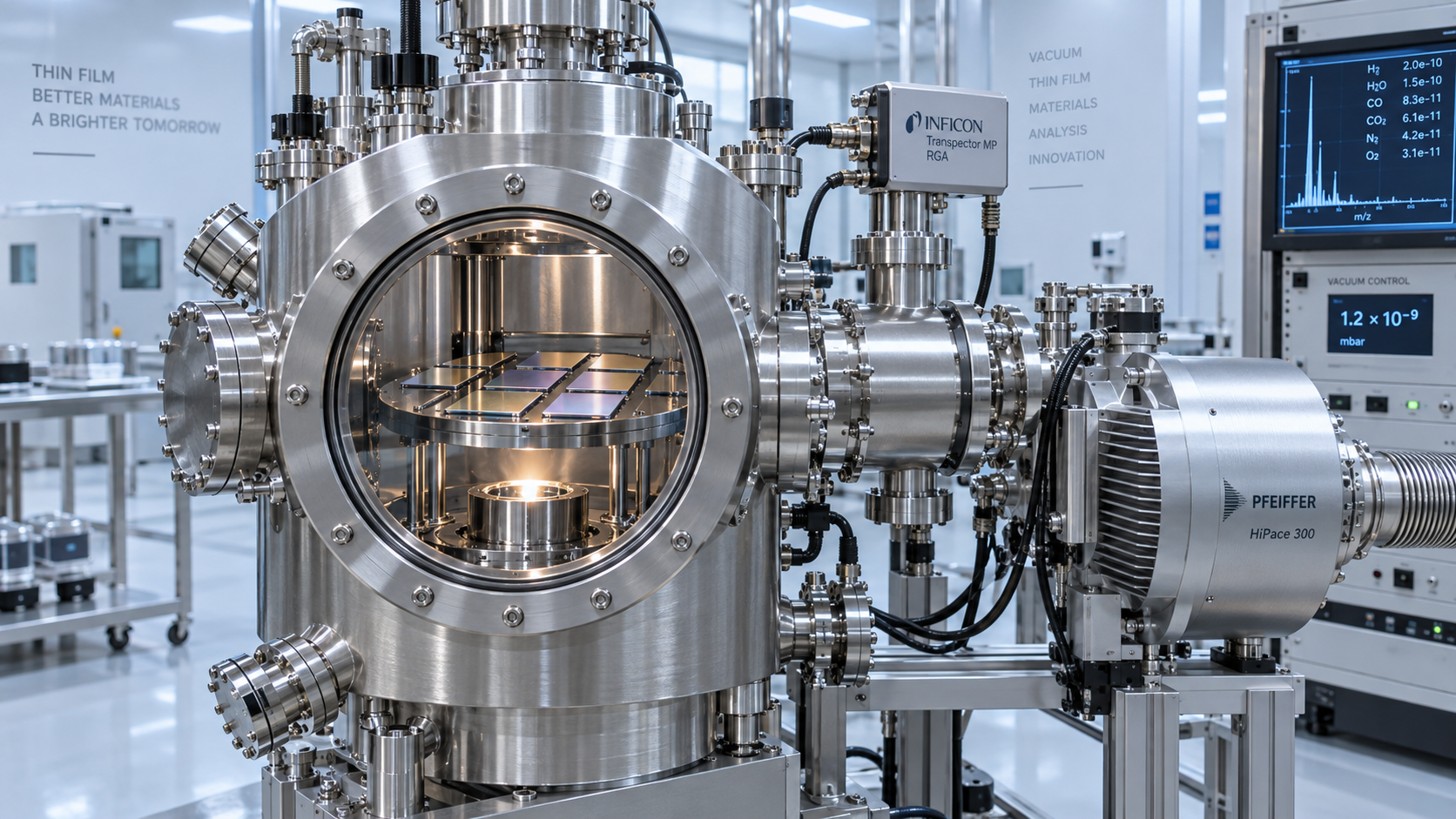
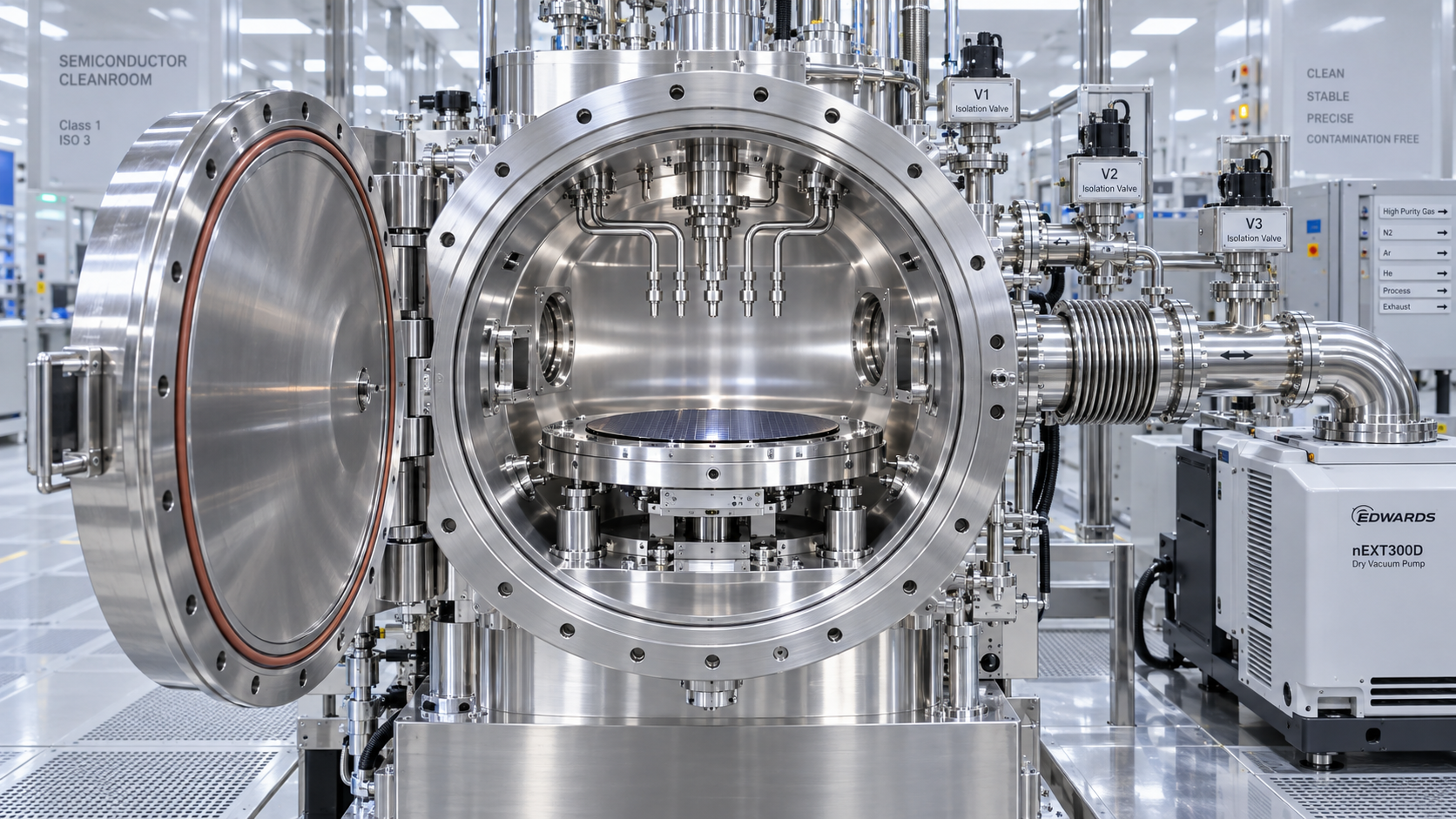
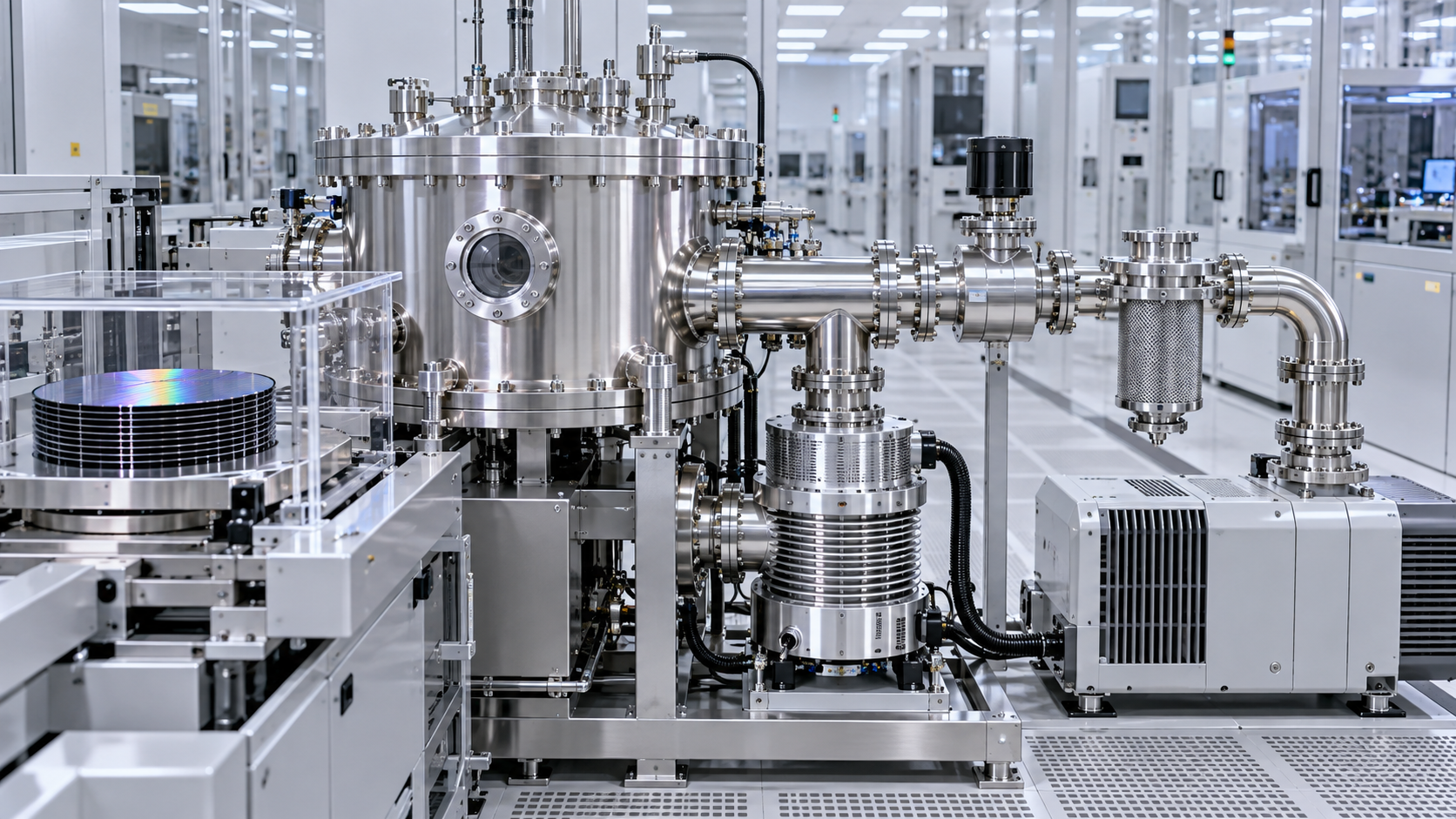
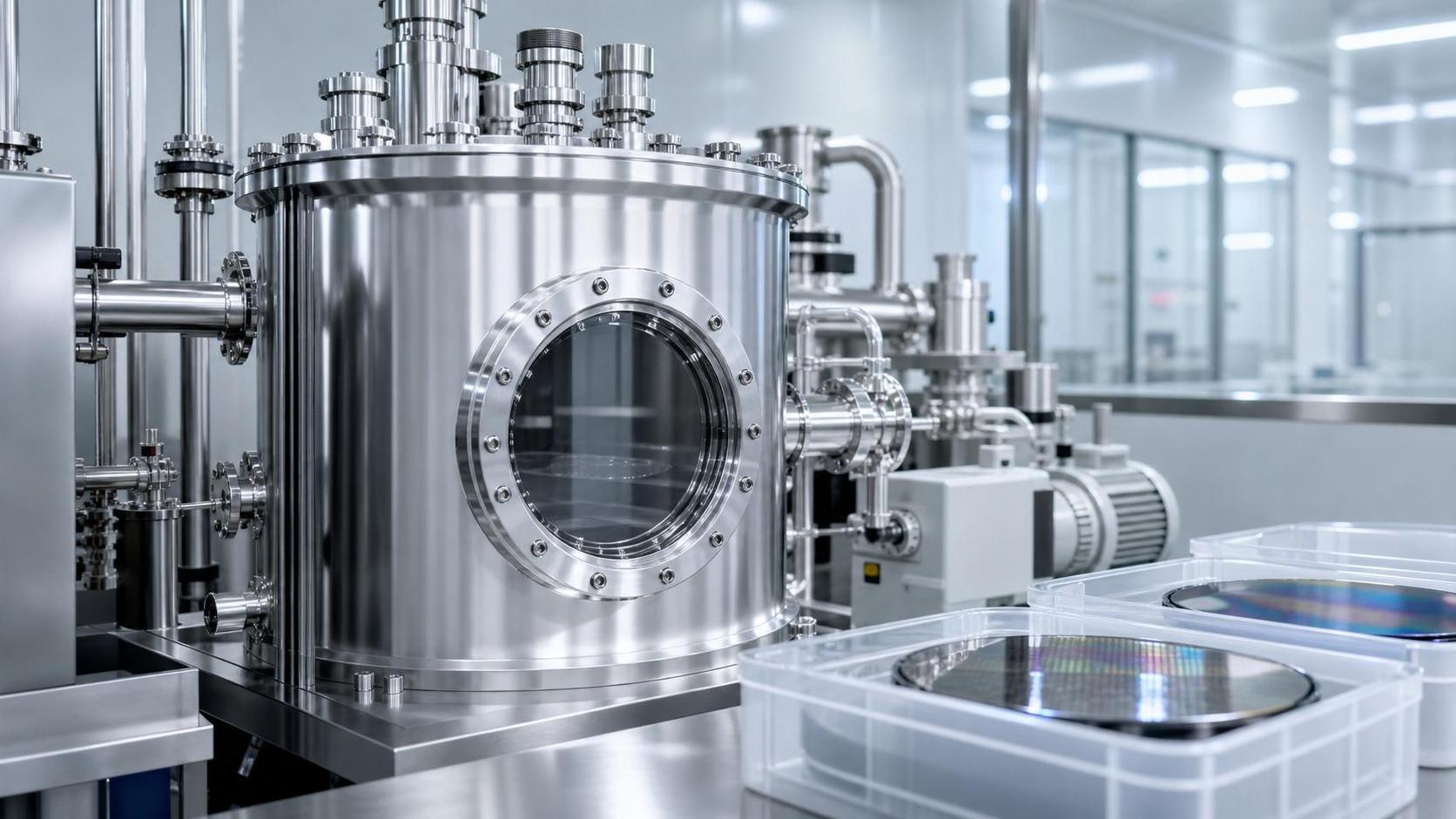
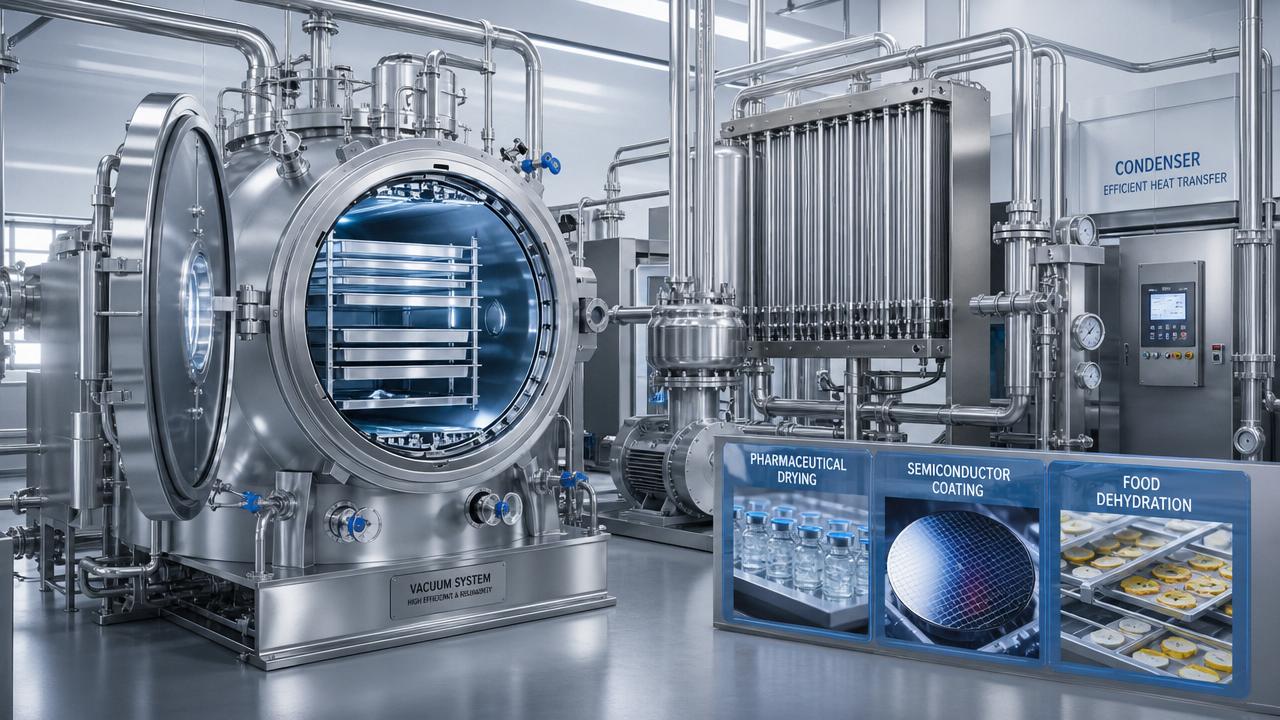
Semiconductor processing is a clear example. Thin films, etching, and deposition depend on tightly controlled molecular conditions. Small contamination events can destroy uniformity across wafers.
Pharmaceutical and laboratory environments also benefit. Vacuum technology supports drying, freeze-drying, and material handling where moisture, solvent residues, or oxygen exposure must be carefully limited.
Metallurgy and coating processes provide another case. High vacuum reduces oxidation and improves adhesion. For precision coatings, surface cleanliness often determines final performance.
Food processing can justify the investment too, but only selectively. Sensitive packaging, aroma preservation, and low-oxygen handling may gain value. Commodity lines may not.
Typical signals that an upgrade makes sense
- Frequent quality drift linked to moisture or residual gases.
- High-value products where one failed batch is expensive.
- Processes requiring repeatable surface or material properties.
- Regulatory or validation standards demanding cleaner environments.
- Strong need for oil-free, low-particle process conditions.
How does high vacuum compare with standard vacuum in performance and risk?
The performance gap in vacuum technology is not only lower pressure. High vacuum changes process behavior by lowering collision frequency, reducing contamination probability, and improving environment consistency.
Standard vacuum systems are usually easier to install and maintain. They tolerate leaks better, recover faster in basic duty, and cost less in utility applications.
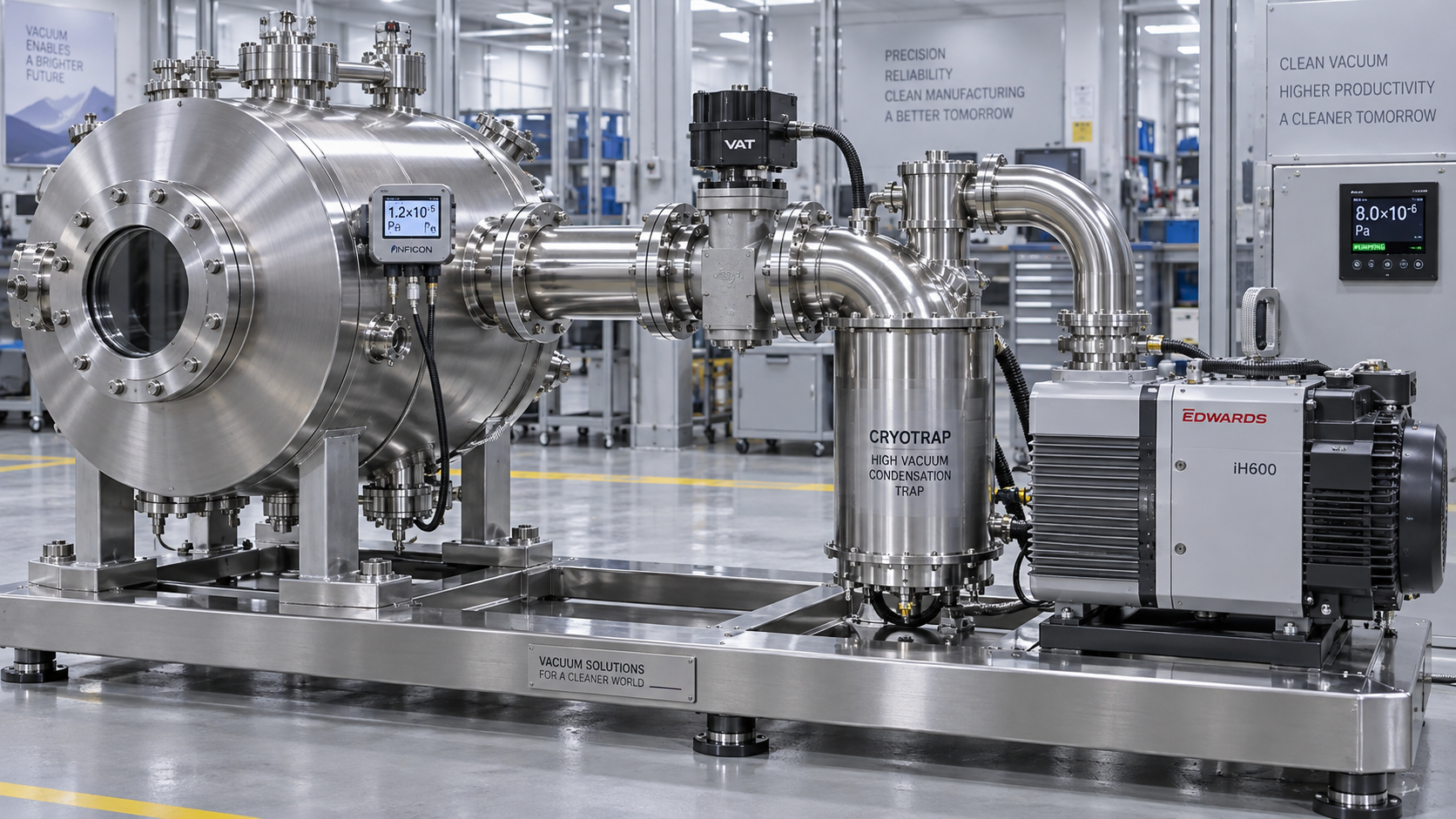
High vacuum systems demand better sealing, cleaner materials, and stronger discipline during maintenance. Outgassing, backstreaming, and thermal instability become more important.
This means the upgrade improves control but narrows operating tolerance. A plant gains better results only if upstream and downstream systems are aligned with the new standard.
Which industries and processes benefit most from advanced vacuum technology?
The strongest cases appear where purity and thermal stability directly affect revenue. In these environments, vacuum technology works as an enabling utility, not a background accessory.
Semiconductor and electronics
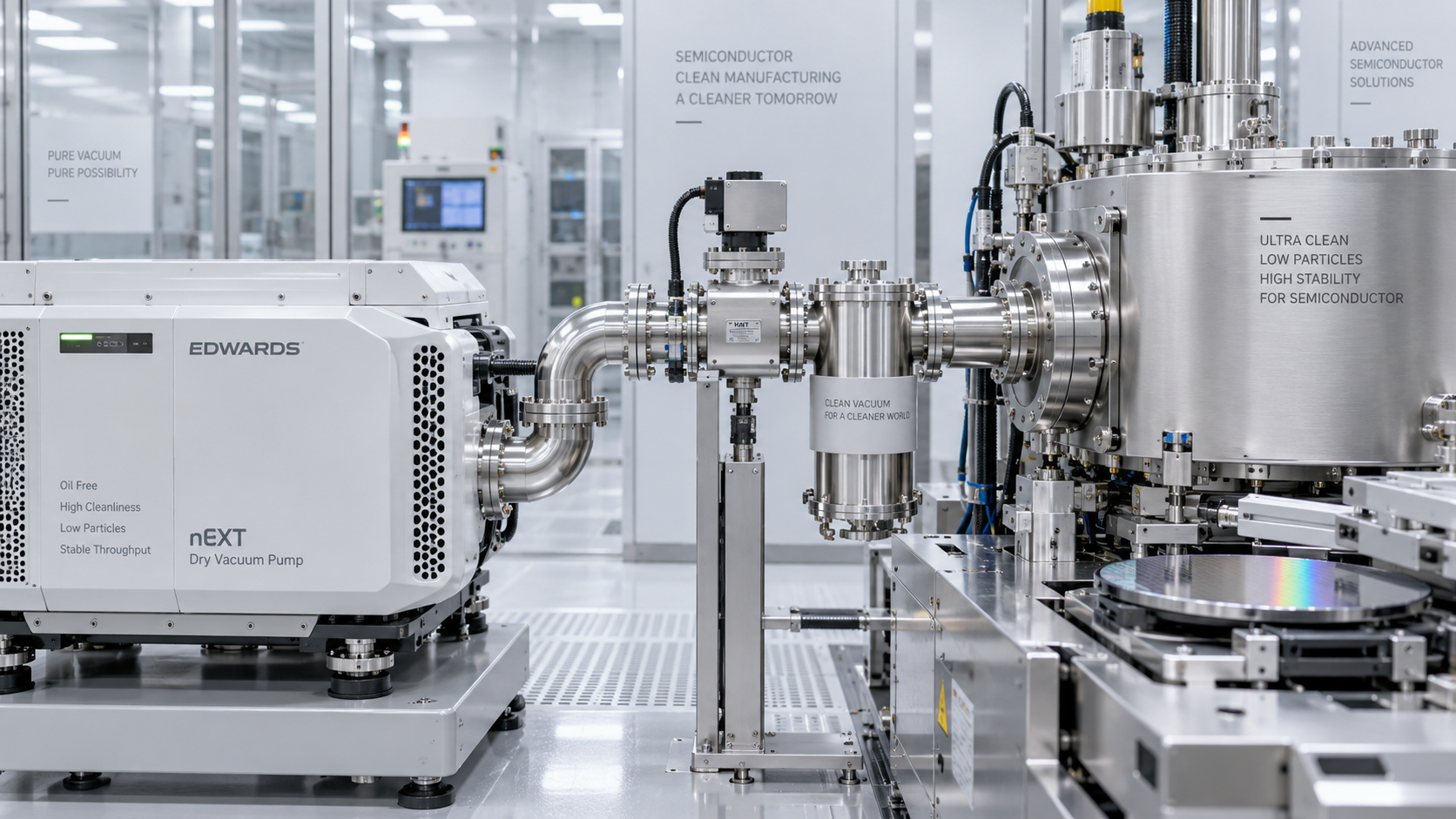
Deposition, plasma processing, and packaging rely on clean, repeatable conditions. High vacuum technology reduces defects and supports tight process windows.
Pharmaceutical and biotech
Freeze-drying, sterile transfer, and solvent removal often need controlled vacuum levels. Product integrity can depend on moisture management and low contamination risk.
Coating, optics, and advanced materials
Optical layers, barrier films, and functional surfaces benefit from cleaner chambers. High vacuum technology can improve adhesion, uniformity, and final durability.
Research, testing, and analytical systems
Mass spectrometry, electron microscopy, and simulation chambers require strong vacuum performance. Here, process validity depends on the vacuum environment itself.
Selective food and specialty packaging
Where oxidation, aroma loss, or shelf-life sensitivity matters, upgraded vacuum technology may create measurable product advantages. The business case depends on product value density.
What costs and implementation factors should be checked before upgrading vacuum technology?
The purchase price is only one part of the decision. Good evaluation includes energy use, pump-down time, maintenance intervals, consumables, spare parts, and production losses during installation.
Vacuum technology also interacts with cooling water, clean dry air, heat rejection, and controls. If these support systems are weak, expected gains may disappear.
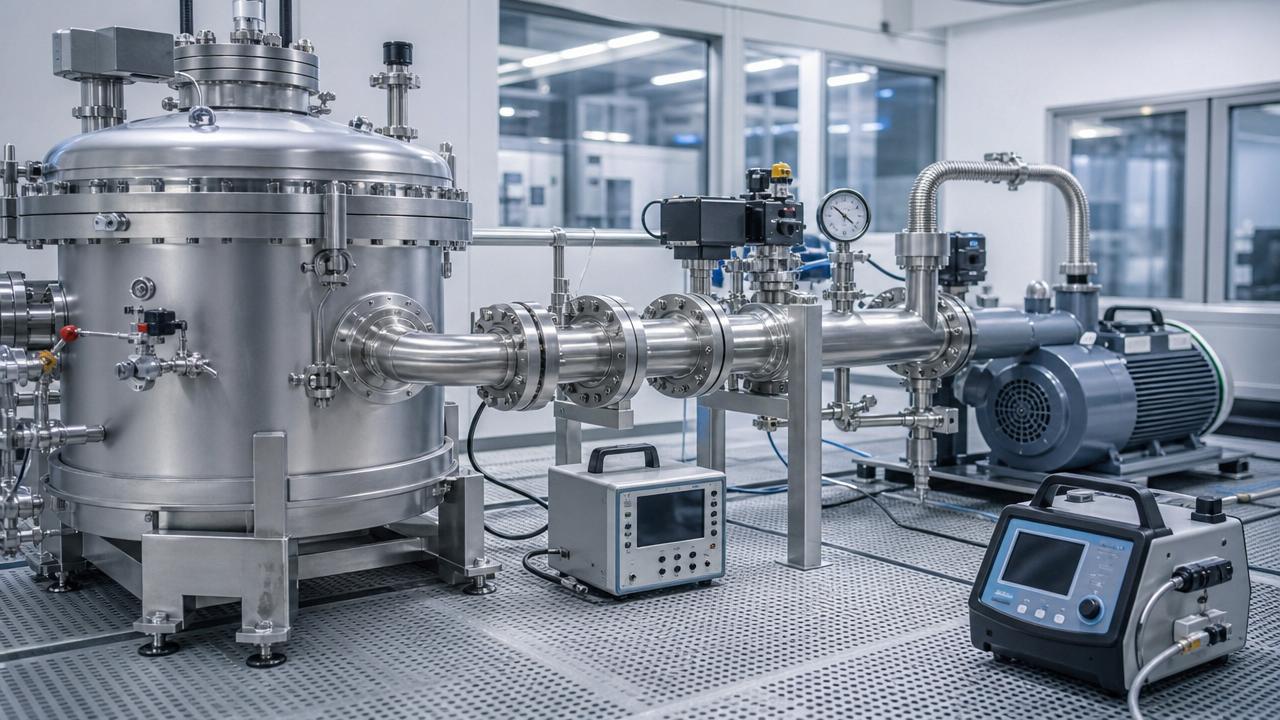
Materials matter too. Chamber seals, valves, lubricants, and piping can limit achievable performance. A high vacuum pump cannot compensate for poor system hygiene.
Downtime planning is essential. Upgrades may require chamber cleaning standards, leak testing routines, and operator retraining. Those steps add cost, but they protect long-term stability.
Pre-upgrade checklist
- Define the exact quality problem to be solved.
- Measure current contamination, leak, and cycle performance.
- Estimate financial loss from current limitations.
- Review utility readiness, especially cooling and controls.
- Model total cost of ownership over several years.
What are the most common mistakes when selecting high vacuum technology?
A common mistake is buying vacuum technology based on maximum pressure performance alone. Real value comes from stable operation under actual gas loads and actual production conditions.
Another error is ignoring contamination sources outside the pump. Outgassing materials, poor cleaning practices, and weak sealing can undermine expensive upgrades.
Some projects also overestimate savings. If the process is tolerant, standard vacuum may already be sufficient. In that case, the upgrade increases complexity without creating meaningful return.
Finally, teams sometimes forget integration. Vacuum technology should be judged with compressors, chillers, heat exchangers, and process controls as one energy-linked system.
How should the final upgrade decision be made?
The best vacuum technology decision connects engineering evidence with economic impact. If higher vacuum improves yield, protects compliance, or enables premium production, the upgrade can be justified.
If benefits remain theoretical, standard systems may be the smarter choice. Strong decisions come from measured process limits, not assumptions or marketing claims.
GTC-Matrix follows these choices through the wider lens of energy conversion efficiency. Vacuum technology should be evaluated alongside thermal management, compression systems, and long-term industrial competitiveness.
For the next step, build a simple comparison sheet. List current defects, target purity, utility constraints, and total ownership cost. That framework quickly shows when high vacuum is truly worth the upgrade.
Ready when you are. Send us a message to get started.
Related News
- How does base pressure affect film purity in vacuum deposition?Author :Vacuum Process Fellow

- How to size vacuum process equipment for the required pump-down timeAuthor :Vacuum Process Fellow

- Which vacuum specification best protects semiconductor process yield?Author :Vacuum Process Fellow

- How Can Contamination Be Prevented in a Semiconductor Vacuum Chamber?Author :Vacuum Process Fellow

- Which Vacuum Pump Specifications Matter Most for Semiconductor Processes?Author :Vacuum Process Fellow

- How to find leaks in vacuum pump systems before pump performance dropsAuthor :Vacuum Process Fellow

- How to size a Roots blower for vacuum process equipmentAuthor :Vacuum Process Fellow

- How vacuum level affects vacuum process efficiencyAuthor :Vacuum Process Fellow

- China Imposes Temporary Helium Export BanAuthor :Vacuum Process Fellow

- Semiconductor Vacuum Systems Factory Checklist for Process Stability and Cleanroom UseAuthor :Vacuum Process Fellow

- Vacuum Process Optimization Services: Signs Your Line Needs a Performance ReviewAuthor :Vacuum Process Fellow

- Vacuum Chambers for Cleanroom Use: Key Design Points That Prevent ContaminationAuthor :Vacuum Process Fellow

- Vacuum Distillation Systems: Key Performance Metrics That Affect Product PurityAuthor :Vacuum Process Fellow

- Vietnam Halts High Vacuum Pump Import Licenses for 30 DaysAuthor :Vacuum Process Fellow

- Vacuum Technology Database: What to Check Before Using Technical DataAuthor :Vacuum Process Fellow

- Dry Pump Vacuum System Design Mistakes That Raise DowntimeAuthor :Vacuum Process Fellow

- When Vacuum Systems Lose Performance: Common Causes and FixesAuthor :Vacuum Process Fellow
![]()
- EU Tightens EN 13445-3 Weld Testing for Vacuum VesselsAuthor :Vacuum Process Fellow
![]()
- EPA Cuts R-1234ze(E) Quota 35%, Tightening Vacuum Cooling SupplyAuthor :Vacuum Process Fellow
 Quota 35%, Tightening Vacuum Cooling Supply")
- ICA Warns of Tight Copper Alloy Supply for Vacuum PumpsAuthor :Vacuum Process Fellow

- Vacuum System Leak Detection: Signs, Tests, and FixesAuthor :Vacuum Process Fellow

- How to Compare Vacuum Systems Factory Capabilities for Stable Process UptimeAuthor :Vacuum Process Fellow

- Vacuum Pump Lead Times Extend to 26 WeeksAuthor :Vacuum Process Fellow

- Semiconductor Vacuum Systems Explained for Stable Process YieldAuthor :Vacuum Process Fellow

- Vacuum Process Efficiency: 7 Hidden Causes of Energy LossAuthor :Vacuum Process Fellow

- Vacuum Technology Solutions for Stable Low-Pressure ProductionAuthor :Vacuum Process Fellow

- Vacuum Processes: Common Efficiency Losses and FixesAuthor :Vacuum Process Fellow

- Common Vacuum Processes Problems and How to Prevent DowntimeAuthor :Vacuum Process Fellow

- Tantalum Spike Extends Vacuum Crucible Lead TimesAuthor :Vacuum Process Fellow

- Vacuum Process Efficiency: 5 Hidden Losses to Check FirstAuthor :Vacuum Process Fellow

- How Heat Transfer Design Impacts Vacuum Process EfficiencyAuthor :Vacuum Process Fellow

- EN 13445-4:2026 Takes Effect for High-Vacuum ComponentsAuthor :Vacuum Process Fellow

- EU Vacuum Components Face New EN 13445-4:2026 Leak Test RuleAuthor :Vacuum Process Fellow

- UBS: Fed Cut View May Ease Vacuum Pump Lead TimesAuthor :Vacuum Process Fellow

- Vacuum Processes: Common Causes of Unstable PerformanceAuthor :Vacuum Process Fellow
![]()
- SiC Certification Signals New Entry Path for Vacuum and Compressor DrivesAuthor :Vacuum Process Fellow
![]()