Semiconductor Vacuum Systems Explained for Stable Process Yield




Semiconductor Vacuum Systems Explained for Stable Process Yield
In semiconductor manufacturing, even minor pressure instability can trigger contamination, defects, and costly yield loss.
Understanding semiconductor vacuum systems is essential for maintaining process consistency, equipment reliability, and cleanroom integrity.
For quality and safety teams, vacuum performance is no longer a background utility.
It directly shapes defect control, chamber repeatability, exhaust safety, and maintenance planning.
That is why smarter oversight of semiconductor vacuum systems is becoming a core discipline in advanced fabs.
Why Semiconductor Vacuum Systems Matter So Much
A wafer process depends on controlled pressure, gas flow, and particle behavior.
When vacuum conditions drift, process chemistry also drifts.
This can change etch rates, deposition uniformity, critical dimension control, and film purity.
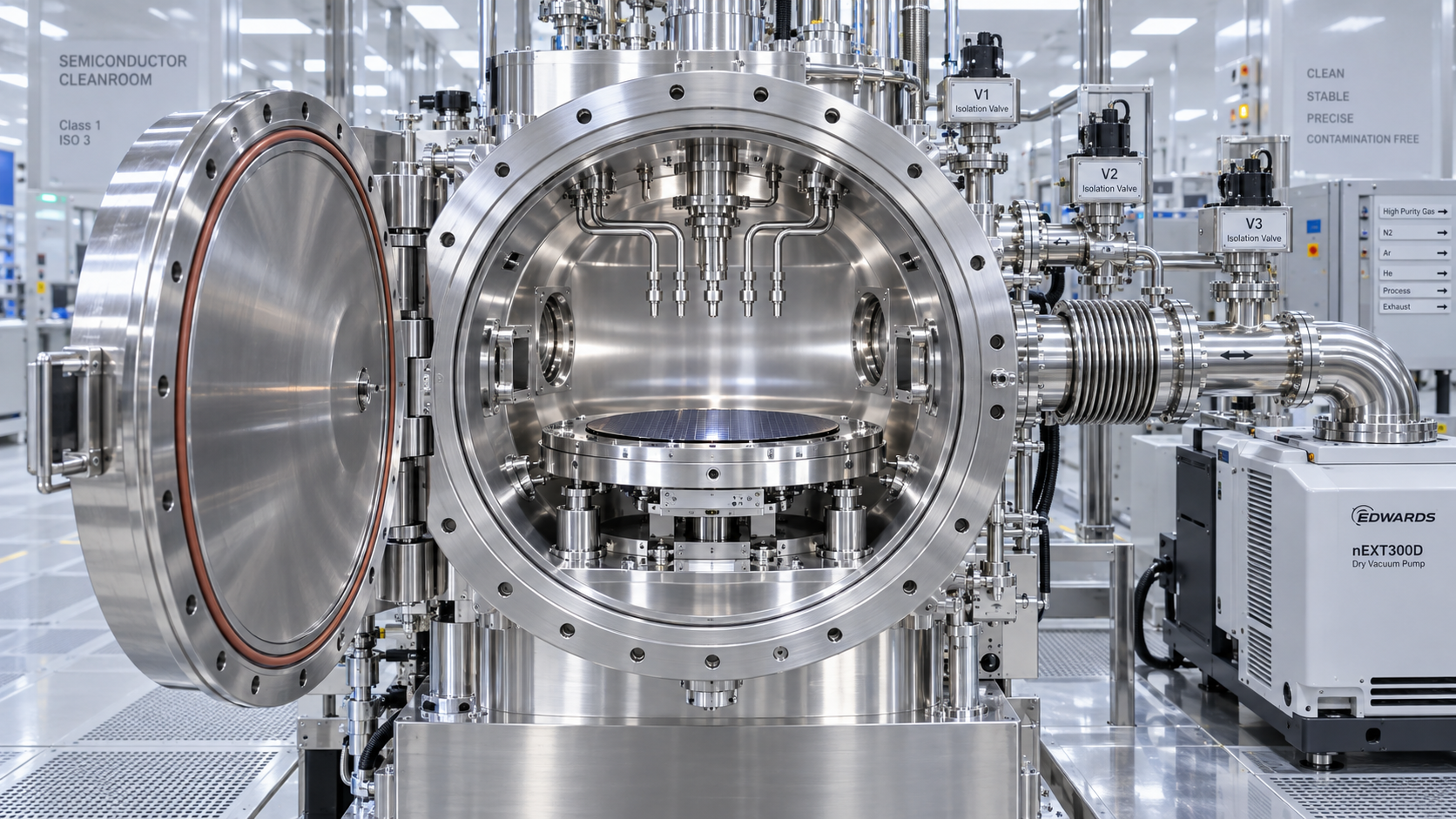
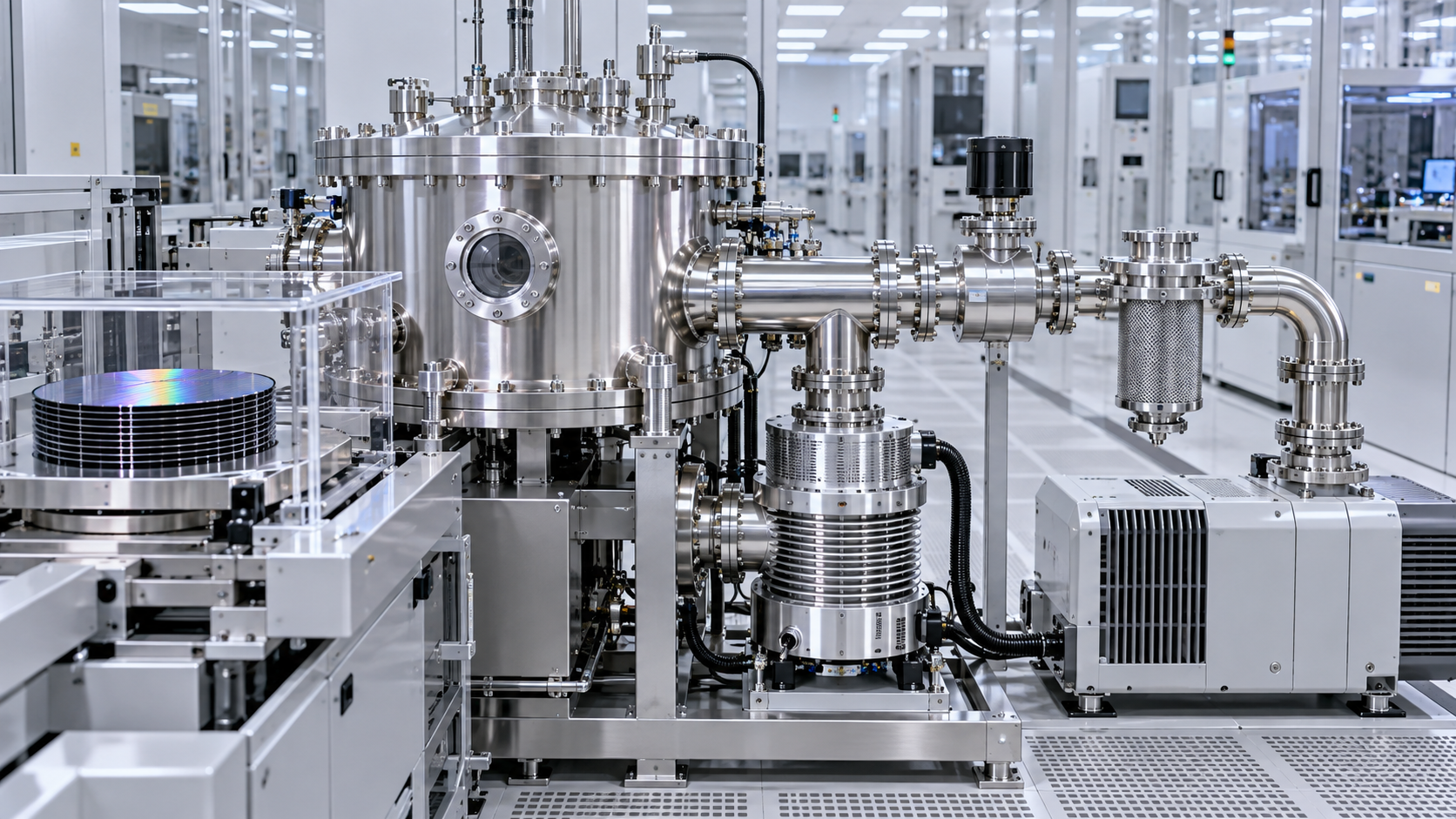
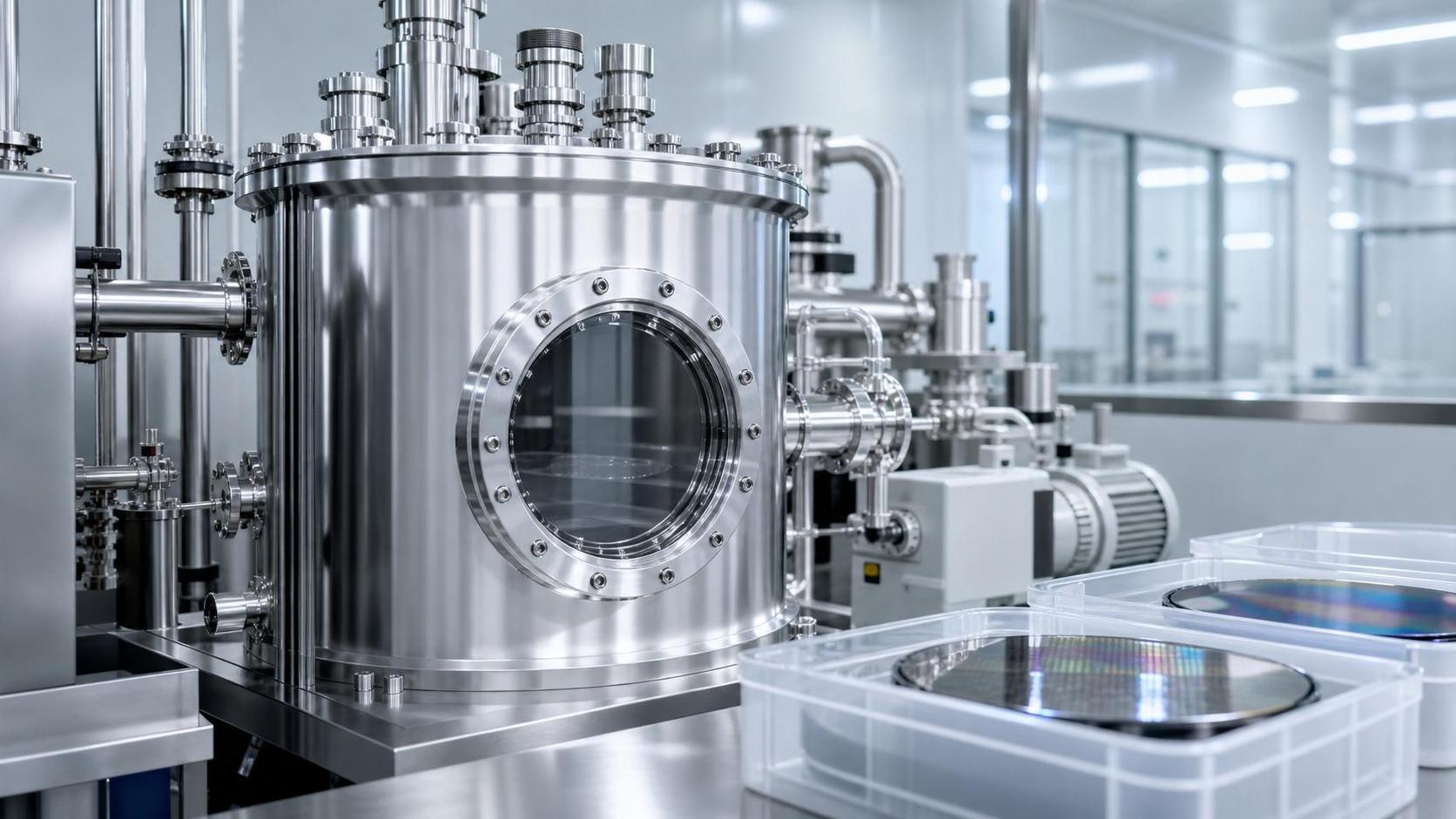
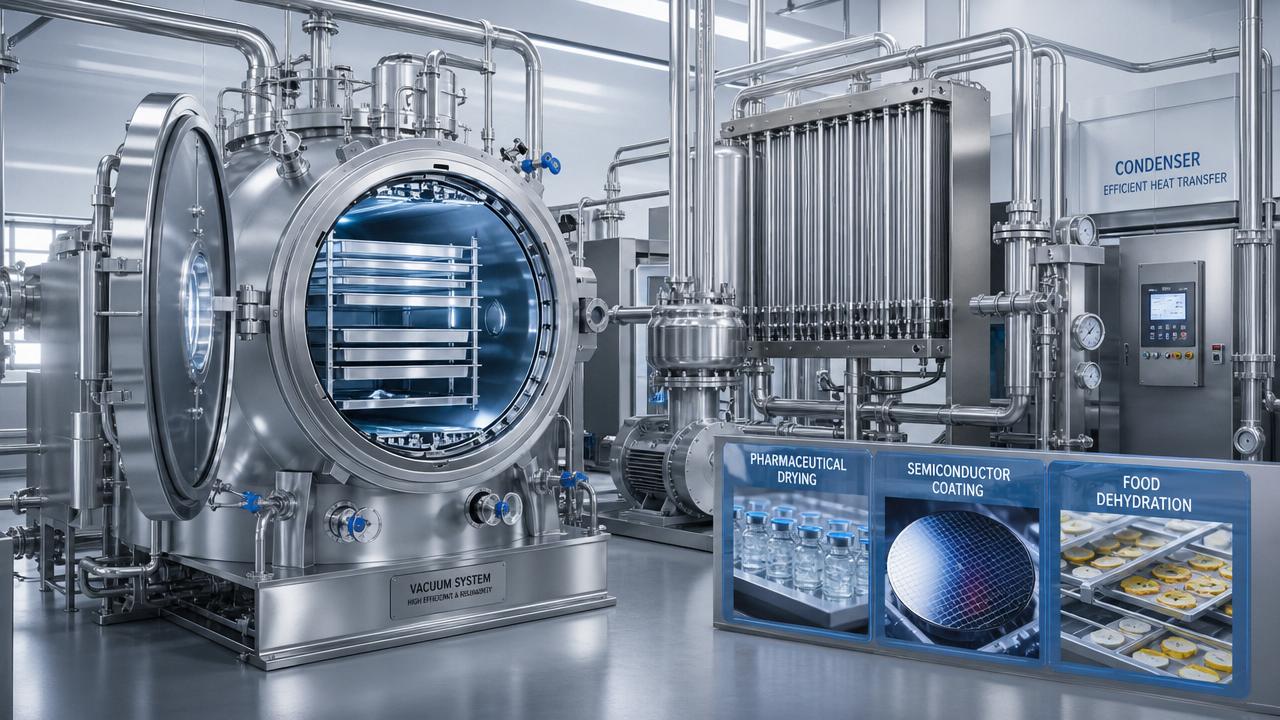
In practical terms, semiconductor vacuum systems support plasma etch, CVD, PVD, ion implantation, load lock transfer, and metrology tools.
Each process has a pressure window.
If the system cannot hold that window, repeatability suffers.
More importantly, unstable vacuum does not always fail loudly.
It often shows up as subtle scrap trends, unexplained rework, or rising chamber cleans.
That makes semiconductor vacuum systems a yield issue and a risk management issue at the same time.
Core Components Inside Semiconductor Vacuum Systems
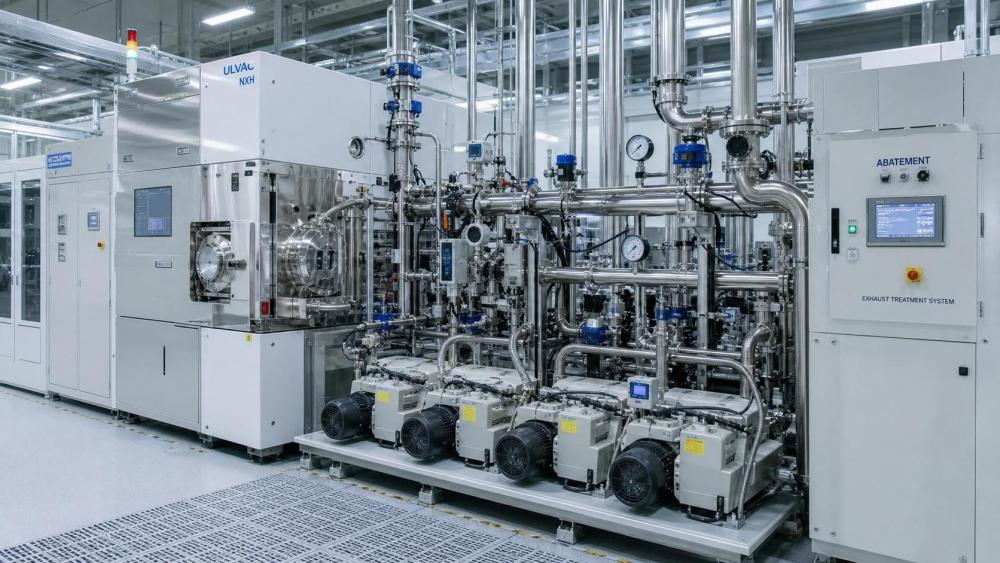
Most semiconductor vacuum systems include several tightly linked elements.
Understanding those links helps teams trace root causes faster.
Vacuum Pumps
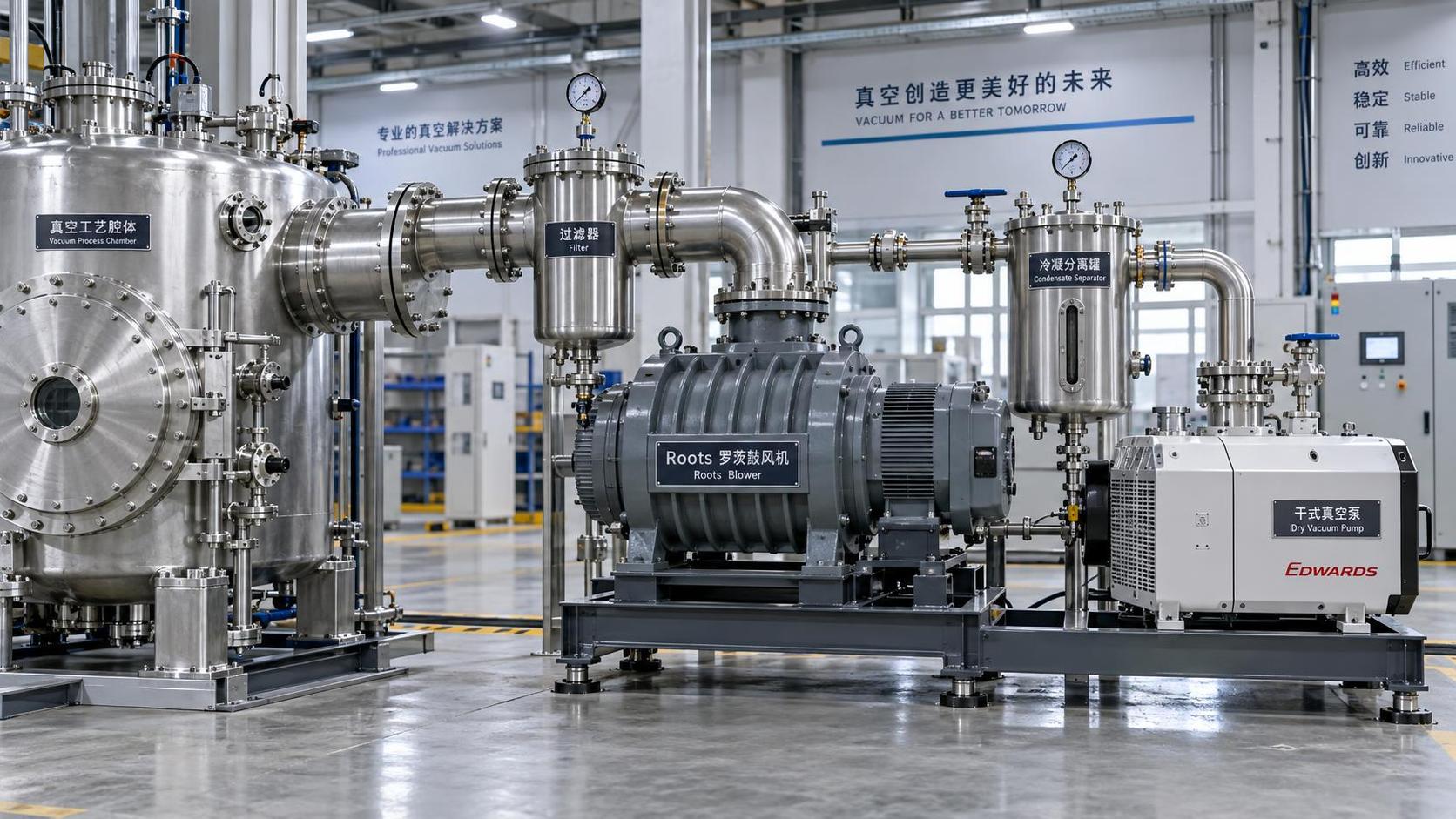
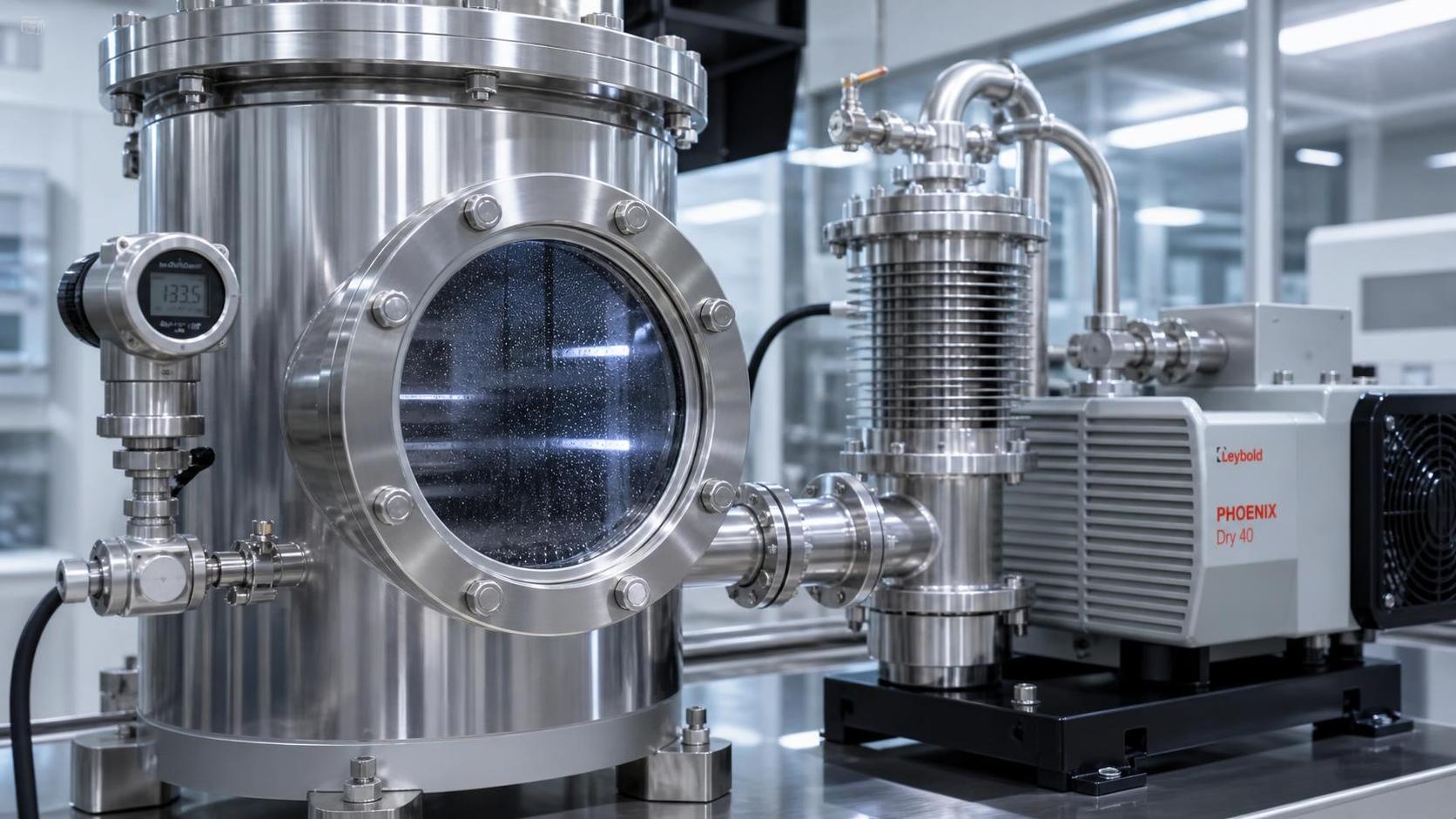
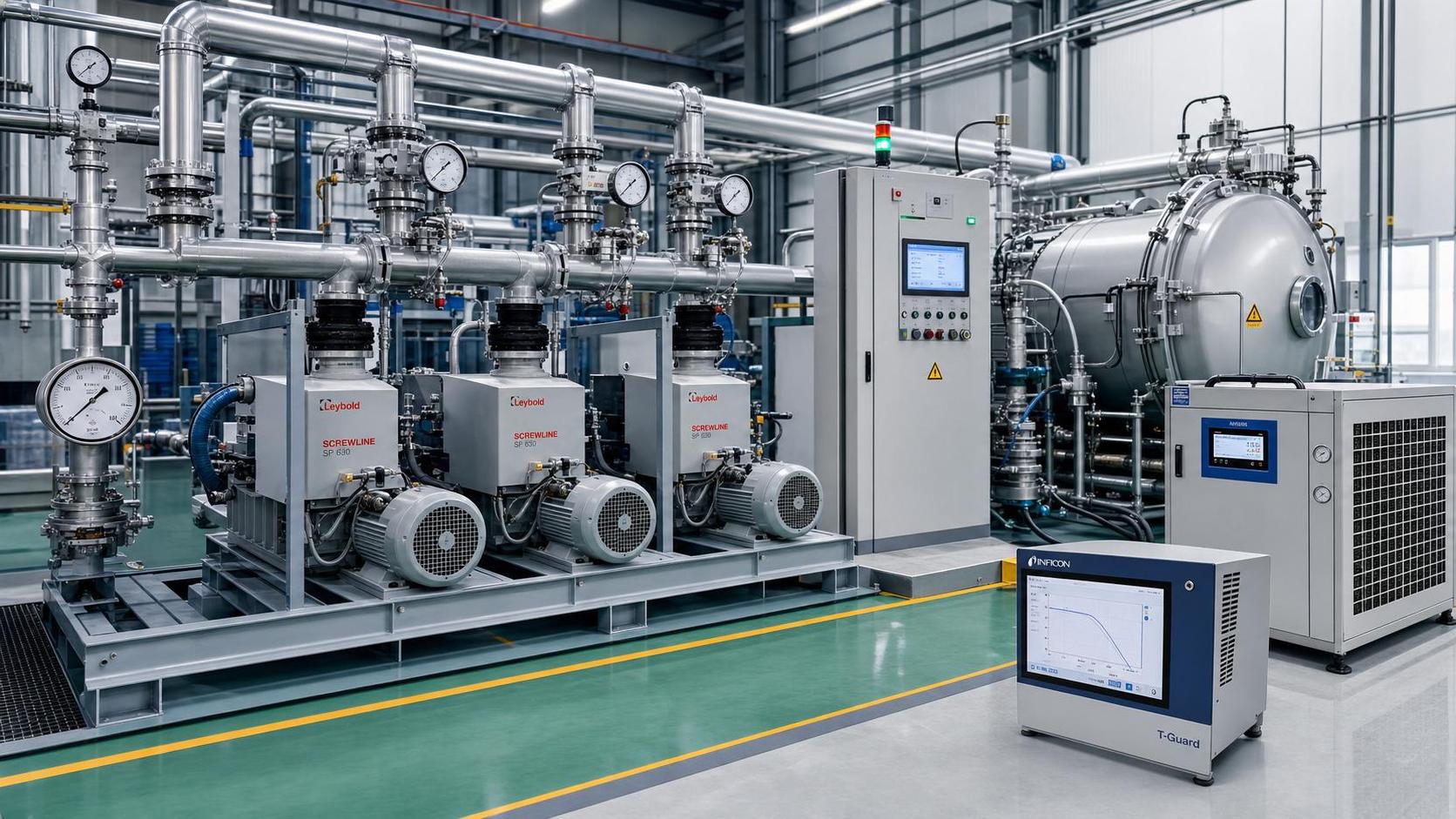
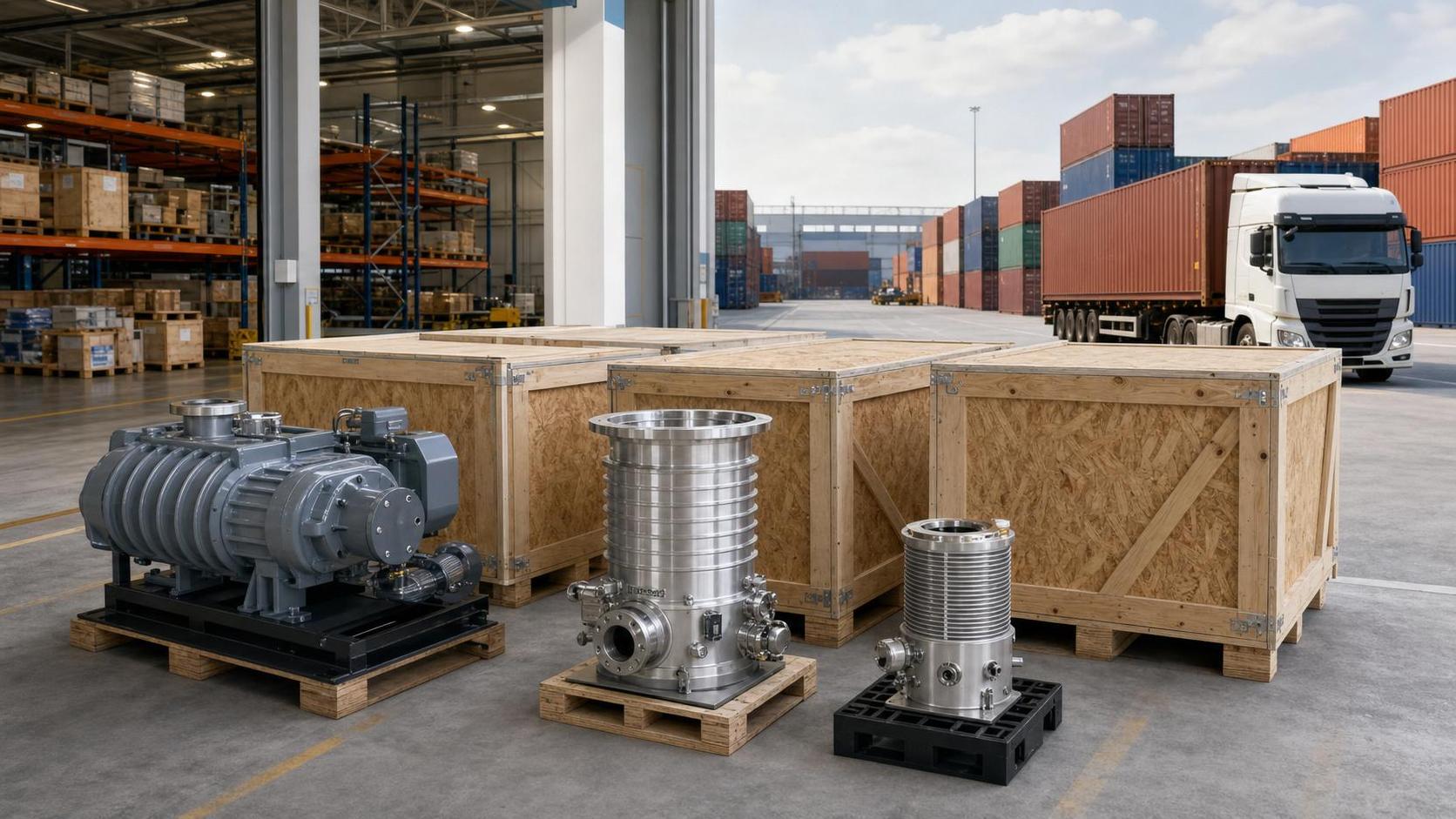
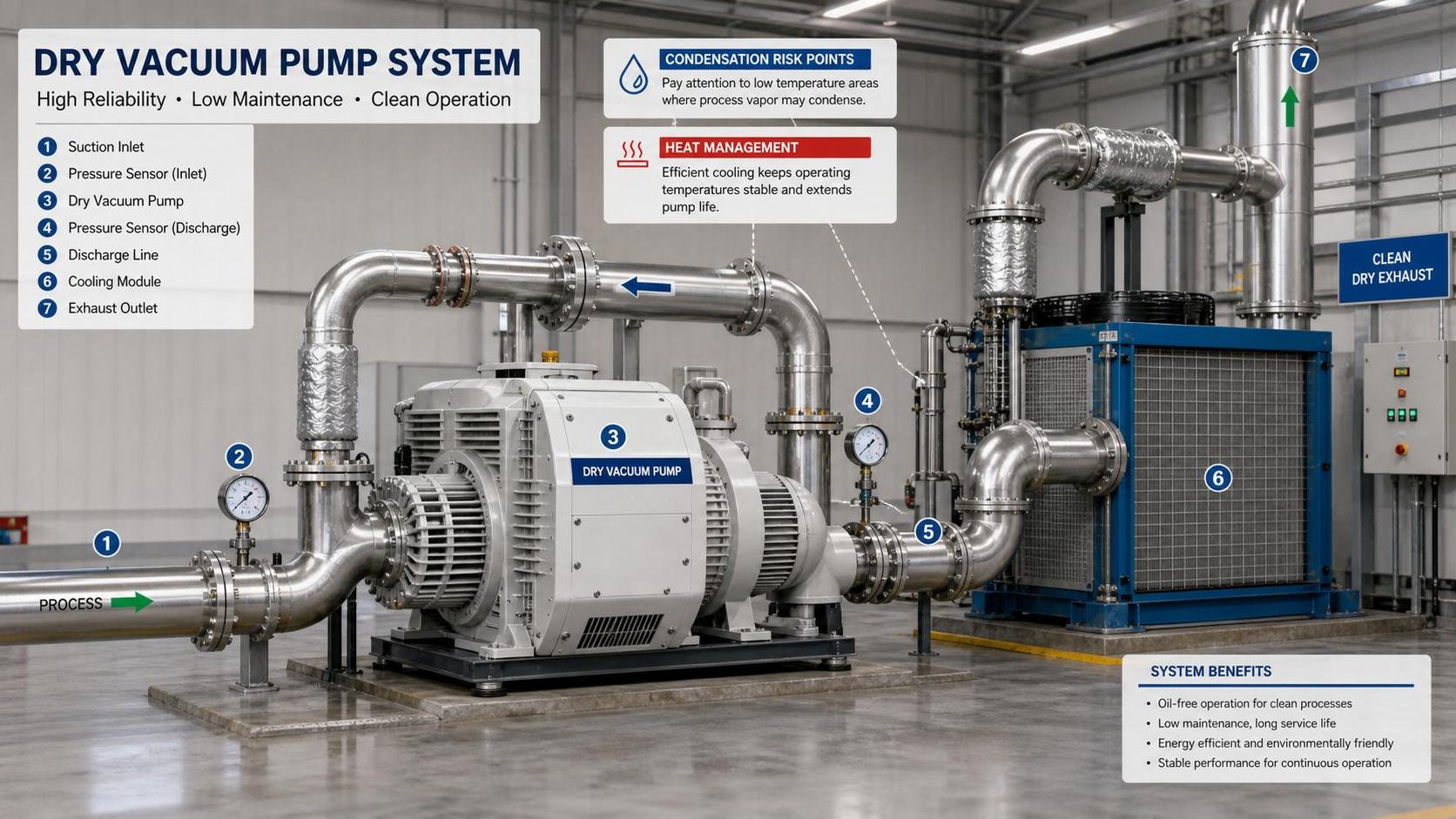
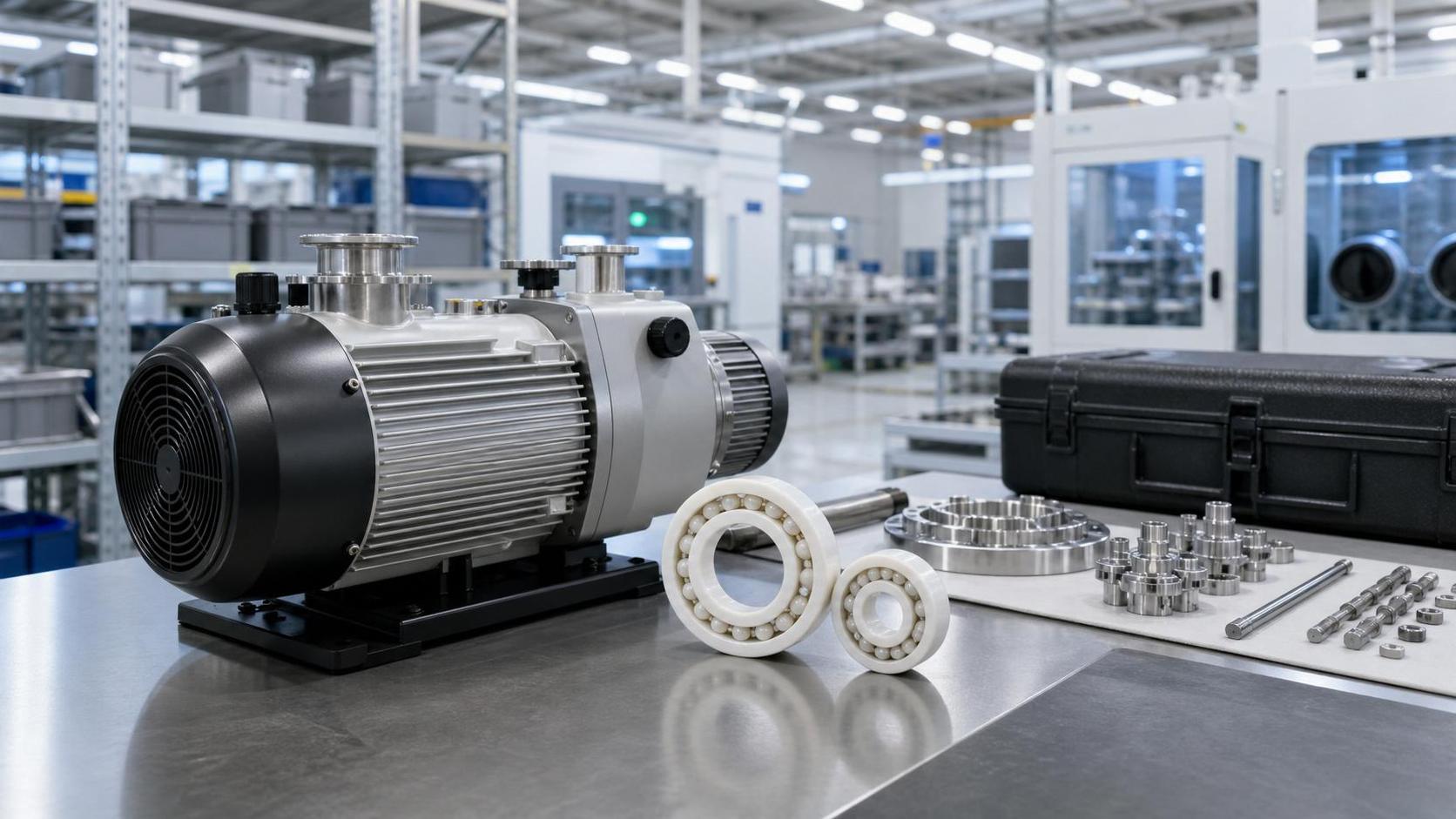
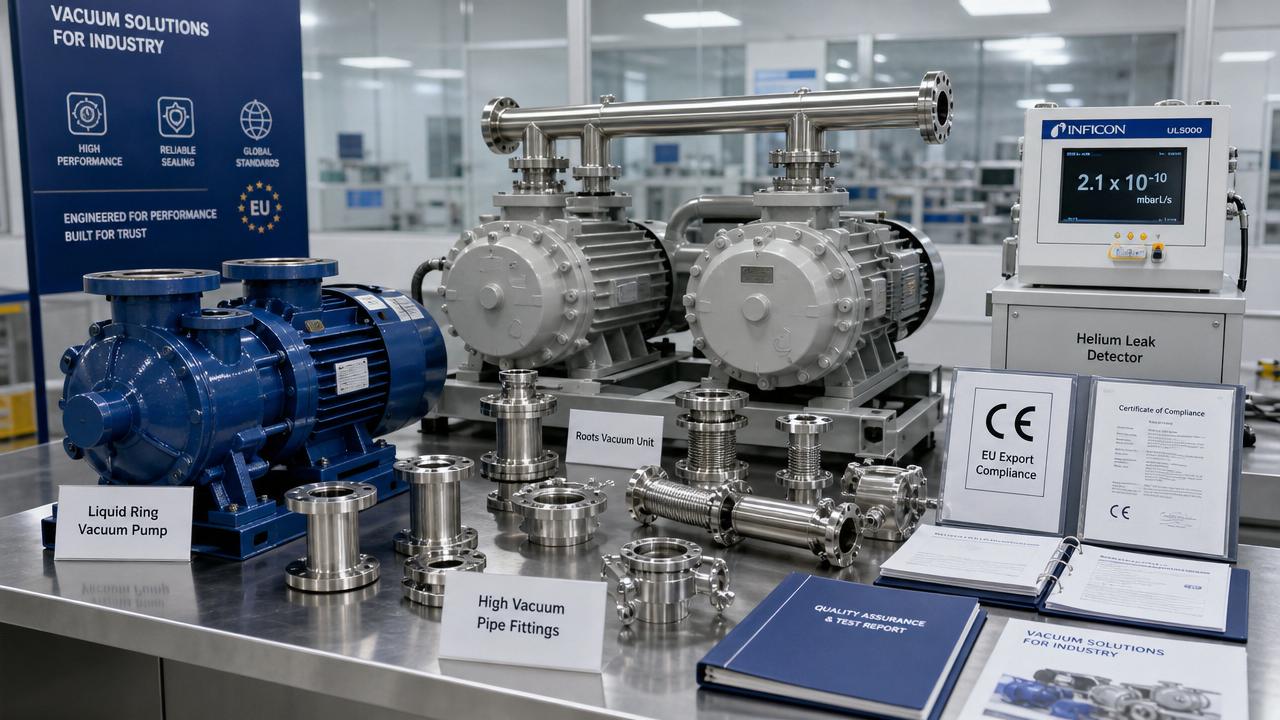
Dry screw pumps, turbomolecular pumps, Roots blowers, and backing pumps are common.
Selection depends on target pressure, gas load, byproduct risk, and contamination tolerance.
Abatement and Exhaust Handling
Many semiconductor vacuum systems handle corrosive, toxic, or condensable gases.
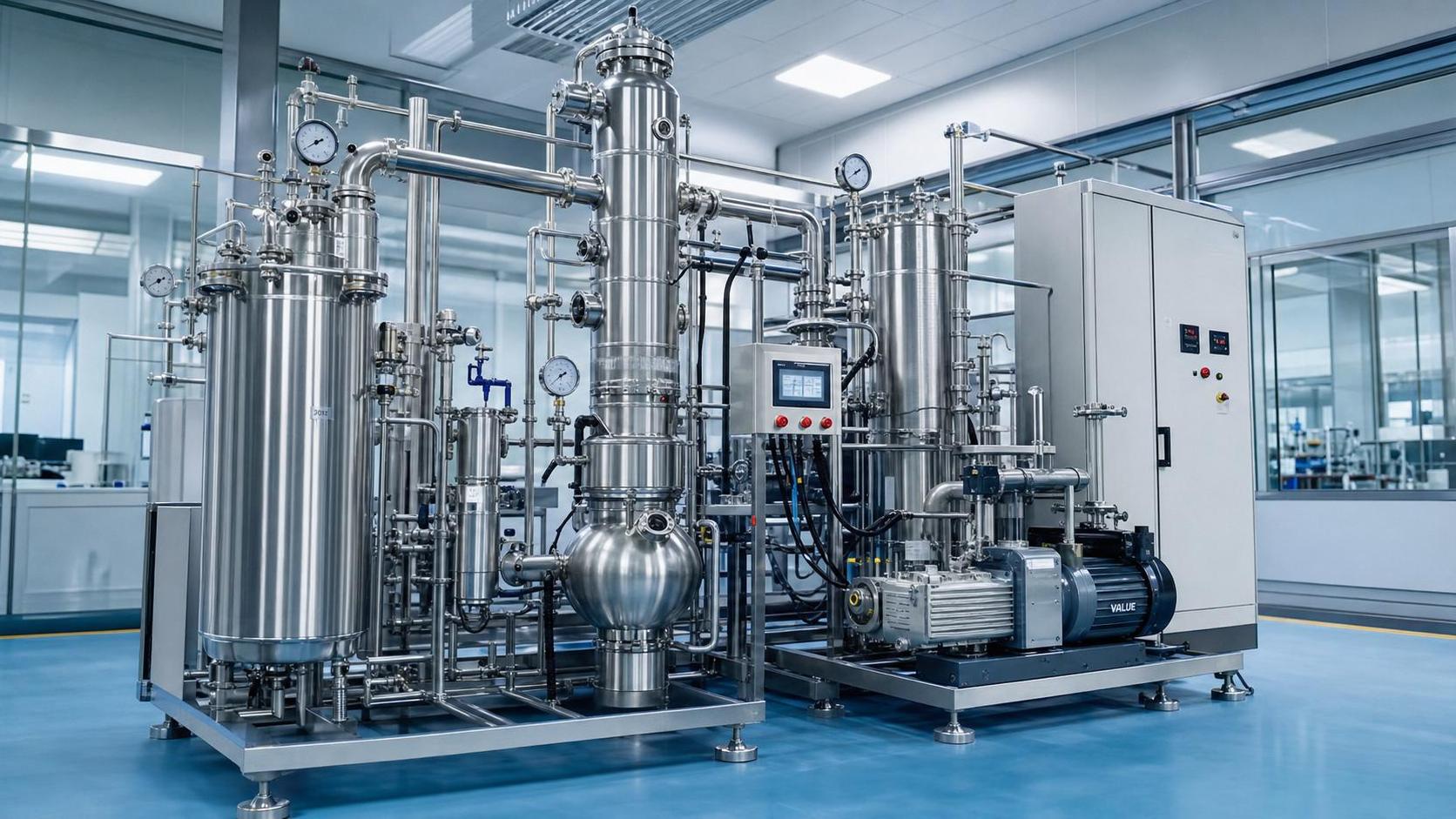
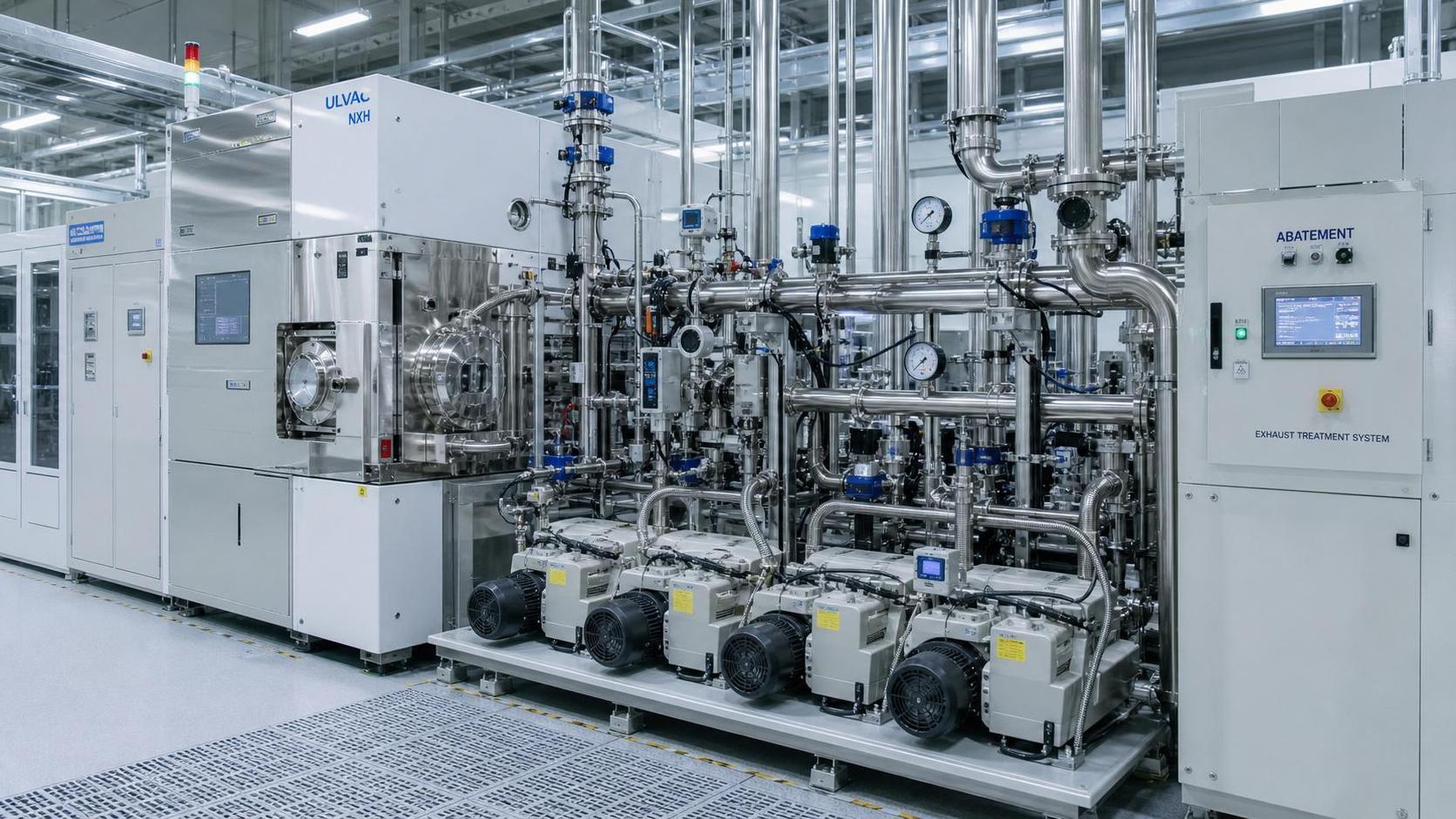
Exhaust lines, traps, scrubbers, and burn-wet abatement units reduce safety and environmental exposure.
Valves, Gauges, and Controls
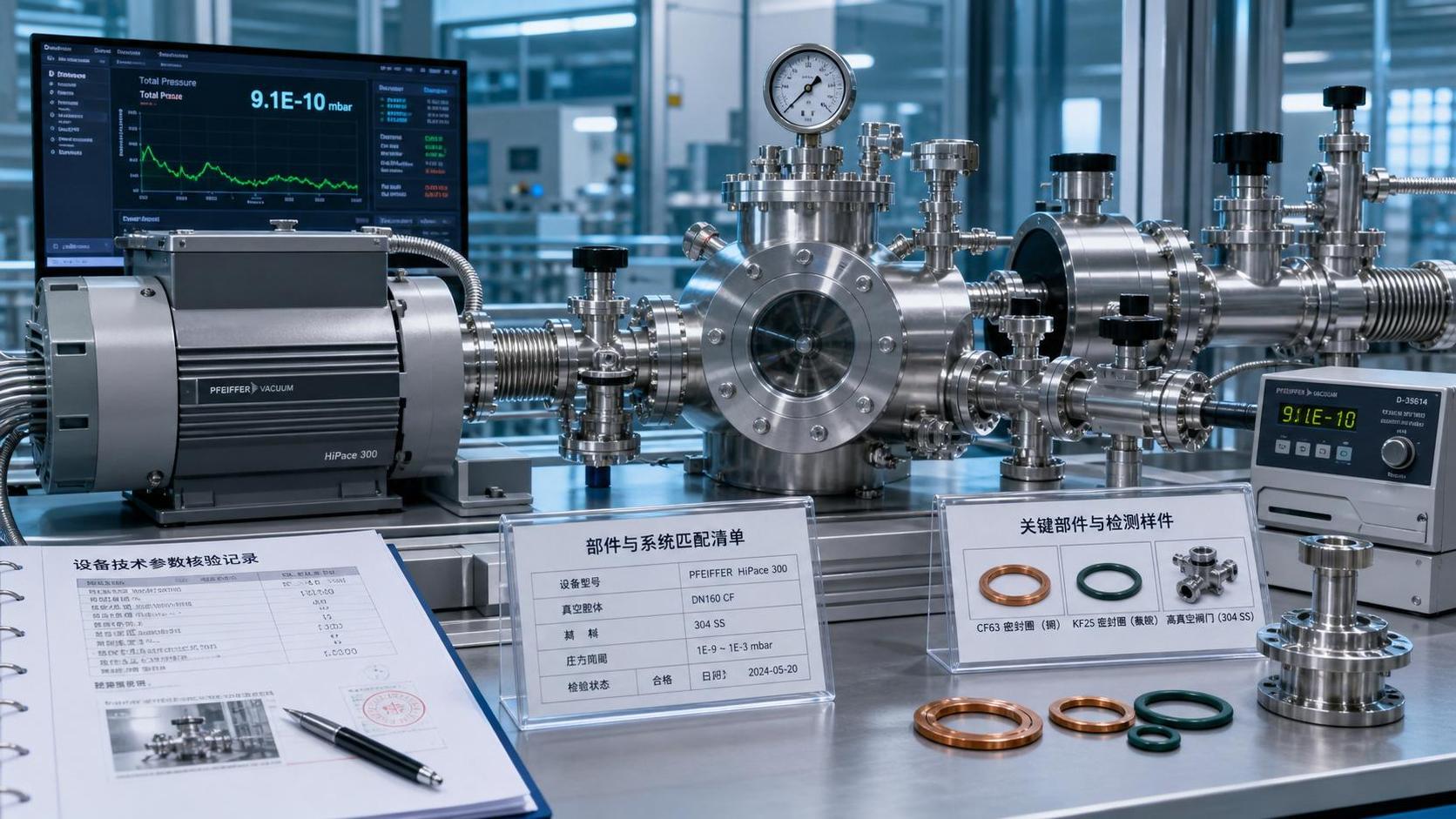
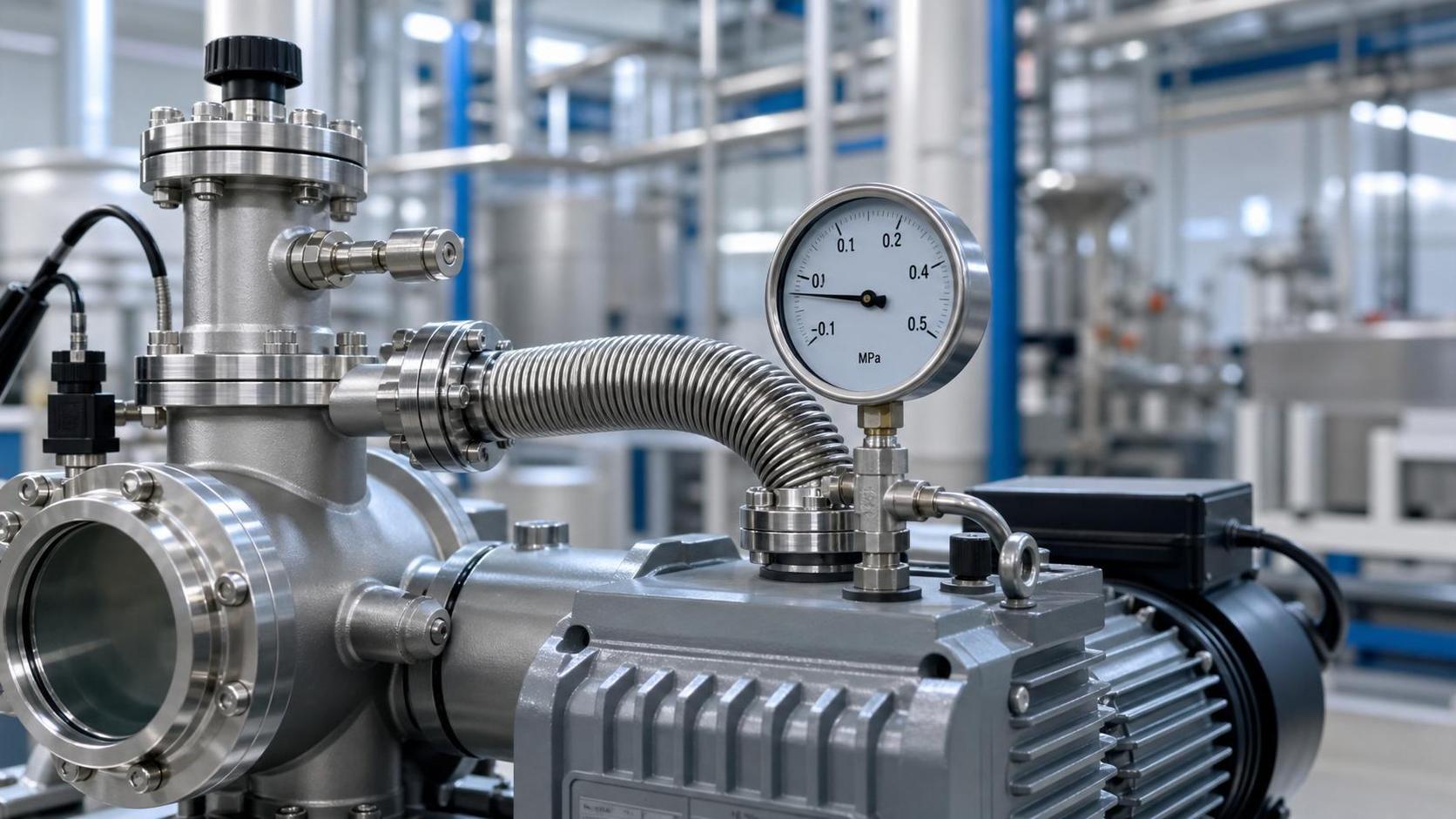
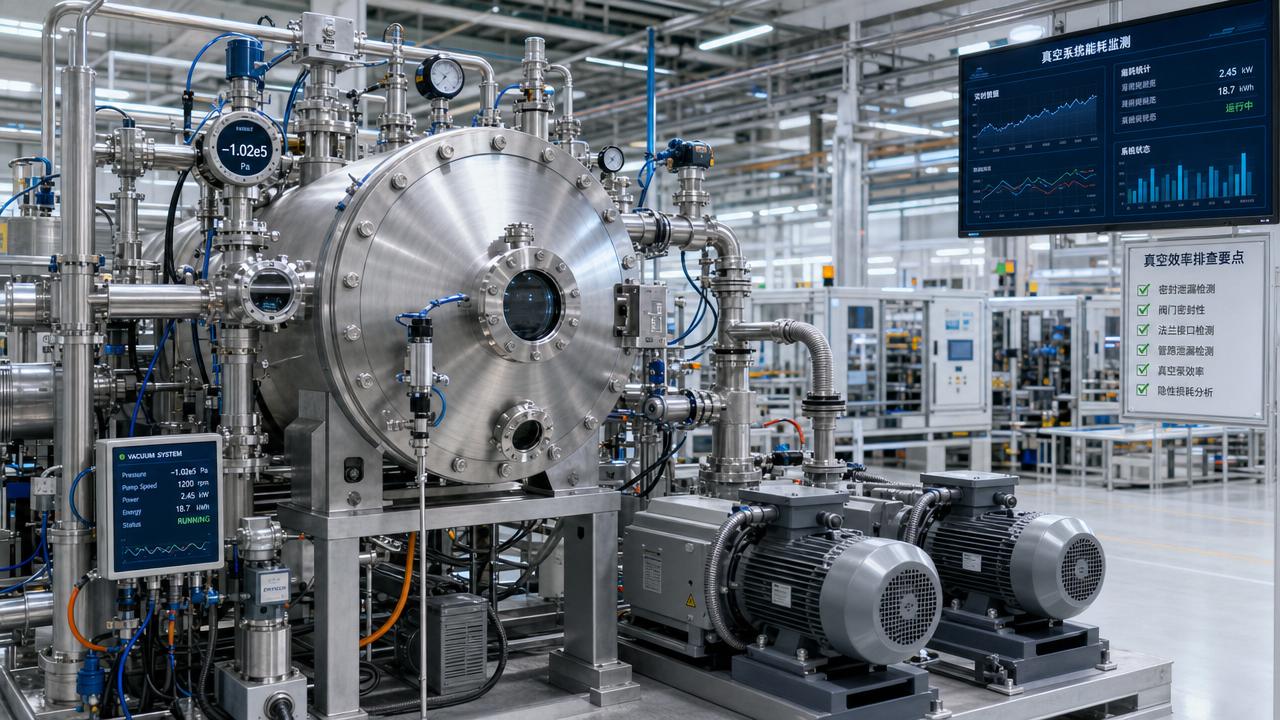
Pressure gauges, throttle valves, isolation valves, and control software hold process stability.
A healthy pump cannot protect yield if sensors drift or valve timing slips.
Piping and Thermal Management
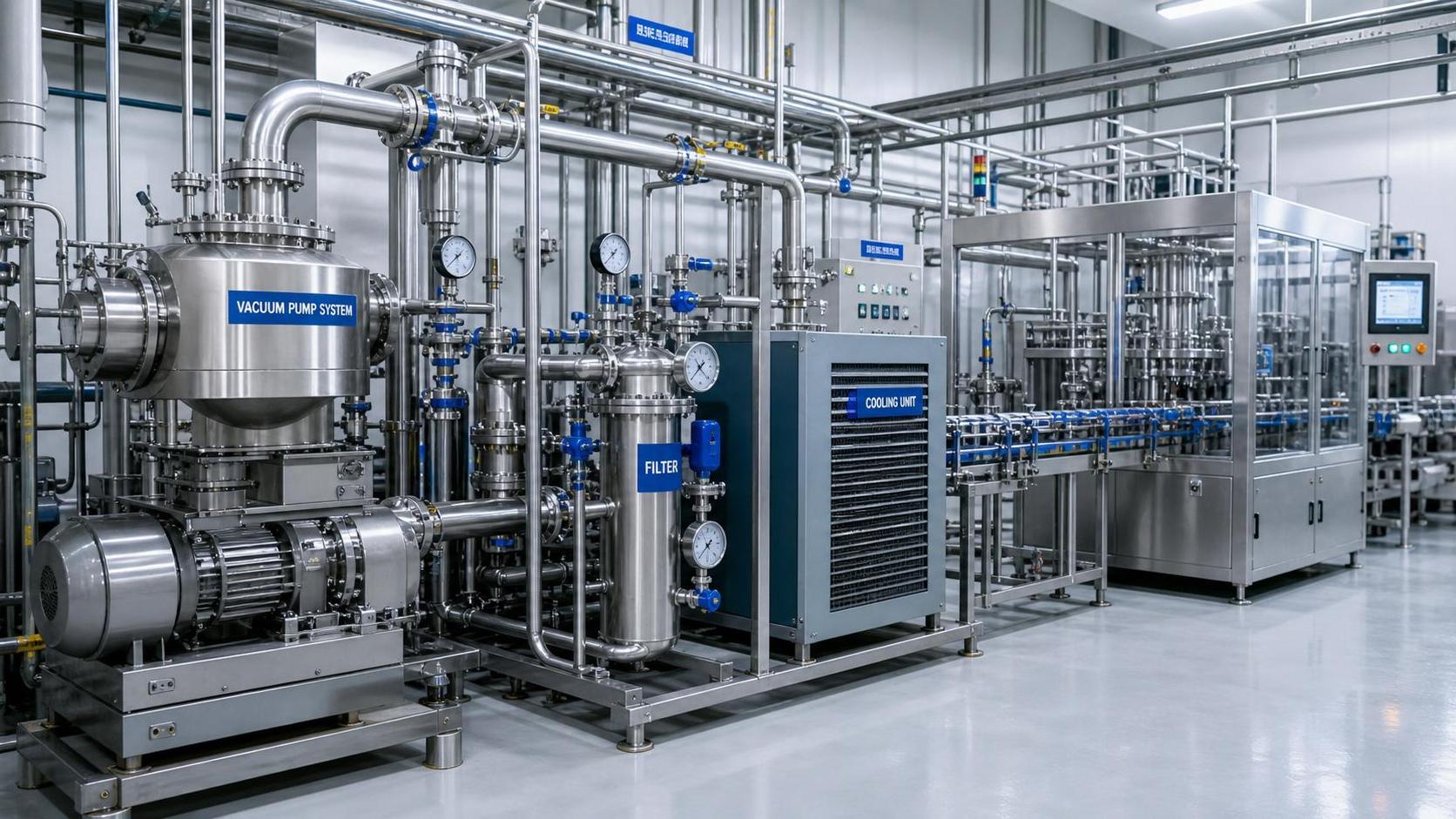
Line geometry, heat tracing, cooling water, and exhaust temperature control matter more than many teams expect.
Poor thermal control can cause byproduct condensation, blockage, and backstreaming.
How Vacuum Instability Reduces Yield
Stable process yield depends on pressure control that stays tight across shifts, recipes, and maintenance cycles.
When semiconductor vacuum systems lose stability, several failure patterns appear.
- Pressure drift changes plasma density and reaction behavior.
- Leaks introduce oxygen, moisture, or airborne contaminants.
- Pump wear reduces pumping speed and extends chamber recovery time.
- Condensed byproducts narrow exhaust paths and create unstable conductance.
- Backstreaming deposits unwanted material on wafers or chamber walls.
From a quality perspective, these issues rarely stay isolated.
They often trigger a chain reaction across SPC trends, tool matching, and outgoing inspection results.
That also means semiconductor vacuum systems should be reviewed as part of defect prevention, not just facility maintenance.
Common Risks for Quality and Safety Control
The more advanced the process node, the less tolerance there is for vacuum variation.
Still, many fab risks come from routine operating gaps.
Leakage and Seal Degradation
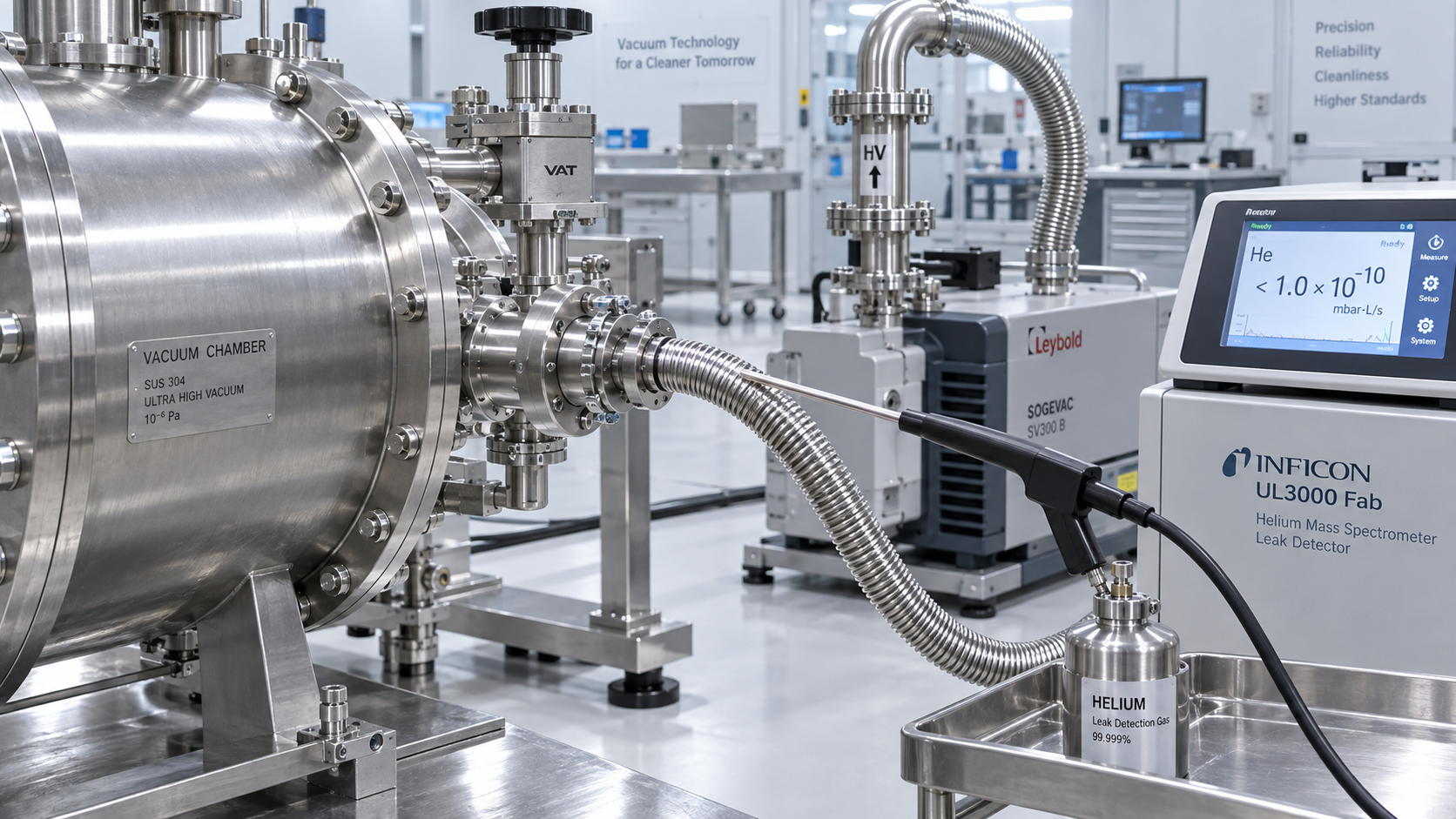
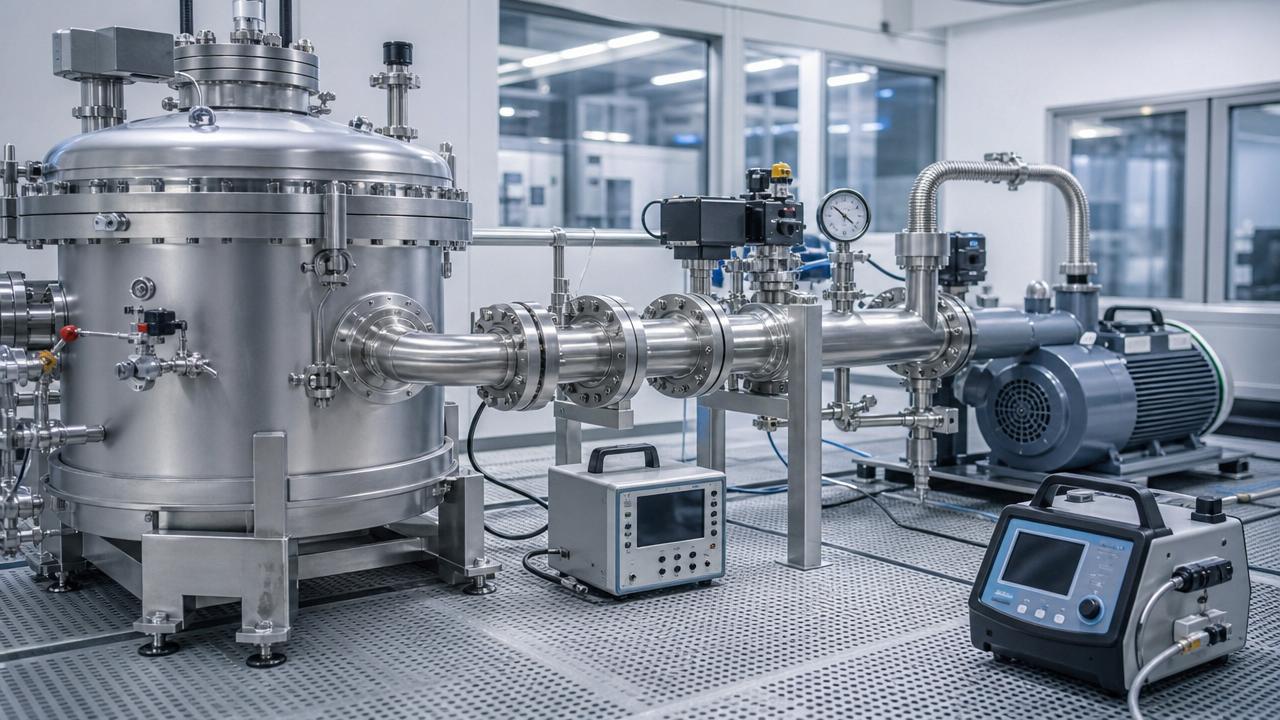
Elastomer aging, flange damage, and poor assembly can introduce slow leaks.
These leaks may sit below alarm thresholds while still damaging process margins.
Corrosive Byproducts
Etch and deposition chemistries can form acids, powders, and sticky residues.
If semiconductor vacuum systems are not matched to that chemistry, service intervals collapse.
Pump Oil and Backstreaming Concerns
Oil-sealed stages can create contamination concerns in sensitive lines.
That is one reason dry semiconductor vacuum systems are widely preferred in advanced fabs.
Human Factors During Maintenance
Incorrect gasket replacement, skipped purge steps, and poor lockout procedures can create both yield loss and exposure hazards.
This is where standard work matters as much as hardware quality.
Key Standards and Monitoring Priorities
Teams responsible for semiconductor vacuum systems usually work across tool OEM guidance, fab procedures, and broader EHS standards.
The exact framework varies, but several priorities stay consistent.
- Track base pressure, pump-down time, and pressure recovery after recipe steps.
- Verify gauge calibration and cross-check sensor drift trends.
- Monitor exhaust temperature, line pressure, and condensate risk.
- Review vibration, motor current, and bearing health for predictive maintenance.
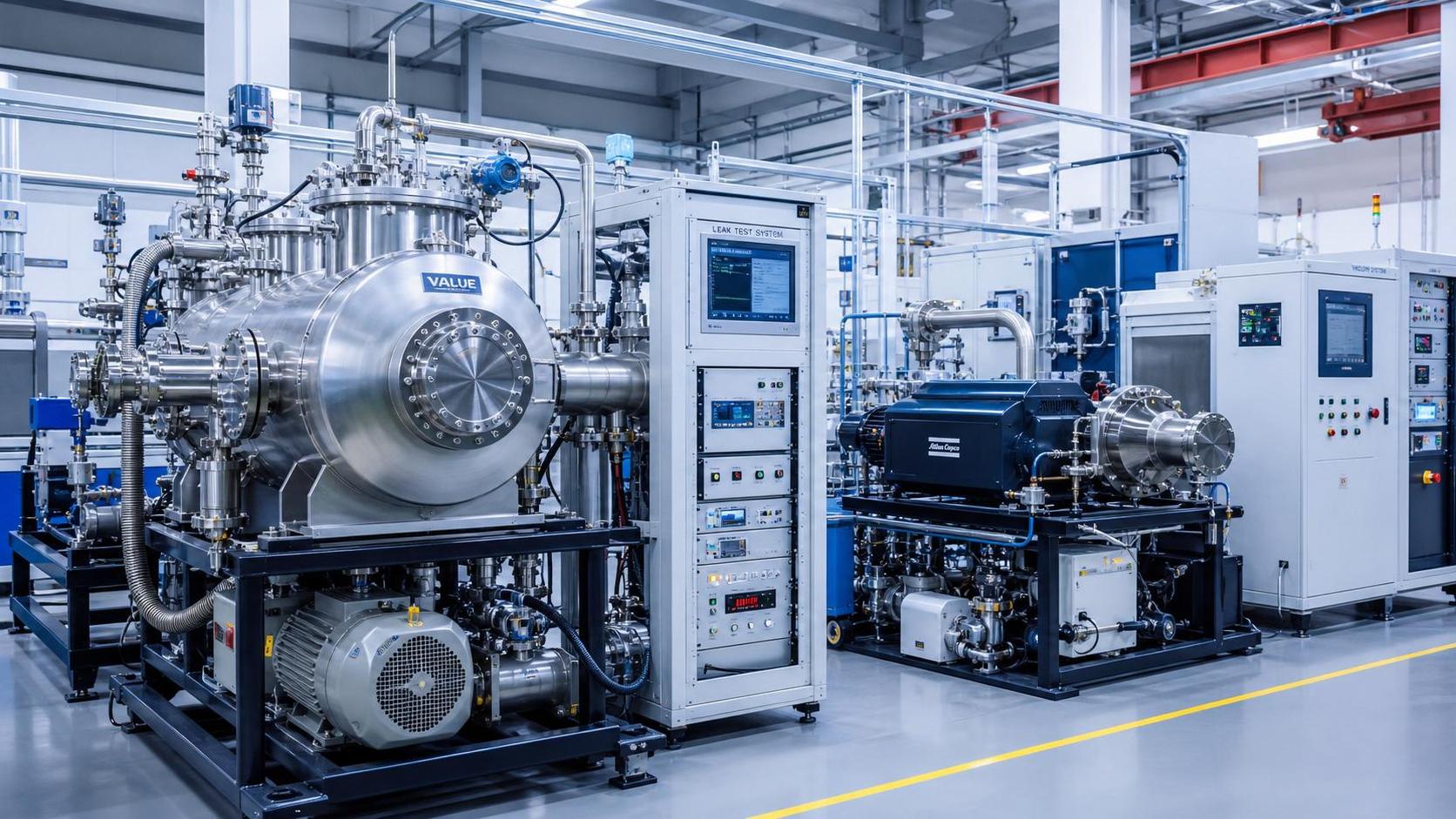
- Document leak test frequency, repair history, and spare part traceability.
- Align hazardous gas handling with local safety codes and fab emergency plans.
A useful rule is simple.
If a parameter can affect pressure stability, contamination, or exhaust safety, it belongs in routine review.
Practical Evaluation Checklist for Semiconductor Vacuum Systems
In actual operations, the best reviews are short, repeatable, and tied to action.
This checklist supports routine audits of semiconductor vacuum systems.
- Confirm the process pressure profile matches the qualified baseline.
- Check for abnormal pump-down time by tool, chamber, and recipe family.
- Inspect seals, flanges, and flexible connections for wear or misalignment.
- Review residue buildup in forelines, traps, and abatement interfaces.
- Verify purge gas quality, flow stability, and interlock performance.
- Compare sensor readings against known references during planned downtime.
- Trend maintenance actions against defect density and tool availability.
- Escalate recurring drift before it becomes a yield excursion.
This kind of discipline closes the gap between equipment status and product quality.
What Smarter Oversight Looks Like
Recent changes across fabs show a clear shift.
Teams are moving from reactive maintenance toward data-linked oversight of semiconductor vacuum systems.
That includes combining vacuum data with defect maps, recipe history, utility conditions, and EHS events.
The stronger signal is not more alarms.
It is better correlation between weak equipment signals and real process outcomes.
This is also where intelligence platforms such as GTC-Matrix add value.
By connecting thermodynamic behavior, vacuum process trends, and industrial operating signals, decision-makers gain a clearer view of system risk.
That helps plants prioritize upgrades, compare technology paths, and improve energy-efficient reliability without losing process control.
Final Takeaway
Semiconductor vacuum systems are central to stable yield, contamination control, and safe fab operation.
When pressure stability, pump health, thermal control, and exhaust management are reviewed together, hidden risks become visible earlier.
The practical next step is straightforward.
Audit semiconductor vacuum systems against process baselines, maintenance history, and safety controls as one connected system.
That approach gives operations a better chance of protecting yield before instability turns into loss.
Related News
- How Can Contamination Be Prevented in a Semiconductor Vacuum Chamber?Author :Vacuum Process Fellow

- Which Vacuum Pump Specifications Matter Most for Semiconductor Processes?Author :Vacuum Process Fellow

- How to find leaks in vacuum pump systems before pump performance dropsAuthor :Vacuum Process Fellow

- How to size a Roots blower for vacuum process equipmentAuthor :Vacuum Process Fellow

- How vacuum level affects vacuum process efficiencyAuthor :Vacuum Process Fellow

- China Imposes Temporary Helium Export BanAuthor :Vacuum Process Fellow

- Semiconductor Vacuum Systems Factory Checklist for Process Stability and Cleanroom UseAuthor :Vacuum Process Fellow

- Vacuum Process Optimization Services: Signs Your Line Needs a Performance ReviewAuthor :Vacuum Process Fellow

- Vacuum Chambers for Cleanroom Use: Key Design Points That Prevent ContaminationAuthor :Vacuum Process Fellow

- Vacuum Distillation Systems: Key Performance Metrics That Affect Product PurityAuthor :Vacuum Process Fellow

- Vietnam Halts High Vacuum Pump Import Licenses for 30 DaysAuthor :Vacuum Process Fellow

- Vacuum Technology Database: What to Check Before Using Technical DataAuthor :Vacuum Process Fellow

- Dry Pump Vacuum System Design Mistakes That Raise DowntimeAuthor :Vacuum Process Fellow

- When Vacuum Systems Lose Performance: Common Causes and FixesAuthor :Vacuum Process Fellow
![]()
- EU Tightens EN 13445-3 Weld Testing for Vacuum VesselsAuthor :Vacuum Process Fellow
![]()
- EPA Cuts R-1234ze(E) Quota 35%, Tightening Vacuum Cooling SupplyAuthor :Vacuum Process Fellow
 Quota 35%, Tightening Vacuum Cooling Supply")
- ICA Warns of Tight Copper Alloy Supply for Vacuum PumpsAuthor :Vacuum Process Fellow

- Vacuum System Leak Detection: Signs, Tests, and FixesAuthor :Vacuum Process Fellow

- How to Compare Vacuum Systems Factory Capabilities for Stable Process UptimeAuthor :Vacuum Process Fellow

- Vacuum Pump Lead Times Extend to 26 WeeksAuthor :Vacuum Process Fellow

- Semiconductor Vacuum Systems Explained for Stable Process YieldAuthor :Vacuum Process Fellow

- Vacuum Process Efficiency: 7 Hidden Causes of Energy LossAuthor :Vacuum Process Fellow

- Vacuum Technology Solutions for Stable Low-Pressure ProductionAuthor :Vacuum Process Fellow

- Vacuum Processes: Common Efficiency Losses and FixesAuthor :Vacuum Process Fellow

- Common Vacuum Processes Problems and How to Prevent DowntimeAuthor :Vacuum Process Fellow

- Tantalum Spike Extends Vacuum Crucible Lead TimesAuthor :Vacuum Process Fellow

- Vacuum Process Efficiency: 5 Hidden Losses to Check FirstAuthor :Vacuum Process Fellow

- How Heat Transfer Design Impacts Vacuum Process EfficiencyAuthor :Vacuum Process Fellow

- EN 13445-4:2026 Takes Effect for High-Vacuum ComponentsAuthor :Vacuum Process Fellow

- EU Vacuum Components Face New EN 13445-4:2026 Leak Test RuleAuthor :Vacuum Process Fellow

- UBS: Fed Cut View May Ease Vacuum Pump Lead TimesAuthor :Vacuum Process Fellow

- Vacuum Processes: Common Causes of Unstable PerformanceAuthor :Vacuum Process Fellow
![]()
- SiC Certification Signals New Entry Path for Vacuum and Compressor DrivesAuthor :Vacuum Process Fellow
![]()
- How to Choose the Right Vacuum System for Process StabilityAuthor :Vacuum Process Fellow

- Vacuum Technology Selection: What Matters Most for Stable Process PerformanceAuthor :Vacuum Process Fellow

- Vacuum Processes: How to Reduce Contamination and Improve Cycle ConsistencyAuthor :Vacuum Process Fellow