Vacuum Processes: Common Causes of Unstable Performance




Vacuum Processes: Common Causes of Unstable Performance
In vacuum processes, unstable performance can quickly lead to quality loss, higher energy use, and unexpected downtime.
Pressure drift, slow pump-down, and contamination often start as small signs.
If those signs are ignored, the process becomes harder to control and more expensive to run.
This guide explains why vacuum processes become unstable and what practical steps can restore consistent performance.
Why Stability Matters in Vacuum Processes
Stable vacuum processes support repeatable coating, drying, degassing, packaging, and material handling.
When vacuum levels swing too much, product quality usually changes first.
Then cycle times grow longer, utilities rise, and maintenance becomes reactive instead of planned.
In many plants, unstable vacuum processes are not caused by one major failure.
They usually come from several smaller issues that build up over time.
That also means performance can often improve quickly once the root causes are identified.
The Most Common Causes of Unstable Vacuum Processes
1. Air Leaks in Lines, Seals, and Connections
Leaks are one of the most common reasons vacuum processes lose stability.
A small leak may seem harmless, but it can constantly pull the system away from target pressure.
Typical leak points include flange joints, worn gaskets, valve stems, hoses, and instrument fittings.
Older systems face a higher risk because sealing materials harden and crack with heat and exposure.
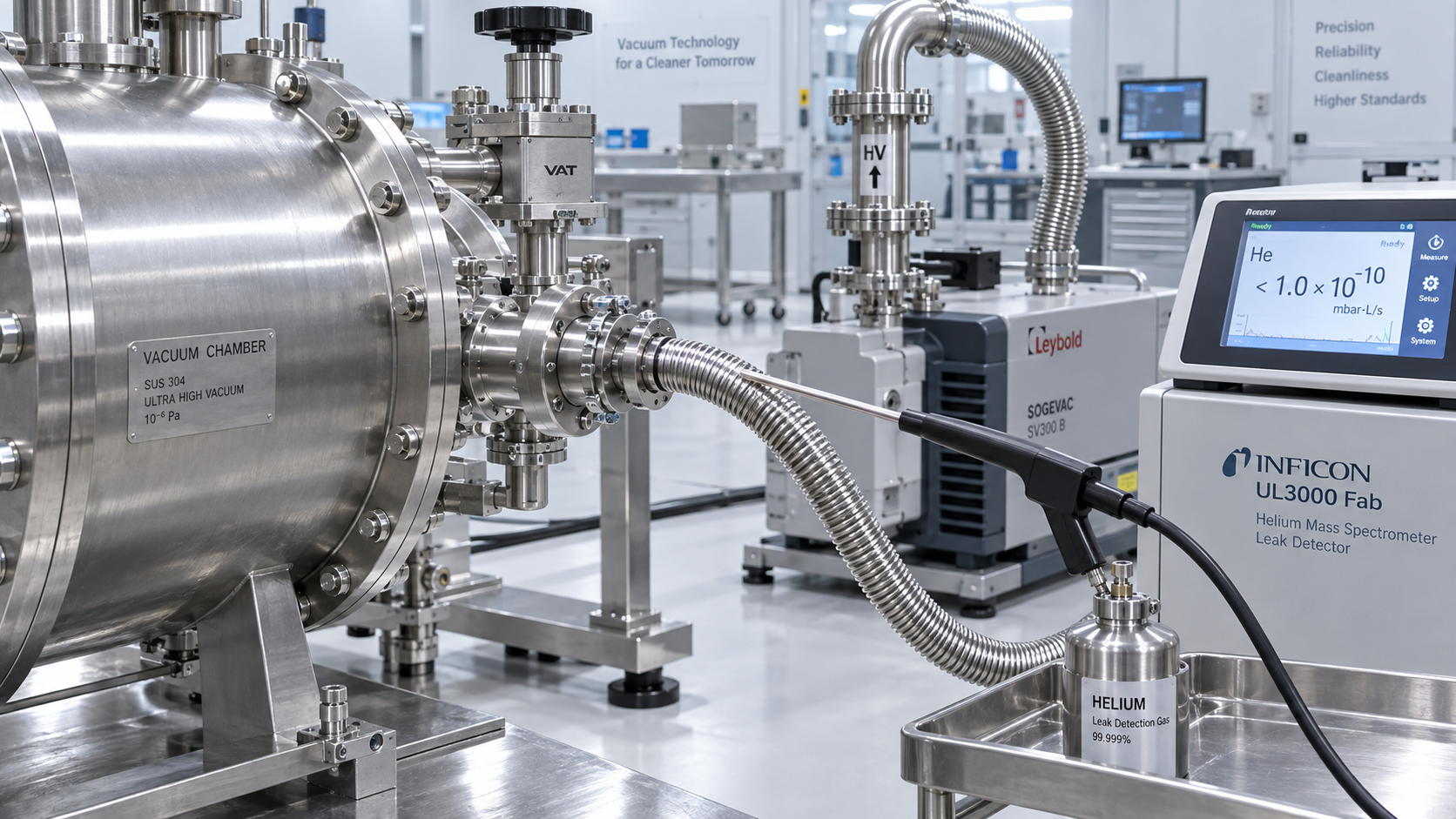
- Watch for longer pump-down time.
- Check for pressure rebound after isolation.
- Inspect seals after every shutdown window.
2. Contamination Inside the Vacuum System
Contamination is another major threat to stable vacuum processes.
Dust, oil mist, vapor, process residue, and moisture can all affect pumping performance.
They may also interfere with gauges, valves, and filters.
More importantly, contamination changes the internal conditions that vacuum processes depend on for repeatability.
In drying or coating operations, even light residue can shift process timing and final quality.
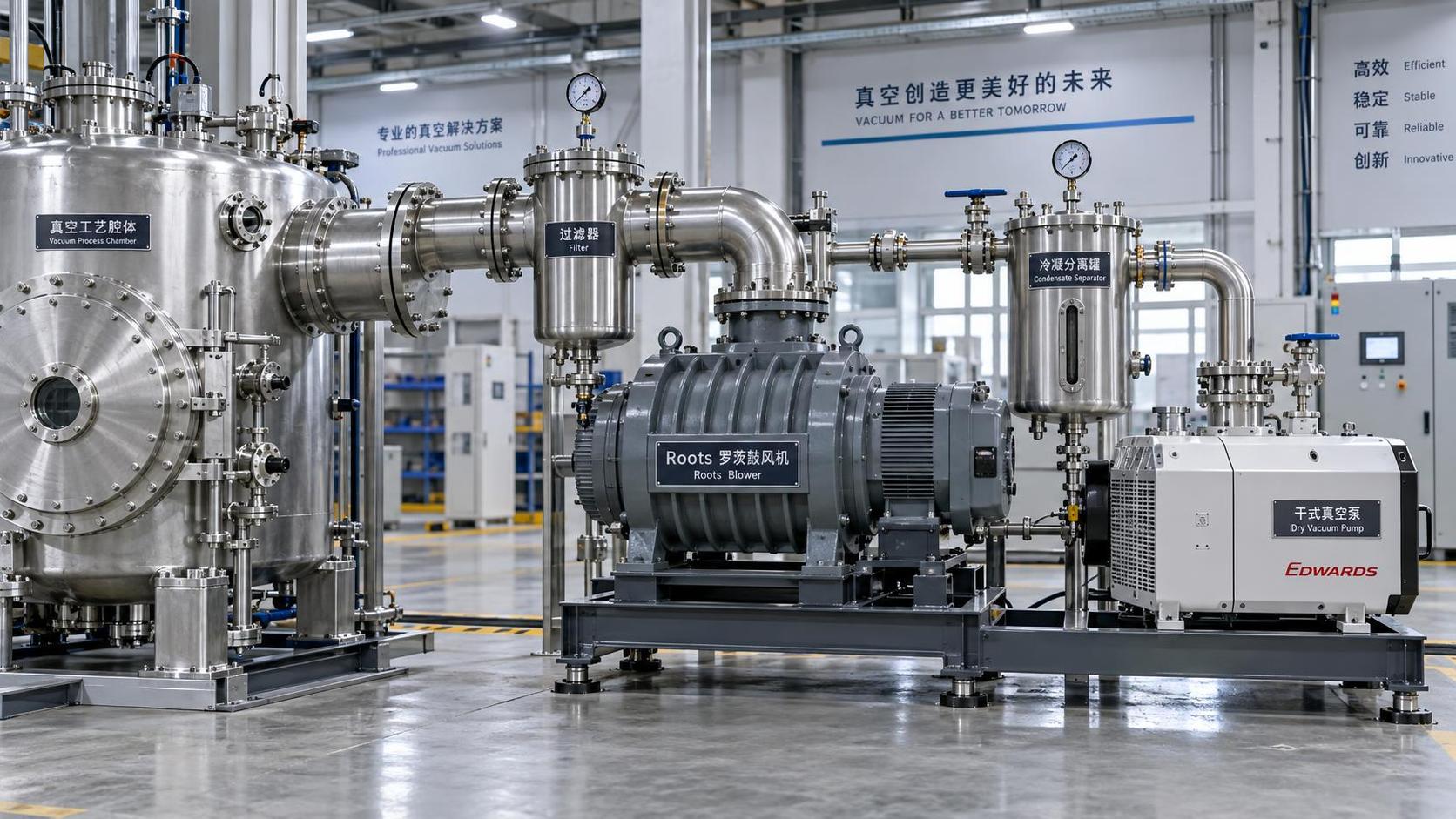
- Replace saturated filters before pressure drop rises.
- Drain trapped condensate on a set schedule.
- Review process byproducts that may backstream.
3. Incorrect Pump Selection or System Sizing
Not all vacuum processes need the same pump type, pumping speed, or ultimate pressure.
A mismatch between process demand and equipment design creates chronic instability.
For example, a pump sized for light duty may struggle with high vapor loads.
A pump chosen only for deep vacuum may perform poorly during roughing or heavy cycling.
In practice, unstable vacuum processes often come from old capacity assumptions that no longer match production reality.
4. Poor Control of Gas Load and Process Changes
Vacuum processes rarely operate under perfectly fixed conditions.
Gas load can change with temperature, batch size, product moisture, or material composition.
When those changes are not tracked, pressure control becomes uneven.
This is especially common in drying, impregnation, chemical handling, and packaging vacuum processes.
A process may appear unstable, even though the real issue is a shifting load profile.
5. Instrument Errors and Sensor Drift
Sometimes vacuum processes are stable, but the readings are not.
A drifting pressure sensor or contaminated gauge can create false alarms and bad adjustments.
Operators may then change valve positions, cycle timing, or maintenance intervals unnecessarily.
That makes the entire vacuum process less consistent than it needs to be.
6. Maintenance Gaps and Wear
Wear develops slowly, so unstable vacuum processes may not be noticed right away.
Vaned pumps lose efficiency, seals age, bearings heat up, and filters clog.
Each issue may look minor alone, but together they reduce overall process control.
If maintenance is based only on failure, vacuum processes usually become less predictable over time.
How to Diagnose Unstable Vacuum Processes Faster
A good diagnosis starts with separating symptoms from causes.
If pressure is unstable, do not assume the pump is always at fault.
Check the whole path, from chamber condition to piping, instrumentation, and utilities.
- Record pump-down time for several normal cycles.
- Compare current pressure curves with baseline data.
- Run a leak isolation test on the chamber and lines.
- Inspect filters, traps, and condensate points.
- Verify gauge calibration and sensor response.
- Review whether recent product changes increased gas load.
This step-by-step approach reduces guesswork and shortens troubleshooting time.
Practical Actions That Improve Vacuum Processes
The best improvements are usually simple, consistent, and easy to repeat.
In daily operation, small routine checks can prevent major instability later.
- Track vacuum level, cycle time, and energy use together.
- Set leak inspection intervals based on operating hours.
- Use the right trap or separator for vapor-heavy vacuum processes.
- Standardize startup and shutdown sequences.
- Replace worn sealing parts before failure occurs.
- Reassess pump sizing after process expansion or product change.
These actions help vacuum processes stay closer to target conditions with less intervention.
A Quick Reference Table for Daily Checks
Why Process Awareness Matters More Than Quick Fixes
A temporary fix may quiet the symptom, but it rarely solves unstable vacuum processes for long.
Better results come from understanding how pumps, seals, loads, controls, and maintenance interact.
That broader view is becoming more important as industrial systems push for efficiency and cleaner operation.
From the wider market perspective, energy costs and process consistency now matter more than ever.
That is exactly why platforms such as GTC-Matrix continue tracking vacuum processes, compression systems, and thermal technologies with close attention.
In real operating environments, better information often leads to better stability.
Final Takeaway
Unstable vacuum processes usually trace back to leaks, contamination, sizing problems, drifting instruments, or missed maintenance.
The good news is that most of these issues can be found early with simple checks and better trend tracking.
Start with the basics, verify the data, and fix root causes before they spread across the process.
When vacuum processes are monitored with discipline, performance becomes more stable, efficient, and easier to manage every day.
Ready when you are. Send us a message to get started.
Related News
- How does base pressure affect film purity in vacuum deposition?Author :Vacuum Process Fellow

- How to size vacuum process equipment for the required pump-down timeAuthor :Vacuum Process Fellow

- Which vacuum specification best protects semiconductor process yield?Author :Vacuum Process Fellow

- How Can Contamination Be Prevented in a Semiconductor Vacuum Chamber?Author :Vacuum Process Fellow

- Which Vacuum Pump Specifications Matter Most for Semiconductor Processes?Author :Vacuum Process Fellow

- How to find leaks in vacuum pump systems before pump performance dropsAuthor :Vacuum Process Fellow

- How to size a Roots blower for vacuum process equipmentAuthor :Vacuum Process Fellow

- How vacuum level affects vacuum process efficiencyAuthor :Vacuum Process Fellow

- China Imposes Temporary Helium Export BanAuthor :Vacuum Process Fellow

- Semiconductor Vacuum Systems Factory Checklist for Process Stability and Cleanroom UseAuthor :Vacuum Process Fellow

- Vacuum Process Optimization Services: Signs Your Line Needs a Performance ReviewAuthor :Vacuum Process Fellow

- Vacuum Chambers for Cleanroom Use: Key Design Points That Prevent ContaminationAuthor :Vacuum Process Fellow

- Vacuum Distillation Systems: Key Performance Metrics That Affect Product PurityAuthor :Vacuum Process Fellow

- Vietnam Halts High Vacuum Pump Import Licenses for 30 DaysAuthor :Vacuum Process Fellow

- Vacuum Technology Database: What to Check Before Using Technical DataAuthor :Vacuum Process Fellow

- Dry Pump Vacuum System Design Mistakes That Raise DowntimeAuthor :Vacuum Process Fellow

- When Vacuum Systems Lose Performance: Common Causes and FixesAuthor :Vacuum Process Fellow
![]()
- EU Tightens EN 13445-3 Weld Testing for Vacuum VesselsAuthor :Vacuum Process Fellow
![]()
- EPA Cuts R-1234ze(E) Quota 35%, Tightening Vacuum Cooling SupplyAuthor :Vacuum Process Fellow
 Quota 35%, Tightening Vacuum Cooling Supply")
- ICA Warns of Tight Copper Alloy Supply for Vacuum PumpsAuthor :Vacuum Process Fellow

- Vacuum System Leak Detection: Signs, Tests, and FixesAuthor :Vacuum Process Fellow

- How to Compare Vacuum Systems Factory Capabilities for Stable Process UptimeAuthor :Vacuum Process Fellow

- Vacuum Pump Lead Times Extend to 26 WeeksAuthor :Vacuum Process Fellow

- Semiconductor Vacuum Systems Explained for Stable Process YieldAuthor :Vacuum Process Fellow

- Vacuum Process Efficiency: 7 Hidden Causes of Energy LossAuthor :Vacuum Process Fellow

- Vacuum Technology Solutions for Stable Low-Pressure ProductionAuthor :Vacuum Process Fellow

- Vacuum Processes: Common Efficiency Losses and FixesAuthor :Vacuum Process Fellow

- Common Vacuum Processes Problems and How to Prevent DowntimeAuthor :Vacuum Process Fellow

- Tantalum Spike Extends Vacuum Crucible Lead TimesAuthor :Vacuum Process Fellow

- Vacuum Process Efficiency: 5 Hidden Losses to Check FirstAuthor :Vacuum Process Fellow

- How Heat Transfer Design Impacts Vacuum Process EfficiencyAuthor :Vacuum Process Fellow

- EN 13445-4:2026 Takes Effect for High-Vacuum ComponentsAuthor :Vacuum Process Fellow

- EU Vacuum Components Face New EN 13445-4:2026 Leak Test RuleAuthor :Vacuum Process Fellow

- UBS: Fed Cut View May Ease Vacuum Pump Lead TimesAuthor :Vacuum Process Fellow

- Vacuum Processes: Common Causes of Unstable PerformanceAuthor :Vacuum Process Fellow
![]()
- SiC Certification Signals New Entry Path for Vacuum and Compressor DrivesAuthor :Vacuum Process Fellow
![]()