Vacuum Process Efficiency: 5 Signs Your System Is Losing Output




Vacuum process efficiency rarely drops all at once—it fades through small warning signs that operators often overlook until output, stability, and energy use are affected. If your system is taking longer to reach target pressure, showing inconsistent performance, or driving up maintenance demands, these may be early indicators of hidden losses. Understanding these signs helps users act faster, protect process reliability, and restore system performance before productivity suffers.
What does vacuum process efficiency really mean in daily operation?
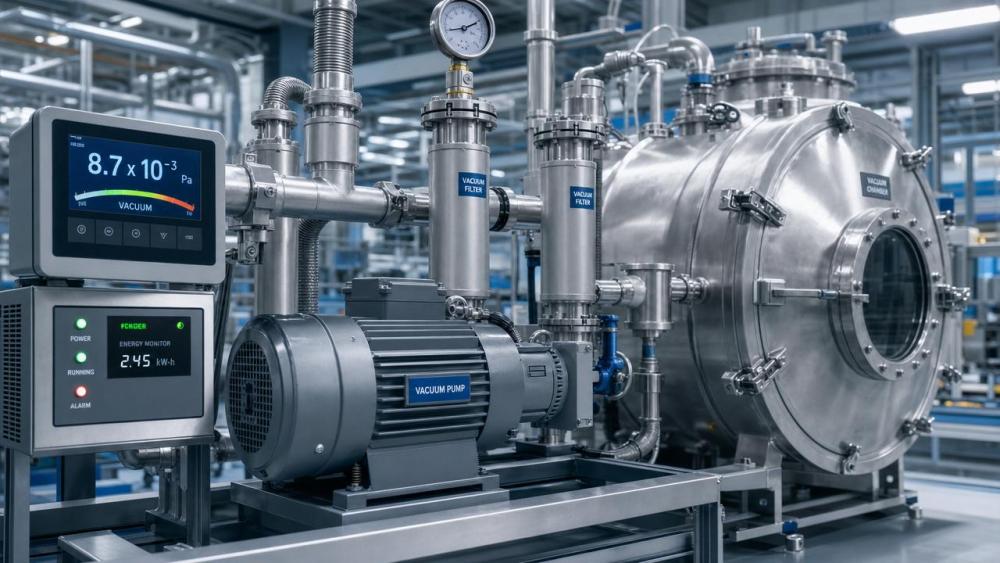
Vacuum process efficiency is not only about reaching a pressure number on a gauge.
It reflects how quickly, consistently, and economically a vacuum system supports production goals.
In industrial environments, efficient vacuum performance affects drying, degassing, forming, coating, packaging, and material transfer.
When vacuum process efficiency declines, the first impact is often subtle rather than dramatic.
Cycle times lengthen, energy demand rises, and product uniformity starts to drift.
Across general industry, those small losses can spread into throughput delays and unexpected maintenance costs.
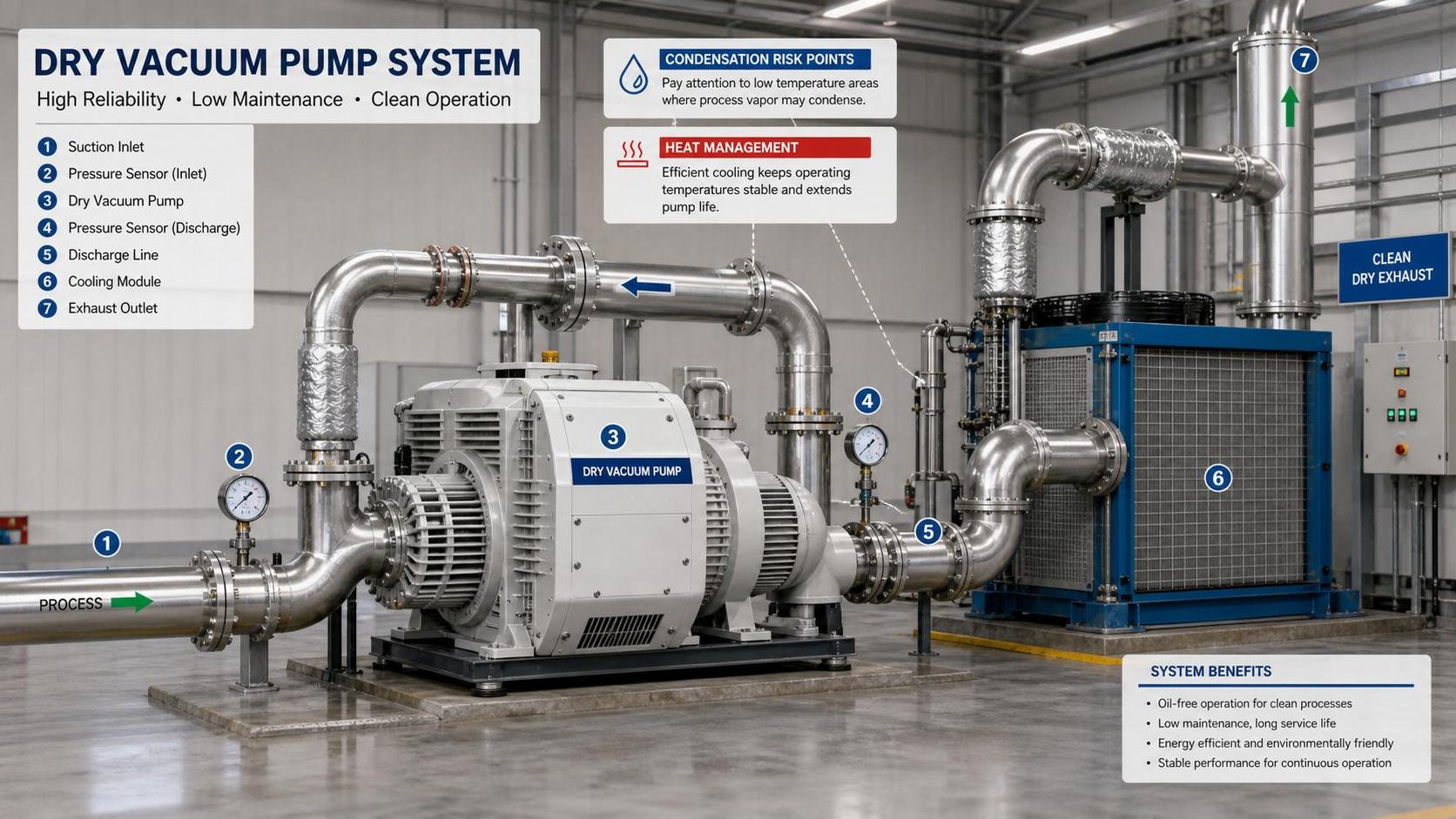
A healthy system balances pump capacity, leak control, pipeline design, filtration, and process load.
If one element weakens, overall vacuum process efficiency often falls before alarms clearly appear.
Why is this metric more important than simple pump output?
Pump nameplate performance is measured under controlled conditions, not under changing production realities.
Actual vacuum process efficiency depends on gas load, contamination, ambient temperature, and control strategy.
That is why two systems with the same pump model can deliver very different operating results.
What is the first sign your vacuum process efficiency is slipping?
The earliest and most common sign is slower pull-down time.
If the system needs longer to reach target vacuum, output capacity is already being reduced.
This issue often appears before users notice quality problems or major equipment faults.
Slower evacuation may point to internal wear, clogged filters, vapor loading, or hidden line restrictions.
It can also indicate process changes that increased gas volume beyond the original design range.
How can you confirm it is a real efficiency issue?
Track time-to-target vacuum over several shifts instead of relying on one observation.
Compare current performance with baseline commissioning data or historical production records.
If evacuation time rises while product demand stays stable, vacuum process efficiency is likely declining.
- Target pressure takes longer to achieve
- Cycle completion becomes inconsistent
- Pump runtime increases without output gains
- Operators compensate by extending process windows
Which other signs show vacuum process efficiency is losing output?
Four additional warning signs usually follow the first one.
Together, they create a clear picture of declining vacuum process efficiency.
1. Pressure becomes unstable during the hold stage
A system that reaches target pressure but cannot hold it steadily may have leaks or backflow issues.
Instability also affects coating thickness, moisture removal, and thermal repeatability.
2. Energy use rises faster than production volume
When power demand climbs but throughput stays flat, vacuum process efficiency is being lost in the background.
The system works harder to deliver the same result, which raises total operating cost.
3. Maintenance frequency starts increasing
More filter changes, oil service, seal replacement, or cleaning intervals often signal stress inside the system.
The maintenance team may solve symptoms repeatedly while the efficiency root cause remains untouched.
4. Process quality varies between batches
Inconsistent drying, foaming, adhesion, forming, or sealing can result from unstable vacuum performance.
Quality variation is often treated as a material issue, even when vacuum process efficiency is the real factor.
What usually causes vacuum process efficiency losses?
Efficiency loss rarely comes from one cause alone.
Most cases involve a combination of mechanical, operational, and process-related factors.
Common technical causes
- Vacuum leaks at joints, valves, gaskets, or chambers
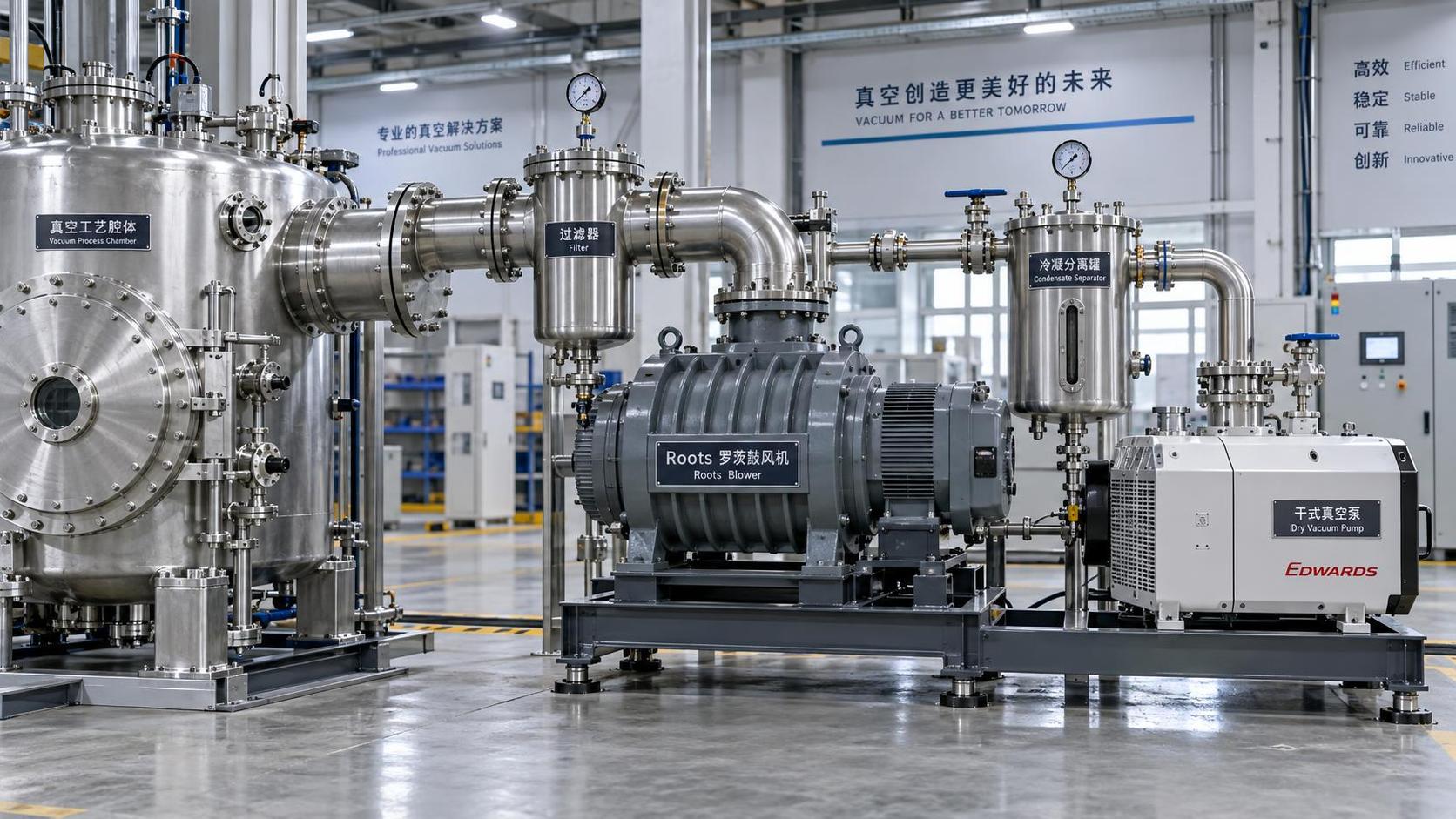
- Dirty filters and separators restricting flow
- Pump wear reducing effective pumping speed
- Condensation, dust, or vapor contamination inside lines
- Oversized or undersized pumps for the actual load
- Poor piping layout with unnecessary bends or long runs
Operational causes that are often missed
Recipe changes can increase moisture, gas release, or evacuation demand beyond earlier assumptions.
In some facilities, multiple users share one vacuum network without balanced control.
That shared load can lower vacuum process efficiency during peak periods.
Ambient heat, cooling instability, and stop-start cycling can also accelerate performance decline.
How do you diagnose and improve vacuum process efficiency quickly?
A fast diagnosis should begin with data, not assumptions.
Even basic trend records can reveal where vacuum process efficiency is being lost.
- Record pull-down time, hold pressure, power draw, and maintenance events.
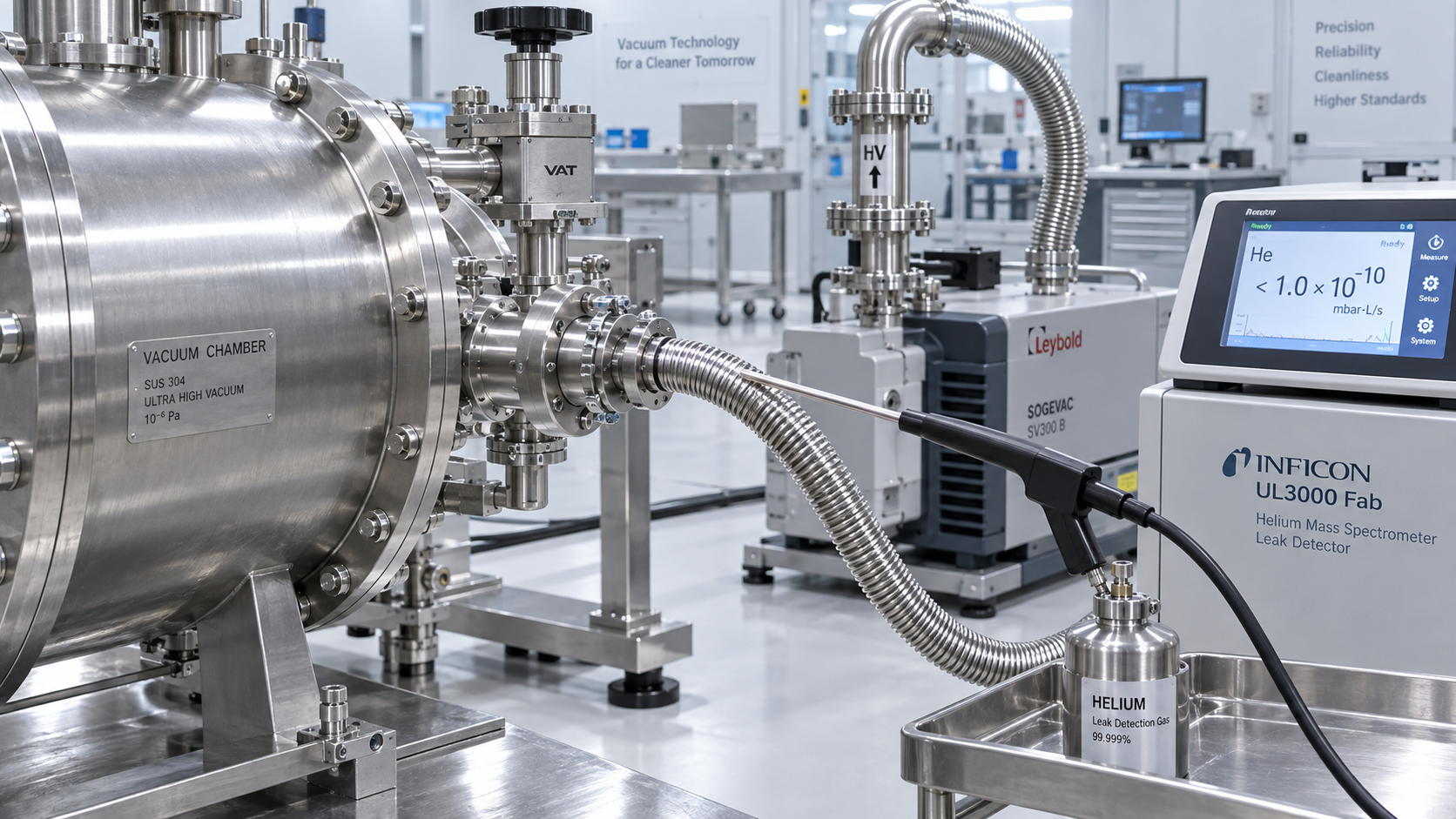
- Test for leaks during idle and loaded conditions.
- Inspect filters, piping restrictions, traps, and condensate points.
- Check whether process load has changed since installation.
- Compare actual demand with pump selection and control logic.
What improvements usually deliver the fastest gains?
Leak repair often provides the quickest return because it reduces constant background load.
Cleaning blocked components restores flow without major capital expense.
Adjusting controls to match actual duty cycles can also improve vacuum process efficiency significantly.
For contaminated processes, adding better separation or pre-treatment protects pump health and stabilizes output.
When should you optimize the system instead of only repairing parts?
Part replacement helps when wear is isolated.
System optimization is better when the same symptoms return repeatedly.
If production has expanded, process materials have changed, or energy costs have increased, repair alone may not solve the core issue.
That is the point where vacuum process efficiency should be reviewed at the network level.
Typical optimization triggers
- Repeated pressure instability after maintenance
- Frequent quality variation tied to vacuum steps
- Electricity cost rising faster than plant output
- New process lines sharing old vacuum infrastructure
In many industrial settings, optimization means better controls, right-sized pumping stages, and cleaner gas handling design.
This broader view aligns with the intelligence-driven approach promoted by GTC-Matrix across thermal and compression systems.
FAQ table: how can you judge vacuum process efficiency issues faster?
What is the smartest next step if output is already slipping?
Do not wait for a full shutdown to confirm the problem.
Vacuum process efficiency losses are easiest to reverse when identified early.
Start with trend measurement, leak review, and process-load verification.
Then decide whether the issue is maintenance-based or design-based.
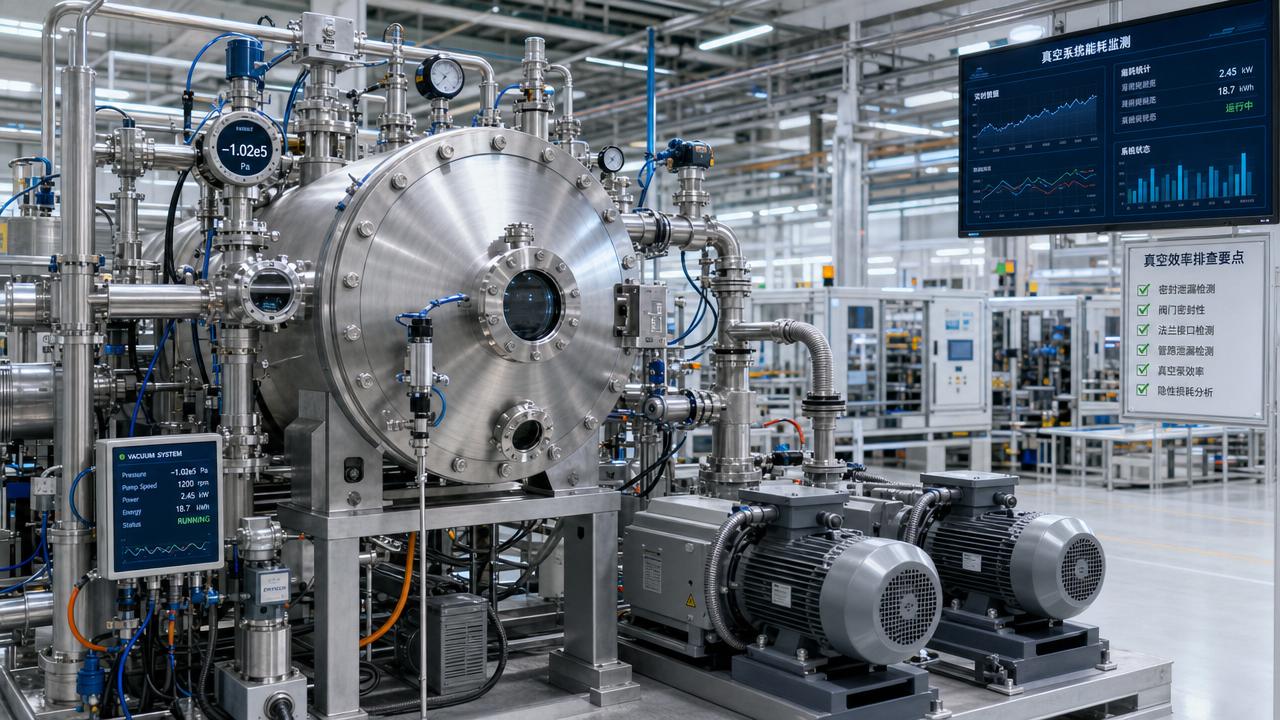
The five signs are clear: slower pull-down, unstable holding, rising energy use, more maintenance, and uneven product results.
When these appear together, vacuum process efficiency is no longer a minor concern.
It becomes a direct output and cost issue.
Use those signs as an action checklist, and review the full system before productivity suffers further.
Ready when you are. Send us a message to get started.
Related News
- How does base pressure affect film purity in vacuum deposition?Author :Vacuum Process Fellow

- How to size vacuum process equipment for the required pump-down timeAuthor :Vacuum Process Fellow

- Which vacuum specification best protects semiconductor process yield?Author :Vacuum Process Fellow

- How Can Contamination Be Prevented in a Semiconductor Vacuum Chamber?Author :Vacuum Process Fellow

- Which Vacuum Pump Specifications Matter Most for Semiconductor Processes?Author :Vacuum Process Fellow

- How to find leaks in vacuum pump systems before pump performance dropsAuthor :Vacuum Process Fellow

- How to size a Roots blower for vacuum process equipmentAuthor :Vacuum Process Fellow

- How vacuum level affects vacuum process efficiencyAuthor :Vacuum Process Fellow

- China Imposes Temporary Helium Export BanAuthor :Vacuum Process Fellow

- Semiconductor Vacuum Systems Factory Checklist for Process Stability and Cleanroom UseAuthor :Vacuum Process Fellow

- Vacuum Process Optimization Services: Signs Your Line Needs a Performance ReviewAuthor :Vacuum Process Fellow

- Vacuum Chambers for Cleanroom Use: Key Design Points That Prevent ContaminationAuthor :Vacuum Process Fellow

- Vacuum Distillation Systems: Key Performance Metrics That Affect Product PurityAuthor :Vacuum Process Fellow

- Vietnam Halts High Vacuum Pump Import Licenses for 30 DaysAuthor :Vacuum Process Fellow

- Vacuum Technology Database: What to Check Before Using Technical DataAuthor :Vacuum Process Fellow

- Dry Pump Vacuum System Design Mistakes That Raise DowntimeAuthor :Vacuum Process Fellow

- When Vacuum Systems Lose Performance: Common Causes and FixesAuthor :Vacuum Process Fellow
![]()
- EU Tightens EN 13445-3 Weld Testing for Vacuum VesselsAuthor :Vacuum Process Fellow
![]()
- EPA Cuts R-1234ze(E) Quota 35%, Tightening Vacuum Cooling SupplyAuthor :Vacuum Process Fellow
 Quota 35%, Tightening Vacuum Cooling Supply")
- ICA Warns of Tight Copper Alloy Supply for Vacuum PumpsAuthor :Vacuum Process Fellow

- Vacuum System Leak Detection: Signs, Tests, and FixesAuthor :Vacuum Process Fellow

- How to Compare Vacuum Systems Factory Capabilities for Stable Process UptimeAuthor :Vacuum Process Fellow

- Vacuum Pump Lead Times Extend to 26 WeeksAuthor :Vacuum Process Fellow

- Semiconductor Vacuum Systems Explained for Stable Process YieldAuthor :Vacuum Process Fellow

- Vacuum Process Efficiency: 7 Hidden Causes of Energy LossAuthor :Vacuum Process Fellow

- Vacuum Technology Solutions for Stable Low-Pressure ProductionAuthor :Vacuum Process Fellow

- Vacuum Processes: Common Efficiency Losses and FixesAuthor :Vacuum Process Fellow

- Common Vacuum Processes Problems and How to Prevent DowntimeAuthor :Vacuum Process Fellow

- Tantalum Spike Extends Vacuum Crucible Lead TimesAuthor :Vacuum Process Fellow

- Vacuum Process Efficiency: 5 Hidden Losses to Check FirstAuthor :Vacuum Process Fellow

- How Heat Transfer Design Impacts Vacuum Process EfficiencyAuthor :Vacuum Process Fellow

- EN 13445-4:2026 Takes Effect for High-Vacuum ComponentsAuthor :Vacuum Process Fellow

- EU Vacuum Components Face New EN 13445-4:2026 Leak Test RuleAuthor :Vacuum Process Fellow

- UBS: Fed Cut View May Ease Vacuum Pump Lead TimesAuthor :Vacuum Process Fellow

- Vacuum Processes: Common Causes of Unstable PerformanceAuthor :Vacuum Process Fellow
![]()
- SiC Certification Signals New Entry Path for Vacuum and Compressor DrivesAuthor :Vacuum Process Fellow
![]()