How Heat Transfer Design Impacts Vacuum Process Efficiency




In vacuum processing, heat transfer is never a side issue. It shapes how quickly vapors condense, how steadily pressure falls, how long a batch remains under control, and how consistently the final product meets specification.
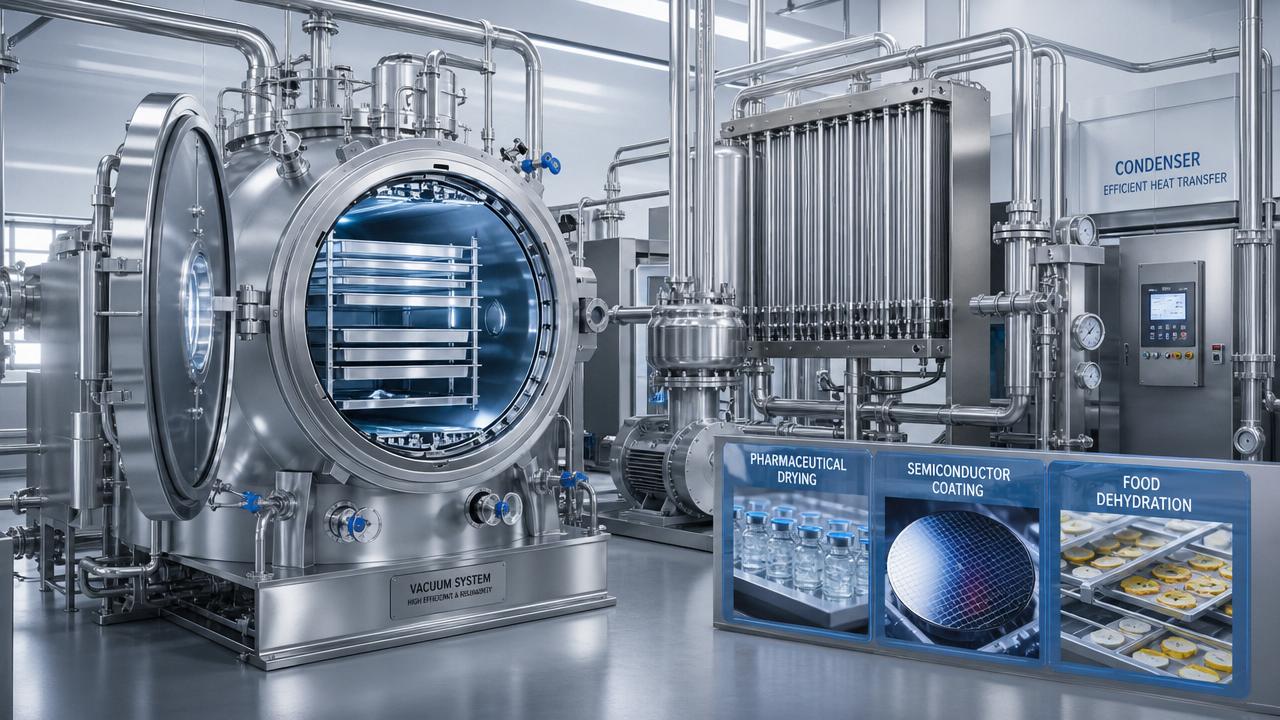
That matters across a wide industrial spectrum, from pharmaceutical drying to semiconductor coating and food dehydration. When thermal design is weak, vacuum equipment may still run, yet energy use rises, throughput falls, and process margins become narrow.
A better way to read vacuum performance is to follow the path of heat. Once heat transfer is examined across the chamber, condenser, piping, seals, and utilities, hidden efficiency losses become easier to identify and compare.
Why thermal design defines vacuum efficiency
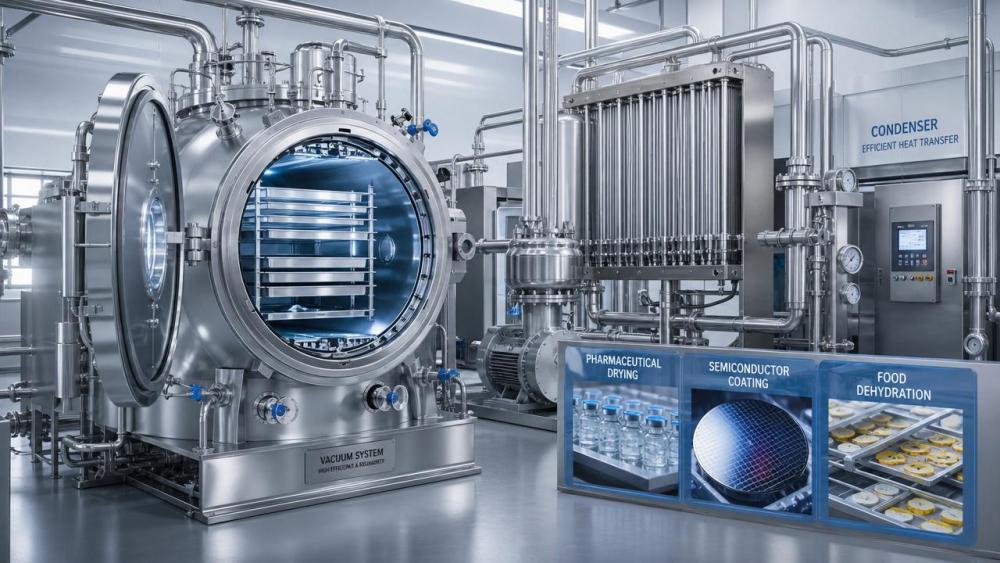
Vacuum systems remove gas, but they also manage heat continuously. Evaporation, desorption, compression, condensation, and wall cooling all depend on heat transfer rates that can speed up or slow down the whole process.
For that reason, pumping speed alone tells only part of the story. A chamber with poor thermal balance may overload downstream equipment, create cold or hot spots, and extend cycle time even when the pump is properly sized.
In practical terms, efficient vacuum processing means matching pressure control with thermal control. That includes surface temperature, material temperature, condenser capacity, coolant stability, and heat rejection from supporting equipment.
This broader view has become more valuable as energy prices fluctuate and cleaner manufacturing standards tighten. Platforms such as GTC-Matrix track those shifts because compression power and heat exchange performance increasingly determine operating economics.
Where heat transfer affects the process most
The strongest performance effects usually appear at several connected points rather than in one isolated component. A design review works better when each thermal interface is examined as part of one system.
Inside the chamber
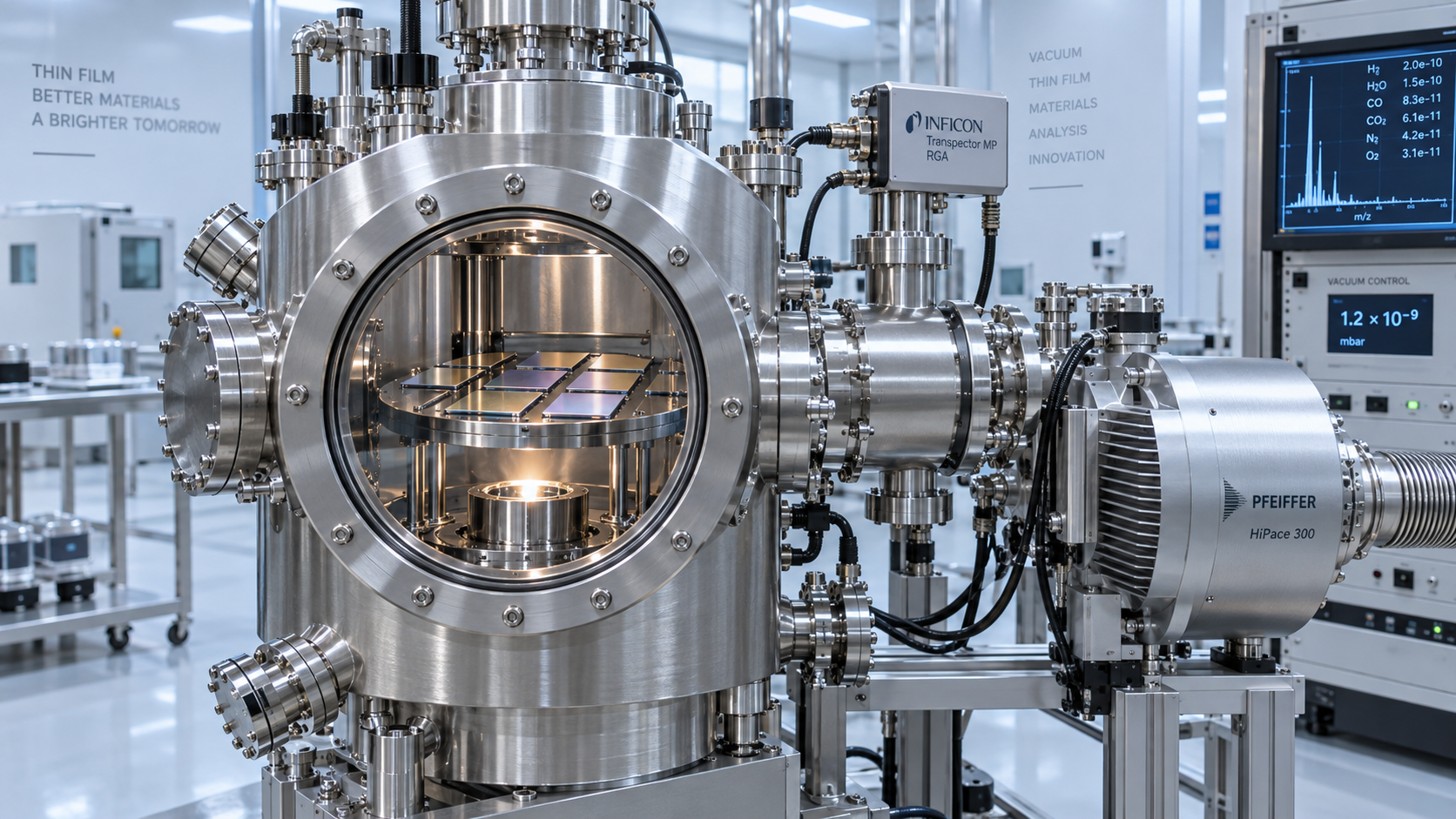
Heat transfer in the chamber determines how material releases moisture, solvent, or volatile compounds. If product temperature lags, drying or degassing slows. If local heating is excessive, product quality can drift.
Under vacuum, convective heat transfer is limited. That makes conduction through shelves, fixtures, or contact surfaces more important, while radiation can become a meaningful contributor in high-temperature operations.
At the condenser or cold trap
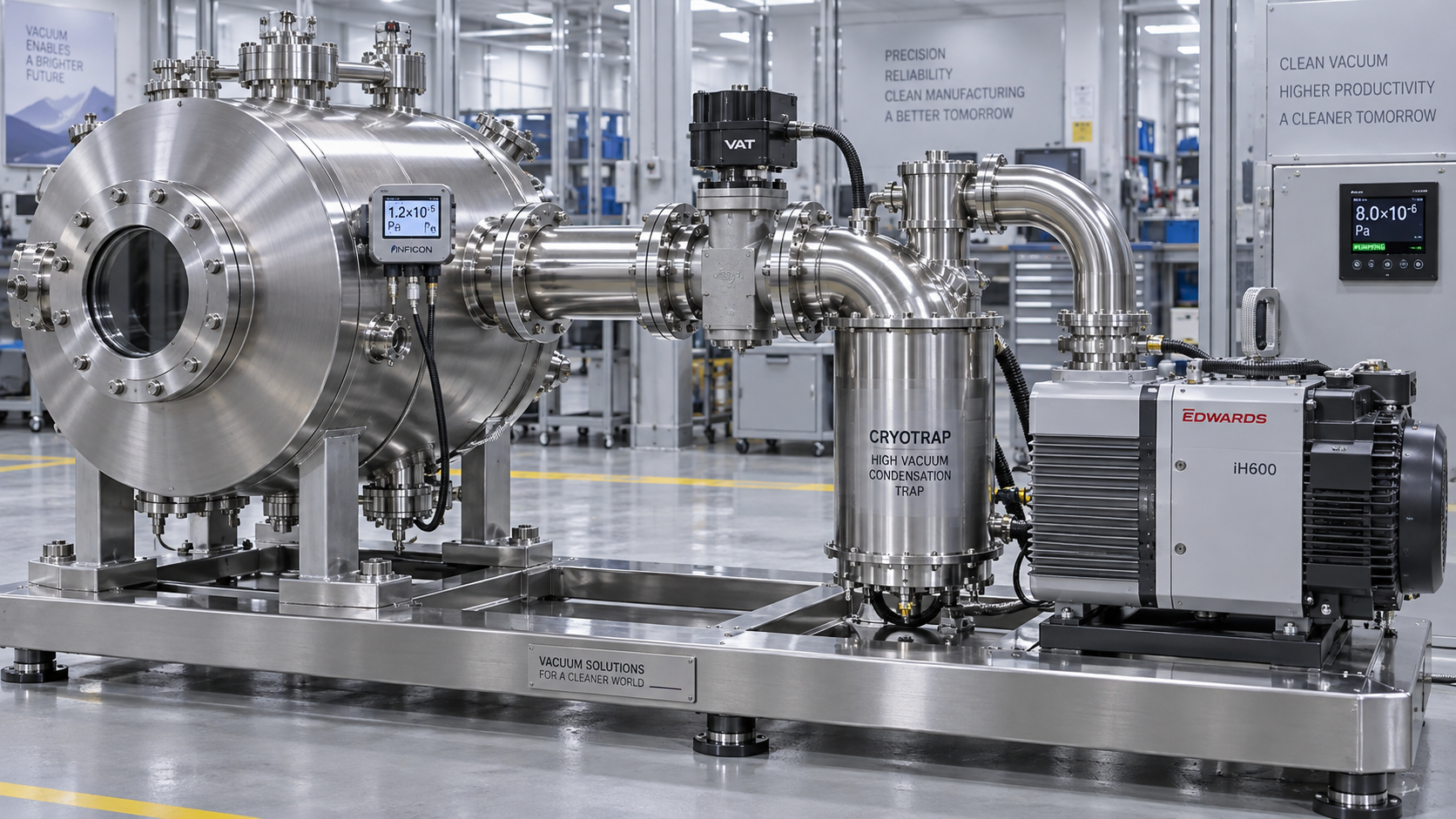
Condensers protect pumping stages and stabilize vapor handling. Their effectiveness depends on temperature difference, surface area, flow pattern, and resistance caused by frost, fouling, or non-condensable gases.
When condenser heat transfer degrades, more vapor reaches the pump. The result can be reduced pumping efficiency, higher maintenance frequency, and unstable pressure response during sensitive steps.
Across utilities and supporting equipment
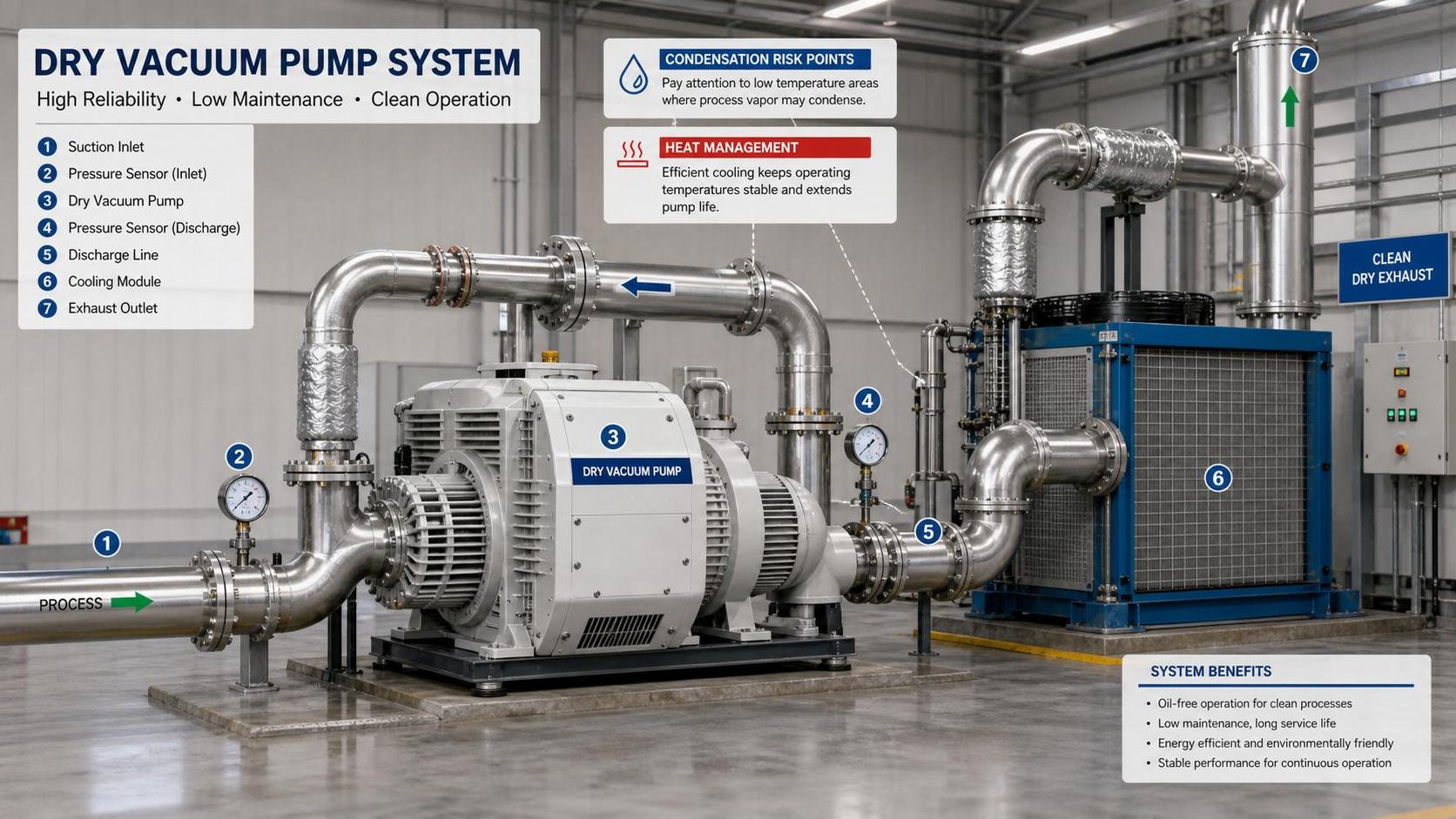
Cooling water loops, chillers, oil circuits, and aftercoolers all influence vacuum behavior. A small temperature drift in utilities can shift vapor load, compression temperature, and energy consumption across the entire installation.
This is why industrial intelligence often connects vacuum process analysis with broader cooling and compressed air data. Thermal conditions rarely stay confined to one machine boundary.
Current pressure points in industrial applications
Several industry trends are pushing heat transfer design higher on the evaluation agenda. The issue is no longer just technical elegance. It now affects risk, compliance, and total operating cost.
- Higher energy costs make poor thermal efficiency visible in utility bills and batch economics.
- Oil-free and cleaner process expectations raise the importance of precise temperature control and vapor capture.
- Advanced materials and sensitive products allow less room for temperature overshoot or uneven heat transfer.
- Decarbonization targets encourage better recovery, lower losses, and tighter matching between heat load and compression power.
GTC-Matrix follows these signals closely because sectors such as pharmaceuticals, semiconductors, and food processing all rely on stable thermal conditions to protect both quality and throughput.
In those sectors, vacuum process efficiency is often limited by thermal bottlenecks before it is limited by mechanical pumping capacity. That changes how system comparisons should be made.
How to read design quality beyond nameplate data
A useful evaluation starts with real heat flow rather than nominal equipment size. The table below highlights where design differences usually appear and what they mean during operation.
This comparison method helps separate surface claims from thermal reality. Two systems with similar pressure ratings may behave very differently once real heat transfer loads appear in production.
Typical scenarios where better heat transfer pays back
The value of stronger thermal design becomes clearer when tied to process context. Different applications stress different parts of the vacuum system.
Drying and freeze drying
Uniform heat transfer shortens primary and secondary drying stages. It also reduces the risk of partial collapse, uneven residual moisture, and overloading of the condenser during peak sublimation.
Thin film deposition and coating
In coating processes, thermal stability supports repeatable vacuum conditions and cleaner film formation. Heat transfer around chamber walls and fixtures also affects contamination control and cooldown time.
Degassing and solvent removal
Here, temperature determines how quickly trapped gases or solvents leave the product. If heat transfer is too weak, mass transfer slows. If it is too aggressive, material properties may change.
Vacuum packaging and food processing
Food applications depend on fast, hygienic, and repeatable operation. Well-managed heat transfer helps prevent excess moisture carryover, supports cleaner pump operation, and improves batch consistency.
Practical signals worth checking during evaluation
Strong thermal design usually leaves measurable clues. These signs are often more reliable than broad efficiency claims.
- Pressure declines smoothly during ramp-down rather than oscillating under changing vapor load.
- Product temperature distribution stays narrow across shelves, trays, or fixtures.
- Condenser performance remains stable over time instead of fading quickly between cleaning or defrost intervals.
- Utility demand tracks process load logically without large unexplained peaks.
- Pump service intervals reflect controlled inlet conditions rather than repeated thermal stress.
It is also useful to ask how the design handles off-design conditions. Start-up, partial loads, seasonal cooling changes, and product variation often expose weak heat transfer assumptions.
Microchannel heat exchangers, improved control logic, and better vapor handling strategies are gaining attention for this reason. They address not only energy use, but also operating stability across changing conditions.
A clearer path for next-step decisions
A vacuum system should be judged as a thermal and compression network, not as a set of isolated components. That perspective makes heat transfer central to equipment comparison, process troubleshooting, and upgrade planning.
A practical next step is to map the heat path through the chamber, condenser, pump, and utilities, then compare where temperature gaps, thermal resistance, or vapor surges appear. Those findings usually point to the real efficiency limit.
For ongoing assessment, it helps to combine plant data with broader sector intelligence on cooling, compression, and heat exchange trends. That approach supports better decisions on retrofits, process tuning, and long-term thermal performance targets.
In the end, better heat transfer design does more than save energy. It creates a more predictable vacuum process, a more resilient operating window, and a stronger basis for evaluating future system choices.
Ready when you are. Send us a message to get started.
Related News
- How does base pressure affect film purity in vacuum deposition?Author :Vacuum Process Fellow

- How to size vacuum process equipment for the required pump-down timeAuthor :Vacuum Process Fellow

- Which vacuum specification best protects semiconductor process yield?Author :Vacuum Process Fellow

- How Can Contamination Be Prevented in a Semiconductor Vacuum Chamber?Author :Vacuum Process Fellow

- Which Vacuum Pump Specifications Matter Most for Semiconductor Processes?Author :Vacuum Process Fellow

- How to find leaks in vacuum pump systems before pump performance dropsAuthor :Vacuum Process Fellow

- How to size a Roots blower for vacuum process equipmentAuthor :Vacuum Process Fellow

- How vacuum level affects vacuum process efficiencyAuthor :Vacuum Process Fellow

- China Imposes Temporary Helium Export BanAuthor :Vacuum Process Fellow

- Semiconductor Vacuum Systems Factory Checklist for Process Stability and Cleanroom UseAuthor :Vacuum Process Fellow

- Vacuum Process Optimization Services: Signs Your Line Needs a Performance ReviewAuthor :Vacuum Process Fellow

- Vacuum Chambers for Cleanroom Use: Key Design Points That Prevent ContaminationAuthor :Vacuum Process Fellow

- Vacuum Distillation Systems: Key Performance Metrics That Affect Product PurityAuthor :Vacuum Process Fellow

- Vietnam Halts High Vacuum Pump Import Licenses for 30 DaysAuthor :Vacuum Process Fellow

- Vacuum Technology Database: What to Check Before Using Technical DataAuthor :Vacuum Process Fellow

- Dry Pump Vacuum System Design Mistakes That Raise DowntimeAuthor :Vacuum Process Fellow

- When Vacuum Systems Lose Performance: Common Causes and FixesAuthor :Vacuum Process Fellow
![]()
- EU Tightens EN 13445-3 Weld Testing for Vacuum VesselsAuthor :Vacuum Process Fellow
![]()
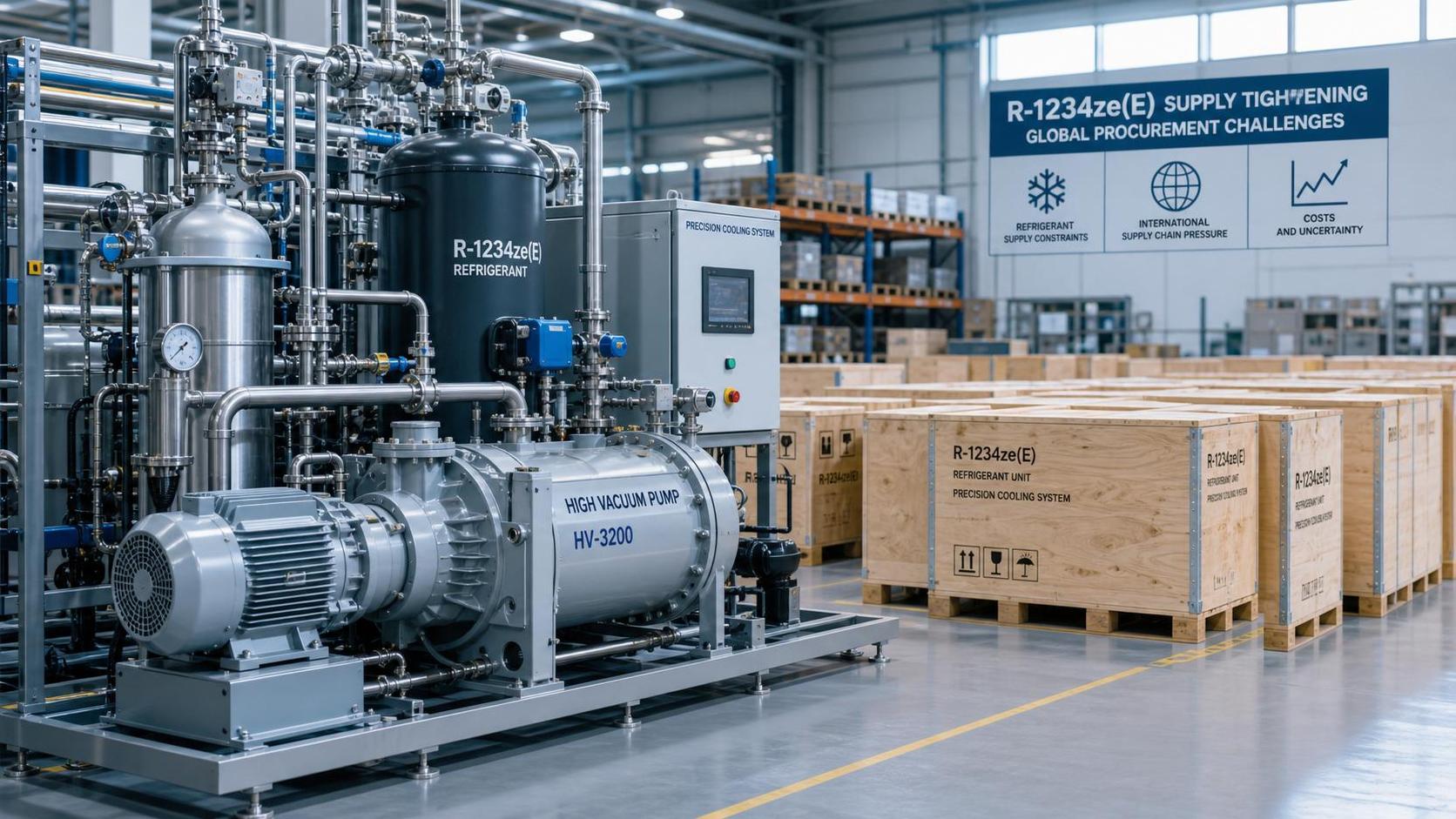
- EPA Cuts R-1234ze(E) Quota 35%, Tightening Vacuum Cooling SupplyAuthor :Vacuum Process Fellow
 Quota 35%, Tightening Vacuum Cooling Supply")
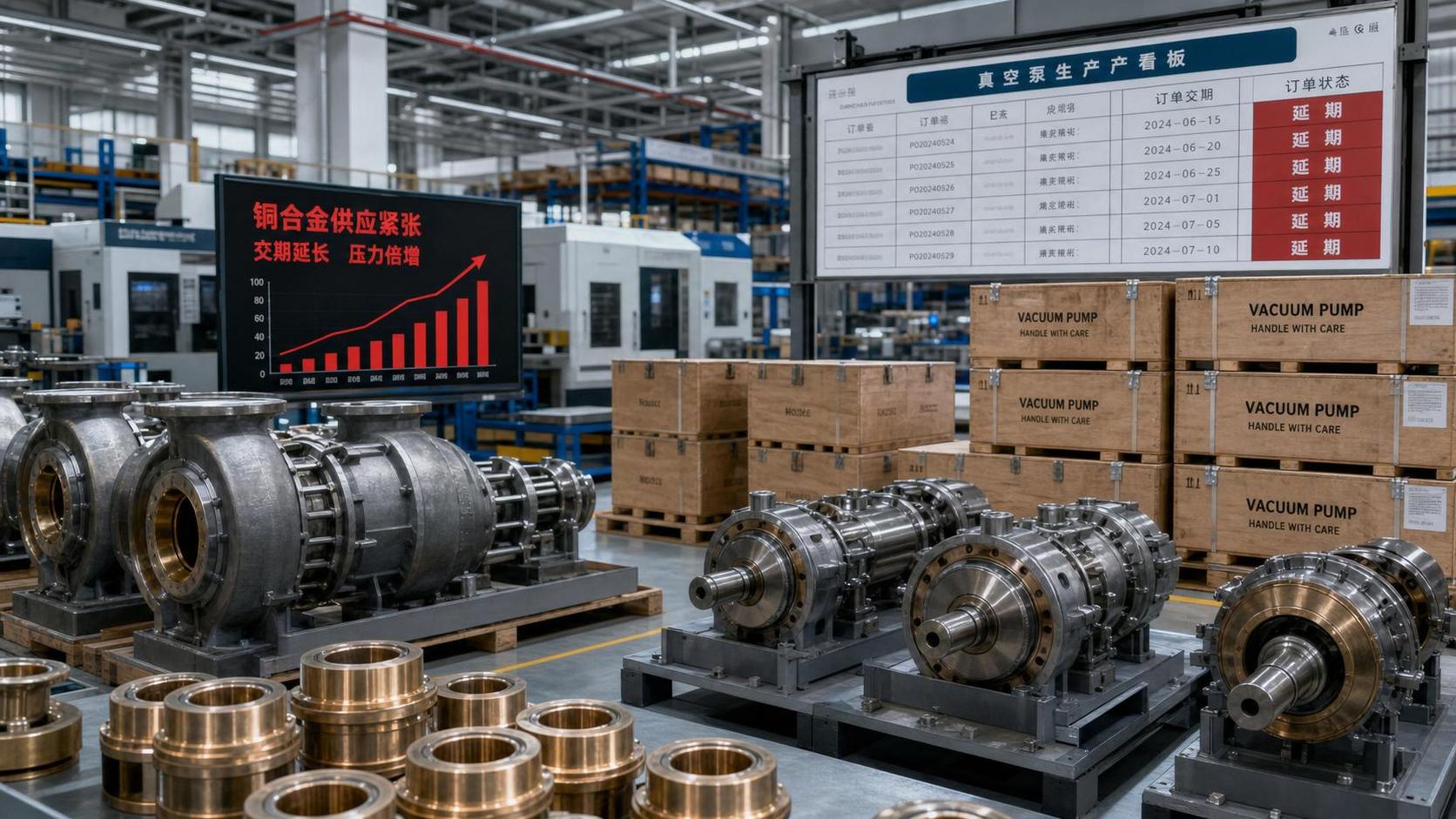
- ICA Warns of Tight Copper Alloy Supply for Vacuum PumpsAuthor :Vacuum Process Fellow

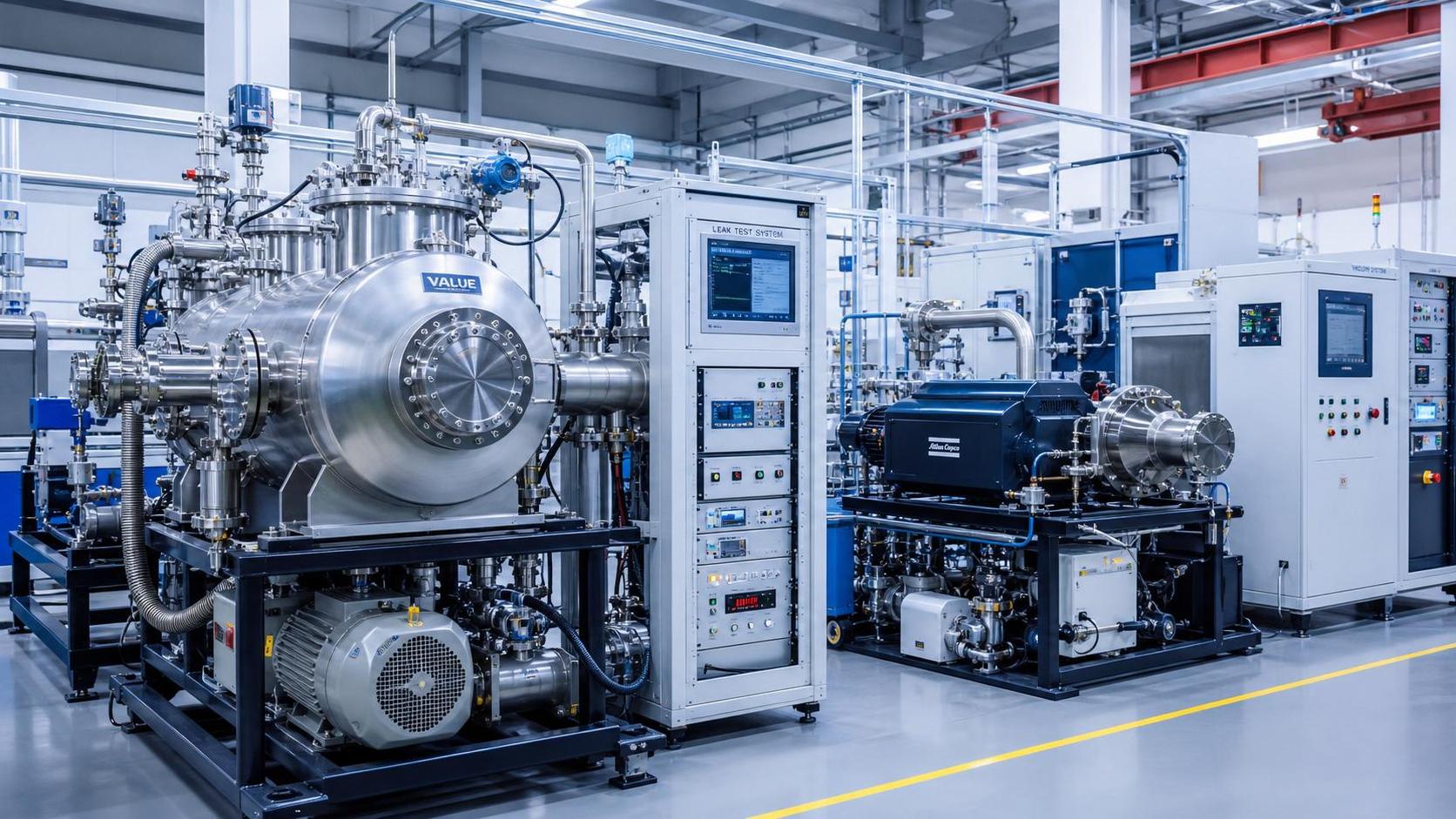
- Vacuum System Leak Detection: Signs, Tests, and FixesAuthor :Vacuum Process Fellow

- How to Compare Vacuum Systems Factory Capabilities for Stable Process UptimeAuthor :Vacuum Process Fellow

- Vacuum Pump Lead Times Extend to 26 WeeksAuthor :Vacuum Process Fellow

- Semiconductor Vacuum Systems Explained for Stable Process YieldAuthor :Vacuum Process Fellow

- Vacuum Process Efficiency: 7 Hidden Causes of Energy LossAuthor :Vacuum Process Fellow

- Vacuum Technology Solutions for Stable Low-Pressure ProductionAuthor :Vacuum Process Fellow

- Vacuum Processes: Common Efficiency Losses and FixesAuthor :Vacuum Process Fellow

- Common Vacuum Processes Problems and How to Prevent DowntimeAuthor :Vacuum Process Fellow

- Tantalum Spike Extends Vacuum Crucible Lead TimesAuthor :Vacuum Process Fellow

- Vacuum Process Efficiency: 5 Hidden Losses to Check FirstAuthor :Vacuum Process Fellow

- How Heat Transfer Design Impacts Vacuum Process EfficiencyAuthor :Vacuum Process Fellow

- EN 13445-4:2026 Takes Effect for High-Vacuum ComponentsAuthor :Vacuum Process Fellow

- EU Vacuum Components Face New EN 13445-4:2026 Leak Test RuleAuthor :Vacuum Process Fellow

- UBS: Fed Cut View May Ease Vacuum Pump Lead TimesAuthor :Vacuum Process Fellow

- Vacuum Processes: Common Causes of Unstable PerformanceAuthor :Vacuum Process Fellow
![]()
- SiC Certification Signals New Entry Path for Vacuum and Compressor DrivesAuthor :Vacuum Process Fellow
![]()