EN 13445-4:2026 Takes Effect for High-Vacuum Components




On June 11, 2026, the EU Official Journal confirmed the entry into force of EN 13445-4:2026, a standard covering vacuum and high-vacuum components within pressure vessels. The update is worth close attention from exporters, equipment manufacturers, procurement teams, and compliance functions because it brings certain high-vacuum equipment into mandatory type-certification scope and ties market access to third-party leak-tightness testing documentation.
What the new standard now requires
According to the information provided, EN 13445-4:2026 formally took effect on June 11, 2026. It is titled Pressure Vessels — Part 4: Vacuum and High Vacuum Components.
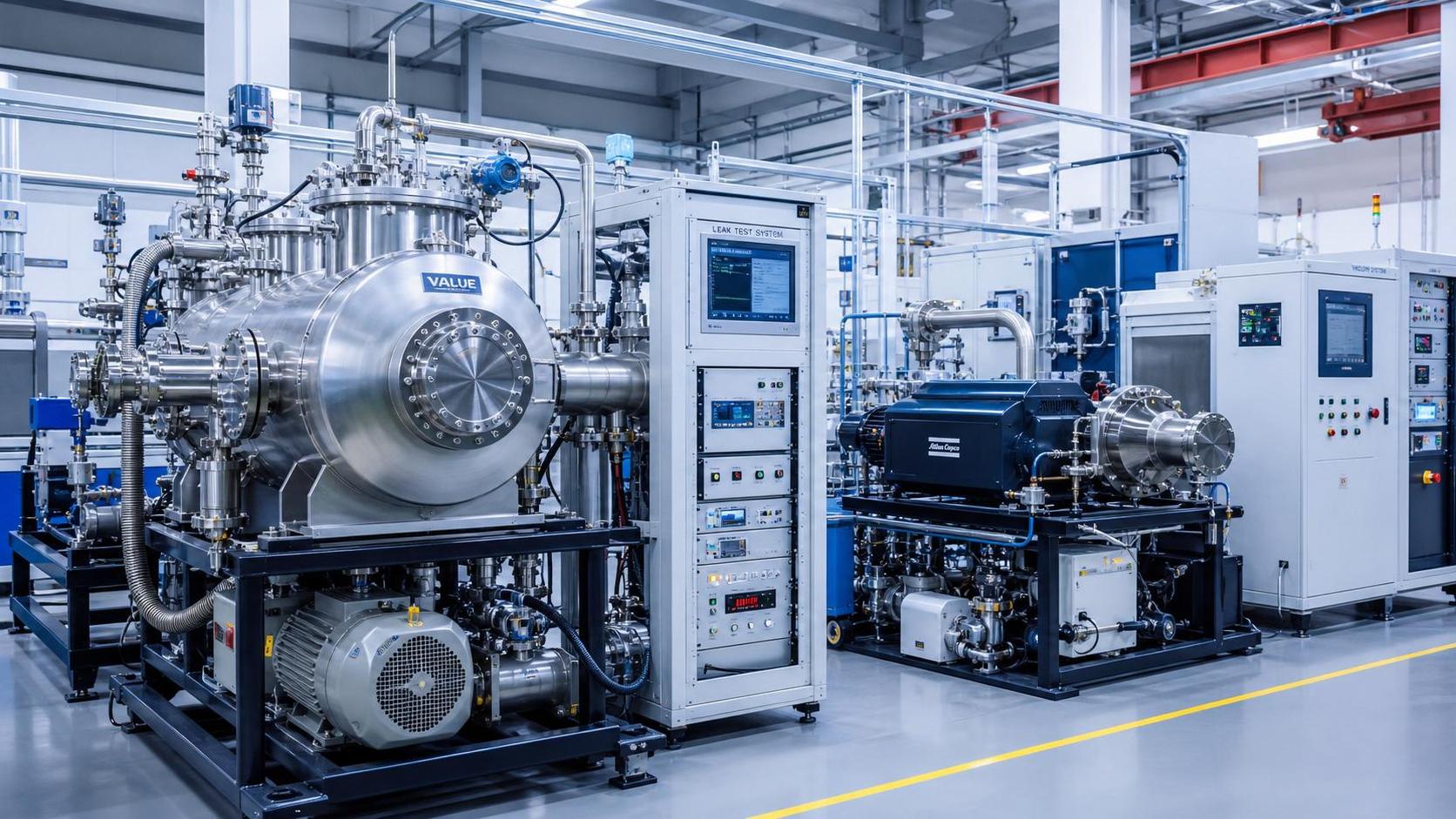
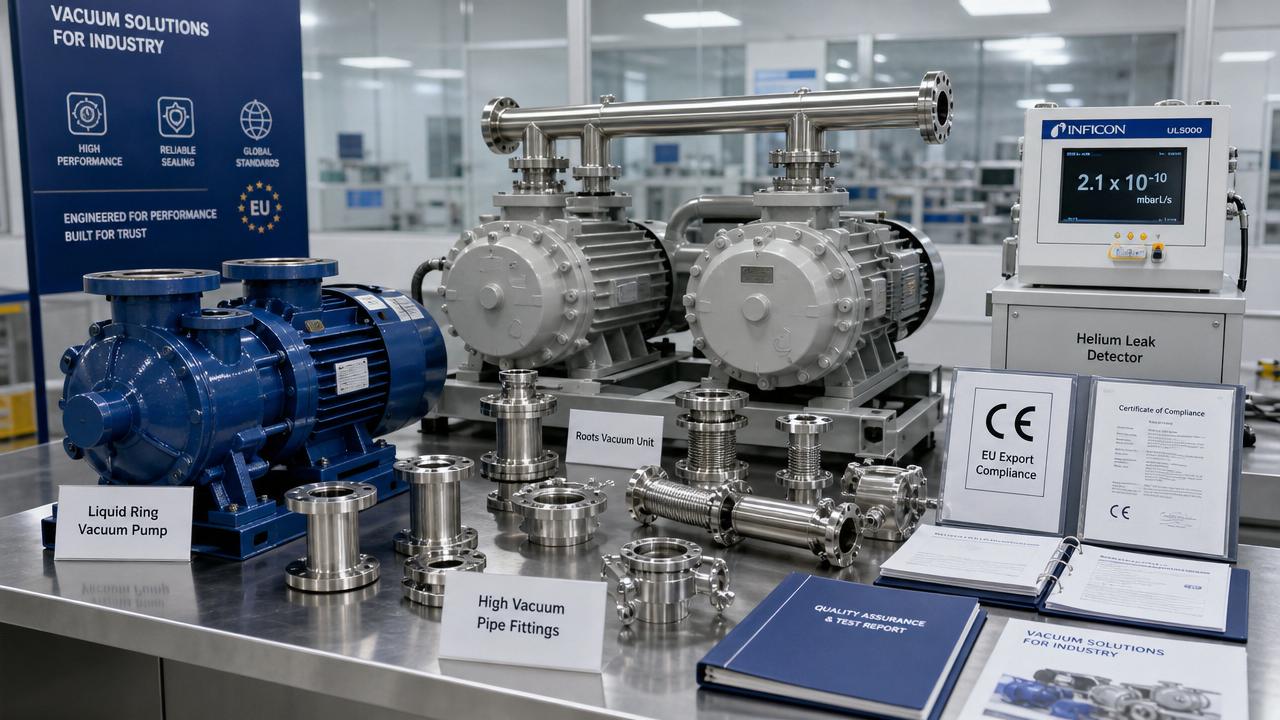
The new rule, for the first time, places core components used in systems operating at vacuum levels of ≥10⁻³ mbar under mandatory type certification. The scope mentioned in the provided summary includes industrial compressed-air systems, liquid ring vacuum pumps, and Roots/screw vacuum units.
The same summary states that suppliers must provide a third-party high-vacuum leak-tightness test report based on ISO 10987-2:2025. It also directly affects the EU market-access compliance route for equipment exported from China, including Liquid Ring, High Vacuum, and Rotary Vane products.
Where the impact is likely to appear first
Export-facing equipment suppliers
From an industry perspective, exporters are likely to feel the impact first because the change is tied directly to EU access compliance. The main effect is likely to appear in model qualification, documentation readiness, and customer-side approval processes for covered equipment categories.
Manufacturing and assembly operations
For manufacturers and assemblers of liquid ring, high-vacuum, and rotary vane equipment, the practical pressure point is likely to be whether existing product configurations and sealing performance can be matched with the required third-party test report. What deserves closer attention is the connection between product scope and certification scope, rather than only the equipment name used in sales materials.
Procurement and supply-chain coordination
For procurement teams and supply-chain service providers, the likely impact is less about pricing signals at this stage and more about timing, documentation flow, and supplier qualification. If a project depends on shipment to the EU, supporting documents for leak-tightness testing may become part of order confirmation, delivery planning, or customs-facing compliance preparation.
EU buyers and project-side reviewers
For buyers, distributors, and project reviewers serving the EU market, the change may affect supplier screening and technical review steps. Analysis shows that requests for third-party test evidence may move earlier in the sales cycle, especially for equipment categories explicitly referenced in the provided summary.
What companies should watch now
Check whether product scope matches the new trigger
Companies should first determine whether their equipment falls within the vacuum threshold and product categories described in the provided information. The most immediate issue is not broad market interpretation, but whether a specific model or unit enters mandatory type-certification scope under EN 13445-4:2026.
Review test-report readiness against ISO 10987-2:2025
The summary specifically points to third-party high-vacuum leak-tightness testing under ISO 10987-2:2025. In practical terms, suppliers should pay attention to whether their existing reports, testing arrangements, and supporting files can satisfy customer or compliance review without delay.
Separate the rule text from business execution
Observably, a standard taking effect and a shipment moving smoothly are not the same thing. Companies should pay attention to how the new requirement is reflected in quotation documents, technical files, contract communication, and delivery schedules, especially where EU customers may ask for evidence before purchase decisions are finalized.
Prepare for customer communication on compliance paths
For teams selling into Europe, a near-term priority is how to explain compliance status clearly and consistently. This includes product classification, test-report availability, and whether additional third-party steps are needed before delivery or acceptance.
Why this looks like more than a routine update
Analysis shows that this development is not just a wording change within a standard reference. The key signal is that specific high-vacuum components are now explicitly linked to mandatory type certification and third-party leak-tightness verification.
At the same time, it is more appropriate to understand this as a concrete compliance signal rather than a fully closed market outcome. The confirmed fact is that the standard has taken effect and introduces the requirements described in the provided summary. The broader commercial impact on order timing, supplier selection, and documentation practices still needs continued observation in actual transactions.
How to interpret the change at this stage
At this stage, the most balanced reading is that EN 13445-4:2026 creates a clearer compliance threshold for certain vacuum and high-vacuum equipment entering the EU market. For companies connected to exports from China, the immediate relevance lies in certification scope, leak-tightness testing evidence, and customer-facing documentation readiness.
Rather than treating this as a short-lived notice, it is more appropriate to understand it as an operational compliance development with both immediate and follow-up implications. The direct facts are already in place; the industry now needs to watch how consistently these requirements are applied across procurement, qualification, and delivery processes.
About the basis of this article
This article is generated from the user-provided news title, event date, and event summary. The factual section is based only on the provided information about the June 11, 2026 effectiveness of EN 13445-4:2026, its stated certification scope, and the requirement for third-party high-vacuum leak-tightness testing under ISO 10987-2:2025.
For this type of development, commonly relevant source categories may include official notices, company disclosures, industry association updates, authoritative media coverage, and standard-organization documents. The specific official source link was not provided in the input, so further verification remains necessary. What should continue to be monitored is how the stated requirement is reflected in subsequent compliance practice, customer documentation requests, and export-market execution.
Ready when you are. Send us a message to get started.
Related News
- How does base pressure affect film purity in vacuum deposition?Author :Vacuum Process Fellow

- How to size vacuum process equipment for the required pump-down timeAuthor :Vacuum Process Fellow

- Which vacuum specification best protects semiconductor process yield?Author :Vacuum Process Fellow

- How Can Contamination Be Prevented in a Semiconductor Vacuum Chamber?Author :Vacuum Process Fellow

- Which Vacuum Pump Specifications Matter Most for Semiconductor Processes?Author :Vacuum Process Fellow

- How to find leaks in vacuum pump systems before pump performance dropsAuthor :Vacuum Process Fellow

- How to size a Roots blower for vacuum process equipmentAuthor :Vacuum Process Fellow

- How vacuum level affects vacuum process efficiencyAuthor :Vacuum Process Fellow

- China Imposes Temporary Helium Export BanAuthor :Vacuum Process Fellow

- Semiconductor Vacuum Systems Factory Checklist for Process Stability and Cleanroom UseAuthor :Vacuum Process Fellow

- Vacuum Process Optimization Services: Signs Your Line Needs a Performance ReviewAuthor :Vacuum Process Fellow

- Vacuum Chambers for Cleanroom Use: Key Design Points That Prevent ContaminationAuthor :Vacuum Process Fellow

- Vacuum Distillation Systems: Key Performance Metrics That Affect Product PurityAuthor :Vacuum Process Fellow

- Vietnam Halts High Vacuum Pump Import Licenses for 30 DaysAuthor :Vacuum Process Fellow

- Vacuum Technology Database: What to Check Before Using Technical DataAuthor :Vacuum Process Fellow

- Dry Pump Vacuum System Design Mistakes That Raise DowntimeAuthor :Vacuum Process Fellow

- When Vacuum Systems Lose Performance: Common Causes and FixesAuthor :Vacuum Process Fellow
![]()
- EU Tightens EN 13445-3 Weld Testing for Vacuum VesselsAuthor :Vacuum Process Fellow
![]()
- EPA Cuts R-1234ze(E) Quota 35%, Tightening Vacuum Cooling SupplyAuthor :Vacuum Process Fellow
 Quota 35%, Tightening Vacuum Cooling Supply")
- ICA Warns of Tight Copper Alloy Supply for Vacuum PumpsAuthor :Vacuum Process Fellow

- Vacuum System Leak Detection: Signs, Tests, and FixesAuthor :Vacuum Process Fellow

- How to Compare Vacuum Systems Factory Capabilities for Stable Process UptimeAuthor :Vacuum Process Fellow

- Vacuum Pump Lead Times Extend to 26 WeeksAuthor :Vacuum Process Fellow

- Semiconductor Vacuum Systems Explained for Stable Process YieldAuthor :Vacuum Process Fellow

- Vacuum Process Efficiency: 7 Hidden Causes of Energy LossAuthor :Vacuum Process Fellow

- Vacuum Technology Solutions for Stable Low-Pressure ProductionAuthor :Vacuum Process Fellow

- Vacuum Processes: Common Efficiency Losses and FixesAuthor :Vacuum Process Fellow

- Common Vacuum Processes Problems and How to Prevent DowntimeAuthor :Vacuum Process Fellow

- Tantalum Spike Extends Vacuum Crucible Lead TimesAuthor :Vacuum Process Fellow

- Vacuum Process Efficiency: 5 Hidden Losses to Check FirstAuthor :Vacuum Process Fellow

- How Heat Transfer Design Impacts Vacuum Process EfficiencyAuthor :Vacuum Process Fellow

- EN 13445-4:2026 Takes Effect for High-Vacuum ComponentsAuthor :Vacuum Process Fellow

- EU Vacuum Components Face New EN 13445-4:2026 Leak Test RuleAuthor :Vacuum Process Fellow

- UBS: Fed Cut View May Ease Vacuum Pump Lead TimesAuthor :Vacuum Process Fellow

- Vacuum Processes: Common Causes of Unstable PerformanceAuthor :Vacuum Process Fellow
![]()
- SiC Certification Signals New Entry Path for Vacuum and Compressor DrivesAuthor :Vacuum Process Fellow
![]()