Common Vacuum Processes Problems and How to Prevent Downtime




Where vacuum processes fail first in real operations
Vacuum processes rarely fail for one dramatic reason.
Downtime usually starts with small shifts in pressure stability, heat load, contamination, or maintenance timing.
In packaging, coating, drying, semiconductor support systems, and laboratory production lines, the same alarm can mean very different root causes.
That is why vacuum processes need to be judged in context, not only by pump nameplate data.
A line handling moisture-heavy loads behaves differently from one processing solvent vapor or fine particulate residue.
A system running around the clock also exposes weaknesses faster than a batch process with long idle periods.
Across industrial thermal and compression systems, GTC-Matrix often frames vacuum processes as part of a wider efficiency chain.
Pressure, cooling, cleanliness, and energy use are linked.
When one variable drifts, the cost appears not only in repairs, but also in rejected product, unstable cycle time, and avoidable energy loss.
Different operating scenes create different vacuum process risks
In actual use, the most useful starting point is process type.
Not every vacuum process stresses equipment in the same way.
Moisture-heavy drying and evaporation lines
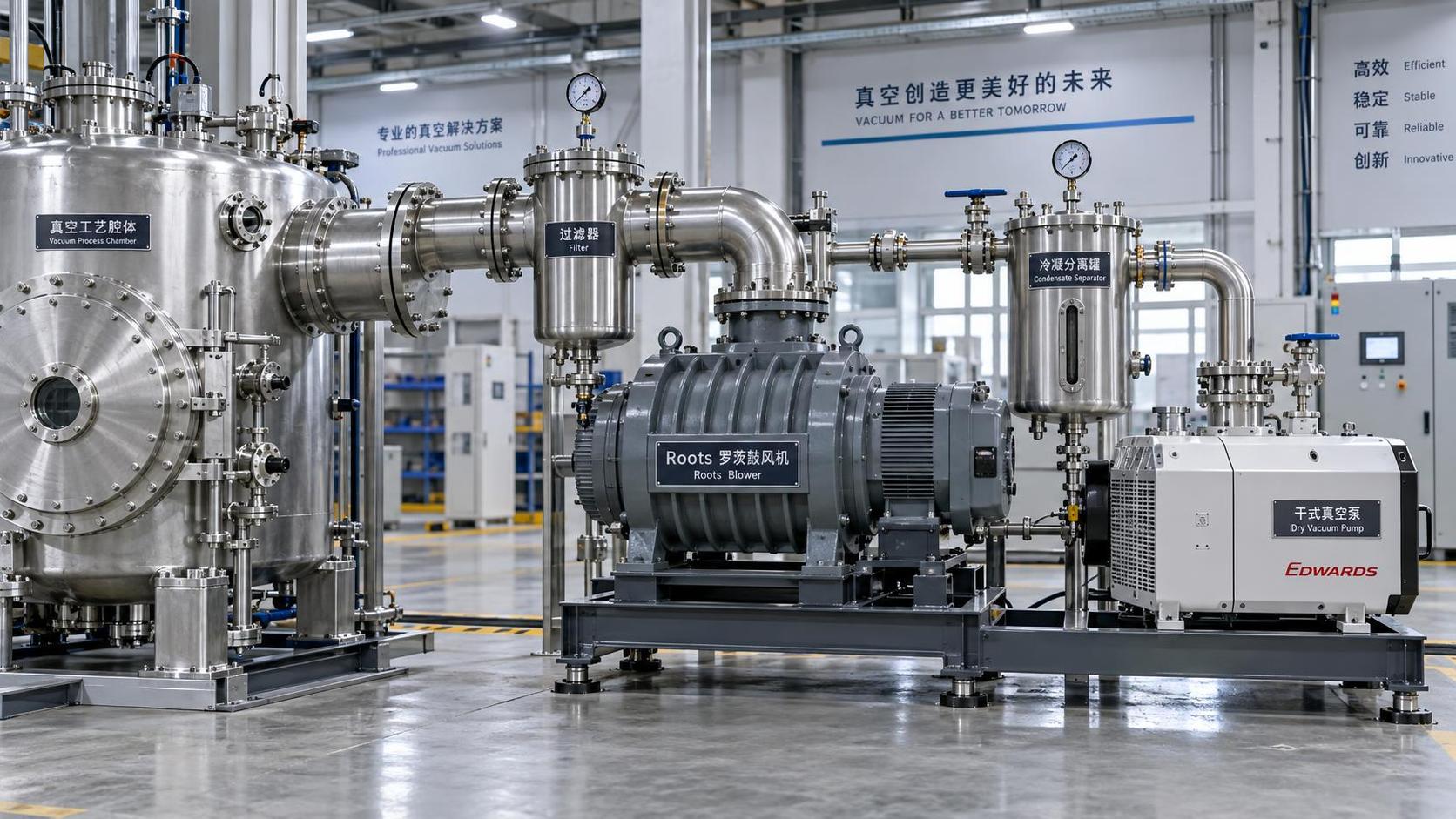
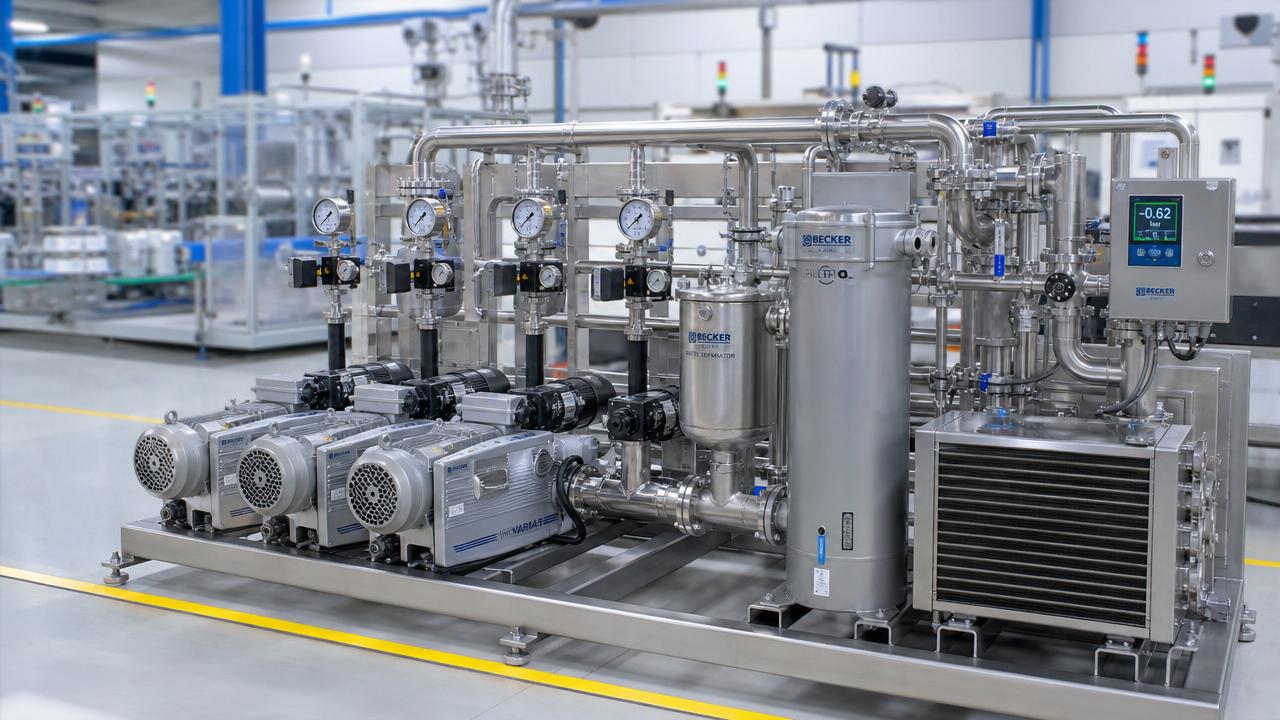
These vacuum processes often struggle with condensate buildup, reduced pumping speed, and corrosion risk.
The warning sign may look like a leak, but the real issue is vapor load exceeding separator or cooling capacity.
Here, downtime prevention depends on condensate management, inlet protection, and stable operating temperature.
Clean manufacturing and contamination-sensitive lines
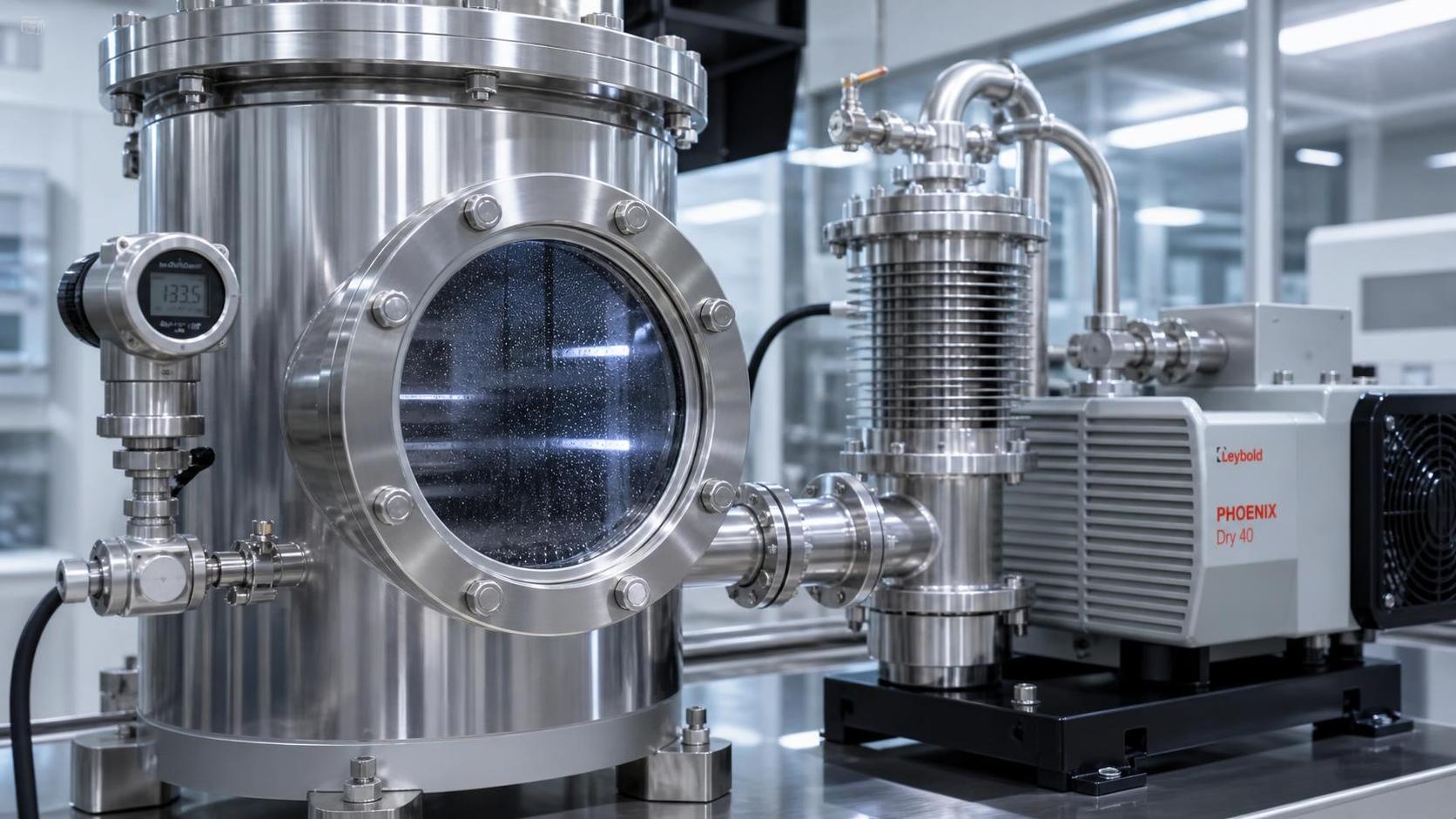
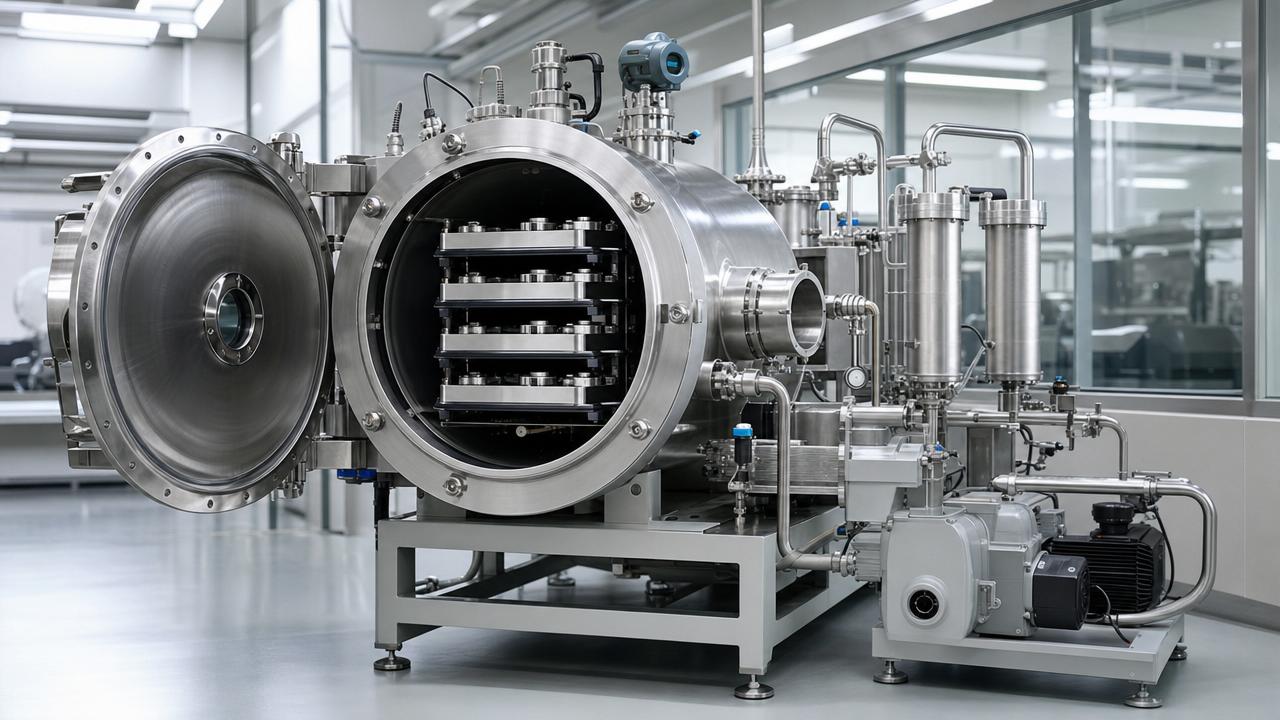
In electronics, pharmaceuticals, and specialty materials, vacuum processes are judged by purity as much as pressure level.
Oil backstreaming, seal wear debris, and poor purge practices can damage yield before equipment alarms appear.
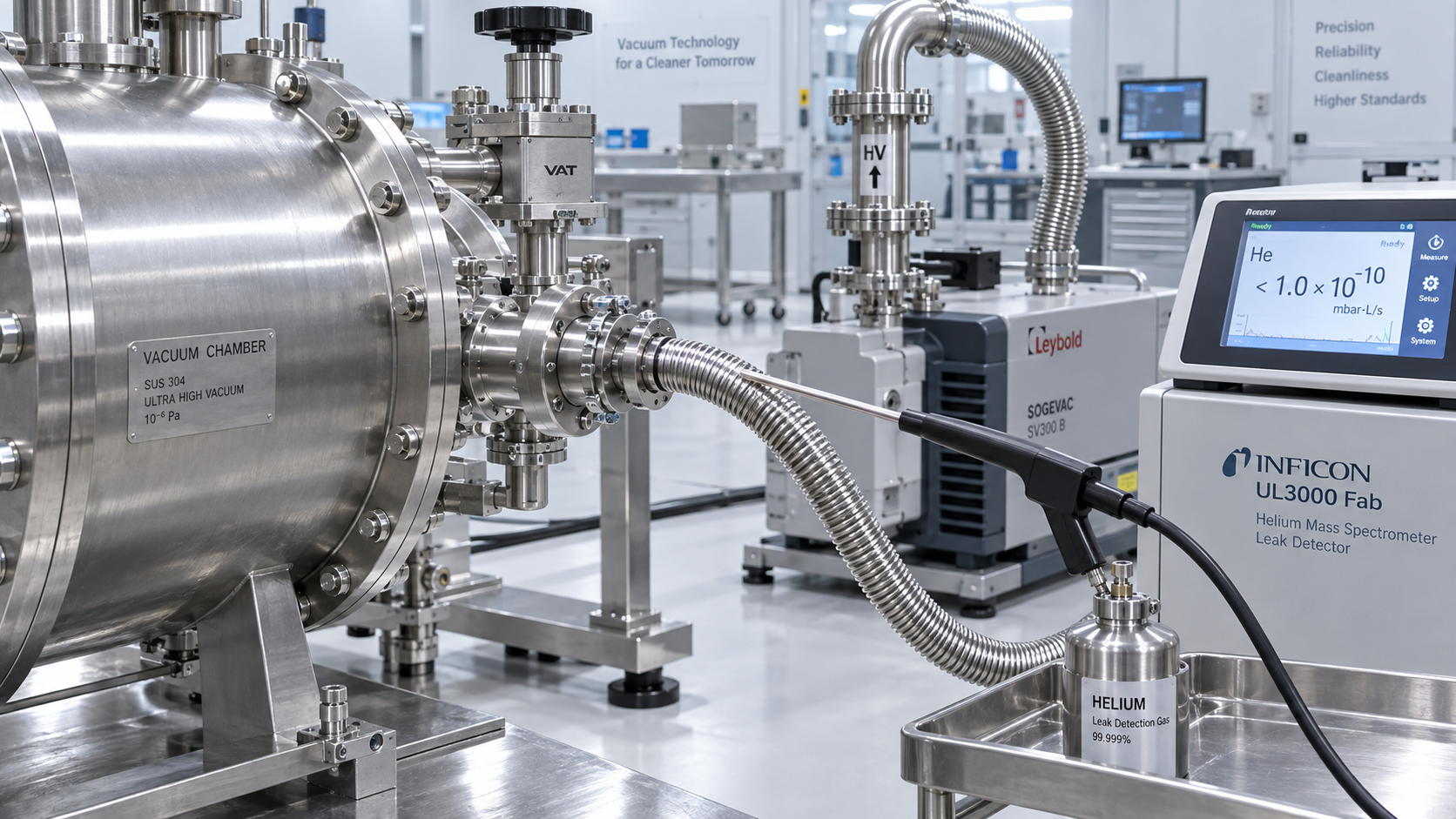
These sites usually need tighter leak testing, cleaner shutdown procedures, and stricter filter replacement discipline.
Dusty conveying and material handling environments
This is a more common scene than many teams expect.
Vacuum processes linked to powders, fibers, or granules often fail because particulates bypass basic filtration.
Once that happens, internal scoring, valve sticking, and overheating follow quickly.
The judgment focus here is not ultimate vacuum alone, but dirt load over time and maintenance accessibility.
The most common downtime triggers are usually easy to miss
Leaks remain the best known problem in vacuum processes, but they are not always the first issue to inspect.
A pressure drop may also come from blocked filters, worn seals, saturated oil, unstable cooling water, or incorrect valve timing.
In many plants, teams replace components too early because diagnosis starts from symptoms, not operating conditions.
- Leak-related losses often show up as longer pull-down time, not sudden total failure.
- Contamination issues often appear first as unstable product quality or increased cleaning frequency.
- Overheating usually reflects cooling imbalance, restricted flow, or excessive compression ratio.
- Maintenance-related failures often come from skipped inspections during high-output periods.
This matters because prevention for vacuum processes should match failure pattern, not generic service intervals.
A quarterly checklist may work for one batch line and miss critical wear on a continuous process.
What to check when the same vacuum process behaves differently
Two installations can use similar vacuum processes and still require different preventive actions.
The difference often comes from ambient temperature, utility quality, product residue, and cycle rhythm.
This kind of comparison is useful because vacuum processes do not age at the same speed under different loads.
The better judgment method is to compare process behavior with site conditions over time.
Practical prevention works best when linked to thermal and compression data
A vacuum alarm is often treated as an isolated mechanical event.
In reality, many vacuum processes fail because surrounding thermal and power conditions are ignored.
Cooling water temperature, compressed air quality, exhaust restriction, and room ventilation all affect reliability.
This broader view matches how GTC-Matrix evaluates industrial systems.
Vacuum processes sit inside a network of heat exchange and compression decisions.
When energy costs rise or environmental controls tighten, weak process stability becomes expensive faster.
- Track pump temperature against seasonal cooling changes.
- Review exhaust and ventilation when heat-related trips repeat.
- Correlate vacuum level drift with power consumption trends.
- Check whether process changes increased vapor or particle load.
These actions help separate equipment problems from system interaction problems.
That distinction is crucial for preventing recurring downtime.
Misjudgments that keep vacuum processes stuck in repeat failure
One frequent mistake is treating similar applications as identical.
Two drying lines may both use vacuum processes, yet one handles water vapor and the other handles aggressive solvent traces.
Their maintenance logic should not be the same.
Another mistake is focusing on purchase specifications while ignoring lifecycle conditions.
A pump selected for capacity alone may run inefficiently if filtration, cooling, and service access were poorly planned.
There is also a tendency to blame leaks first.
Leak checks matter, but repeated downtime in vacuum processes often reflects process residue, thermal overload, or maintenance timing gaps.
The more reliable approach is to review operating history before replacing major parts.
A grounded way to reduce downtime before the next shutdown window
For most facilities, the next step is not a full redesign.
It is a clearer site-by-site review of how vacuum processes actually run.
Start with pull-down time, operating temperature, contamination sources, and maintenance frequency.
Then compare those findings with production rhythm, ambient conditions, and utility stability.
- Map each vacuum process to its real vapor, dust, and thermal load.
- Set inspection intervals by operating stress, not calendar habit.
- Define acceptable drift for pressure, temperature, and energy use.
- Review compatibility between process changes and existing vacuum equipment.
- Document recurring faults with root cause, not only replaced parts.
Vacuum processes remain reliable when operational details are judged as carefully as equipment specifications.
That is usually where downtime prevention becomes measurable, repeatable, and easier to sustain.
Related News
- How to find leaks in vacuum pump systems before pump performance dropsAuthor :Vacuum Process Fellow

- How to size a Roots blower for vacuum process equipmentAuthor :Vacuum Process Fellow

- How vacuum level affects vacuum process efficiencyAuthor :Vacuum Process Fellow

- China Imposes Temporary Helium Export BanAuthor :Vacuum Process Fellow

- Semiconductor Vacuum Systems Factory Checklist for Process Stability and Cleanroom UseAuthor :Vacuum Process Fellow

- Vacuum Process Optimization Services: Signs Your Line Needs a Performance ReviewAuthor :Vacuum Process Fellow

- Vacuum Chambers for Cleanroom Use: Key Design Points That Prevent ContaminationAuthor :Vacuum Process Fellow

- Vacuum Distillation Systems: Key Performance Metrics That Affect Product PurityAuthor :Vacuum Process Fellow

- Vietnam Halts High Vacuum Pump Import Licenses for 30 DaysAuthor :Vacuum Process Fellow

- Vacuum Technology Database: What to Check Before Using Technical DataAuthor :Vacuum Process Fellow

- Dry Pump Vacuum System Design Mistakes That Raise DowntimeAuthor :Vacuum Process Fellow

- When Vacuum Systems Lose Performance: Common Causes and FixesAuthor :Vacuum Process Fellow
![]()
- EU Tightens EN 13445-3 Weld Testing for Vacuum VesselsAuthor :Vacuum Process Fellow
![]()
- EPA Cuts R-1234ze(E) Quota 35%, Tightening Vacuum Cooling SupplyAuthor :Vacuum Process Fellow
 Quota 35%, Tightening Vacuum Cooling Supply")
- ICA Warns of Tight Copper Alloy Supply for Vacuum PumpsAuthor :Vacuum Process Fellow

- Vacuum System Leak Detection: Signs, Tests, and FixesAuthor :Vacuum Process Fellow

- How to Compare Vacuum Systems Factory Capabilities for Stable Process UptimeAuthor :Vacuum Process Fellow

- Vacuum Pump Lead Times Extend to 26 WeeksAuthor :Vacuum Process Fellow

- Semiconductor Vacuum Systems Explained for Stable Process YieldAuthor :Vacuum Process Fellow

- Vacuum Process Efficiency: 7 Hidden Causes of Energy LossAuthor :Vacuum Process Fellow

- Vacuum Technology Solutions for Stable Low-Pressure ProductionAuthor :Vacuum Process Fellow

- Vacuum Processes: Common Efficiency Losses and FixesAuthor :Vacuum Process Fellow

- Common Vacuum Processes Problems and How to Prevent DowntimeAuthor :Vacuum Process Fellow

- Tantalum Spike Extends Vacuum Crucible Lead TimesAuthor :Vacuum Process Fellow

- Vacuum Process Efficiency: 5 Hidden Losses to Check FirstAuthor :Vacuum Process Fellow

- How Heat Transfer Design Impacts Vacuum Process EfficiencyAuthor :Vacuum Process Fellow

- EN 13445-4:2026 Takes Effect for High-Vacuum ComponentsAuthor :Vacuum Process Fellow

- EU Vacuum Components Face New EN 13445-4:2026 Leak Test RuleAuthor :Vacuum Process Fellow

- UBS: Fed Cut View May Ease Vacuum Pump Lead TimesAuthor :Vacuum Process Fellow

- Vacuum Processes: Common Causes of Unstable PerformanceAuthor :Vacuum Process Fellow
![]()
- SiC Certification Signals New Entry Path for Vacuum and Compressor DrivesAuthor :Vacuum Process Fellow
![]()
- How to Choose the Right Vacuum System for Process StabilityAuthor :Vacuum Process Fellow

- Vacuum Technology Selection: What Matters Most for Stable Process PerformanceAuthor :Vacuum Process Fellow

- Vacuum Processes: How to Reduce Contamination and Improve Cycle ConsistencyAuthor :Vacuum Process Fellow

- ITC 337 Probe Puts TOPCon Supply Chain Under ReviewAuthor :Vacuum Process Fellow

- Vacuum Process Efficiency: Where Energy Loss Really StartsAuthor :Vacuum Process Fellow