China Adds Vacuum Seal Chemicals to Export Controls




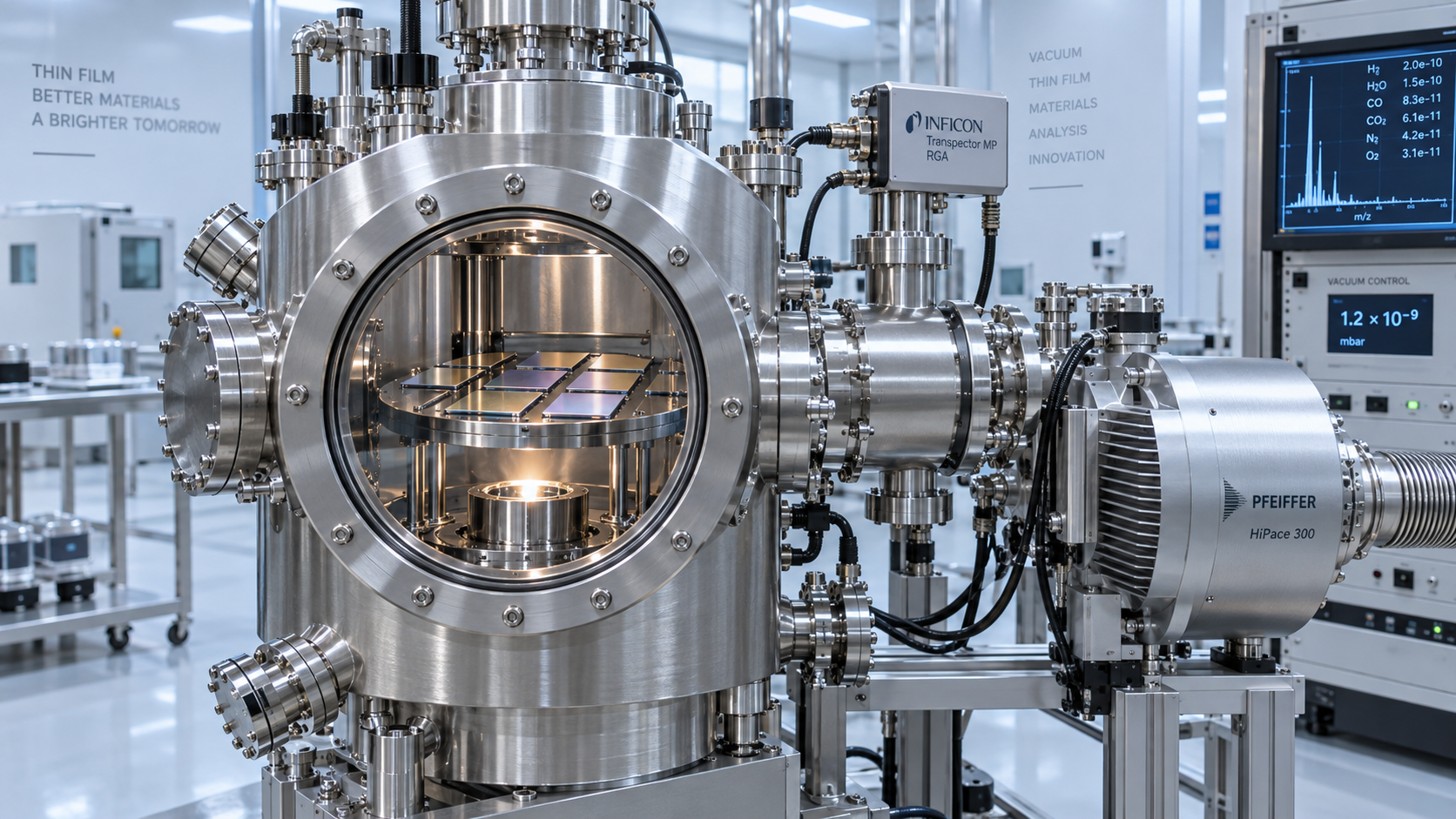
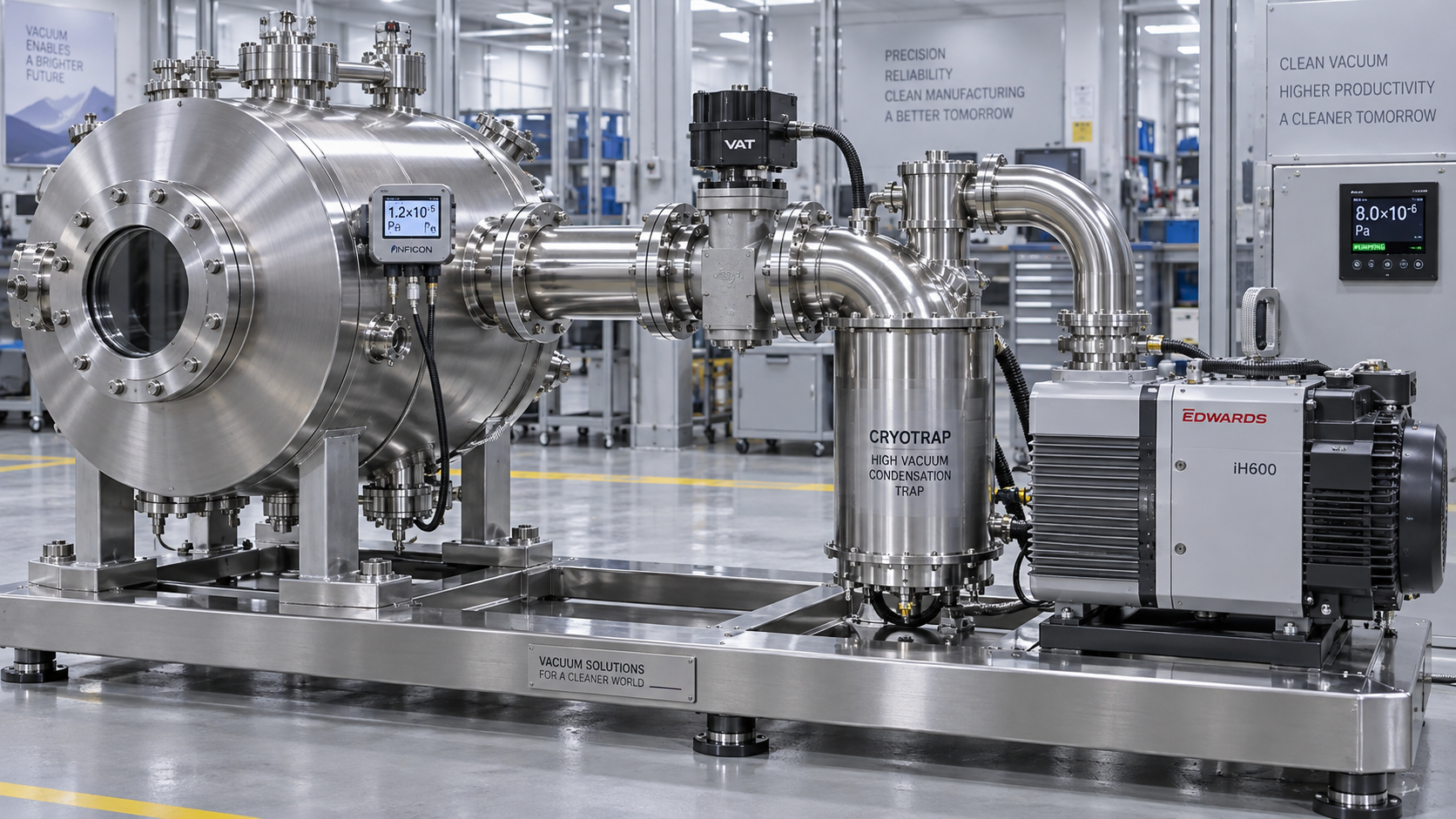
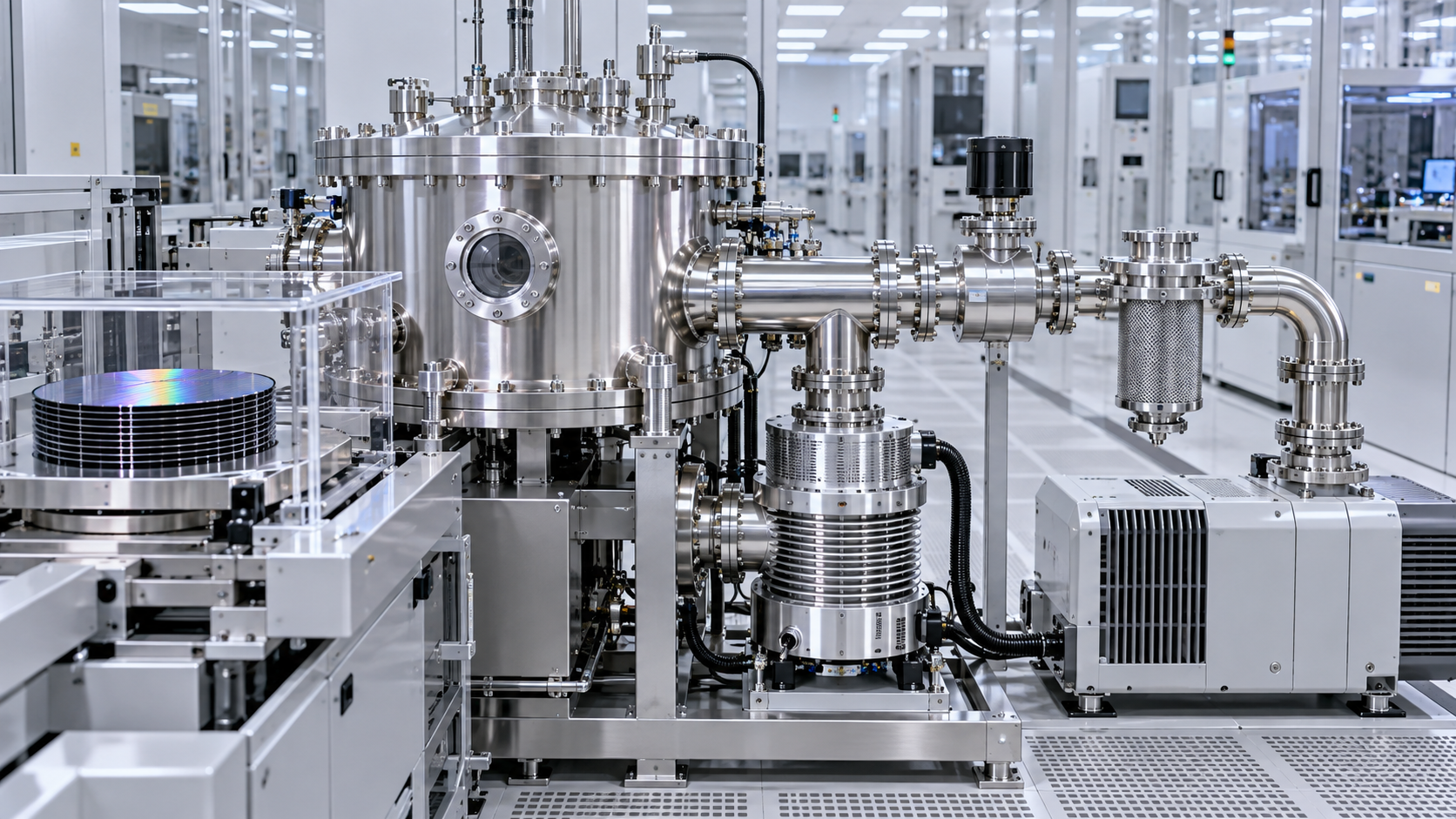
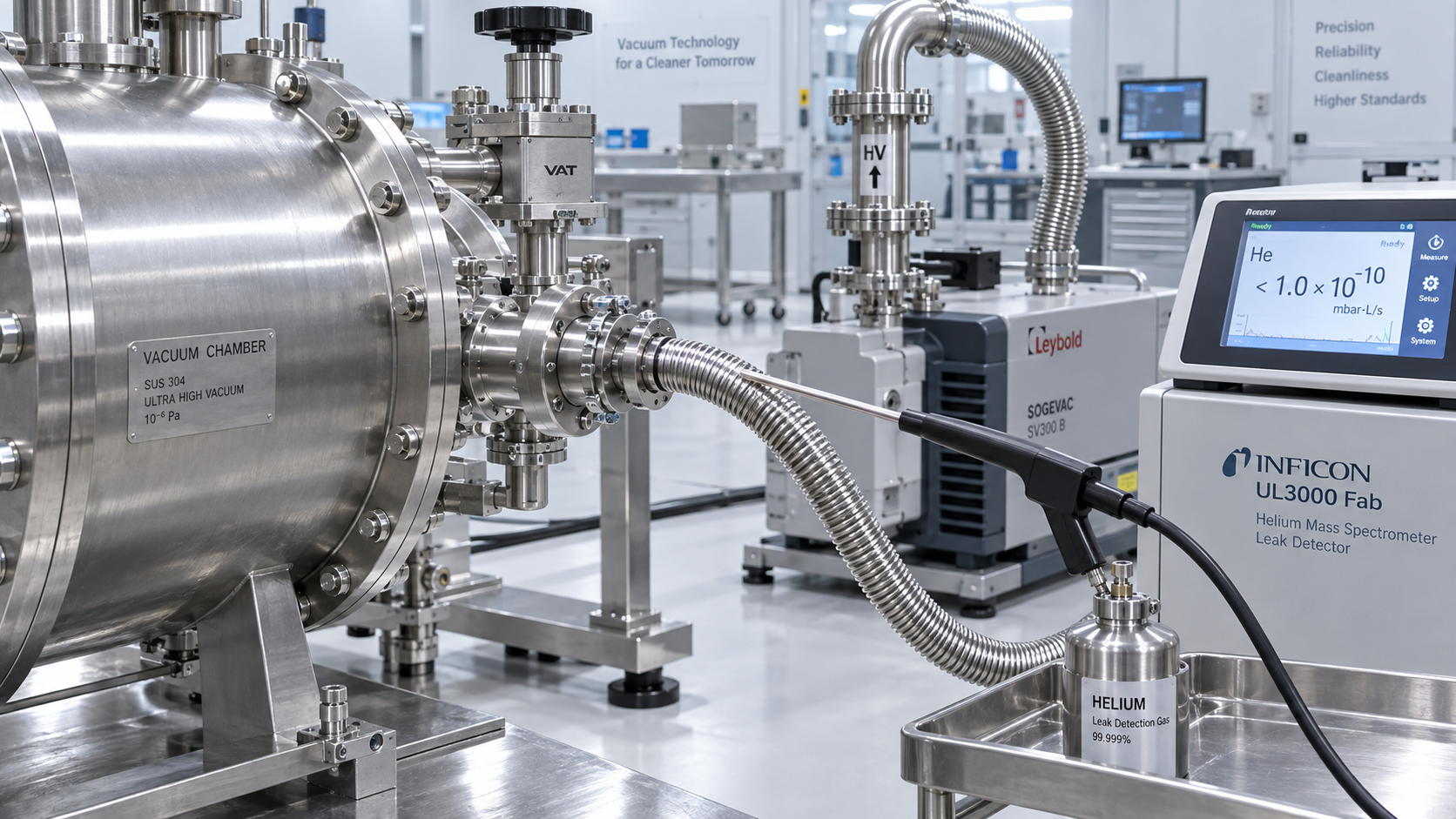
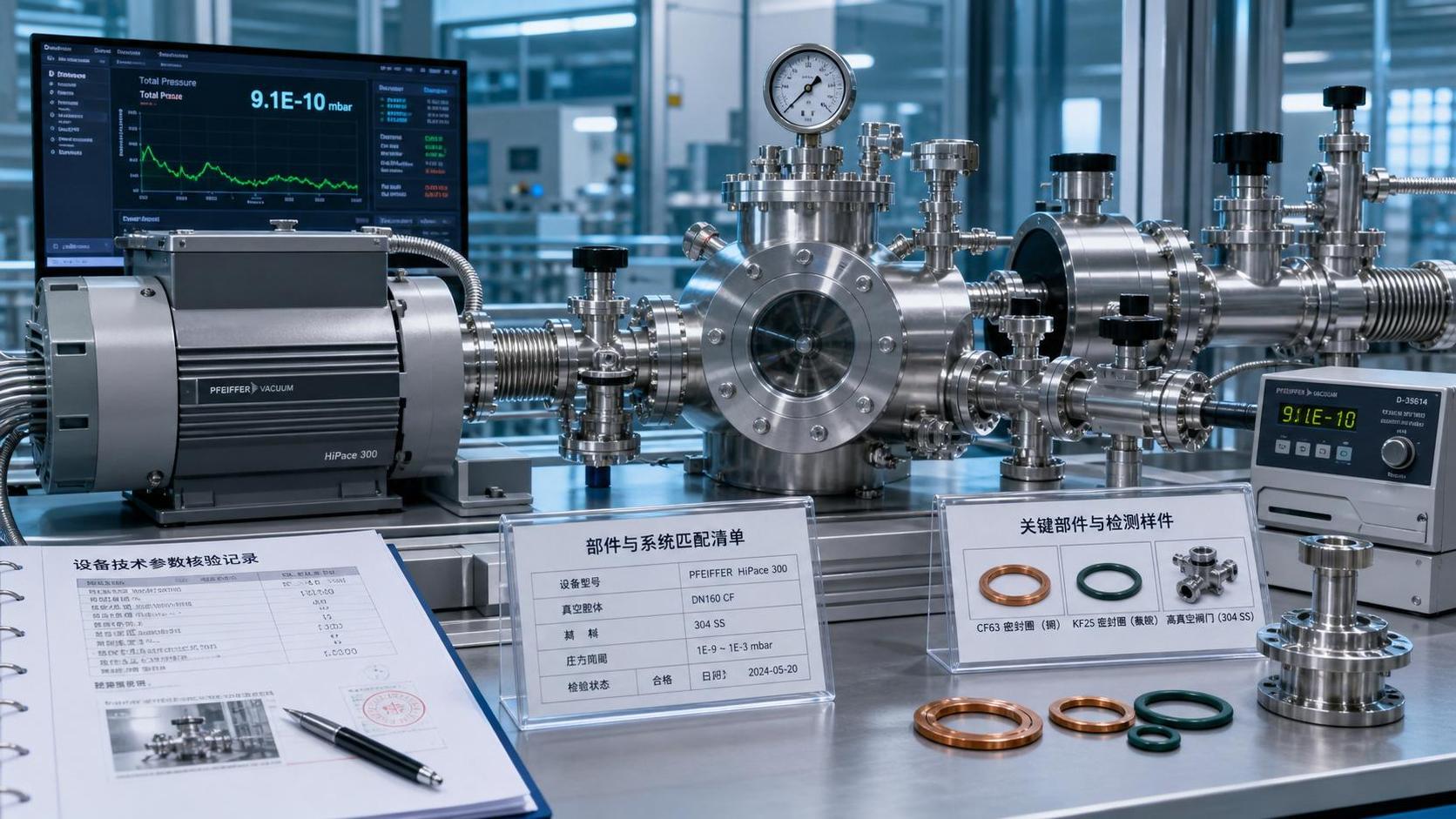
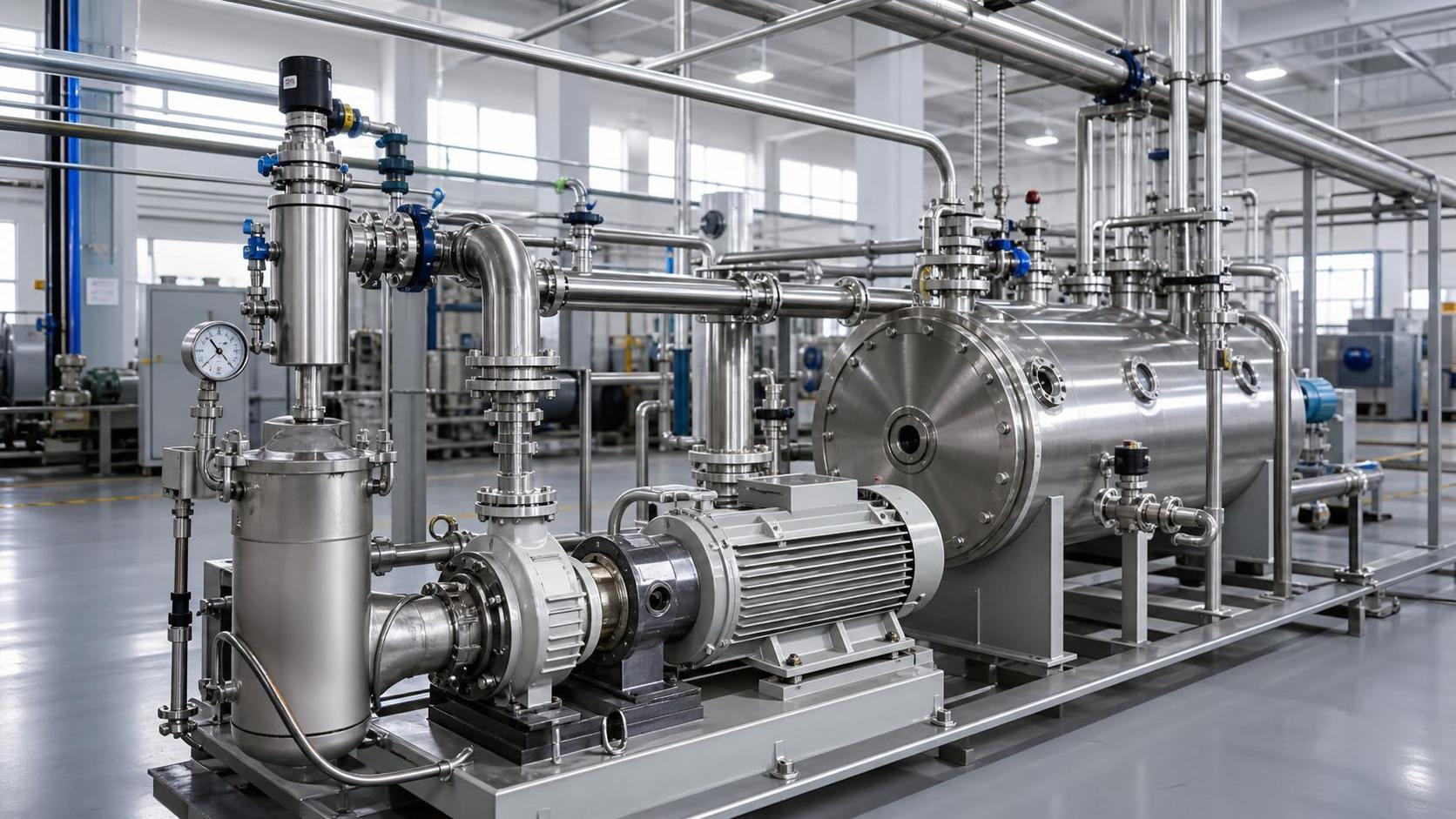
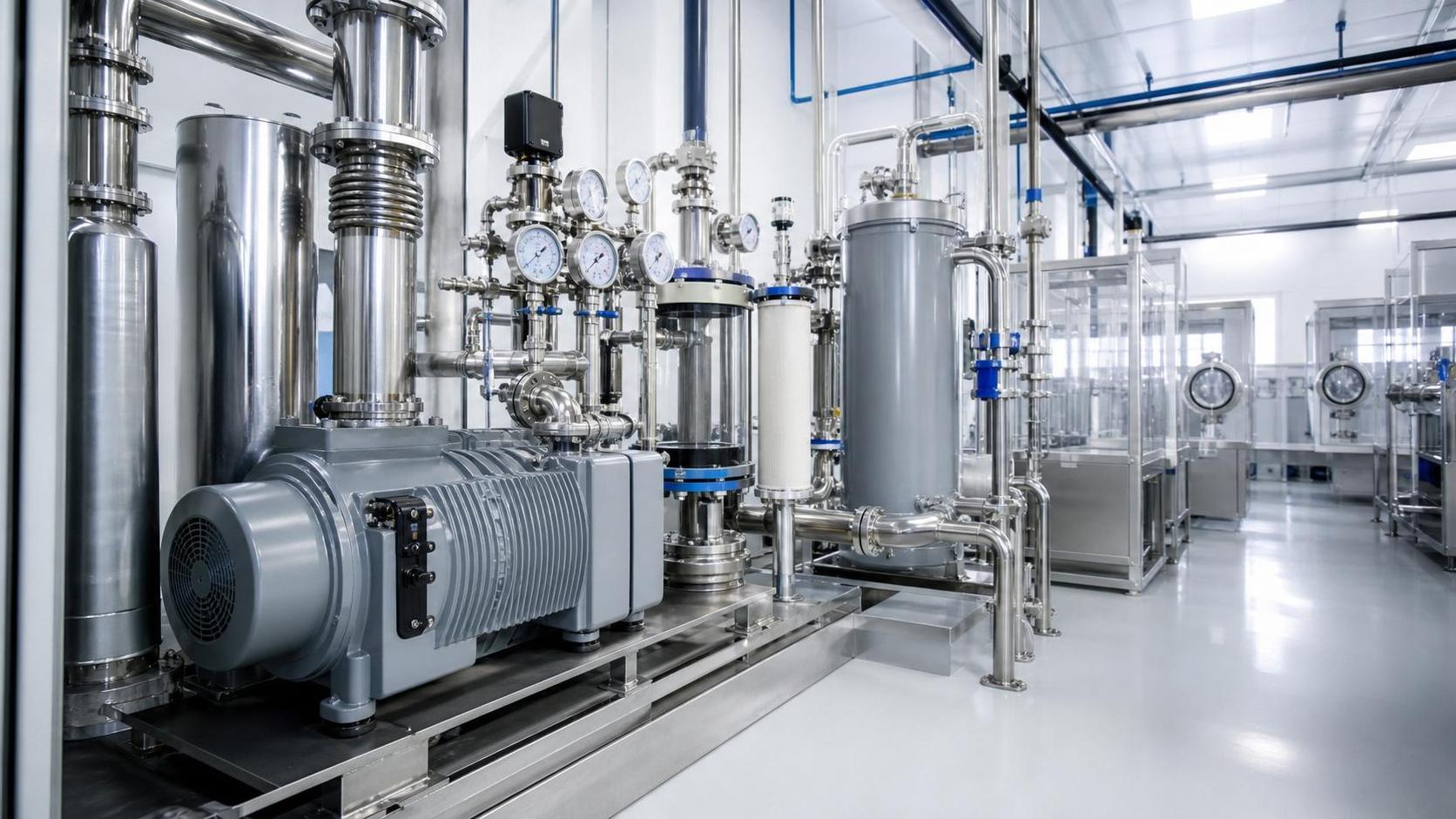
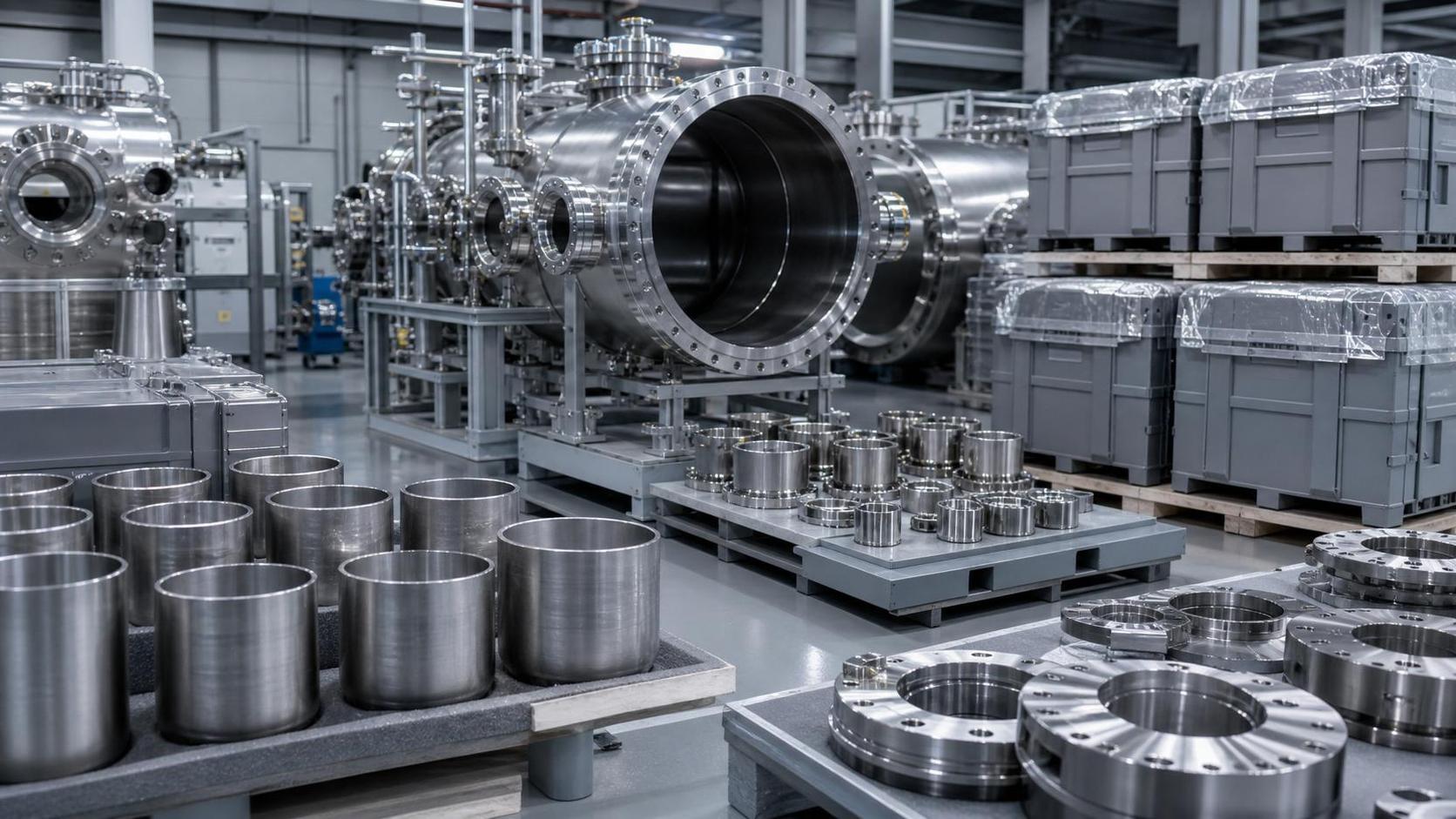
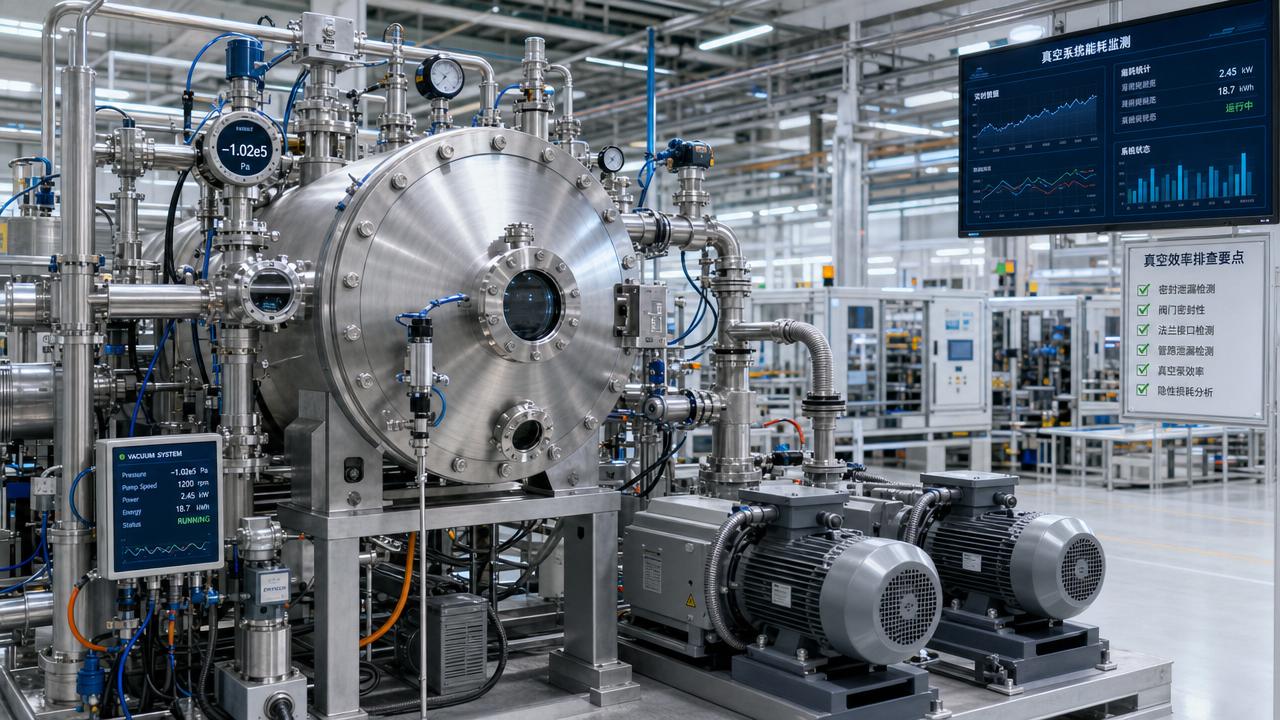
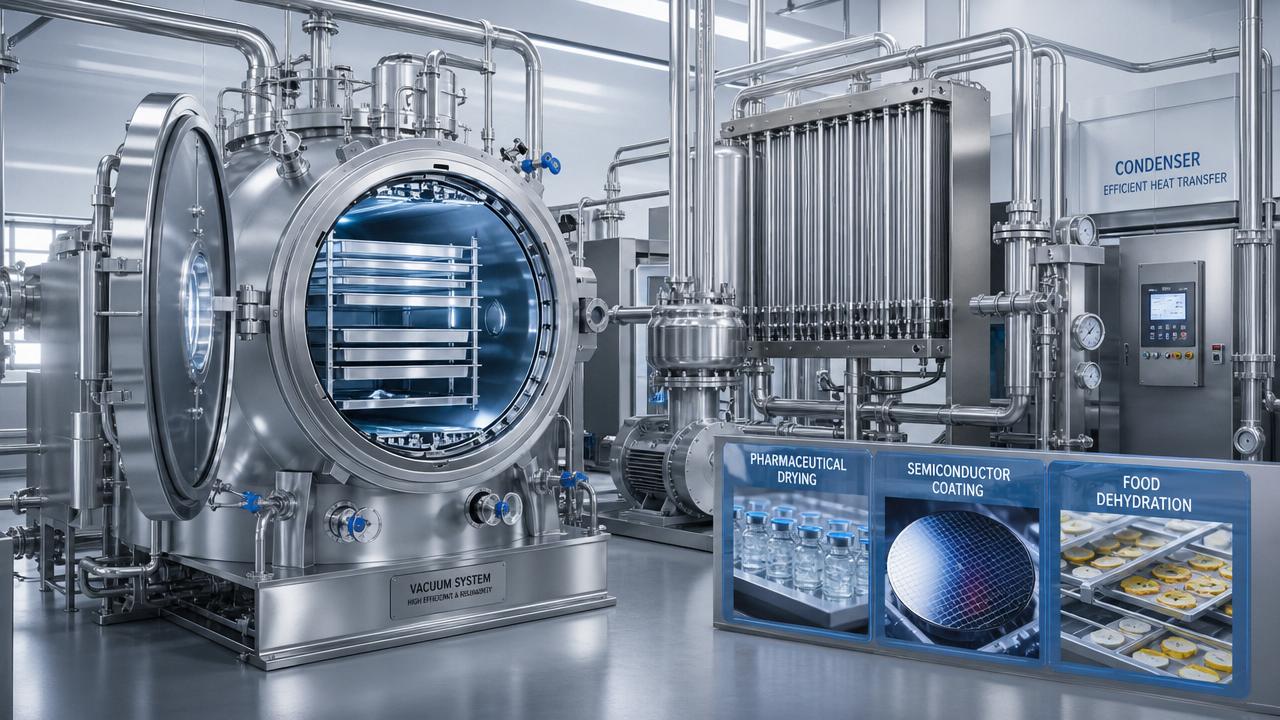
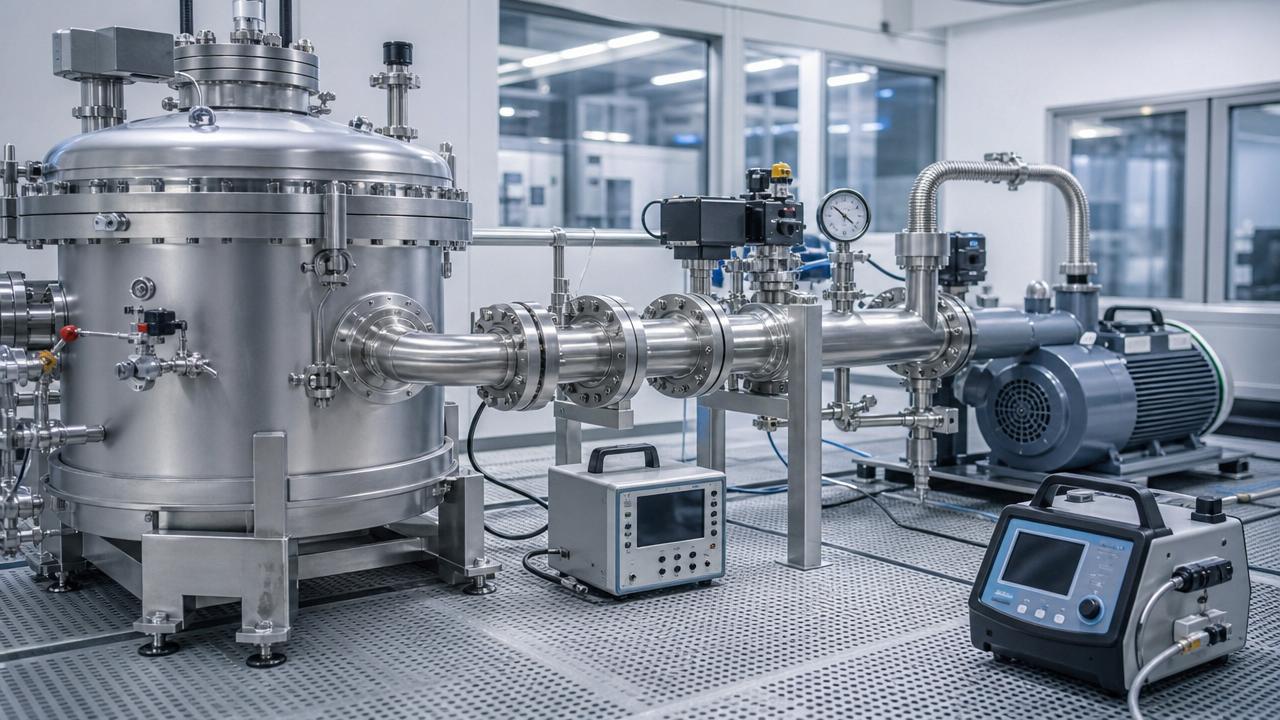
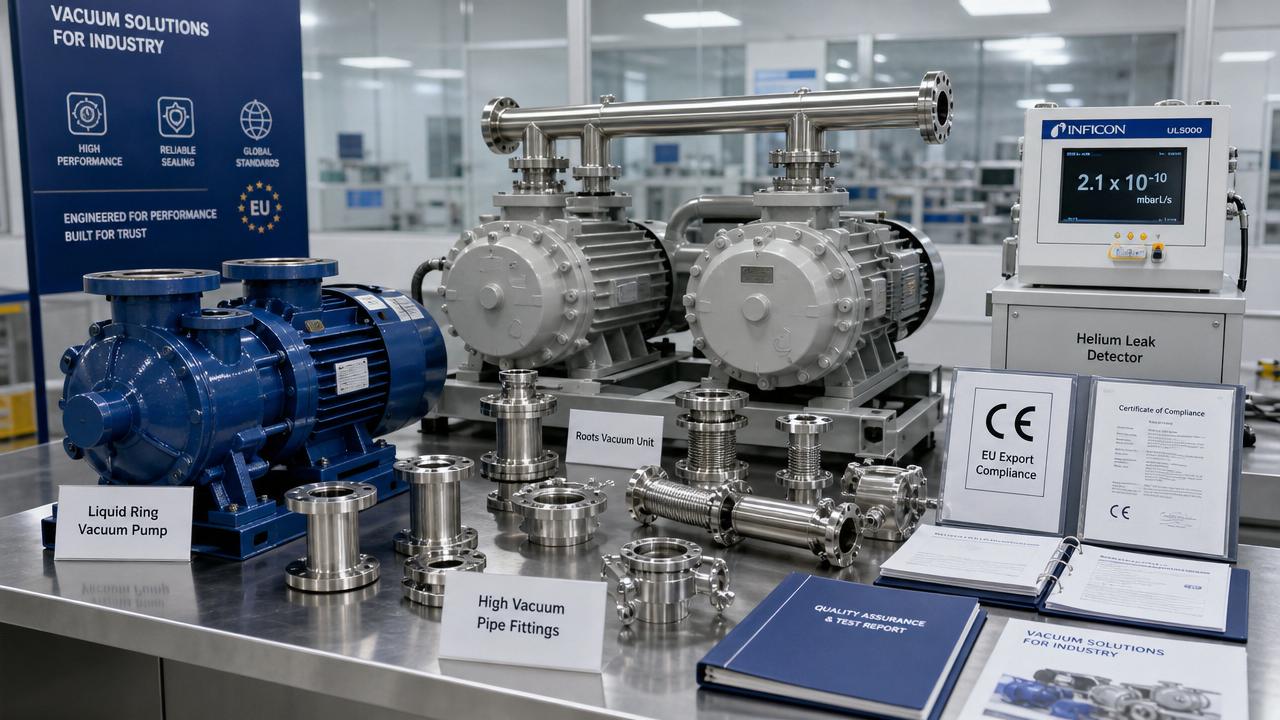
Image placement plan: Place one industry image near the opening section to illustrate high vacuum equipment, sealing materials, or export compliance documentation related to controlled chemical inputs.
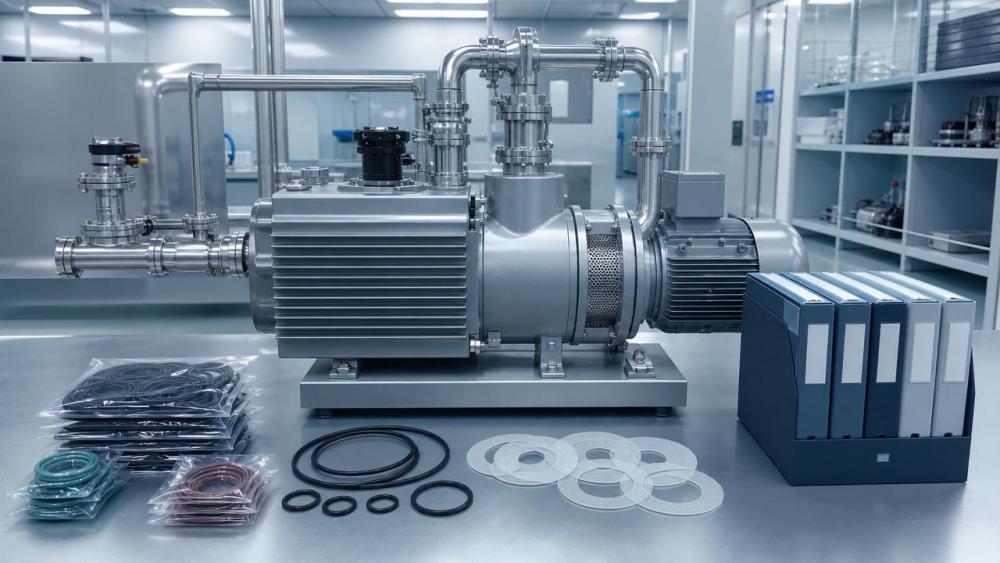
Effective May 22, 2026, China adjusted its export control list for precursor chemicals by adding three chemicals to a catalogue covering exports to specified countries and regions, creating compliance implications for high vacuum equipment, sealing material supply chains, and exporters of vacuum systems that contain affected fluororubber or perfluoroether sealing components.
Confirmed Regulatory Change and Product Scope
According to the provided event summary, the Ministry of Commerce and four other departments jointly announced the addition of three chemicals to the export control catalogue for precursor chemicals shipped to specified countries and regions from May 22, 2026.
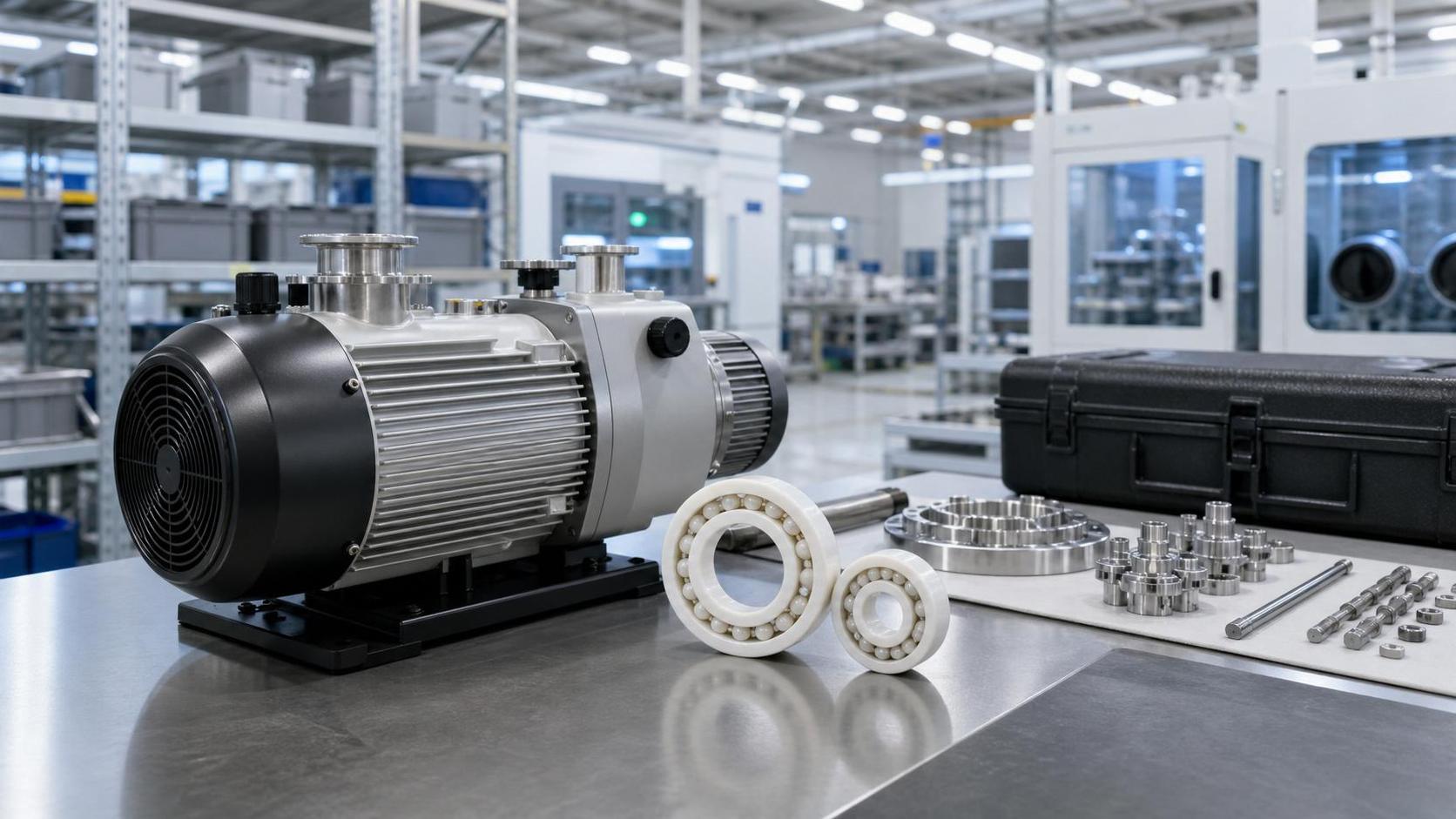
One of the listed substances, 1-tert-butoxycarbonyl-4-oxo-3-piperidinecarboxylic acid methyl ester, is described in the input as being widely used in the synthesis of fluororubber and perfluoroether seals for High Vacuum equipment.
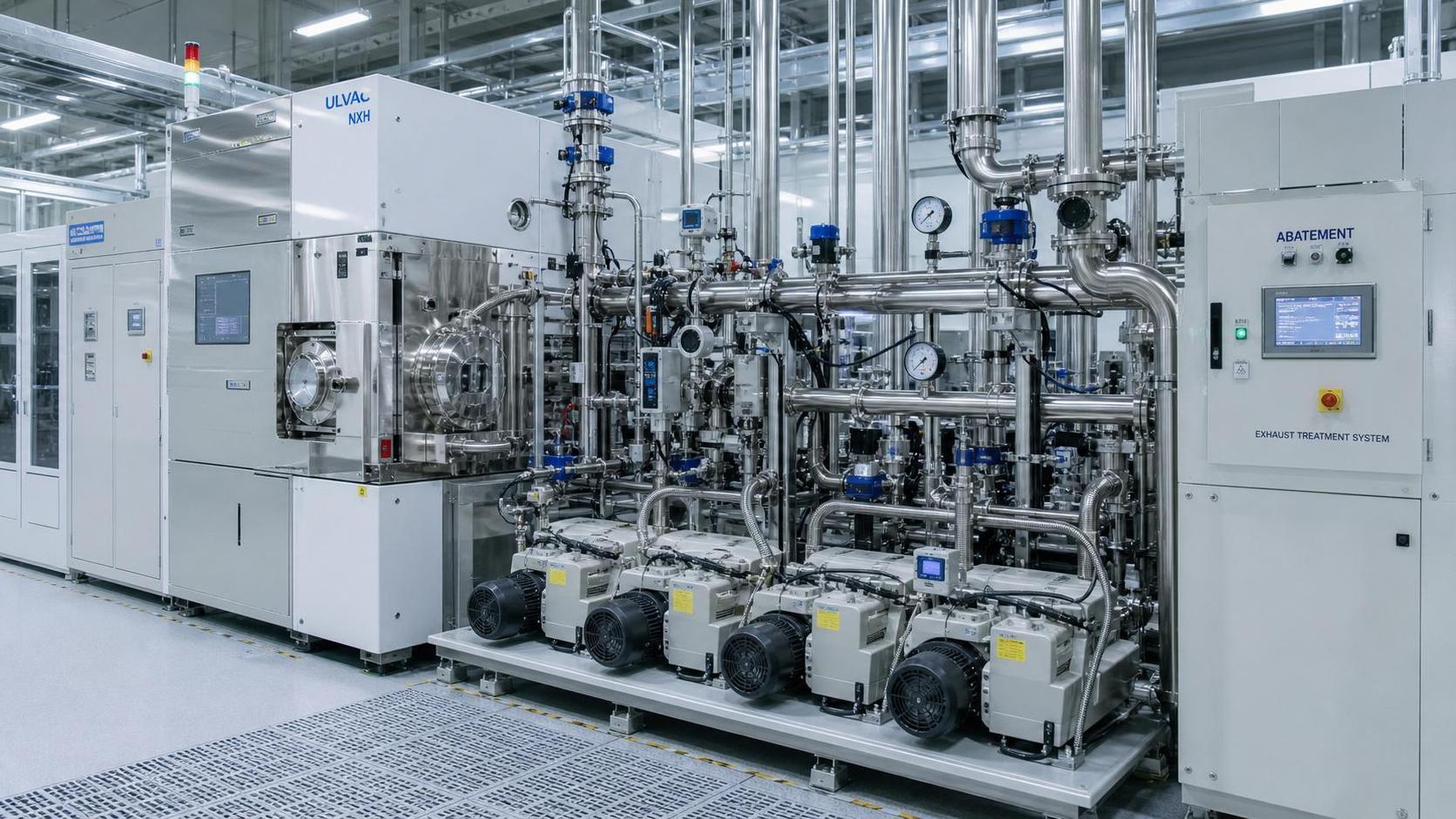
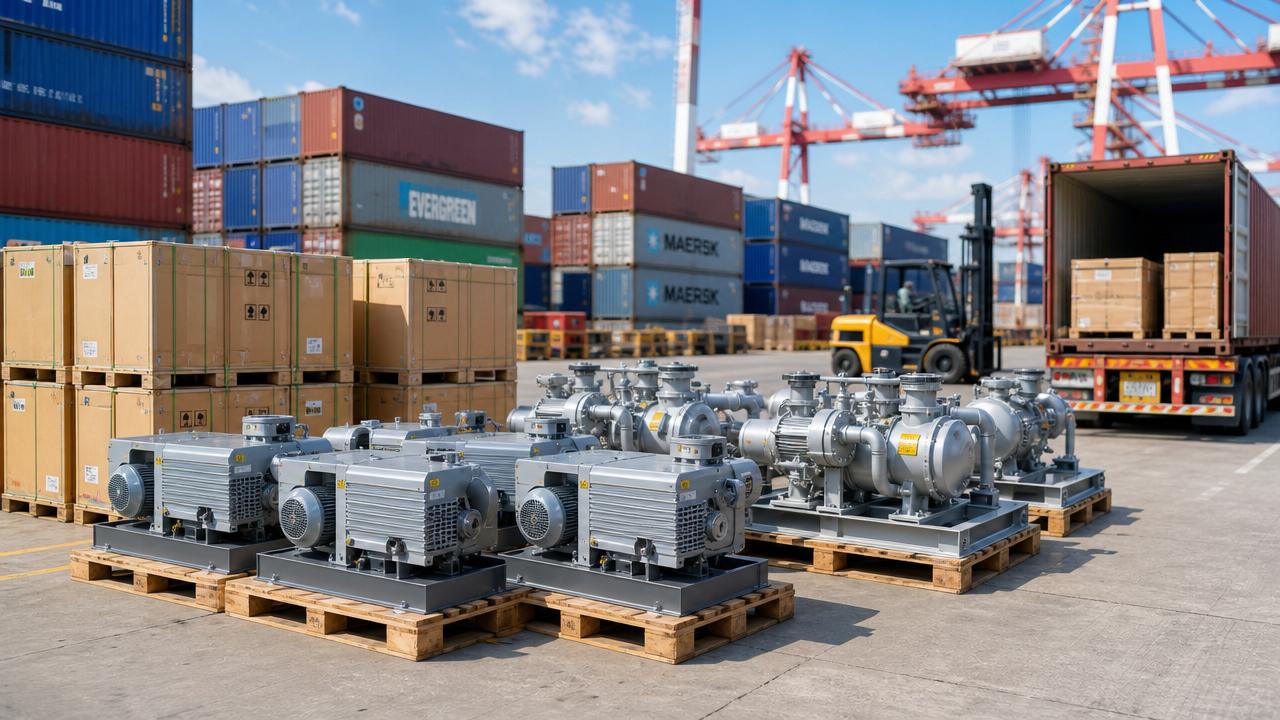
Exports to the United States, Mexico, and Canada of vacuum systems containing such materials, including Liquid Ring and Rotary Vane systems, must apply for an export license in advance. The stated approval cycle is approximately 15 working days.
How the Rule Change Reaches Different Industry Players
Export-oriented trading companies
Trading companies directly involved in shipments to the United States, Mexico, and Canada are affected because the rule links export licensing to vacuum systems containing sealing materials derived from listed chemicals. The impact is likely to appear in order review, customs documentation preparation, license application scheduling, and customer delivery commitments.
These companies may need to pay closer attention to whether the exported system contains fluororubber or perfluoroether sealing parts associated with the controlled chemical inputs, and whether the license application timeline has been built into the sales contract and shipment plan.
Raw material purchasing teams
Raw material buyers may be affected because the listed chemical substances are connected with the synthesis of specialized sealing materials used in High Vacuum equipment. Their work may require more precise identification of upstream chemical inputs, supplier declarations, and material composition records.
From a procurement perspective, the key change is not limited to price or availability. Buyers may also need to confirm whether a purchased sealing compound, gasket, O-ring, or related component could trigger export license requirements when incorporated into a system bound for the named destination markets.
Processing and equipment manufacturers
Manufacturers of Liquid Ring, Rotary Vane, and other vacuum systems may see the impact in design review, bill of materials management, production release, and export readiness checks. If affected sealing materials are used, technical documentation and compliance files may need to reflect the material route more clearly.
Manufacturers may also need to coordinate earlier between engineering, procurement, sales, and logistics teams, because the approximate 15-working-day approval cycle can influence production scheduling and shipment timing.
Supply chain service providers
Logistics, customs brokerage, testing, and documentation service providers may be affected because export licensing adds a compliance checkpoint before shipment. Their role may include reminding exporters to prepare license materials, checking destination-country applicability, and aligning shipment booking with approval status.
For service providers, the practical concern is whether documentation, cargo description, and product classification are sufficiently consistent with the actual sealing materials contained in the vacuum system.
Compliance Actions Companies Should Prioritize
Map sealing materials against the controlled chemical inputs
Companies should first review whether their High Vacuum equipment uses fluororubber or perfluoroether seals synthesized with the listed substances, including 1-tert-butoxycarbonyl-4-oxo-3-piperidinecarboxylic acid methyl ester. This review should be connected to bills of materials, supplier specifications, and product configuration records rather than handled only at the shipping stage.
Build the license cycle into delivery planning
For shipments to the United States, Mexico, and Canada, the input indicates that an export license must be obtained in advance and that the approval cycle is approximately 15 working days. Companies should therefore check order lead times, procurement deadlines, production release dates, and logistics booking windows to avoid treating the license as a last-minute formality.
Align specifications, tenders, and customer documents
Where vacuum systems are sold through technical tenders or customer-specific specifications, exporters may need to ensure that sealing material descriptions, equipment models, and export compliance obligations are consistently reflected in technical documents. This is especially relevant for Liquid Ring and Rotary Vane systems when affected sealing materials are included.
Strengthen supplier declarations and traceability files
Because the compliance trigger may depend on the materials used inside components, companies should consider maintaining supplier qualification records, material declarations, test reports, and traceability documents for seals and related parts. This can support internal compliance checks and reduce uncertainty during license preparation.
Industry Reading: A Narrow Chemical Control with Wider Process Effects
From an industry perspective, this development is more appropriately understood as a targeted export control change that can create broader operational effects for equipment manufacturers and exporters. The rule described in the input concerns specific chemicals and specified destination markets, but its practical reach may extend into material selection, product documentation, procurement planning, and export scheduling.
Analysis shows that the most visible impact may not be a change in vacuum technology itself, but a change in the compliance workflow around equipment containing certain sealing materials. For companies serving the United States, Mexico, and Canada, the added license step may make early-stage product compliance screening more important than shipment-stage document correction.
What deserves closer attention is the connection between chemical raw materials and finished equipment. In high vacuum applications, sealing performance is closely tied to material selection. When a regulatory change applies to chemicals used in seal synthesis, downstream equipment suppliers may need to understand the material chain more deeply than before.
Observably, procurement and export teams may need stronger coordination with engineering teams. This is an analytical judgment based on the described licensing requirement and the stated approval period, not a confirmed change in market demand or technology adoption.
Measured Outlook for Vacuum Equipment Exporters
The adjustment highlights the growing importance of export compliance in specialized equipment supply chains. For vacuum system exporters using fluororubber or perfluoroether sealing materials associated with the listed chemicals, the immediate focus should be documentation accuracy, license preparation, and delivery schedule management.
The industry impact should not be overstated beyond the information provided. The confirmed change concerns three added chemicals, specified export destinations, affected material applications, and an advance license requirement. The longer-term effect will depend on implementation details, company compliance readiness, and customer procurement practices.
Source Note and Items to Watch
This article is based on the user-provided news title, event date, and event summary. Specific official source links were not provided in the input and should be verified continuously.
For this type of event, companies typically need to monitor official regulatory announcements, export control catalogue updates, licensing implementation guidance, customs documentation requirements, and industry compliance interpretations. Follow-up observation should focus on detailed policy execution, certification and licensing review practices, tender document changes, customer documentation requirements, and feedback from vacuum equipment manufacturers and exporters.
Ready when you are. Send us a message to get started.
Related News
- How does base pressure affect film purity in vacuum deposition?Author :Vacuum Process Fellow

- How to size vacuum process equipment for the required pump-down timeAuthor :Vacuum Process Fellow

- Which vacuum specification best protects semiconductor process yield?Author :Vacuum Process Fellow

- How Can Contamination Be Prevented in a Semiconductor Vacuum Chamber?Author :Vacuum Process Fellow

- Which Vacuum Pump Specifications Matter Most for Semiconductor Processes?Author :Vacuum Process Fellow

- How to find leaks in vacuum pump systems before pump performance dropsAuthor :Vacuum Process Fellow

- How to size a Roots blower for vacuum process equipmentAuthor :Vacuum Process Fellow

- How vacuum level affects vacuum process efficiencyAuthor :Vacuum Process Fellow

- China Imposes Temporary Helium Export BanAuthor :Vacuum Process Fellow

- Semiconductor Vacuum Systems Factory Checklist for Process Stability and Cleanroom UseAuthor :Vacuum Process Fellow

- Vacuum Process Optimization Services: Signs Your Line Needs a Performance ReviewAuthor :Vacuum Process Fellow

- Vacuum Chambers for Cleanroom Use: Key Design Points That Prevent ContaminationAuthor :Vacuum Process Fellow

- Vacuum Distillation Systems: Key Performance Metrics That Affect Product PurityAuthor :Vacuum Process Fellow

- Vietnam Halts High Vacuum Pump Import Licenses for 30 DaysAuthor :Vacuum Process Fellow

- Vacuum Technology Database: What to Check Before Using Technical DataAuthor :Vacuum Process Fellow

- Dry Pump Vacuum System Design Mistakes That Raise DowntimeAuthor :Vacuum Process Fellow

- When Vacuum Systems Lose Performance: Common Causes and FixesAuthor :Vacuum Process Fellow
![]()
- EU Tightens EN 13445-3 Weld Testing for Vacuum VesselsAuthor :Vacuum Process Fellow
![]()
- EPA Cuts R-1234ze(E) Quota 35%, Tightening Vacuum Cooling SupplyAuthor :Vacuum Process Fellow
 Quota 35%, Tightening Vacuum Cooling Supply")
- ICA Warns of Tight Copper Alloy Supply for Vacuum PumpsAuthor :Vacuum Process Fellow

- Vacuum System Leak Detection: Signs, Tests, and FixesAuthor :Vacuum Process Fellow

- How to Compare Vacuum Systems Factory Capabilities for Stable Process UptimeAuthor :Vacuum Process Fellow

- Vacuum Pump Lead Times Extend to 26 WeeksAuthor :Vacuum Process Fellow

- Semiconductor Vacuum Systems Explained for Stable Process YieldAuthor :Vacuum Process Fellow

- Vacuum Process Efficiency: 7 Hidden Causes of Energy LossAuthor :Vacuum Process Fellow

- Vacuum Technology Solutions for Stable Low-Pressure ProductionAuthor :Vacuum Process Fellow

- Vacuum Processes: Common Efficiency Losses and FixesAuthor :Vacuum Process Fellow

- Common Vacuum Processes Problems and How to Prevent DowntimeAuthor :Vacuum Process Fellow

- Tantalum Spike Extends Vacuum Crucible Lead TimesAuthor :Vacuum Process Fellow

- Vacuum Process Efficiency: 5 Hidden Losses to Check FirstAuthor :Vacuum Process Fellow

- How Heat Transfer Design Impacts Vacuum Process EfficiencyAuthor :Vacuum Process Fellow

- EN 13445-4:2026 Takes Effect for High-Vacuum ComponentsAuthor :Vacuum Process Fellow

- EU Vacuum Components Face New EN 13445-4:2026 Leak Test RuleAuthor :Vacuum Process Fellow

- UBS: Fed Cut View May Ease Vacuum Pump Lead TimesAuthor :Vacuum Process Fellow

- Vacuum Processes: Common Causes of Unstable PerformanceAuthor :Vacuum Process Fellow
![]()
- SiC Certification Signals New Entry Path for Vacuum and Compressor DrivesAuthor :Vacuum Process Fellow
![]()