Vietnam Halts High Vacuum Pump Import Licenses for 30 Days




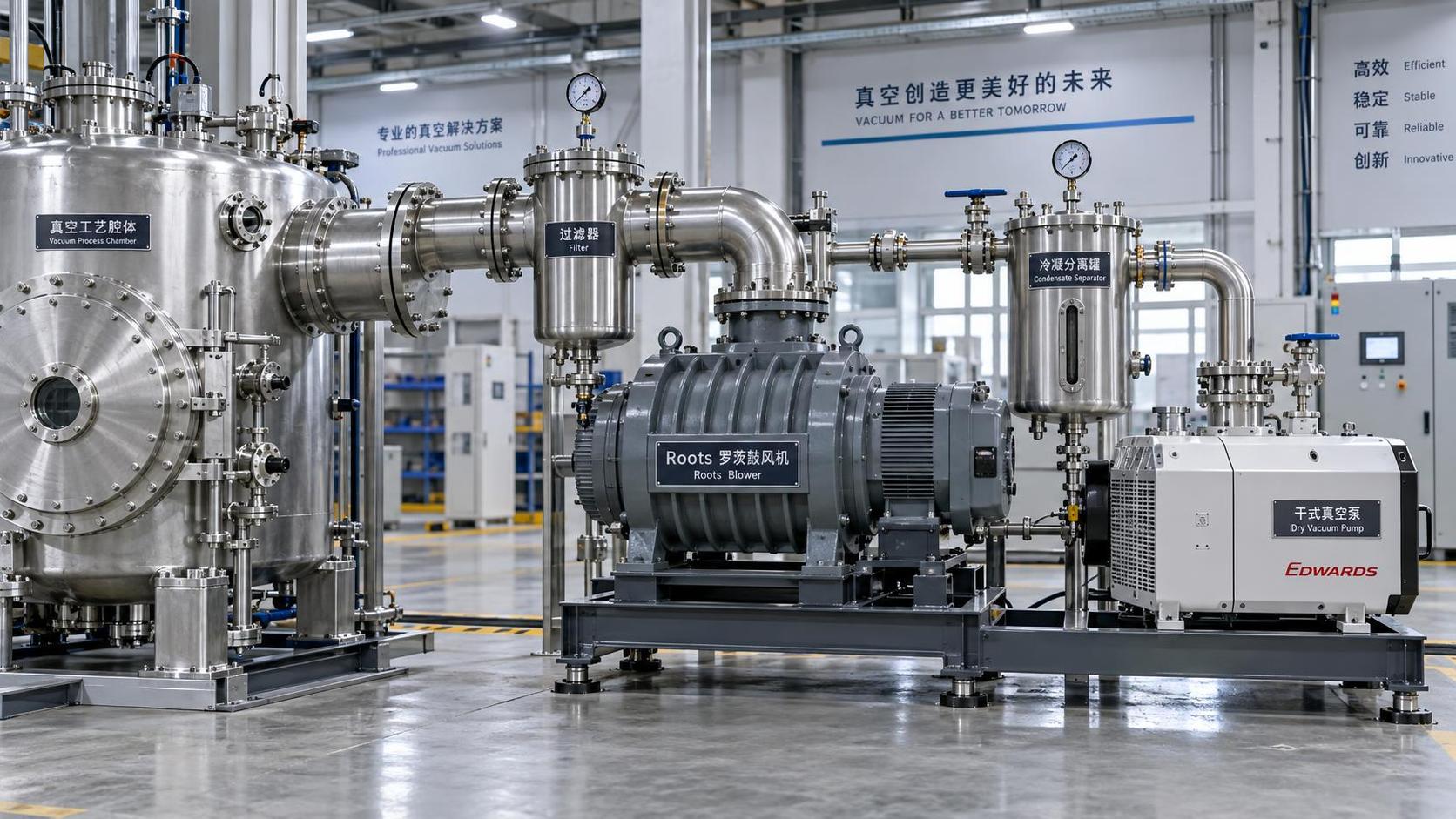
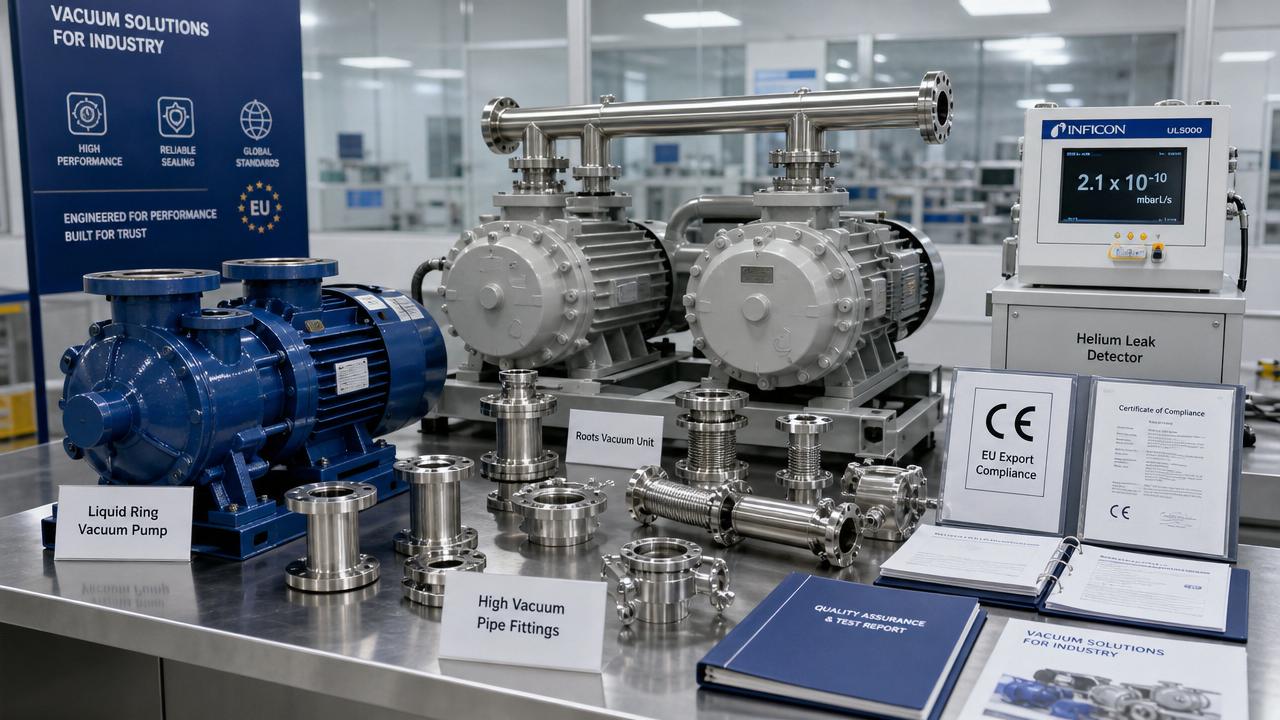
On July 10, 2026, market attention turned to Vietnam after the Ministry of Industry and Trade (MOIT) moved to suspend the processing of import licenses for high vacuum pumps for 30 days. The measure, tied to a compliance review under QCVN 116:2025, immediately puts pressure on import clearance, cross-border delivery schedules, and document readiness for products such as Roots pumps, diffusion pumps, and molecular pumps. For exporters, importers, and supply chain service providers handling these categories, the issue is no longer only market access, but whether energy efficiency compliance files can support ongoing shipments without delay.
What the MOIT Announcement Confirmed
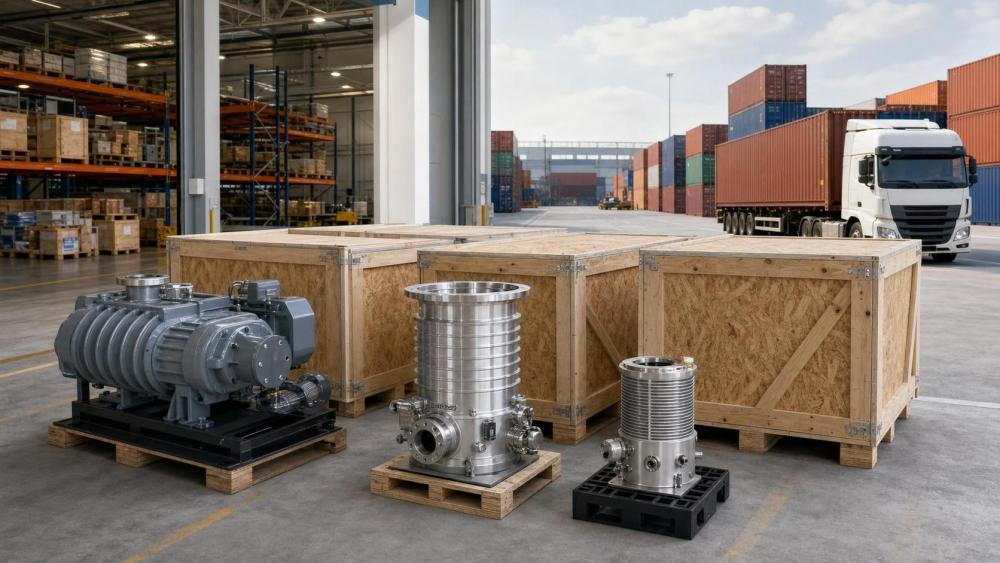
According to the provided information, Vietnam's MOIT announced on July 9, 2026 that it would immediately suspend the issuance of import licenses for high vacuum pumps, including Roots pumps, diffusion pumps, and molecular pumps, for a period of 30 days.
The stated purpose of the suspension is to verify whether imported products comply with QCVN 116:2025, the regulation covering minimum energy efficiency requirements for industrial vacuum equipment.
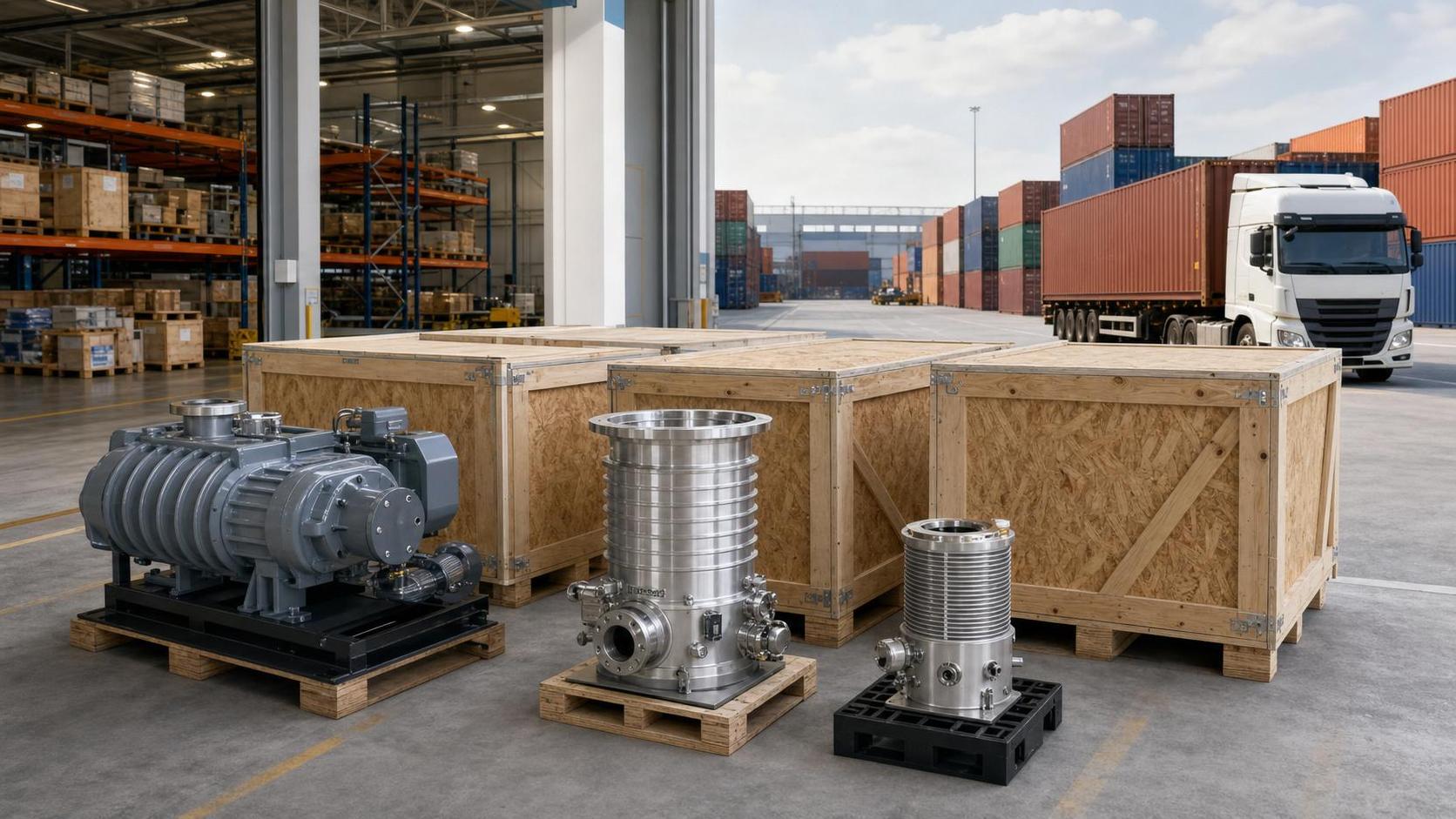
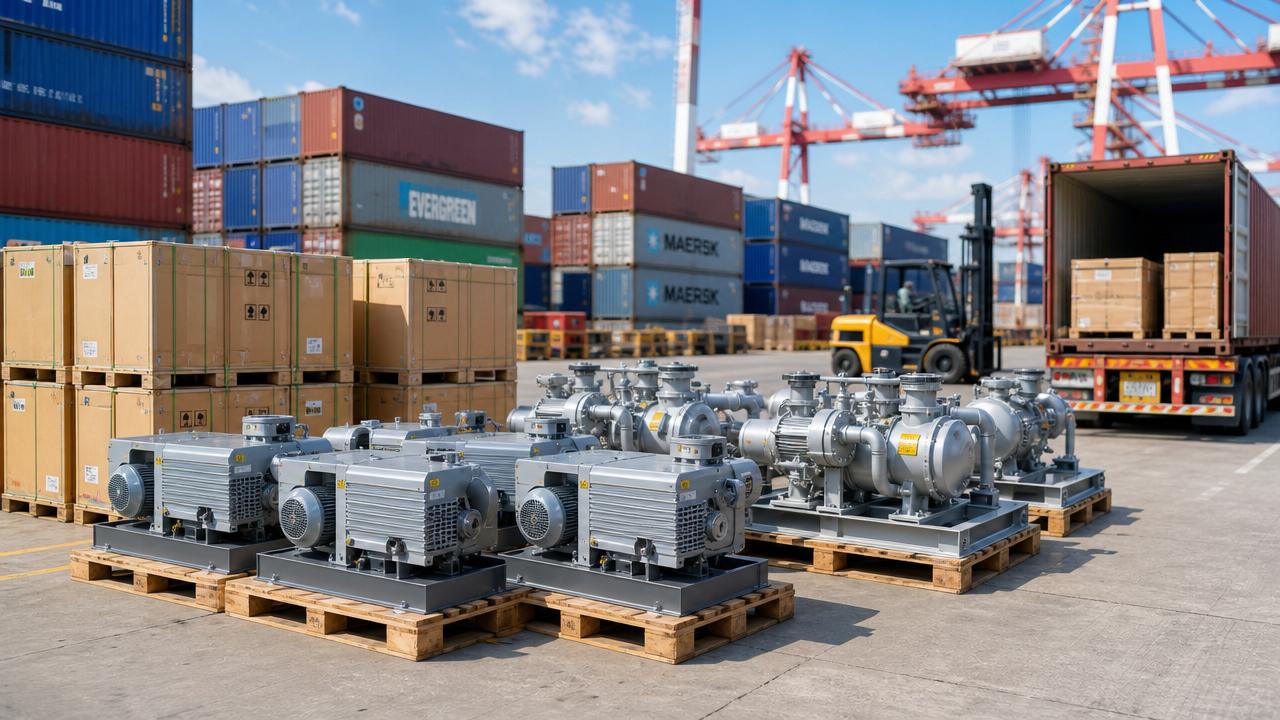
The same information indicates that the measure has already caused customs clearance delays for related equipment at Ho Chi Minh City and Hai Phong ports. It also states that Chinese exporters are being required to submit energy efficiency test reports issued by CNAS-accredited laboratories.
Where the Immediate Pressure Is Likely to Appear
Export transactions now depend more heavily on documentation
From an industry perspective, direct trading companies involved in exporting high vacuum pumps to Vietnam may be affected first because license processing has been paused and additional compliance documents are being requested. The main pressure point is the handover of technical and testing documents that support customs and licensing procedures.
What deserves closer attention is whether shipments already in transit, pending at port, or awaiting import approval have complete energy efficiency documentation that matches the product category under review.
Import clearance and logistics service providers face operational bottlenecks
Supply chain service providers, including customs and port-side operators, may feel the impact through slower cargo movement and document rechecks. Since the provided information specifically mentions stalled clearance in Ho Chi Minh City and Hai Phong, the operational issue appears concentrated in the import process rather than in downstream sales alone.
For these participants, the key change to watch is whether the temporary suspension remains limited to license issuance or leads to broader scrutiny of supporting technical files during customs handling.
Equipment buyers and downstream users may need to reassess delivery timing
Purchasers and end-use companies relying on imported high vacuum pumps may be affected through delivery uncertainty rather than through any confirmed change in demand. Analysis shows that when licensing and clearance are disrupted at the same time, project timing, equipment installation schedules, or replacement planning can become harder to manage.
The current issue for buyers is not only whether products can be imported, but whether suppliers can demonstrate compliance quickly enough to avoid further delay.
What Companies Should Track Over the Next 30 Days
Watch for any updated official wording around the review scope
Companies should closely monitor whether subsequent MOIT communication changes the practical scope of the suspension, especially for the listed product categories. The distinction between a temporary administrative pause and a broader compliance enforcement pattern will matter for order planning and customer commitments.
Check whether product files can support the requested testing evidence
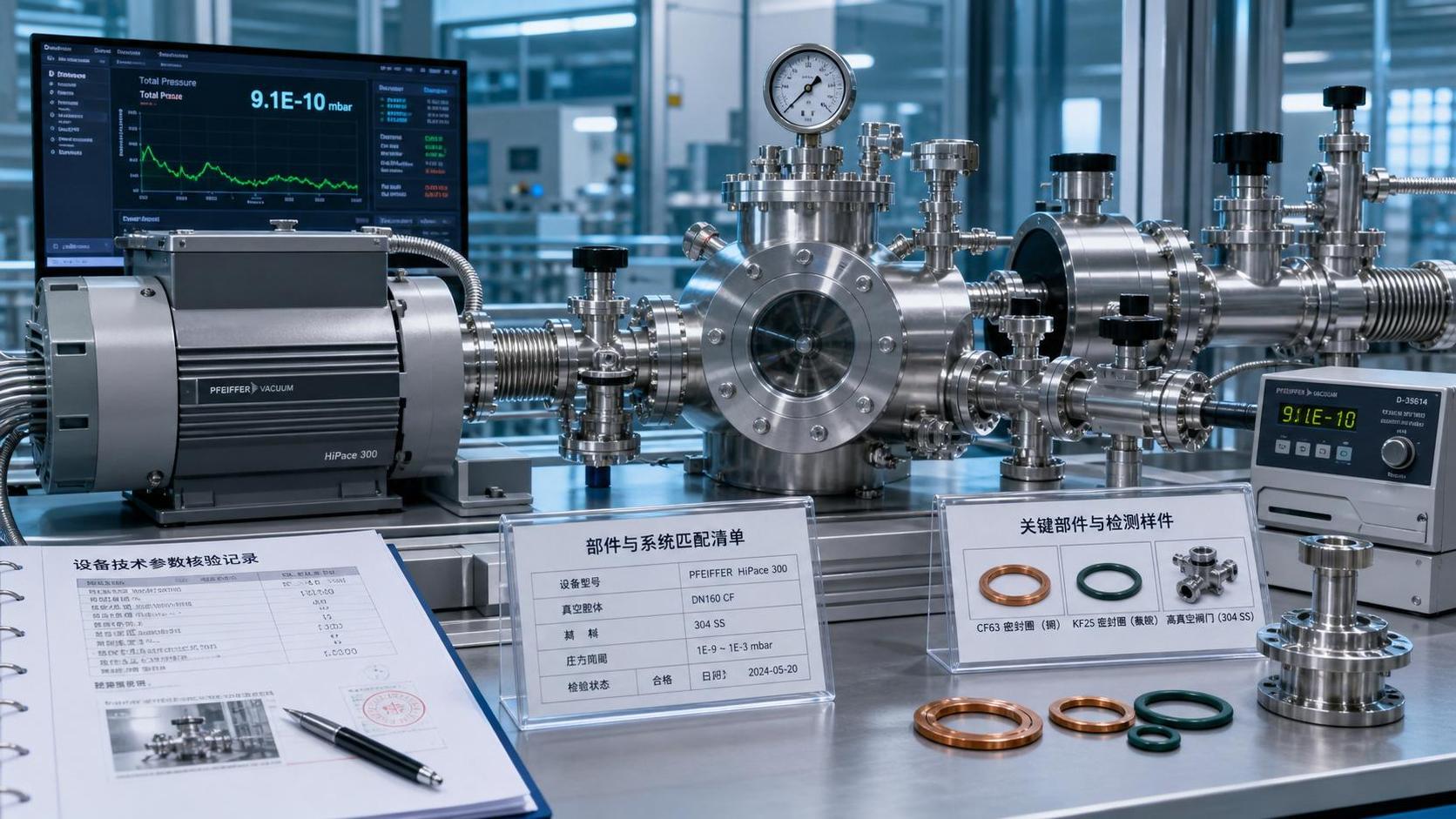
The requirement for Chinese exporters to provide energy efficiency test reports from CNAS-accredited laboratories makes document readiness a central operational issue. In practical terms, companies should verify whether existing reports, model references, and product-to-report matching are sufficient for current shipments and pending applications.
Separate policy language from shipment execution risk
Observably, the announcement concerns a 30-day review, but the business impact may differ depending on where goods are in the transaction cycle. Companies should distinguish between products already at port, goods not yet shipped, and orders still under negotiation, because the documentation and communication needs may not be the same in each case.
Prepare customer and partner communication around delivery and compliance
For exporters, importers, and service partners, this is also a communication issue. Customers may need timely updates on clearance status, expected delays, and document supplementation. The most practical focus is to align compliance paperwork, logistics status, and delivery expectations before delays turn into contract or relationship problems.
Why This Looks Like More Than a Routine Delay
Analysis shows that this development should not be read only as a short administrative interruption. The suspension is explicitly linked to energy efficiency compliance under QCVN 116:2025, which makes the review relevant to how market access and technical documentation are being applied in practice.
At the same time, it would be premature to describe this as a settled long-term market shift based solely on the current information. It is more appropriate to understand this as a near-term compliance signal with immediate operational consequences and with potential longer-term implications that still require observation.
What deserves closer attention is whether the current 30-day review remains a contained episode or becomes a reference point for stricter documentation expectations in future import handling.
How This News Is Best Understood for Now
At this stage, the most balanced reading is that Vietnam's temporary suspension of high vacuum pump import license processing is a concrete compliance event with immediate effects on clearance and documentation, especially for shipments tied to the Vietnamese market and for Chinese exporters asked to provide CNAS-based test reports.
From an industry perspective, this is best understood as a short-term regulatory action that carries wider practical significance. The facts already point to disruption in port clearance and added document requirements, while the longer-term meaning will depend on how the review is concluded and how consistently the compliance standard is enforced afterward.
Basis of This Article and What Still Needs Verification
This article is based on the user-provided news title, event date, and event summary concerning Vietnam's 30-day suspension of high vacuum pump import license processing and the related energy efficiency compliance review.
For this type of development, relevant source categories would typically include official government notices, company announcements, industry association updates, authoritative media reporting, and standard-related documentation. However, a specific official source link was not provided in the input, so further verification remains necessary.
Follow-up attention should remain on any subsequent MOIT clarification, any change in document requirements tied to QCVN 116:2025, and any confirmation on whether customs delays at the named ports are eased or extended after the 30-day review period.
Ready when you are. Send us a message to get started.
Related News
- How does base pressure affect film purity in vacuum deposition?Author :Vacuum Process Fellow

- How to size vacuum process equipment for the required pump-down timeAuthor :Vacuum Process Fellow

- Which vacuum specification best protects semiconductor process yield?Author :Vacuum Process Fellow

- How Can Contamination Be Prevented in a Semiconductor Vacuum Chamber?Author :Vacuum Process Fellow

- Which Vacuum Pump Specifications Matter Most for Semiconductor Processes?Author :Vacuum Process Fellow

- How to find leaks in vacuum pump systems before pump performance dropsAuthor :Vacuum Process Fellow

- How to size a Roots blower for vacuum process equipmentAuthor :Vacuum Process Fellow

- How vacuum level affects vacuum process efficiencyAuthor :Vacuum Process Fellow

- China Imposes Temporary Helium Export BanAuthor :Vacuum Process Fellow

- Semiconductor Vacuum Systems Factory Checklist for Process Stability and Cleanroom UseAuthor :Vacuum Process Fellow

- Vacuum Process Optimization Services: Signs Your Line Needs a Performance ReviewAuthor :Vacuum Process Fellow

- Vacuum Chambers for Cleanroom Use: Key Design Points That Prevent ContaminationAuthor :Vacuum Process Fellow

- Vacuum Distillation Systems: Key Performance Metrics That Affect Product PurityAuthor :Vacuum Process Fellow

- Vietnam Halts High Vacuum Pump Import Licenses for 30 DaysAuthor :Vacuum Process Fellow

- Vacuum Technology Database: What to Check Before Using Technical DataAuthor :Vacuum Process Fellow

- Dry Pump Vacuum System Design Mistakes That Raise DowntimeAuthor :Vacuum Process Fellow

- When Vacuum Systems Lose Performance: Common Causes and FixesAuthor :Vacuum Process Fellow
![]()
- EU Tightens EN 13445-3 Weld Testing for Vacuum VesselsAuthor :Vacuum Process Fellow
![]()
- EPA Cuts R-1234ze(E) Quota 35%, Tightening Vacuum Cooling SupplyAuthor :Vacuum Process Fellow
 Quota 35%, Tightening Vacuum Cooling Supply")
- ICA Warns of Tight Copper Alloy Supply for Vacuum PumpsAuthor :Vacuum Process Fellow

- Vacuum System Leak Detection: Signs, Tests, and FixesAuthor :Vacuum Process Fellow

- How to Compare Vacuum Systems Factory Capabilities for Stable Process UptimeAuthor :Vacuum Process Fellow

- Vacuum Pump Lead Times Extend to 26 WeeksAuthor :Vacuum Process Fellow

- Semiconductor Vacuum Systems Explained for Stable Process YieldAuthor :Vacuum Process Fellow

- Vacuum Process Efficiency: 7 Hidden Causes of Energy LossAuthor :Vacuum Process Fellow

- Vacuum Technology Solutions for Stable Low-Pressure ProductionAuthor :Vacuum Process Fellow

- Vacuum Processes: Common Efficiency Losses and FixesAuthor :Vacuum Process Fellow

- Common Vacuum Processes Problems and How to Prevent DowntimeAuthor :Vacuum Process Fellow

- Tantalum Spike Extends Vacuum Crucible Lead TimesAuthor :Vacuum Process Fellow

- Vacuum Process Efficiency: 5 Hidden Losses to Check FirstAuthor :Vacuum Process Fellow

- How Heat Transfer Design Impacts Vacuum Process EfficiencyAuthor :Vacuum Process Fellow

- EN 13445-4:2026 Takes Effect for High-Vacuum ComponentsAuthor :Vacuum Process Fellow

- EU Vacuum Components Face New EN 13445-4:2026 Leak Test RuleAuthor :Vacuum Process Fellow

- UBS: Fed Cut View May Ease Vacuum Pump Lead TimesAuthor :Vacuum Process Fellow

- Vacuum Processes: Common Causes of Unstable PerformanceAuthor :Vacuum Process Fellow
![]()
- SiC Certification Signals New Entry Path for Vacuum and Compressor DrivesAuthor :Vacuum Process Fellow
![]()