Vacuum Process Optimization Services: Signs Your Line Needs a Performance Review




Vacuum Process Optimization Services: Signs Your Line Needs a Performance Review
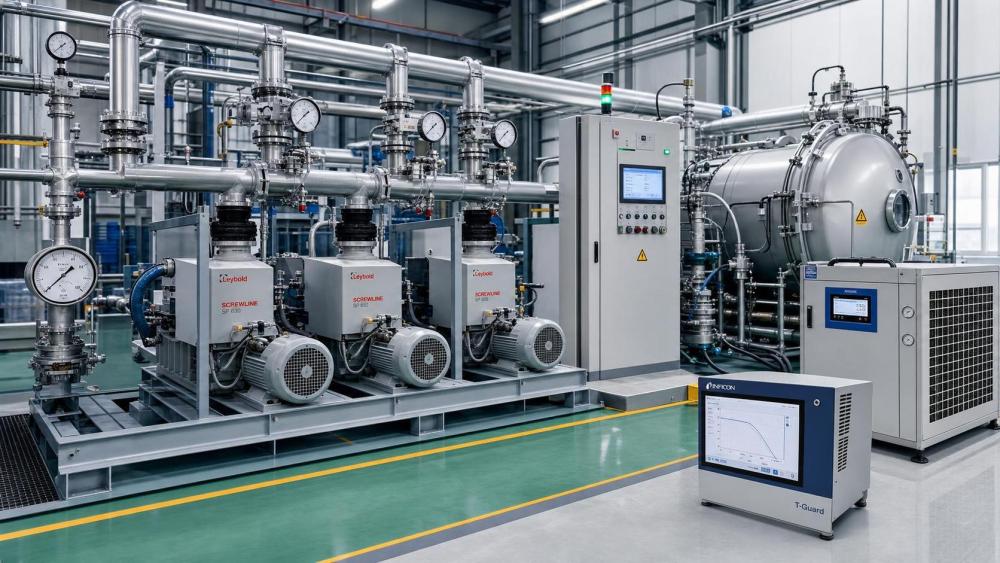
When vacuum instability, rising energy costs, or uneven quality begin to affect output, the issue is rarely isolated.
In many plants, those signals point to deeper performance drift across pumps, controls, piping, heat loads, and operating habits.
That is where vacuum process optimization services become commercially important, not just technically useful.
A formal review helps uncover hidden losses, reduce avoidable downtime, and reconnect system behavior with production targets.
For manufacturers under energy pressure and quality scrutiny, timing matters.
A delayed review often turns a manageable correction into a larger cost, especially when vacuum performance supports sensitive processes.
From recent operating patterns across multiple industries, the biggest risk is not dramatic failure.
It is gradual inefficiency that becomes normal inside the plant.
Why vacuum performance reviews matter now
Vacuum systems are tied to product integrity, throughput, energy use, maintenance frequency, and environmental control.
When one variable shifts, the impact can travel faster than teams expect.
This is especially true in packaging, chemical processing, electronics, food, pharmaceuticals, and engineered materials.
In those environments, vacuum process optimization services support both operational stability and margin protection.
They also provide a clearer basis for investment decisions.
Instead of reacting to symptoms, operators can prioritize root causes and choose upgrades with measurable payback.
In practice, that may involve pump right-sizing, leak elimination, control tuning, heat rejection improvements, or process sequencing changes.
Seven signs your line needs vacuum process optimization services
1. Vacuum levels fluctuate without a clear reason
Unstable vacuum is often the first warning sign.
If pressure readings drift between batches or shift during the same run, the system may be operating outside its intended envelope.
Possible causes include leaks, valve wear, poor control response, condensate buildup, or a mismatch between pump capacity and process load.
Vacuum process optimization services trace those interactions instead of treating instability as a single-component problem.
2. Energy costs keep rising, even when output is flat
A vacuum system can consume more power long before anyone sees a shutdown event.
Pumps may run harder because of leaks, clogged filters, excessive heat, poor staging, or outdated controls.
This also means utility spikes may reflect system drift, not just higher energy prices.
A review built around vacuum process optimization services can separate true demand from wasted consumption.
3. Product quality is becoming inconsistent
In vacuum-dependent production, quality problems rarely stay isolated to the quality department.
Incomplete drying, poor coating adhesion, trapped gas, contamination risk, seal defects, or uneven forming can all connect back to vacuum behavior.
When scrap, rework, or customer complaints rise, vacuum process optimization services can clarify whether the issue begins in the process backbone.
4. Maintenance is becoming more frequent and less predictable
Repeated service calls are often treated as a maintenance burden only.
But frequent seal replacement, oil issues, overheating, vibration, and contamination may reflect system design or operating imbalance.
The longer that pattern continues, the harder it becomes to distinguish cause from consequence.
That is another strong case for vacuum process optimization services.
5. Capacity expansions did not deliver expected throughput
A common surprise appears after adding equipment or extending shifts.
Production volume increases, but cycle time and stability do not improve as planned.
In many cases, the vacuum network was never reassessed for the new duty profile.
Vacuum process optimization services help verify whether your system still matches real plant demand.
6. Operators rely on workarounds to keep the line stable
Manual valve adjustments, frequent resets, unofficial timing changes, and informal startup tricks are important operational signals.
They show the line can still run, but not with enough process confidence.
Those workarounds often protect short-term output while hiding deeper instability.
A disciplined optimization review turns tribal knowledge into structured correction.
7. You lack clear performance data for decisions
Many teams know their vacuum system feels inefficient, yet they cannot quantify where value is being lost.
Without reliable baseline data, budget requests become harder to defend.
Vacuum process optimization services create that baseline through measurement, comparison, and performance mapping.
That makes decisions faster and far less subjective.
What a professional optimization review usually covers
The best reviews do more than inspect equipment condition.
They evaluate how the entire vacuum process behaves under real production conditions.
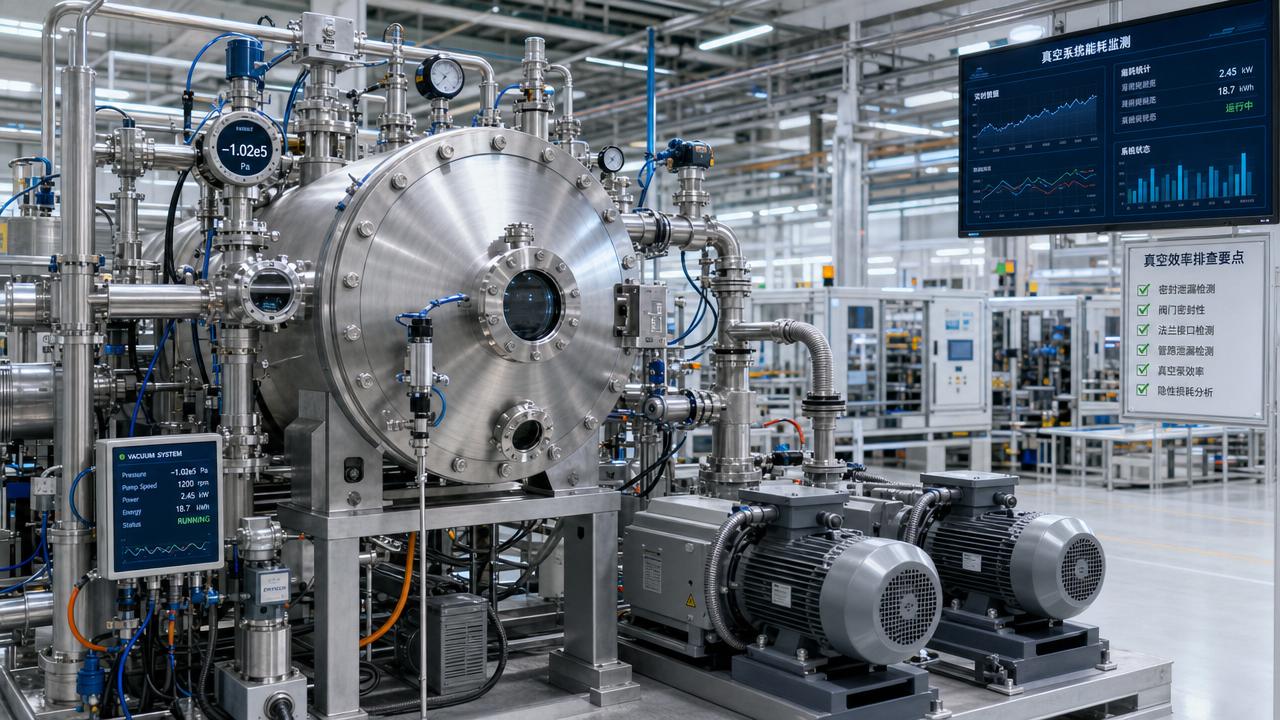
- Pump sizing and loading profile
- Leak rate, piping losses, and valve performance
- Temperature influence and heat rejection limits
- Control logic, sequencing, and response time
- Contamination risk and condensate management
- Batch variability and shift-to-shift operating differences
- Energy consumption against actual production value
This broader scope is why vacuum process optimization services often reveal savings that basic maintenance checks miss.
How optimization supports stronger business performance
The direct technical gains are important, but the business effects usually matter more.
A well-run vacuum system can improve several performance areas at once.
This is also where platforms such as GTC-Matrix add strategic context.
Performance reviews become more valuable when paired with market intelligence on energy costs, low-emission transitions, and process technology trends.
How to decide when to act
Not every issue requires a major redesign.
But several conditions should trigger a formal review soon.
- Energy intensity is rising faster than production value.
- Quality losses are becoming harder to explain.
- Maintenance teams are solving the same vacuum issues repeatedly.
- A process expansion changed line demand.
- Decision makers need evidence before approving upgrades.
When two or more of these signals appear together, vacuum process optimization services are usually justified.
A practical next step
The most effective response starts with a focused performance review, not assumptions.
Map current vacuum levels, energy use, downtime patterns, quality deviations, and operator interventions.
Then compare those findings against current production goals and future expansion plans.
That approach turns vacuum process optimization services into a decision tool, not just an engineering exercise.
At a time when industrial systems are expected to deliver both efficiency and resilience, that clarity has real value.
The earlier the review begins, the easier it is to recover performance before losses become embedded in daily operations.
Ready when you are. Send us a message to get started.
Related News
- How does base pressure affect film purity in vacuum deposition?Author :Vacuum Process Fellow

- How to size vacuum process equipment for the required pump-down timeAuthor :Vacuum Process Fellow

- Which vacuum specification best protects semiconductor process yield?Author :Vacuum Process Fellow

- How Can Contamination Be Prevented in a Semiconductor Vacuum Chamber?Author :Vacuum Process Fellow

- Which Vacuum Pump Specifications Matter Most for Semiconductor Processes?Author :Vacuum Process Fellow

- How to find leaks in vacuum pump systems before pump performance dropsAuthor :Vacuum Process Fellow

- How to size a Roots blower for vacuum process equipmentAuthor :Vacuum Process Fellow

- How vacuum level affects vacuum process efficiencyAuthor :Vacuum Process Fellow

- China Imposes Temporary Helium Export BanAuthor :Vacuum Process Fellow

- Semiconductor Vacuum Systems Factory Checklist for Process Stability and Cleanroom UseAuthor :Vacuum Process Fellow

- Vacuum Process Optimization Services: Signs Your Line Needs a Performance ReviewAuthor :Vacuum Process Fellow

- Vacuum Chambers for Cleanroom Use: Key Design Points That Prevent ContaminationAuthor :Vacuum Process Fellow

- Vacuum Distillation Systems: Key Performance Metrics That Affect Product PurityAuthor :Vacuum Process Fellow

- Vietnam Halts High Vacuum Pump Import Licenses for 30 DaysAuthor :Vacuum Process Fellow

- Vacuum Technology Database: What to Check Before Using Technical DataAuthor :Vacuum Process Fellow

- Dry Pump Vacuum System Design Mistakes That Raise DowntimeAuthor :Vacuum Process Fellow

- When Vacuum Systems Lose Performance: Common Causes and FixesAuthor :Vacuum Process Fellow
![]()
- EU Tightens EN 13445-3 Weld Testing for Vacuum VesselsAuthor :Vacuum Process Fellow
![]()
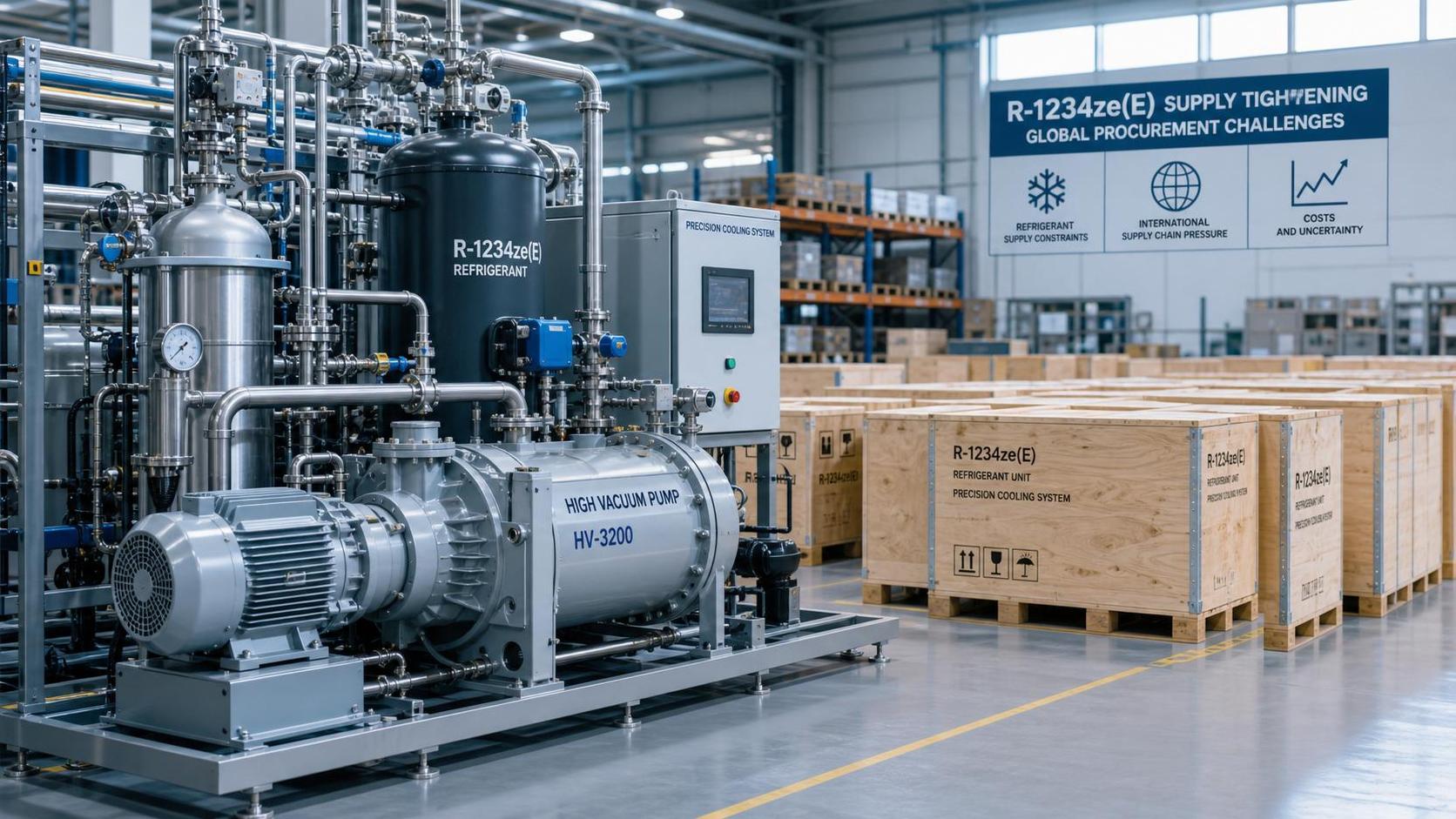
- EPA Cuts R-1234ze(E) Quota 35%, Tightening Vacuum Cooling SupplyAuthor :Vacuum Process Fellow
 Quota 35%, Tightening Vacuum Cooling Supply")
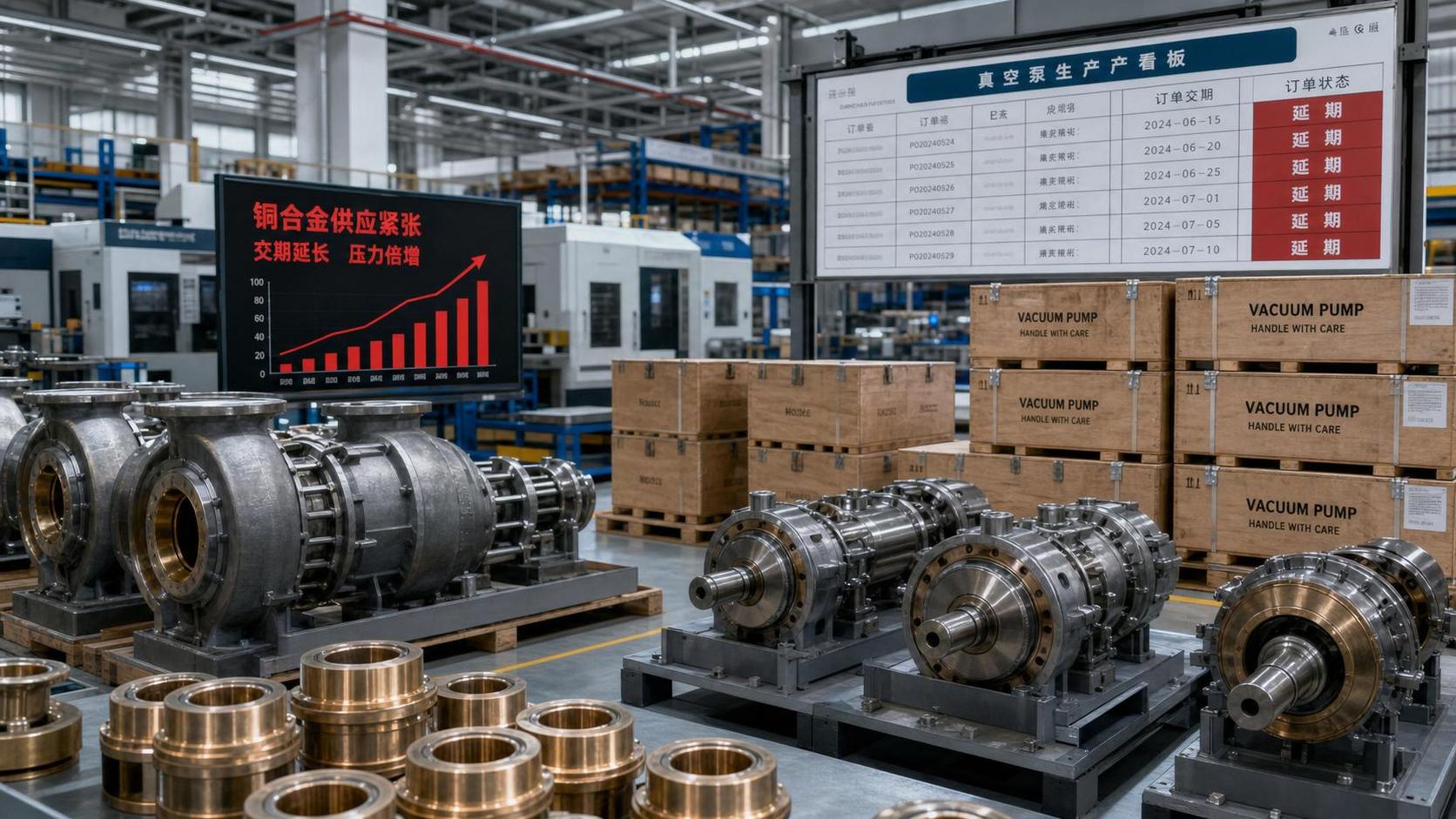
- ICA Warns of Tight Copper Alloy Supply for Vacuum PumpsAuthor :Vacuum Process Fellow

- Vacuum System Leak Detection: Signs, Tests, and FixesAuthor :Vacuum Process Fellow

- How to Compare Vacuum Systems Factory Capabilities for Stable Process UptimeAuthor :Vacuum Process Fellow

- Vacuum Pump Lead Times Extend to 26 WeeksAuthor :Vacuum Process Fellow

- Semiconductor Vacuum Systems Explained for Stable Process YieldAuthor :Vacuum Process Fellow

- Vacuum Process Efficiency: 7 Hidden Causes of Energy LossAuthor :Vacuum Process Fellow

- Vacuum Technology Solutions for Stable Low-Pressure ProductionAuthor :Vacuum Process Fellow

- Vacuum Processes: Common Efficiency Losses and FixesAuthor :Vacuum Process Fellow

- Common Vacuum Processes Problems and How to Prevent DowntimeAuthor :Vacuum Process Fellow

- Tantalum Spike Extends Vacuum Crucible Lead TimesAuthor :Vacuum Process Fellow

- Vacuum Process Efficiency: 5 Hidden Losses to Check FirstAuthor :Vacuum Process Fellow

- How Heat Transfer Design Impacts Vacuum Process EfficiencyAuthor :Vacuum Process Fellow

- EN 13445-4:2026 Takes Effect for High-Vacuum ComponentsAuthor :Vacuum Process Fellow

- EU Vacuum Components Face New EN 13445-4:2026 Leak Test RuleAuthor :Vacuum Process Fellow

- UBS: Fed Cut View May Ease Vacuum Pump Lead TimesAuthor :Vacuum Process Fellow

- Vacuum Processes: Common Causes of Unstable PerformanceAuthor :Vacuum Process Fellow
![]()
- SiC Certification Signals New Entry Path for Vacuum and Compressor DrivesAuthor :Vacuum Process Fellow
![]()