Vacuum System Leak Detection: Signs, Tests, and Fixes




Vacuum System Leak Detection: Signs, Tests, and Fixes
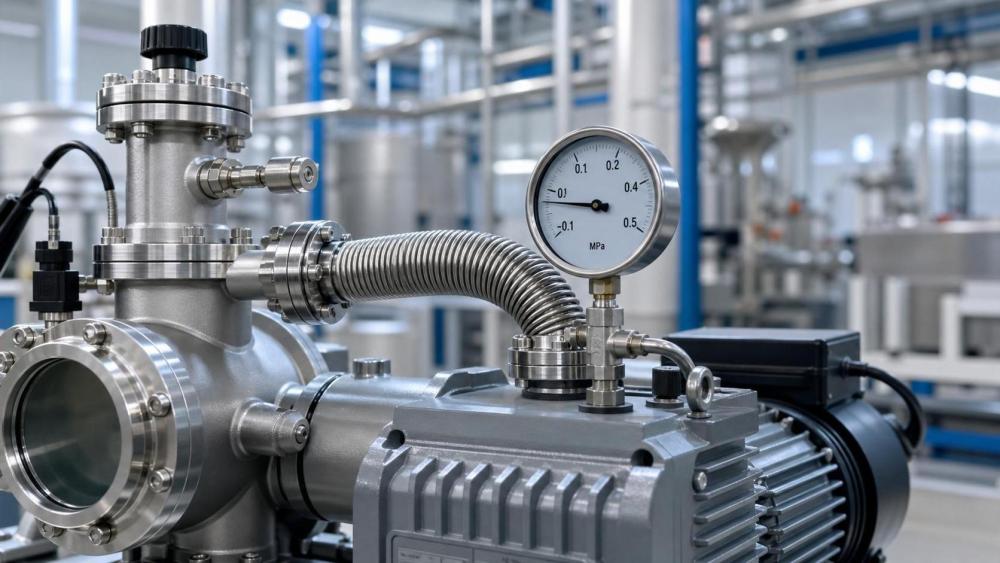
Vacuum system leak detection is a critical skill for protecting uptime, process stability, and energy efficiency.
Small leaks often start quietly. Then they grow into unstable pressure, slow cycles, contamination, and avoidable service calls.
In practical service work, fast diagnosis matters as much as technical accuracy.
This guide breaks vacuum system leak detection into clear warning signs, reliable test methods, and field-ready fixes.
It also reflects the broader operating reality tracked by GTC-Matrix, where energy cost pressure makes leak control more important than ever.
Why Vacuum Leaks Matter More Than They First Appear
A leak is not only a sealing problem. It is usually a performance problem, a quality problem, and an operating cost problem at the same time.
When air enters the system unexpectedly, pumps work longer to maintain target vacuum levels.
That extra runtime increases power consumption, heat load, and wear on seals, valves, and bearings.
In food, pharmaceutical, and semiconductor processes, leakage can also introduce moisture, particles, or oxygen.
That means vacuum system leak detection supports both maintenance goals and process risk control.
From a service standpoint, finding the real leak source early prevents repeated callbacks and unnecessary part replacement.
Common Signs That Point to a Vacuum Leak
Some leak symptoms are obvious. Others look like pump failure, control instability, or poor process settings.
That is why vacuum system leak detection starts with symptom recognition, not with tools.
Pressure Will Not Reach Setpoint
One of the clearest signs is failure to pull down to the expected vacuum level.
If the pump runs normally but pressure stalls, external air entry is a likely cause.
Vacuum Drops Too Fast After Isolation
A stable system should hold vacuum for a predictable period after isolation.
If pressure rises quickly, leak-back is likely happening through fittings, valves, gaskets, or chamber doors.
Cycle Times Get Longer
When vacuum generation takes longer than baseline, leakage should be on the checklist.
This is especially useful in packaging, pick-and-place, and drying systems.
Pump Temperature or Power Use Increases
A leak forces the pump to compensate constantly. That often raises motor load and heat generation.
Over time, this can shorten maintenance intervals and reduce equipment life.
Noise, Hissing, or Process Inconsistency
More obvious leaks may produce a faint hissing sound around joints or flexible lines.
In other cases, the stronger signal is inconsistent product quality or unstable vacuum-assisted motion.
Where Leaks Usually Happen
Before testing, it helps to know the most common failure points.
Vacuum system leak detection becomes much faster when inspection follows the most probable path.
- Flange gaskets that have hardened, flattened, or shifted.
- Threaded fittings with poor sealant or loosened vibration points.
- Door seals, lid seals, and access panel O-rings.
- Flexible hoses with cracks, abrasion, or hidden collapse damage.
- Valve stems, solenoid bodies, and check valve seats.
- Instrument ports, vacuum switches, and gauge connections.
- Pump shaft seals and oil sight glass areas.
Recent operating changes can also point the way.
If the issue started after service, focus first on recently opened joints and replaced components.
Practical Vacuum System Leak Detection Methods
The right method depends on system size, leak rate, contamination risk, and available shutdown time.
In most field cases, combining two methods gives a faster answer than relying on one test alone.
1. Visual and Physical Inspection
Start simple. Look for damaged seals, loose clamps, oil traces, corrosion, and hose wear.
Touch can help too. A brittle hose or flattened gasket often tells the story quickly.
2. Vacuum Decay Test
This is one of the most useful vacuum system leak detection methods for routine service.
Pull the system down, isolate it, and record pressure rise over time.
Compare the result against known baseline values or manufacturer limits.
3. Soap Solution or Bubble Test
For accessible low-vacuum sections, a bubble test can work well.
Apply solution around suspected joints and watch for movement caused by leakage.
Use this carefully. It is not suitable for all clean or sensitive processes.
4. Ultrasonic Leak Testing
Ultrasonic tools can detect the sound signature of gas movement through small openings.
They are especially helpful in noisy plants where a leak cannot be heard directly.
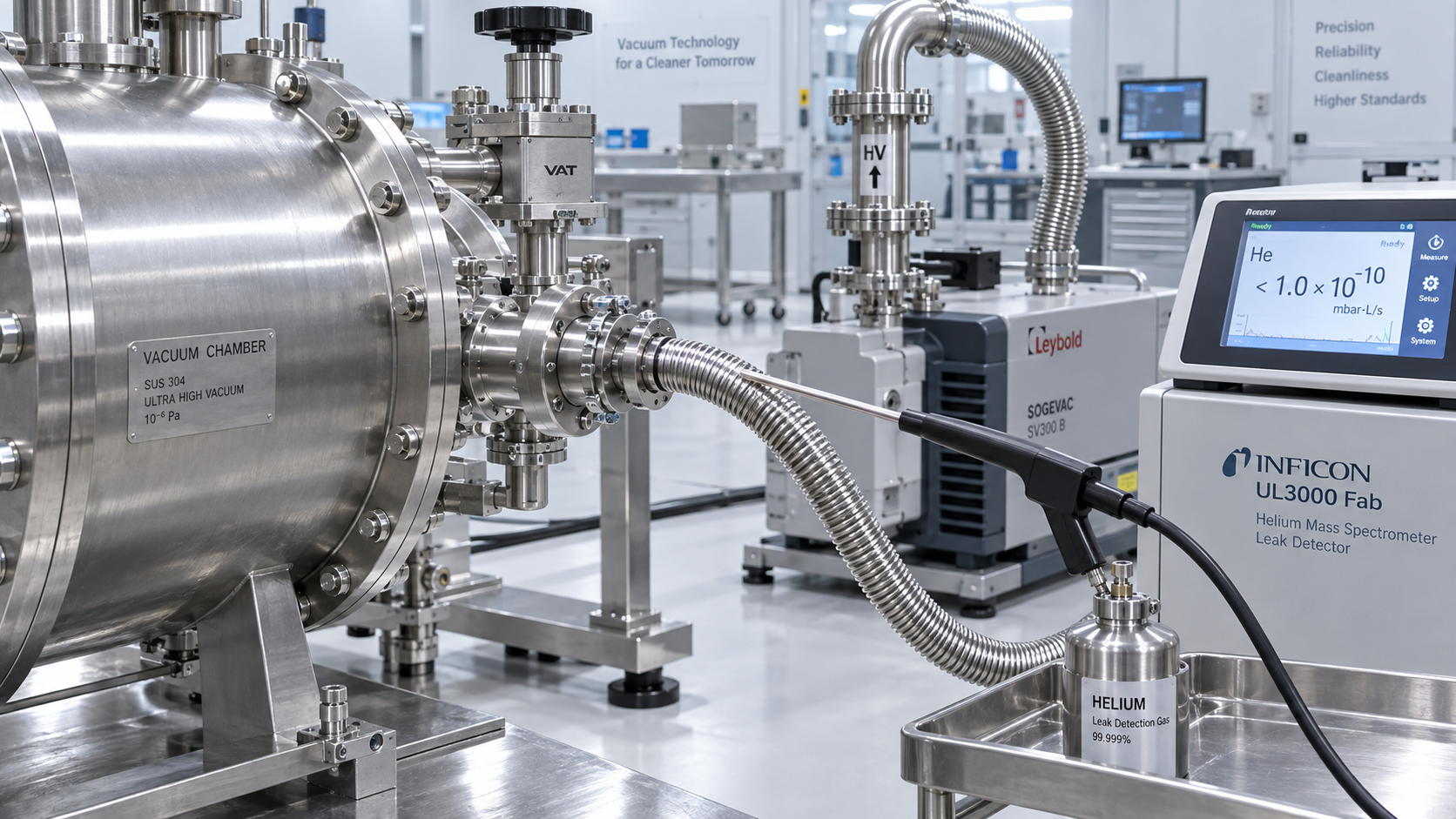
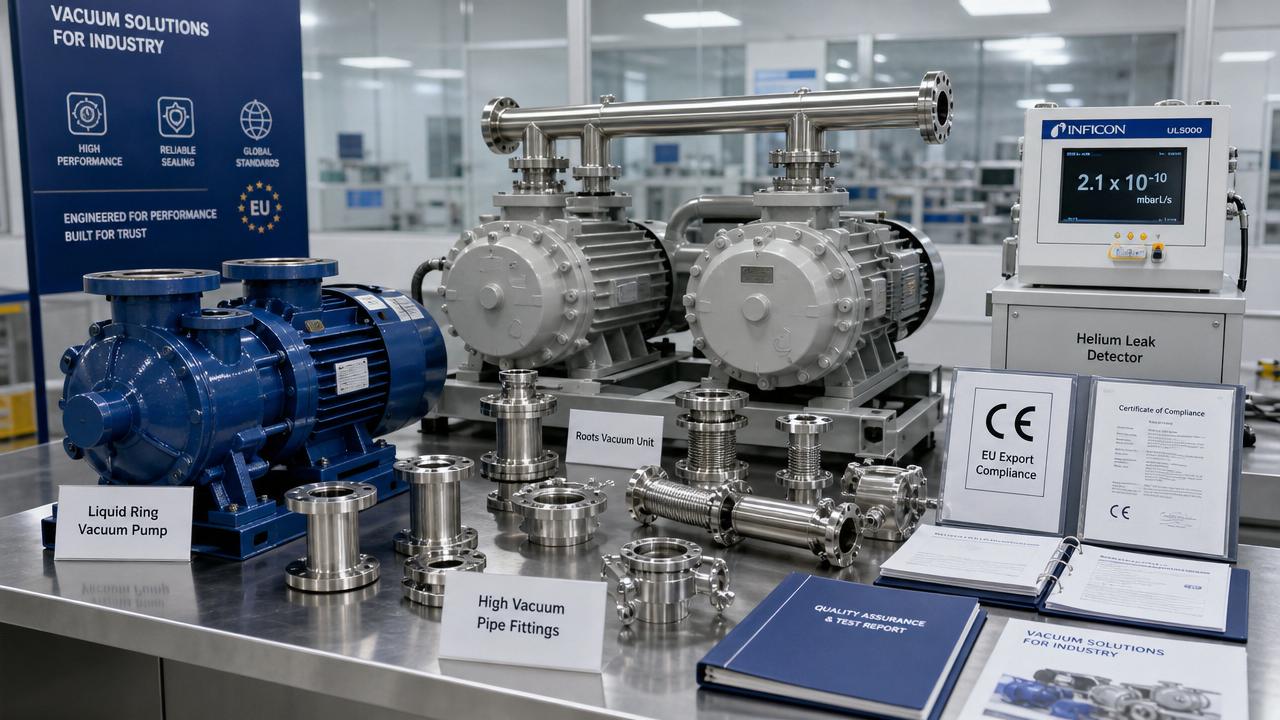
5. Helium Leak Testing
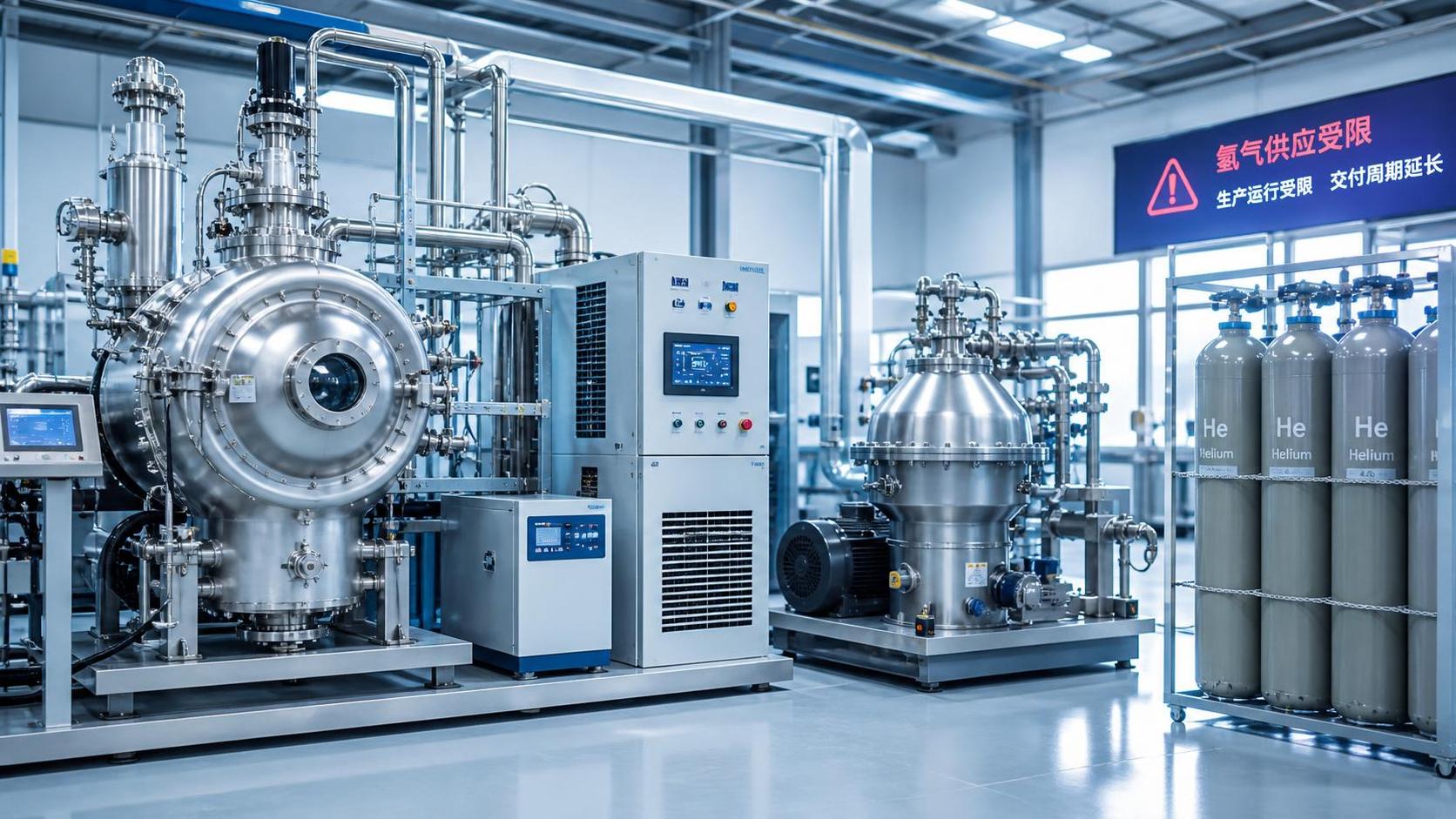
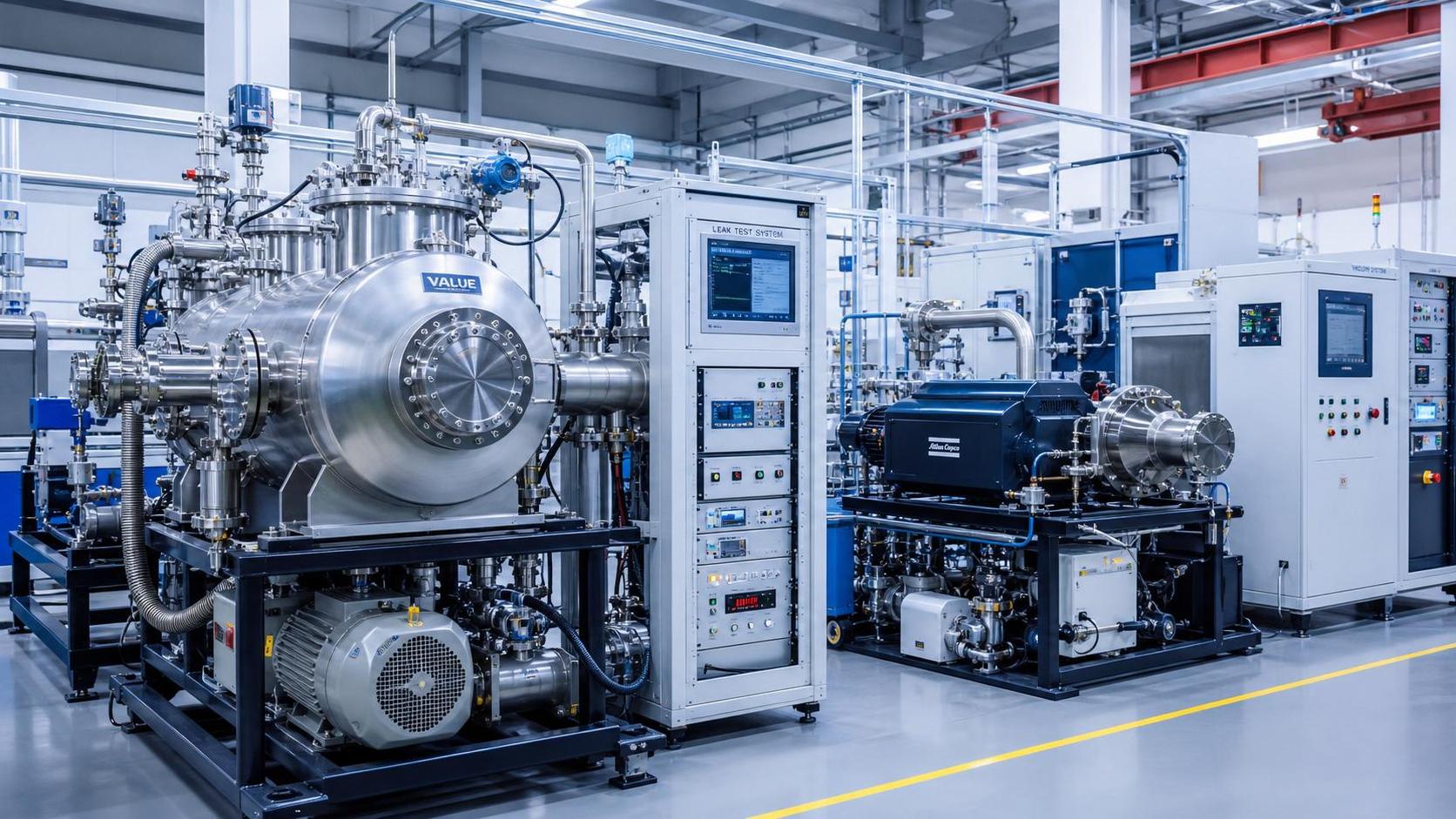
For high-precision vacuum system leak detection, helium remains the preferred method.
It is highly sensitive and ideal for critical systems with strict leakage limits.
It does require proper equipment, stable test conditions, and trained handling.
How to Diagnose Faster in the Field
A structured routine reduces missed leak points and repeat visits.
- Confirm the symptom with pressure data, cycle time, and operator feedback.
- Separate pump issues from system leaks by isolating major sections.
- Inspect recent service points first, then move toward older connections.
- Use a decay test to confirm leak presence before deeper localization.
- Choose helium or ultrasonic tools if the leak remains hidden.
- Document the leak point, fix applied, and final hold result.
This approach keeps vacuum system leak detection efficient and repeatable across different equipment types.
It also creates cleaner service records for future troubleshooting.
Best Fixes for Different Leak Sources
The best repair depends on why the leak formed in the first place.
A quick tighten may solve one issue, while another needs seal material review or component replacement.
After the fix, repeat vacuum system leak detection checks to confirm the leak rate is back within target.
Do not close the job based only on improved sound or faster pull-down.
How to Prevent Vacuum Leaks from Returning
Good leak prevention is usually more economical than repeated emergency repair.
This is becoming more relevant as plants push harder for efficiency and process consistency.
- Track baseline vacuum decay after commissioning or major overhaul.
- Replace seals by condition and cycle history, not only after failure.
- Use the correct gasket material for temperature, chemistry, and vacuum level.
- Prevent hose strain with proper routing and support.
- Check torque patterns on covers, flanges, and service-access points.
- Add leak checks to planned maintenance during shutdown windows.
GTC-Matrix continues to track how maintenance discipline affects energy efficiency across cooling, compression, and vacuum operations.
That broader trend supports a simple conclusion: leak control is now part of performance management.
Final Takeaway
Effective vacuum system leak detection starts with the right signals, then moves into disciplined testing and verified repair.
When pressure loss, long cycle times, or rising power use appear together, treat leakage as a serious possibility early.
Use the simplest test that fits the application, confirm the leak source, and verify the result after repair.
That practical routine keeps systems stable, reduces operating waste, and restores dependable vacuum performance with fewer return visits.
Related News
- How Can Contamination Be Prevented in a Semiconductor Vacuum Chamber?Author :Vacuum Process Fellow

- Which Vacuum Pump Specifications Matter Most for Semiconductor Processes?Author :Vacuum Process Fellow

- How to find leaks in vacuum pump systems before pump performance dropsAuthor :Vacuum Process Fellow

- How to size a Roots blower for vacuum process equipmentAuthor :Vacuum Process Fellow

- How vacuum level affects vacuum process efficiencyAuthor :Vacuum Process Fellow

- China Imposes Temporary Helium Export BanAuthor :Vacuum Process Fellow

- Semiconductor Vacuum Systems Factory Checklist for Process Stability and Cleanroom UseAuthor :Vacuum Process Fellow

- Vacuum Process Optimization Services: Signs Your Line Needs a Performance ReviewAuthor :Vacuum Process Fellow

- Vacuum Chambers for Cleanroom Use: Key Design Points That Prevent ContaminationAuthor :Vacuum Process Fellow

- Vacuum Distillation Systems: Key Performance Metrics That Affect Product PurityAuthor :Vacuum Process Fellow

- Vietnam Halts High Vacuum Pump Import Licenses for 30 DaysAuthor :Vacuum Process Fellow

- Vacuum Technology Database: What to Check Before Using Technical DataAuthor :Vacuum Process Fellow

- Dry Pump Vacuum System Design Mistakes That Raise DowntimeAuthor :Vacuum Process Fellow

- When Vacuum Systems Lose Performance: Common Causes and FixesAuthor :Vacuum Process Fellow
![]()
- EU Tightens EN 13445-3 Weld Testing for Vacuum VesselsAuthor :Vacuum Process Fellow
![]()
- EPA Cuts R-1234ze(E) Quota 35%, Tightening Vacuum Cooling SupplyAuthor :Vacuum Process Fellow
 Quota 35%, Tightening Vacuum Cooling Supply")
- ICA Warns of Tight Copper Alloy Supply for Vacuum PumpsAuthor :Vacuum Process Fellow

- Vacuum System Leak Detection: Signs, Tests, and FixesAuthor :Vacuum Process Fellow

- How to Compare Vacuum Systems Factory Capabilities for Stable Process UptimeAuthor :Vacuum Process Fellow

- Vacuum Pump Lead Times Extend to 26 WeeksAuthor :Vacuum Process Fellow

- Semiconductor Vacuum Systems Explained for Stable Process YieldAuthor :Vacuum Process Fellow

- Vacuum Process Efficiency: 7 Hidden Causes of Energy LossAuthor :Vacuum Process Fellow

- Vacuum Technology Solutions for Stable Low-Pressure ProductionAuthor :Vacuum Process Fellow

- Vacuum Processes: Common Efficiency Losses and FixesAuthor :Vacuum Process Fellow

- Common Vacuum Processes Problems and How to Prevent DowntimeAuthor :Vacuum Process Fellow

- Tantalum Spike Extends Vacuum Crucible Lead TimesAuthor :Vacuum Process Fellow

- Vacuum Process Efficiency: 5 Hidden Losses to Check FirstAuthor :Vacuum Process Fellow

- How Heat Transfer Design Impacts Vacuum Process EfficiencyAuthor :Vacuum Process Fellow

- EN 13445-4:2026 Takes Effect for High-Vacuum ComponentsAuthor :Vacuum Process Fellow

- EU Vacuum Components Face New EN 13445-4:2026 Leak Test RuleAuthor :Vacuum Process Fellow

- UBS: Fed Cut View May Ease Vacuum Pump Lead TimesAuthor :Vacuum Process Fellow

- Vacuum Processes: Common Causes of Unstable PerformanceAuthor :Vacuum Process Fellow
![]()
- SiC Certification Signals New Entry Path for Vacuum and Compressor DrivesAuthor :Vacuum Process Fellow
![]()
- How to Choose the Right Vacuum System for Process StabilityAuthor :Vacuum Process Fellow

- Vacuum Technology Selection: What Matters Most for Stable Process PerformanceAuthor :Vacuum Process Fellow

- Vacuum Processes: How to Reduce Contamination and Improve Cycle ConsistencyAuthor :Vacuum Process Fellow