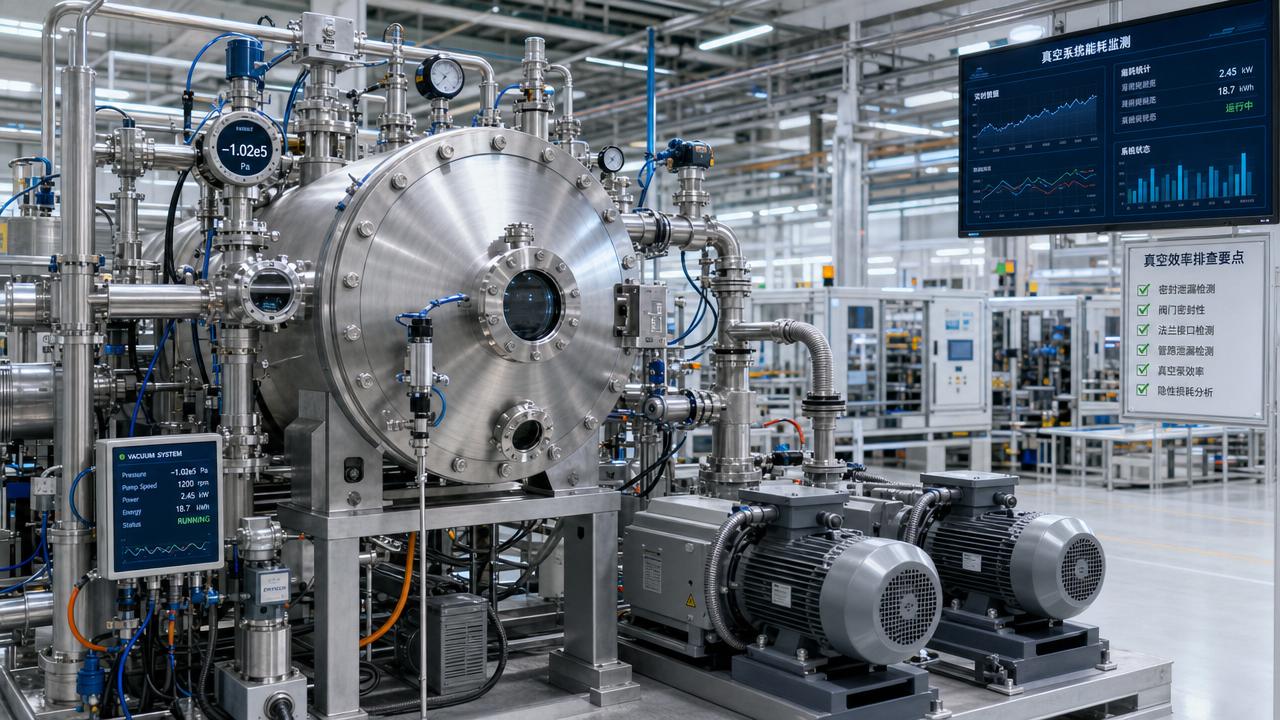
How to Compare Vacuum Systems Factory Capabilities for Stable Process Uptime




Comparing a vacuum systems factory is less about price sheets and more about process resilience. In sectors where coating, drying, packaging, degassing, clean transfer, or thermal treatment depend on stable vacuum conditions, weak factory capability usually appears later as downtime, contamination, rework, or slow service response.
That is why factory evaluation should move beyond catalog claims. A credible comparison looks at engineering depth, manufacturing discipline, test evidence, lifecycle support, and how well a supplier understands the thermodynamic realities behind real production lines.
For platforms such as GTC-Matrix, where industrial cooling, compressed air, vacuum processes, and heat exchange are analyzed together, this broader view matters. Vacuum performance is rarely isolated. It is tied to heat load, energy efficiency, purity, control stability, and long-term operating economics.
What factory capability really means
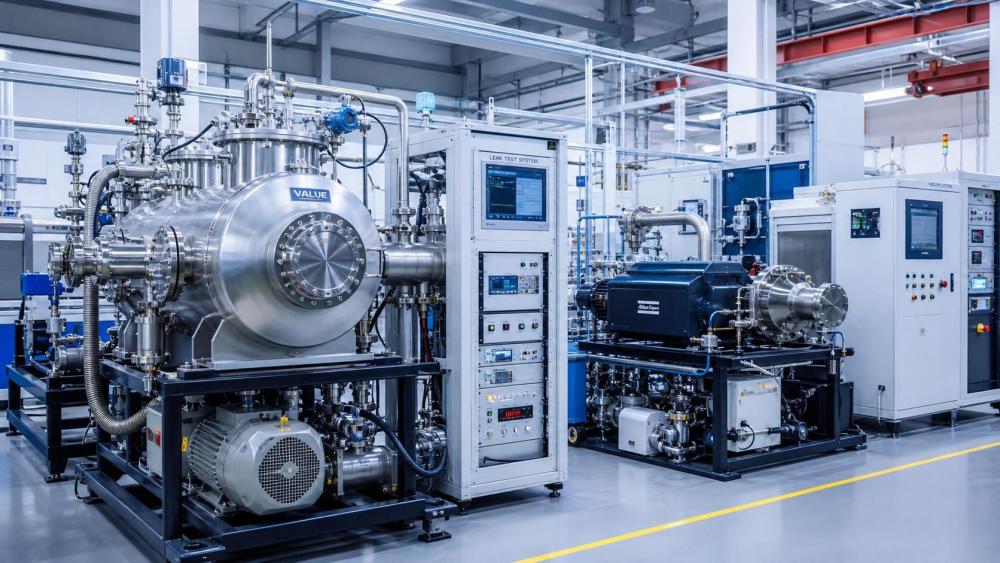
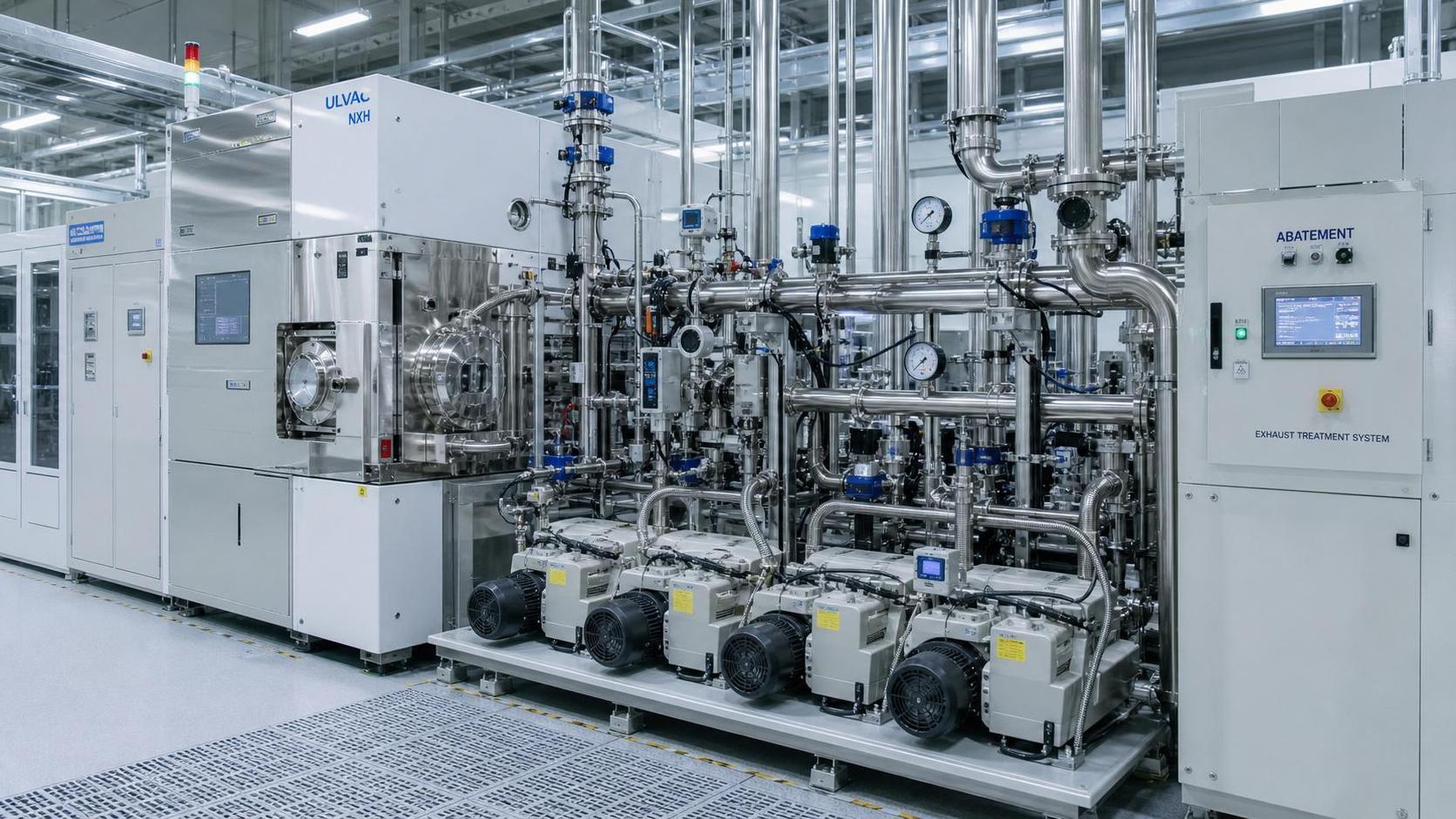
A strong vacuum systems factory does more than assemble pumps, chambers, piping, and controls. It should be able to convert process requirements into a reliable system architecture with predictable performance under changing plant conditions.
In practical terms, factory capability includes design competence, component sourcing control, fabrication quality, leak-tight assembly, instrumentation accuracy, documentation discipline, and field support readiness.
This matters because vacuum systems are sensitive to small errors. A mismatch in conductance, seal material, condensable load handling, or pump-down logic can shift a line from stable output to recurring stoppages.
Why stable process uptime is now a sharper concern
Across semiconductor, pharmaceutical, food, chemical, and advanced manufacturing environments, uptime has become more expensive to lose. Production runs are tighter, quality windows are narrower, and contamination tolerance is lower.
Energy cost volatility also changes the evaluation logic. An efficient vacuum systems factory should show how system design reduces wasted power, cooling demand, purge gas use, and maintenance frequency.
Another issue is decarbonization pressure. As industrial sites track efficiency and emissions more closely, vacuum equipment is no longer judged only by initial throughput. It is judged by lifecycle impact and integration with broader thermal and utility systems.
This is where intelligence-led comparison helps. GTC-Matrix often frames vacuum evaluation in the same context as oil-free compression, heat exchange optimization, and high-purity process infrastructure, because plant reliability is usually systemic, not local.
The first comparison point is engineering fit
Not every vacuum systems factory is built for the same duty. Some are strong in general industrial utility vacuum. Others specialize in clean process vacuum, corrosive gas service, high-temperature applications, or integrated skids for precise batch control.
The key question is whether the factory can translate process data into design choices that make sense. That includes target pressure range, gas composition, vapor load, particulate exposure, cycle frequency, ambient conditions, and redundancy requirements.
A capable supplier should discuss more than pump size. It should explain conductance losses, chamber behavior, evacuation curve expectations, condensable handling, contamination control strategy, and how the control sequence protects uptime.
If the discussion stays at brochure level, the risk is usually hidden in commissioning. Stable uptime starts with technical fit, not with the broadest product range.
Signals of strong engineering support
- Process questionnaires that ask for gas load, duty cycle, contamination risk, and utility constraints.
- Pump-down calculations or simulation-based sizing, not only nominal pump speed claims.
- Material recommendations linked to corrosion, cleanability, or temperature exposure.
- Clear logic for backup pumps, isolation valves, bypass paths, and alarm handling.
Manufacturing quality shows up in repeatability
A vacuum systems factory may present an excellent design team, yet still fail in execution. Uptime depends on how consistently the factory fabricates, assembles, verifies, and documents every system.
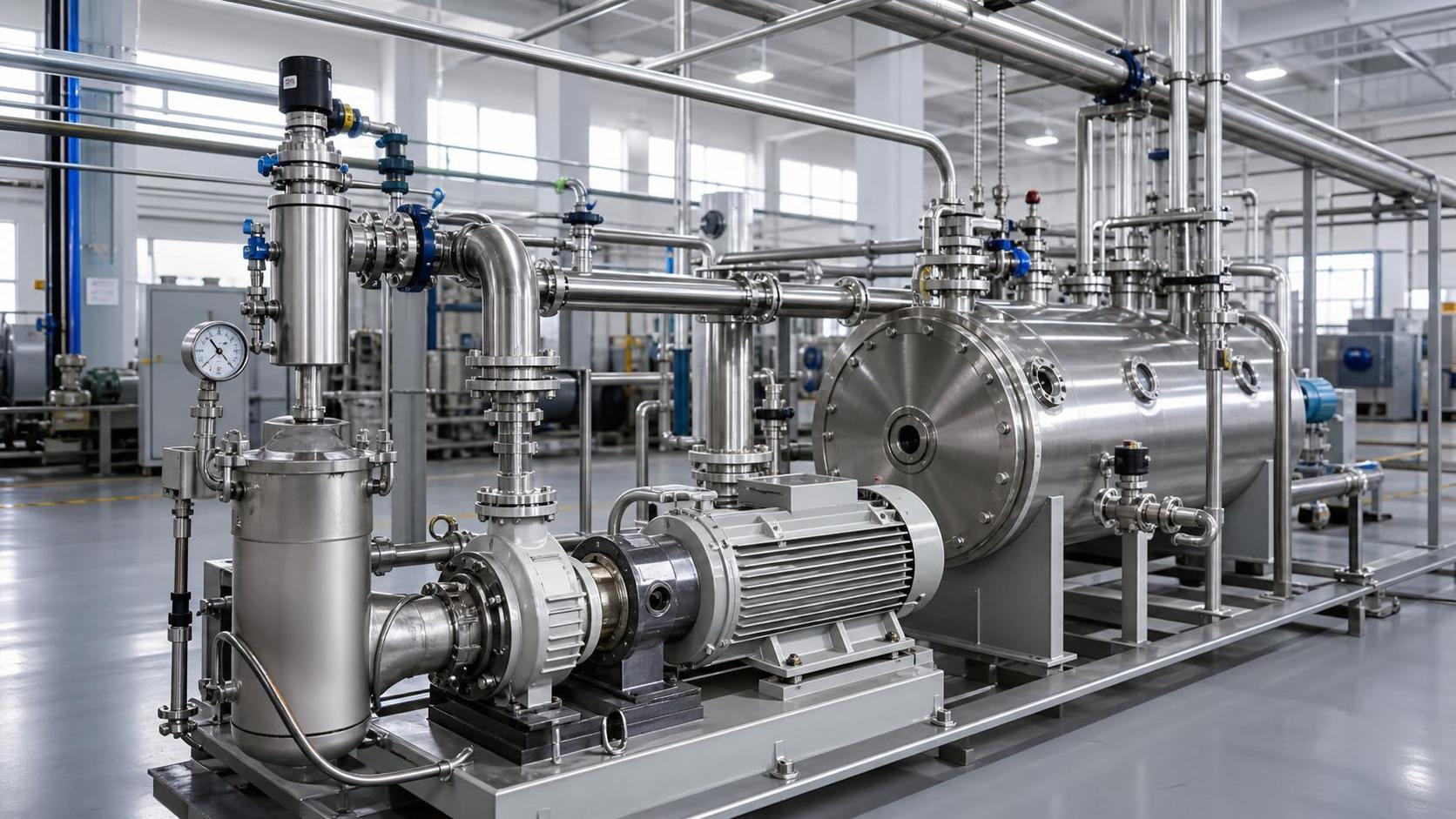
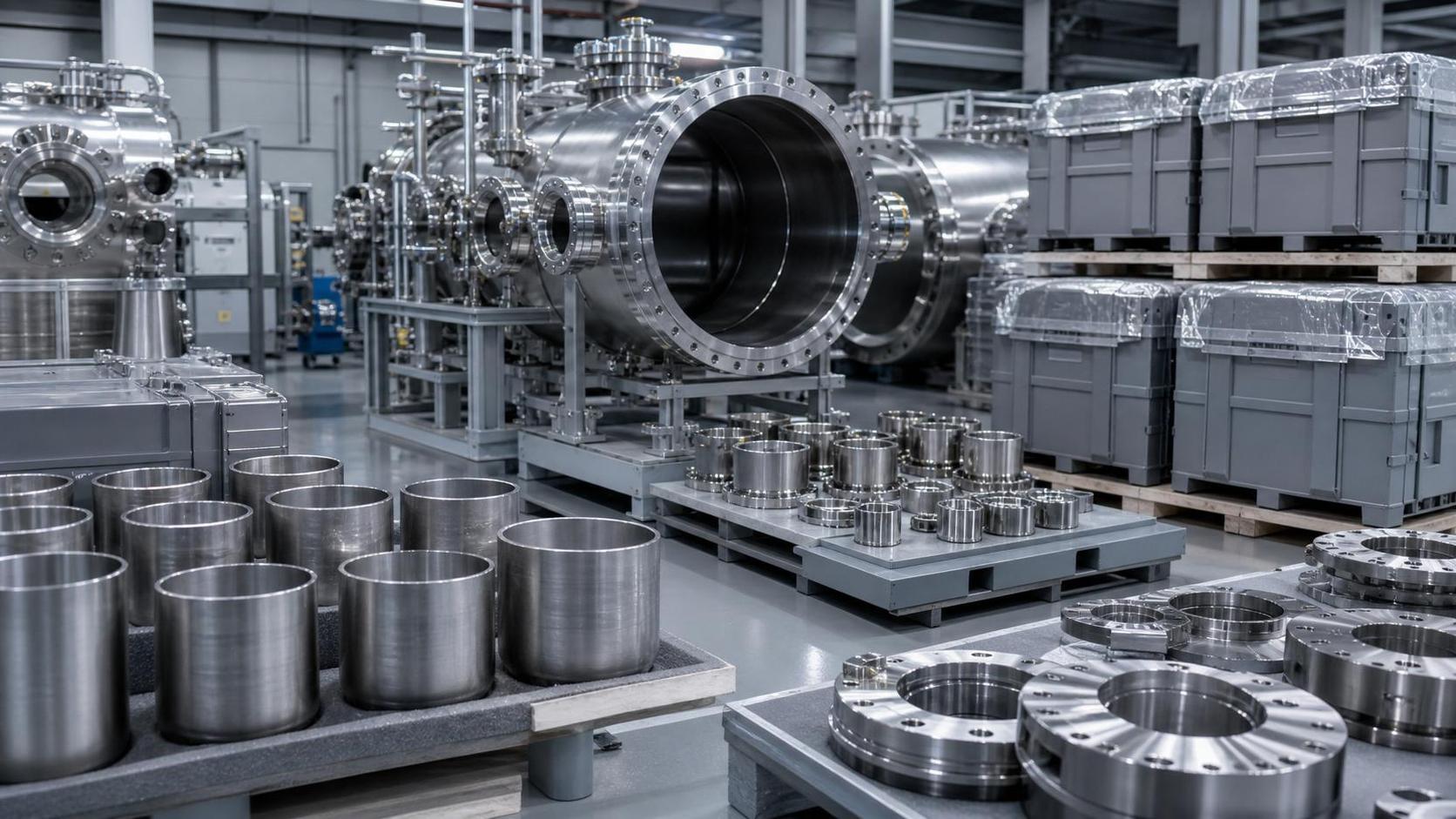
Weld quality, cleaning standards, seal installation, tubing routing, instrument calibration, and panel wiring are not cosmetic details. In vacuum service, these directly affect leakage, contamination, troubleshooting time, and startup stability.
It is worth asking how much production is standardized and how much depends on individual technician skill. Stable factories usually have controlled work instructions, traceable inspection points, and documented nonconformance handling.
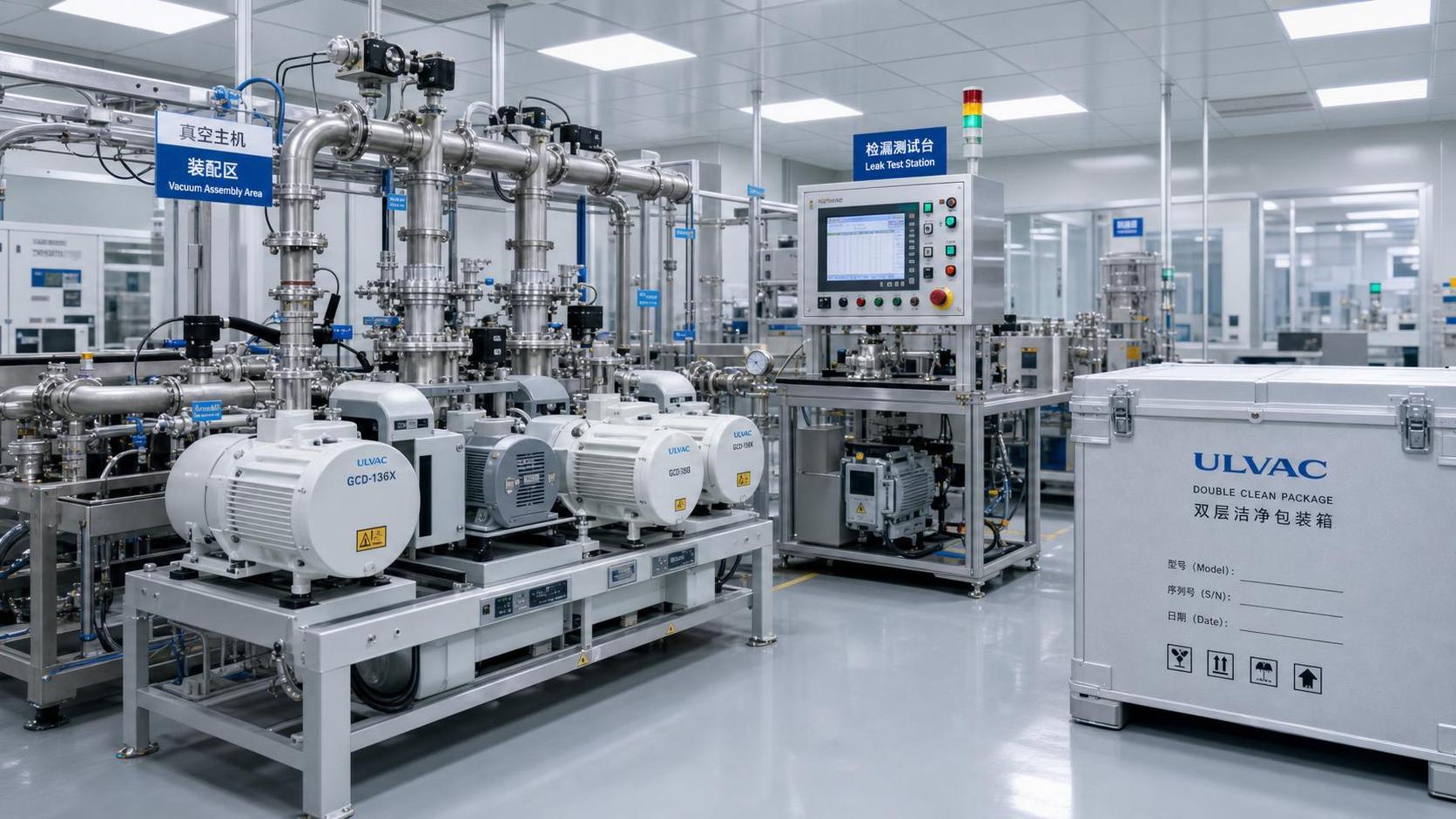
What to verify on the factory floor
Testing standards separate claims from evidence
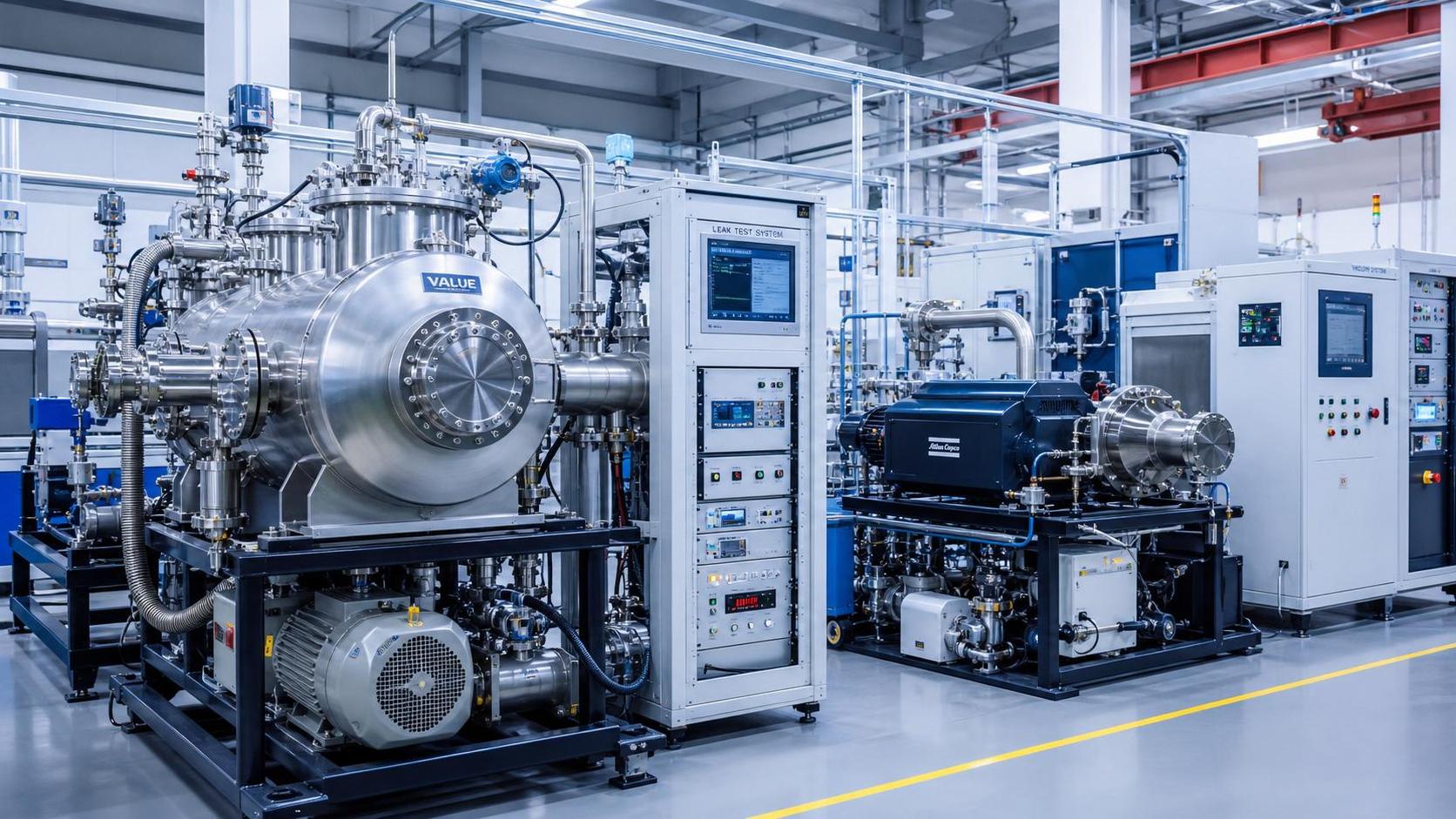
One of the best ways to compare a vacuum systems factory is to examine how it tests complete systems before shipment. Factory acceptance should not be limited to power-on confirmation.
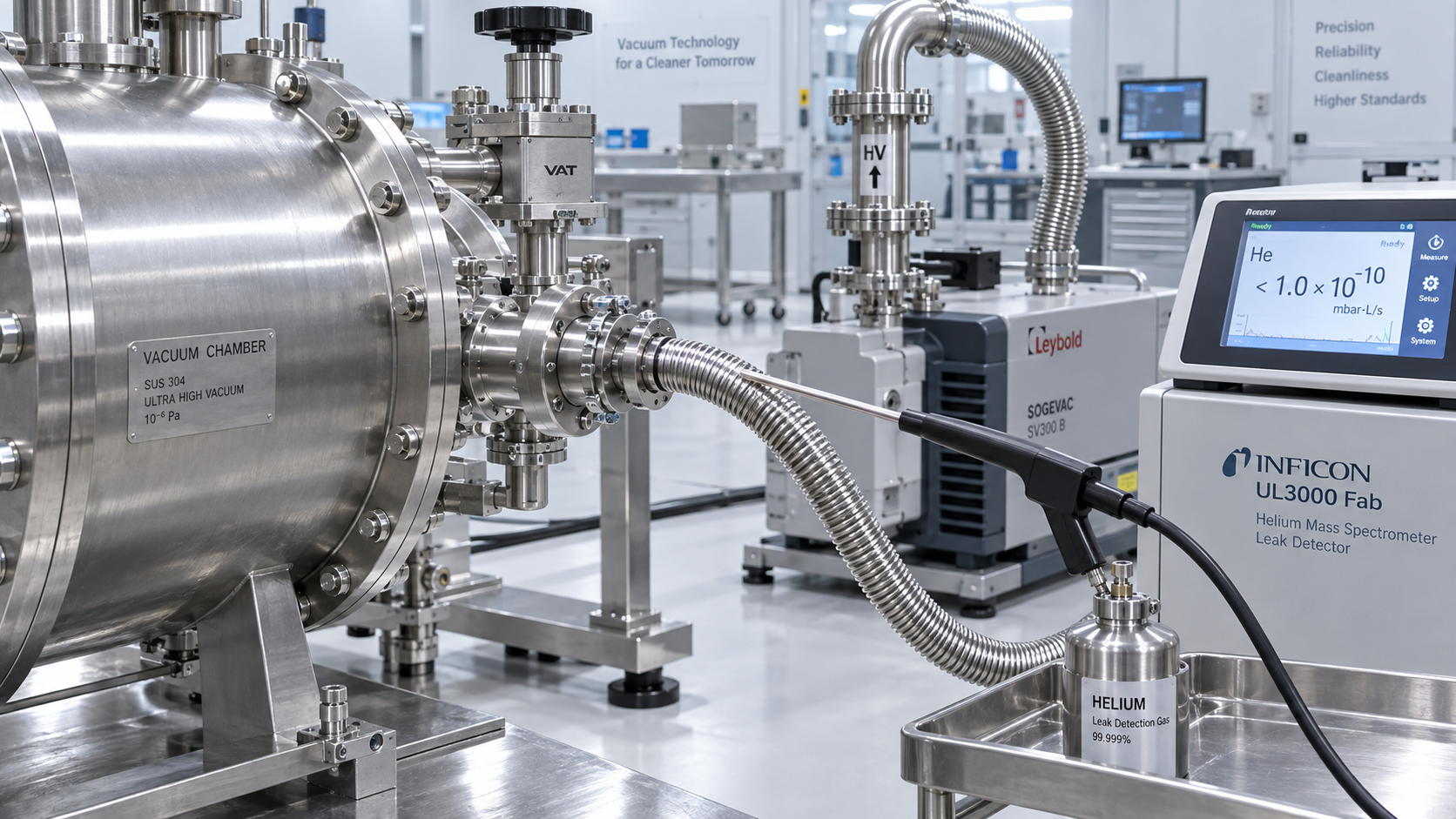
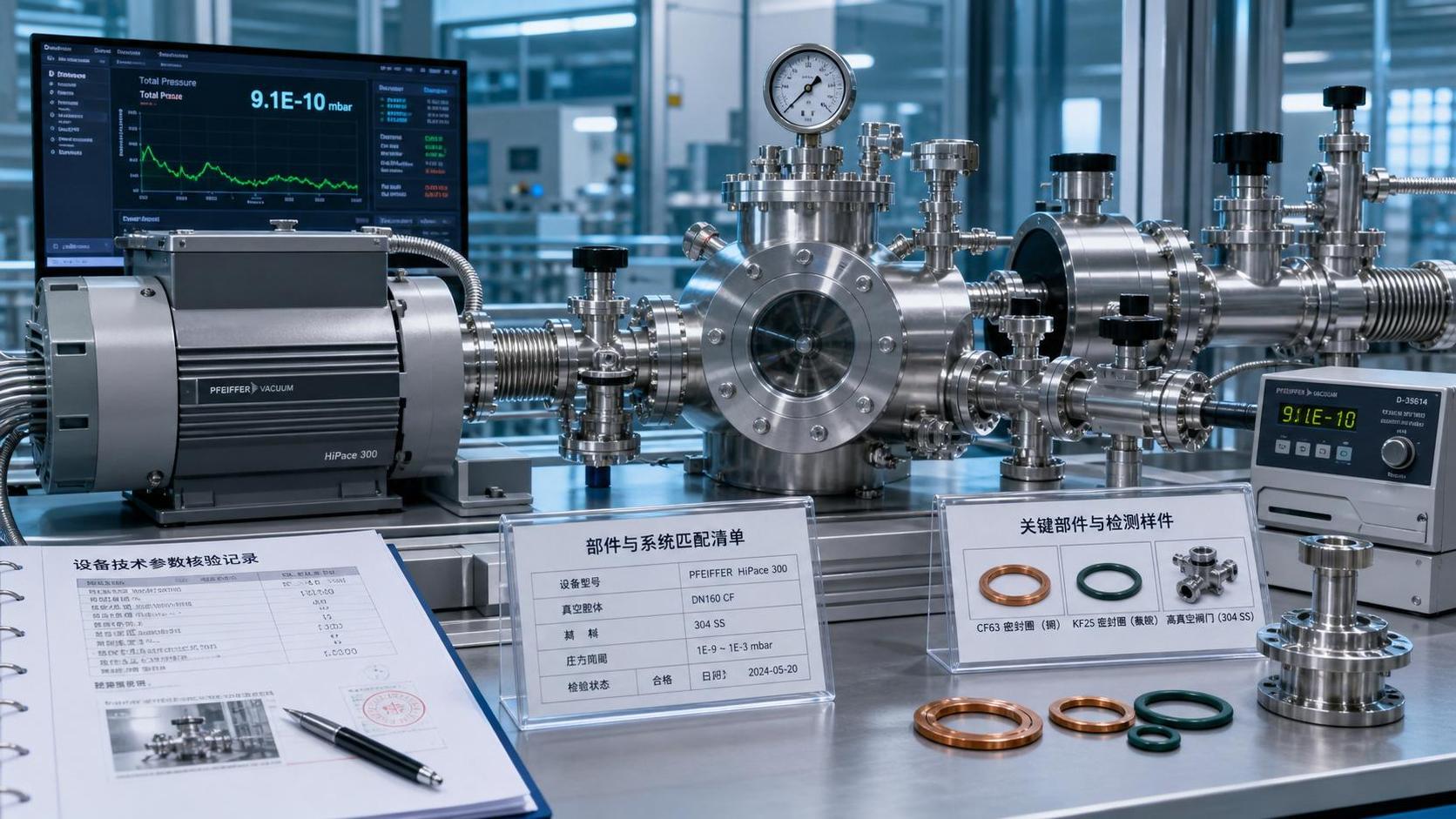
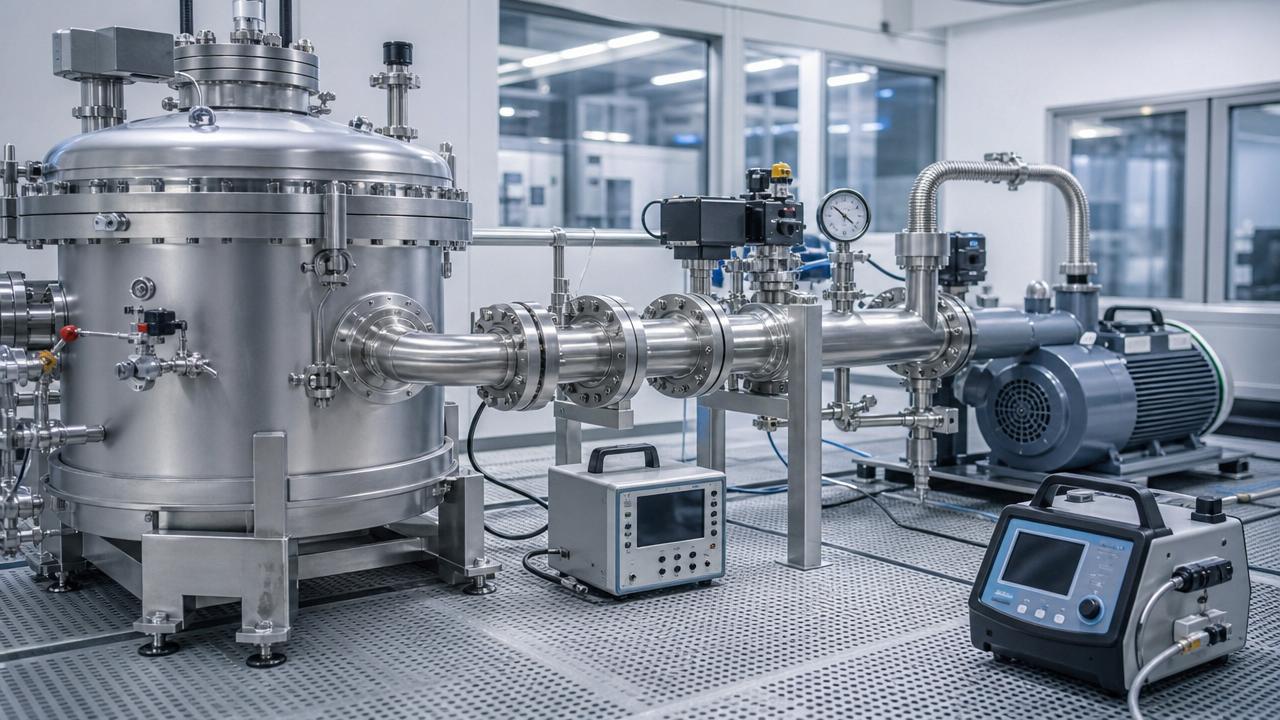
Useful test programs check ultimate pressure, pump-down time, leak rate, control logic response, alarm function, valve sequence, thermal behavior, and performance under expected gas load or simulated duty.
For critical applications, ask whether the factory can replicate process-relevant conditions. A system that passes no-load testing may still behave poorly with moisture, solvents, fine dust, or frequent cycling.
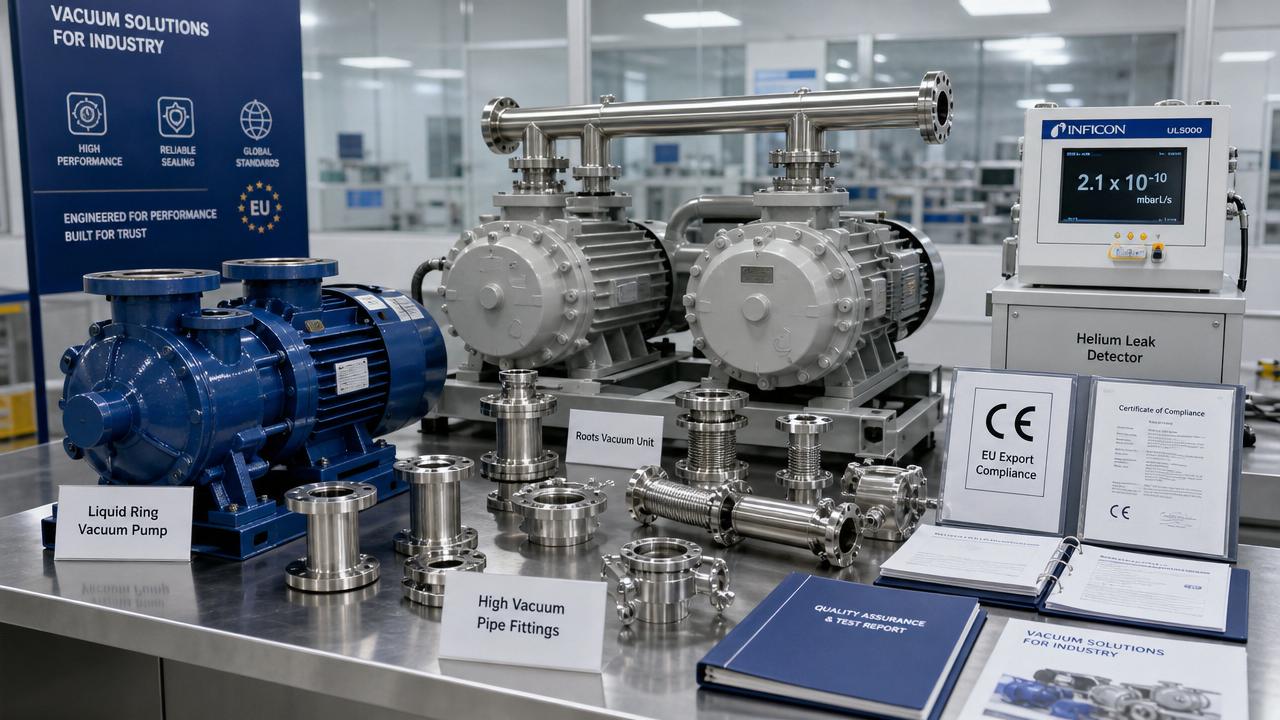
The strongest suppliers provide signed test reports with methods, instruments, conditions, and pass criteria. That level of evidence supports faster approvals and more predictable startup.
Supply chain depth affects operational risk
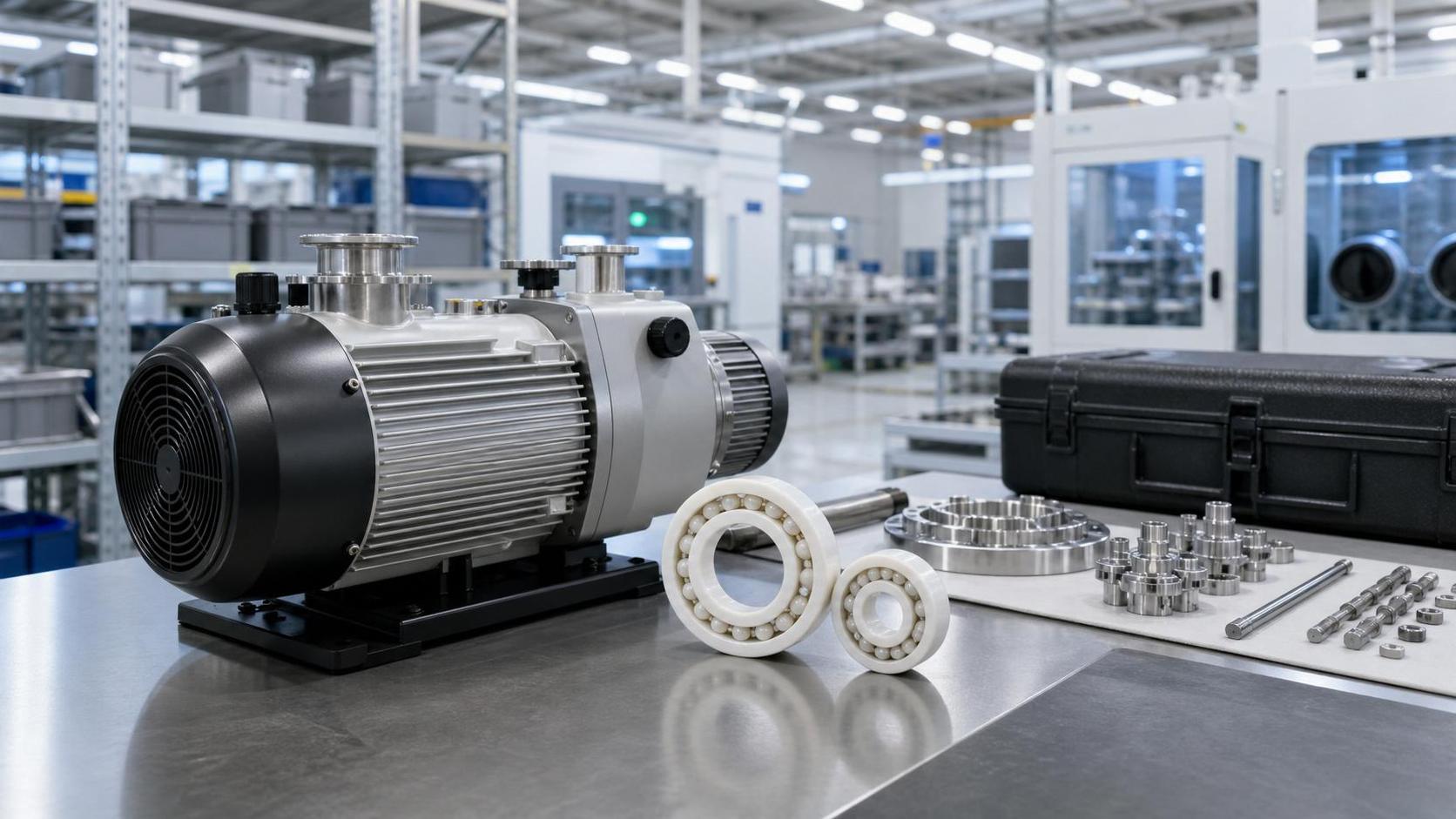
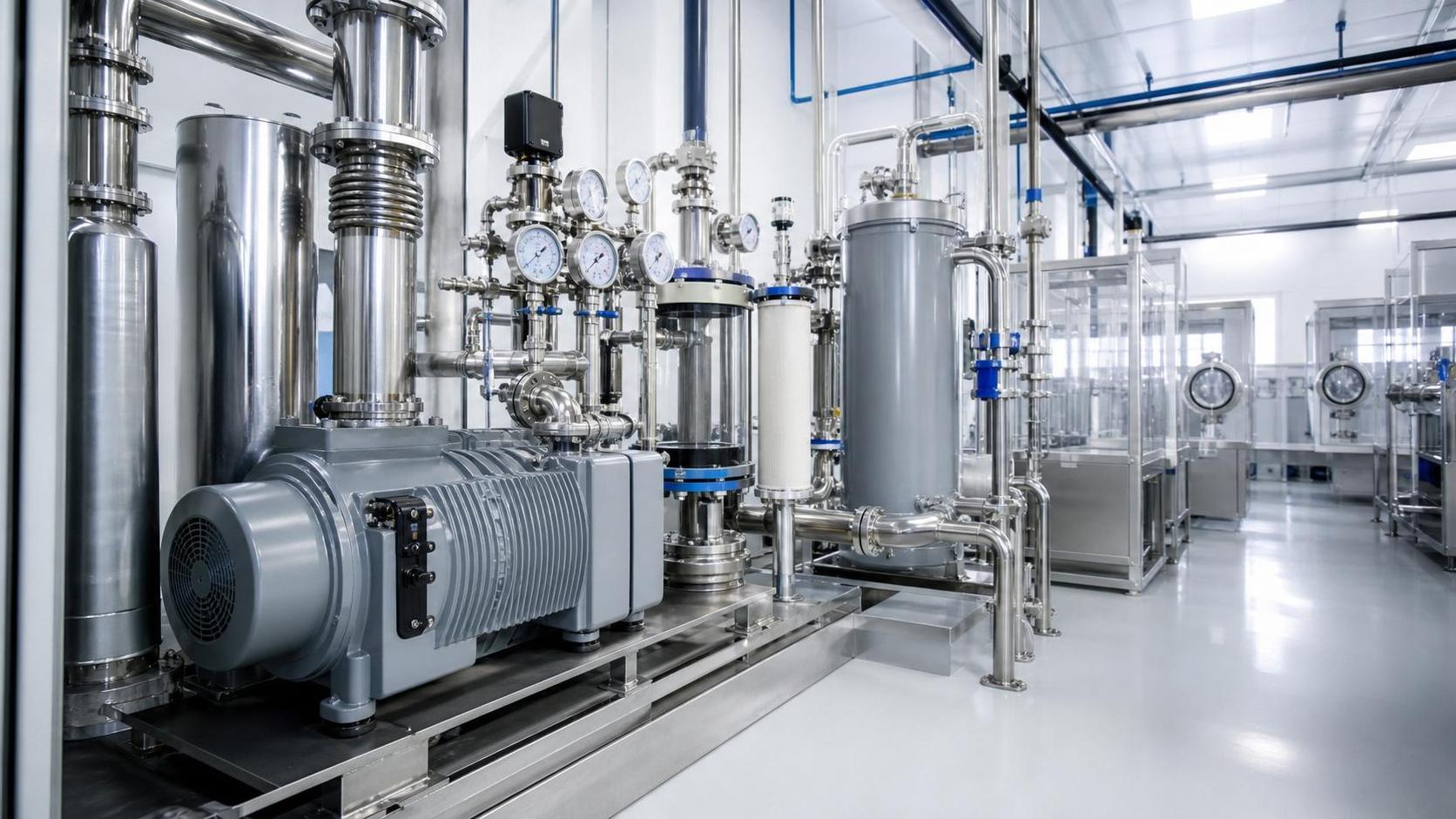
A vacuum systems factory is only as stable as its component ecosystem. Pumps, seals, valves, gauges, filters, control hardware, and heat rejection components all influence service continuity.
The issue is not simply brand selection. What matters is approved alternatives, spare parts forecasting, lifecycle status monitoring, and transparency about lead times for critical items.
Factories with mature sourcing control usually manage obsolescence better. They can also explain where single-source dependence may create downtime exposure in future maintenance cycles.
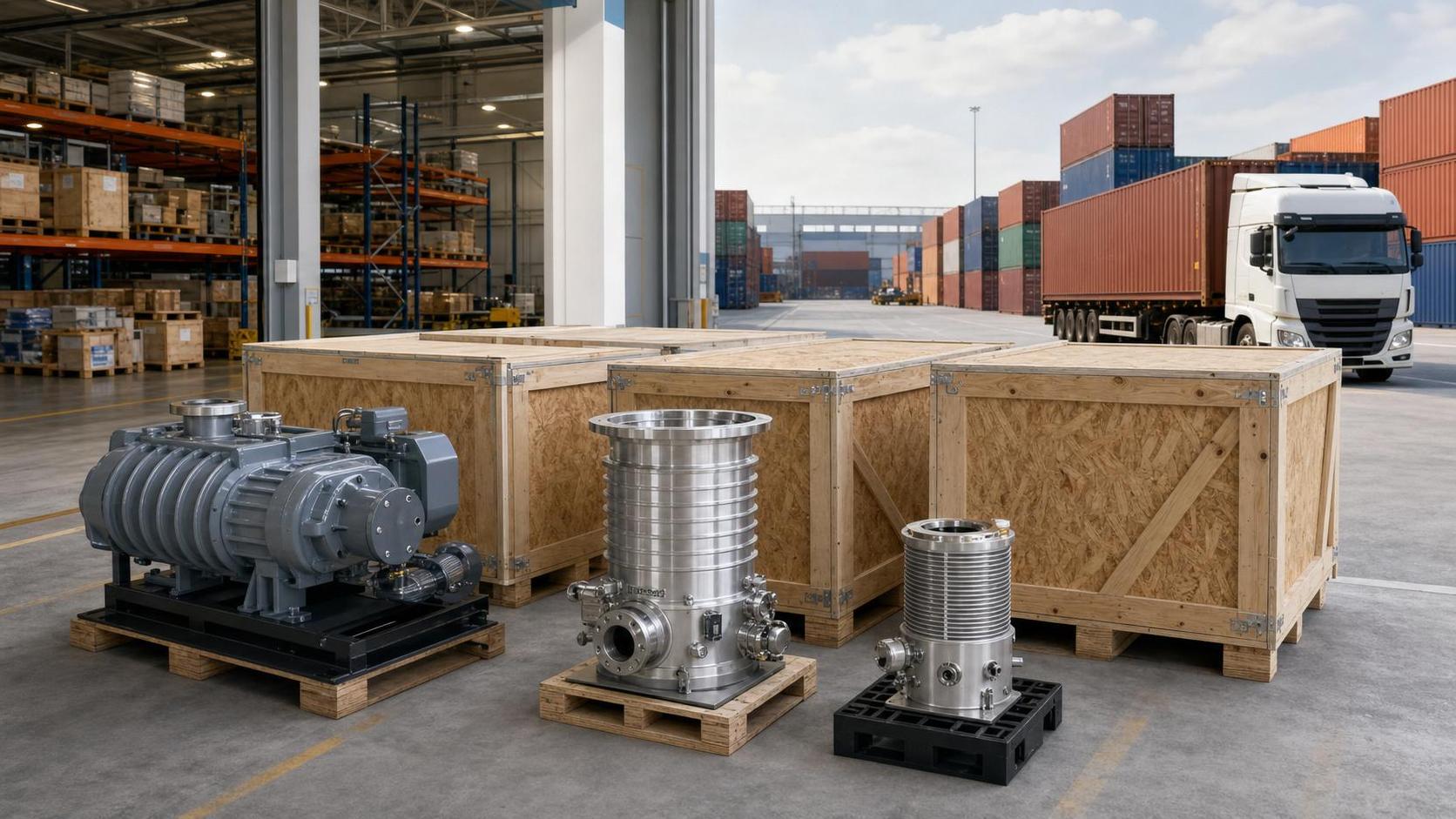
This becomes especially relevant in export-heavy industries, where logistics disruption can turn a minor replacement into a lengthy production interruption.
Service capability matters as much as build capability
Even a well-built system needs support. When comparing a vacuum systems factory, service structure deserves the same attention as manufacturing capacity.
Look for commissioning resources, troubleshooting response times, remote diagnostics, spare part kits, preventive maintenance guidance, and the ability to support multi-site operations.
Service quality is often where real uptime differences appear. A supplier that answers quickly, understands the installed configuration, and keeps accurate records can contain a problem before it expands into lost production.
Questions that reveal service maturity
- How are installed systems tracked by serial number, revision, and spare part status?
- What is the documented response path for an urgent pressure instability event?
- Can the factory support root-cause analysis after repeated contamination or vacuum loss?
- Are maintenance intervals based on actual duty conditions or generic estimates?
Comparisons should reflect the application, not just the factory size
Larger production capacity does not automatically mean better uptime outcomes. A smaller vacuum systems factory with stronger specialization may outperform a larger one in clean vacuum, corrosive service, or integrated control reliability.
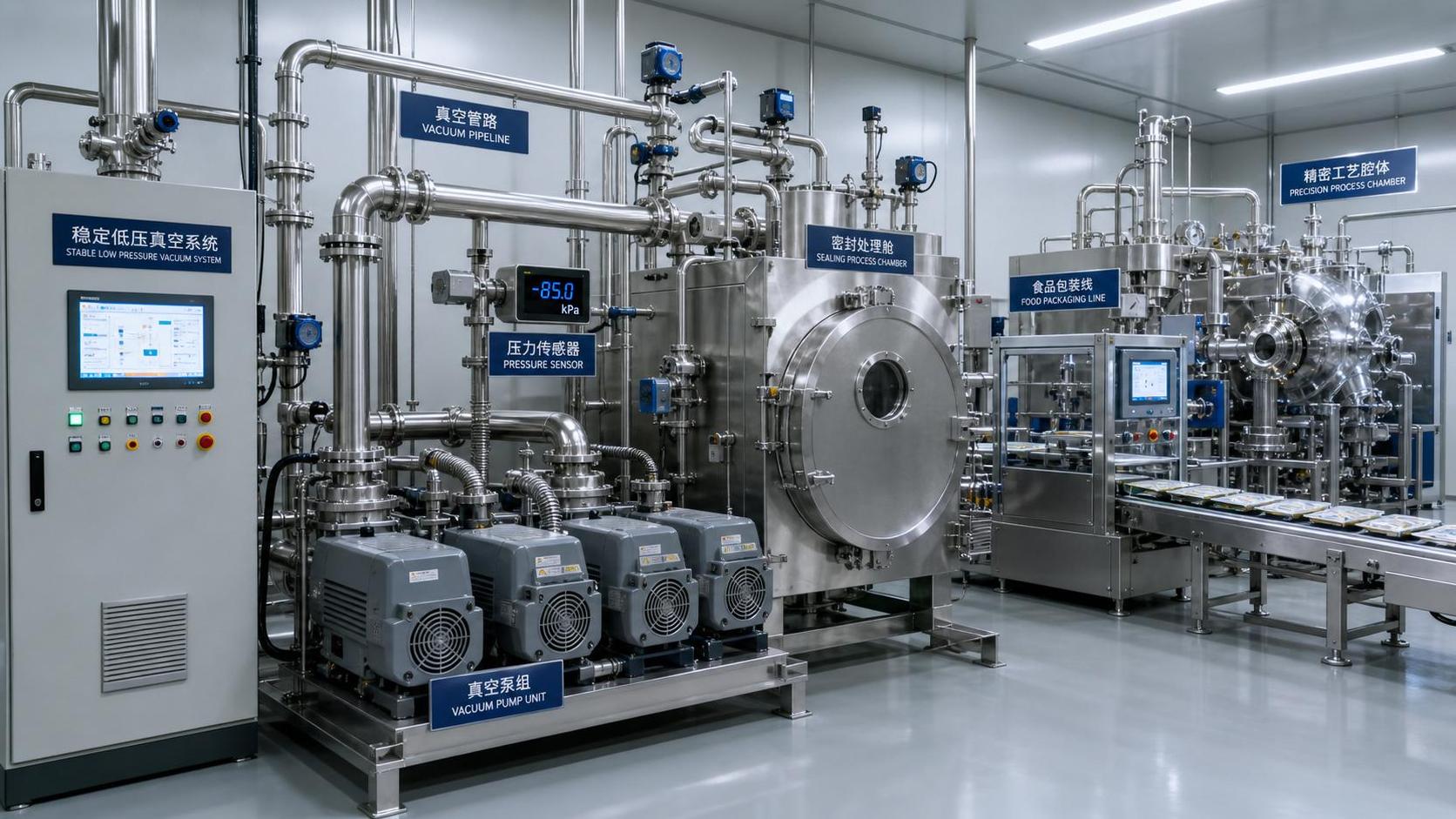
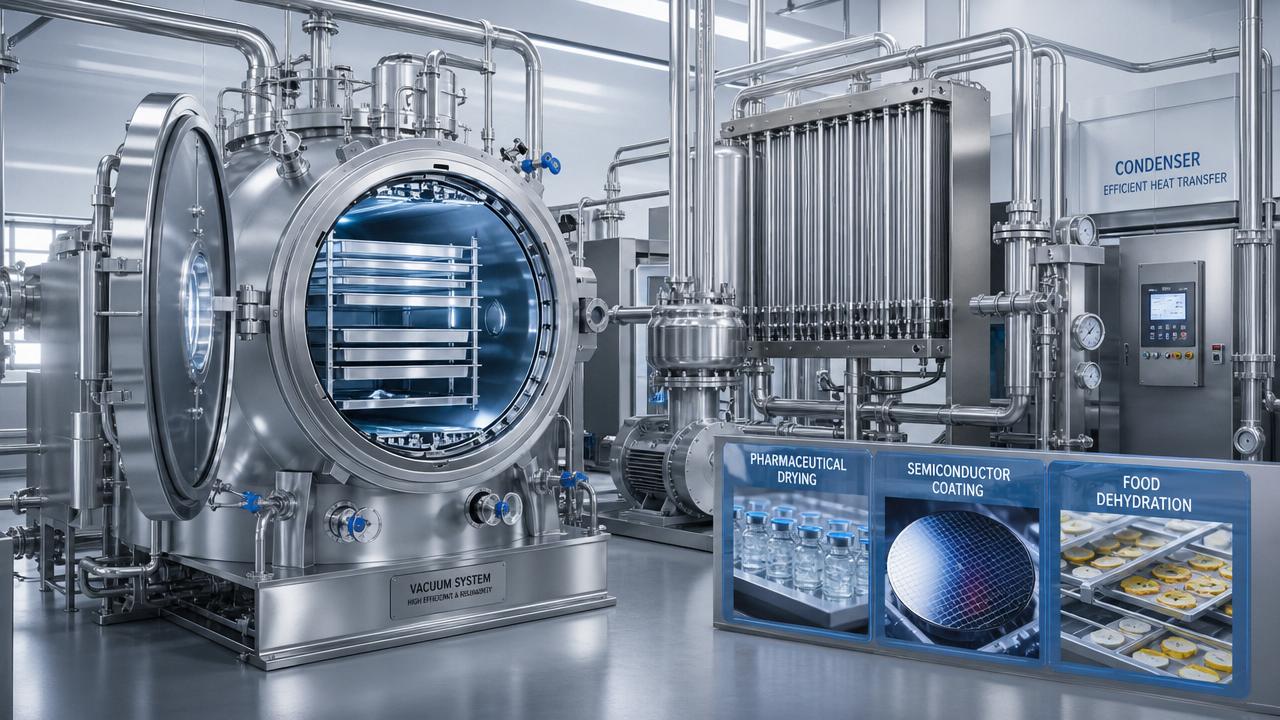
Application context should shape the scorecard. Pharmaceutical drying systems, semiconductor support vacuum, food packaging lines, and metallurgical degassing each stress different parts of the system.
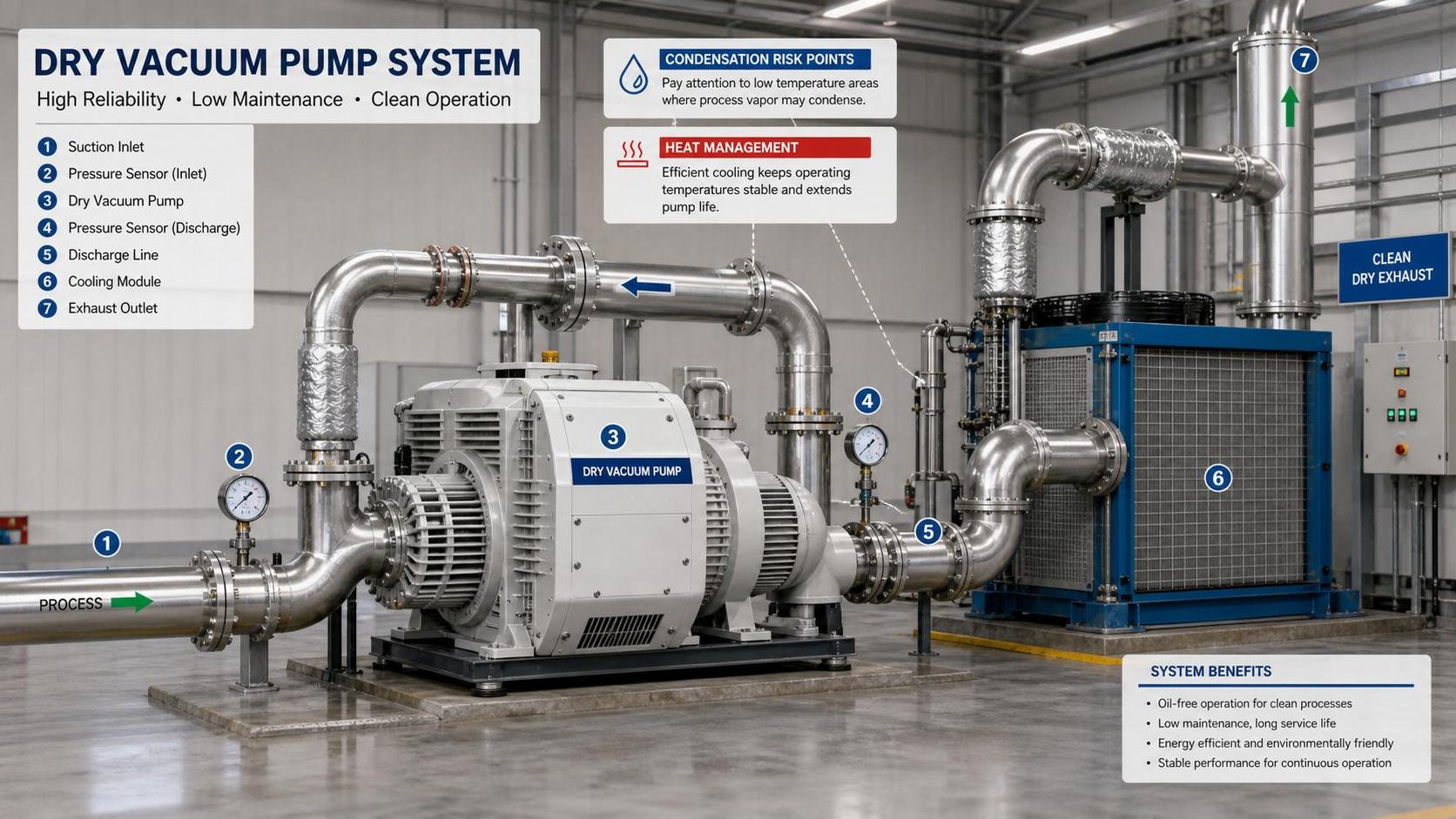
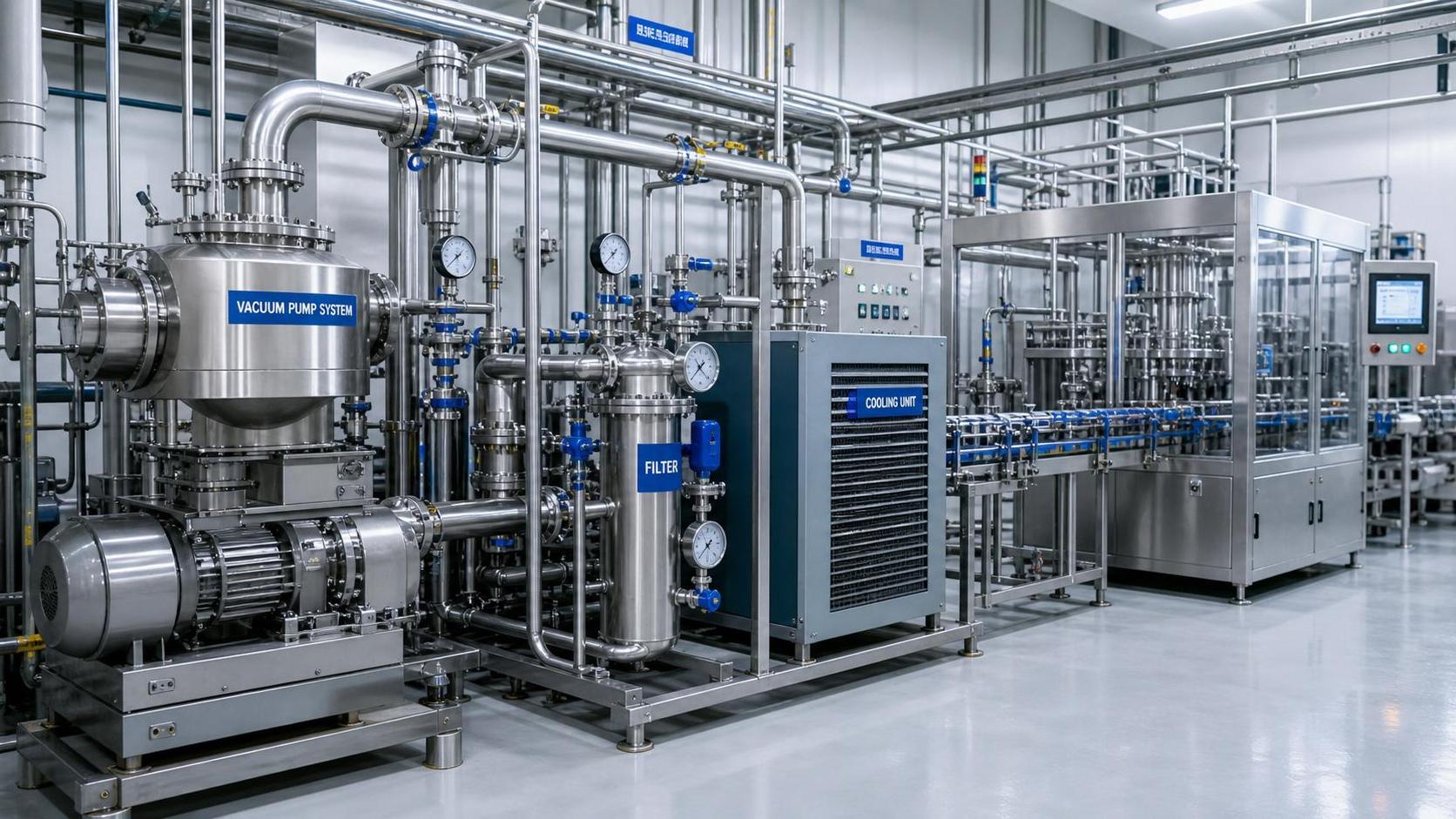
In some cases, thermal integration is the deciding factor. Cooling water quality, heat exchanger sizing, condensate handling, and ambient heat rejection can determine whether vacuum performance remains stable during peak demand.
That broader utility perspective aligns with the way GTC-Matrix approaches industrial intelligence. Vacuum decisions become stronger when viewed alongside energy conversion efficiency, process thermal balance, and clean power infrastructure.
A practical framework for the next comparison round
A useful evaluation starts with a short list of operating facts rather than a generic request for quotation. Define pressure targets, gas composition, contamination risk, cycle profile, utility limits, maintenance expectations, and acceptable downtime threshold.
Then compare each vacuum systems factory on evidence. Review engineering logic, test records, quality controls, service structure, and lifecycle support. The goal is to see which supplier can sustain process stability, not simply deliver hardware.
Where uncertainty remains, request a witnessed factory test, sample documentation pack, or reference case with similar process duty. These steps usually reveal far more than polished presentations.
A better decision often comes from narrowing the criteria and deepening the questions. For stable process uptime, the best vacuum systems factory is the one that can prove repeatable performance before the system ever reaches the plant floor.
Related News
- How Can Contamination Be Prevented in a Semiconductor Vacuum Chamber?Author :Vacuum Process Fellow

- Which Vacuum Pump Specifications Matter Most for Semiconductor Processes?Author :Vacuum Process Fellow

- How to find leaks in vacuum pump systems before pump performance dropsAuthor :Vacuum Process Fellow

- How to size a Roots blower for vacuum process equipmentAuthor :Vacuum Process Fellow

- How vacuum level affects vacuum process efficiencyAuthor :Vacuum Process Fellow

- China Imposes Temporary Helium Export BanAuthor :Vacuum Process Fellow

- Semiconductor Vacuum Systems Factory Checklist for Process Stability and Cleanroom UseAuthor :Vacuum Process Fellow

- Vacuum Process Optimization Services: Signs Your Line Needs a Performance ReviewAuthor :Vacuum Process Fellow

- Vacuum Chambers for Cleanroom Use: Key Design Points That Prevent ContaminationAuthor :Vacuum Process Fellow

- Vacuum Distillation Systems: Key Performance Metrics That Affect Product PurityAuthor :Vacuum Process Fellow

- Vietnam Halts High Vacuum Pump Import Licenses for 30 DaysAuthor :Vacuum Process Fellow

- Vacuum Technology Database: What to Check Before Using Technical DataAuthor :Vacuum Process Fellow

- Dry Pump Vacuum System Design Mistakes That Raise DowntimeAuthor :Vacuum Process Fellow

- When Vacuum Systems Lose Performance: Common Causes and FixesAuthor :Vacuum Process Fellow
![]()
- EU Tightens EN 13445-3 Weld Testing for Vacuum VesselsAuthor :Vacuum Process Fellow
![]()
- EPA Cuts R-1234ze(E) Quota 35%, Tightening Vacuum Cooling SupplyAuthor :Vacuum Process Fellow
 Quota 35%, Tightening Vacuum Cooling Supply")
- ICA Warns of Tight Copper Alloy Supply for Vacuum PumpsAuthor :Vacuum Process Fellow

- Vacuum System Leak Detection: Signs, Tests, and FixesAuthor :Vacuum Process Fellow

- How to Compare Vacuum Systems Factory Capabilities for Stable Process UptimeAuthor :Vacuum Process Fellow

- Vacuum Pump Lead Times Extend to 26 WeeksAuthor :Vacuum Process Fellow

- Semiconductor Vacuum Systems Explained for Stable Process YieldAuthor :Vacuum Process Fellow

- Vacuum Process Efficiency: 7 Hidden Causes of Energy LossAuthor :Vacuum Process Fellow

- Vacuum Technology Solutions for Stable Low-Pressure ProductionAuthor :Vacuum Process Fellow

- Vacuum Processes: Common Efficiency Losses and FixesAuthor :Vacuum Process Fellow

- Common Vacuum Processes Problems and How to Prevent DowntimeAuthor :Vacuum Process Fellow

- Tantalum Spike Extends Vacuum Crucible Lead TimesAuthor :Vacuum Process Fellow

- Vacuum Process Efficiency: 5 Hidden Losses to Check FirstAuthor :Vacuum Process Fellow

- How Heat Transfer Design Impacts Vacuum Process EfficiencyAuthor :Vacuum Process Fellow

- EN 13445-4:2026 Takes Effect for High-Vacuum ComponentsAuthor :Vacuum Process Fellow

- EU Vacuum Components Face New EN 13445-4:2026 Leak Test RuleAuthor :Vacuum Process Fellow

- UBS: Fed Cut View May Ease Vacuum Pump Lead TimesAuthor :Vacuum Process Fellow

- Vacuum Processes: Common Causes of Unstable PerformanceAuthor :Vacuum Process Fellow
![]()
- SiC Certification Signals New Entry Path for Vacuum and Compressor DrivesAuthor :Vacuum Process Fellow
![]()
- How to Choose the Right Vacuum System for Process StabilityAuthor :Vacuum Process Fellow

- Vacuum Technology Selection: What Matters Most for Stable Process PerformanceAuthor :Vacuum Process Fellow

- Vacuum Processes: How to Reduce Contamination and Improve Cycle ConsistencyAuthor :Vacuum Process Fellow