Vacuum Technology Selection: What Matters Most for Stable Process Performance




Why vacuum technology selection affects process stability
Choosing the right vacuum technology shapes product quality, cycle time, energy use, and maintenance rhythm. A strong vacuum level alone does not guarantee stable process performance.
In real projects, vacuum technology must match gas load, contamination risk, control logic, utility conditions, and future expansion. That is where good decisions usually win or fail.
For industrial systems tracked by GTC-Matrix, the best outcomes usually come from linking thermodynamic behavior with operating reality. That means looking beyond nameplate pressure and asking how the full system behaves every day.
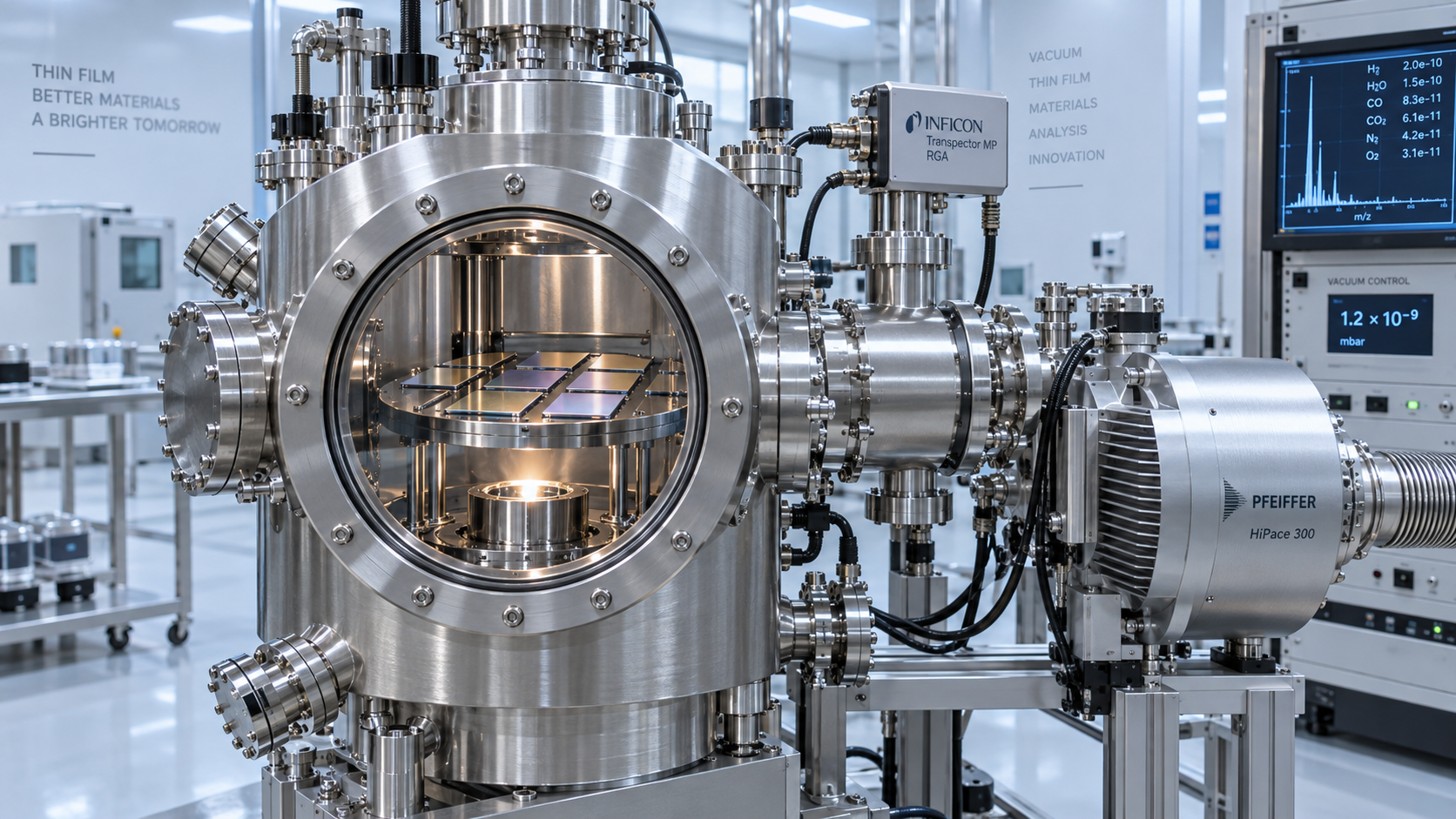
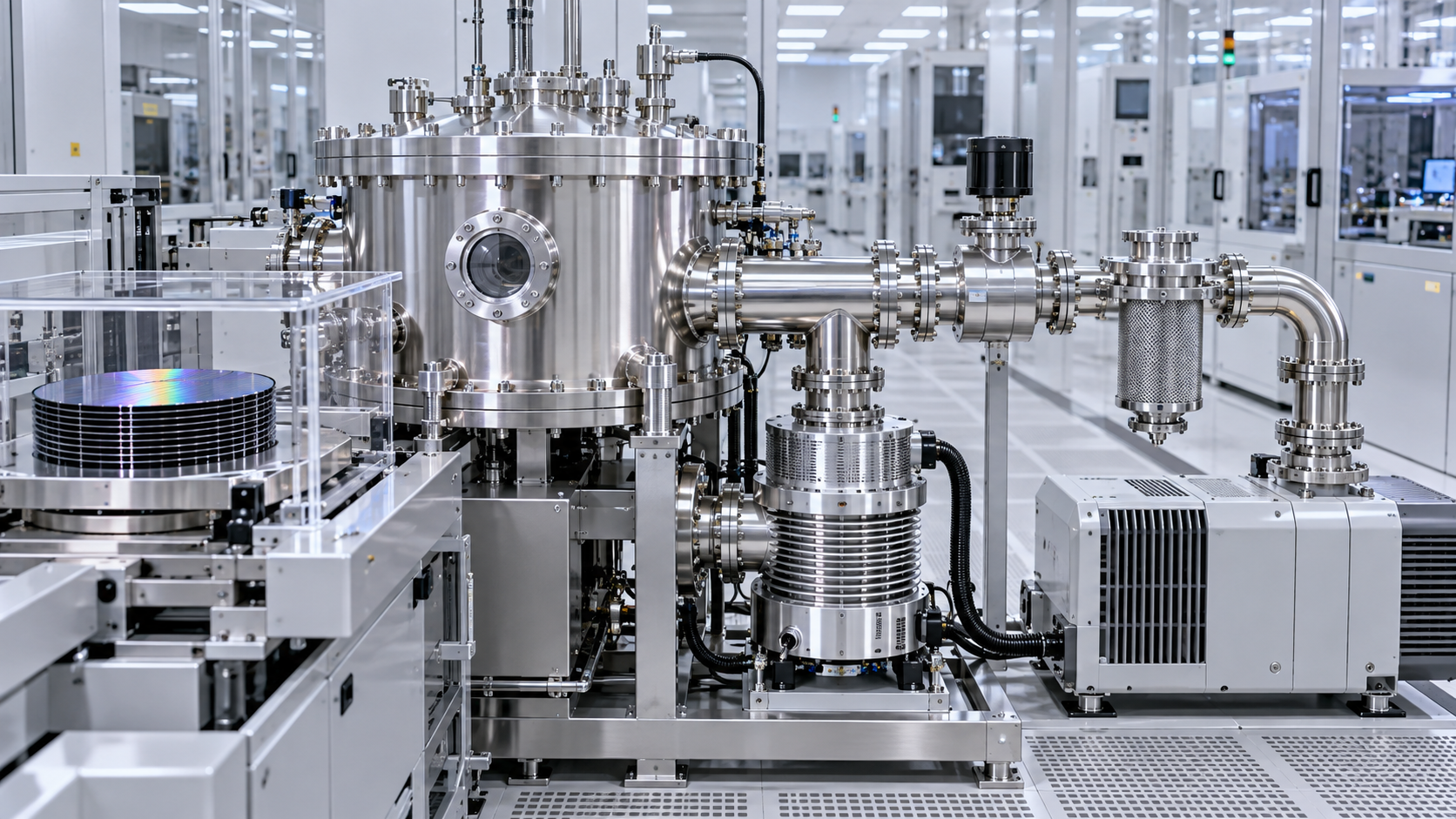
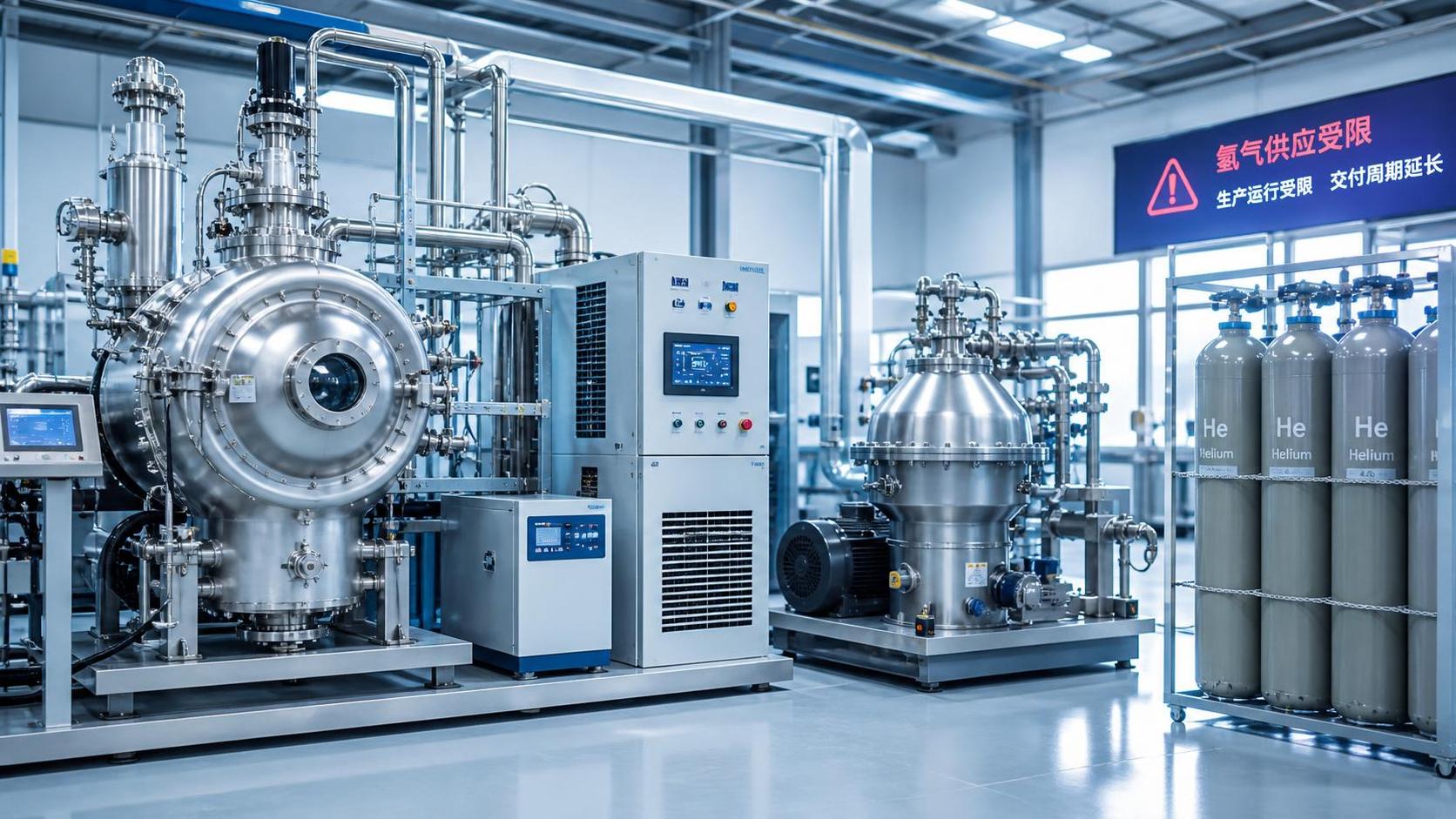
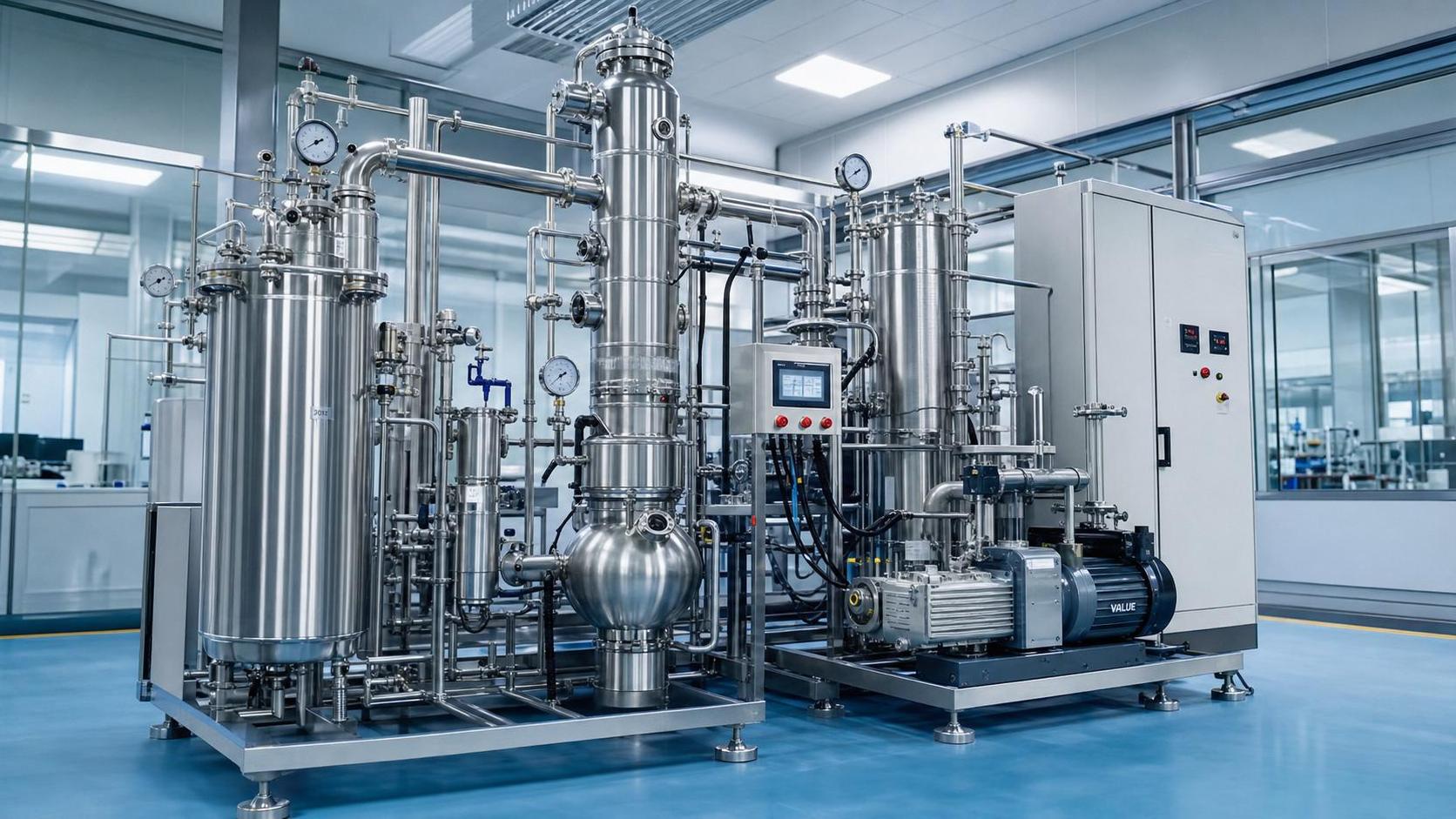
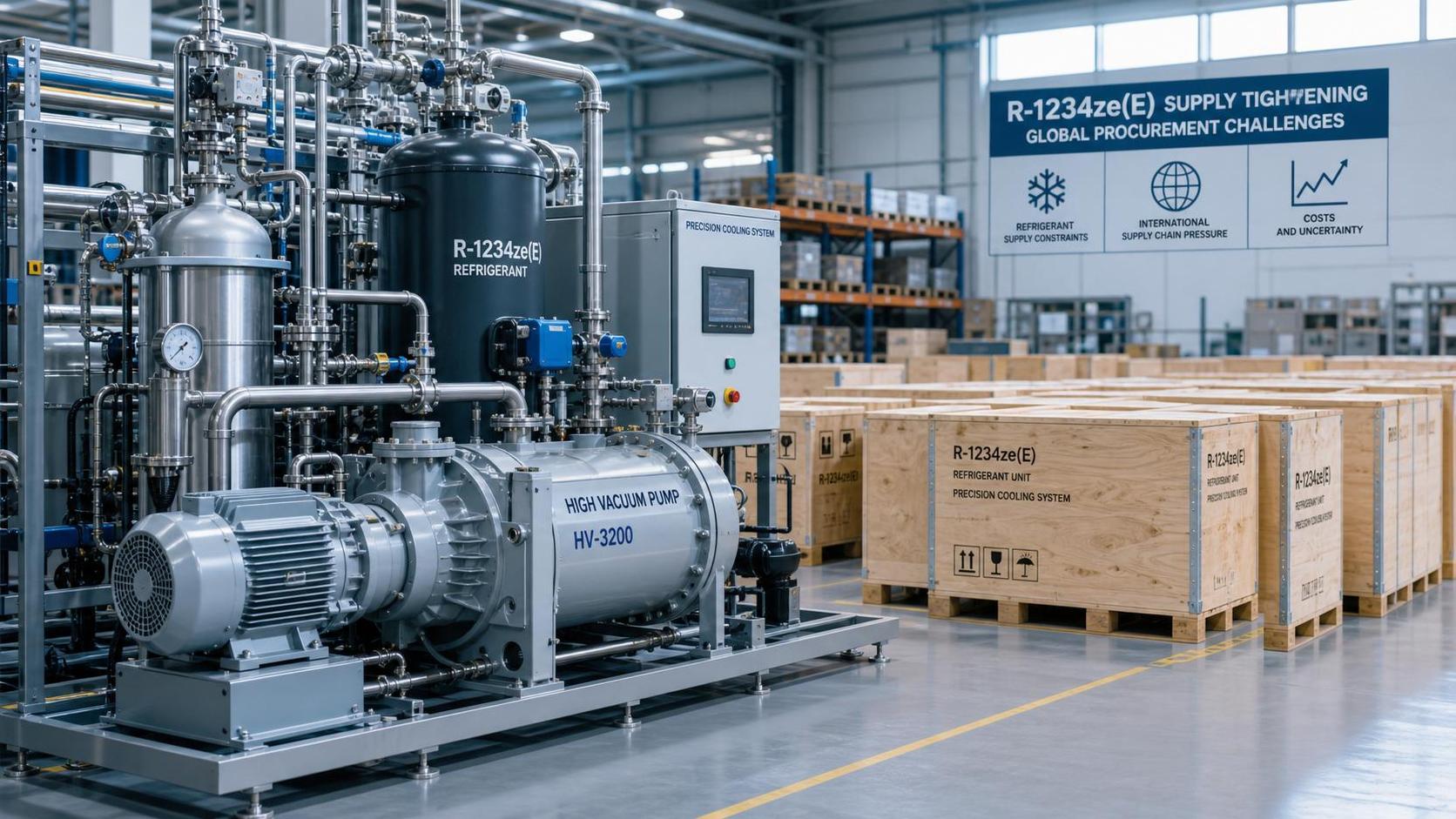
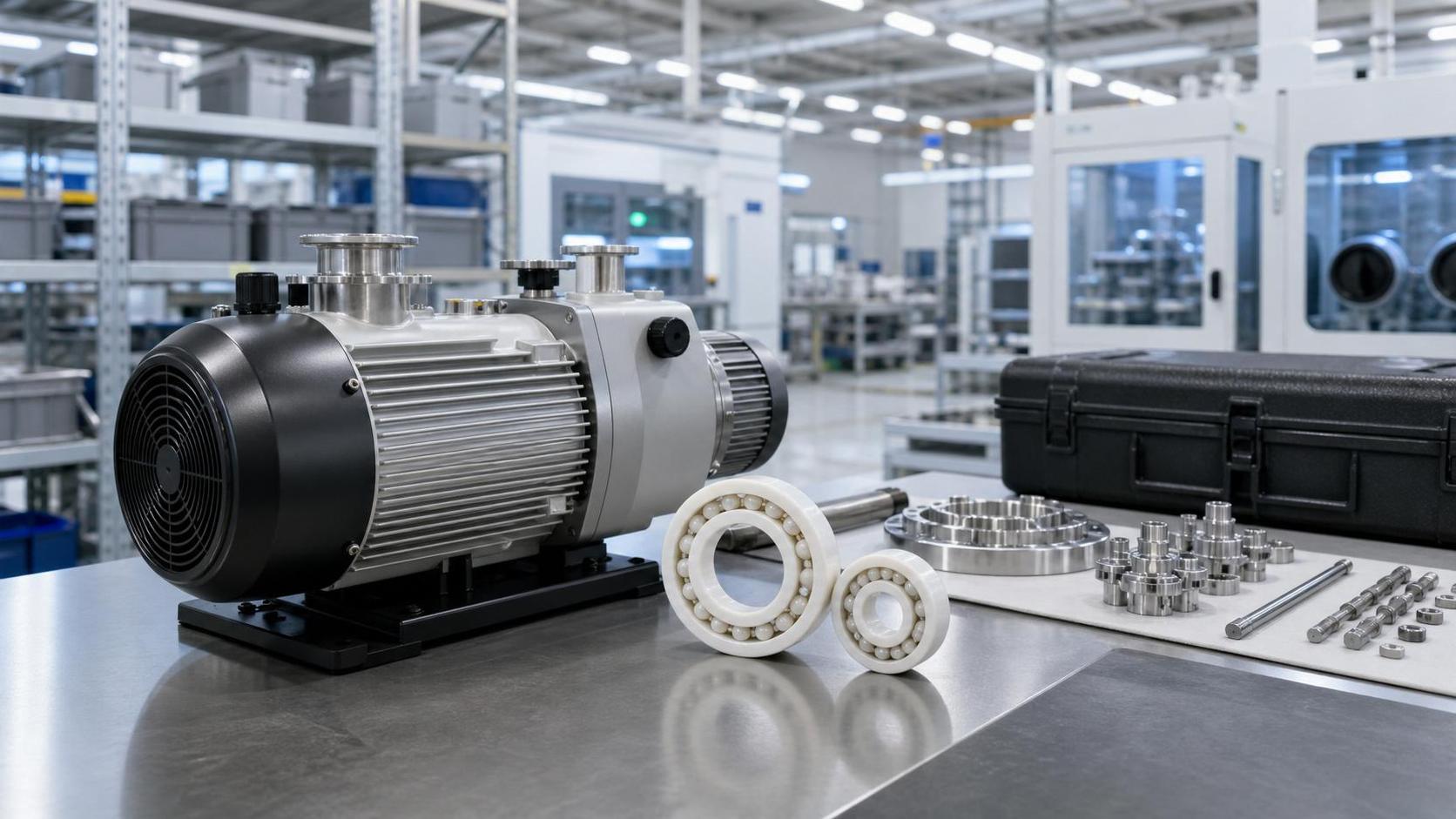
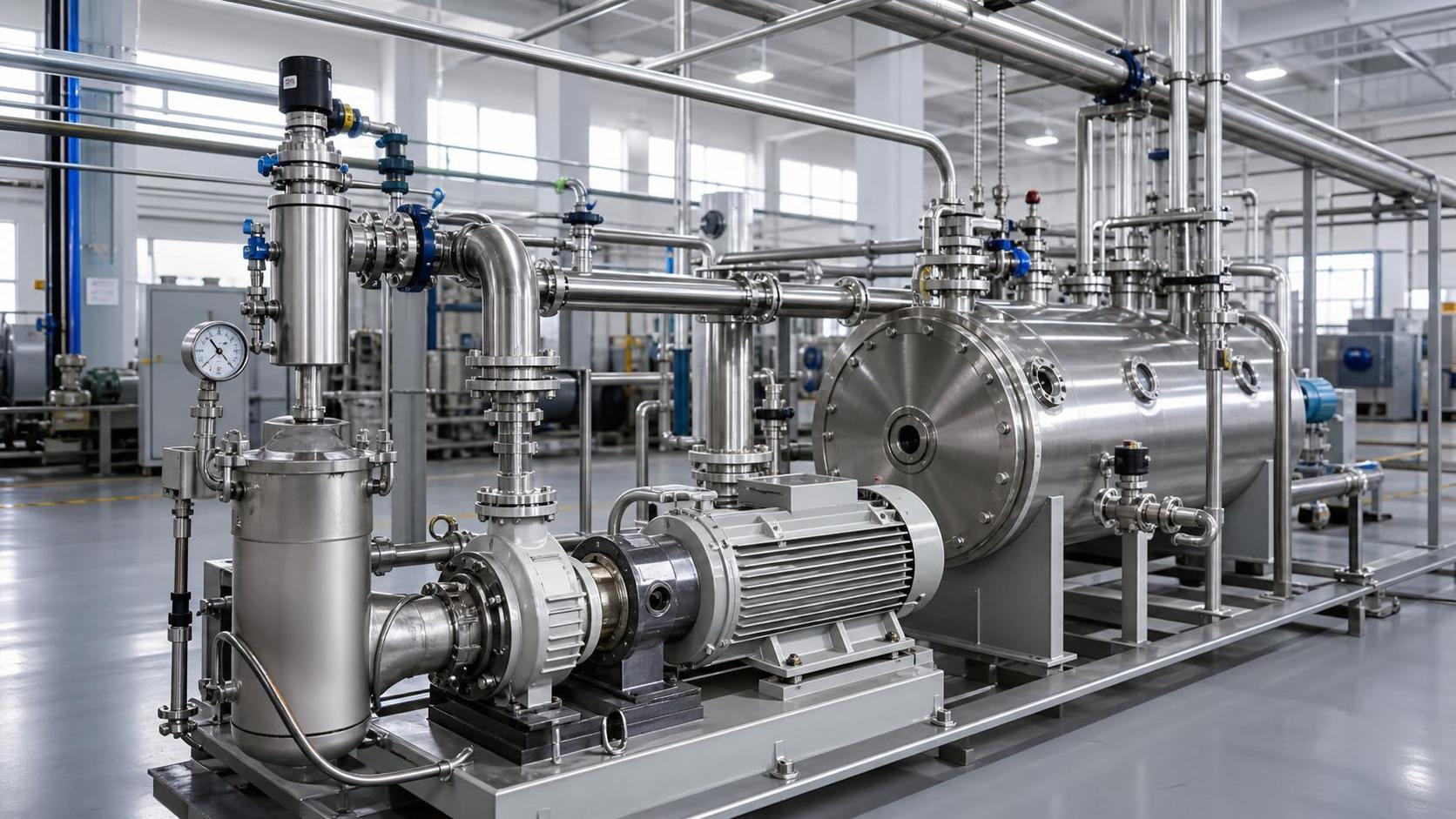
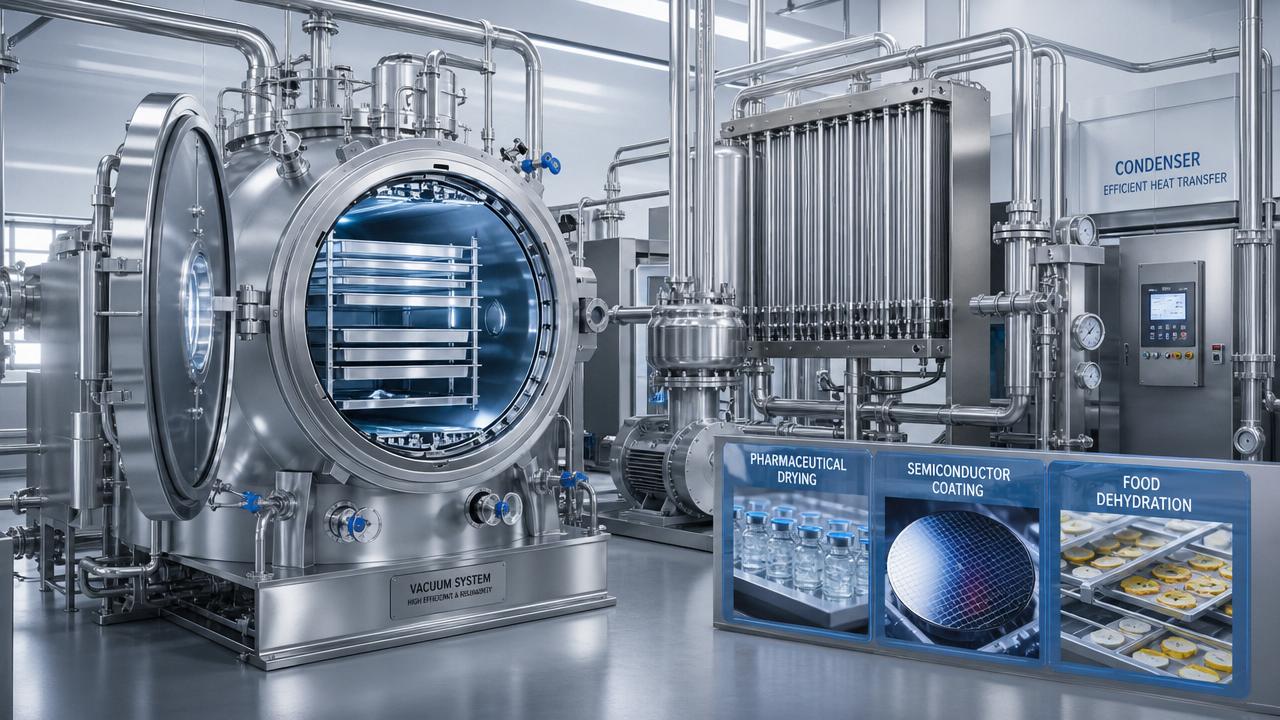
[Image 01: Vacuum technology selection factors across industrial process conditions]
The points below focus on what matters most when comparing vacuum technology for stable output, lower disruption, and better long-term control of operating cost.
Start with the process, not the pump
- Define the real operating window, including target pressure, pull-down time, gas composition, vapor content, and temperature variation. Vacuum technology selection becomes more reliable when process data is specific.
- Check whether the process needs continuous vacuum, batch cycling, or peak-demand response. Different duty patterns can change the best vacuum technology choice more than ultimate pressure numbers.
- Separate normal load from upset load. If startup surges, leaks, or sudden vapor release are ignored, even well-sized vacuum technology can become unstable in daily operation.
- Map product sensitivity early. If oil carryover, particles, or backstreaming can affect quality, clean vacuum technology options should move to the top of the evaluation list.
- Review utility constraints such as cooling water quality, ambient heat, power stability, and available footprint. Practical site limits often narrow vacuum technology options faster than technical brochures do.
- Ask how the process may change within three to five years. A little scalability in vacuum technology can reduce future retrofit cost and prevent another selection cycle too soon.
A simple mistake that causes expensive instability
One common mistake is selecting vacuum technology from a single pressure target. That looks efficient on paper, but it often misses flow variation, condensable load, and contamination behavior.
When those factors appear in production, pressure drifts, pump temperature rises, and maintenance intervals shorten. The result is not just energy loss. It is unstable throughput and more unplanned intervention.
The selection points that matter most
- Match pumping speed to the pressure range that matters most in production. Many vacuum technology options look similar at one point but perform very differently across the real operating curve.
- Evaluate tolerance to moisture, solvents, dust, and by-products. Stable vacuum technology should survive the process environment without constant protective add-ons or frequent shutdown cleaning.
- Compare control flexibility, including VSD compatibility, sensor integration, and staged operation. Better control logic helps vacuum technology maintain stability while avoiding unnecessary energy consumption.
- Look at achievable maintenance intervals and service complexity. A technically strong vacuum technology loses value quickly if routine service requires long stoppages or hard-to-source parts.
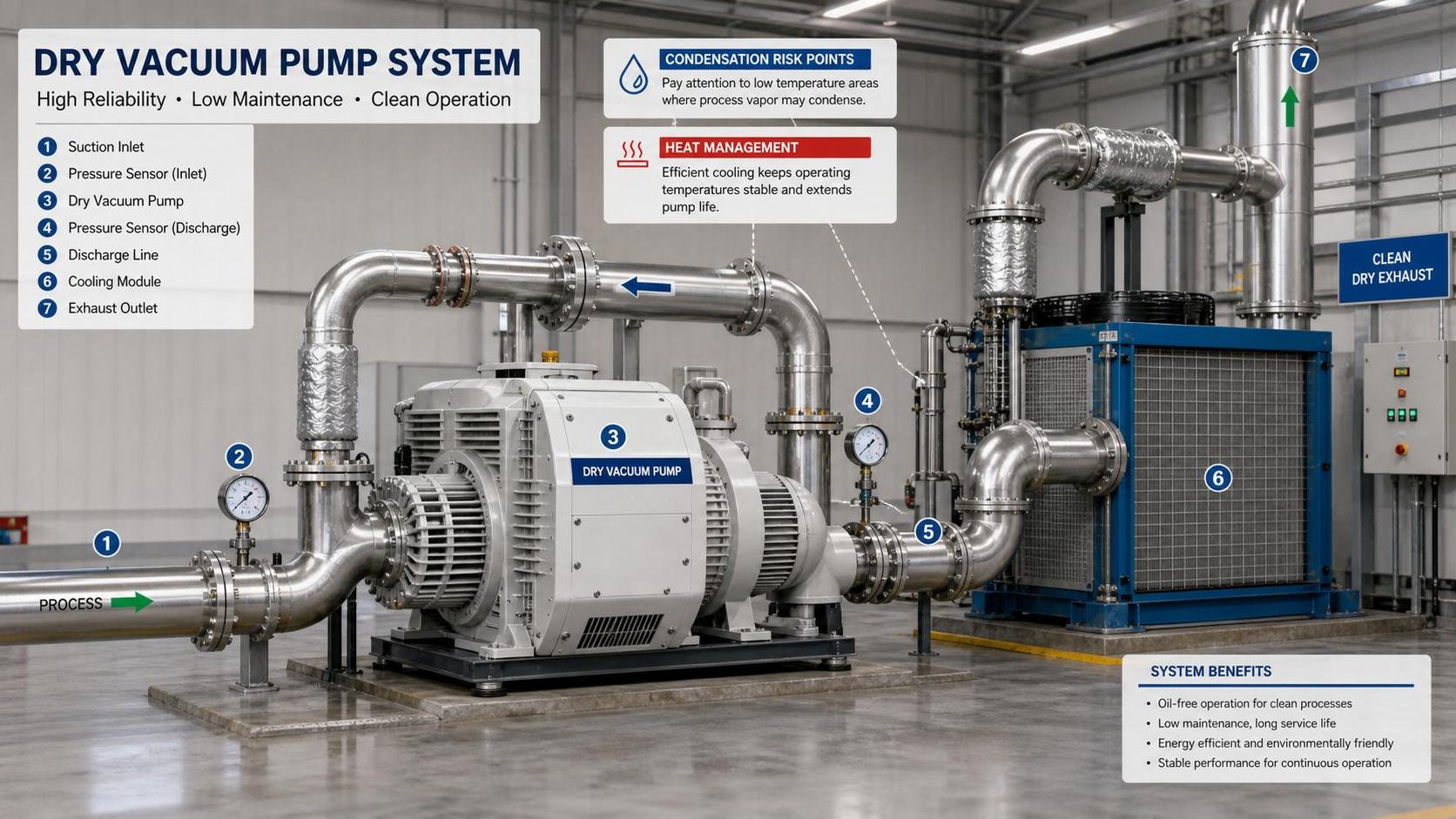
- Review heat rejection and thermal behavior under real plant conditions. Poor thermal management can reduce vacuum technology reliability even when pressure performance appears acceptable during testing.
- Measure lifecycle cost, not only capital cost. Energy, consumables, downtime risk, spare parts, and process loss often determine the true value of vacuum technology over time.
Quick comparison table
How application context changes the best vacuum technology
Food and packaging lines
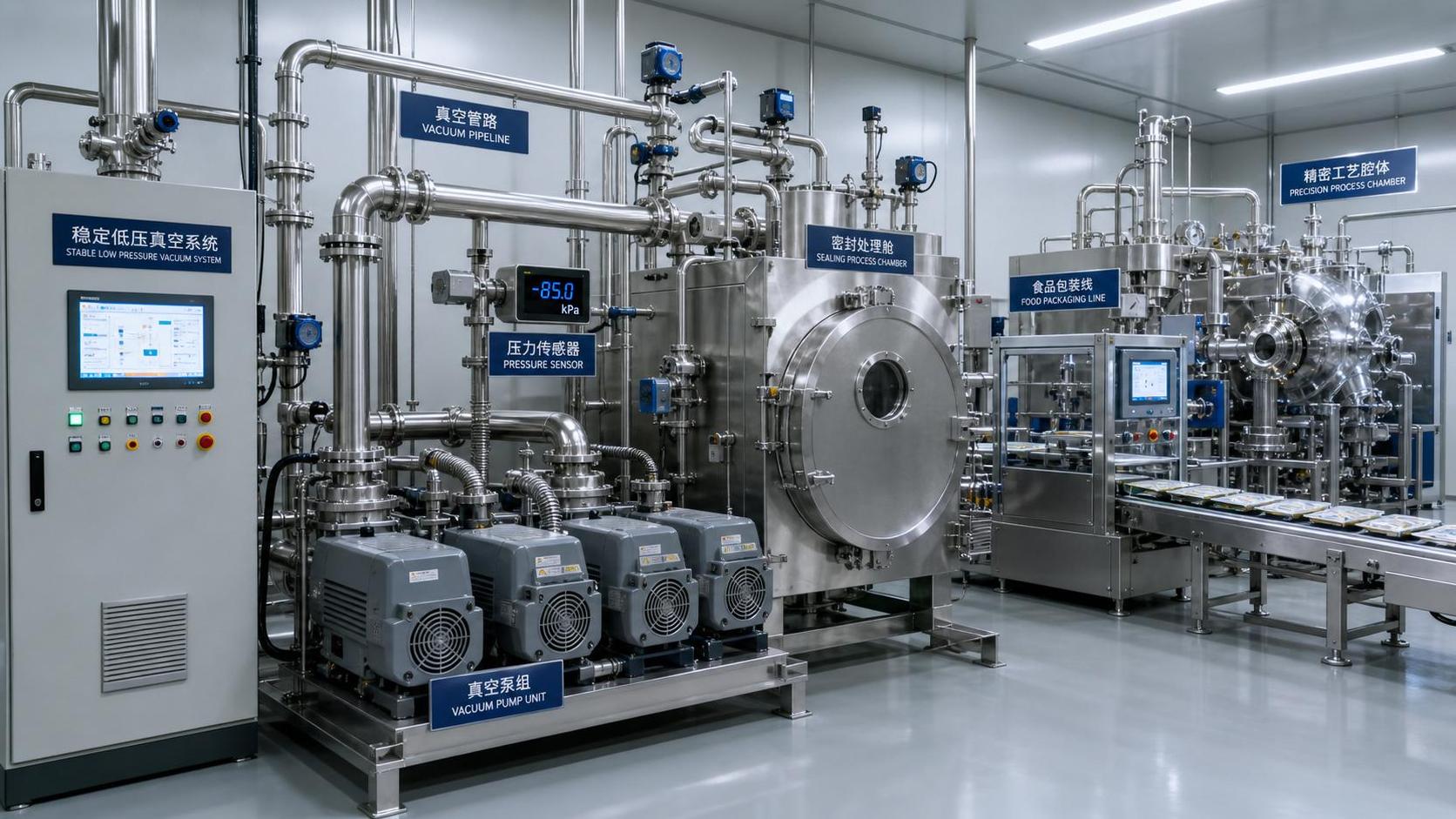
Here, stable vacuum technology usually depends on fast cycle response, hygienic operation, and resistance to moisture. The process may not need the deepest vacuum, but it does need repeatability.
Check washdown exposure, vapor load, and cleaning schedules early. If those are overlooked, maintenance frequency can rise faster than expected.
Pharma and laboratory environments
Cleanliness, control precision, and documentation matter more here. Vacuum technology should support stable pressure control without risking contamination or difficult validation updates.
Look closely at materials compatibility, recoverability after cleaning, and data integration. These points affect both compliance and uptime.
Semiconductor and electronics processes
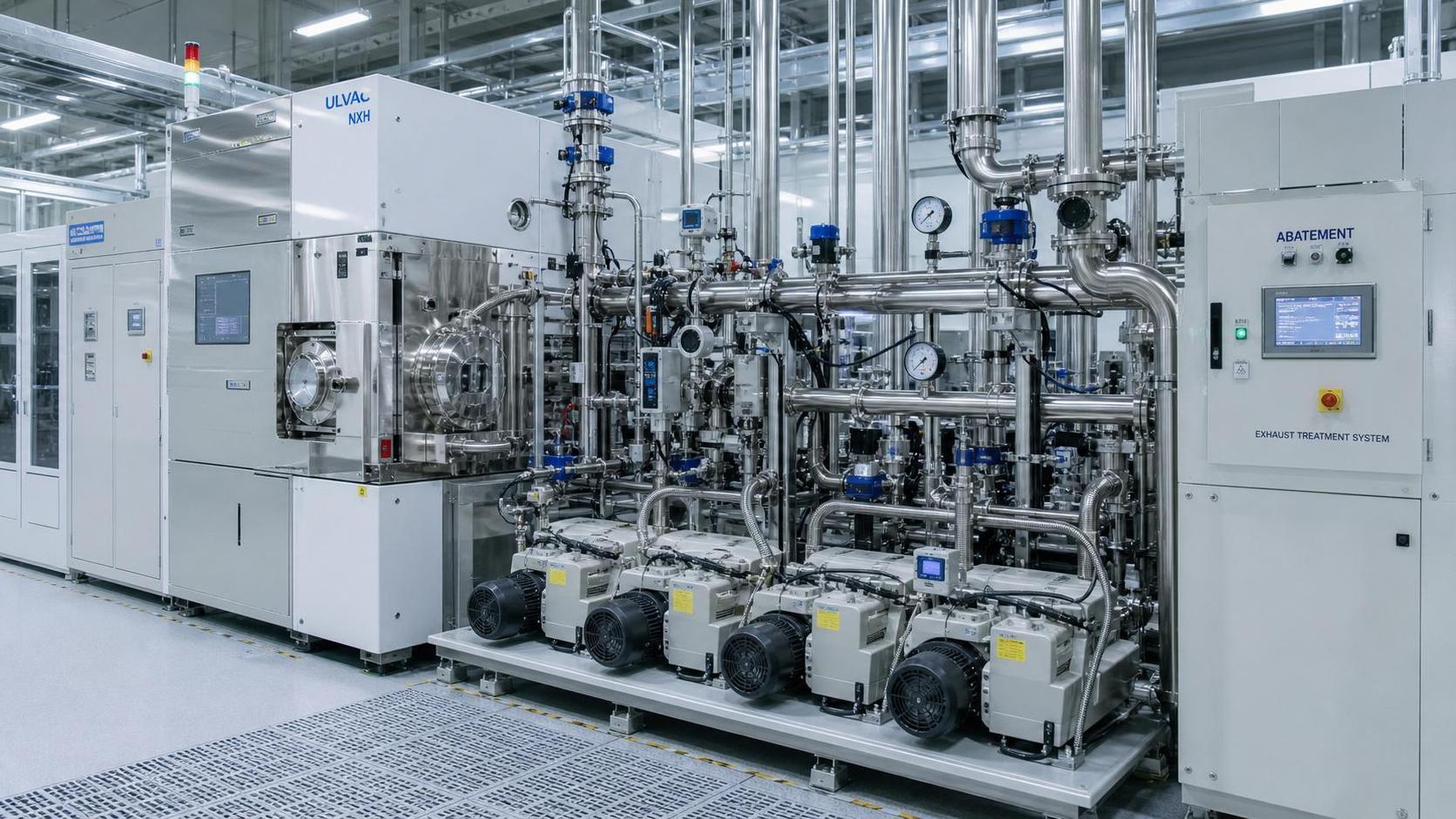
These applications tend to punish small pressure variations. Vacuum technology must be selected with tight attention to gas purity, thermal consistency, and response under fluctuating process loads.
In this kind of environment, a cheap compromise often becomes an expensive source of defects. GTC-Matrix market intelligence often shows that purity requirements tighten before many teams expect them to.
General industrial production
Across drying, forming, conveying, degassing, and material handling, the right vacuum technology usually balances durability, easy servicing, and energy performance.
The best answer is often the one that stays predictable during shift changes, seasonal ambient swings, and changing operator behavior.
What often gets missed during evaluation
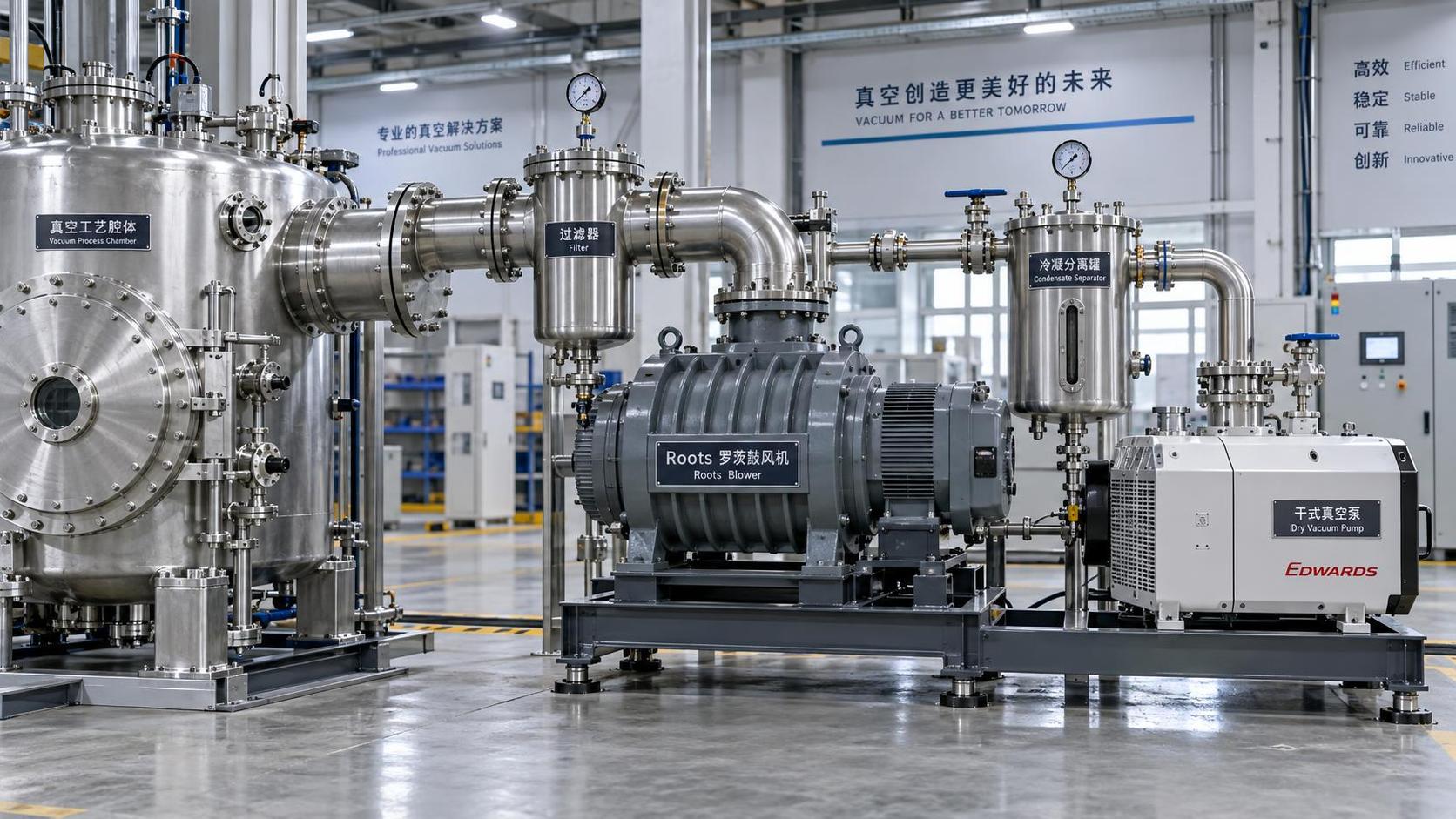
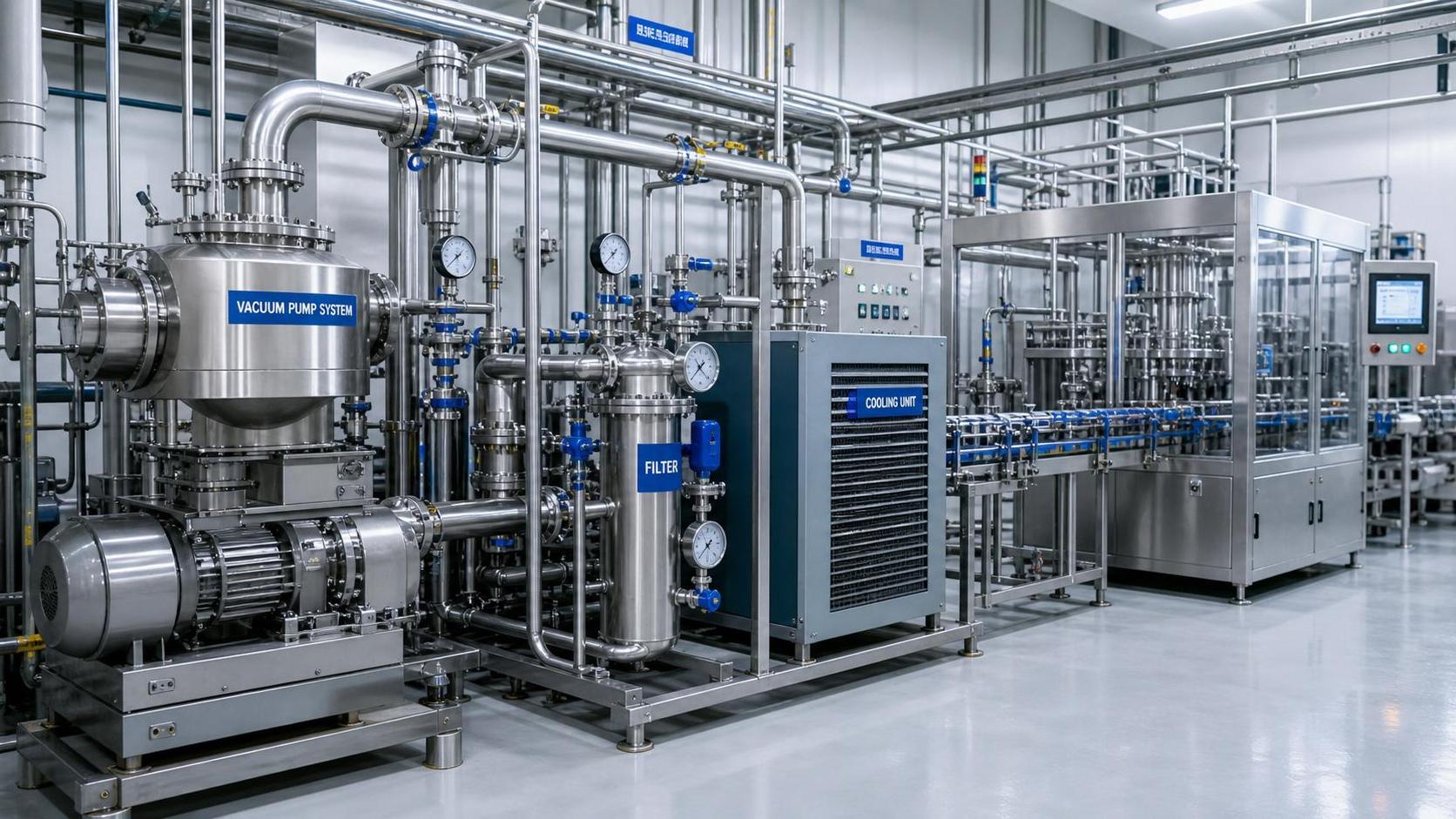
- Do not ignore inlet filtration, knockout capacity, or condensate handling. These support elements often decide whether vacuum technology stays stable or suffers repeated contamination-related problems.
- Check the whole pipe layout, not only the pump package. Long runs, poor sizing, and unnecessary bends can make good vacuum technology appear weak in operation.
- Review startup and shutdown logic in detail. Pressure shocks, reverse flow, or poor isolation can shorten equipment life and reduce confidence in the selected vacuum technology.
- Confirm local service support and spare part lead time. Reliable vacuum technology still becomes risky if repair capability is slow during a critical production period.
- Account for energy price volatility and carbon targets. GTC-Matrix regularly tracks how utility cost changes can alter the preferred vacuum technology economics across regions.
- Plan for monitoring from day one. Pressure, temperature, power draw, and vibration trends help vacuum technology stay predictable instead of becoming a hidden source of downtime.
Practical steps before making the final decision
A solid vacuum technology decision usually comes from a short but disciplined review process. That process should be technical, operational, and financial at the same time.
- Build a decision sheet using real process data, not generic assumptions. Include pressure range, gas load, contamination risk, annual hours, and acceptable downtime thresholds.
- Request performance validation at relevant operating points. A vendor curve is useful, but vacuum technology should also be checked against the application’s actual load profile.
- Score options with weighted criteria. Put stability, maintainability, energy use, and integration needs ahead of headline vacuum depth unless the application truly demands it.
- Ask for a maintenance scenario, not just a maintenance interval. The labor time, skill requirement, and restart procedure shape the real operating burden of vacuum technology.
- Review expansion and redundancy needs before approval. In many plants, modular vacuum technology offers a more stable path than one oversized unit handling every condition.
Where market intelligence adds value
Technical selection is stronger when it is paired with broader industry signals. GTC-Matrix follows energy pricing, oil-free compression trends, clean utility demand, and thermal system evolution across sectors.
That matters because vacuum technology is no longer just an equipment choice. It now connects to decarbonization goals, production resilience, and long-term competitiveness in high-efficiency manufacturing.
Final decision focus
The best vacuum technology is usually the one that stays stable under real load, fits the site, protects product quality, and keeps total operating cost under control.
If the choice still feels close, go back to three questions. What disturbs the process most, what drives downtime most, and what cost rises fastest over time.
Use those answers to narrow the field. Then compare vacuum technology options with actual plant conditions, realistic service assumptions, and future energy expectations in mind.
That approach leads to a decision that is easier to defend now and much easier to live with later.
Ready when you are. Send us a message to get started.
Related News
- How does base pressure affect film purity in vacuum deposition?Author :Vacuum Process Fellow

- How to size vacuum process equipment for the required pump-down timeAuthor :Vacuum Process Fellow

- Which vacuum specification best protects semiconductor process yield?Author :Vacuum Process Fellow

- How Can Contamination Be Prevented in a Semiconductor Vacuum Chamber?Author :Vacuum Process Fellow

- Which Vacuum Pump Specifications Matter Most for Semiconductor Processes?Author :Vacuum Process Fellow

- How to find leaks in vacuum pump systems before pump performance dropsAuthor :Vacuum Process Fellow

- How to size a Roots blower for vacuum process equipmentAuthor :Vacuum Process Fellow

- How vacuum level affects vacuum process efficiencyAuthor :Vacuum Process Fellow

- China Imposes Temporary Helium Export BanAuthor :Vacuum Process Fellow

- Semiconductor Vacuum Systems Factory Checklist for Process Stability and Cleanroom UseAuthor :Vacuum Process Fellow

- Vacuum Process Optimization Services: Signs Your Line Needs a Performance ReviewAuthor :Vacuum Process Fellow

- Vacuum Chambers for Cleanroom Use: Key Design Points That Prevent ContaminationAuthor :Vacuum Process Fellow

- Vacuum Distillation Systems: Key Performance Metrics That Affect Product PurityAuthor :Vacuum Process Fellow

- Vietnam Halts High Vacuum Pump Import Licenses for 30 DaysAuthor :Vacuum Process Fellow

- Vacuum Technology Database: What to Check Before Using Technical DataAuthor :Vacuum Process Fellow

- Dry Pump Vacuum System Design Mistakes That Raise DowntimeAuthor :Vacuum Process Fellow

- When Vacuum Systems Lose Performance: Common Causes and FixesAuthor :Vacuum Process Fellow
![]()
- EU Tightens EN 13445-3 Weld Testing for Vacuum VesselsAuthor :Vacuum Process Fellow
![]()
- EPA Cuts R-1234ze(E) Quota 35%, Tightening Vacuum Cooling SupplyAuthor :Vacuum Process Fellow
 Quota 35%, Tightening Vacuum Cooling Supply")
- ICA Warns of Tight Copper Alloy Supply for Vacuum PumpsAuthor :Vacuum Process Fellow

- Vacuum System Leak Detection: Signs, Tests, and FixesAuthor :Vacuum Process Fellow

- How to Compare Vacuum Systems Factory Capabilities for Stable Process UptimeAuthor :Vacuum Process Fellow

- Vacuum Pump Lead Times Extend to 26 WeeksAuthor :Vacuum Process Fellow

- Semiconductor Vacuum Systems Explained for Stable Process YieldAuthor :Vacuum Process Fellow

- Vacuum Process Efficiency: 7 Hidden Causes of Energy LossAuthor :Vacuum Process Fellow

- Vacuum Technology Solutions for Stable Low-Pressure ProductionAuthor :Vacuum Process Fellow

- Vacuum Processes: Common Efficiency Losses and FixesAuthor :Vacuum Process Fellow

- Common Vacuum Processes Problems and How to Prevent DowntimeAuthor :Vacuum Process Fellow

- Tantalum Spike Extends Vacuum Crucible Lead TimesAuthor :Vacuum Process Fellow

- Vacuum Process Efficiency: 5 Hidden Losses to Check FirstAuthor :Vacuum Process Fellow

- How Heat Transfer Design Impacts Vacuum Process EfficiencyAuthor :Vacuum Process Fellow

- EN 13445-4:2026 Takes Effect for High-Vacuum ComponentsAuthor :Vacuum Process Fellow

- EU Vacuum Components Face New EN 13445-4:2026 Leak Test RuleAuthor :Vacuum Process Fellow

- UBS: Fed Cut View May Ease Vacuum Pump Lead TimesAuthor :Vacuum Process Fellow

- Vacuum Processes: Common Causes of Unstable PerformanceAuthor :Vacuum Process Fellow
![]()
- SiC Certification Signals New Entry Path for Vacuum and Compressor DrivesAuthor :Vacuum Process Fellow
![]()