EPA Cuts R-1234ze(E) Quota 35%, Tightening Vacuum Cooling Supply




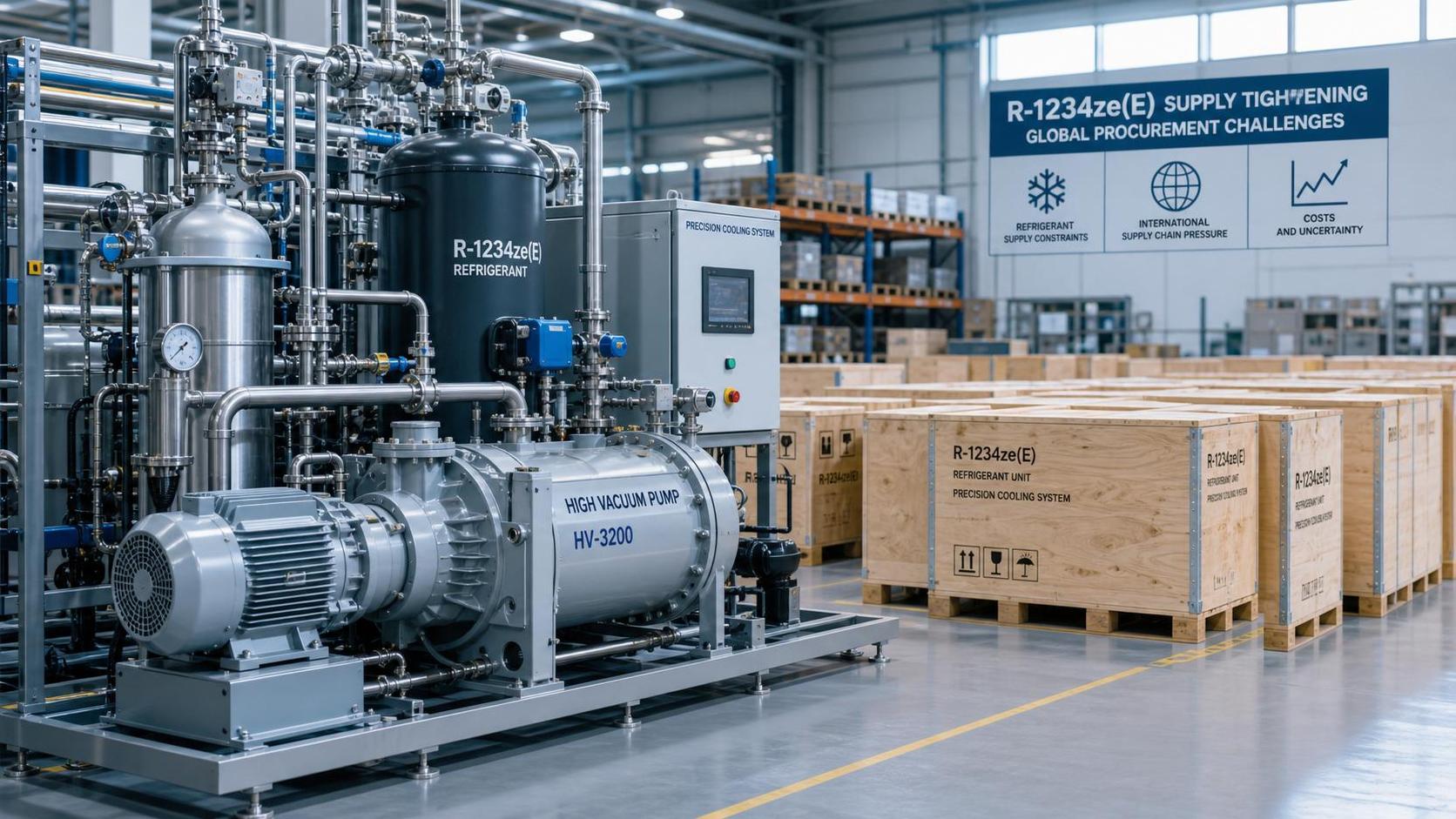
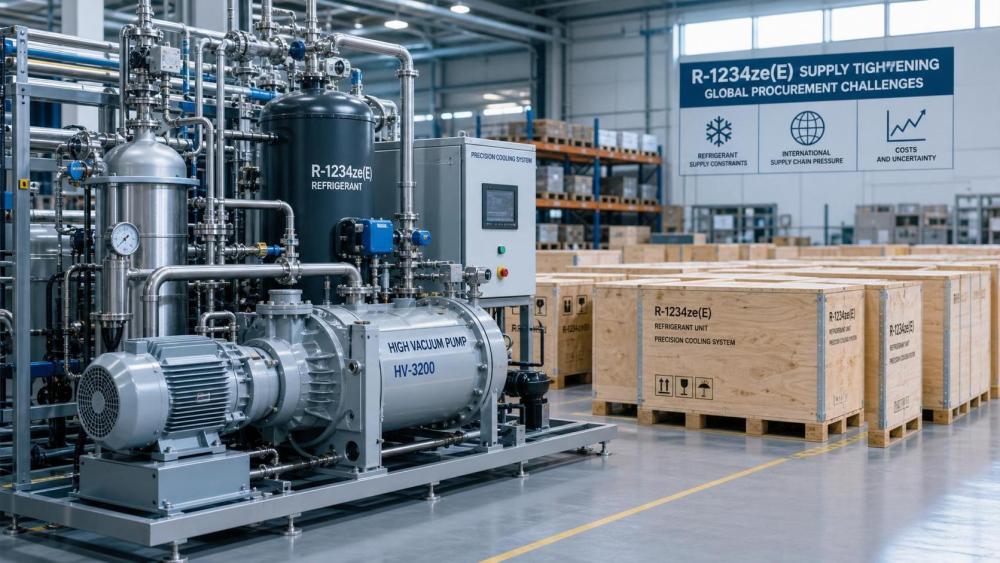
On July 2, 2026, the U.S. Environmental Protection Agency announced its 2026 HFC alternative quota allocation results, including a 35% year-on-year cut for R-1234ze(E), a refrigerant commonly used in high-vacuum pump cooling loops and precision process cooling. Combined with tighter export controls on raw-material intermediates from South America, the change was followed by a 22% one-day jump in global spot prices. For importers, OEMs, and procurement teams tied to high-vacuum systems, the development matters because it directly touches stocking plans, cost assumptions, and near-term supply visibility.
What the July 2 announcement confirmed
According to the information provided, the EPA released its 2026 quota allocation results for HFC alternatives on July 2, 2026. Within that allocation, R-1234ze(E) was reduced by 35% compared with the previous year. The same update also coincided with tighter export controls affecting raw-material intermediates from South America. Following these developments, global spot prices for R-1234ze(E) rose 22% in a single day. The provided information further indicates that this will materially affect stocking strategies for importers of high-vacuum equipment and the cost models used by OEMs.
Where pressure may appear across the chain
Import planning faces a narrower margin for error
From an industry perspective, importers relying on equipment or components tied to R-1234ze(E) may be affected first because quota reduction and upstream export controls both point to tighter procurement conditions. The main pressure is likely to show up in replenishment timing, inventory decisions, and exposure to short-term price swings. What deserves closer attention is whether current procurement cycles still match the new supply environment.
OEM cost models are likely to come under review
For OEMs using R-1234ze(E) in high-vacuum pump cooling loops or precision process cooling, the issue is not only refrigerant availability but also how quickly cost assumptions become outdated. Analysis shows that a one-day spot price jump can force manufacturers to revisit pricing logic, margin planning, and component-level cost calculations. The key business concern is whether existing quotations and delivery commitments were built on a more stable input baseline.
Procurement and supply-chain teams may need closer execution control
For procurement and supply-chain service teams, the impact is likely to center on supplier coordination, lead-time visibility, and documentation around compliant sourcing. Observably, the combination of a U.S. quota cut and tighter raw-material intermediate export controls creates a situation where price movement and supply movement may not stay aligned. That makes operational tracking more important than treating this only as a purchasing issue.
What companies should watch now
Follow official wording and any subsequent rule clarification
Analysis shows that the immediate market reaction does not replace the need to follow official language closely. Companies should distinguish between the confirmed quota reduction itself and any later clarifications on implementation, allocation effects, or compliance interpretation. That difference matters because policy signals and day-to-day purchasing conditions do not always move at the same speed.
Recheck exposure in high-vacuum and precision cooling lines
What deserves closer attention is product or project exposure where R-1234ze(E) is directly embedded in cooling loops or precision process refrigeration. Businesses should identify which imported equipment, assemblies, or service commitments are most sensitive to this refrigerant, especially where delivery timing or replacement supply is already tight.
Stress-test purchasing and delivery assumptions
From an industry perspective, firms should review whether current stock levels, purchase schedules, and supplier commitments still hold under a more constrained supply picture. This is especially relevant for businesses whose procurement model assumed smoother availability or lower spot-price volatility. Customer-facing delivery schedules may also need closer internal review.
Prepare supplier and customer communication around execution risk
Analysis shows that communication may become a practical control point. Companies should pay closer attention to supplier qualifications, transaction documents, fulfillment timing, and how potential changes are explained to customers. In the current situation, execution risk is not limited to cost increases; it may also involve timing, allocation, and contract performance.
Why this reads as more than a one-day price move
Observably, this development should not be read only as a spot-market event. The confirmed facts point to two pressures arriving together: a reduced EPA quota for R-1234ze(E) and tighter export controls on relevant intermediates from South America. Analysis shows that this combination is more meaningful as a supply-side warning signal for businesses that depend on high-vacuum cooling applications. At the same time, it is still more appropriate to understand the broader market effect as a developing situation rather than a fully settled long-term outcome.
How the market is likely to frame this for now
At this stage, the industry significance lies in the fact that a specific refrigerant used in high-vacuum and precision cooling applications is facing simultaneous policy and supply-chain pressure. The confirmed price jump shows that the market has already reacted sharply, but the longer-term business impact still depends on how supply conditions and procurement responses evolve. It is more appropriate to understand this as a short-term supply shock with potential longer-tail implications, and one that still requires continued monitoring rather than fixed conclusions.
Basis of this article and what still needs verification
This article is based on the user-provided news title, event date, and event summary. For reporting of this kind, commonly relevant source categories include official agency announcements, company statements, industry association updates, authoritative media coverage, and standards-related documents. No specific official source link was provided in the input, so the exact original release link still needs to be verified on an ongoing basis. Continued attention should focus on any further official clarification, follow-up market responses, and whether supply conditions for businesses using R-1234ze(E) tighten beyond the initial price reaction.
Ready when you are. Send us a message to get started.
Related News
- How does base pressure affect film purity in vacuum deposition?Author :Vacuum Process Fellow

- How to size vacuum process equipment for the required pump-down timeAuthor :Vacuum Process Fellow

- Which vacuum specification best protects semiconductor process yield?Author :Vacuum Process Fellow

- How Can Contamination Be Prevented in a Semiconductor Vacuum Chamber?Author :Vacuum Process Fellow

- Which Vacuum Pump Specifications Matter Most for Semiconductor Processes?Author :Vacuum Process Fellow

- How to find leaks in vacuum pump systems before pump performance dropsAuthor :Vacuum Process Fellow

- How to size a Roots blower for vacuum process equipmentAuthor :Vacuum Process Fellow

- How vacuum level affects vacuum process efficiencyAuthor :Vacuum Process Fellow

- China Imposes Temporary Helium Export BanAuthor :Vacuum Process Fellow

- Semiconductor Vacuum Systems Factory Checklist for Process Stability and Cleanroom UseAuthor :Vacuum Process Fellow

- Vacuum Process Optimization Services: Signs Your Line Needs a Performance ReviewAuthor :Vacuum Process Fellow

- Vacuum Chambers for Cleanroom Use: Key Design Points That Prevent ContaminationAuthor :Vacuum Process Fellow

- Vacuum Distillation Systems: Key Performance Metrics That Affect Product PurityAuthor :Vacuum Process Fellow

- Vietnam Halts High Vacuum Pump Import Licenses for 30 DaysAuthor :Vacuum Process Fellow

- Vacuum Technology Database: What to Check Before Using Technical DataAuthor :Vacuum Process Fellow

- Dry Pump Vacuum System Design Mistakes That Raise DowntimeAuthor :Vacuum Process Fellow

- When Vacuum Systems Lose Performance: Common Causes and FixesAuthor :Vacuum Process Fellow
![]()
- EU Tightens EN 13445-3 Weld Testing for Vacuum VesselsAuthor :Vacuum Process Fellow
![]()
- EPA Cuts R-1234ze(E) Quota 35%, Tightening Vacuum Cooling SupplyAuthor :Vacuum Process Fellow
 Quota 35%, Tightening Vacuum Cooling Supply")
- ICA Warns of Tight Copper Alloy Supply for Vacuum PumpsAuthor :Vacuum Process Fellow

- Vacuum System Leak Detection: Signs, Tests, and FixesAuthor :Vacuum Process Fellow

- How to Compare Vacuum Systems Factory Capabilities for Stable Process UptimeAuthor :Vacuum Process Fellow

- Vacuum Pump Lead Times Extend to 26 WeeksAuthor :Vacuum Process Fellow

- Semiconductor Vacuum Systems Explained for Stable Process YieldAuthor :Vacuum Process Fellow

- Vacuum Process Efficiency: 7 Hidden Causes of Energy LossAuthor :Vacuum Process Fellow

- Vacuum Technology Solutions for Stable Low-Pressure ProductionAuthor :Vacuum Process Fellow

- Vacuum Processes: Common Efficiency Losses and FixesAuthor :Vacuum Process Fellow

- Common Vacuum Processes Problems and How to Prevent DowntimeAuthor :Vacuum Process Fellow

- Tantalum Spike Extends Vacuum Crucible Lead TimesAuthor :Vacuum Process Fellow

- Vacuum Process Efficiency: 5 Hidden Losses to Check FirstAuthor :Vacuum Process Fellow

- How Heat Transfer Design Impacts Vacuum Process EfficiencyAuthor :Vacuum Process Fellow

- EN 13445-4:2026 Takes Effect for High-Vacuum ComponentsAuthor :Vacuum Process Fellow

- EU Vacuum Components Face New EN 13445-4:2026 Leak Test RuleAuthor :Vacuum Process Fellow

- UBS: Fed Cut View May Ease Vacuum Pump Lead TimesAuthor :Vacuum Process Fellow

- Vacuum Processes: Common Causes of Unstable PerformanceAuthor :Vacuum Process Fellow
![]()
- SiC Certification Signals New Entry Path for Vacuum and Compressor DrivesAuthor :Vacuum Process Fellow
![]()