ITC 337 Probe Puts TOPCon Supply Chain Under Review




On March 1, 2026, the U.S. International Trade Commission began a Section 337 investigation involving N-type TOPCon solar cells. While the case is centered on the cell segment, the scope highlighted in the case has already drawn closer export compliance scrutiny to tunneling oxide ALD processes and the high-vacuum control technologies that support them. For the industry, the practical significance is not limited to cell manufacturing: Chinese suppliers of vacuum pumps, high-purity gas delivery systems, and vacuum chamber sealing components—especially those shipping to module plants in Mexico and Vietnam—now face a more sensitive trade and delivery environment.

What has been confirmed so far
The confirmed event is that the U.S. International Trade Commission launched a Section 337 investigation in March 2026 concerning N-type TOPCon solar cells.
The reported focus of the matter includes tunneling oxide atomic layer deposition (ALD) processes and related high-vacuum environment control technology.
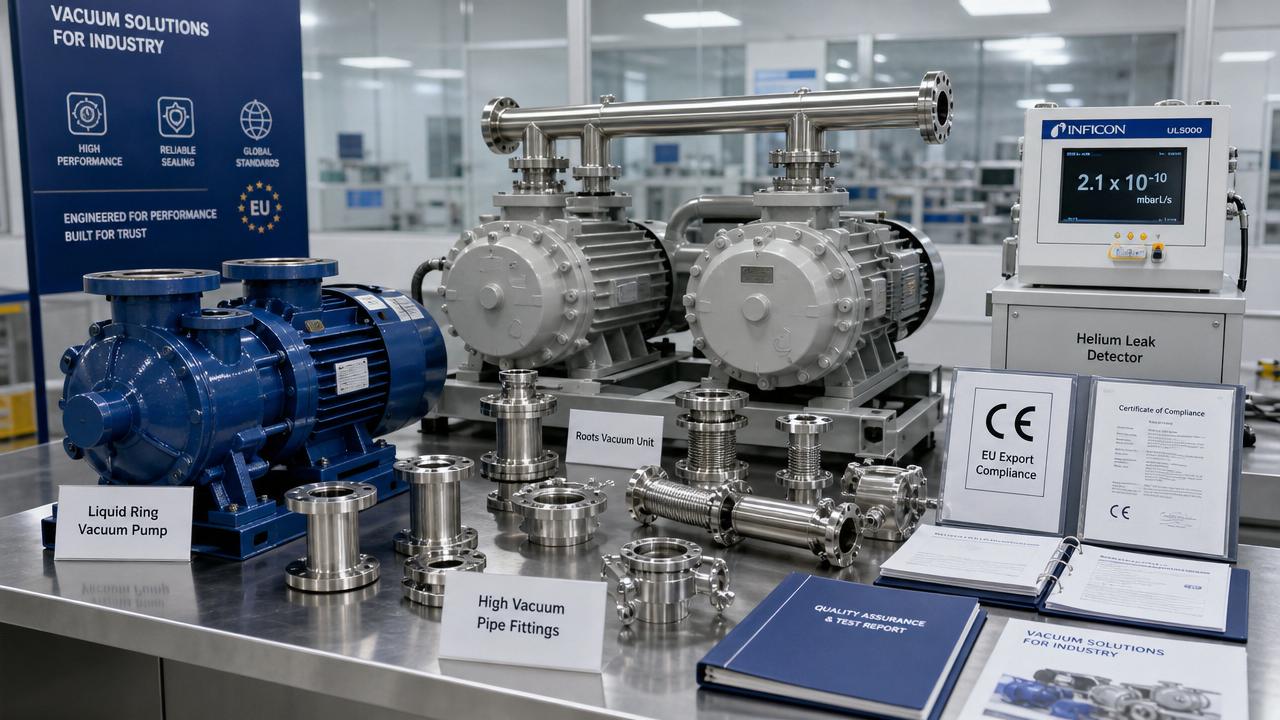
Although the case is directed at solar cells, it has already led to upgraded export compliance review affecting domestically produced vacuum pumps, including liquid ring and screw types, as well as high-purity gas delivery systems and vacuum chamber sealing parts.
The impact identified in the provided information is especially relevant to Chinese vacuum equipment suppliers serving photovoltaic module factories in Mexico and Vietnam.
Why the compliance signal extends beyond the cell makers
Equipment suppliers tied to vacuum process control
From an industry perspective, suppliers of vacuum pumps and related vacuum environment hardware may be affected because the investigation focus touches process steps and supporting technical conditions, not only the finished cell product. The pressure point is likely to appear in export review, customer due diligence, technical document preparation, and shipment approval workflows.
What deserves closer attention is whether customers, distributors, or logistics partners begin asking for clearer product descriptions, application scenarios, component lists, and end-use documentation tied to vacuum process equipment.
Gas handling and sealing component providers in linked deliveries
For suppliers of high-purity gas delivery systems and chamber sealing components, the risk is not necessarily that their products are directly named as the primary subject of the case, but that they may be reviewed as enabling or supporting parts within a process chain now receiving greater scrutiny. In practice, that can affect procurement confirmations, specification alignment, traceability requests, and acceptance documentation.
Companies in this segment should pay attention to whether buyers begin tightening document requests around technical compatibility, delivery packages, maintenance records, or configuration details associated with ALD and high-vacuum operating conditions.
Chinese exporters serving Mexico and Vietnam module plants
The provided information specifically points to Chinese vacuum equipment suppliers shipping to photovoltaic module factories in Mexico and Vietnam. Analysis shows that these exporters may face a more complex compliance path even when the immediate shipment destination is outside the United States, because customer-side screening and cross-border trade reviews can become more cautious once a Section 337 matter is underway.
The business impact may show up in longer internal review cycles, additional buyer questionnaires, stricter contractual wording, or closer checks on shipment documentation and technical files before dispatch.
Procurement and supply chain service participants
Purchasing teams, sourcing intermediaries, and supply chain service providers may also feel the effect because compliance sensitivity often moves upstream into vendor selection and downstream into delivery control. This does not mean a uniform restriction has already been imposed, but it does suggest that procurement decisions for relevant vacuum-related equipment could become more documentation-driven.
In operational terms, these participants should watch for changes in tender language, supplier qualification requirements, document submission standards, and requests for after-sales support commitments or quality traceability records.
What companies should monitor now
Keep technical and trade documentation ready for closer review
Analysis shows that companies linked to ALD-supporting vacuum systems should prepare for more detailed compliance checks. That includes technical specifications, product application descriptions, component lists, and trade documents used in export transactions. The current information does not confirm new formal filing rules, but it does indicate that documentation quality may become more important in customer review and shipment processing.
Watch customer-side compliance language and tender revisions
Observably, one of the first practical changes may appear not in a published rulebook but in commercial documents. Exporters and component suppliers should therefore monitor whether customers revise tender files, procurement standards, qualification clauses, or delivery acceptance terms for vacuum pumps, gas delivery systems, and sealing components associated with TOPCon production lines.
Review exposure in Mexico and Vietnam delivery chains
Given the markets identified in the provided information, suppliers serving module factories in Mexico and Vietnam should map which products, projects, and customers are most closely connected to TOPCon process applications. This is not a conclusion that trade disruption has already occurred; rather, it is a practical screening step to identify where additional compliance review, delivery coordination, or buyer communication may be needed first.
Prepare for possible delays in approval and handover
What deserves closer attention is the execution side of trade, including order confirmation, export review, customs-facing document consistency, and final customer acceptance. Even without confirmed new restrictions in the provided information, companies should be alert to the possibility that review cycles may lengthen and that handover schedules could become more sensitive to document completeness and technical clarity.
How this development should be read at this stage
Observably, this development is more appropriately understood as an execution signal than as a fully settled rule outcome for the broader vacuum equipment chain. The confirmed fact is the launch of the Section 337 investigation and the resulting increase in export compliance scrutiny around related supporting technologies. The unconfirmed part is how far this scrutiny will be translated into stable purchasing rules, formal screening thresholds, or repeated market practice across all affected supply segments.
From an industry perspective, the case matters because it shows how a trade investigation aimed at one product category can spill into adjacent equipment and component supply chains when process technology and operating environment controls are involved. That is why ongoing attention to official wording, buyer responses, and document-level compliance demands will likely be more useful than broad assumptions.
What the market can reasonably take from this
At present, the event is best understood as a targeted trade-compliance development with broader supply chain implications, rather than as a final determination on market access for all related products. The most relevant near-term issue for companies is not only whether they are directly named, but whether their products sit inside a process path now receiving more careful review.
A rational reading is that exporters, procurement teams, and supporting equipment suppliers should treat this as a prompt to strengthen documentation, reassess exposure in sensitive delivery chains, and monitor customer requirements closely. Further conclusions will depend on how review standards, transaction practice, and market feedback evolve.
Basis of this article and items that still require verification
This article is based on the user-provided news title, event date, and event summary. It has been written as an industry information piece rather than as a legal determination.
For events of this type, relevant source categories typically include official notices, releases from regulatory authorities, customs or trade administration information, industry association updates, standard-setting documents, and reporting from authoritative media. A specific official source link was not provided in the input, so it still needs to be verified through ongoing review.
Further observation is still needed on any later official clarification, enforcement interpretation, certification-related practice, tender document revisions, industry feedback, and how affected companies adjust their delivery and compliance processes.
Ready when you are. Send us a message to get started.
Related News
- How does base pressure affect film purity in vacuum deposition?Author :Vacuum Process Fellow

- How to size vacuum process equipment for the required pump-down timeAuthor :Vacuum Process Fellow

- Which vacuum specification best protects semiconductor process yield?Author :Vacuum Process Fellow

- How Can Contamination Be Prevented in a Semiconductor Vacuum Chamber?Author :Vacuum Process Fellow

- Which Vacuum Pump Specifications Matter Most for Semiconductor Processes?Author :Vacuum Process Fellow

- How to find leaks in vacuum pump systems before pump performance dropsAuthor :Vacuum Process Fellow

- How to size a Roots blower for vacuum process equipmentAuthor :Vacuum Process Fellow

- How vacuum level affects vacuum process efficiencyAuthor :Vacuum Process Fellow

- China Imposes Temporary Helium Export BanAuthor :Vacuum Process Fellow

- Semiconductor Vacuum Systems Factory Checklist for Process Stability and Cleanroom UseAuthor :Vacuum Process Fellow

- Vacuum Process Optimization Services: Signs Your Line Needs a Performance ReviewAuthor :Vacuum Process Fellow

- Vacuum Chambers for Cleanroom Use: Key Design Points That Prevent ContaminationAuthor :Vacuum Process Fellow

- Vacuum Distillation Systems: Key Performance Metrics That Affect Product PurityAuthor :Vacuum Process Fellow

- Vietnam Halts High Vacuum Pump Import Licenses for 30 DaysAuthor :Vacuum Process Fellow

- Vacuum Technology Database: What to Check Before Using Technical DataAuthor :Vacuum Process Fellow

- Dry Pump Vacuum System Design Mistakes That Raise DowntimeAuthor :Vacuum Process Fellow

- When Vacuum Systems Lose Performance: Common Causes and FixesAuthor :Vacuum Process Fellow
![]()
- EU Tightens EN 13445-3 Weld Testing for Vacuum VesselsAuthor :Vacuum Process Fellow
![]()
- EPA Cuts R-1234ze(E) Quota 35%, Tightening Vacuum Cooling SupplyAuthor :Vacuum Process Fellow
 Quota 35%, Tightening Vacuum Cooling Supply")
- ICA Warns of Tight Copper Alloy Supply for Vacuum PumpsAuthor :Vacuum Process Fellow

- Vacuum System Leak Detection: Signs, Tests, and FixesAuthor :Vacuum Process Fellow

- How to Compare Vacuum Systems Factory Capabilities for Stable Process UptimeAuthor :Vacuum Process Fellow

- Vacuum Pump Lead Times Extend to 26 WeeksAuthor :Vacuum Process Fellow

- Semiconductor Vacuum Systems Explained for Stable Process YieldAuthor :Vacuum Process Fellow

- Vacuum Process Efficiency: 7 Hidden Causes of Energy LossAuthor :Vacuum Process Fellow

- Vacuum Technology Solutions for Stable Low-Pressure ProductionAuthor :Vacuum Process Fellow

- Vacuum Processes: Common Efficiency Losses and FixesAuthor :Vacuum Process Fellow

- Common Vacuum Processes Problems and How to Prevent DowntimeAuthor :Vacuum Process Fellow

- Tantalum Spike Extends Vacuum Crucible Lead TimesAuthor :Vacuum Process Fellow

- Vacuum Process Efficiency: 5 Hidden Losses to Check FirstAuthor :Vacuum Process Fellow

- How Heat Transfer Design Impacts Vacuum Process EfficiencyAuthor :Vacuum Process Fellow

- EN 13445-4:2026 Takes Effect for High-Vacuum ComponentsAuthor :Vacuum Process Fellow

- EU Vacuum Components Face New EN 13445-4:2026 Leak Test RuleAuthor :Vacuum Process Fellow

- UBS: Fed Cut View May Ease Vacuum Pump Lead TimesAuthor :Vacuum Process Fellow

- Vacuum Processes: Common Causes of Unstable PerformanceAuthor :Vacuum Process Fellow
![]()
- SiC Certification Signals New Entry Path for Vacuum and Compressor DrivesAuthor :Vacuum Process Fellow
![]()