Vacuum Pump Lead Times Extend to 26 Weeks




The timing of the underlying disruption was not specified in the source material, but the latest industry notice points to a concrete change that matters for procurement, delivery planning, supplier qualification, and certification review in the high-vacuum equipment chain. For manufacturers, OEMs, buyers, and service providers tied to High Vacuum systems, the issue is no longer only component scarcity; it now also raises practical questions around substitute-part validation and whether uncertified alternatives can move into formal supply and bid workflows.
What the latest notice confirms
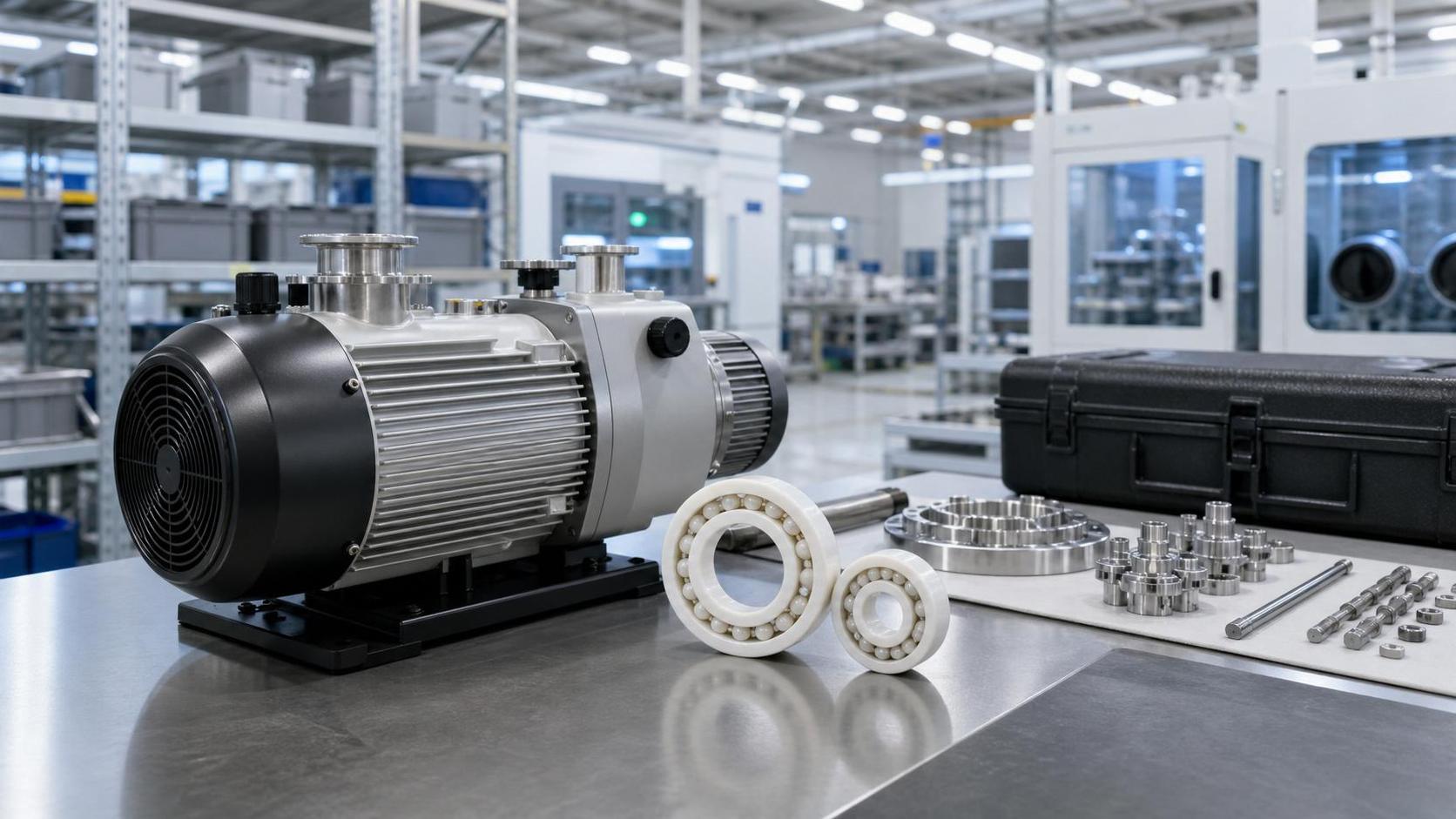
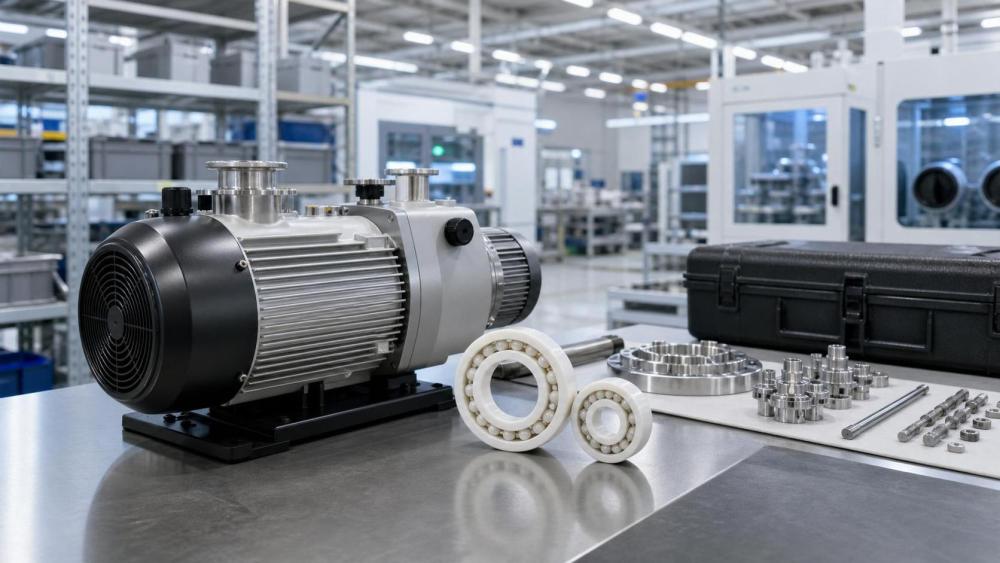
According to a notice released by the Japan Vacuum Industry Association (JVIA) on June 27, 2026, damage to ceramic bearing production lines after the Kyushu earthquake has widened the supply gap for silicon nitride ceramic spindle bearings used as core components in High Vacuum systems. As a result, the global delivery cycle for complete high-vacuum pumps has been extended again, from 22 weeks to 26 weeks.
The same summary states that Chinese OEM manufacturers have started validation work for domestic substitutes. However, those substitutes have not yet obtained ISO 20400 vacuum cleanliness certification.
Where the pressure is likely to appear first
Procurement teams facing longer commitment windows
From an industry perspective, buyers and sourcing teams are likely to feel the impact first because the confirmed change is a further extension in equipment lead time. The immediate effect is on purchasing schedules, supplier coordination, and delivery commitments tied to project milestones. What deserves closer attention is whether procurement documents, technical specifications, and internal approval flows already assume certified components, because substitute validation alone does not equal certification readiness.
OEM production and bid delivery under tighter qualification constraints
For OEM manufacturers, the issue extends beyond assembly scheduling. If a key bearing remains short and replacement components are still undergoing validation without ISO 20400 certification, the pressure shifts to qualification records, technical file consistency, and bid or customer documentation. Observably, this creates a distinction between engineering feasibility and compliance acceptability, especially where cleanliness-related requirements are treated as a prerequisite for delivery or acceptance.
Trade and distribution participants managing expectation risk
Distributors, export-facing suppliers, and other trading participants may be affected through contract timing, shipment planning, and communication with downstream buyers. Analysis shows that even without a newly announced trade restriction, a longer global lead time can alter how delivery terms, supply commitments, and after-sales planning are evaluated. In practice, these parties need to watch for any change in requested certificates, supporting technical documents, or customer-side qualification language linked to vacuum cleanliness requirements.
Testing and service functions pulled into the compliance chain
Certification-related firms, testing bodies, and after-sales service providers may also see indirect pressure. If domestic replacement routes continue to be explored, more attention is likely to fall on test evidence, traceability materials, maintenance compatibility, and fault attribution during commissioning or post-delivery service. It is more appropriate to understand this as a compliance and verification issue emerging alongside a supply disruption, rather than as a pure logistics delay.
What companies should track now
Certification status should be checked separately from substitute validation
Analysis shows that the most immediate practical distinction is between starting validation and meeting a recognized certification requirement. Companies reviewing supply options should avoid treating these two steps as interchangeable in contracts, qualification files, or customer communication.
Delivery plans need to be tested against updated lead times
With the confirmed extension from 22 to 26 weeks, firms should review whether current procurement plans, promised shipment windows, and production sequencing still match actual component availability. This is especially relevant where project delivery depends on complete pump sets rather than partial subsystem readiness.
Technical and bid documents deserve renewed scrutiny
What deserves closer attention is whether tender files, internal specifications, acceptance terms, or customer technical schedules explicitly reference cleanliness certification or equivalent supporting records. If they do, the absence of ISO 20400 certification for substitute parts may become a practical gating factor even if engineering trials continue.
Follow official wording and market execution carefully
Observably, the current information confirms a supply and certification gap but does not establish a final market-wide execution outcome. Companies should therefore monitor subsequent official wording, customer-side acceptance standards, and any evolving interpretation of substitute-part use in formal delivery and qualification processes.
Why this reads as an execution signal, not a closed outcome
Analysis shows that this development is best read as an execution-stage signal affecting supply chain decisions now, while still leaving important rule application questions open. The confirmed facts are clear on longer lead times and on the current lack of ISO 20400 certification for domestic substitute efforts. What remains uncertain, based on the provided information, is how quickly certification status, procurement acceptance, and bid eligibility may evolve in response. That is why the item matters beyond routine shortage news: it connects physical supply disruption with the practical gatekeeping role of certification and document-based compliance.
How the market should interpret the latest extension
At this stage, it is more appropriate to understand the news as a confirmed delivery change with broader compliance and qualification implications, rather than as proof of a settled replacement pathway. The extension to 26 weeks is already a concrete operating condition for the market, while the substitute route remains incomplete from a certification standpoint. For industry participants, the central takeaway is not only that lead times are longer, but that supplier substitution may remain constrained until certification and acceptance conditions become clearer.
Basis of this article and what still needs verification
This article is based on the user-provided news title, event timing, and event summary. For developments of this type, commonly relevant source categories include official notices, regulator releases, trade or customs authority information, industry association updates, standards organization materials, and reporting by established professional media. A specific official source link was not provided in the input, so further verification remains necessary. What still deserves continued monitoring includes later official clarifications, certification application and acceptance practice, changes in tender documentation, industry feedback, and actual implementation by companies across procurement and delivery workflows.
Related News
- How Can Contamination Be Prevented in a Semiconductor Vacuum Chamber?Author :Vacuum Process Fellow

- Which Vacuum Pump Specifications Matter Most for Semiconductor Processes?Author :Vacuum Process Fellow

- How to find leaks in vacuum pump systems before pump performance dropsAuthor :Vacuum Process Fellow

- How to size a Roots blower for vacuum process equipmentAuthor :Vacuum Process Fellow

- How vacuum level affects vacuum process efficiencyAuthor :Vacuum Process Fellow

- China Imposes Temporary Helium Export BanAuthor :Vacuum Process Fellow

- Semiconductor Vacuum Systems Factory Checklist for Process Stability and Cleanroom UseAuthor :Vacuum Process Fellow

- Vacuum Process Optimization Services: Signs Your Line Needs a Performance ReviewAuthor :Vacuum Process Fellow

- Vacuum Chambers for Cleanroom Use: Key Design Points That Prevent ContaminationAuthor :Vacuum Process Fellow

- Vacuum Distillation Systems: Key Performance Metrics That Affect Product PurityAuthor :Vacuum Process Fellow

- Vietnam Halts High Vacuum Pump Import Licenses for 30 DaysAuthor :Vacuum Process Fellow

- Vacuum Technology Database: What to Check Before Using Technical DataAuthor :Vacuum Process Fellow

- Dry Pump Vacuum System Design Mistakes That Raise DowntimeAuthor :Vacuum Process Fellow

- When Vacuum Systems Lose Performance: Common Causes and FixesAuthor :Vacuum Process Fellow
![]()
- EU Tightens EN 13445-3 Weld Testing for Vacuum VesselsAuthor :Vacuum Process Fellow
![]()
- EPA Cuts R-1234ze(E) Quota 35%, Tightening Vacuum Cooling SupplyAuthor :Vacuum Process Fellow
 Quota 35%, Tightening Vacuum Cooling Supply")
- ICA Warns of Tight Copper Alloy Supply for Vacuum PumpsAuthor :Vacuum Process Fellow

- Vacuum System Leak Detection: Signs, Tests, and FixesAuthor :Vacuum Process Fellow

- How to Compare Vacuum Systems Factory Capabilities for Stable Process UptimeAuthor :Vacuum Process Fellow

- Vacuum Pump Lead Times Extend to 26 WeeksAuthor :Vacuum Process Fellow

- Semiconductor Vacuum Systems Explained for Stable Process YieldAuthor :Vacuum Process Fellow

- Vacuum Process Efficiency: 7 Hidden Causes of Energy LossAuthor :Vacuum Process Fellow

- Vacuum Technology Solutions for Stable Low-Pressure ProductionAuthor :Vacuum Process Fellow

- Vacuum Processes: Common Efficiency Losses and FixesAuthor :Vacuum Process Fellow

- Common Vacuum Processes Problems and How to Prevent DowntimeAuthor :Vacuum Process Fellow

- Tantalum Spike Extends Vacuum Crucible Lead TimesAuthor :Vacuum Process Fellow

- Vacuum Process Efficiency: 5 Hidden Losses to Check FirstAuthor :Vacuum Process Fellow

- How Heat Transfer Design Impacts Vacuum Process EfficiencyAuthor :Vacuum Process Fellow

- EN 13445-4:2026 Takes Effect for High-Vacuum ComponentsAuthor :Vacuum Process Fellow

- EU Vacuum Components Face New EN 13445-4:2026 Leak Test RuleAuthor :Vacuum Process Fellow

- UBS: Fed Cut View May Ease Vacuum Pump Lead TimesAuthor :Vacuum Process Fellow

- Vacuum Processes: Common Causes of Unstable PerformanceAuthor :Vacuum Process Fellow
![]()
- SiC Certification Signals New Entry Path for Vacuum and Compressor DrivesAuthor :Vacuum Process Fellow
![]()
- How to Choose the Right Vacuum System for Process StabilityAuthor :Vacuum Process Fellow

- Vacuum Technology Selection: What Matters Most for Stable Process PerformanceAuthor :Vacuum Process Fellow

- Vacuum Processes: How to Reduce Contamination and Improve Cycle ConsistencyAuthor :Vacuum Process Fellow