Semiconductor Vacuum Systems Factory Checklist for Process Stability and Cleanroom Use




What should a semiconductor vacuum systems factory prove before it enters a serious shortlist?
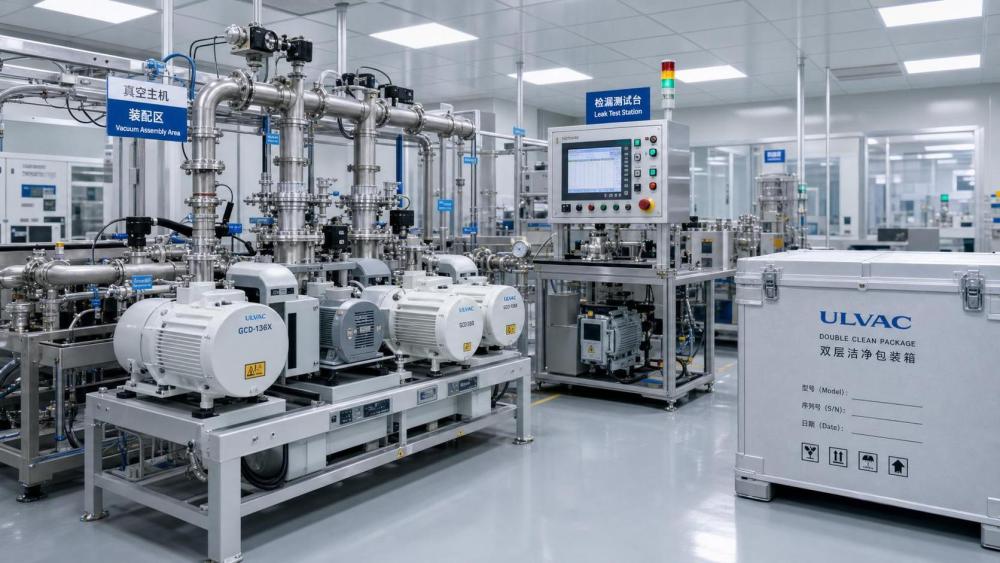
A semiconductor vacuum systems factory is rarely judged by output alone.
The harder question is whether it can protect process stability under cleanroom conditions, repeated thermal cycles, and strict contamination limits.
That is why early screening should focus on evidence, not claims.
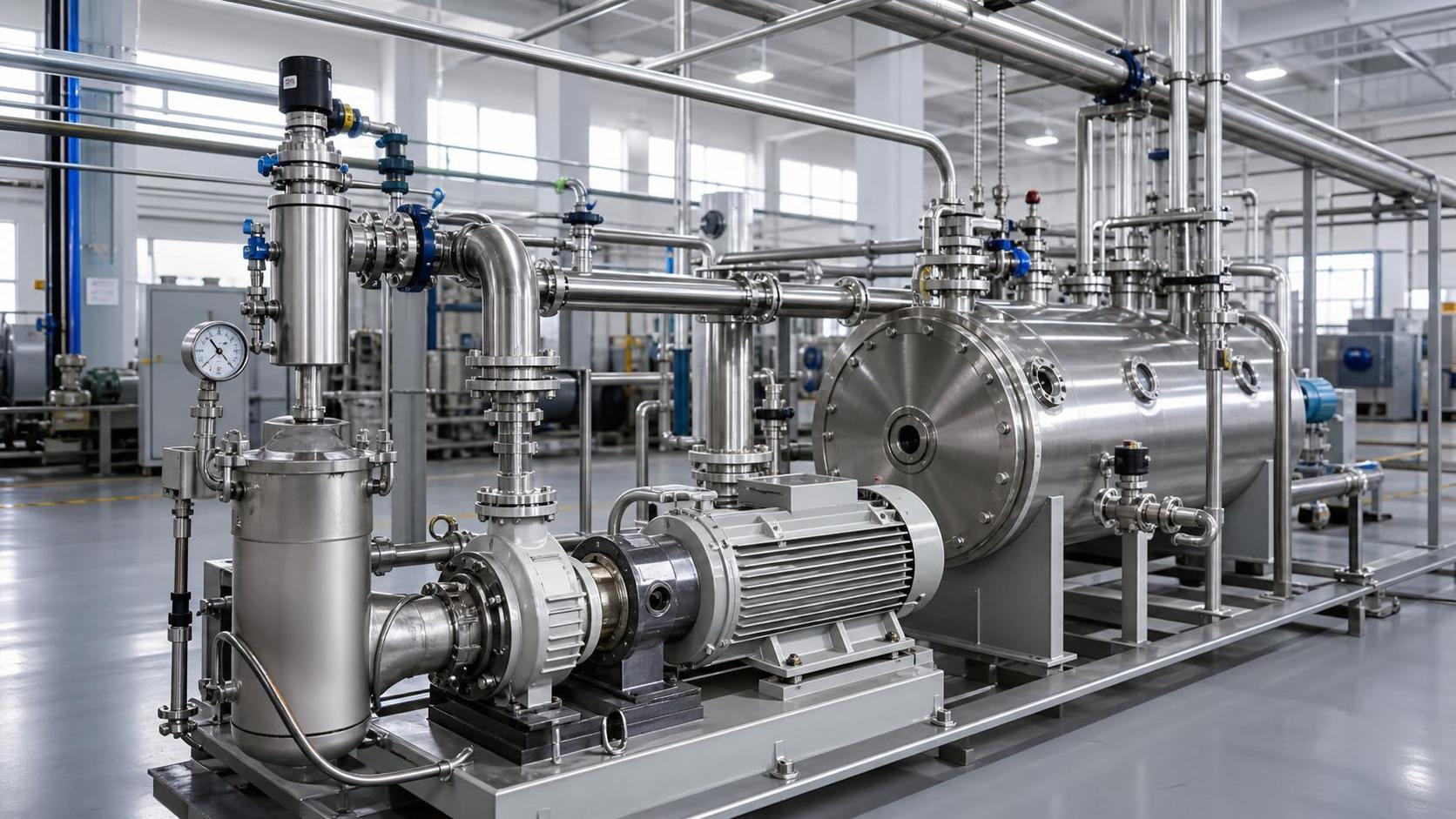
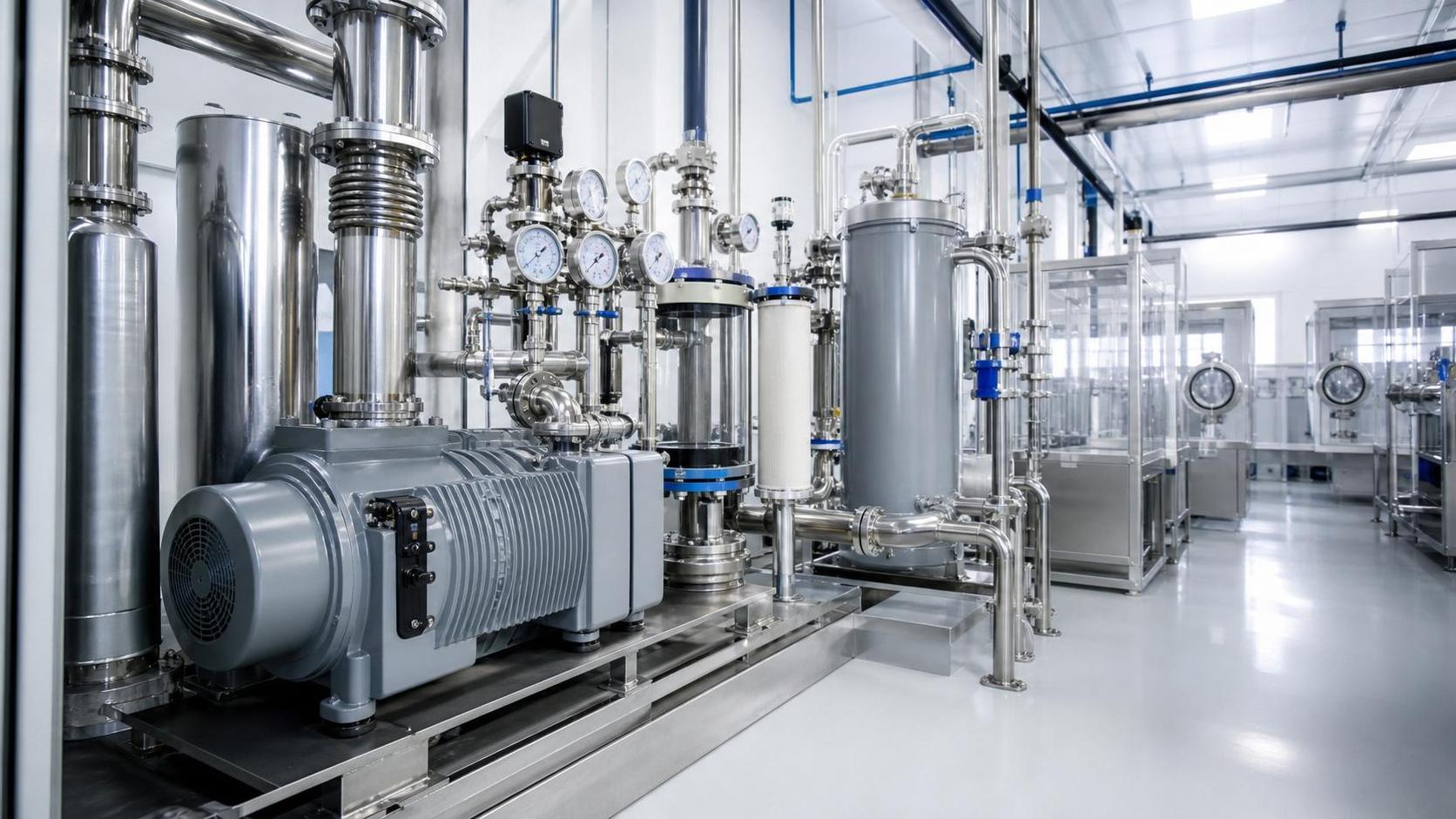
In practice, stable vacuum performance depends on pump architecture, sealing strategy, outgassing control, leak integrity, and factory cleanliness discipline.
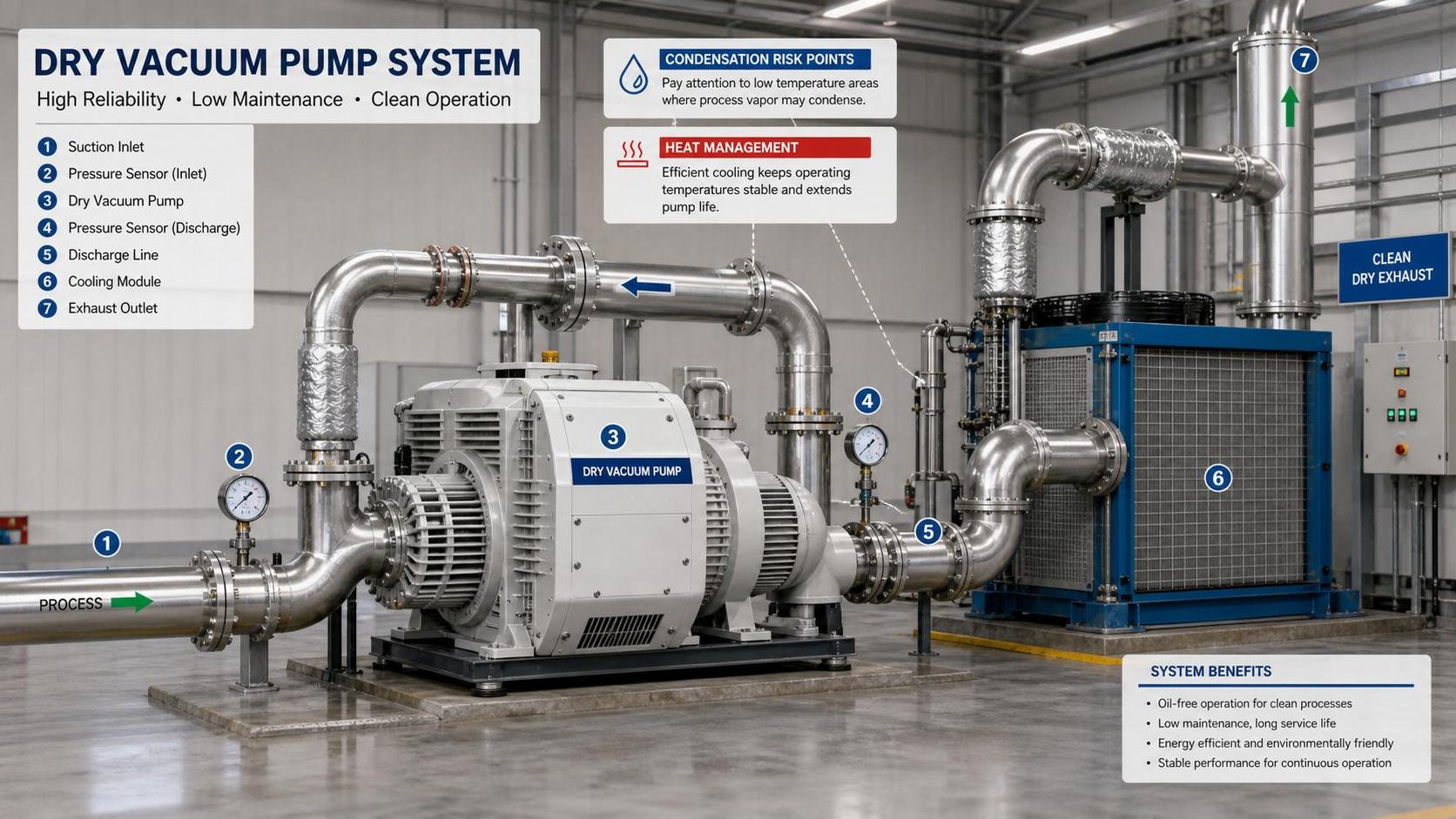
It also depends on how the supplier manages compressed air, cooling loops, heat rejection, and utility fluctuations around the vacuum system.
This broader view matters because semiconductor tools do not fail in isolation.
They fail when thermal balance drifts, particles rise, maintenance windows stretch, or recovery time after service becomes unpredictable.
A useful semiconductor vacuum systems factory checklist therefore starts with three proof points.
- Documented vacuum stability across target pressure ranges and duty cycles.
- Cleanroom-compatible manufacturing and packaging controls.
- Traceable quality records for leak testing, particle control, and component sourcing.
GTC-Matrix often frames vacuum selection inside a larger industrial energy picture.
That perspective is useful here, because vacuum reliability is tied to thermal management, oil-free utilities, and long-run operating efficiency.
Which checklist items reveal real process stability, not just good presentation?
A polished factory tour can hide weak control points.
More reliable signals come from measurable process data and the discipline behind it.
Start by asking how the semiconductor vacuum systems factory validates pressure repeatability.
If the answer stays at brochure level, the review is still incomplete.
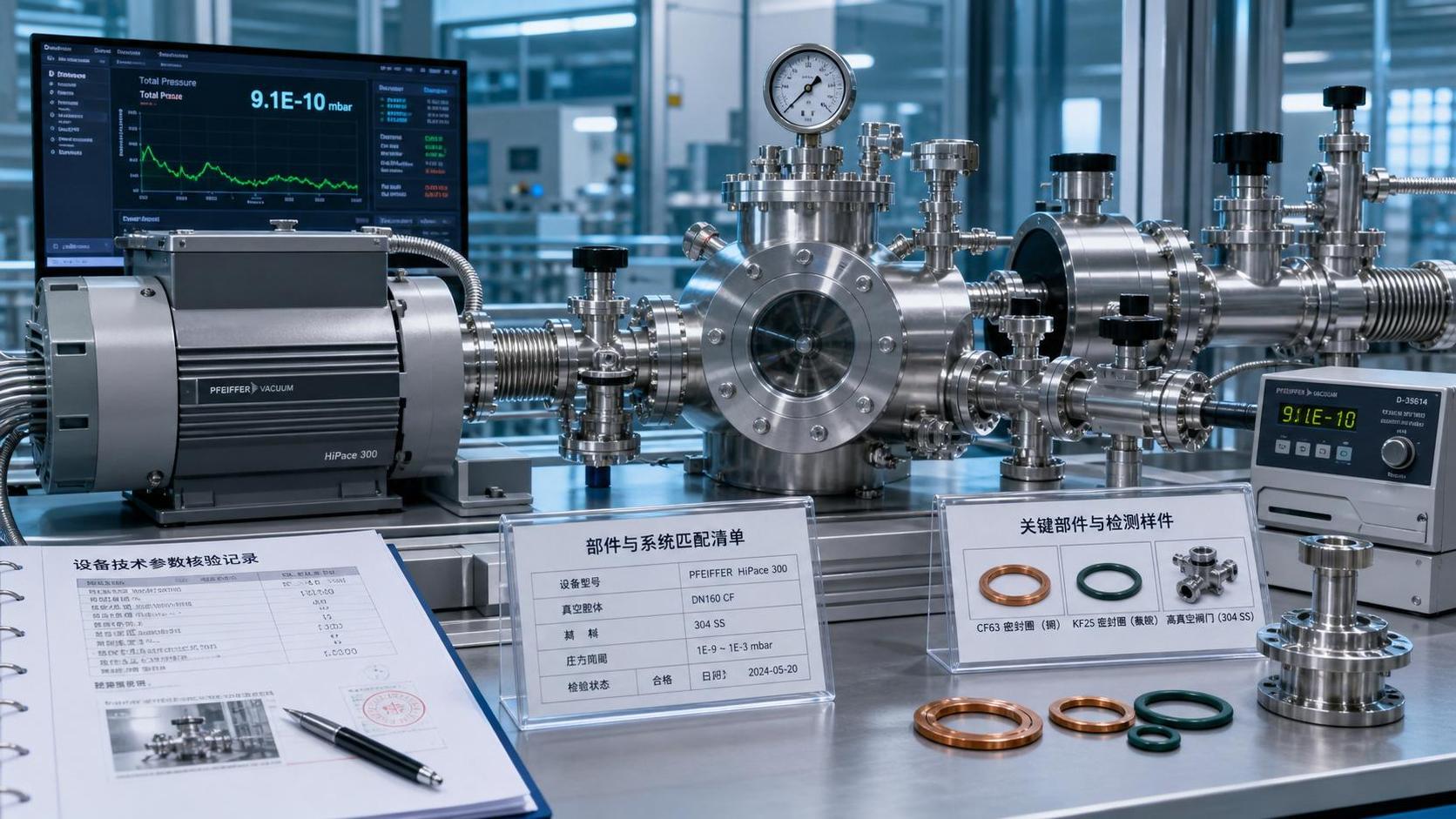
A stronger answer includes pressure ramp data, ultimate vacuum verification, pump-down curves, and recovery behavior after scheduled maintenance.
The next checkpoint is contamination control.
For semiconductor use, the vacuum system cannot introduce particles, backstreaming risks, unstable seals, or material residues that shift process results over time.
Look closely at these items:
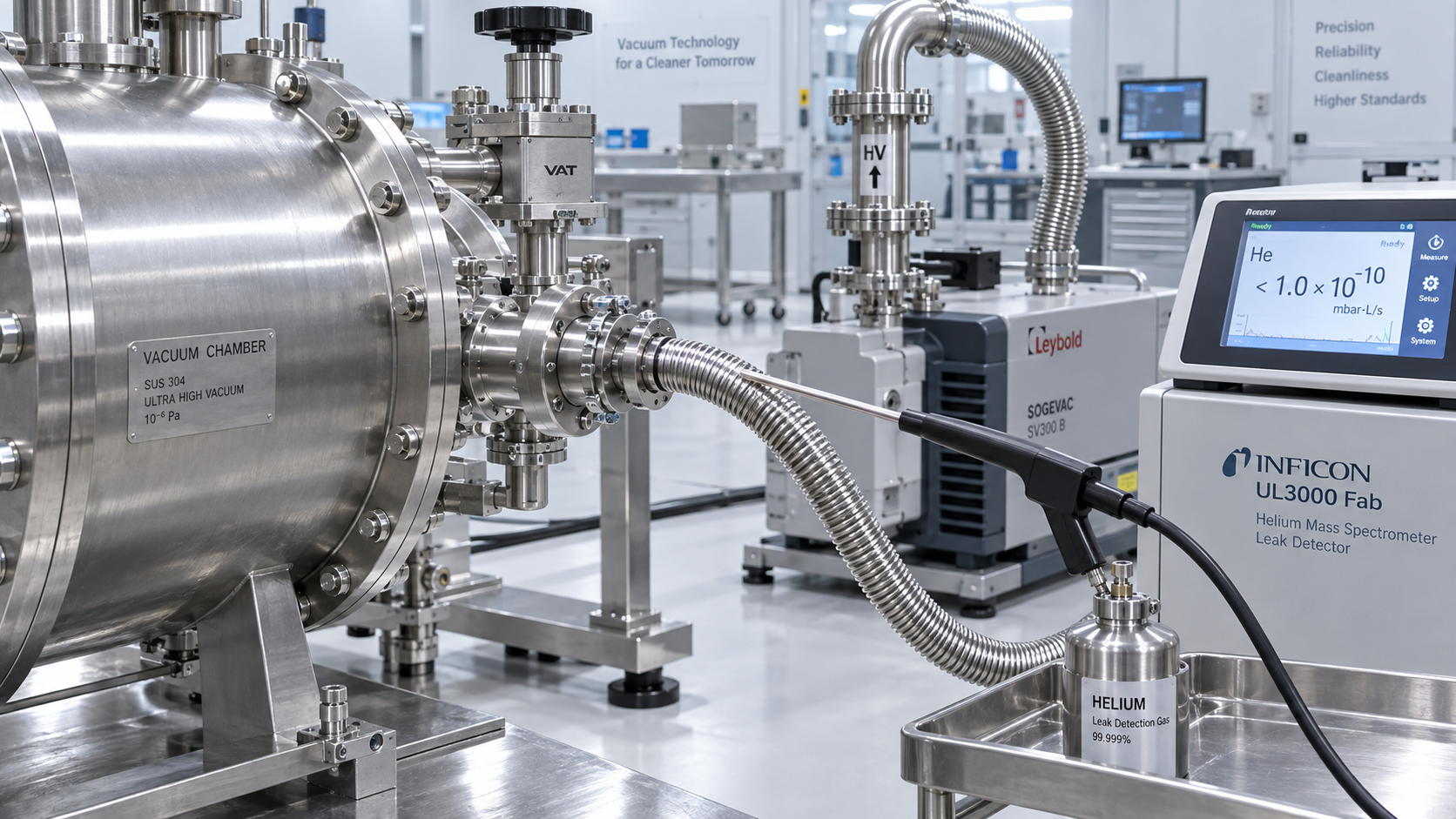
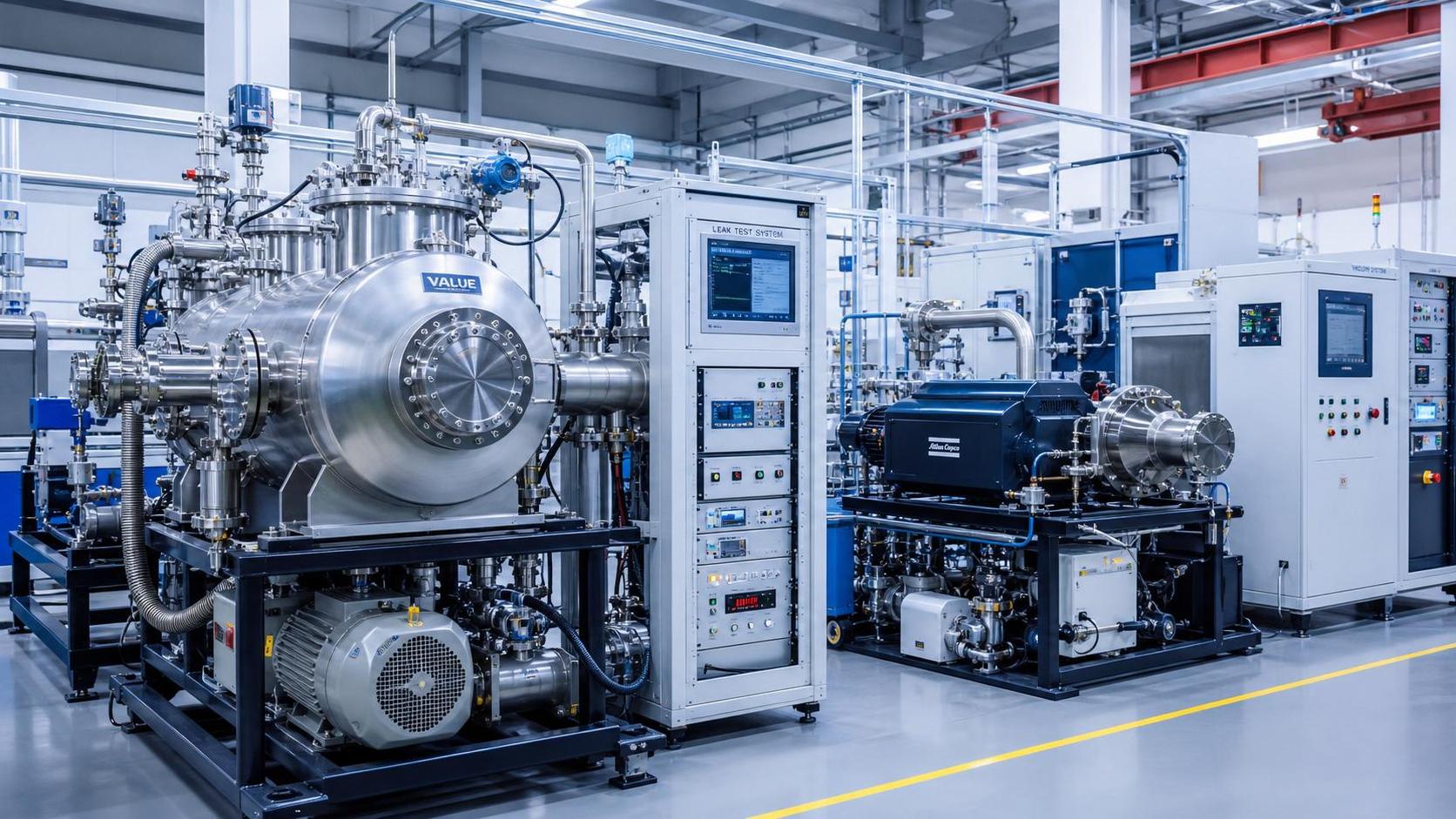
- Helium leak test standards and acceptance thresholds.
- Cleaning methods for internal wetted surfaces.
- Material compatibility with corrosive or reactive process gases.
- Bake-out, degassing, and packaging procedures before shipment.
- Change control records for valves, seals, coatings, and electronics.
A dependable semiconductor vacuum systems factory should also explain what happens when utilities drift.
Cooling water temperature swings, compressed air quality, and unstable power often create hidden vacuum instability long before a shutdown occurs.
This is where GTC-Matrix style cross-disciplinary evaluation becomes valuable.
Vacuum performance should be checked alongside thermal load, energy draw, and utility resilience, not as a standalone number.
How do you judge cleanroom compatibility without over-relying on certificates?
Certificates matter, but they are only the starting point.
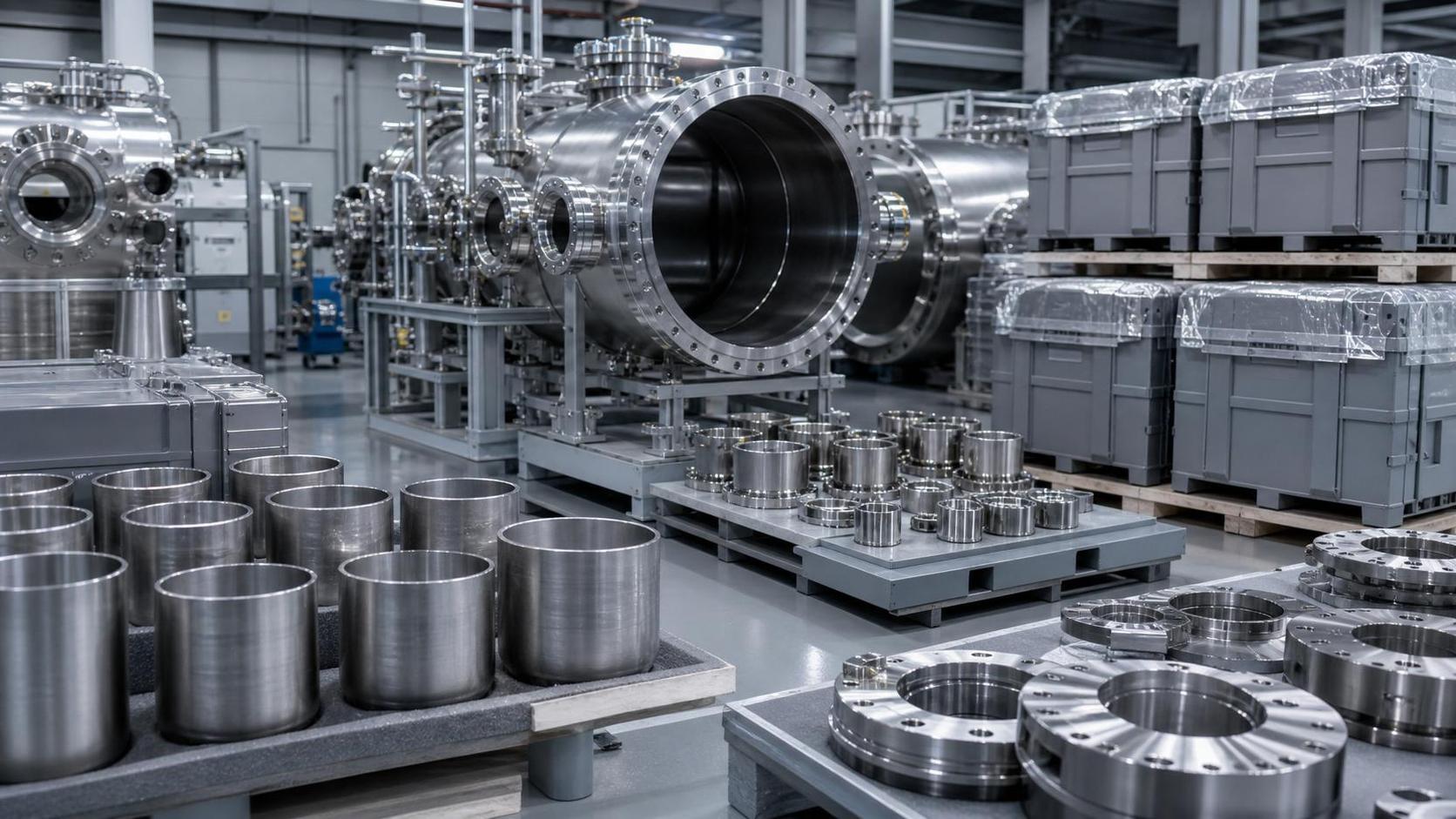
Cleanroom compatibility becomes credible when procedures, layout, handling, and packaging all support the same contamination-control logic.
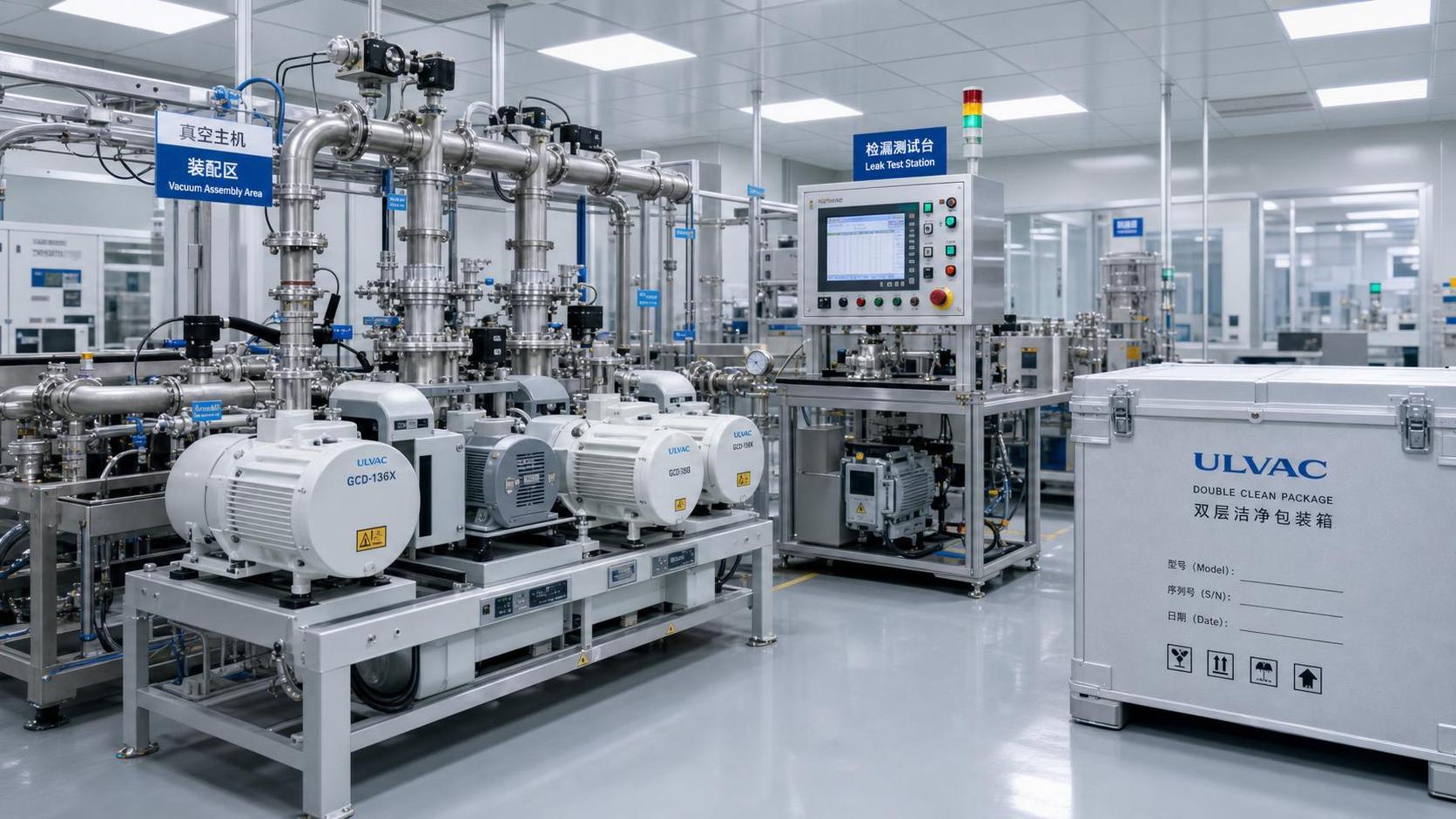
Ask where critical assembly takes place and how components move between machining, cleaning, testing, and final packing.
A weak transfer path can undo a well-controlled assembly room.
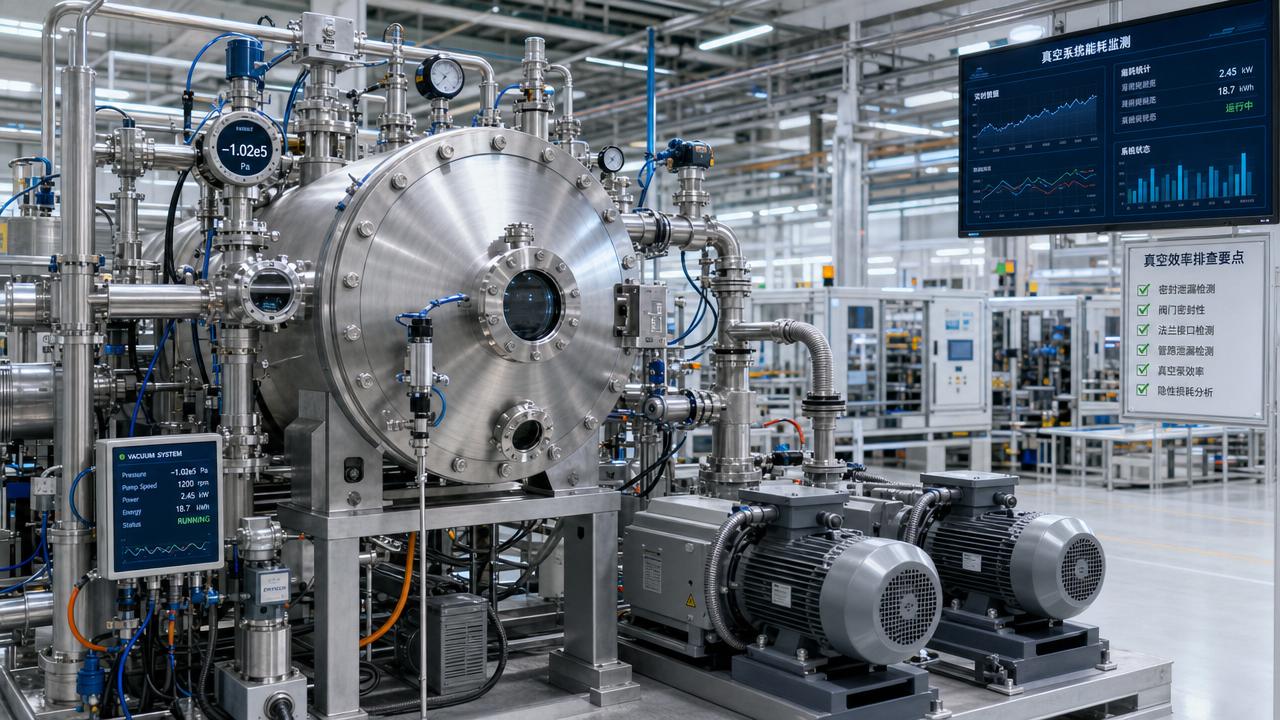
It helps to compare observations against a simple decision table.
The best semiconductor vacuum systems factory will answer these points with records, not general statements.
That distinction becomes important when future deviations need investigation.
When comparing factories, where do hidden risks usually appear?
Hidden risk usually sits between engineering detail and production reality.
Two factories may quote similar vacuum levels, yet their long-term behavior can differ sharply.
One common issue is overemphasis on peak specification.
A semiconductor vacuum systems factory may advertise deep vacuum capability while giving limited evidence on stability under contamination, heat load, or maintenance cycling.
Another risk is fragmented sourcing.
If critical valves, sensors, seals, or drives change often, performance drift may appear between lots even when drawings stay unchanged.
Pay attention to these warning signs:
- No clear revision history for subcomponents.
- Service intervals based on estimates rather than field data.
- Weak explanation of spare parts localization and lead times.
- Limited discussion of exhaust treatment, abatement, or corrosive byproduct handling.
- Energy consumption figures quoted without operating envelope details.
In actual projects, lifecycle stability often matters more than the lowest initial quote.
That is especially true when downtime costs exceed hardware price within a short period.
GTC-Matrix regularly tracks how energy cost volatility and clean manufacturing policies reshape equipment economics.
That context supports a more balanced comparison between capital cost, utility burden, and process risk.
How should cost, lead time, and implementation readiness be assessed together?
A fast delivery promise is not useful if commissioning drags or qualification fails.
The more practical approach is to review cost and schedule as part of implementation readiness.
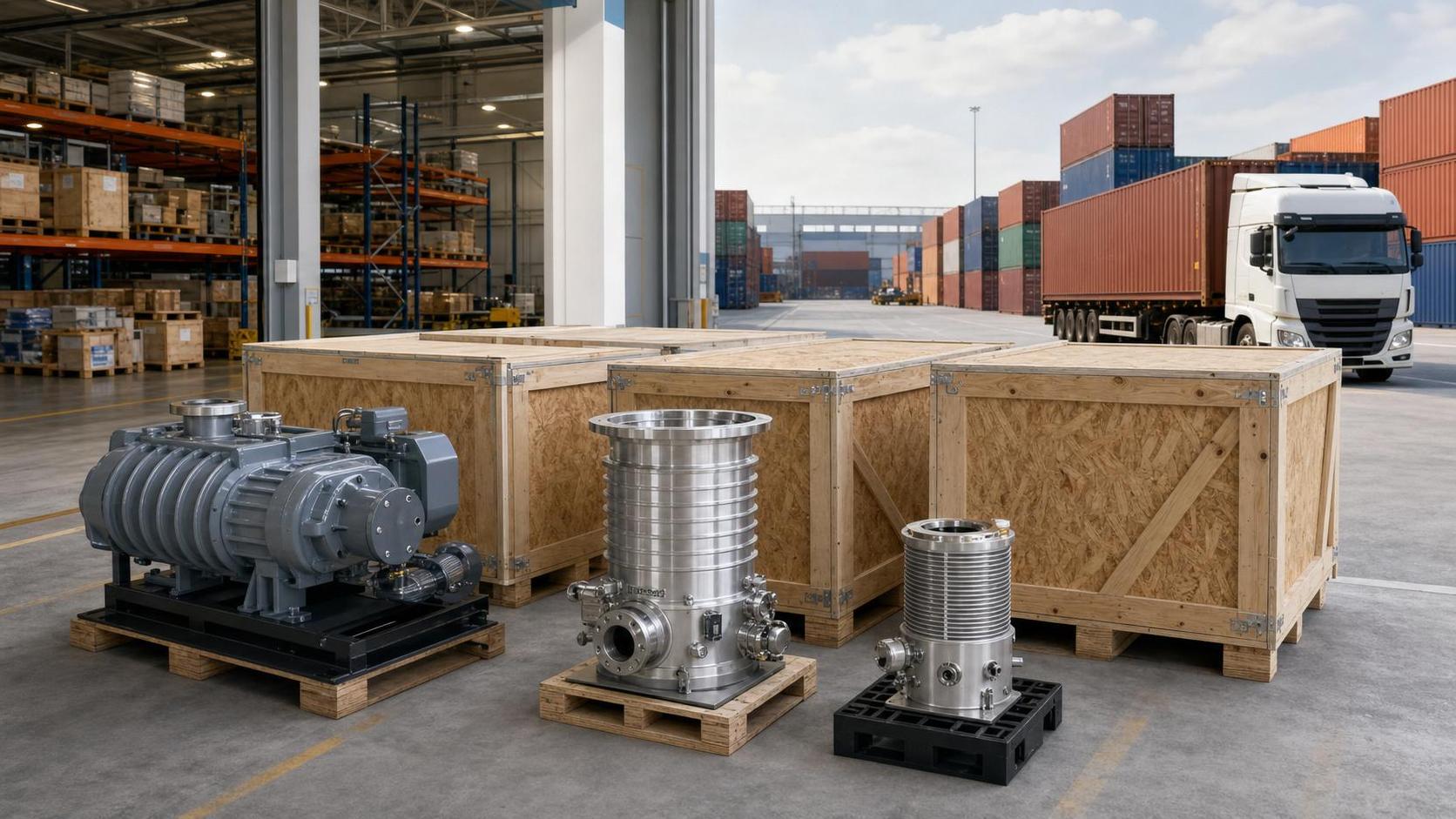
For a semiconductor vacuum systems factory, the real timeline includes engineering clarification, factory acceptance testing, shipping protection, site integration, and ramp support.
That full path should be visible before any decision is made.
Useful questions include:
- What portion of the lead time depends on critical imported parts?
- How long does final cleaning, testing, and documentation release actually take?
- Is factory acceptance testing based on standard scripts or process-specific criteria?
- What utility conditions are required for valid commissioning results?
- How quickly can the supplier support root-cause analysis after startup?
Cost should also be separated into visible and hidden layers.
Visible cost includes equipment, accessories, and installation.
Hidden cost includes utility demand, preventive maintenance frequency, spare inventory, particle-related yield loss, and delayed cleanroom recovery after intervention.
A capable semiconductor vacuum systems factory will usually discuss those hidden factors openly.
That level of transparency is often a better decision signal than a narrow price advantage.
What does a practical final decision process look like?
The best final review is structured, but it should still reflect actual operating priorities.
Instead of asking which semiconductor vacuum systems factory looks strongest overall, ask which one remains stable under the exact process, utility, and cleanliness conditions expected on site.
A practical decision sequence usually works well:
- Define acceptable pressure stability, contamination thresholds, and recovery time.
- Match those targets against factory test evidence, not marketing summaries.
- Score utility sensitivity, thermal load handling, and maintenance access.
- Review traceability, revision control, and spare support readiness.
- Confirm total operating cost under realistic cleanroom use.
At this stage, external market intelligence can sharpen the decision.
GTC-Matrix is useful when the evaluation needs broader context on oil-free systems, thermal efficiency, utility risk, and demand shifts across semiconductor and other precision industries.
In simple terms, the right semiconductor vacuum systems factory is the one that proves repeatable clean performance, controlled lifecycle cost, and credible support after installation.
Before moving forward, consolidate the checklist into a scoring sheet, request missing validation data, and compare each supplier against the same operating assumptions.
That step usually prevents rushed decisions and makes later qualification far smoother.
Ready when you are. Send us a message to get started.
Related News
- How does base pressure affect film purity in vacuum deposition?Author :Vacuum Process Fellow

- How to size vacuum process equipment for the required pump-down timeAuthor :Vacuum Process Fellow

- Which vacuum specification best protects semiconductor process yield?Author :Vacuum Process Fellow

- How Can Contamination Be Prevented in a Semiconductor Vacuum Chamber?Author :Vacuum Process Fellow

- Which Vacuum Pump Specifications Matter Most for Semiconductor Processes?Author :Vacuum Process Fellow

- How to find leaks in vacuum pump systems before pump performance dropsAuthor :Vacuum Process Fellow

- How to size a Roots blower for vacuum process equipmentAuthor :Vacuum Process Fellow

- How vacuum level affects vacuum process efficiencyAuthor :Vacuum Process Fellow

- China Imposes Temporary Helium Export BanAuthor :Vacuum Process Fellow

- Semiconductor Vacuum Systems Factory Checklist for Process Stability and Cleanroom UseAuthor :Vacuum Process Fellow

- Vacuum Process Optimization Services: Signs Your Line Needs a Performance ReviewAuthor :Vacuum Process Fellow

- Vacuum Chambers for Cleanroom Use: Key Design Points That Prevent ContaminationAuthor :Vacuum Process Fellow

- Vacuum Distillation Systems: Key Performance Metrics That Affect Product PurityAuthor :Vacuum Process Fellow

- Vietnam Halts High Vacuum Pump Import Licenses for 30 DaysAuthor :Vacuum Process Fellow

- Vacuum Technology Database: What to Check Before Using Technical DataAuthor :Vacuum Process Fellow

- Dry Pump Vacuum System Design Mistakes That Raise DowntimeAuthor :Vacuum Process Fellow

- When Vacuum Systems Lose Performance: Common Causes and FixesAuthor :Vacuum Process Fellow
![]()
- EU Tightens EN 13445-3 Weld Testing for Vacuum VesselsAuthor :Vacuum Process Fellow
![]()
- EPA Cuts R-1234ze(E) Quota 35%, Tightening Vacuum Cooling SupplyAuthor :Vacuum Process Fellow
 Quota 35%, Tightening Vacuum Cooling Supply")
- ICA Warns of Tight Copper Alloy Supply for Vacuum PumpsAuthor :Vacuum Process Fellow

- Vacuum System Leak Detection: Signs, Tests, and FixesAuthor :Vacuum Process Fellow

- How to Compare Vacuum Systems Factory Capabilities for Stable Process UptimeAuthor :Vacuum Process Fellow

- Vacuum Pump Lead Times Extend to 26 WeeksAuthor :Vacuum Process Fellow

- Semiconductor Vacuum Systems Explained for Stable Process YieldAuthor :Vacuum Process Fellow

- Vacuum Process Efficiency: 7 Hidden Causes of Energy LossAuthor :Vacuum Process Fellow

- Vacuum Technology Solutions for Stable Low-Pressure ProductionAuthor :Vacuum Process Fellow

- Vacuum Processes: Common Efficiency Losses and FixesAuthor :Vacuum Process Fellow

- Common Vacuum Processes Problems and How to Prevent DowntimeAuthor :Vacuum Process Fellow

- Tantalum Spike Extends Vacuum Crucible Lead TimesAuthor :Vacuum Process Fellow

- Vacuum Process Efficiency: 5 Hidden Losses to Check FirstAuthor :Vacuum Process Fellow

- How Heat Transfer Design Impacts Vacuum Process EfficiencyAuthor :Vacuum Process Fellow

- EN 13445-4:2026 Takes Effect for High-Vacuum ComponentsAuthor :Vacuum Process Fellow

- EU Vacuum Components Face New EN 13445-4:2026 Leak Test RuleAuthor :Vacuum Process Fellow

- UBS: Fed Cut View May Ease Vacuum Pump Lead TimesAuthor :Vacuum Process Fellow

- Vacuum Processes: Common Causes of Unstable PerformanceAuthor :Vacuum Process Fellow
![]()
- SiC Certification Signals New Entry Path for Vacuum and Compressor DrivesAuthor :Vacuum Process Fellow
![]()