Vacuum Processes: How to Reduce Contamination and Improve Cycle Consistency




In vacuum processes, small deviations rarely stay small. A trace of oil, a slow leak, or a drifting setpoint can quickly turn into scrap, rework, longer downtime, or an unexpected safety event.
That is why contamination control and cycle consistency need to be managed together. Clean chambers alone are not enough if pump performance shifts, materials outgas, or loading patterns change from batch to batch.
Across pharmaceuticals, semiconductors, food packaging, coatings, and thermal processing, stable vacuum processes depend on disciplined checks that are simple to repeat. The good news is that most failure points are visible early if the right signals are tracked.
Drawing on cross-sector intelligence often highlighted by GTC-Matrix, the most reliable improvements usually come from a few practical controls: cleaner inputs, tighter leak management, better pump care, and clearer cycle data.
Where vacuum processes usually start to drift
Before changing procedures, it helps to identify where instability enters the system. In many facilities, contamination and inconsistency are not caused by one major failure, but by several minor losses of control happening at once.
The most common sources are leaks, pump oil backstreaming, condensable vapors, operator variation, worn seals, dirty fixtures, and materials that release moisture or volatiles during evacuation.
These issues often look different on the surface. Yet in vacuum processes, they usually show up through the same symptoms: longer pump-down, unstable pressure, residue buildup, abnormal temperature response, and poor repeatability between runs.
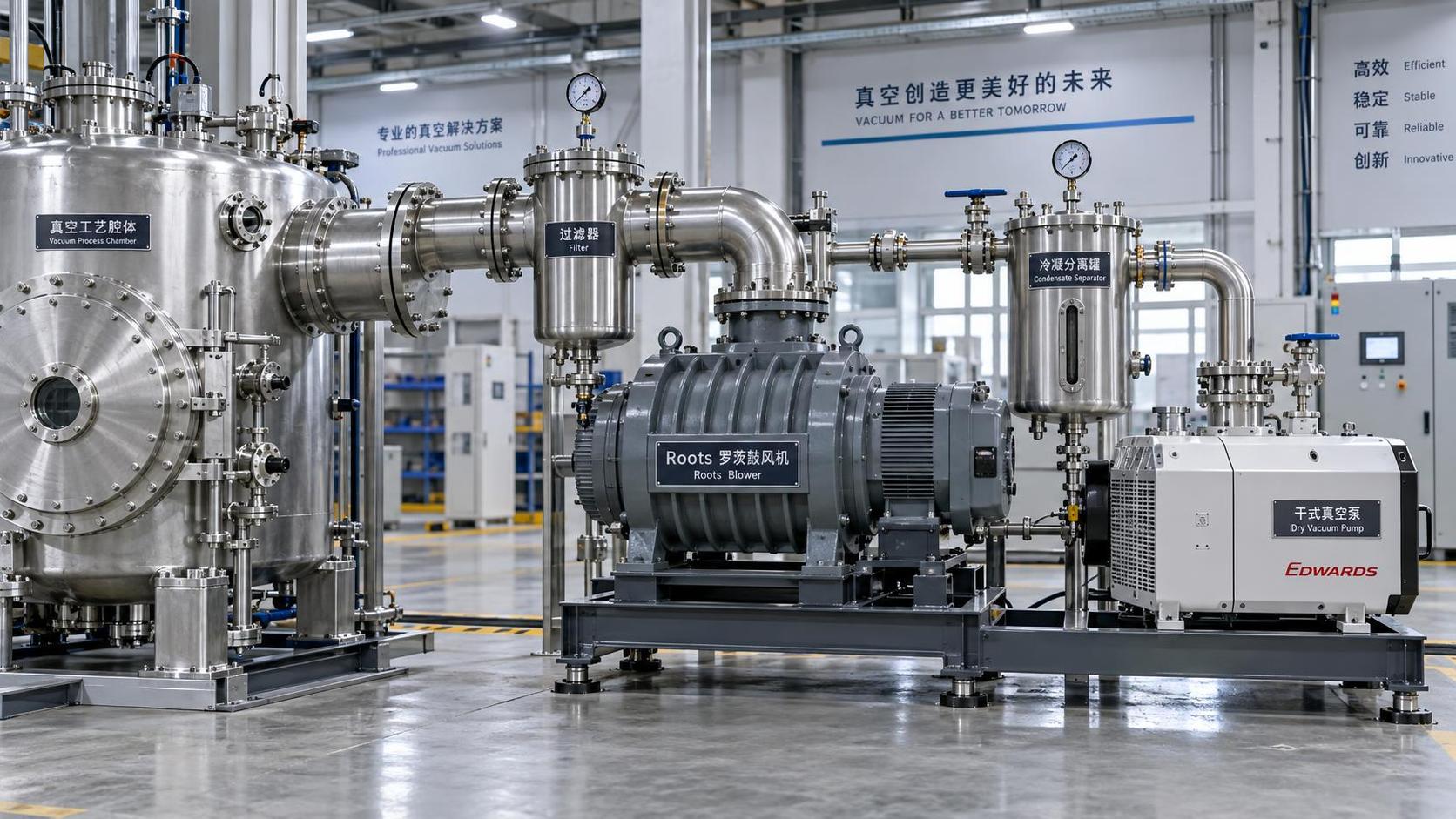
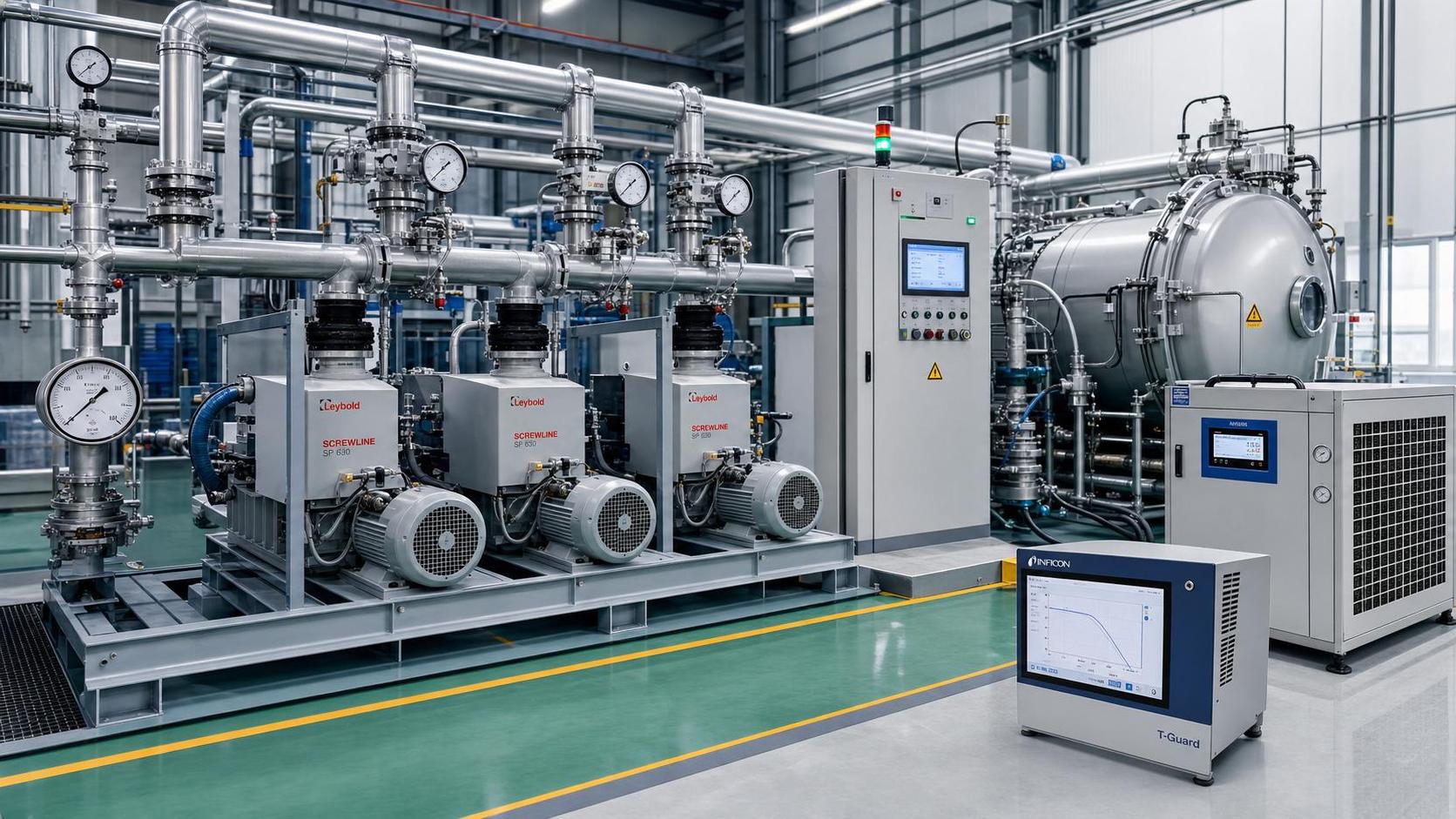
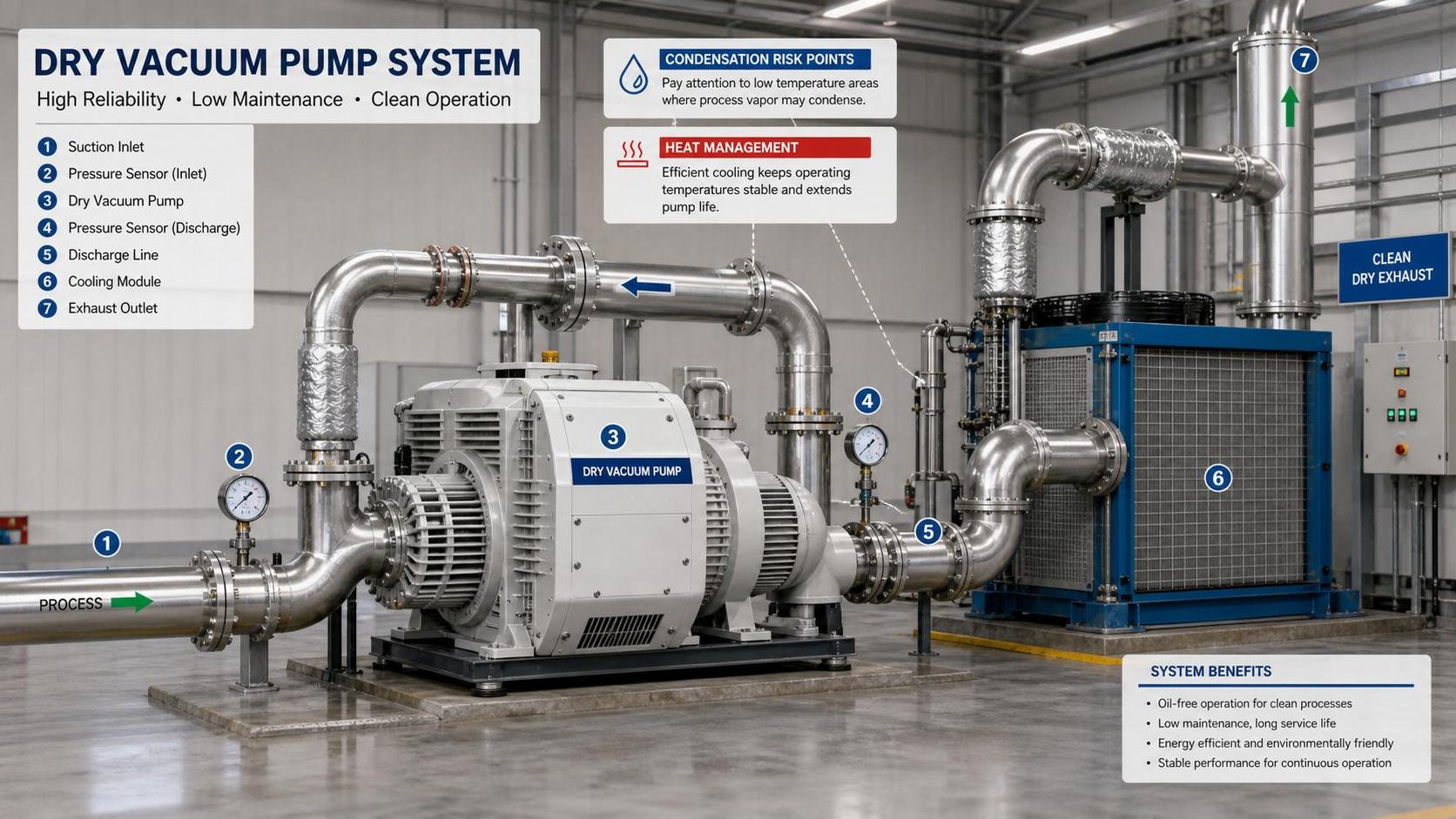
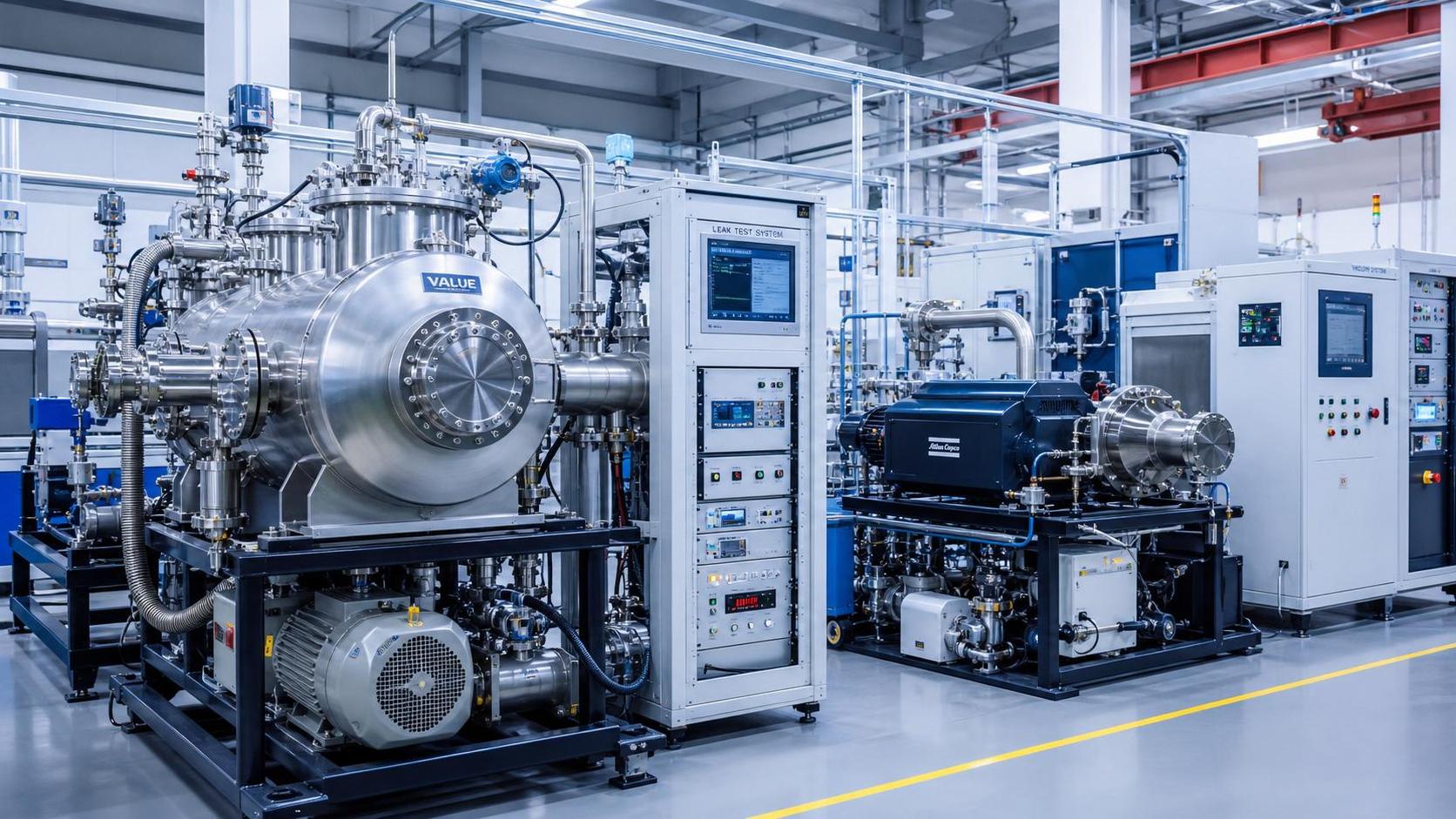
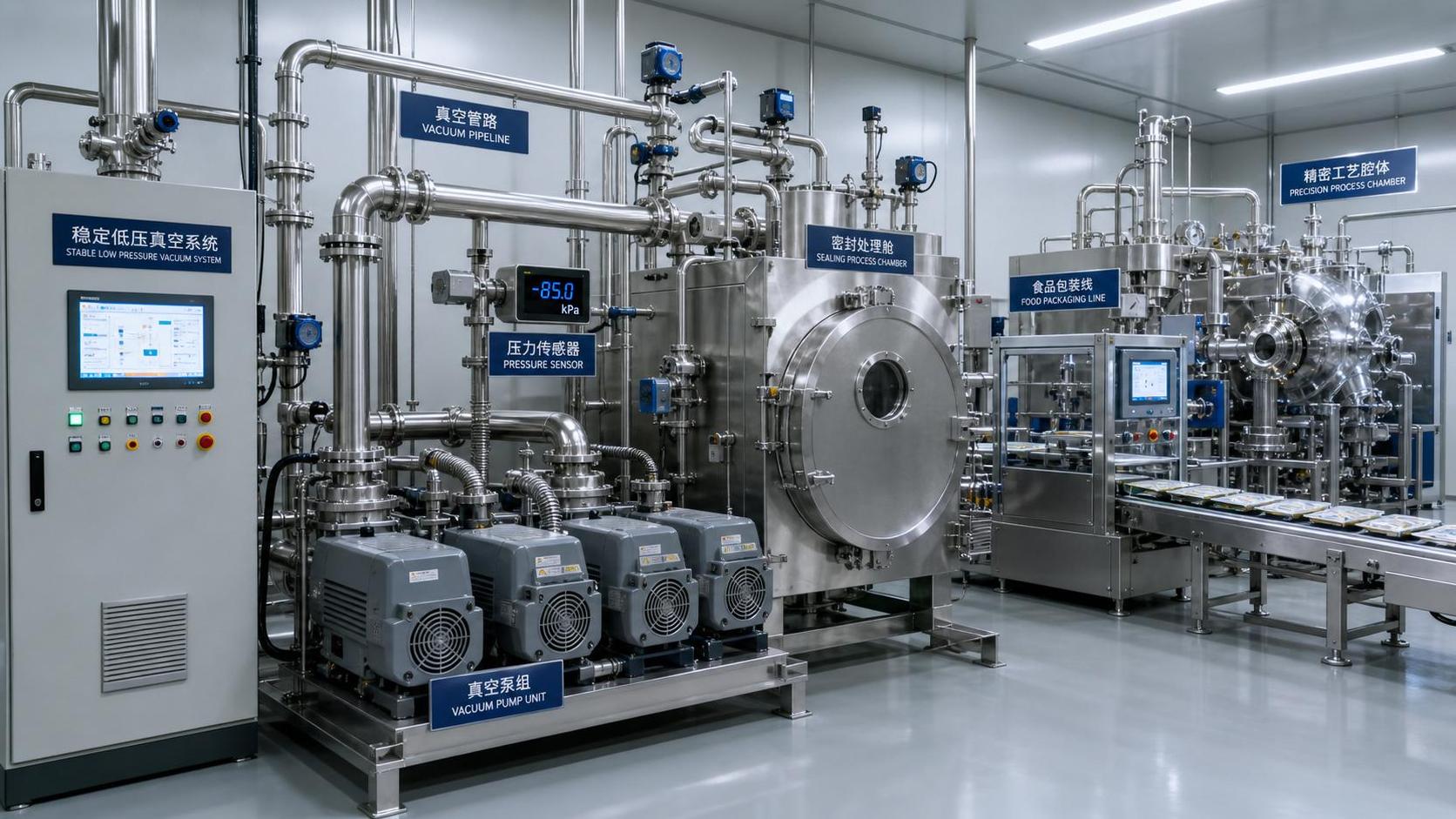
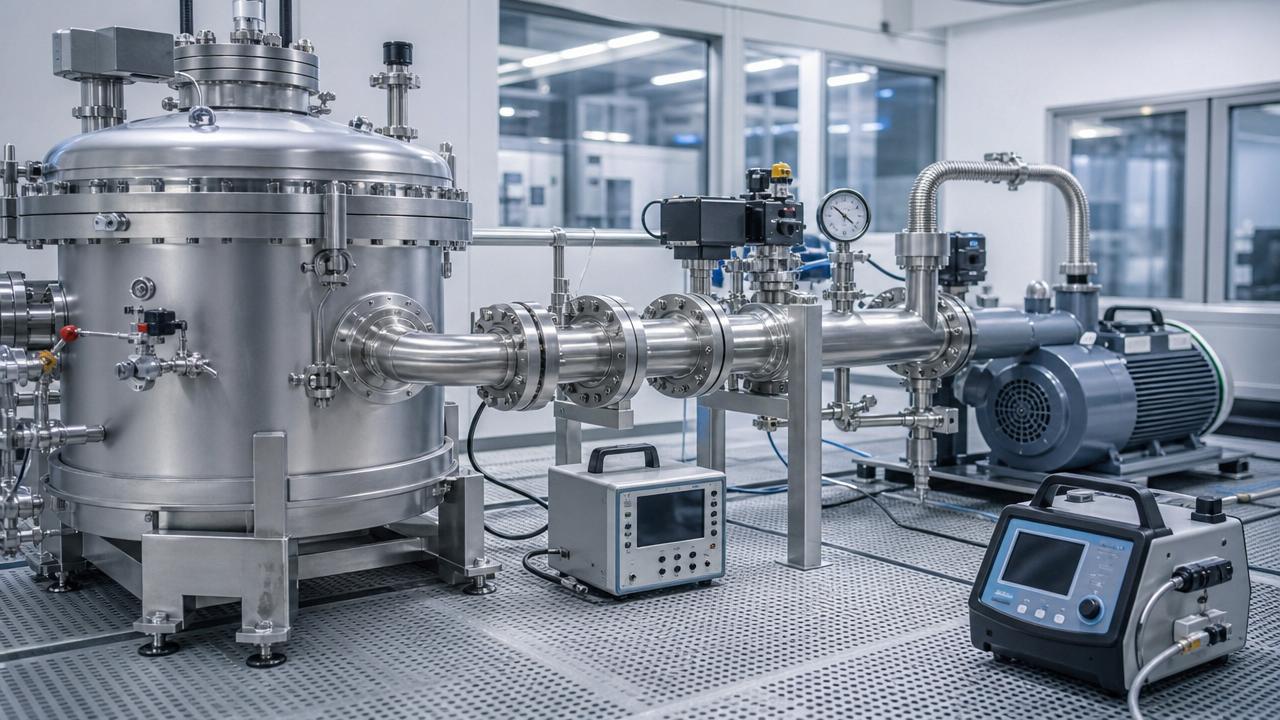
The image below illustrates a simple way to think about control points across the cycle, from loading to venting.
[Image 01: Key contamination and consistency control points across industrial vacuum processes]
If one point slips, the entire cycle becomes harder to validate. That is especially true where product purity, seal integrity, or thermal uniformity directly affect compliance and release decisions.
Practical steps that improve cleanliness and repeatability
- Set a fixed pre-run inspection for seals, clamps, hoses, drains, and chamber surfaces. Consistent visual checks catch residue, wear, and loose connections before vacuum processes begin to drift.
- Standardize loading orientation, part spacing, and fixture cleanliness. Stable geometry reduces shadowing, trapped vapor pockets, and uneven evacuation that can undermine cycle consistency.
- Verify leak rate on a schedule, not only after failures. Small leaks often pass unnoticed, yet they slowly extend pump-down time and increase contamination risk.
- Match pump type and backing capacity to the actual gas load. Oversimplified sizing creates unstable vacuum processes when moisture, solvents, or fine particles enter the stream.
- Control incoming materials with storage, drying, and handling rules. Wet packaging, porous components, and solvent traces add outgassing that shifts pressure behavior from batch to batch.
- Use clean vent gas where product sensitivity is high. Venting with filtered dry gas helps prevent airborne particles and ambient moisture from re-entering the chamber.
- Trend pump-down curves, hold pressure, and recovery time for every recipe. These simple data points reveal early deterioration before alarms or rejects appear.
- Separate dirty and clean maintenance tools when servicing vacuum processes. Cross-contamination during routine work is more common than many teams expect.
What often gets overlooked during daily operation
A common mistake is focusing only on the chamber. In reality, contamination in vacuum processes often starts upstream or downstream, such as in utilities, cooling conditions, vent gas quality, or condensate handling.
Another overlooked issue is “acceptable variation.” When operators allow minor differences in rack placement, door closing sequence, warm-up time, or cleaning chemistry, repeatability slowly weakens even if equipment remains technically functional.
Watch these hidden risk points
- Review gasket material compatibility with heat, solvents, and cleaning agents. A seal that survives mechanically may still shed particles or outgas into sensitive vacuum processes.
- Check cooling water stability and heat rejection performance. Poor thermal control changes vapor load behavior and can make otherwise stable cycles look unpredictable.
- Inspect traps, filters, and separators before they reach obvious blockage. Partial restriction changes flow behavior and can push contaminants back toward the chamber.
- Confirm sensor calibration under actual operating conditions. Pressure drift and temperature offset create false confidence and make troubleshooting vacuum processes harder than necessary.
How this looks in real industrial settings
Pharmaceutical and laboratory environments
In these settings, residue carryover is often more damaging than obvious downtime. Even low-level contamination can compromise cleaning validation, product separation, and batch documentation.
The most useful checks are material drying control, vent gas purity, and documented surface-cleanliness criteria after each cycle. Vacuum processes here benefit from tighter hold-time trending and stronger change-control discipline.
Semiconductor and electronics processing
This environment is less forgiving. Minute particles, backstreamed oil, or inconsistent base pressure can affect yield well before a problem becomes visible during equipment inspection.
For these vacuum processes, dry pumps, cleaner materials, and stricter maintenance segregation usually provide the fastest gains. It also helps to correlate pressure trend shifts with maintenance events, not only with product outcomes.
Food packaging and thermal processing
In food-related operations, moisture load and sanitation chemistry are frequent sources of inconsistency. A cycle may still complete, yet seal strength, package appearance, or shelf-life performance can vary more than expected.
These vacuum processes improve when sanitation rinse quality, drying time, and seal-bar cleanliness are treated as process variables rather than housekeeping details.
A simple control table for daily use
A short daily review is often more effective than a complicated audit done too late. The table below keeps vacuum processes grounded in signals that operators and site leaders can act on quickly.
How to make improvements stick
The strongest vacuum processes are rarely built through one major upgrade. They improve because routine decisions become easier to repeat and easier to verify.
That usually means shorter procedures, clearer limits, and a few trend points that everyone trusts. If a control cannot be checked quickly on shift, it often gets skipped when pressure rises.
- Create one baseline recipe record for each critical cycle. Include load pattern, target pressure path, hold time, vent method, and cleaning status for repeatable execution.
- Link deviations to physical evidence, not assumptions. When vacuum processes drift, compare trend data, chamber condition, maintenance history, and recent material changes together.
- Use supplier and market intelligence to review upgrade timing. GTC-Matrix reporting can help compare oil-free options, heat-management choices, and efficiency trends across sectors.
- Prioritize small preventive actions with high frequency. In practice, steady seal checks and residue control outperform occasional large cleanups after failures occur.
If vacuum processes are producing inconsistent results, start with the basics: leak rate, load condition, material dryness, pump health, and vent cleanliness. Those checks solve more problems than many complex investigations.
From there, tighten data review and standardize the steps that most affect contamination. A cleaner cycle is usually a more stable cycle, and a more stable cycle is far easier to validate, scale, and defend.
For operations comparing process upgrades, maintenance priorities, or energy-related changes in vacuum processes, GTC-Matrix offers a useful reference point for connecting thermal performance, compression strategy, and long-term process reliability.
Ready when you are. Send us a message to get started.
Related News
- How does base pressure affect film purity in vacuum deposition?Author :Vacuum Process Fellow

- How to size vacuum process equipment for the required pump-down timeAuthor :Vacuum Process Fellow

- Which vacuum specification best protects semiconductor process yield?Author :Vacuum Process Fellow

- How Can Contamination Be Prevented in a Semiconductor Vacuum Chamber?Author :Vacuum Process Fellow

- Which Vacuum Pump Specifications Matter Most for Semiconductor Processes?Author :Vacuum Process Fellow

- How to find leaks in vacuum pump systems before pump performance dropsAuthor :Vacuum Process Fellow

- How to size a Roots blower for vacuum process equipmentAuthor :Vacuum Process Fellow

- How vacuum level affects vacuum process efficiencyAuthor :Vacuum Process Fellow

- China Imposes Temporary Helium Export BanAuthor :Vacuum Process Fellow

- Semiconductor Vacuum Systems Factory Checklist for Process Stability and Cleanroom UseAuthor :Vacuum Process Fellow

- Vacuum Process Optimization Services: Signs Your Line Needs a Performance ReviewAuthor :Vacuum Process Fellow

- Vacuum Chambers for Cleanroom Use: Key Design Points That Prevent ContaminationAuthor :Vacuum Process Fellow

- Vacuum Distillation Systems: Key Performance Metrics That Affect Product PurityAuthor :Vacuum Process Fellow

- Vietnam Halts High Vacuum Pump Import Licenses for 30 DaysAuthor :Vacuum Process Fellow

- Vacuum Technology Database: What to Check Before Using Technical DataAuthor :Vacuum Process Fellow

- Dry Pump Vacuum System Design Mistakes That Raise DowntimeAuthor :Vacuum Process Fellow

- When Vacuum Systems Lose Performance: Common Causes and FixesAuthor :Vacuum Process Fellow
![]()
- EU Tightens EN 13445-3 Weld Testing for Vacuum VesselsAuthor :Vacuum Process Fellow
![]()
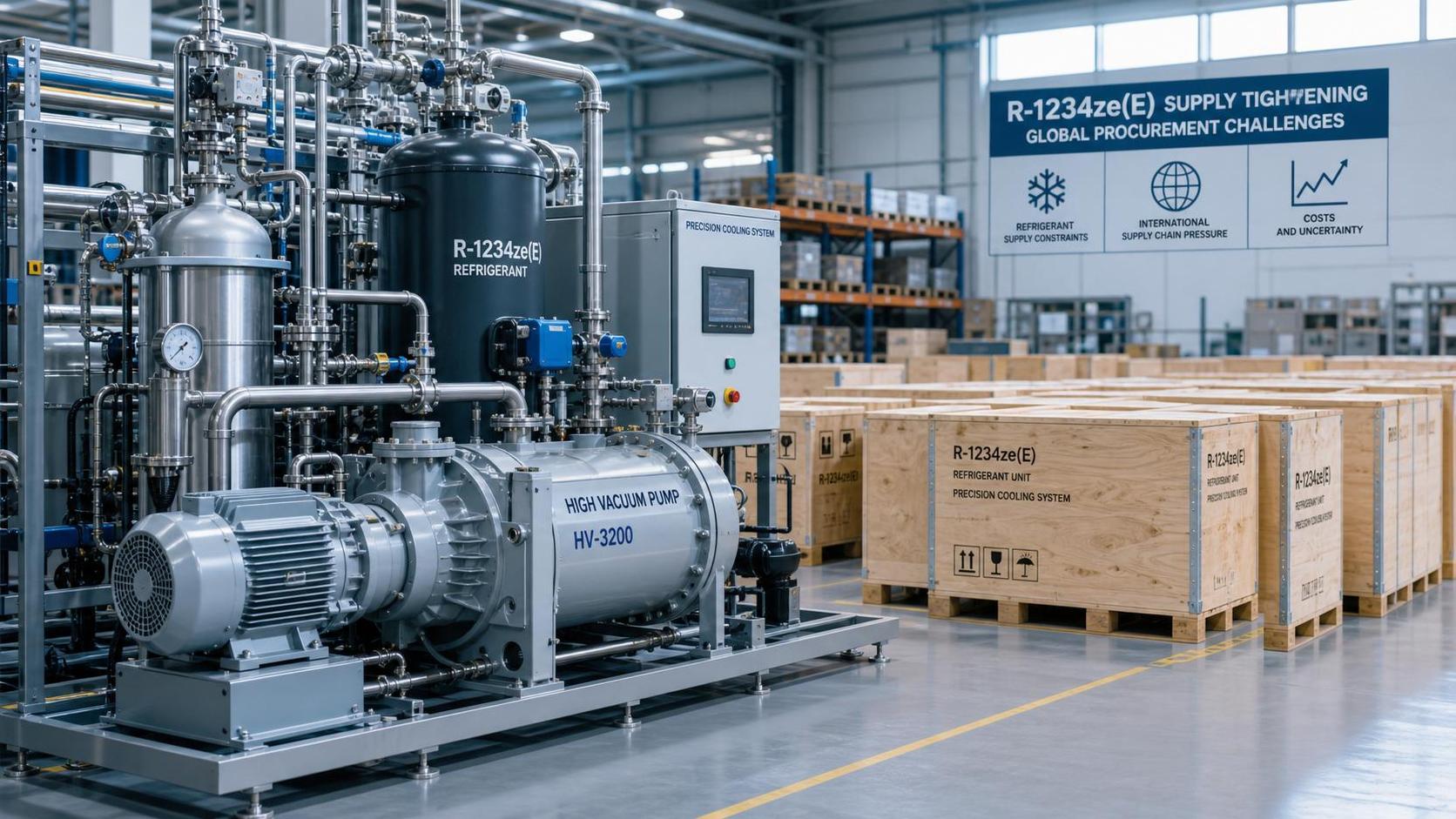
- EPA Cuts R-1234ze(E) Quota 35%, Tightening Vacuum Cooling SupplyAuthor :Vacuum Process Fellow
 Quota 35%, Tightening Vacuum Cooling Supply")
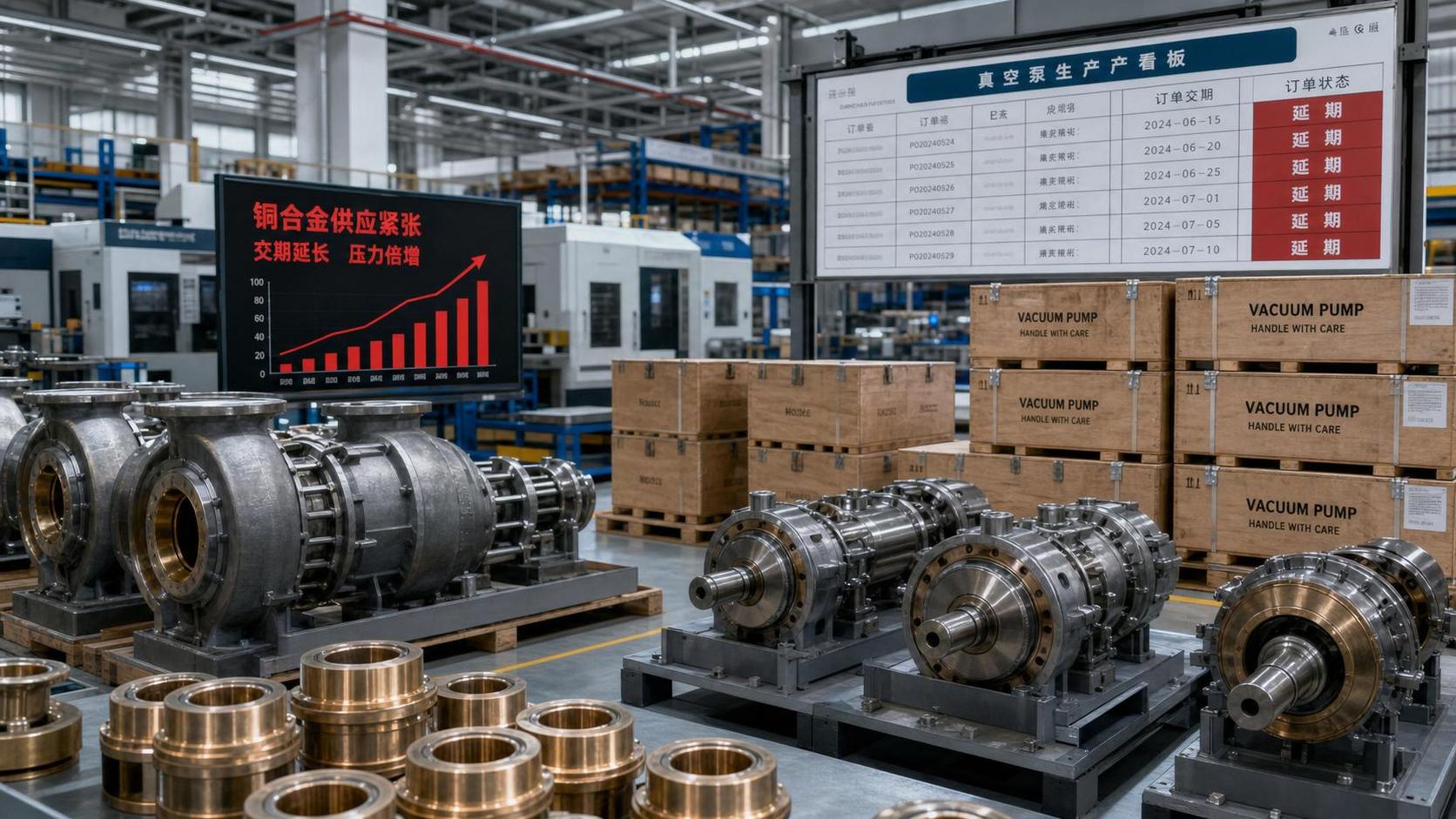
- ICA Warns of Tight Copper Alloy Supply for Vacuum PumpsAuthor :Vacuum Process Fellow

- Vacuum System Leak Detection: Signs, Tests, and FixesAuthor :Vacuum Process Fellow

- How to Compare Vacuum Systems Factory Capabilities for Stable Process UptimeAuthor :Vacuum Process Fellow

- Vacuum Pump Lead Times Extend to 26 WeeksAuthor :Vacuum Process Fellow

- Semiconductor Vacuum Systems Explained for Stable Process YieldAuthor :Vacuum Process Fellow

- Vacuum Process Efficiency: 7 Hidden Causes of Energy LossAuthor :Vacuum Process Fellow

- Vacuum Technology Solutions for Stable Low-Pressure ProductionAuthor :Vacuum Process Fellow

- Vacuum Processes: Common Efficiency Losses and FixesAuthor :Vacuum Process Fellow

- Common Vacuum Processes Problems and How to Prevent DowntimeAuthor :Vacuum Process Fellow

- Tantalum Spike Extends Vacuum Crucible Lead TimesAuthor :Vacuum Process Fellow

- Vacuum Process Efficiency: 5 Hidden Losses to Check FirstAuthor :Vacuum Process Fellow

- How Heat Transfer Design Impacts Vacuum Process EfficiencyAuthor :Vacuum Process Fellow

- EN 13445-4:2026 Takes Effect for High-Vacuum ComponentsAuthor :Vacuum Process Fellow

- EU Vacuum Components Face New EN 13445-4:2026 Leak Test RuleAuthor :Vacuum Process Fellow

- UBS: Fed Cut View May Ease Vacuum Pump Lead TimesAuthor :Vacuum Process Fellow

- Vacuum Processes: Common Causes of Unstable PerformanceAuthor :Vacuum Process Fellow
![]()
- SiC Certification Signals New Entry Path for Vacuum and Compressor DrivesAuthor :Vacuum Process Fellow
![]()