Vacuum Process Efficiency: Where Energy Loss Really Starts




Vacuum process efficiency: why do losses begin before the pump even starts?
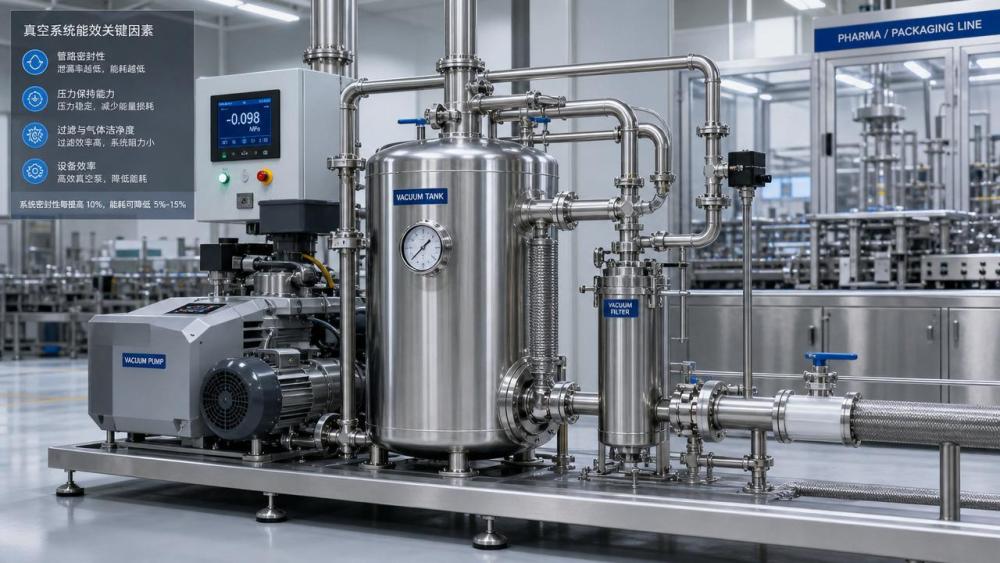
Vacuum process efficiency is often discussed as a pump issue, but that view is too narrow.
In many industrial systems, the biggest losses begin upstream, inside design assumptions, operating patterns, and uncontrolled leakage.
That matters because vacuum performance affects cycle time, product quality, utility costs, and maintenance frequency at the same time.
A line can still hit pressure targets while quietly wasting energy every hour.
The real question is not only whether a pump works.
It is whether the whole vacuum system matches the process load, responds to variation, and avoids hidden thermodynamic penalties.
This broader view is increasingly important across packaging, food processing, pharmaceuticals, semiconductors, drying, coating, and general manufacturing.
It also fits the intelligence approach promoted by GTC-Matrix, where energy conversion is evaluated as a connected system, not a single machine.
If the pump is not the main problem, where does vacuum process efficiency usually break first?
The first failure point is usually system design.
A pump may be sized for a peak event, then forced to run inefficiently during normal conditions.
That creates a mismatch between installed power and actual gas load.
The second weak point is leakage.
Small leaks across valves, joints, seals, filters, and hoses can accumulate into a permanent base load.
Unlike visible mechanical failure, this waste often stays undetected for months.
A third source is load variability.
Batch operations, recipe changes, product size shifts, and intermittent chamber opening can create unstable demand patterns.
If controls are simple, the system reacts by overpulling vacuum, venting excessively, or cycling too hard.
Piping layout also matters more than many expect.
Long runs, poor diameter choices, unnecessary bends, and badly placed receivers increase pressure drop and delay system response.
In practical terms, vacuum process efficiency starts to decline when flow resistance, leakage, and control behavior are ignored during early engineering.
A quick check table: where losses really start
The table below helps separate common symptoms from their likely root causes.
How can you tell whether the problem is leakage, bad sizing, or control instability?
This is where many vacuum audits become more useful than equipment replacement.
The same symptom can come from different causes, so diagnosis should begin with operating data.
A stable no-production period is often revealing.
If the pump still draws significant power, leakage or standby overcapacity is likely.
If pressure recovery is slow only during peak cycles, restriction or poor dynamic sizing may be the issue.
Control instability shows up differently.
You may see oscillating vacuum levels, repeated valve actions, or excessive venting between stages.
That usually points to setpoints that are too tight, sensors placed in the wrong location, or control logic that ignores process variability.
A more reliable assessment usually includes:
- Pump power versus actual process state
- Pressure trend during evacuation, hold, and venting
- Leak rate during isolated standby testing
- Pressure drop across filters, separators, and piping sections
- Cycle variation by product type or production schedule
In other words, vacuum process efficiency should be judged by behavior across the whole cycle, not by nameplate pump performance alone.
Why do energy costs stay high even when vacuum levels look acceptable?
Because acceptable pressure does not automatically mean efficient operation.
Many systems are designed to guarantee vacuum under worst-case conditions.
Once installed, they continue operating at that conservative level every day.
That creates a hidden cost structure.
You pay for extra motor power, unnecessary cooling demand, and maintenance that follows excessive operating hours.
There is also a thermodynamic issue.
As systems chase deeper vacuum than the process really needs, the incremental energy per unit of useful result rises sharply.
That is one reason vacuum process efficiency can worsen even while process targets appear safe.
Heat is another overlooked factor.
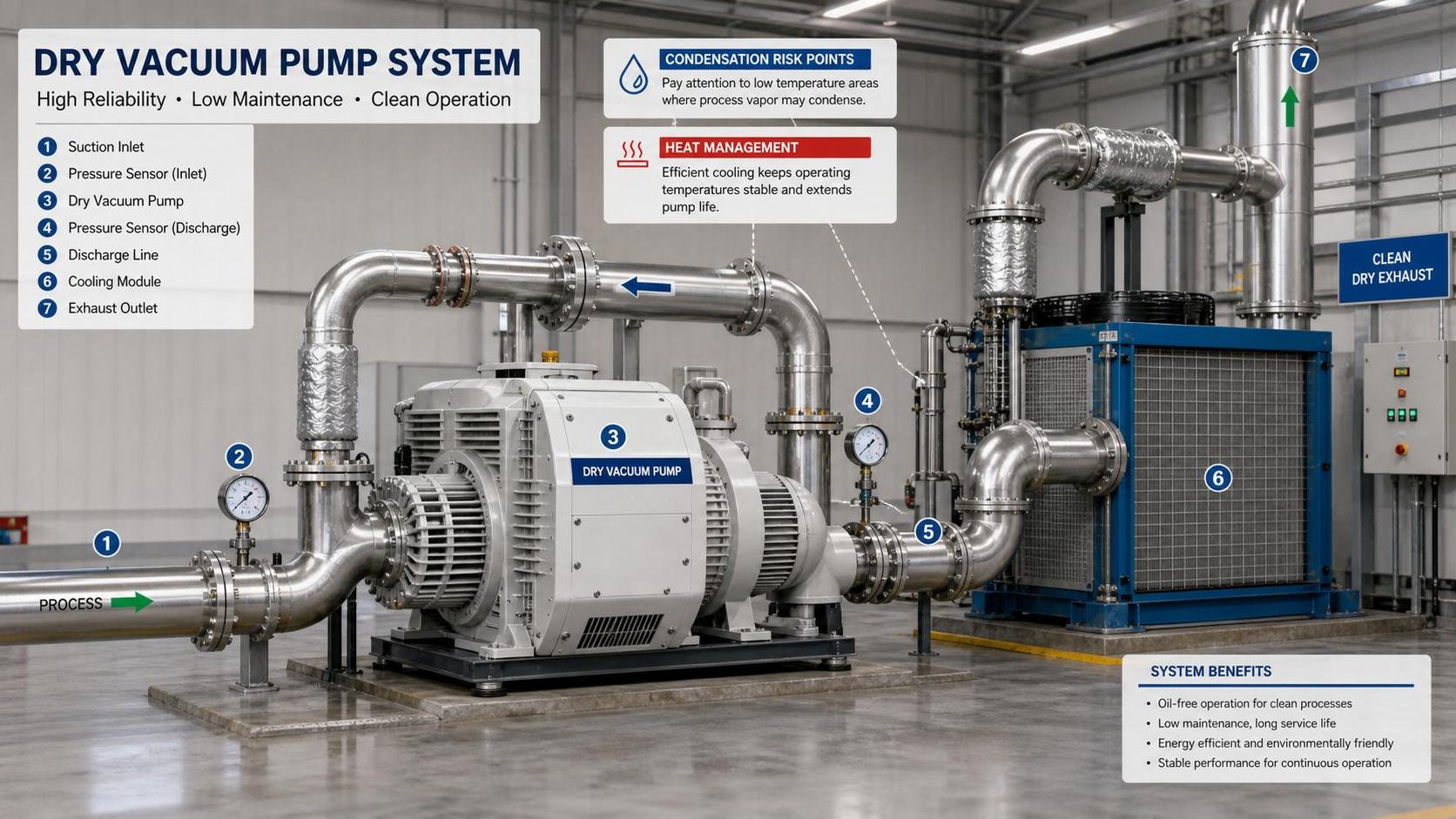
Poor thermal management can reduce pump performance, increase oil stress in lubricated systems, and raise room cooling requirements.
This system-wide view is central to GTC-Matrix analysis.
Industrial energy costs rarely come from one isolated component.
They emerge from the interaction of compression, heat rejection, control design, and production behavior.
What improvements usually deliver the fastest gains in vacuum process efficiency?
The fastest gains usually come from corrections that reduce waste before new equipment is considered.
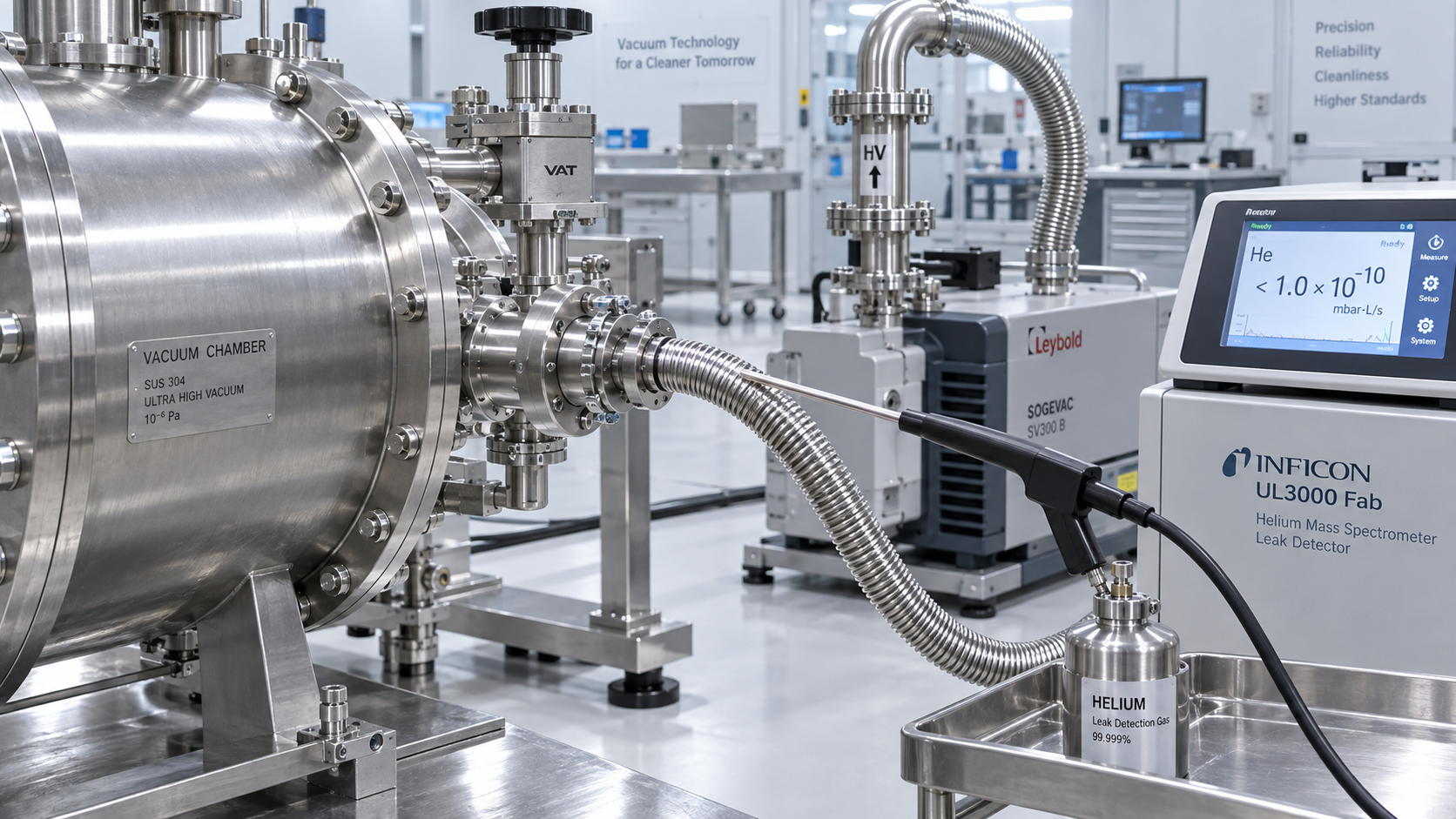
Leak surveys are often the first high-value step.
Even moderate leak reduction can lower base demand immediately.
Setpoint review is another strong candidate.
If the process only needs a certain pressure band, forcing deeper vacuum adds cost without adding output quality.
Control tuning can also change results quickly.
Variable speed operation, better deadband settings, and appropriate receiver volume can reduce cycling and stabilize load response.
When piping is the bottleneck, layout changes may outperform pump replacement.
Shorter runs and fewer restrictions improve evacuation speed while using the same installed power.
A sensible improvement sequence often looks like this:
- Measure actual load across real operating cycles.
- Isolate and quantify leakage.
- Review process pressure requirements.
- Check piping resistance and accessory losses.
- Only then compare pump or control upgrades.
That order protects capital and improves vacuum process efficiency with fewer surprises.
When does a vacuum system need redesign rather than minor optimization?
Minor optimization is enough when the process is stable and the installed system is broadly suitable.
Redesign becomes necessary when operating reality no longer matches the original basis.
Common signs include repeated expansion of production lines, new product recipes, stricter cleanliness demands, or tighter cycle-time targets.
A decentralized vacuum arrangement may become inefficient as plants grow.
In other cases, a central system creates too much distribution loss for highly variable point loads.
Technology choice also matters.
Oil-free systems, dry screw designs, liquid ring pumps, and hybrid architectures all behave differently under contamination, moisture, and cycling conditions.
The right decision depends on process gas composition, required pressure range, thermal conditions, utility pricing, and maintenance capability.
That is why intelligence platforms such as GTC-Matrix matter beyond market news.
They connect technology evolution, energy policy, and application demand, helping system decisions reflect both engineering and long-term operating economics.
A practical decision guide
So what is the smartest next step if vacuum process efficiency is under review?
Start with a map of where energy is consumed across the full vacuum cycle.
That includes evacuation, holding, venting, idle time, and process variation.
Then test the assumptions behind the current system.
Is the target pressure still necessary?
Has leakage become normal operating background?
Does the control logic fit today’s production rhythm?
The strongest improvements in vacuum process efficiency usually come from better matching, not simply bigger hardware.
That means aligning pump behavior, piping design, thermal conditions, and real process demand.
A disciplined review can reduce operating cost, improve stability, and prevent capital from going into the wrong fix.
The next useful move is to build a short evaluation list.
Track leak rate, actual pressure needs, cycle variability, control behavior, and thermal constraints before comparing upgrade options.
That approach turns vacuum process efficiency from a maintenance complaint into a measurable system decision.
Ready when you are. Send us a message to get started.
Related News
- How does base pressure affect film purity in vacuum deposition?Author :Vacuum Process Fellow

- How to size vacuum process equipment for the required pump-down timeAuthor :Vacuum Process Fellow

- Which vacuum specification best protects semiconductor process yield?Author :Vacuum Process Fellow

- How Can Contamination Be Prevented in a Semiconductor Vacuum Chamber?Author :Vacuum Process Fellow

- Which Vacuum Pump Specifications Matter Most for Semiconductor Processes?Author :Vacuum Process Fellow

- How to find leaks in vacuum pump systems before pump performance dropsAuthor :Vacuum Process Fellow

- How to size a Roots blower for vacuum process equipmentAuthor :Vacuum Process Fellow

- How vacuum level affects vacuum process efficiencyAuthor :Vacuum Process Fellow

- China Imposes Temporary Helium Export BanAuthor :Vacuum Process Fellow

- Semiconductor Vacuum Systems Factory Checklist for Process Stability and Cleanroom UseAuthor :Vacuum Process Fellow

- Vacuum Process Optimization Services: Signs Your Line Needs a Performance ReviewAuthor :Vacuum Process Fellow

- Vacuum Chambers for Cleanroom Use: Key Design Points That Prevent ContaminationAuthor :Vacuum Process Fellow

- Vacuum Distillation Systems: Key Performance Metrics That Affect Product PurityAuthor :Vacuum Process Fellow

- Vietnam Halts High Vacuum Pump Import Licenses for 30 DaysAuthor :Vacuum Process Fellow

- Vacuum Technology Database: What to Check Before Using Technical DataAuthor :Vacuum Process Fellow

- Dry Pump Vacuum System Design Mistakes That Raise DowntimeAuthor :Vacuum Process Fellow

- When Vacuum Systems Lose Performance: Common Causes and FixesAuthor :Vacuum Process Fellow
![]()
- EU Tightens EN 13445-3 Weld Testing for Vacuum VesselsAuthor :Vacuum Process Fellow
![]()
- EPA Cuts R-1234ze(E) Quota 35%, Tightening Vacuum Cooling SupplyAuthor :Vacuum Process Fellow
 Quota 35%, Tightening Vacuum Cooling Supply")
- ICA Warns of Tight Copper Alloy Supply for Vacuum PumpsAuthor :Vacuum Process Fellow

- Vacuum System Leak Detection: Signs, Tests, and FixesAuthor :Vacuum Process Fellow

- How to Compare Vacuum Systems Factory Capabilities for Stable Process UptimeAuthor :Vacuum Process Fellow

- Vacuum Pump Lead Times Extend to 26 WeeksAuthor :Vacuum Process Fellow

- Semiconductor Vacuum Systems Explained for Stable Process YieldAuthor :Vacuum Process Fellow

- Vacuum Process Efficiency: 7 Hidden Causes of Energy LossAuthor :Vacuum Process Fellow

- Vacuum Technology Solutions for Stable Low-Pressure ProductionAuthor :Vacuum Process Fellow

- Vacuum Processes: Common Efficiency Losses and FixesAuthor :Vacuum Process Fellow

- Common Vacuum Processes Problems and How to Prevent DowntimeAuthor :Vacuum Process Fellow

- Tantalum Spike Extends Vacuum Crucible Lead TimesAuthor :Vacuum Process Fellow

- Vacuum Process Efficiency: 5 Hidden Losses to Check FirstAuthor :Vacuum Process Fellow

- How Heat Transfer Design Impacts Vacuum Process EfficiencyAuthor :Vacuum Process Fellow

- EN 13445-4:2026 Takes Effect for High-Vacuum ComponentsAuthor :Vacuum Process Fellow

- EU Vacuum Components Face New EN 13445-4:2026 Leak Test RuleAuthor :Vacuum Process Fellow

- UBS: Fed Cut View May Ease Vacuum Pump Lead TimesAuthor :Vacuum Process Fellow

- Vacuum Processes: Common Causes of Unstable PerformanceAuthor :Vacuum Process Fellow
![]()
- SiC Certification Signals New Entry Path for Vacuum and Compressor DrivesAuthor :Vacuum Process Fellow
![]()