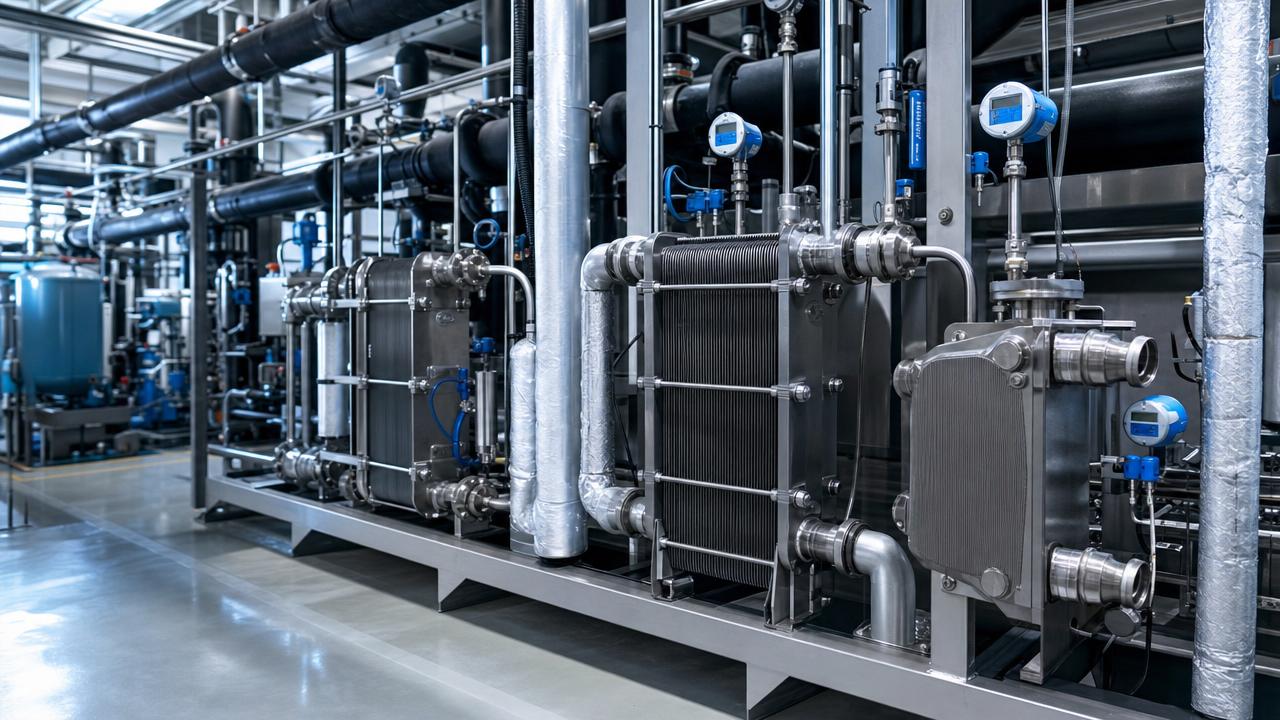
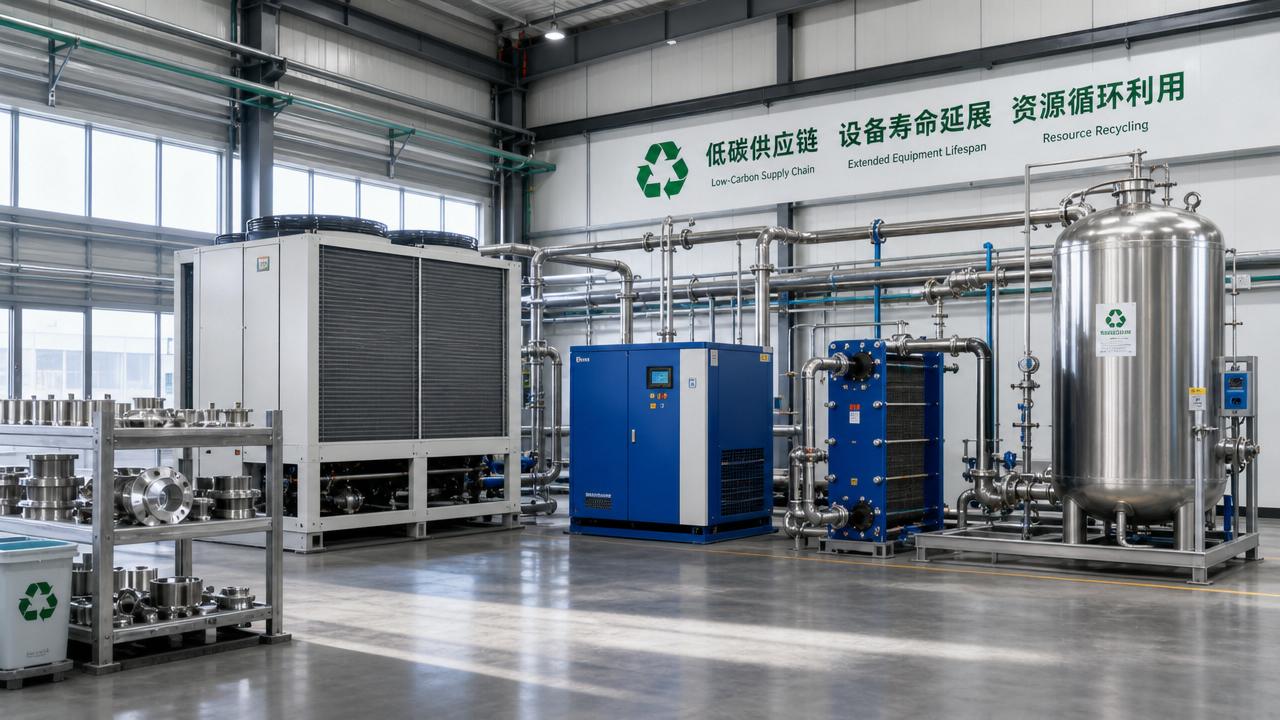
Manufacturers Explore Paths to Industrial Heat Pumps Reaching 200°C




NaturalRefrigerants.com has interviewed executives from Danfoss, Everllence and Turboden about raising industrial heat pump supply temperatures to 200°C; the timing of the interviews is not specified in the information provided. The discussion identifies potential industrial heat applications and challenges involving refrigerants, compressor efficiency and system costs. No policy, regulation, standard, certification or trade rule change is identified in the source material. For manufacturers, industrial heat buyers and equipment integrators, the discussion is therefore best treated as a technical and commercial signal to monitor, with possible implications for future procurement specifications and compliance checks.
The proposed path to higher-temperature heat
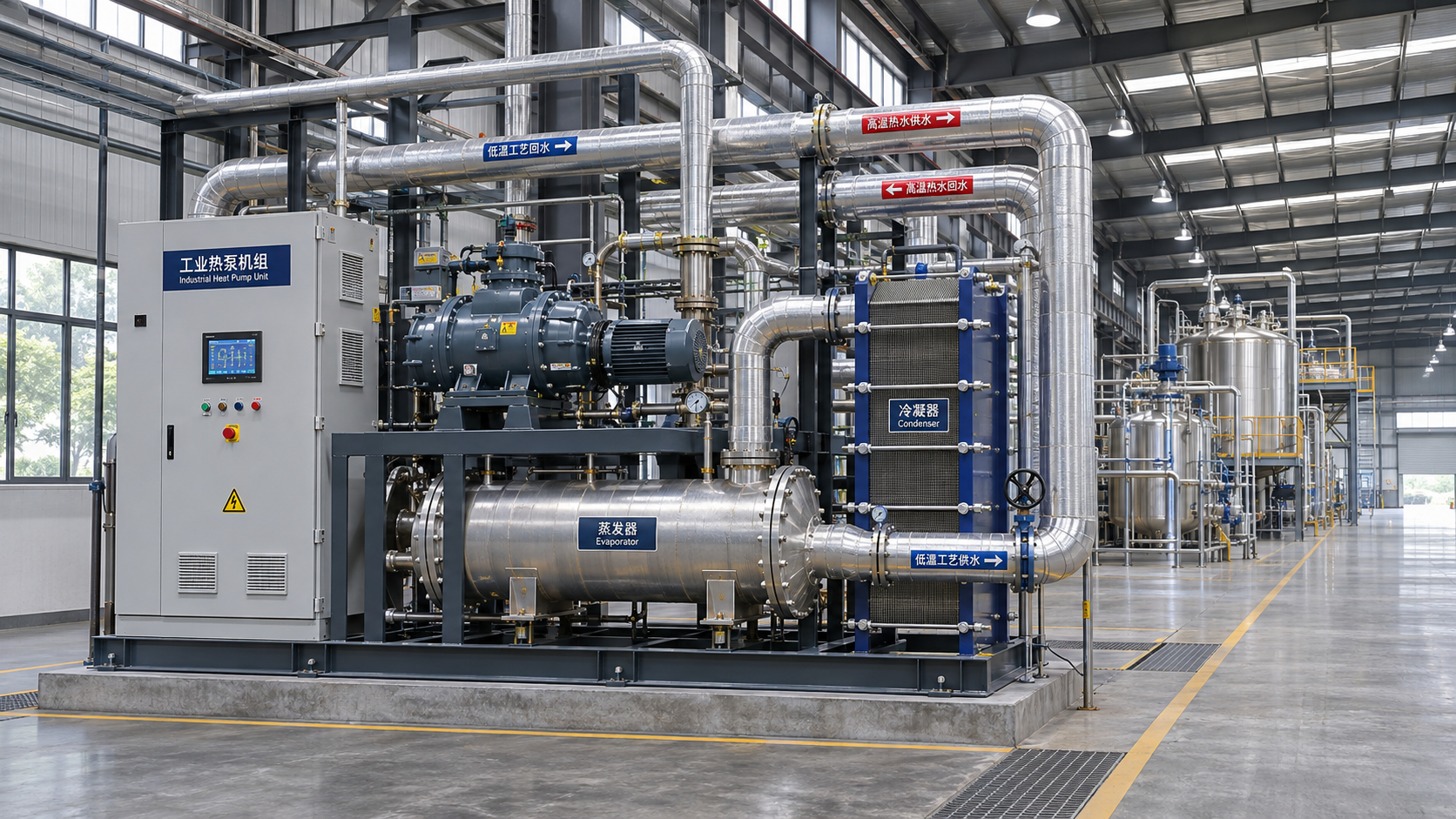
NaturalRefrigerants.com interviewed executives from Danfoss, Everllence and Turboden about the steps needed to extend industrial heat pump supply temperatures to 200°C. The experts identified refrigerant selection, compressor efficiency and system costs as challenges to scaling the technology.
According to the experts, high-temperature heat pumps could provide at least 200 TWh of industrial heat in the 100°C to 200°C range. They described the technology as a key option for replacing conventional fossil fuel boilers and supporting industrial decarbonization.
The information provided does not specify when the interviews took place. It does not identify a policy announcement, a new technical standard, a certification decision or a change to trade rules.
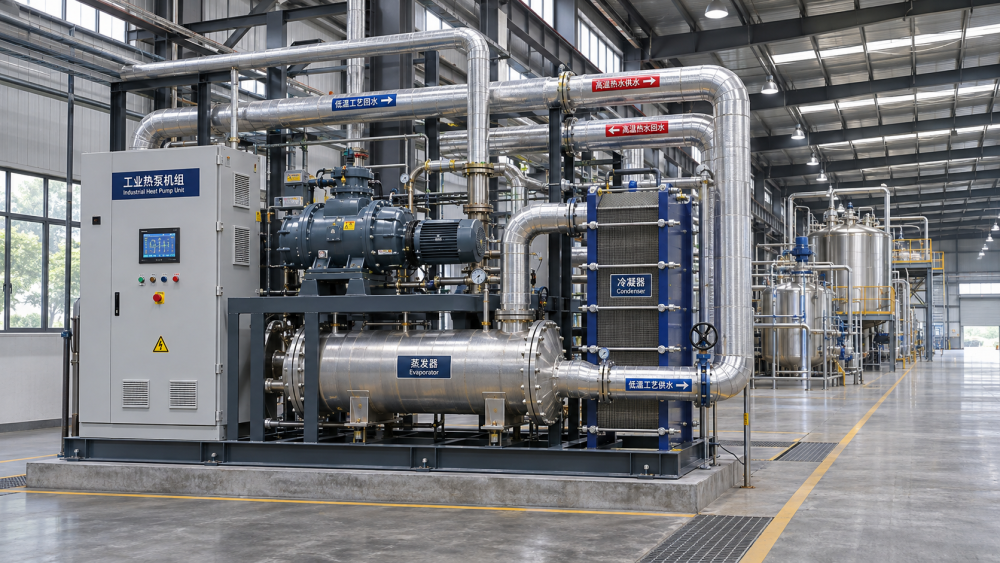
Where higher temperatures could change purchasing decisions
Manufacturers and component suppliers
Analysis suggests that the proposed move toward 200°C could make the relationship between refrigerant choice, compressor performance and overall system cost more consequential in product development and purchasing discussions. A manufacturer considering a higher-temperature offering may need evidence that the selected components can work together under the conditions specified for a project.
That could affect how suppliers describe operating limits, performance and compatibility in technical documents. It may also influence the information requested during supplier selection. The interviews do not establish new documentation or certification requirements, however, and they do not show that any particular component or refrigerant has been approved for every application.
Industrial heat buyers
For a company evaluating alternatives to a fossil fuel boiler, the stated potential of heat pumps in the 100°C to 200°C range offers a reason to examine whether a proposed system matches its actual heat needs. From a procurement perspective, the relevant question is not simply whether a supplier cites a high maximum temperature, but whether the proposed equipment can meet the buyer's specified conditions at an acceptable cost.
Buyers may consequently seek clearer technical bids, supporting performance information and explanations of the assumptions behind cost estimates. These are possible purchasing responses, not requirements announced in the interviews. The supplied information does not establish that all industrial processes in the stated temperature range are suitable for heat pumps, or that a particular project will achieve a specific economic or emissions outcome.
Integrators, contractors and service providers
Analysis suggests that equipment integrators and engineering contractors could face more detailed questions about how a heat pump would fit an existing heat system. The choice of refrigerant, compressor performance and system cost could all influence the scope of a proposed installation and the allocation of responsibilities between suppliers and customers.
Service providers may also need to understand the operating conditions and maintenance information attached to a selected system before making commitments. At this stage, those are matters for project assessment. The interviews do not specify delivery requirements, maintenance rules or changes to service obligations.
Trade, testing and certification participants
For businesses involved in cross-border equipment supply, testing or certification, the discussion may justify closer attention to how higher-temperature equipment is described and assessed in a particular transaction. A buyer and seller may need to align their understanding of the product's operating range and the evidence supporting it before finalizing specifications.
Whether additional testing, certification, documentation or trade controls apply depends on the product and the applicable requirements. None is identified in the supplied information, so the discussion should not be treated as evidence of a new market-access barrier or a change in customs practice. Companies considering a transaction can verify applicable requirements through the relevant authoritative sources and contractual documents.
Questions to resolve before committing to a project
Define the required heat, not just the headline temperature
Industrial buyers can begin by documenting the temperature range and other operating conditions they need a proposed system to serve. Suppliers can then explain the conditions under which their stated performance applies and identify any assumptions that remain to be verified. This approach follows from the interview's focus on extending heat supply toward 200°C, but it does not imply that a universal technical threshold has been introduced.
Where a procurement document refers to the broader 100°C to 200°C range, analysis suggests that both parties should check which part of that range is relevant to the actual purchase. A general statement of technical potential is not a substitute for a project-specific performance commitment.
Examine refrigerant and compressor choices together
The experts identified refrigerant selection and compressor efficiency as scaling challenges. A practical response may be to ask suppliers how the proposed refrigerant and compressor relate to the required operating conditions, what performance evidence is available, and which aspects still require validation. Buyers can also ask how changes to one component might affect the rest of the proposed system.
Any compliance review should be tied to the actual equipment and the rules applicable to its intended use. The supplied summary does not name a refrigerant, prescribe a compressor design or identify a newly mandated certification. It therefore cannot support a conclusion that one technology has become compulsory or that another is prohibited.
Compare complete system costs and contract assumptions
Because system cost is one of the challenges identified in the interviews, procurement teams may benefit from asking for a clear account of what a quotation covers and what remains uncertain. Analysis suggests that comparing proposals on a consistent scope could help distinguish equipment cost from other project costs and clarify who is responsible for integration, delivery and service.
Where suppliers provide projections, buyers can request the assumptions behind them and agree on how performance will be assessed. The information supplied does not provide a cost figure, delivery timetable or return on investment. Commercial decisions will therefore depend on evidence gathered for each proposed installation.
Check applicable requirements before delivery
Manufacturers, buyers and contractors can review the technical documents, test evidence and approvals relevant to their product and transaction before making contractual commitments. If a tender or customer specification calls for particular evidence, the parties can establish who will provide it and when. This is a recommended verification step, not a new obligation established by the interviews.
Businesses supplying equipment across markets may also check whether product descriptions and supporting documents meet the requirements applicable to the intended destination. The source material provides no specific trade rule, certification procedure or enforcement date, so any such check must rely on information obtained separately.
A technical signal awaiting evidence of wider execution
Editorial analysis suggests that the interviews are best understood as a discussion of a possible industrial technology pathway, rather than an announcement that a rule has taken effect. The executives identify both an opportunity in industrial heat and practical obstacles to scaling it. They do not establish a timetable for reaching 200°C at scale, specify a common solution or describe an implementation program.
The distinction matters for purchasing and compliance teams. The stated potential of at least 200 TWh is attributed to the experts and concerns industrial heat in the 100°C to 200°C range. It should not be read as a confirmed volume of orders, installed capacity, near-term demand or heat that every proposed system can economically supply. Those conclusions would require information beyond the supplied summary.
What deserves closer attention is whether subsequent technical evidence and market feedback address the three challenges identified in the interviews. For example, prospective buyers may look for clearer project-specific performance information, while suppliers may seek more precise descriptions of the conditions under which customers want heat delivered. These are observations about possible next steps, not reports that such changes have already occurred.
Policy details, certification interpretations, tender language or trade practice could also affect future decisions if relevant developments arise. No such development is identified here. Until authoritative information is available, businesses should avoid treating a discussion of technical potential as proof of a revised regulatory requirement.
Turning the 200°C discussion into a procurement assessment
The interviews place refrigerant choice, compressor efficiency and system cost at the center of the question of how industrial heat pumps might reach higher supply temperatures at scale. For companies considering equipment purchases or product development, the useful response is to connect those challenges to the actual operating conditions, evidence and commercial terms of each project.
At present, the information is most appropriately handled as a technical and commercial signal that warrants further verification. It identifies neither an enacted rule change nor a settled route to deployment. Subsequent decisions will depend on the performance evidence, applicable requirements and project details available to the parties involved.
Basis for this report and points still to verify
This article is based on the user-provided title, event-time information and summary of the NaturalRefrigerants.com interviews. The event time was not specified. No specific official source link was provided in the input, and relevant information should be verified as it becomes available.
Depending on the issue being assessed, later verification may draw on official announcements, regulatory publications, standards documents, industry association information and authoritative media reporting. Points to monitor include any relevant policy details, certification interpretations, changes in tender documents, trade execution and industry feedback. Their mention here does not imply that a change in any of those areas has already occurred.
Ready when you are. Send us a message to get started.
Related News
- Manufacturers Explore Paths to Industrial Heat Pumps Reaching 200°CAuthor :

- REHVA Position Paper Examines How EU Climate Policy Could Reshape HVACAuthor :

- Can intelligent automation reduce unplanned downtime?Author :

- Rexxon Begins Series Production of Its First R290 Rail HVAC UnitAuthor :

- Why high-density thermal energy storage is gaining industry attentionAuthor :

- Smart Device Thermal Management Trends Shaping 2026 Product DesignAuthor :

- Industrial Cooling Technologies in Europe: 2026 Trends in Compliance and Energy UseAuthor :

- Industrial Electrification Trends in 2026: Where Projects Are Moving FirstAuthor :

- Industrial Solution Comparison Global: 2026 Trends Reshaping Equipment DecisionsAuthor :

- When Heat Recovery Systems Skid Mounted Designs Improve Project PaybackAuthor :

- How to Compare Industrial Decarbonization Solutions Providers in 2026Author :

- Industry Category Guides for Smart Devices: What to Track as 2026 Markets ShiftAuthor :

- Green Manufacturing Trends Reshaping Industrial InvestmentAuthor :

- 2026 Global Energy Costs: What Will Reshape Industrial PlanningAuthor :

- Industrial Decarbonization Solutions That Cut Fuel Costs in 2026Author :

- Smart Thermal Systems Trends Shaping Industrial Upgrades in 2026Author :

- Resource Circularity in Manufacturing: 5 Practical Gains Beyond ComplianceAuthor :

- Carbon Neutrality Roadmap: What Industrial Firms Need to Prioritize FirstAuthor :

- Energy Conversion Efficiency Trends Shaping Industrial UpgradesAuthor :

- Compression Technology Trends Shaping Efficient Plant UpgradesAuthor :

- Industrial Intelligence in Manufacturing: Where It Delivers Value FirstAuthor :

- How Intellectualization Improves Industrial Thermal ManagementAuthor :

- What Intellectualization Means for Smarter Plant Operations in 2026Author :

- Carbon Neutrality Goals: What Industrial Firms Should Prioritize in 2026Author :

- How Intellectualization Reduces Downtime in Modern Production LinesAuthor :

- Decarbonization Roadmap for Energy-Intensive Plants in 2026Author :

- Thermal Systems Trends in 2026: Efficiency, Control, and RiskAuthor :

- Industrial Decarbonization Priorities for Energy-Intensive FacilitiesAuthor :

- Thermal Systems in 2026: Efficiency Upgrades Shaping Industrial OperationsAuthor :

- Pure Power Sources: 5 Practical Paths to Carbon NeutralityAuthor :

- What Intellectualization Means for Industrial Equipment UpgradesAuthor :

- Thermal Optimization in 2026: Where Energy Savings Deliver the Fastest PaybackAuthor :

- Energy Efficiency Trends Reshaping Compressor Upgrades in 2026Author :

- 2026 Industrial Decarbonization Trends Reshaping Plant UpgradesAuthor :
![]()
- Heat Exchanger Technology Trends for 2026 Efficiency TargetsAuthor :

- Resource Circularity Risks in 2026 Supply ChainsAuthor :