Industrial Cooling Solutions for Stable Summer Loads




Stable summer operations depend on more than oversized equipment. Effective industrial cooling solutions protect uptime, limit thermal stress, and keep energy use under control during peak seasonal demand.
Across the comprehensive industrial landscape, cooling decisions affect compressors, process lines, electrical rooms, data systems, and heat-sensitive production environments. A reliable strategy must support performance, compliance, and lifecycle value.
This guide answers the most common questions around industrial cooling solutions, with practical advice for stable summer loads, lower risk, and stronger long-term thermal resilience.
What are industrial cooling solutions, and why do they matter in summer?
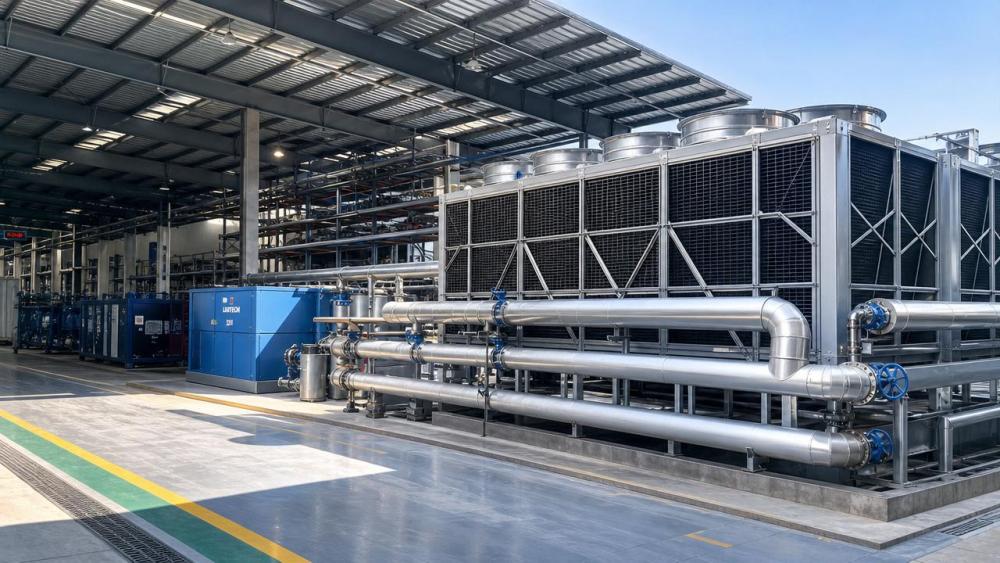
Industrial cooling solutions are systems and methods used to remove excess heat from equipment, processes, or spaces. They maintain safe operating temperatures under changing ambient and production conditions.
Summer creates a special challenge. Higher outdoor temperatures reduce heat rejection efficiency, while production often remains constant or increases. That combination can push cooling assets closer to their design limits.
In many facilities, thermal instability affects more than comfort. It can disrupt compressed air quality, increase motor stress, degrade vacuum performance, and shorten the life of electronics and process equipment.
Well-designed industrial cooling solutions support temperature consistency, process quality, and energy discipline. They also reduce unplanned shutdowns, especially in continuous-duty or high-load operations.
- Protect critical assets from overheating
- Stabilize output during peak ambient temperatures
- Improve equipment efficiency and reliability
- Support environmental and operational compliance
Which systems usually need industrial cooling solutions first?
Not every area has the same thermal priority. The most urgent targets are systems where heat directly threatens output, safety, or product quality during summer peaks.
Compressed air and compressor rooms
Compressors generate significant heat. Without proper ventilation or process cooling, high inlet temperatures reduce efficiency and may trigger nuisance trips or accelerated wear.
Process cooling loops
Manufacturing lines often rely on chillers, cooling towers, or closed-loop systems. Summer instability can shift product tolerances, increase scrap, or slow throughput.
Electrical and control environments
Variable frequency drives, switchgear, servers, and control cabinets are vulnerable to heat buildup. Targeted industrial cooling solutions help avoid faults and communication failures.
Vacuum and heat exchange systems
Vacuum pumps and heat exchangers lose effectiveness when surrounding temperatures rise or fouling increases. Thermal control becomes essential for stable process conditions.
A simple prioritization rule works well: cool the systems where temperature variation creates the highest cost per hour of disruption.
How do you choose the right industrial cooling solutions for stable loads?
Selection should begin with heat load understanding, not equipment preference. Many underperforming projects fail because the installed capacity does not match the actual summer profile.
Start by separating base load from peak load. Then examine ambient extremes, process sensitivity, redundancy requirements, and utility constraints.
Key selection criteria
- Required temperature range and tolerance
- Daily and seasonal load variation
- Water availability and treatment quality
- Energy cost structure and peak tariffs
- Space, noise, and ventilation limitations
- Maintenance access and spare-part support
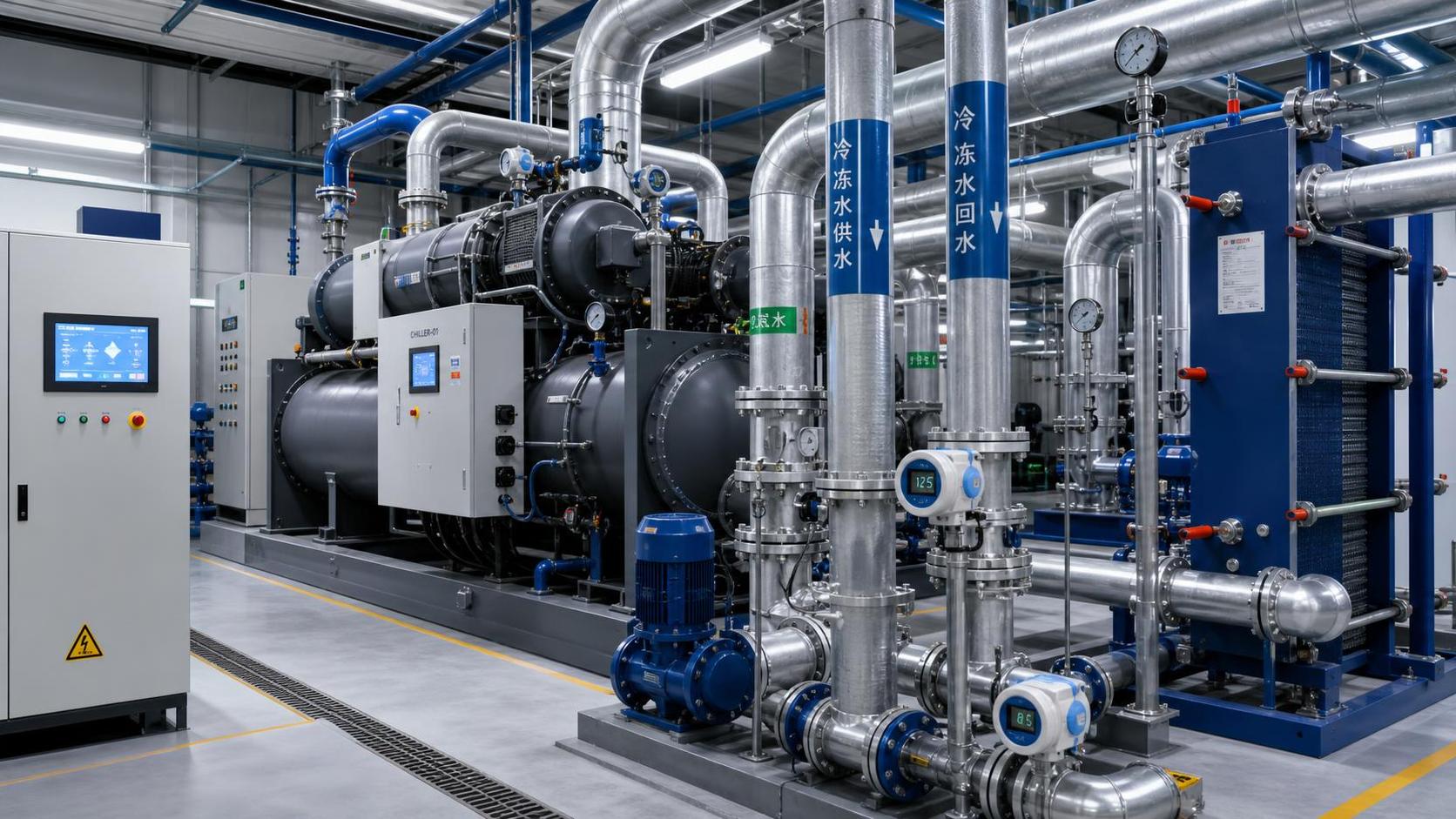
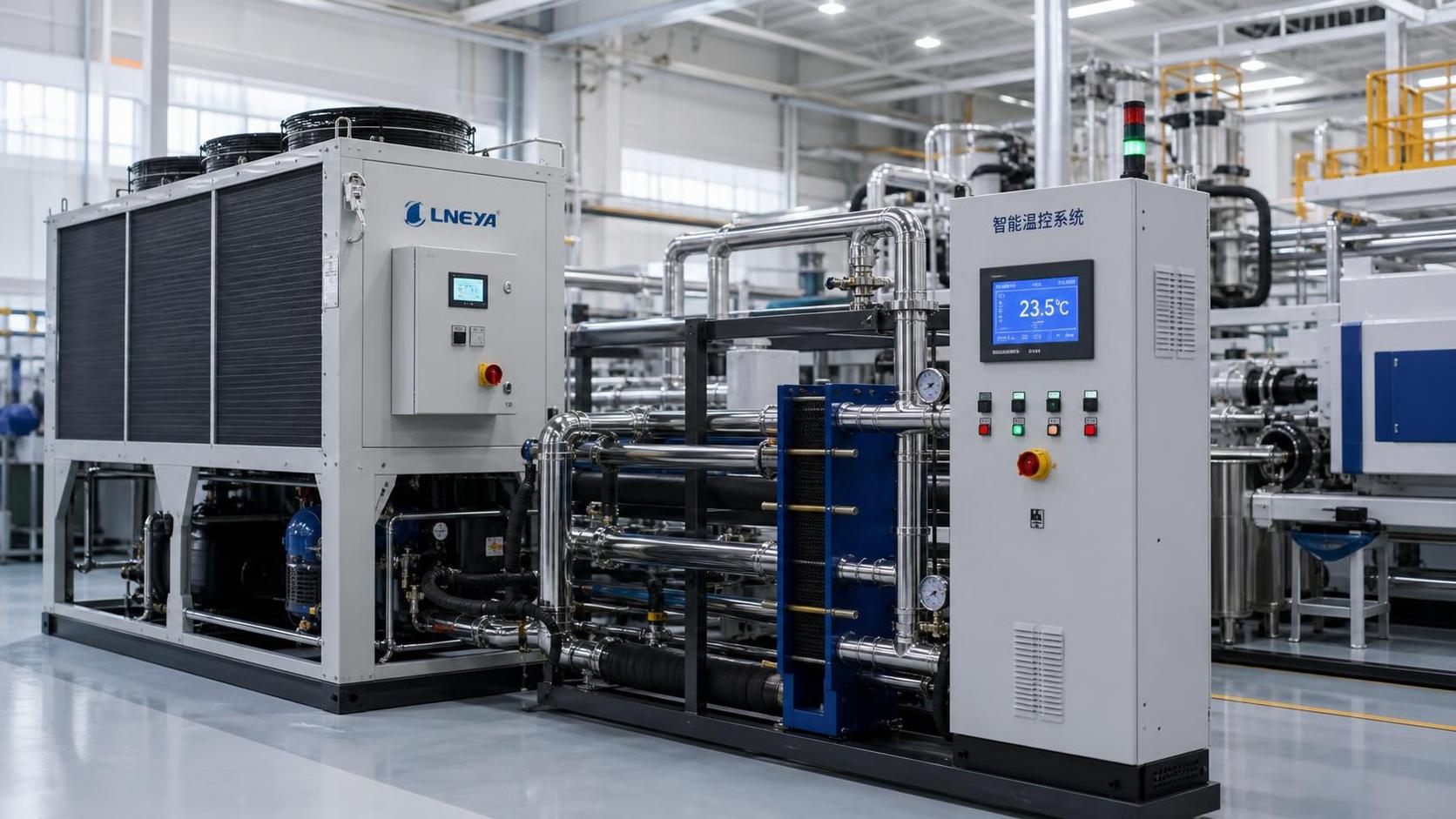
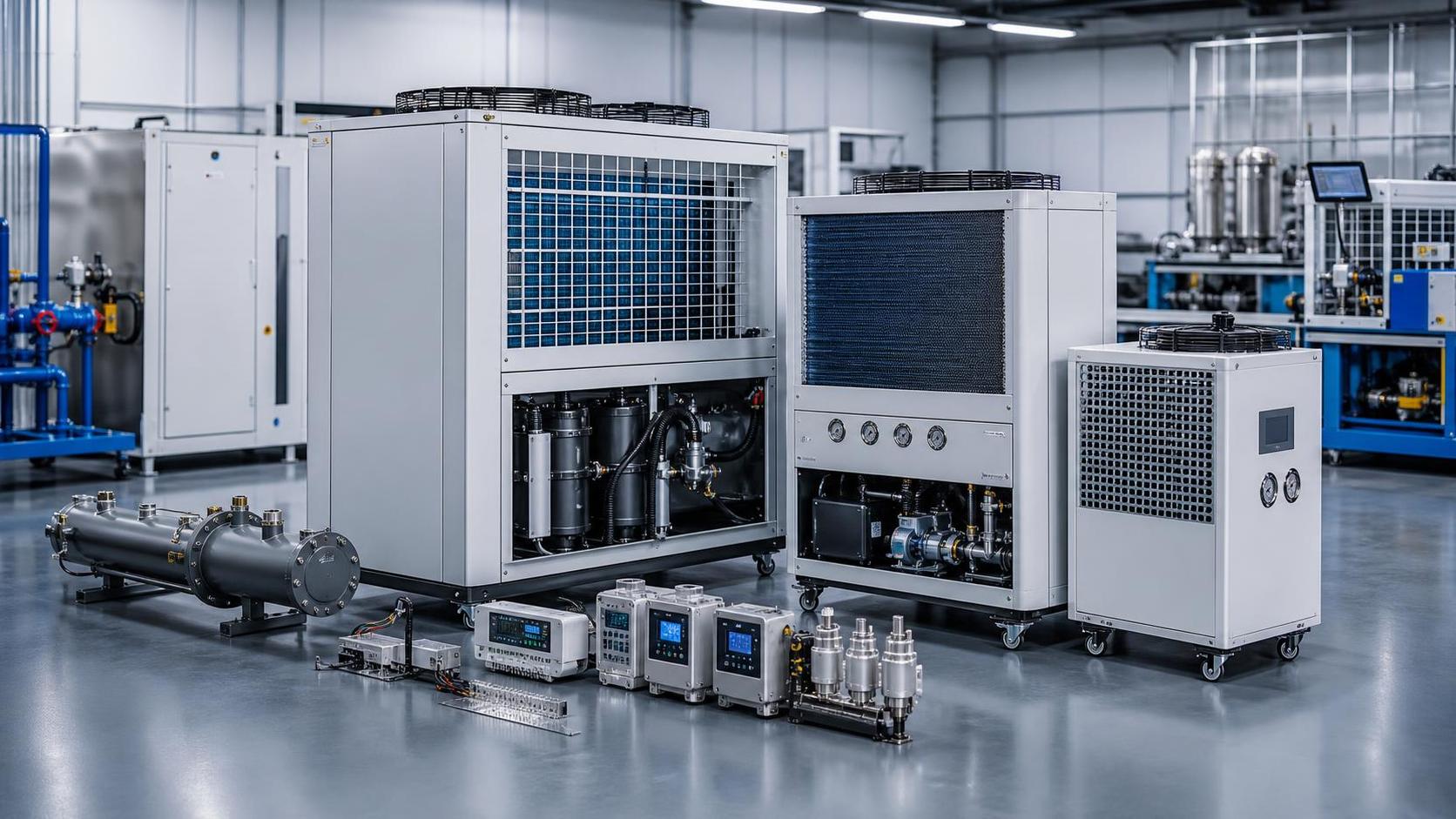
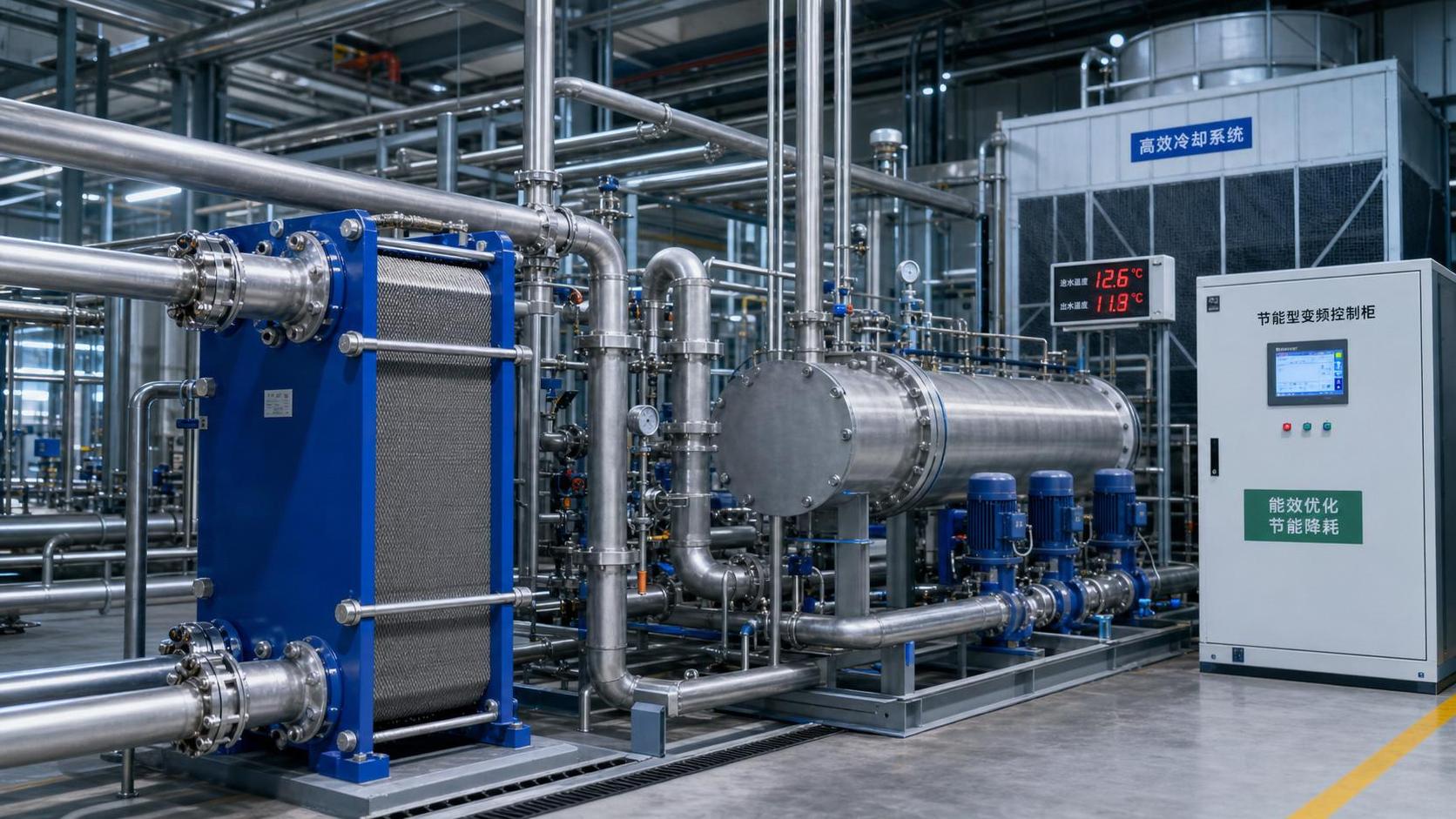
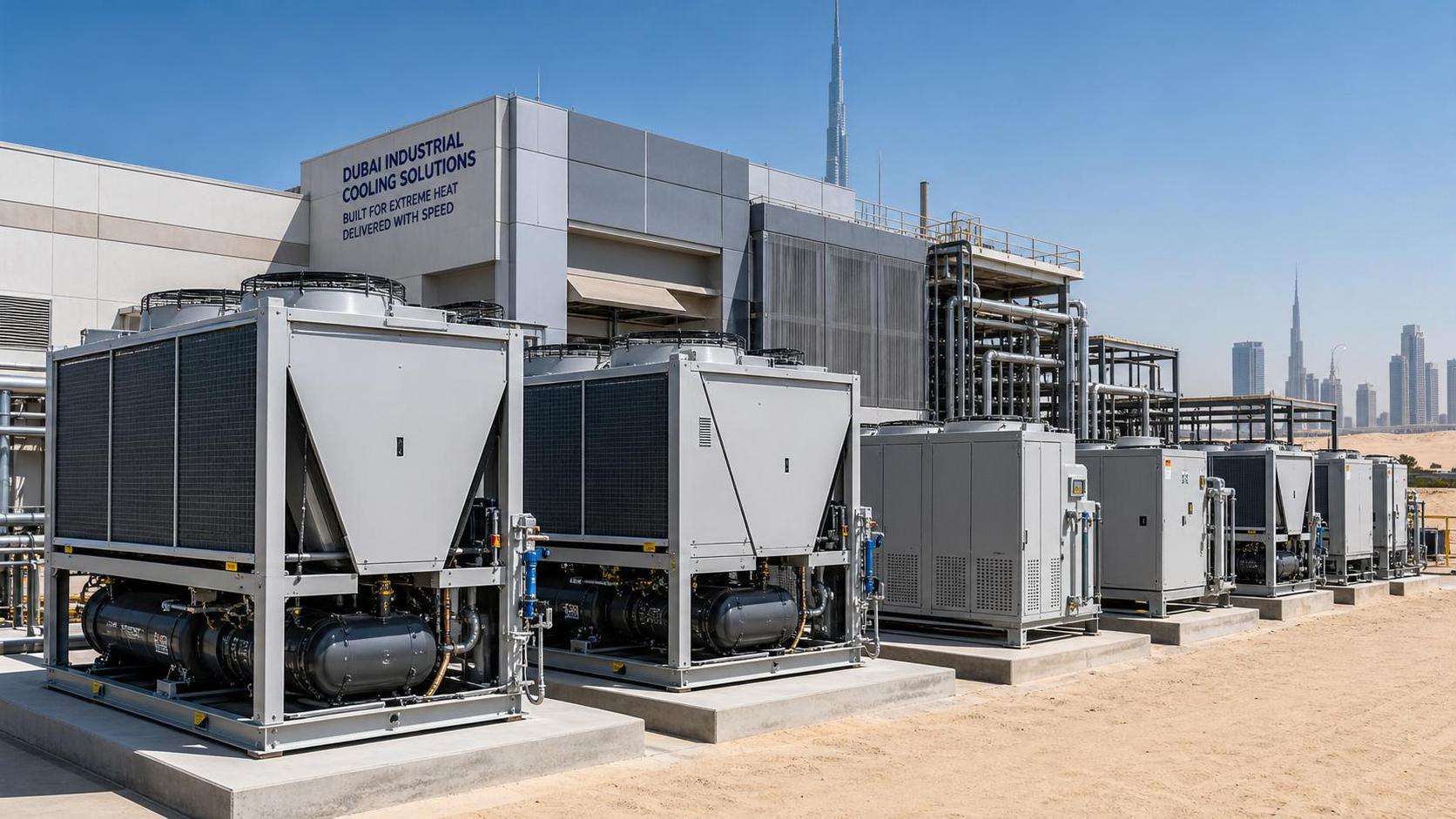
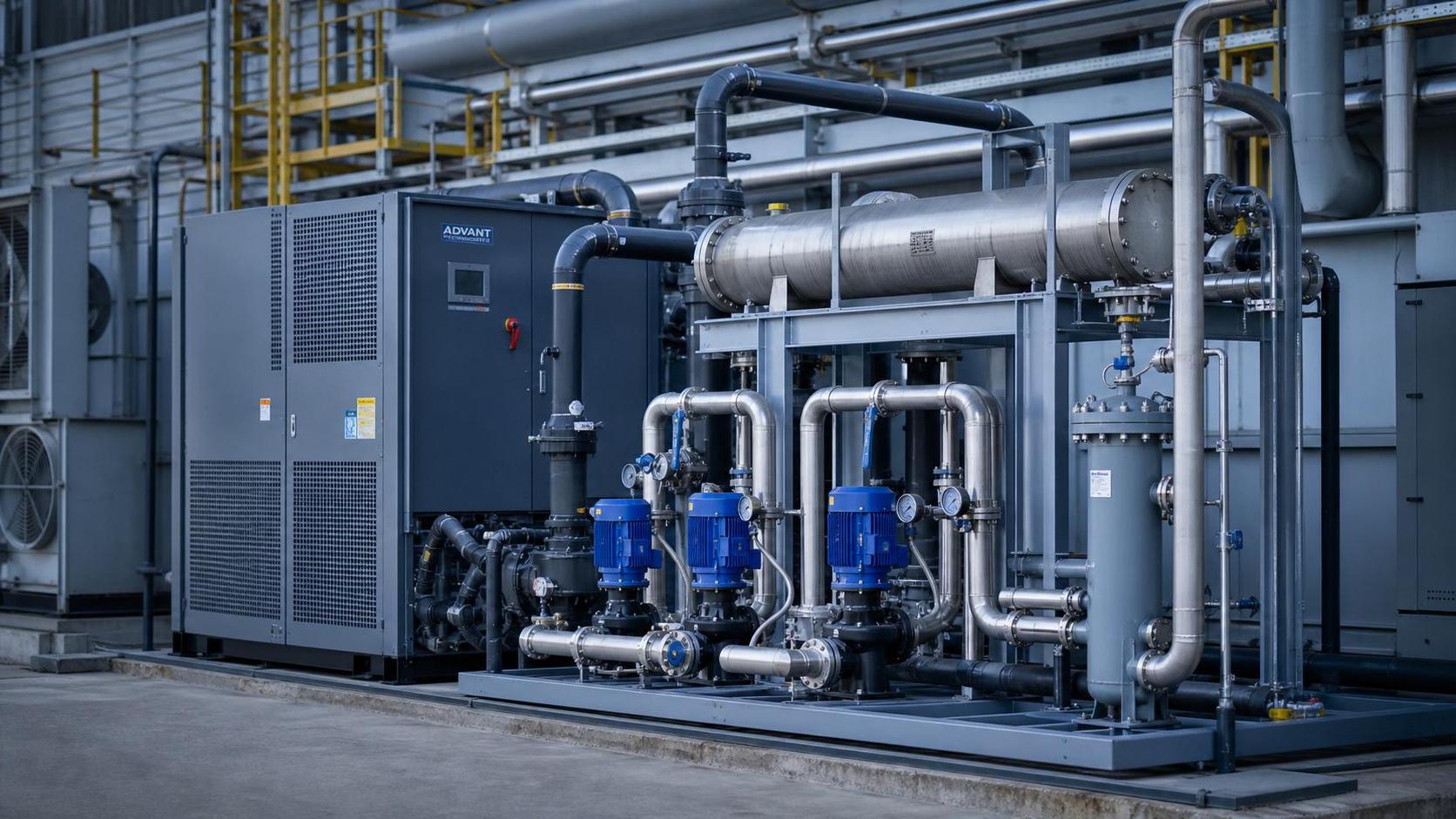
Common industrial cooling solutions include air-cooled chillers, water-cooled chillers, cooling towers, adiabatic cooling, closed-loop fluid coolers, and localized cabinet cooling.
Air-cooled systems simplify installation and water use. Water-cooled systems often perform better for larger loads, but they need water management and stronger maintenance discipline.
Facilities with mixed thermal demands often benefit from layered strategies. A central system handles stable process loads, while localized units protect sensitive assets or seasonal hotspots.
What mistakes reduce the performance of industrial cooling solutions?
The most common mistake is designing for nameplate load only. Real summer conditions include dirt buildup, solar gain, ventilation restrictions, and simultaneous peak demand.
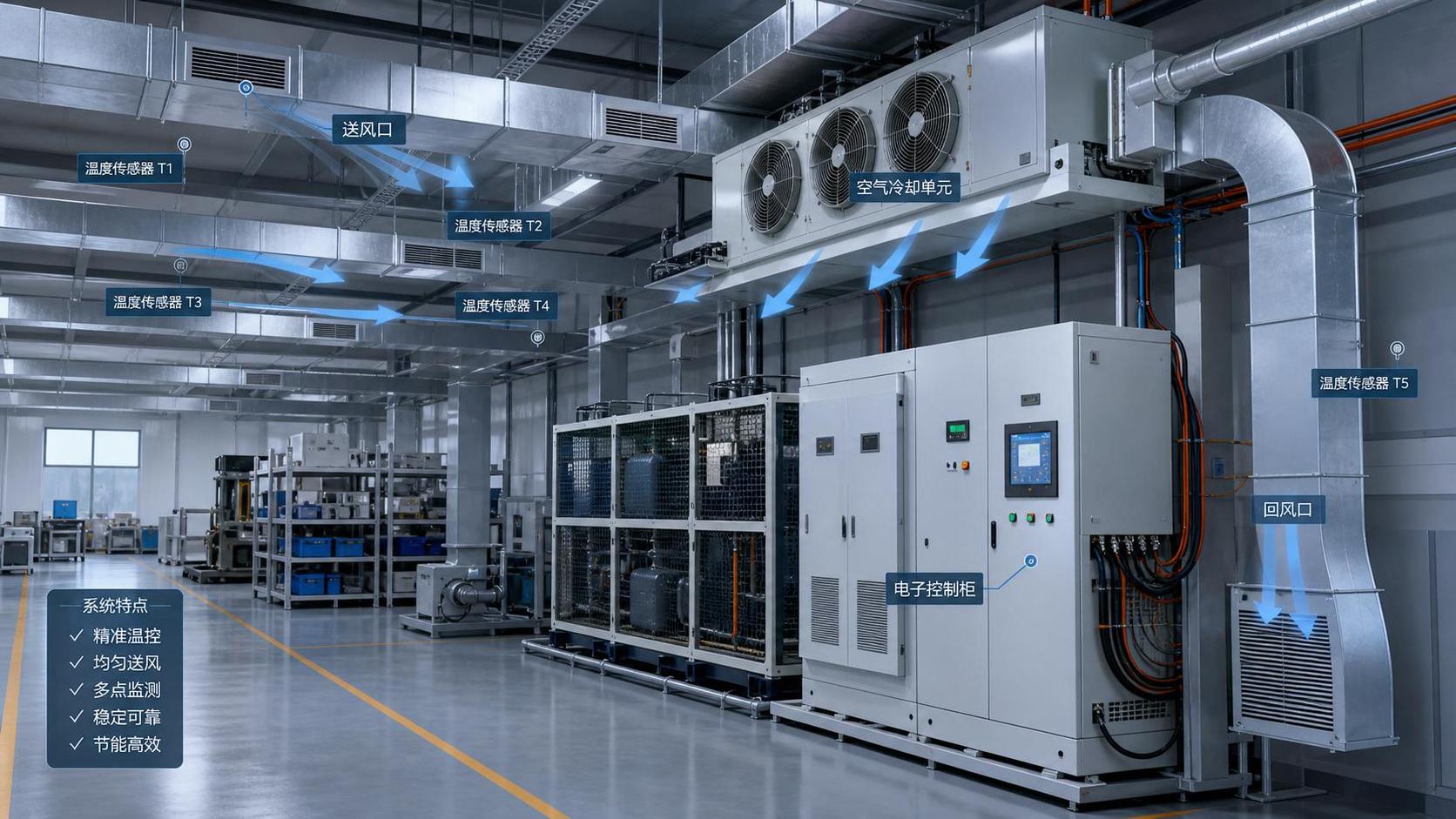
Another frequent issue is poor airflow management. Short-cycling hot exhaust back into condensers or compressor intakes can cut performance even when equipment capacity appears adequate.
High-impact risk areas
- Ignoring fouling in heat exchangers and coils
- Undersized pumps, piping, or control valves
- No redundancy for mission-critical loads
- Weak controls and poor sensor placement
- Treating ventilation as equal to process cooling
Maintenance gaps also weaken industrial cooling solutions. Dirty filters, scaled condensers, refrigerant issues, and untreated water can quietly raise energy use before alarms appear.
A resilient summer plan should combine thermal monitoring, preventive cleaning, alarm review, and periodic load testing under realistic operating conditions.
How can industrial cooling solutions reduce energy cost without sacrificing stability?
Energy savings come from matching cooling output to actual demand. Oversupply wastes power, while undersupply creates thermal instability and costly production risk.
Modern industrial cooling solutions improve efficiency through variable-speed fans, smart staging, floating setpoints, optimized condenser control, and better heat exchanger design.
Practical efficiency measures
- Track approach temperatures and pressure drops weekly.
- Separate comfort cooling from process-critical cooling.
- Recover useful heat where process integration allows.
- Use night pre-cooling when thermal storage is available.
- Review setpoints to avoid unnecessary overcooling.
In many plants, the lowest-cost upgrade is not a new chiller. It is better controls, cleaner heat transfer surfaces, improved airflow paths, or corrected hydraulic balance.
This systems view aligns with the GTC-Matrix perspective: thermal efficiency improves most when cooling, compression, and heat exchange are evaluated together instead of separately.
What should be reviewed before implementing or upgrading industrial cooling solutions?
Implementation planning should cover technical fit, installation timing, utilities, safety, and operating readiness. Summer upgrades fail when these basic dependencies are missed.
Strong industrial cooling solutions also need commissioning discipline. Verify flow, temperature stability, control response, alarm logic, and emergency procedures before peak summer demand arrives.
For long-term value, document baseline performance. That makes future troubleshooting, expansion decisions, and efficiency benchmarking far more reliable.
Conclusion: what is the smartest next step for stable summer cooling?
The best industrial cooling solutions are not defined by size alone. They are defined by fit, control quality, maintainability, and performance under real summer operating stress.
Start with a thermal risk review of the most heat-sensitive systems. Map peak loads, inspect heat transfer performance, and identify where instability creates the largest operational or energy penalty.
Then compare upgrade paths using lifecycle impact, not only capital cost. Smarter industrial cooling solutions can stabilize production, improve efficiency, and support more resilient industrial growth.
A practical next step is to build a summer readiness checklist, supported by measured data, maintenance records, and system-level performance analysis. That is where stable loads become sustainable results.
Related News
- How Smart Thermal Systems Improve Industrial Cooling EfficiencyAuthor :Cryogenic Systems Expert

- How to Choose Process Cooling Equipment for Stable Temperature ControlAuthor :Cryogenic Systems Expert

- EU Finalizes 2026 HFC Quota Cut for R-134a ChillersAuthor :Cryogenic Systems Expert

- EU Tightens HFC-134a Quotas for Industrial ChillersAuthor :Cryogenic Systems Expert

- REACH SVHC Update Pressures HFC-134a Chiller Supply ChainsAuthor :Cryogenic Systems Expert

- EU PFAS Coolant Ban Reshapes Chiller ExportsAuthor :Cryogenic Systems Expert

- EU REACH Restricts PFAS Cooling Media ImportsAuthor :Cryogenic Systems Expert

- EU Ecodesign Rule Takes Effect for Industrial ChillersAuthor :Cryogenic Systems Expert

- EU REACH Rule Takes Effect for PFAS in Industrial Cooling ExportsAuthor :Cryogenic Systems Expert

- Industrial Cooling for Plastic Processing: How to Size for Stable Cycle TimesAuthor :Cryogenic Systems Expert

- EU F-Gas Update Bars R404A/R507 in Commercial CoolingAuthor :Cryogenic Systems Expert

- DOE Raises Chiller Efficiency Standard From October 2026Author :Cryogenic Systems Expert

- India Mandates BIS Energy Certification for Industrial ChillersAuthor :Cryogenic Systems Expert

- Energy-Efficient Heat Exchange for Process Cooling: Cost vs PaybackAuthor :Cryogenic Systems Expert

- EPA R-134a Import Ban Takes Effect on July 13, 2026Author :Cryogenic Systems Expert

- India BIS Rule Takes Effect for Industrial ChillersAuthor :Cryogenic Systems Expert

- EPA Cuts R134a Import Quotas 20% From July 10Author :Cryogenic Systems Expert

- How to Compare Energy-Efficient Cooling Systems for Factory Expansion ProjectsAuthor :Cryogenic Systems Expert

- Chiller Price Index Rises 11.3% in Q2Author :Cryogenic Systems Expert

- Saudi SASO Tightens Chiller Import Compliance From July 10Author :Cryogenic Systems Expert

- Dubai Opens Fast-Track Chiller TendersAuthor :Cryogenic Systems Expert

- Japan Raises Chiller COP Floor to 6.2 From Sept. 1Author :Cryogenic Systems Expert
![]()
- Compact Thermal Management in Smart Devices: Common Failure RisksAuthor :Cryogenic Systems Expert

- Thermal Management for Batteries: Cooling Methods ComparedAuthor :Cryogenic Systems Expert

- How Compact Thermal Design Extends Smart Device UptimeAuthor :Cryogenic Systems Expert

- Shanghai-Rotterdam Reefer Rates Jump 37% in a WeekAuthor :Cryogenic Systems Expert

- Process Cooling Equipment Low Maintenance: What Cuts Downtime Over 5 Years?Author :Cryogenic Systems Expert

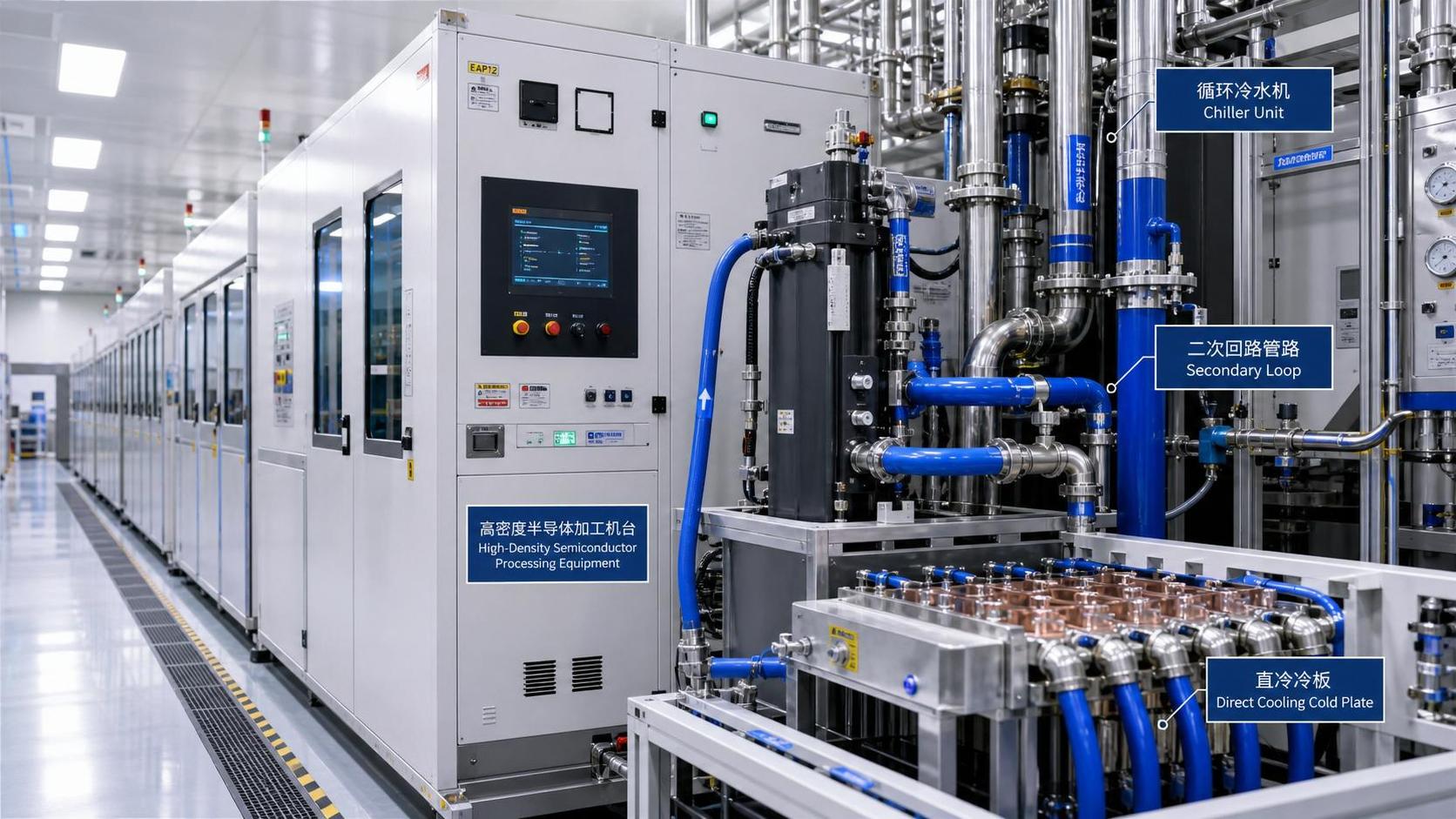
- Semiconductor Cooling Solutions: Which Design Works Best for High-Density Tools?Author :Cryogenic Systems Expert

- Semiconductor Thermal Management Systems: Preventing Yield Loss from Heat DriftAuthor :Cryogenic Systems Expert

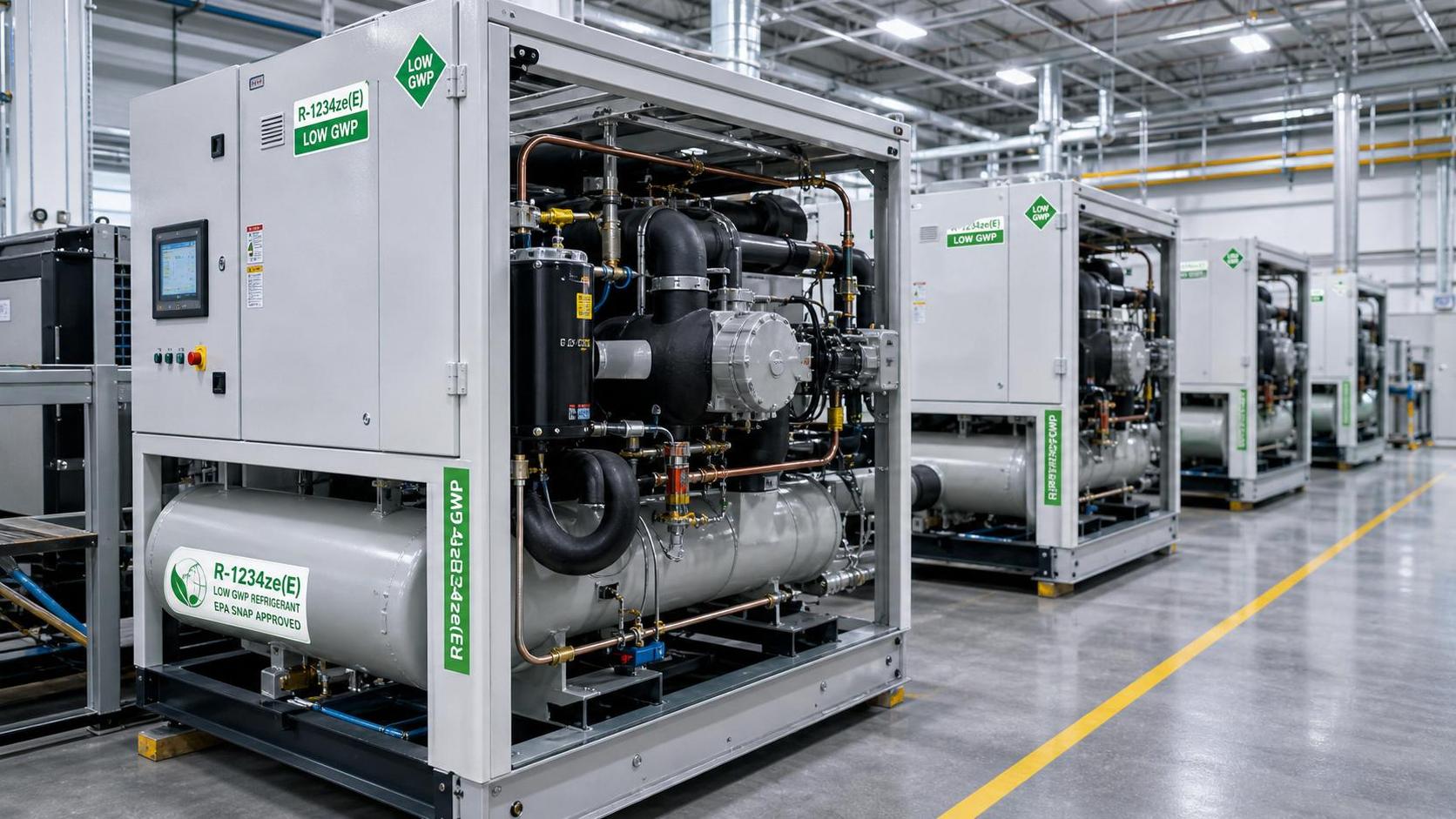
- EPA Clears R-1234ze(E) for Industrial ChillersAuthor :Cryogenic Systems Expert
 for Industrial Chillers")
- DOE Raises Chiller IEER Floor to 12.8 From Oct. 2026Author :Cryogenic Systems Expert

- Singapore Refrigeration Show Adds Green Compliance HubAuthor :Cryogenic Systems Expert

- How Food Industry Temperature Control Systems Reduce Product LossAuthor :Cryogenic Systems Expert

- EU REACH Adds 12 SVHCs, Raising Chiller Compliance RiskAuthor :Cryogenic Systems Expert

- Precision Temperature Control Air Cooling: Key Setup Mistakes That Reduce StabilityAuthor :Cryogenic Systems Expert

- India BEE Eyes APF Labels for Imported ChillersAuthor :Cryogenic Systems Expert