



Shanghai Port Reefer FEU Rates Surge to $12,850 Amid Red Sea Rerouting




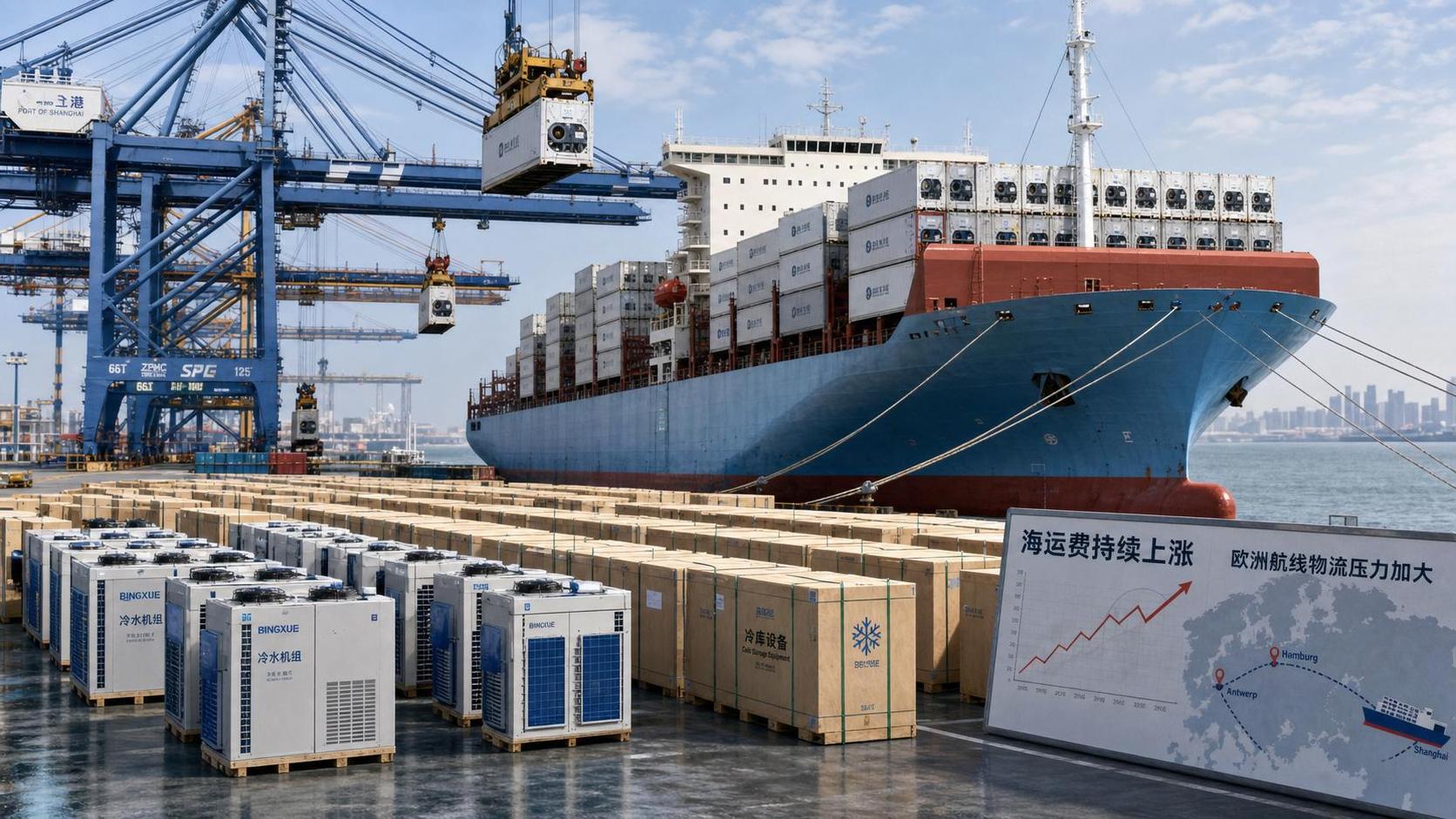
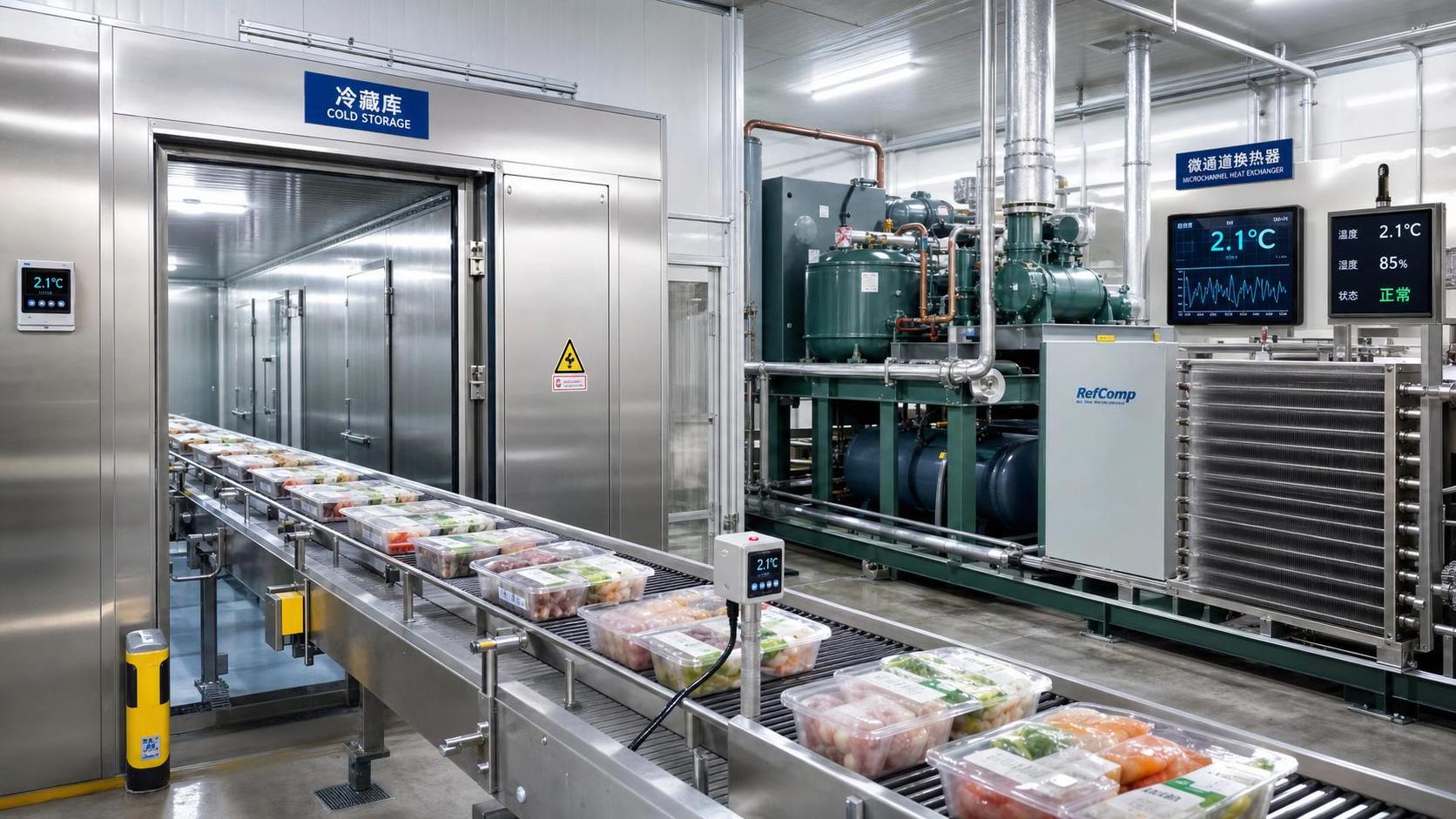
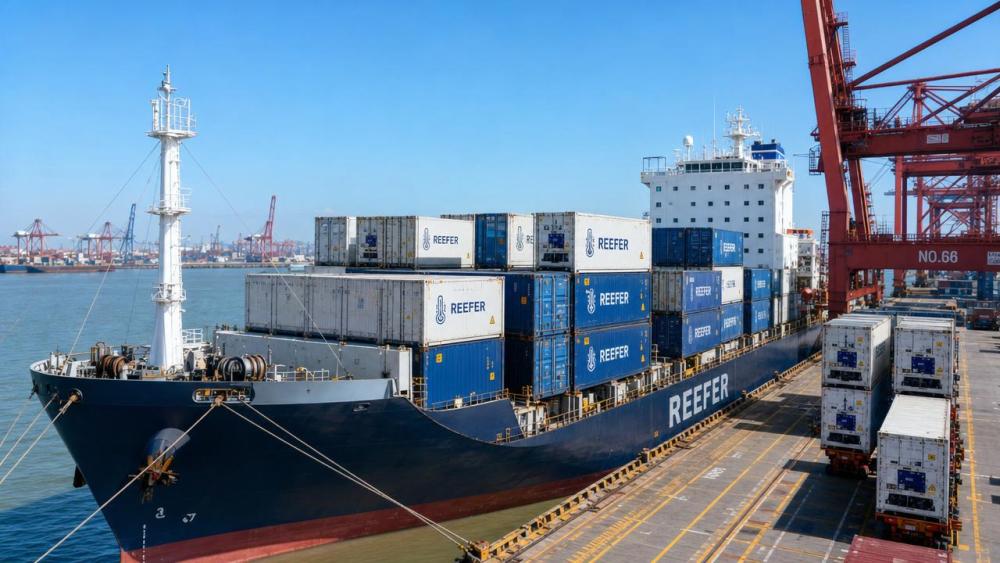
On May 10, 2026, Shanghai Port’s spot rate for refrigerated 40-foot equivalent units (Reefer FEU) on the Shanghai–Rotterdam route reached $12,850 — a new all-time high. This development signals heightened pressure on global cold chain logistics, particularly for industrial chillers, cold storage systems, and refrigerants. Stakeholders in temperature-controlled manufacturing, pharmaceutical logistics, food processing, and HVAC equipment distribution should monitor implications closely — as extended transit times are now directly affecting delivery reliability and inventory planning.
Event Overview
According to data released by the Shanghai Shipping Exchange on May 10, 2026, the spot freight rate for Reefer FEU containers on the Shanghai–Rotterdam route stood at $12,850. The surge is attributed to ongoing Red Sea instability, which continues to force vessels to reroute via the Cape of Good Hope — adding 12–15 days to voyage duration. Concurrently, Suez Canal transit quotas have tightened, further constraining capacity on the traditional route.
Impact on Specific Industry Segments
Direct Trading Enterprises: Importers and exporters handling reefer-dependent goods (e.g., precision HVAC components, refrigerant canisters, chilled industrial parts) face extended lead times. Delivery delays now routinely exceed four weeks, increasing landed cost uncertainty and straining just-in-time procurement models.
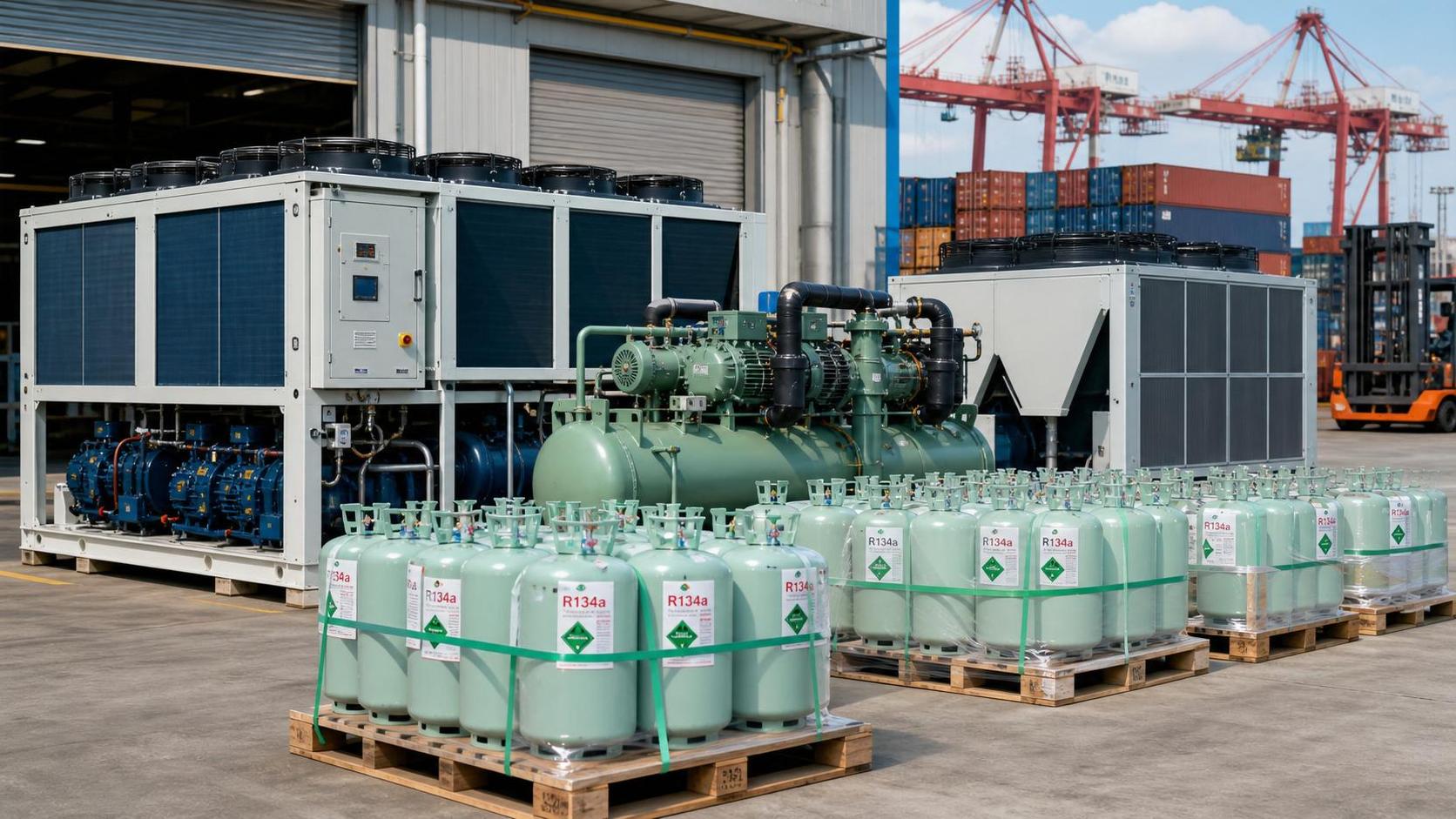
Raw Material Procurement Teams: Buyers sourcing refrigerants (e.g., R-32, R-134a), thermal insulation materials, or compressor oils from Asia must contend with longer ocean transit windows. Inventory buffers previously calibrated for 35–40-day transits now require upward revision to accommodate 50–55-day cycles.
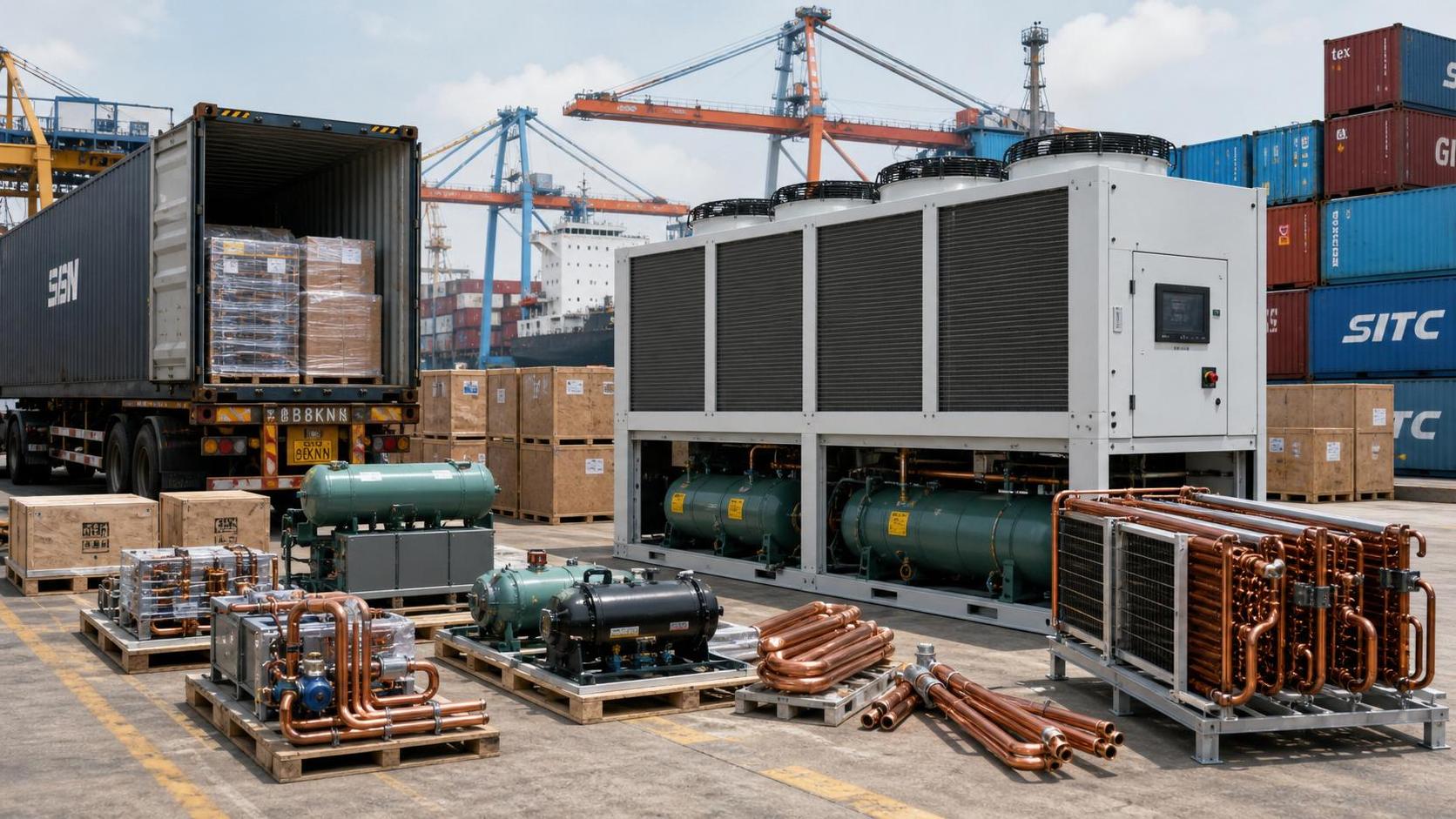
Manufacturing Firms (Industrial Chillers & Cold Storage Systems): OEMs assembling refrigeration units or modular cold rooms report delayed receipt of critical imported subassemblies — especially compressors, controllers, and custom condenser coils. Production scheduling adjustments are becoming necessary to avoid line stoppages.
Distribution & Logistics Providers: Third-party cold chain operators managing European last-mile fulfillment are observing increased dwell time at destination ports and higher demurrage exposure due to container unavailability post-discharge. Coordination with ocean carriers on equipment release timelines has grown more complex.
Supply Chain Service Providers (Freight Forwarders, NVOCCs): Capacity allocation for reefer slots has tightened significantly. Forwarders report reduced visibility into vessel availability beyond 4–6 weeks out, requiring earlier booking commitments and tighter contingency planning for backup routing options.
What Relevant Enterprises or Practitioners Should Monitor and Do Now
Track official updates on Suez Canal quota allocations and Cape-of-Good-Hope congestion metrics
Changes in Suez Canal Authority announcements or port state control reports from South African terminals (e.g., Port of Cape Town, Port of Durban) may signal near-term shifts in rerouting viability or transit time volatility.
Assess exposure across specific reefer-dependent SKUs — not just by origin/destination, but by temperature sensitivity and shelf-life constraints
Products requiring strict ≤–25°C maintenance (e.g., certain refrigerants or electronic cooling modules) are disproportionately affected by longer voyages and potential power interruptions during extended port stays.
Evaluate feasibility of phased bookings and multimodal alternatives for non-urgent shipments
For orders with flexible timing, splitting volumes between ocean and rail (e.g., China–Europe cold chain rail services with pre-cooled ISO reefer wagons) may reduce average delay risk — though rail capacity remains limited and requires advance coordination.
Update internal delivery expectation frameworks with minimum +4–6 week buffer for all Shanghai-origin reefer consignments bound for EU ports
This adjustment should be reflected in purchase order acknowledgments, customer service SLAs, and ERP system lead-time parameters to align cross-functional planning.
Editorial Perspective / Industry Observation
Observably, this rate spike is less a transient market fluctuation and more a structural stress indicator: it reflects the compounding effect of geopolitical disruption, infrastructure bottlenecks, and finite reefer equipment supply. Analysis shows that while spot rates may moderate if Red Sea conditions improve, the underlying vulnerability — overreliance on narrow maritime corridors for time-sensitive temperature-controlled cargo — remains unaddressed. From an industry perspective, this episode is better understood as a validation of cold chain fragility than as an isolated pricing event. Continued monitoring is warranted not only for freight cost trends, but for ripple effects across equipment leasing terms, insurance premiums for reefer cargo, and regulatory scrutiny of temperature log compliance across extended transits.
In summary, the $12,850 Reefer FEU rate is not merely a headline figure — it marks a measurable tightening in the global cold chain’s operational envelope. It underscores that transit time, equipment availability, and corridor reliability now carry equal weight with freight cost in end-to-end cold logistics planning. Currently, this development is best interpreted as an operational inflection point: one demanding recalibration of lead-time assumptions, not just a short-term cost management challenge.
Source: Shanghai Shipping Exchange (data published May 10, 2026).
Port congestion and Suez quota developments remain subject to ongoing observation; no additional official statements beyond the May 10 rate publication have been confirmed.
Related News
- EN 378-1:2026 Tightens EU Export ChecksAuthor :Cryogenic Systems Expert

- How to Compare Semiconductor Cooling Solutions by Heat Load and Uptime RiskAuthor :Cryogenic Systems Expert

- EU Label Deadline Hits China Chiller ExportsAuthor :Cryogenic Systems Expert

- How Smart Thermal Systems Improve Industrial Cooling EfficiencyAuthor :Cryogenic Systems Expert

- How to Choose Process Cooling Equipment for Stable Temperature ControlAuthor :Cryogenic Systems Expert

- EU Finalizes 2026 HFC Quota Cut for R-134a ChillersAuthor :Cryogenic Systems Expert

- EU Tightens HFC-134a Quotas for Industrial ChillersAuthor :Cryogenic Systems Expert

- REACH SVHC Update Pressures HFC-134a Chiller Supply ChainsAuthor :Cryogenic Systems Expert

- EU PFAS Coolant Ban Reshapes Chiller ExportsAuthor :Cryogenic Systems Expert

- EU REACH Restricts PFAS Cooling Media ImportsAuthor :Cryogenic Systems Expert

- EU Ecodesign Rule Takes Effect for Industrial ChillersAuthor :Cryogenic Systems Expert

- EU REACH Rule Takes Effect for PFAS in Industrial Cooling ExportsAuthor :Cryogenic Systems Expert

- Industrial Cooling for Plastic Processing: How to Size for Stable Cycle TimesAuthor :Cryogenic Systems Expert

- EU F-Gas Update Bars R404A/R507 in Commercial CoolingAuthor :Cryogenic Systems Expert

- DOE Raises Chiller Efficiency Standard From October 2026Author :Cryogenic Systems Expert

- India Mandates BIS Energy Certification for Industrial ChillersAuthor :Cryogenic Systems Expert

- Energy-Efficient Heat Exchange for Process Cooling: Cost vs PaybackAuthor :Cryogenic Systems Expert

- EPA R-134a Import Ban Takes Effect on July 13, 2026Author :Cryogenic Systems Expert

- India BIS Rule Takes Effect for Industrial ChillersAuthor :Cryogenic Systems Expert

- EPA Cuts R134a Import Quotas 20% From July 10Author :Cryogenic Systems Expert

- How to Compare Energy-Efficient Cooling Systems for Factory Expansion ProjectsAuthor :Cryogenic Systems Expert

- Chiller Price Index Rises 11.3% in Q2Author :Cryogenic Systems Expert

- Saudi SASO Tightens Chiller Import Compliance From July 10Author :Cryogenic Systems Expert

- Dubai Opens Fast-Track Chiller TendersAuthor :Cryogenic Systems Expert

- Japan Raises Chiller COP Floor to 6.2 From Sept. 1Author :Cryogenic Systems Expert
![]()
- Compact Thermal Management in Smart Devices: Common Failure RisksAuthor :Cryogenic Systems Expert

- Thermal Management for Batteries: Cooling Methods ComparedAuthor :Cryogenic Systems Expert

- How Compact Thermal Design Extends Smart Device UptimeAuthor :Cryogenic Systems Expert

- Shanghai-Rotterdam Reefer Rates Jump 37% in a WeekAuthor :Cryogenic Systems Expert

- Process Cooling Equipment Low Maintenance: What Cuts Downtime Over 5 Years?Author :Cryogenic Systems Expert

- Semiconductor Cooling Solutions: Which Design Works Best for High-Density Tools?Author :Cryogenic Systems Expert

- Semiconductor Thermal Management Systems: Preventing Yield Loss from Heat DriftAuthor :Cryogenic Systems Expert

- EPA Clears R-1234ze(E) for Industrial ChillersAuthor :Cryogenic Systems Expert
 for Industrial Chillers")
- DOE Raises Chiller IEER Floor to 12.8 From Oct. 2026Author :Cryogenic Systems Expert

- Singapore Refrigeration Show Adds Green Compliance HubAuthor :Cryogenic Systems Expert

- How Food Industry Temperature Control Systems Reduce Product LossAuthor :Cryogenic Systems Expert