China Launches HCFCs Phase-Out Verification for 127 Chiller Manufacturers




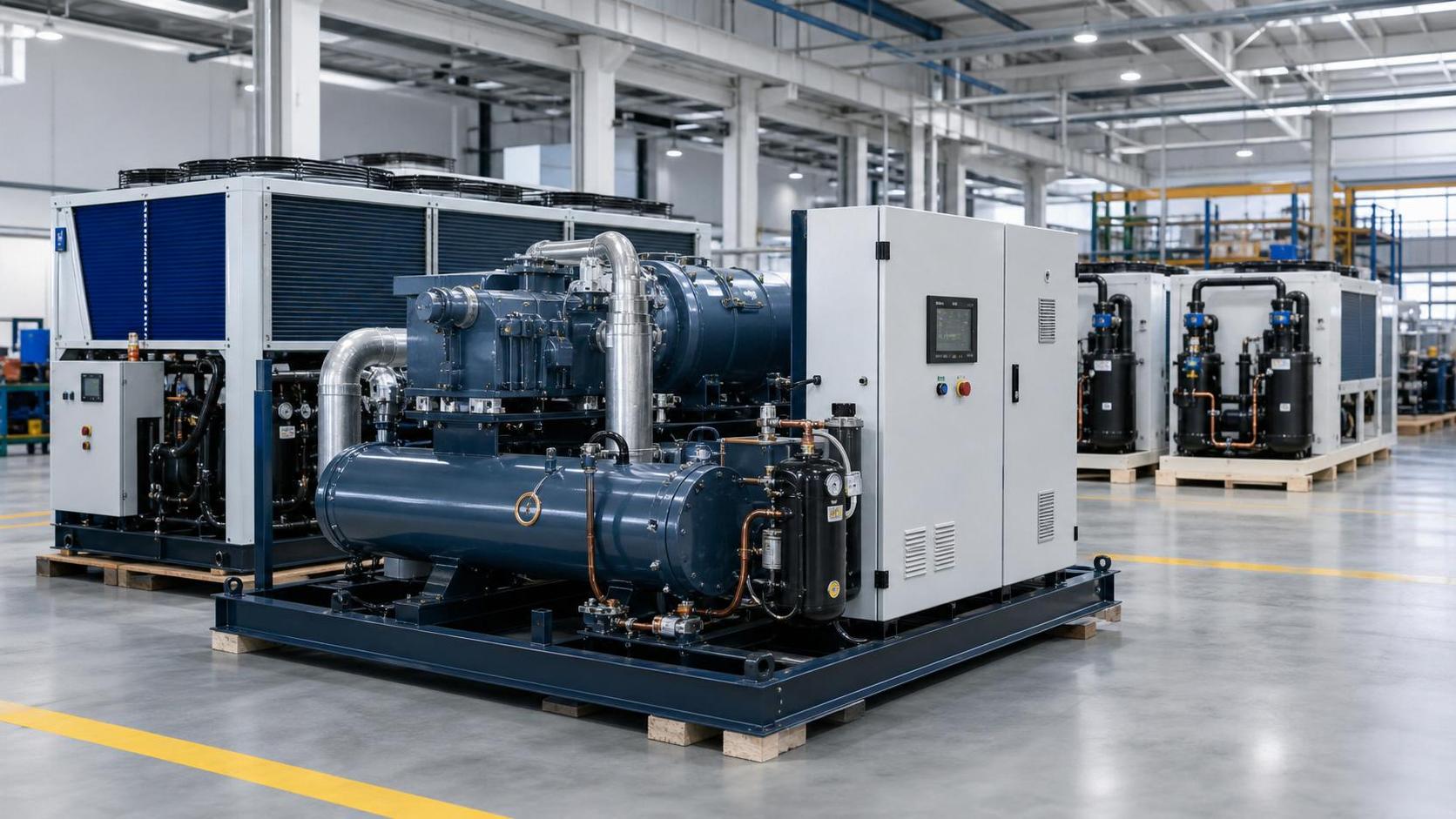
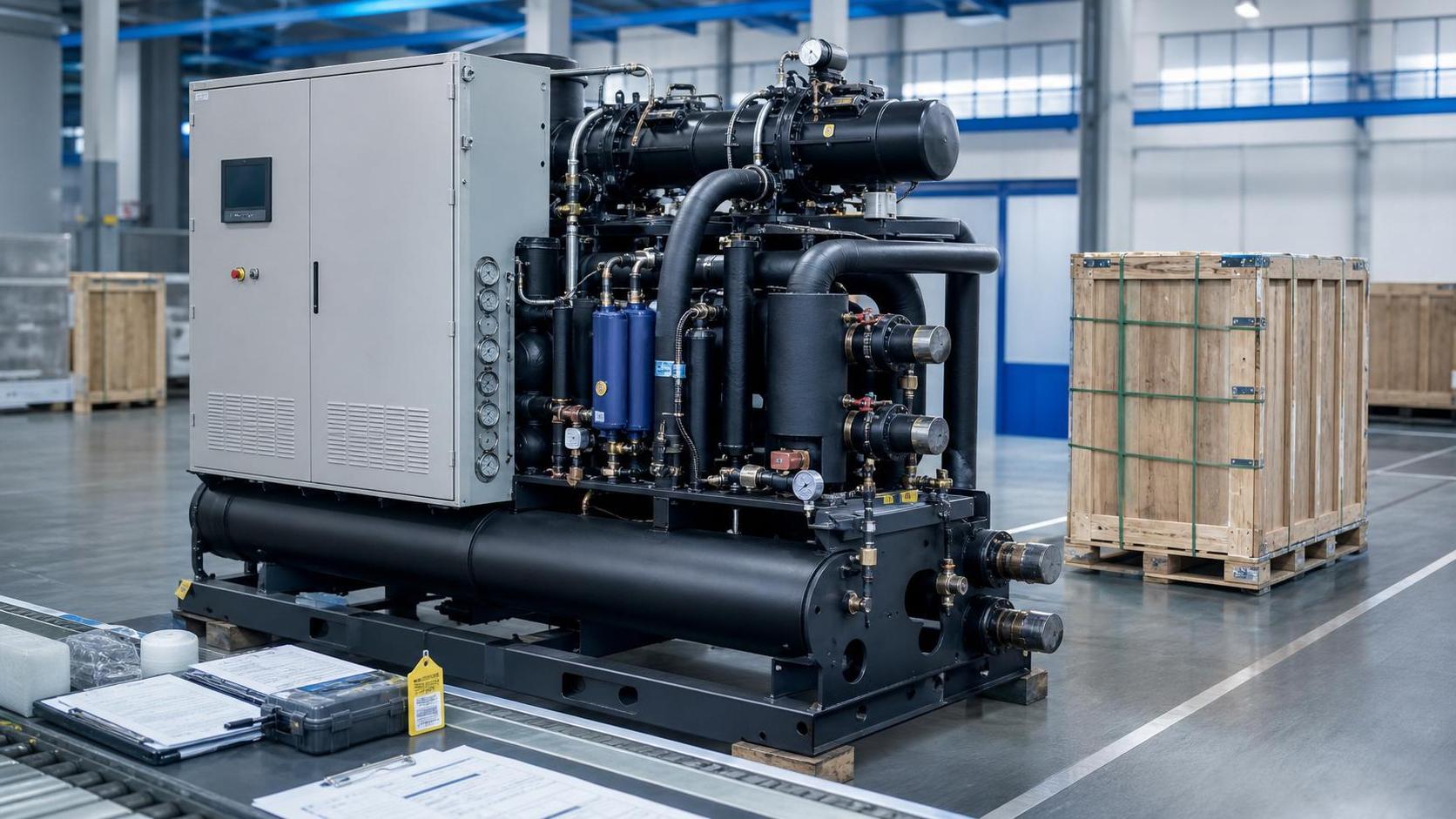
On May 6, 2026, China’s Ministry of Ecology and Environment initiated an annual verification campaign targeting the phase-out of hydrochlorofluorocarbons (HCFCs), including R22, across 127 industrial chiller manufacturers nationwide. This action directly affects companies involved in chilled water system production, refrigerant management, and international trade—particularly those exporting to the EU or supplying green procurement programs in Southeast Asia.
Event Overview
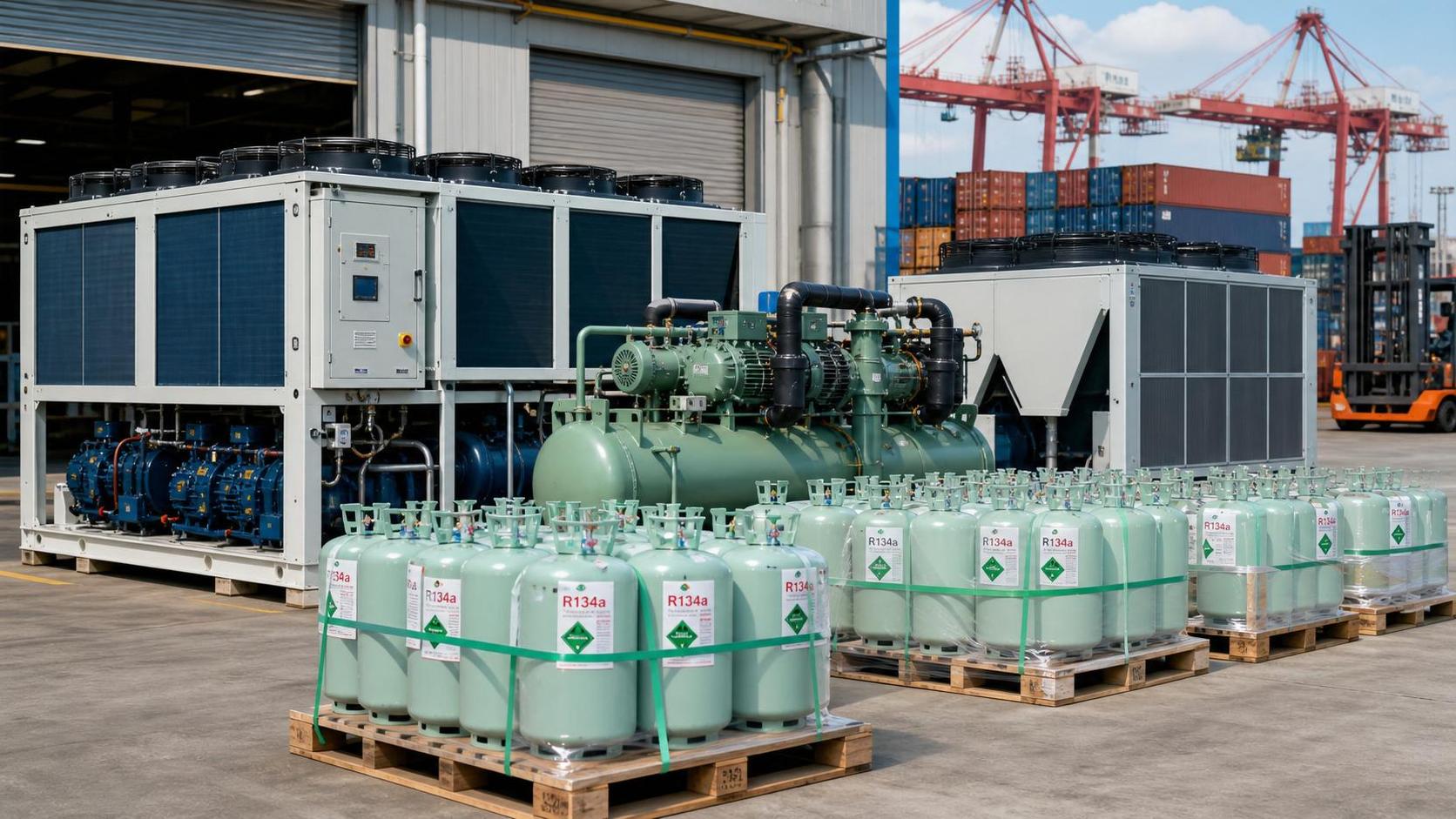
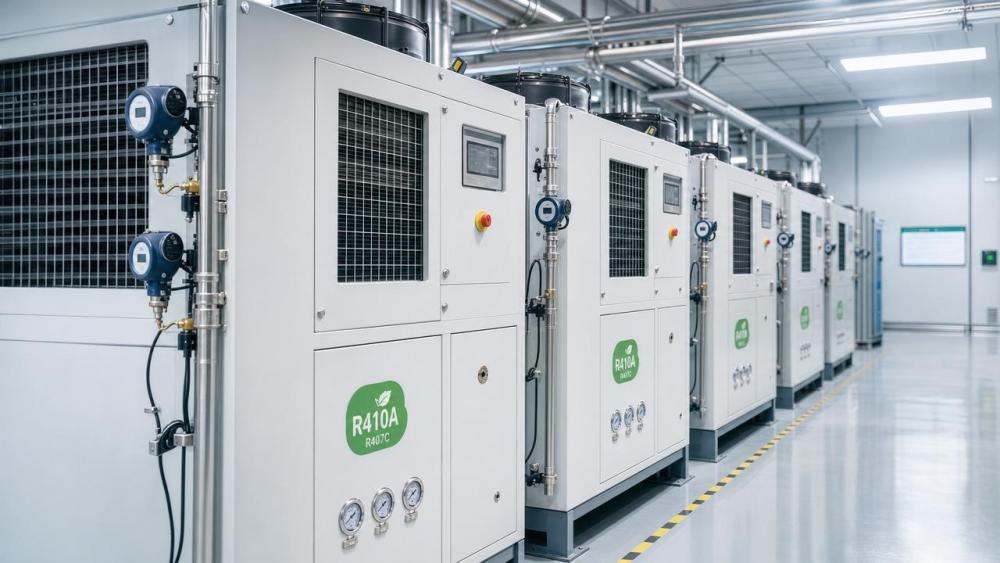
On May 6, 2026, China’s Ministry of Ecology and Environment launched a specialized on-site verification program for HCFCs (including R22) phase-out compliance. The program covers 127 industrial chiller manufacturers across the country. Key inspection items include refrigerant recovery rates,备案 of alternative technology pathways, and progress toward transitioning from R22 to transitional refrigerants such as R407C and R410A. Verification outcomes will inform eligibility for EU F-Gas Regulation registration and inclusion in Southeast Asian markets’ green procurement white lists.
Industries Affected
Chiller Manufacturing Enterprises
These firms are the direct subjects of on-site inspection. They face operational scrutiny over refrigerant handling practices and technical transition plans. Impact manifests in potential delays in export certification, increased internal audit burden, and possible non-compliance flags affecting market access.
Refrigerant Supply & Distribution Companies
As R22 use declines and transitional blends (e.g., R407C, R410A) gain traction, demand patterns are shifting. Distributors may experience inventory rebalancing pressure, especially if downstream chiller makers accelerate phase-out timelines ahead of verification deadlines.
Export-Oriented Trade Service Providers
Firms supporting EU-bound exports—including customs brokers, technical documentation agents, and F-Gas registrars—must now verify whether their clients’ production facilities have passed or are scheduled for HCFCs verification. Incomplete or adverse verification outcomes may delay F-Gas registration submissions or trigger re-audits.
Green Procurement Program Participants in ASEAN Markets
Companies listed—or seeking listing—in Southeast Asian green procurement white lists must demonstrate upstream compliance. Verification results serve as de facto evidence of environmental due diligence; absence of verified status may hinder tender eligibility or contract renewal discussions.
What Enterprises and Practitioners Should Monitor and Do Now
Track official verification schedules and outcome disclosures
Enterprises should monitor announcements from provincial ecological environment departments regarding site visit timing, reporting templates, and post-verification feedback channels. Publicly released verification summaries—when available—will clarify interpretation of ‘recovery rate’ thresholds and acceptable alternative technology documentation formats.
Confirm alignment between current refrigerant usage and declared transition roadmaps
Manufacturers should cross-check internal records (e.g., refrigerant purchase logs, charging reports, retrofit project timelines) against submitted alternative technology filings. Discrepancies between stated R407C/R410A adoption progress and actual production-line implementation may raise verification concerns.
Distinguish policy signal from binding compliance requirement
This is a verification activity—not a new regulation. Its immediate effect lies in evidentiary weight: successful verification supports existing F-Gas applications and green list submissions, but failure does not automatically revoke prior authorizations. However, repeated non-conformities may inform future enforcement priorities.
Prepare documentation for third-party validation and cross-border communication
Compile refrigerant inventory records, equipment retrofit certificates, and technician training logs. Translate key documents into English where needed for EU or ASEAN partners. Proactively share verification readiness status with overseas buyers requesting sustainability assurance data.
Editorial Perspective / Industry Observation
Observably, this verification initiative functions primarily as a data-gathering and compliance signaling mechanism—not yet a punitive enforcement tool. Analysis shows it reflects tightening integration between domestic environmental governance and international climate trade frameworks, particularly the EU F-Gas Regulation and ASEAN Green Initiative standards. From an industry perspective, it signals that refrigerant lifecycle accountability is moving upstream—from end users to original equipment manufacturers. Current verification scope remains limited to chiller producers, but its methodology and documentation expectations may inform broader sectoral rollouts in coming years. It is more accurately understood as a procedural checkpoint than a standalone regulatory milestone.
This verification effort underscores how domestic environmental oversight increasingly shapes global market access conditions—not through new legislation, but through evidentiary requirements embedded in international trade and procurement systems. For affected enterprises, the priority is not reactive compliance, but systematic alignment of operational practice, documentation, and external reporting.
Source: Official announcement issued by China’s Ministry of Ecology and Environment on May 6, 2026. Further details—including verification methodology, scoring criteria, and regional implementation guidance—are pending official release and remain under observation.
Related News
- How to Compare Semiconductor Cooling Solutions by Heat Load and Uptime RiskAuthor :Cryogenic Systems Expert

- EU Label Deadline Hits China Chiller ExportsAuthor :Cryogenic Systems Expert

- How Smart Thermal Systems Improve Industrial Cooling EfficiencyAuthor :Cryogenic Systems Expert

- How to Choose Process Cooling Equipment for Stable Temperature ControlAuthor :Cryogenic Systems Expert

- EU Finalizes 2026 HFC Quota Cut for R-134a ChillersAuthor :Cryogenic Systems Expert

- EU Tightens HFC-134a Quotas for Industrial ChillersAuthor :Cryogenic Systems Expert

- REACH SVHC Update Pressures HFC-134a Chiller Supply ChainsAuthor :Cryogenic Systems Expert

- EU PFAS Coolant Ban Reshapes Chiller ExportsAuthor :Cryogenic Systems Expert

- EU REACH Restricts PFAS Cooling Media ImportsAuthor :Cryogenic Systems Expert

- EU Ecodesign Rule Takes Effect for Industrial ChillersAuthor :Cryogenic Systems Expert

- EU REACH Rule Takes Effect for PFAS in Industrial Cooling ExportsAuthor :Cryogenic Systems Expert

- Industrial Cooling for Plastic Processing: How to Size for Stable Cycle TimesAuthor :Cryogenic Systems Expert

- EU F-Gas Update Bars R404A/R507 in Commercial CoolingAuthor :Cryogenic Systems Expert

- DOE Raises Chiller Efficiency Standard From October 2026Author :Cryogenic Systems Expert

- India Mandates BIS Energy Certification for Industrial ChillersAuthor :Cryogenic Systems Expert

- Energy-Efficient Heat Exchange for Process Cooling: Cost vs PaybackAuthor :Cryogenic Systems Expert

- EPA R-134a Import Ban Takes Effect on July 13, 2026Author :Cryogenic Systems Expert

- India BIS Rule Takes Effect for Industrial ChillersAuthor :Cryogenic Systems Expert

- EPA Cuts R134a Import Quotas 20% From July 10Author :Cryogenic Systems Expert

- How to Compare Energy-Efficient Cooling Systems for Factory Expansion ProjectsAuthor :Cryogenic Systems Expert

- Chiller Price Index Rises 11.3% in Q2Author :Cryogenic Systems Expert

- Saudi SASO Tightens Chiller Import Compliance From July 10Author :Cryogenic Systems Expert

- Dubai Opens Fast-Track Chiller TendersAuthor :Cryogenic Systems Expert

- Japan Raises Chiller COP Floor to 6.2 From Sept. 1Author :Cryogenic Systems Expert
![]()
- Compact Thermal Management in Smart Devices: Common Failure RisksAuthor :Cryogenic Systems Expert

- Thermal Management for Batteries: Cooling Methods ComparedAuthor :Cryogenic Systems Expert

- How Compact Thermal Design Extends Smart Device UptimeAuthor :Cryogenic Systems Expert

- Shanghai-Rotterdam Reefer Rates Jump 37% in a WeekAuthor :Cryogenic Systems Expert

- Process Cooling Equipment Low Maintenance: What Cuts Downtime Over 5 Years?Author :Cryogenic Systems Expert

- Semiconductor Cooling Solutions: Which Design Works Best for High-Density Tools?Author :Cryogenic Systems Expert

- Semiconductor Thermal Management Systems: Preventing Yield Loss from Heat DriftAuthor :Cryogenic Systems Expert

- EPA Clears R-1234ze(E) for Industrial ChillersAuthor :Cryogenic Systems Expert
 for Industrial Chillers")
- DOE Raises Chiller IEER Floor to 12.8 From Oct. 2026Author :Cryogenic Systems Expert

- Singapore Refrigeration Show Adds Green Compliance HubAuthor :Cryogenic Systems Expert

- How Food Industry Temperature Control Systems Reduce Product LossAuthor :Cryogenic Systems Expert

- EU REACH Adds 12 SVHCs, Raising Chiller Compliance RiskAuthor :Cryogenic Systems Expert