China's MEE Launches HCFC-22 Phase-Out Verification




On May 8, 2026, China’s Ministry of Ecology and Environment (MEE) initiated its second round of targeted verification for hydrochlorofluorocarbon (HCFC)-22 phase-out, covering 127 industrial chiller manufacturers nationwide. This action directly affects enterprises engaged in refrigerant-dependent manufacturing, export trade, and cold-chain equipment supply—particularly those handling R22-based components or serving non-Montreal Protocol parties such as certain African and South American markets.
Event Overview
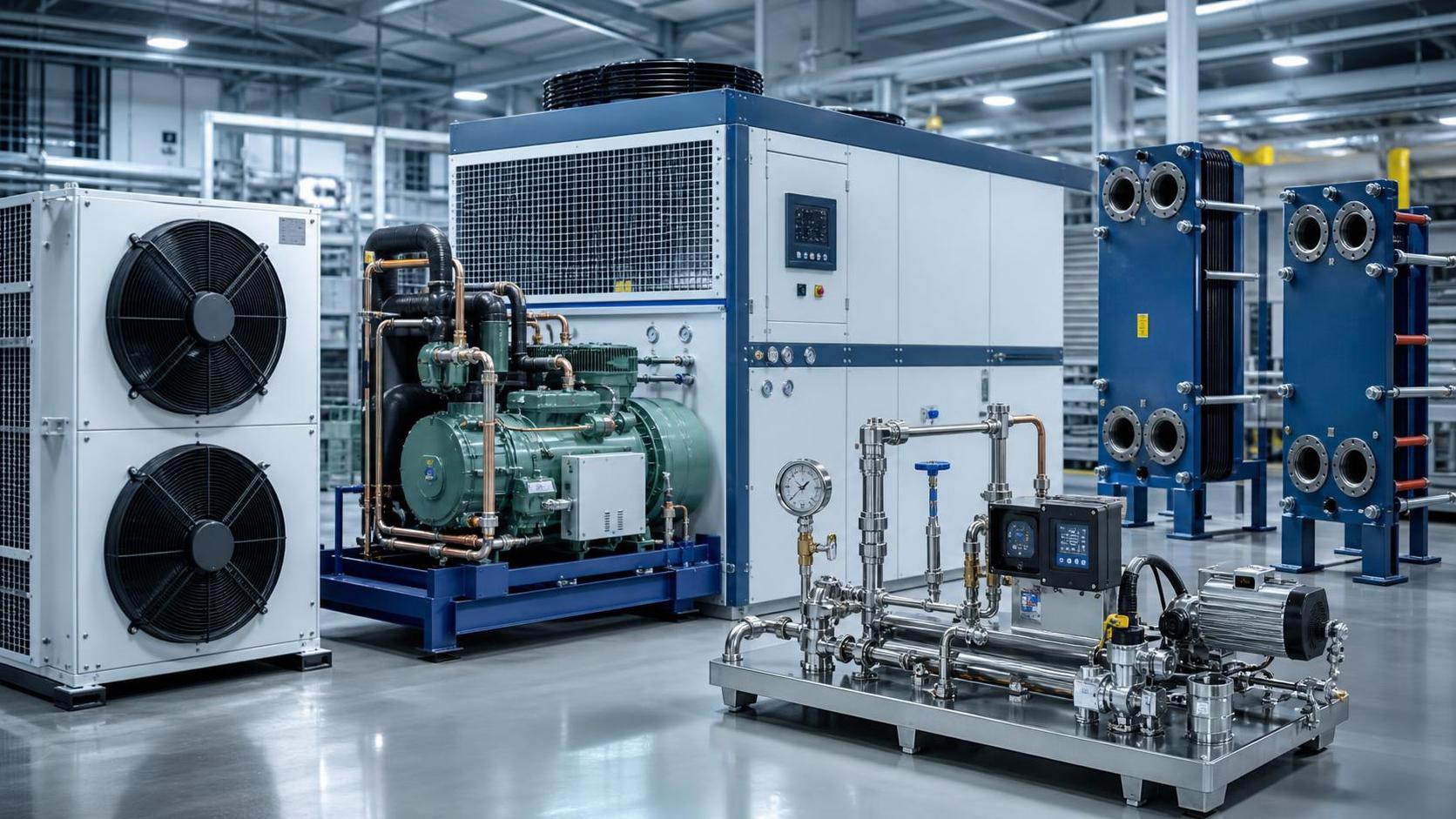
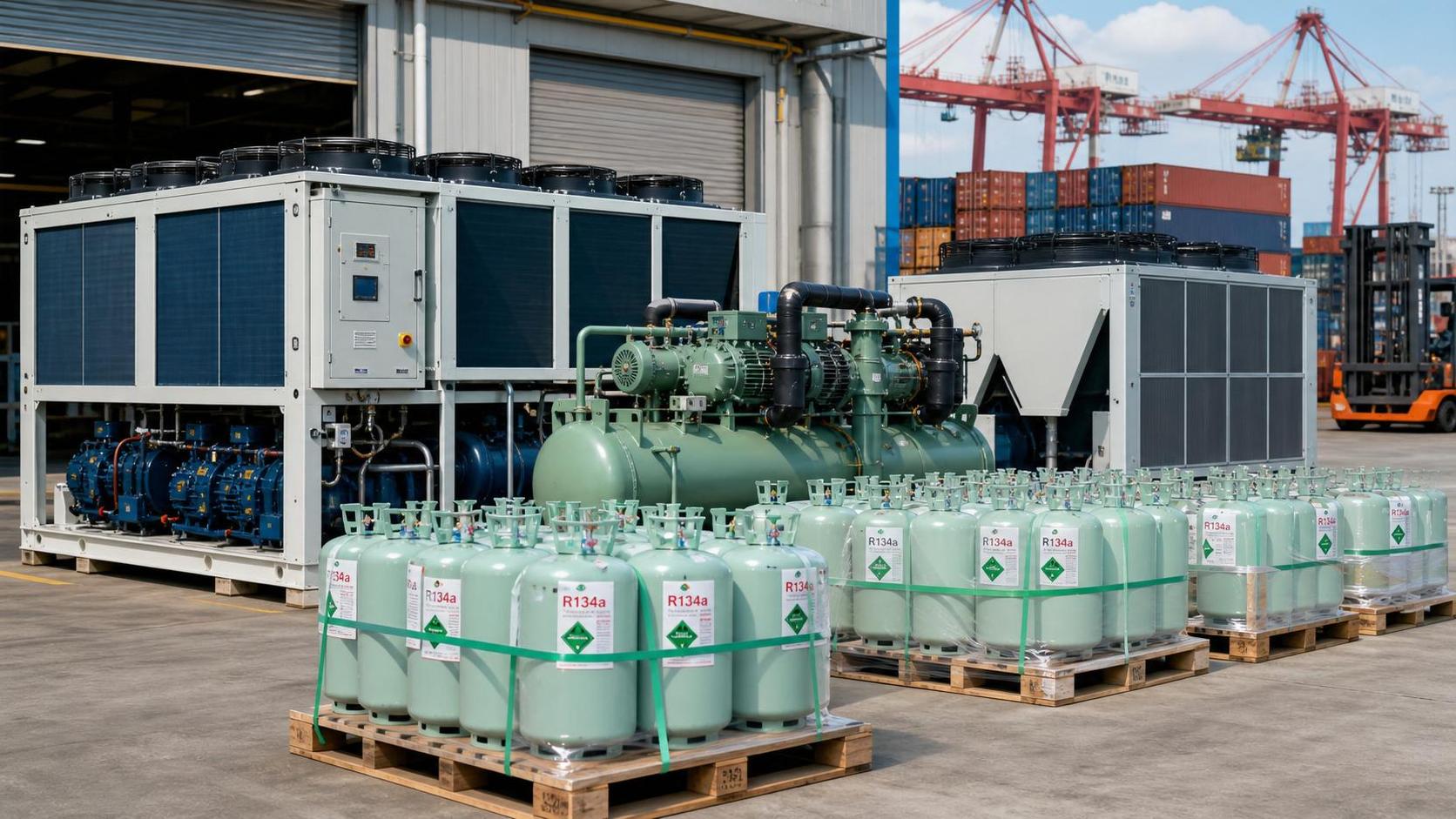
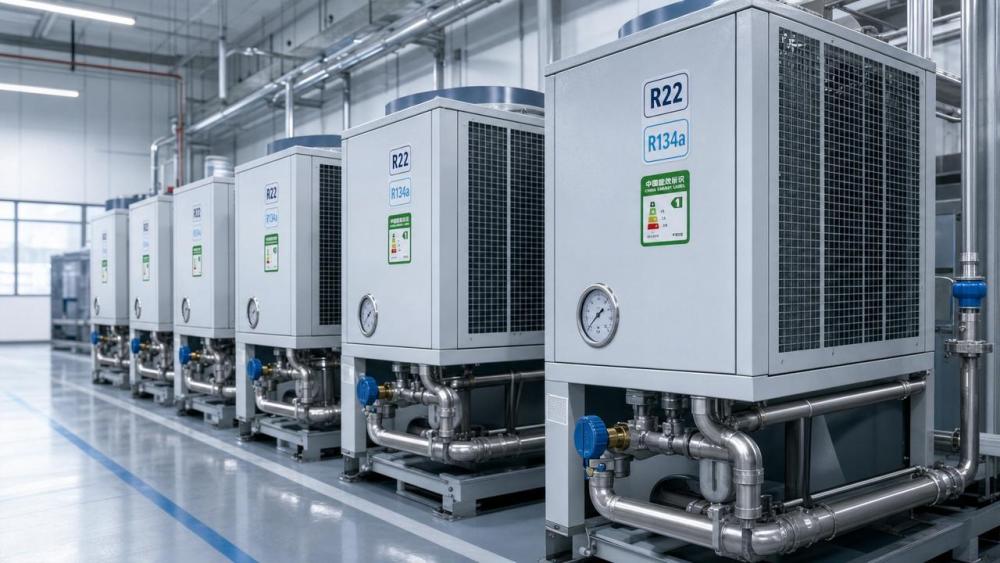
On May 8, 2026, China’s Ministry of Ecology and Environment launched the second round of HCFC-22 elimination verification. The inspection covers 127 industrial chiller production facilities across the country. Key verification items include R22 inventory records, progress on transitioning to alternative refrigerants (R134a and R513A), and operational logs of refrigerant recovery equipment. Verification outcomes will determine eligibility for ozone-depleting substances (ODS) import/export permits, thereby affecting R22 component exports to non-Montreal Protocol countries.
Industries Affected by Segment
Direct Export Enterprises
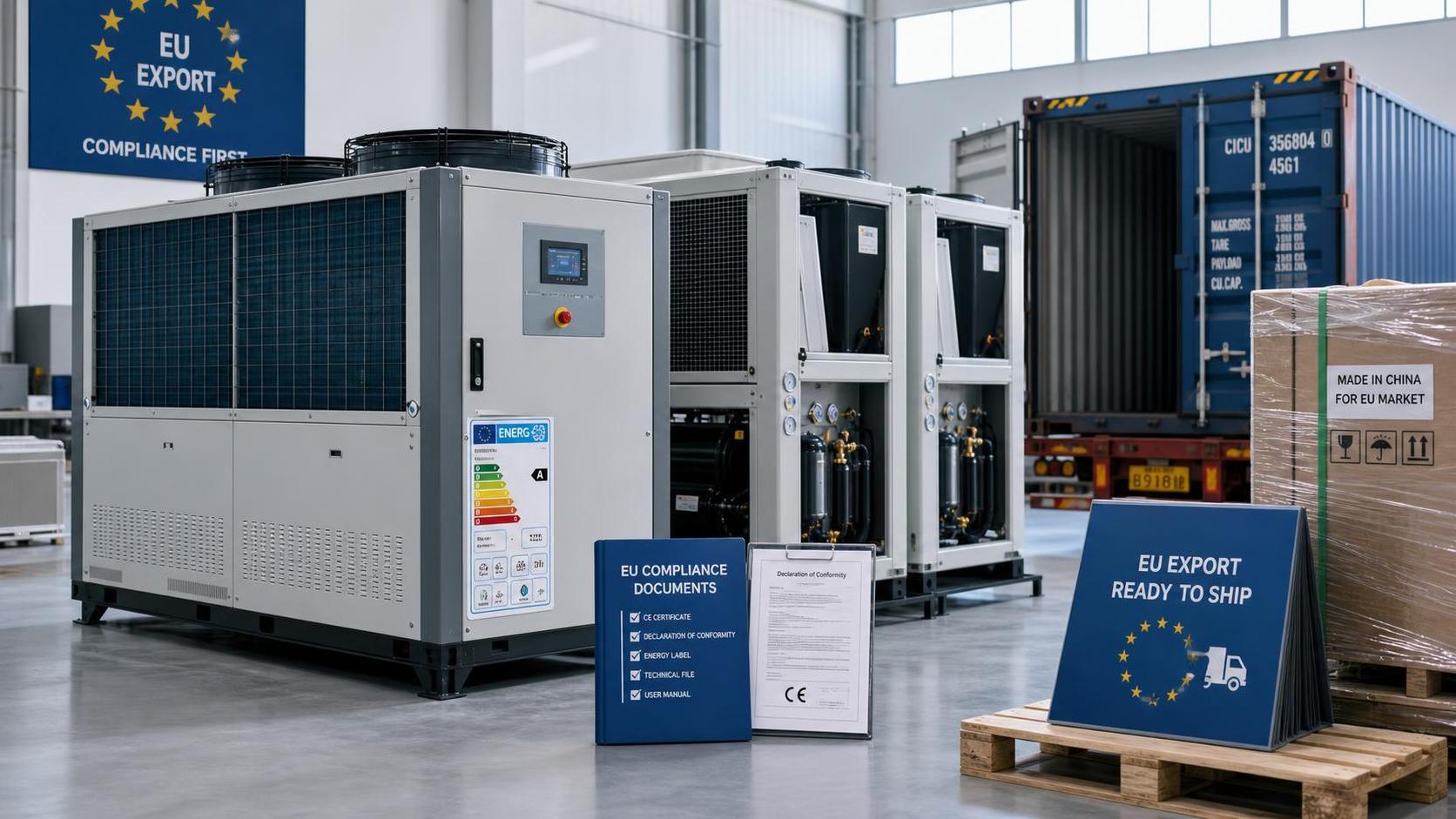
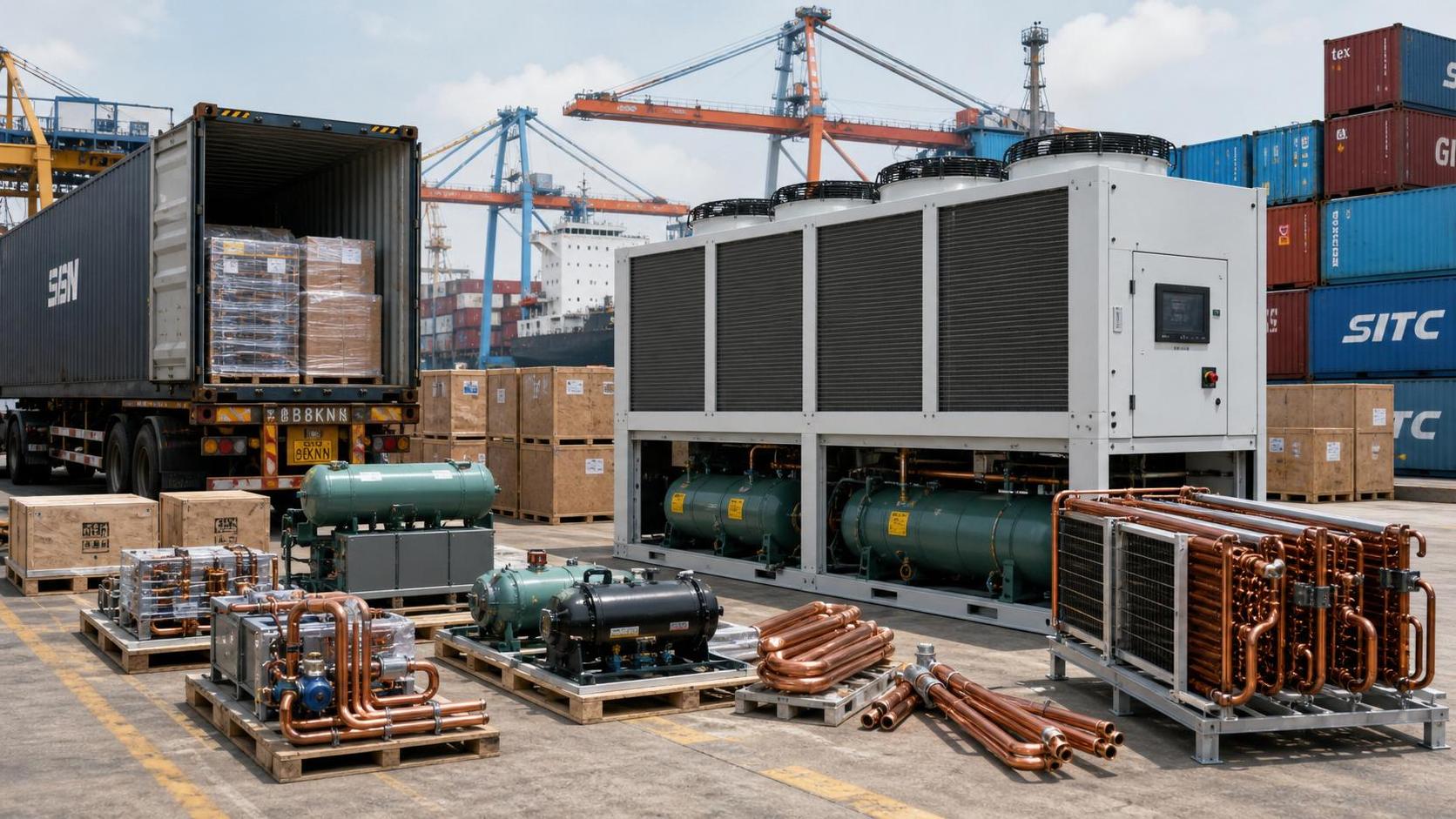
Companies exporting R22-compatible spare parts—especially to non-Montreal Protocol countries—are directly affected because ODS export permits are contingent upon verification results. A failed or delayed verification may restrict or suspend permit issuance, halting shipments to target markets.
Industrial Chiller Manufacturers
As the 127 inspected entities, these manufacturers face operational scrutiny on refrigerant management systems. Non-compliance with inventory tracking or retrofit timelines may trigger regulatory follow-up, impacting production planning and certification continuity.
Refrigerant Supply and Distribution Firms
Firms supplying R22 or transitional alternatives (e.g., R134a, R513A) must align distribution records with verified usage data. Discrepancies between declared inventory and plant-level records could raise compliance questions during downstream audits or customs clearance.
Aftermarket Service Providers
Service networks maintaining legacy R22-based chillers may experience tightening availability of certified R22 components. Reduced export capacity from Chinese suppliers could delay part replenishment for international field service operations.
Key Points for Enterprises and Practitioners to Monitor and Act Upon
Track official updates on verification timelines and reporting requirements
The MEE has not published a public schedule for verification completion or appeal procedures. Enterprises should monitor MEE announcements and provincial ecological environment bureaus for procedural guidance, especially regarding documentation standards for recovery equipment logs and retrofit evidence.
Verify alignment between R22 inventory declarations and physical/logistical records
Discrepancies between reported stock levels and warehouse receipts, purchase invoices, or consumption logs may be flagged during on-site checks. Firms should reconcile records across procurement, production, and warehousing systems ahead of potential inspections.
Distinguish between policy intent and operational impact
While the verification targets HCFC-22 phase-out, it does not mandate immediate cessation of R22 use in existing equipment. However, export restrictions apply specifically to new R22 components shipped to non-Protocol countries—so firms should assess whether their current export destinations fall under this scope before adjusting logistics or contracts.
Prepare contingency plans for alternative refrigerant sourcing and technical support
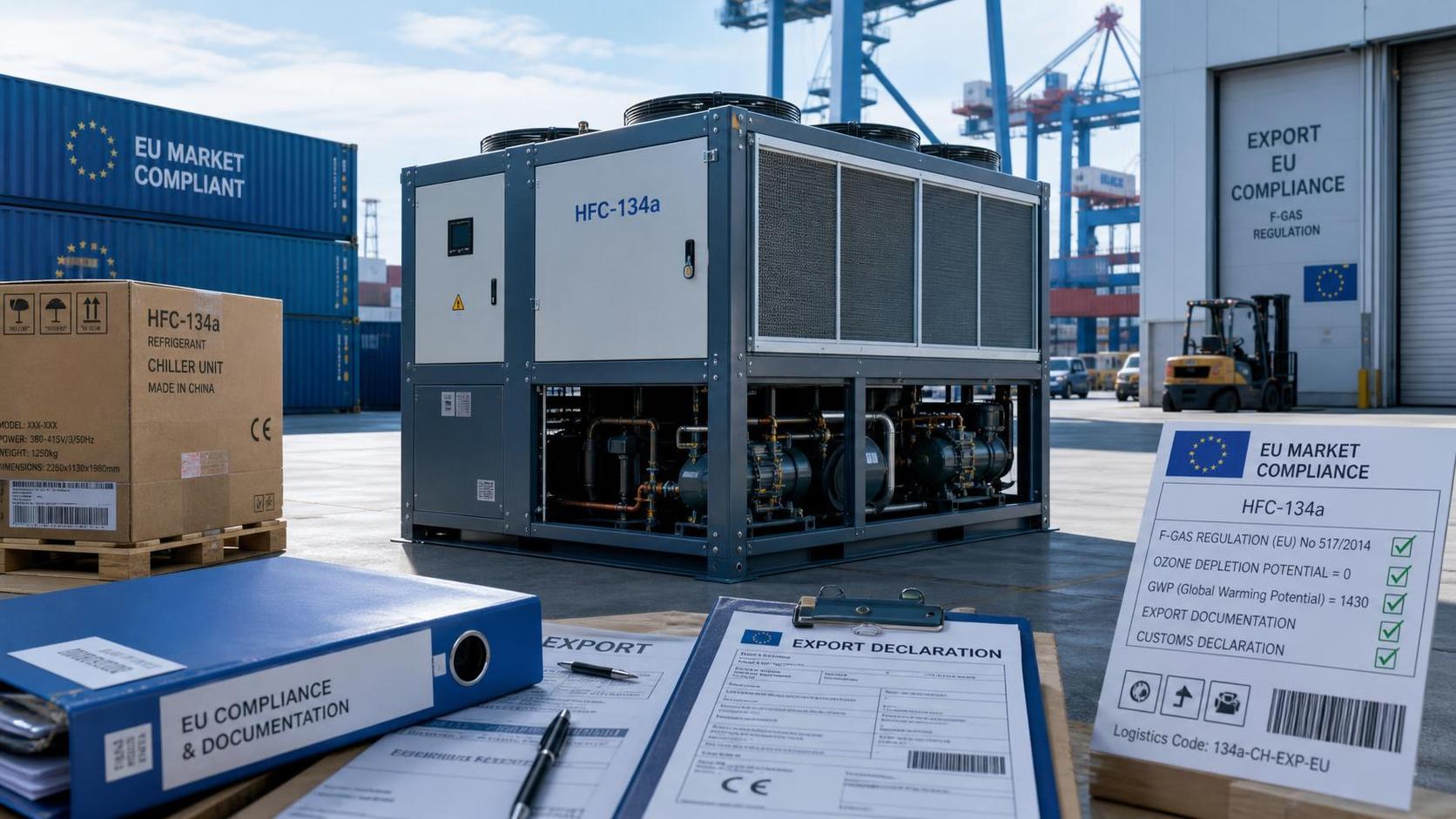
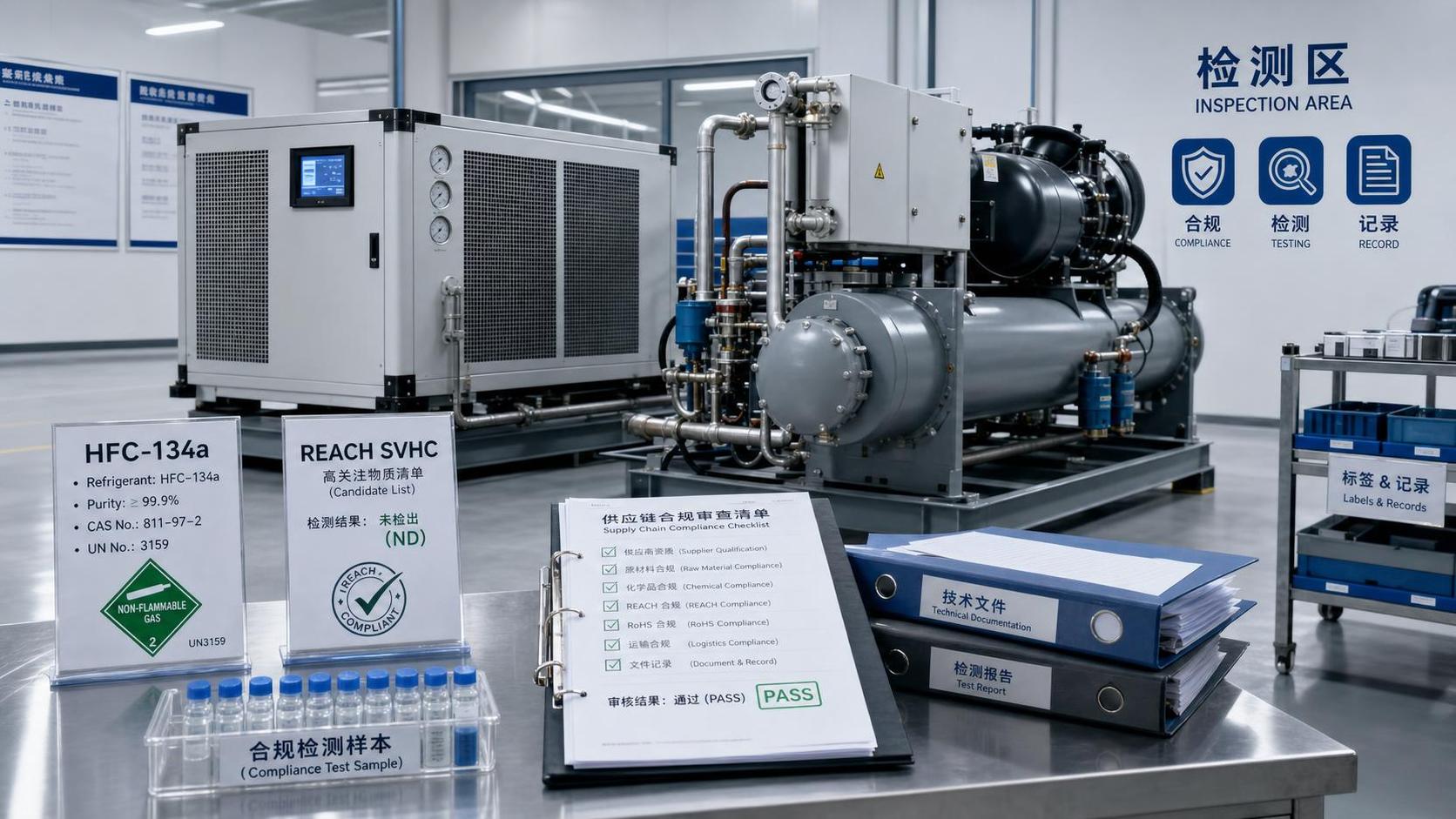
Manufacturers and distributors relying on R134a or R513A as replacements should confirm supply chain resilience—including certifications, batch traceability, and compatibility testing reports—as these may become supporting documents during verification or customer due diligence.
Editorial Perspective / Industry Observation
Observably, this verification round signals an intensification of enforcement—not just monitoring—within China’s HCFC phase-out framework. Analysis shows that linking ODS permit eligibility directly to on-site audit outcomes marks a shift from voluntary reporting toward accountability-driven compliance. It is not yet a finalized market restriction, but rather an operational checkpoint: one that tests readiness at the facility level rather than imposing blanket bans. From an industry perspective, the focus remains on verifiable process discipline (e.g., inventory control, retrofit documentation, recovery system maintenance), not merely technology adoption. Continued attention is warranted as further rounds or expanded sector coverage may follow based on findings from this cycle.
Conclusion
This verification initiative underscores how national ODS phase-out implementation increasingly intersects with day-to-day operational compliance—not only environmental policy. For affected enterprises, it is more appropriately understood as a near-term regulatory checkpoint than a structural market shift. Its immediate significance lies in permitting certainty and export continuity, not in altering long-term refrigerant technology roadmaps. Current conditions favor pragmatic record reconciliation, transparent communication with regulators, and calibrated adjustments to logistics and documentation—not broad strategic pivots.
Information Source
Main source: Official notice issued by China’s Ministry of Ecology and Environment (MEE), dated May 8, 2026.
Note: Details regarding verification outcomes, timeline extensions, or sectoral expansion beyond industrial chillers remain pending and require ongoing observation.
Related News
- EN 378-1:2026 Tightens EU Export ChecksAuthor :Cryogenic Systems Expert

- How to Compare Semiconductor Cooling Solutions by Heat Load and Uptime RiskAuthor :Cryogenic Systems Expert

- EU Label Deadline Hits China Chiller ExportsAuthor :Cryogenic Systems Expert

- How Smart Thermal Systems Improve Industrial Cooling EfficiencyAuthor :Cryogenic Systems Expert

- How to Choose Process Cooling Equipment for Stable Temperature ControlAuthor :Cryogenic Systems Expert

- EU Finalizes 2026 HFC Quota Cut for R-134a ChillersAuthor :Cryogenic Systems Expert

- EU Tightens HFC-134a Quotas for Industrial ChillersAuthor :Cryogenic Systems Expert

- REACH SVHC Update Pressures HFC-134a Chiller Supply ChainsAuthor :Cryogenic Systems Expert

- EU PFAS Coolant Ban Reshapes Chiller ExportsAuthor :Cryogenic Systems Expert

- EU REACH Restricts PFAS Cooling Media ImportsAuthor :Cryogenic Systems Expert

- EU Ecodesign Rule Takes Effect for Industrial ChillersAuthor :Cryogenic Systems Expert

- EU REACH Rule Takes Effect for PFAS in Industrial Cooling ExportsAuthor :Cryogenic Systems Expert

- Industrial Cooling for Plastic Processing: How to Size for Stable Cycle TimesAuthor :Cryogenic Systems Expert

- EU F-Gas Update Bars R404A/R507 in Commercial CoolingAuthor :Cryogenic Systems Expert

- DOE Raises Chiller Efficiency Standard From October 2026Author :Cryogenic Systems Expert

- India Mandates BIS Energy Certification for Industrial ChillersAuthor :Cryogenic Systems Expert

- Energy-Efficient Heat Exchange for Process Cooling: Cost vs PaybackAuthor :Cryogenic Systems Expert

- EPA R-134a Import Ban Takes Effect on July 13, 2026Author :Cryogenic Systems Expert

- India BIS Rule Takes Effect for Industrial ChillersAuthor :Cryogenic Systems Expert

- EPA Cuts R134a Import Quotas 20% From July 10Author :Cryogenic Systems Expert

- How to Compare Energy-Efficient Cooling Systems for Factory Expansion ProjectsAuthor :Cryogenic Systems Expert

- Chiller Price Index Rises 11.3% in Q2Author :Cryogenic Systems Expert

- Saudi SASO Tightens Chiller Import Compliance From July 10Author :Cryogenic Systems Expert

- Dubai Opens Fast-Track Chiller TendersAuthor :Cryogenic Systems Expert

- Japan Raises Chiller COP Floor to 6.2 From Sept. 1Author :Cryogenic Systems Expert
![]()
- Compact Thermal Management in Smart Devices: Common Failure RisksAuthor :Cryogenic Systems Expert

- Thermal Management for Batteries: Cooling Methods ComparedAuthor :Cryogenic Systems Expert

- How Compact Thermal Design Extends Smart Device UptimeAuthor :Cryogenic Systems Expert

- Shanghai-Rotterdam Reefer Rates Jump 37% in a WeekAuthor :Cryogenic Systems Expert

- Process Cooling Equipment Low Maintenance: What Cuts Downtime Over 5 Years?Author :Cryogenic Systems Expert

- Semiconductor Cooling Solutions: Which Design Works Best for High-Density Tools?Author :Cryogenic Systems Expert

- Semiconductor Thermal Management Systems: Preventing Yield Loss from Heat DriftAuthor :Cryogenic Systems Expert

- EPA Clears R-1234ze(E) for Industrial ChillersAuthor :Cryogenic Systems Expert
 for Industrial Chillers")
- DOE Raises Chiller IEER Floor to 12.8 From Oct. 2026Author :Cryogenic Systems Expert

- Singapore Refrigeration Show Adds Green Compliance HubAuthor :Cryogenic Systems Expert

- How Food Industry Temperature Control Systems Reduce Product LossAuthor :Cryogenic Systems Expert