



Red Sea Crisis Pushes Shanghai Reefer Container Rates to $12,800/FEU




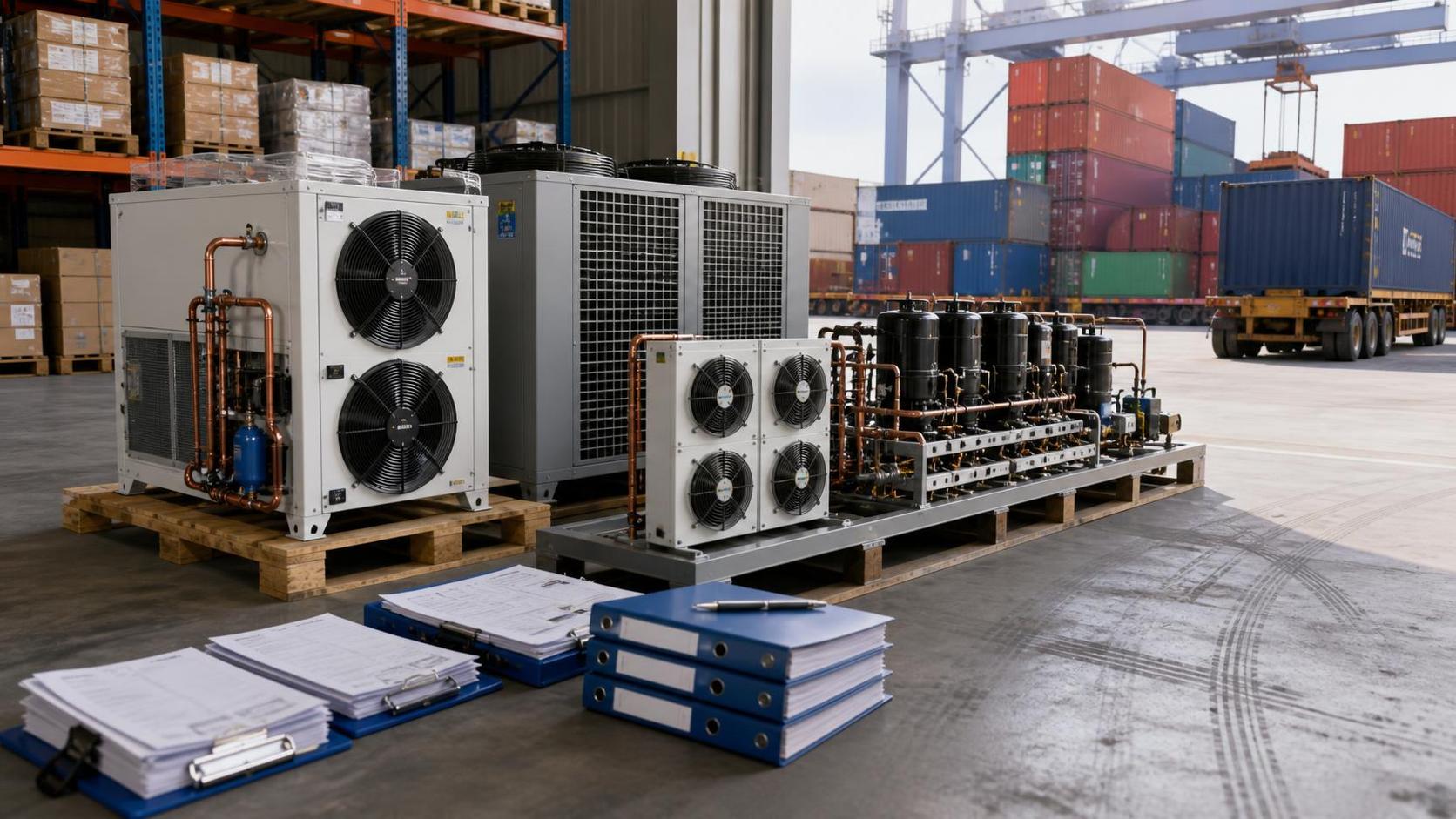
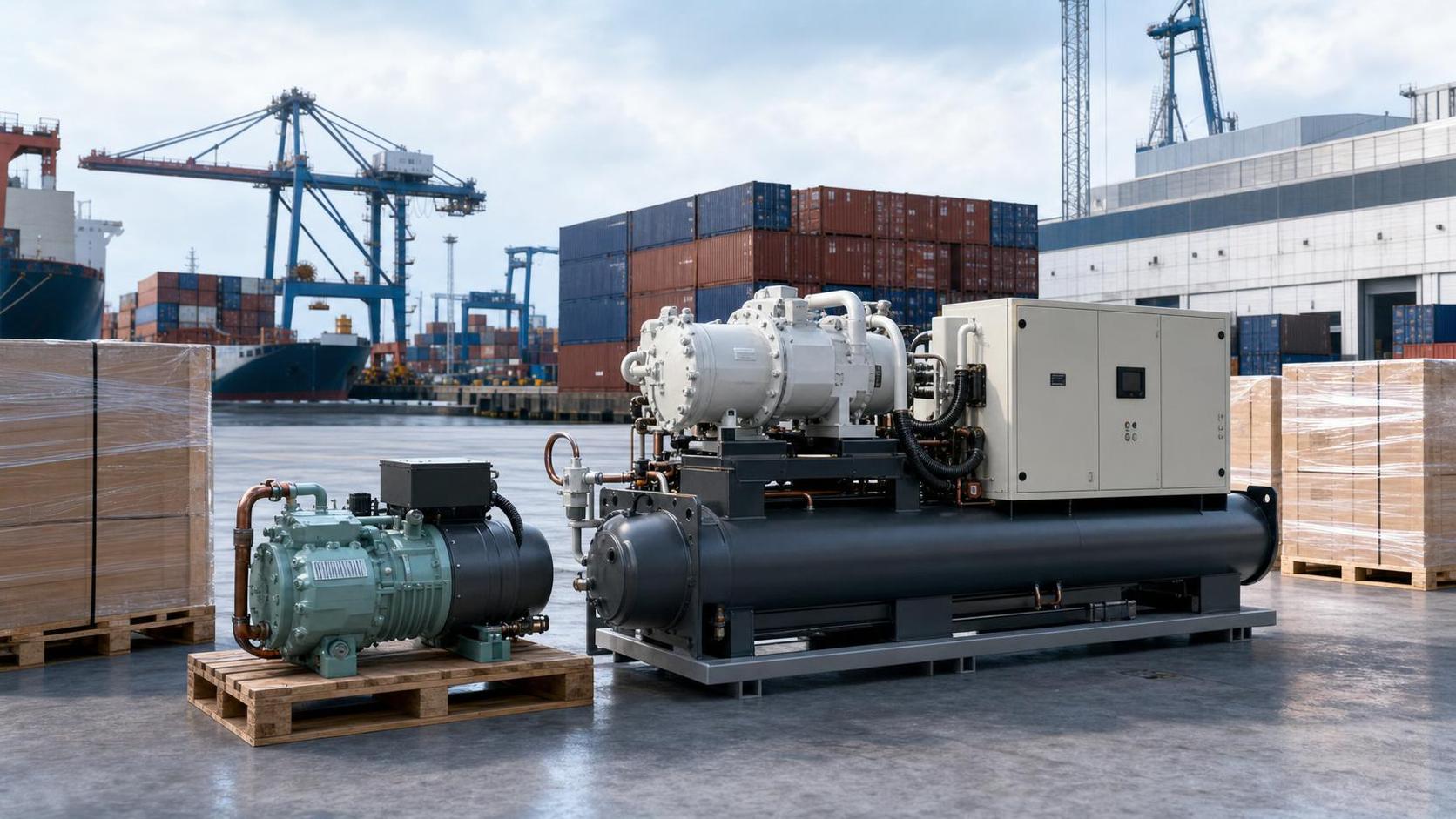
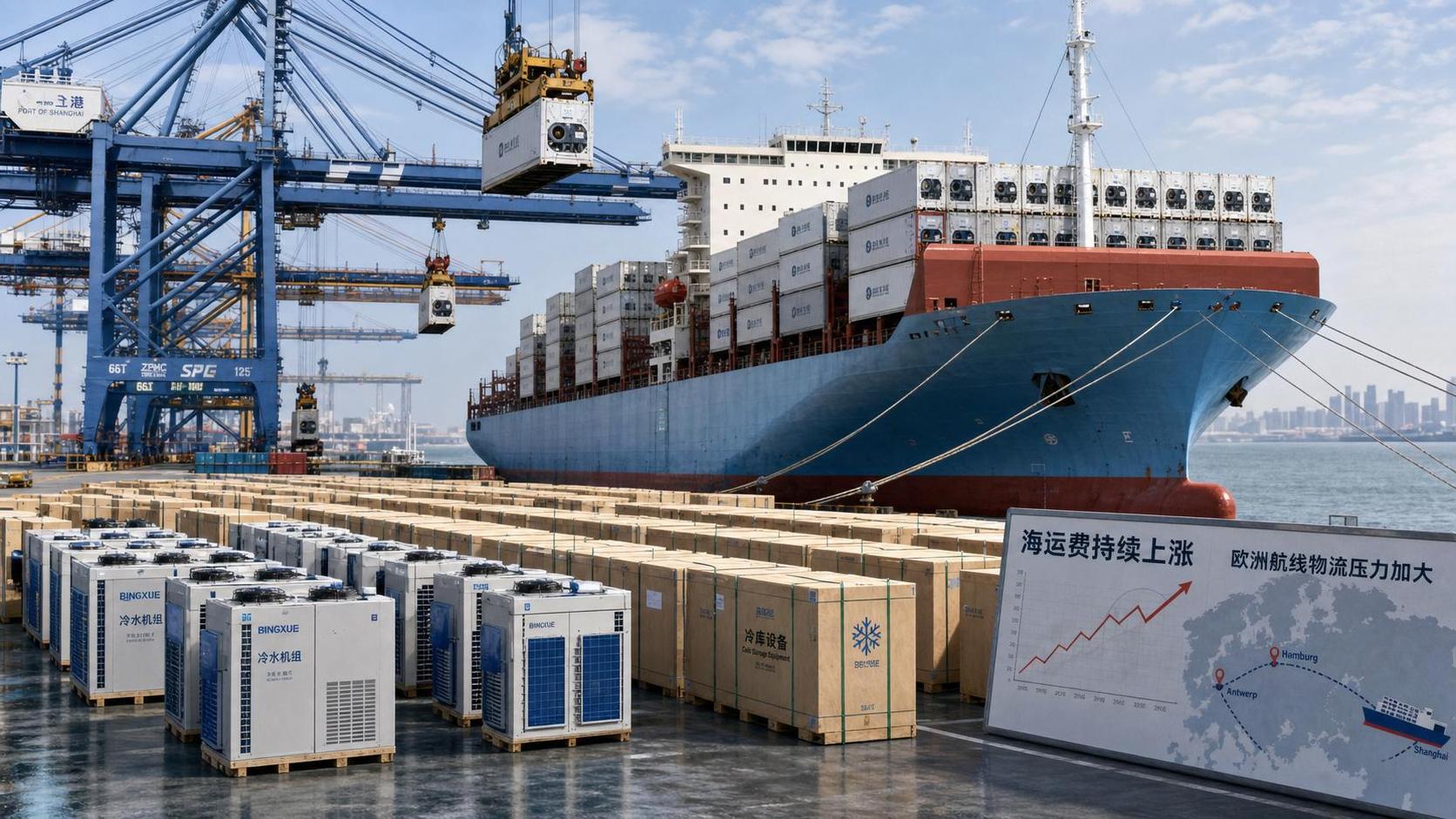
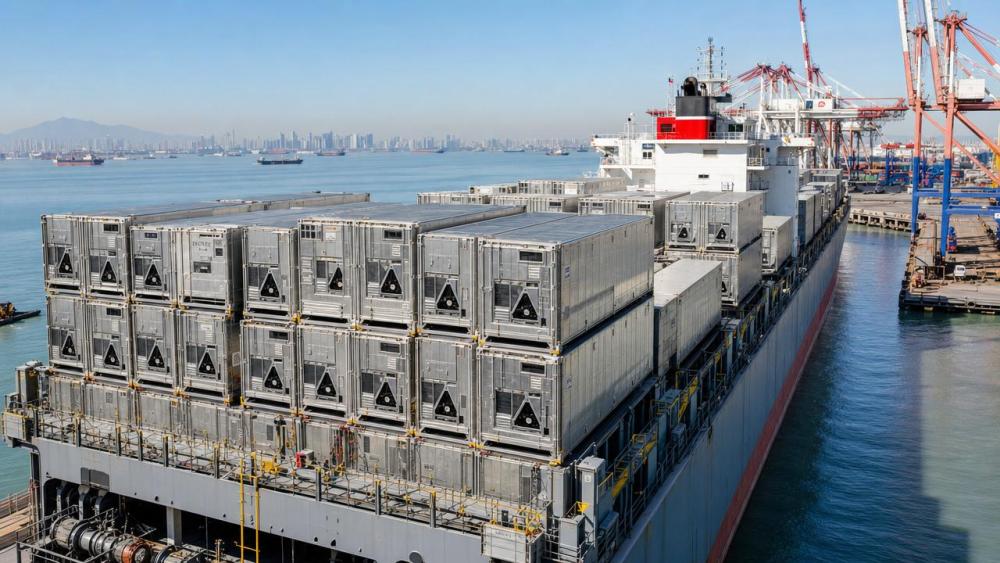
On May 12, Shanghai Shipping Exchange data showed the SCFI refrigerated container (reefer) index surged to $12,840 per FEU — a new all-time high — amid ongoing Red Sea disruptions, constrained Suez Canal transit, and severe transshipment congestion in Djibouti. This development directly impacts industrial chiller exporters based in East China, whose average vessel departure lead times have extended to 21–26 days. Refrigerated logistics providers, cold chain engineering EPC contractors, and manufacturers of industrial chillers are now key stakeholders requiring immediate operational attention.
Event Overview
According to Shanghai Shipping Exchange’s published data dated May 12, the SCFI reefer container freight index stood at $12,840/FEU. This reflects record-high demand pressure and supply-side constraints on refrigerated container capacity. Concurrently, reduced Suez Canal passage availability and port congestion in Djibouti — a critical transshipment hub for Middle East and Africa-bound cargo from China — have contributed to prolonged export lead times. For industrial chillers shipped from the Yangtze River Delta region, average scheduled vessel departures are now delayed by 21 to 26 days. Multiple international cold chain engineering EPC contractors have activated alternative procurement channels, prioritizing SKD (Semi-Knocked Down) models: local assembly in Southeast Asia using core components sourced from China.
Industries Affected
Industrial Chiller Exporters (Manufacturers)
These companies face direct cost inflation and schedule uncertainty. Rising reefer freight rates directly increase landed cost per unit, while extended lead times strain customer delivery commitments and working capital cycles — especially for projects with fixed contractual milestones.
Cold Chain Engineering EPC Contractors
As project integrators managing end-to-end chilled infrastructure delivery, EPC firms bear compound exposure: higher equipment import costs, longer commissioning timelines, and increased risk of liquidated damages if site readiness and equipment arrival fall out of sync.
Refrigerated Logistics Service Providers
Specialized reefer operators and freight forwarders handling temperature-sensitive industrial equipment are experiencing tighter equipment availability, stricter pre-booking requirements, and heightened documentation scrutiny — particularly for FEU shipments carrying large-format chillers requiring specialized stowage and power continuity.
SKD Component Suppliers (China-based)
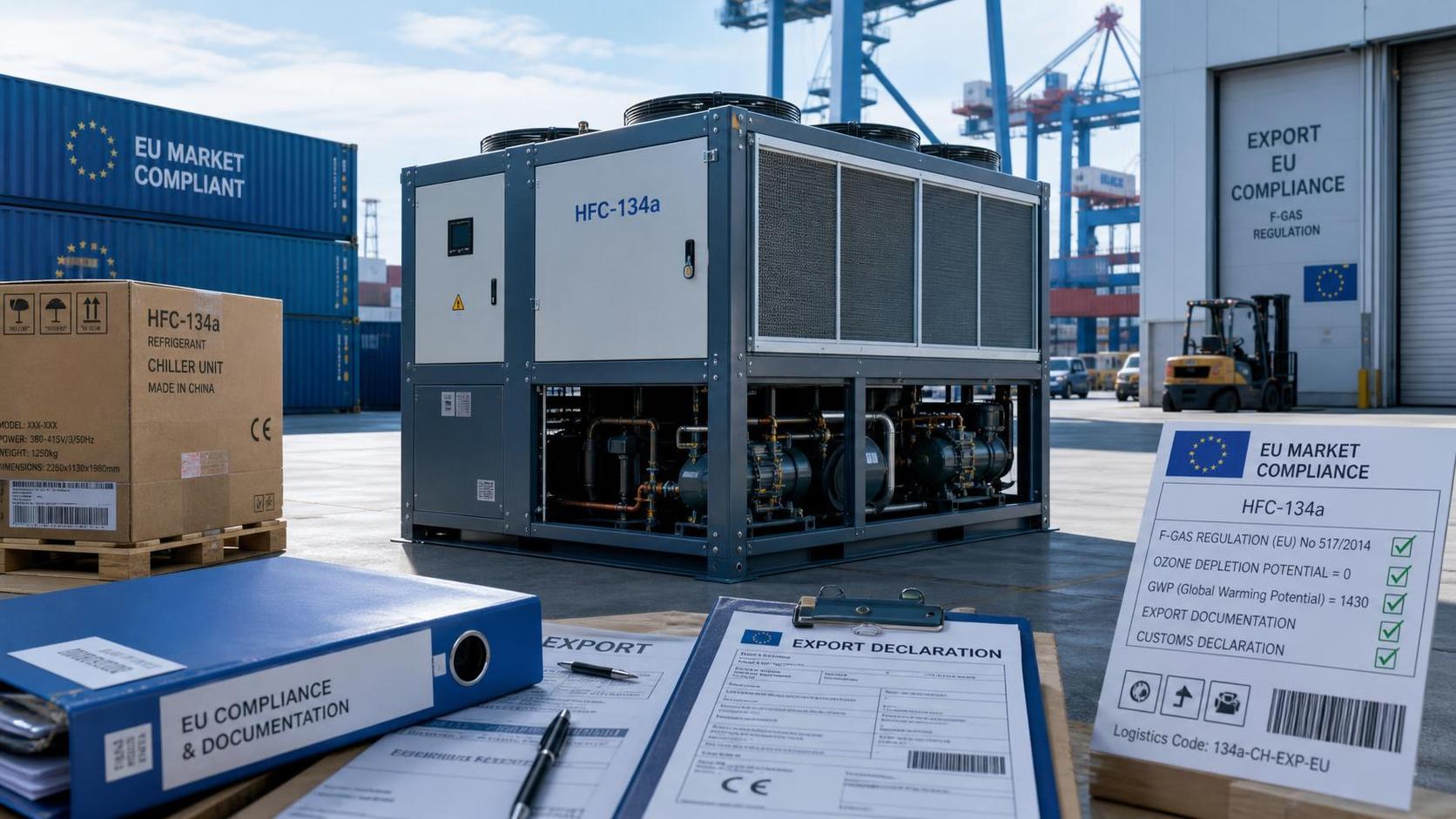
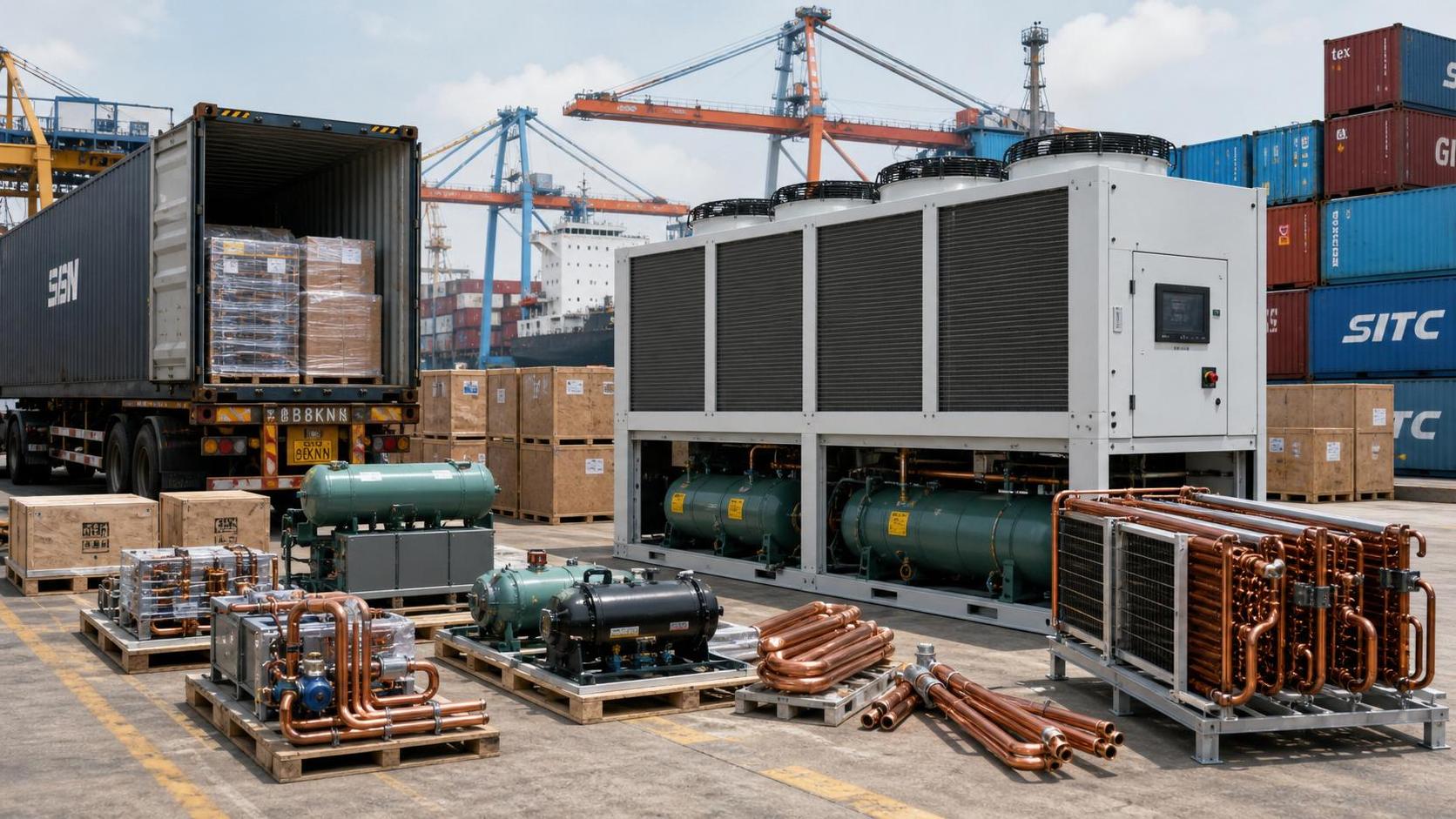
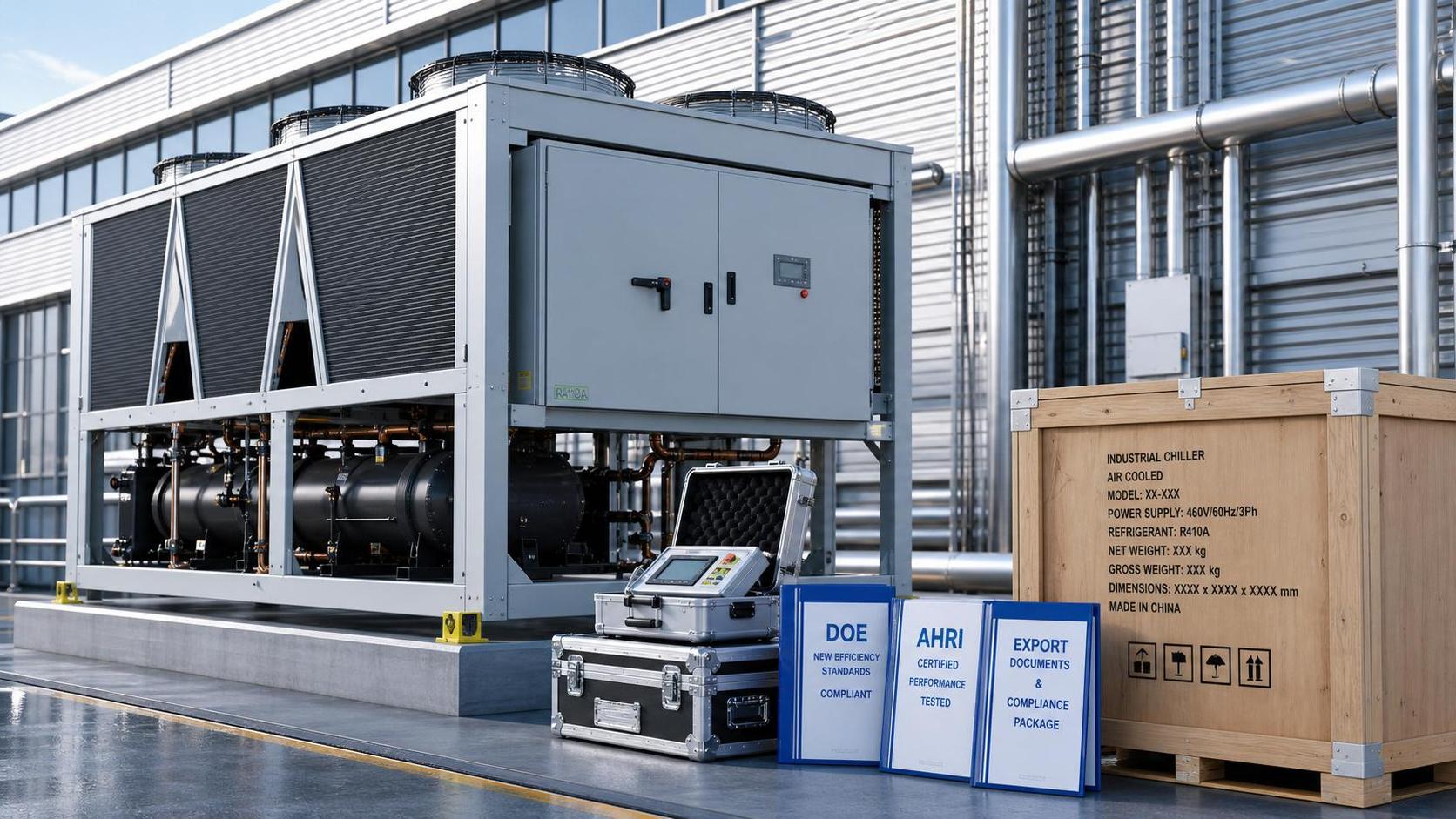
Suppliers of core chiller subsystems (compressors, controllers, heat exchangers) see rising order volume for SKD kits destined for Southeast Asian assembly hubs. However, this shift increases demand for export-compliant packaging, multilingual technical documentation, and just-in-time component coordination across borders — adding logistical complexity despite no change in final manufacturing location.
What Stakeholders Should Monitor and Do Now
Track official updates on Suez Canal and Red Sea routing advisories
Maritime authorities including the Suez Canal Authority and IMO continue issuing operational bulletins. Changes in armed escort protocols, insurance surcharge triggers, or rerouting mandates may materially affect transit time volatility — not just cost. Subscribing to real-time maritime security feeds is advisable for procurement and planning teams.
Validate reefer equipment availability and slot allocation windows for Q3–Q4 2024
Given current booking lead times exceeding 21 days, shippers should confirm FEU slot availability with carriers and NVOCCs at least 35 days ahead of intended loading. Priority booking windows — often reserved for long-term contracts — are increasingly allocated on a first-come, first-served basis for non-contractual volumes.
Assess SKD feasibility beyond cost: evaluate local certification, labor skill alignment, and spare parts logistics
While SKD models help bypass reefer container shortages, successful implementation requires verifying whether target ASEAN countries accept Chinese-origin core components under local energy efficiency or safety standards (e.g., Thailand TISI, Vietnam CR, Malaysia SIRIM). Local technician training and post-assembly warranty support pathways must also be mapped.
Review Incoterms and insurance clauses in active contracts
Extended transit durations increase exposure to temperature excursions, handling damage, and demurrage/detention fees. Parties should verify whether existing CIF/CIP terms allocate risk appropriately for prolonged voyages — and whether marine cargo insurance policies explicitly cover extended reefer runtime requirements (e.g., continuous 26-day power supply).
Editorial Perspective / Industry Observation
Observably, this freight surge is less a short-term spike and more a structural inflection point — driven not solely by geopolitical disruption, but by tightening global reefer equipment utilization rates and limited fleet growth since 2022. Analysis shows that reefer container production has remained flat year-on-year, while demand from pharmaceutical, food processing, and industrial cooling sectors continues expanding. From an industry perspective, the $12,800/FEU level signals that ocean carriers are treating reefer capacity as a constrained premium resource — not a commoditized service. Current developments are better understood as an early-stage supply chain recalibration, rather than a transient crisis. Continued monitoring is warranted not only for rate trends, but for carrier announcements regarding reefer fleet deployment, lease renewals, and newbuild orders.
In summary, the Shanghai reefer freight escalation reflects systemic bottlenecks in temperature-controlled global trade infrastructure — not isolated port delays. It underscores how geopolitical risk now directly translates into engineering delivery risk for capital equipment exporters. Stakeholders are advised to treat this as a sustained operational variable, not a temporary anomaly — and to align procurement, contracting, and logistics planning accordingly.
Source: Shanghai Shipping Exchange (data published May 12); public statements from multiple international cold chain EPC contractors (unattributed, consistent reporting across independent logistics briefings).
Further observation is required on: (1) potential adjustments to SCFI methodology for reefer indices following recent carrier surcharge structures; (2) Djibouti port authority’s announced decongestion timeline.
Related News
- EPA Rule Takes Effect for R-410A Equipment ImportsAuthor :Cryogenic Systems Expert

- EN 378-1:2026 Tightens EU Export ChecksAuthor :Cryogenic Systems Expert

- How to Compare Semiconductor Cooling Solutions by Heat Load and Uptime RiskAuthor :Cryogenic Systems Expert

- EU Label Deadline Hits China Chiller ExportsAuthor :Cryogenic Systems Expert

- How Smart Thermal Systems Improve Industrial Cooling EfficiencyAuthor :Cryogenic Systems Expert

- How to Choose Process Cooling Equipment for Stable Temperature ControlAuthor :Cryogenic Systems Expert

- EU Finalizes 2026 HFC Quota Cut for R-134a ChillersAuthor :Cryogenic Systems Expert

- EU Tightens HFC-134a Quotas for Industrial ChillersAuthor :Cryogenic Systems Expert

- REACH SVHC Update Pressures HFC-134a Chiller Supply ChainsAuthor :Cryogenic Systems Expert

- EU PFAS Coolant Ban Reshapes Chiller ExportsAuthor :Cryogenic Systems Expert

- EU REACH Restricts PFAS Cooling Media ImportsAuthor :Cryogenic Systems Expert

- EU Ecodesign Rule Takes Effect for Industrial ChillersAuthor :Cryogenic Systems Expert

- EU REACH Rule Takes Effect for PFAS in Industrial Cooling ExportsAuthor :Cryogenic Systems Expert

- Industrial Cooling for Plastic Processing: How to Size for Stable Cycle TimesAuthor :Cryogenic Systems Expert

- EU F-Gas Update Bars R404A/R507 in Commercial CoolingAuthor :Cryogenic Systems Expert

- DOE Raises Chiller Efficiency Standard From October 2026Author :Cryogenic Systems Expert

- India Mandates BIS Energy Certification for Industrial ChillersAuthor :Cryogenic Systems Expert

- Energy-Efficient Heat Exchange for Process Cooling: Cost vs PaybackAuthor :Cryogenic Systems Expert

- EPA R-134a Import Ban Takes Effect on July 13, 2026Author :Cryogenic Systems Expert

- India BIS Rule Takes Effect for Industrial ChillersAuthor :Cryogenic Systems Expert

- EPA Cuts R134a Import Quotas 20% From July 10Author :Cryogenic Systems Expert

- How to Compare Energy-Efficient Cooling Systems for Factory Expansion ProjectsAuthor :Cryogenic Systems Expert

- Chiller Price Index Rises 11.3% in Q2Author :Cryogenic Systems Expert

- Saudi SASO Tightens Chiller Import Compliance From July 10Author :Cryogenic Systems Expert

- Dubai Opens Fast-Track Chiller TendersAuthor :Cryogenic Systems Expert

- Japan Raises Chiller COP Floor to 6.2 From Sept. 1Author :Cryogenic Systems Expert
![]()
- Compact Thermal Management in Smart Devices: Common Failure RisksAuthor :Cryogenic Systems Expert

- Thermal Management for Batteries: Cooling Methods ComparedAuthor :Cryogenic Systems Expert

- How Compact Thermal Design Extends Smart Device UptimeAuthor :Cryogenic Systems Expert

- Shanghai-Rotterdam Reefer Rates Jump 37% in a WeekAuthor :Cryogenic Systems Expert

- Process Cooling Equipment Low Maintenance: What Cuts Downtime Over 5 Years?Author :Cryogenic Systems Expert

- Semiconductor Cooling Solutions: Which Design Works Best for High-Density Tools?Author :Cryogenic Systems Expert

- Semiconductor Thermal Management Systems: Preventing Yield Loss from Heat DriftAuthor :Cryogenic Systems Expert

- EPA Clears R-1234ze(E) for Industrial ChillersAuthor :Cryogenic Systems Expert
 for Industrial Chillers")
- DOE Raises Chiller IEER Floor to 12.8 From Oct. 2026Author :Cryogenic Systems Expert

- Singapore Refrigeration Show Adds Green Compliance HubAuthor :Cryogenic Systems Expert