



2026 World Digital Education Conference Opens in Hangzhou




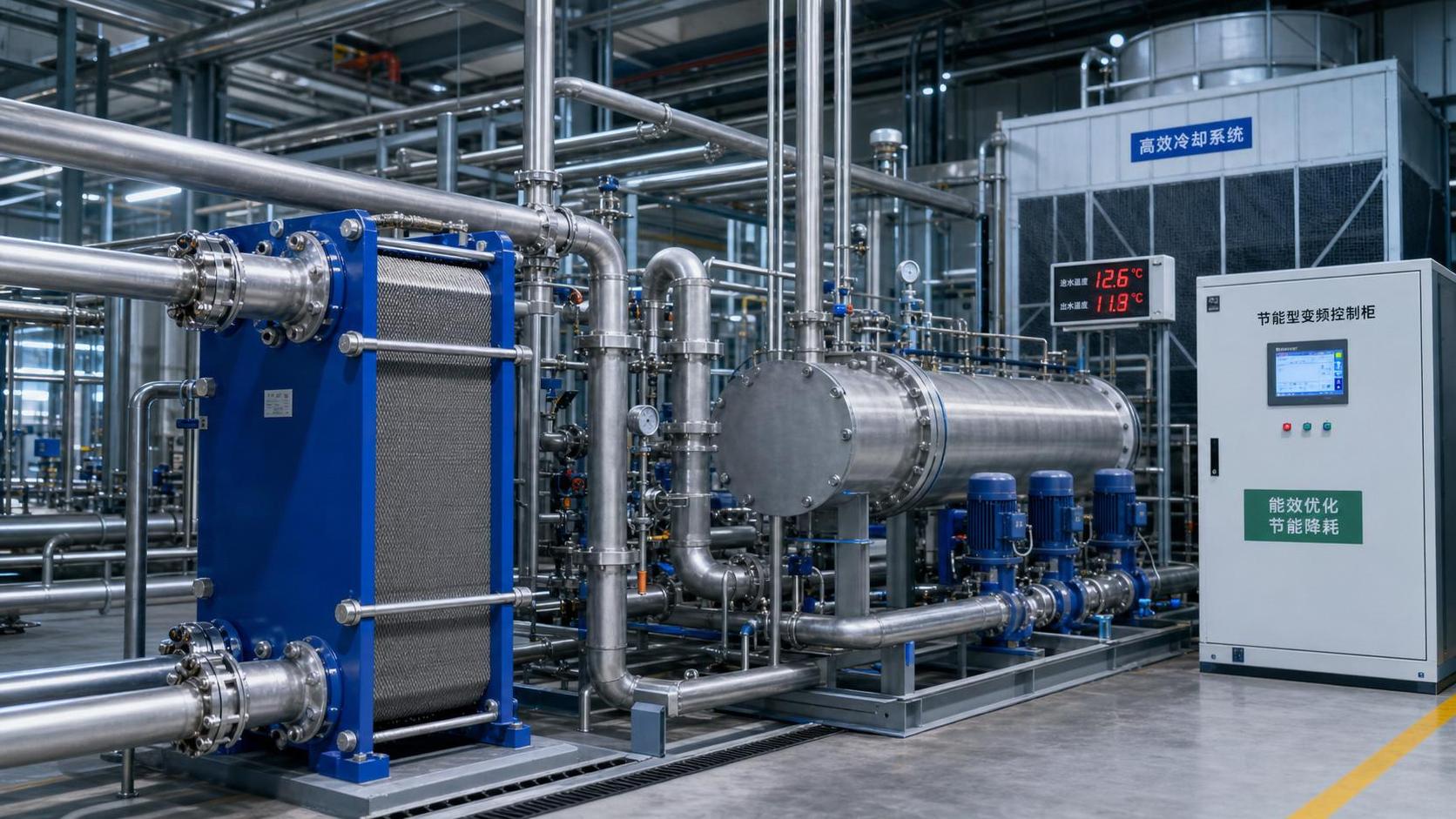
The 2026 World Digital Education Conference opened in Hangzhou on May 11, 2026, spotlighting the Industrial Chillers intelligent predictive maintenance platform as a key demonstration of the newly launched ‘AI+Industrial Energy Efficiency’ joint solution. This development signals implications for education infrastructure operators, industrial automation integrators, and energy management service providers globally.
Event Overview
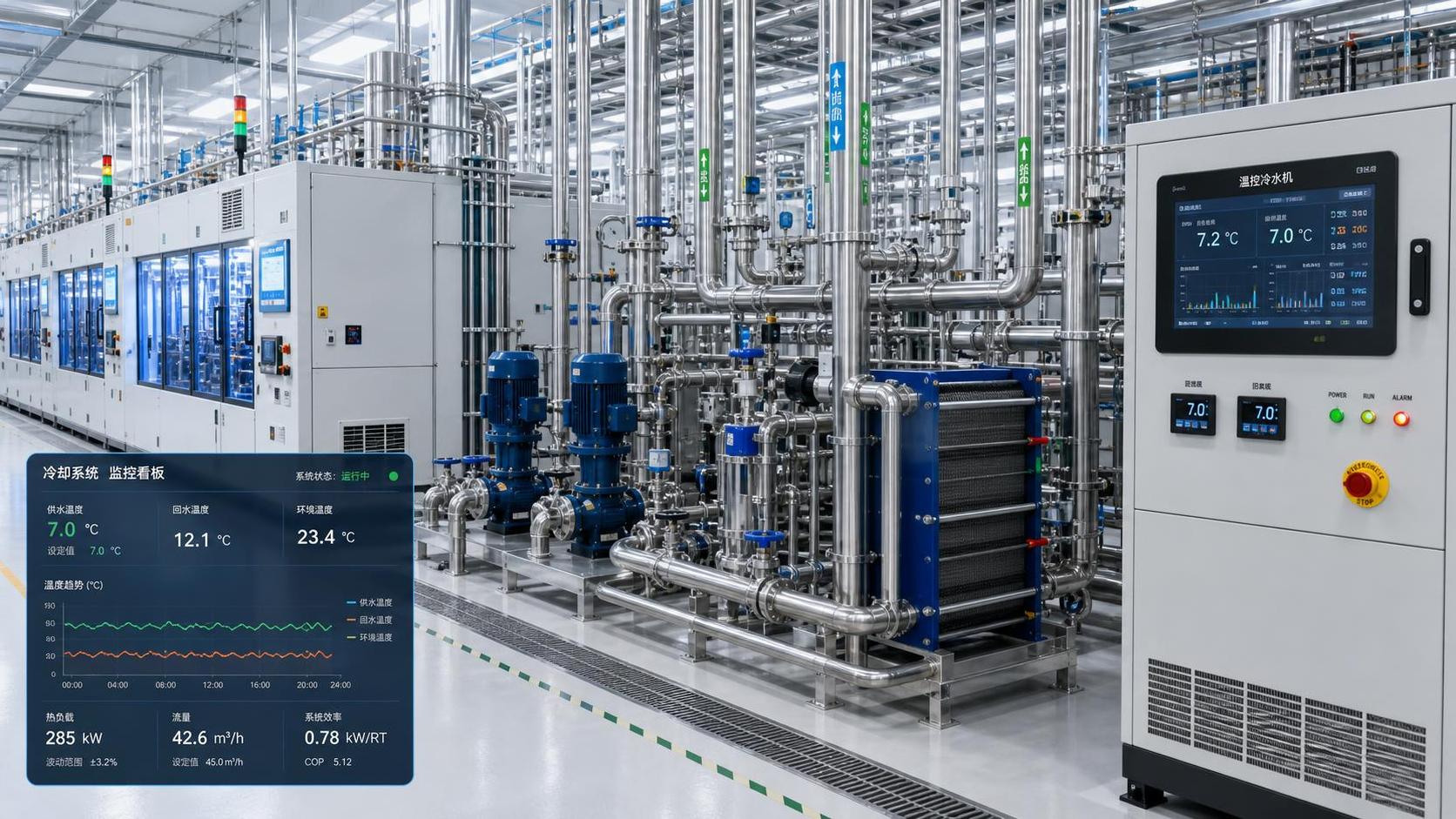
From May 11 to 13, 2026, the 2026 World Digital Education Conference was held in Hangzhou. During the event, China’s Ministry of Education, together with Alibaba Cloud and BYD Battery (Fudi Battery), announced the ‘AI+Industrial Energy Efficiency’ joint solution. A core component is the Industrial Chillers intelligent predictive maintenance platform, which supports multi-brand PLC integration and automated energy efficiency KPI benchmarking. The platform has been deployed in education campus projects across 12 countries, including Singapore and Poland. Its API interface is now open for overseas system integrators to access.
Industries Affected
Education Infrastructure Operators
These entities manage cooling systems in universities, research campuses, and vocational training centers. The platform’s deployment in 12 countries—including Singapore and Poland—indicates growing institutional demand for AI-driven chiller optimization in educational facilities. Impact manifests in operational expectations: increased pressure to adopt predictive maintenance over reactive repairs, and tighter alignment between facility management KPIs and national digital education targets.
Industrial Automation Integrators
Integrators working with PLC-based HVAC control systems are directly affected by the platform’s multi-brand PLC compatibility and open API. This lowers technical barriers to embedding predictive analytics into existing chiller control stacks. Impact includes shifting service scope—from hardware installation toward managed AI-augmented operations—and potential reconfiguration of partner ecosystems to include cloud AI providers.
Energy Management Service Providers (EMSPs)
EMSPs delivering performance-based contracts (e.g., guaranteed energy savings) face new benchmarking dynamics. The platform’s automated KPI对标 (benchmarking) capability introduces standardized metrics for chiller efficiency—potentially influencing contract terms, reporting requirements, and third-party verification protocols in international education projects.
What Relevant Enterprises or Practitioners Should Focus On
Monitor official rollout timelines for national digital education implementation guidelines
The conference involved China’s Ministry of Education; subsequent policy documents may define preferred technology stacks or interoperability standards for campus energy systems—particularly where AI-enabled chillers intersect with broader smart campus frameworks.
Assess API integration readiness for target markets
With the platform’s API now open to overseas integrators, firms serving education campuses in Singapore, Poland, and other deployed markets should evaluate technical compatibility (e.g., PLC firmware versions, data schema alignment) and document latency or authentication requirements before engaging pilot deployments.
Distinguish between demonstration status and scalable deployment
The platform is confirmed active in 12 countries—but no public data confirms scale per site (e.g., number of chillers, uptime duration, or energy savings achieved). Enterprises should treat current deployments as reference cases—not de facto benchmarks—until independently verified performance data becomes available.
Prepare for cross-border data governance considerations
Cloud-connected predictive maintenance platforms involve telemetry transfer across jurisdictions. Firms planning integration should review local regulations (e.g., Singapore’s PDPA, Poland’s GDPR enforcement posture) regarding industrial sensor data residency, especially when supporting publicly funded education infrastructure.
Editorial Perspective / Industry Observation
Observably, this initiative functions primarily as a policy-anchored technology signal—not yet a mature commercial standard. Its inclusion in a high-level multistakeholder forum (Ministry of Education + major cloud and battery firms) elevates visibility for AI-integrated chiller management within public-sector infrastructure. However, the absence of published performance metrics, certification details, or vendor-neutral interoperability documentation means adoption remains contingent on localized validation. From an industry perspective, it reflects a widening convergence point: digital education strategy is increasingly shaping procurement criteria for industrial-grade energy assets—not just IT equipment.
Analysis shows the focus on *predictive maintenance* (rather than general AI dashboards) underscores a pragmatic shift toward outcome-oriented industrial AI—where value is tied to measurable uptime, energy reduction, and reduced manual intervention. Yet its current framing remains tightly coupled to education campus use cases; horizontal applicability to hospitals, data centers, or manufacturing sites is not confirmed by the released information.
Current interpretation should emphasize continuity over disruption: this is an early-stage alignment of AI tooling with public infrastructure modernization goals—not evidence of imminent market-wide replacement of legacy chiller controls.
Conclusion: The 2026 World Digital Education Conference highlights how national digital education agendas are beginning to drive specification-level requirements for industrial energy systems. For stakeholders, the significance lies less in immediate procurement shifts and more in the emerging linkage between education policy frameworks and industrial automation adoption pathways. It is best understood not as a product launch, but as a coordinated signal of evolving public-sector technology priorities—with ripple effects across integration, compliance, and service design practices.
Information Source: Official announcements from the 2026 World Digital Education Conference, jointly issued by China’s Ministry of Education, Alibaba Cloud, and BYD Battery (Fudi Battery); confirmed deployment locations (Singapore, Poland, and 10 other countries) as stated in event materials. Ongoing monitoring is recommended for official technical documentation, API specification updates, and country-specific implementation reports—none of which have been publicly released as of the conference closing date (May 13, 2026).
Related News
- EPA Rule Takes Effect for R-410A Equipment ImportsAuthor :Cryogenic Systems Expert

- EN 378-1:2026 Tightens EU Export ChecksAuthor :Cryogenic Systems Expert

- How to Compare Semiconductor Cooling Solutions by Heat Load and Uptime RiskAuthor :Cryogenic Systems Expert

- EU Label Deadline Hits China Chiller ExportsAuthor :Cryogenic Systems Expert

- How Smart Thermal Systems Improve Industrial Cooling EfficiencyAuthor :Cryogenic Systems Expert

- How to Choose Process Cooling Equipment for Stable Temperature ControlAuthor :Cryogenic Systems Expert

- EU Finalizes 2026 HFC Quota Cut for R-134a ChillersAuthor :Cryogenic Systems Expert

- EU Tightens HFC-134a Quotas for Industrial ChillersAuthor :Cryogenic Systems Expert

- REACH SVHC Update Pressures HFC-134a Chiller Supply ChainsAuthor :Cryogenic Systems Expert

- EU PFAS Coolant Ban Reshapes Chiller ExportsAuthor :Cryogenic Systems Expert

- EU REACH Restricts PFAS Cooling Media ImportsAuthor :Cryogenic Systems Expert

- EU Ecodesign Rule Takes Effect for Industrial ChillersAuthor :Cryogenic Systems Expert

- EU REACH Rule Takes Effect for PFAS in Industrial Cooling ExportsAuthor :Cryogenic Systems Expert

- Industrial Cooling for Plastic Processing: How to Size for Stable Cycle TimesAuthor :Cryogenic Systems Expert

- EU F-Gas Update Bars R404A/R507 in Commercial CoolingAuthor :Cryogenic Systems Expert

- DOE Raises Chiller Efficiency Standard From October 2026Author :Cryogenic Systems Expert

- India Mandates BIS Energy Certification for Industrial ChillersAuthor :Cryogenic Systems Expert

- Energy-Efficient Heat Exchange for Process Cooling: Cost vs PaybackAuthor :Cryogenic Systems Expert

- EPA R-134a Import Ban Takes Effect on July 13, 2026Author :Cryogenic Systems Expert

- India BIS Rule Takes Effect for Industrial ChillersAuthor :Cryogenic Systems Expert

- EPA Cuts R134a Import Quotas 20% From July 10Author :Cryogenic Systems Expert

- How to Compare Energy-Efficient Cooling Systems for Factory Expansion ProjectsAuthor :Cryogenic Systems Expert

- Chiller Price Index Rises 11.3% in Q2Author :Cryogenic Systems Expert

- Saudi SASO Tightens Chiller Import Compliance From July 10Author :Cryogenic Systems Expert

- Dubai Opens Fast-Track Chiller TendersAuthor :Cryogenic Systems Expert

- Japan Raises Chiller COP Floor to 6.2 From Sept. 1Author :Cryogenic Systems Expert
![]()
- Compact Thermal Management in Smart Devices: Common Failure RisksAuthor :Cryogenic Systems Expert

- Thermal Management for Batteries: Cooling Methods ComparedAuthor :Cryogenic Systems Expert

- How Compact Thermal Design Extends Smart Device UptimeAuthor :Cryogenic Systems Expert

- Shanghai-Rotterdam Reefer Rates Jump 37% in a WeekAuthor :Cryogenic Systems Expert

- Process Cooling Equipment Low Maintenance: What Cuts Downtime Over 5 Years?Author :Cryogenic Systems Expert

- Semiconductor Cooling Solutions: Which Design Works Best for High-Density Tools?Author :Cryogenic Systems Expert

- Semiconductor Thermal Management Systems: Preventing Yield Loss from Heat DriftAuthor :Cryogenic Systems Expert

- EPA Clears R-1234ze(E) for Industrial ChillersAuthor :Cryogenic Systems Expert
 for Industrial Chillers")
- DOE Raises Chiller IEER Floor to 12.8 From Oct. 2026Author :Cryogenic Systems Expert

- Singapore Refrigeration Show Adds Green Compliance HubAuthor :Cryogenic Systems Expert