GCC Green Cooling Certification Expands to Industrial Chillers




The Gulf Cooperation Council (GCC) green cooling certification framework has expanded to include energy efficiency grading for industrial chillers, effective 1 May 2026. This update directly impacts manufacturers, exporters, and distributors of HVAC&R equipment targeting the UAE, Saudi Arabia, and Qatar — particularly those supplying industrial cooling systems.
Event Overview
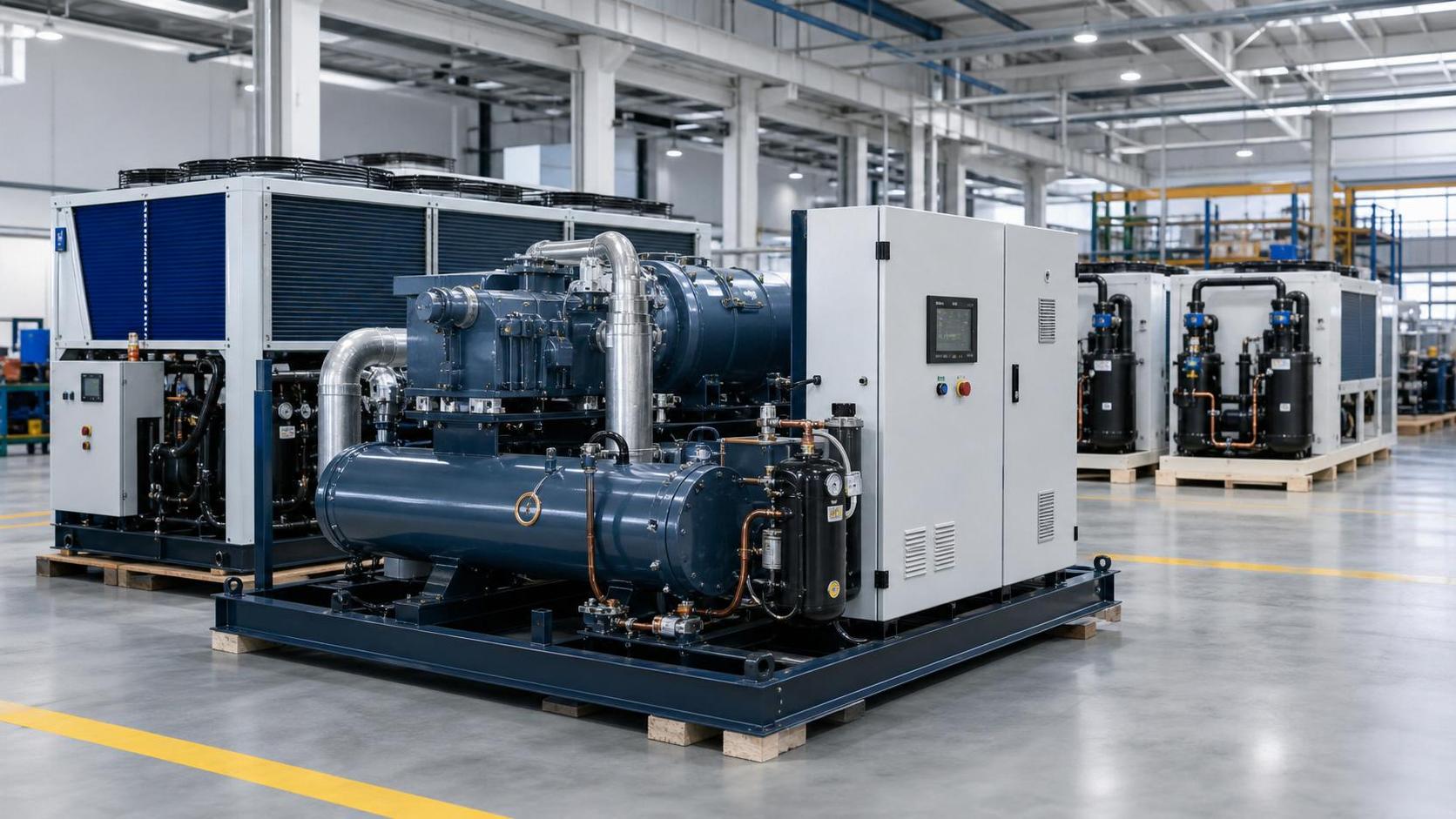
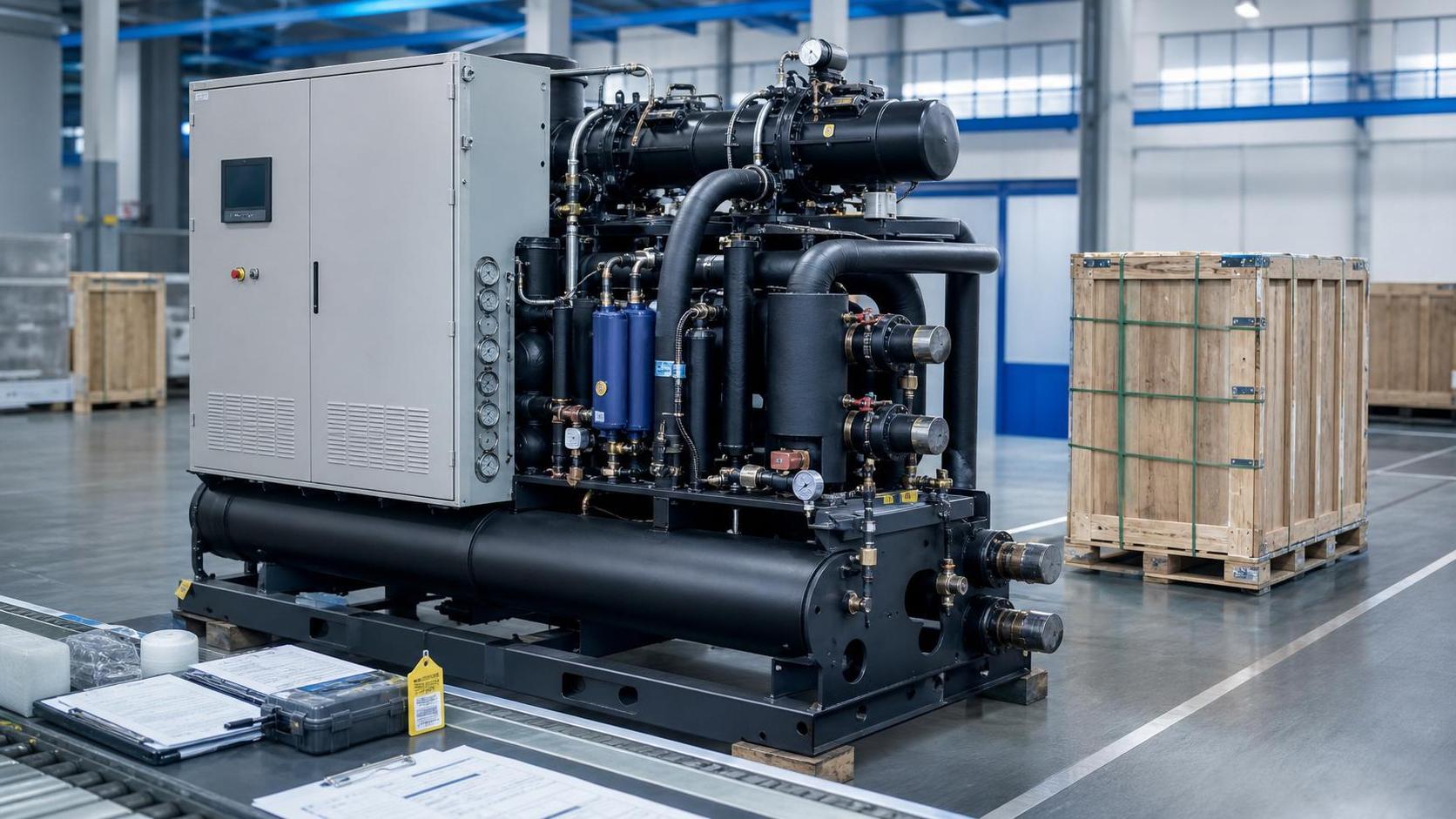
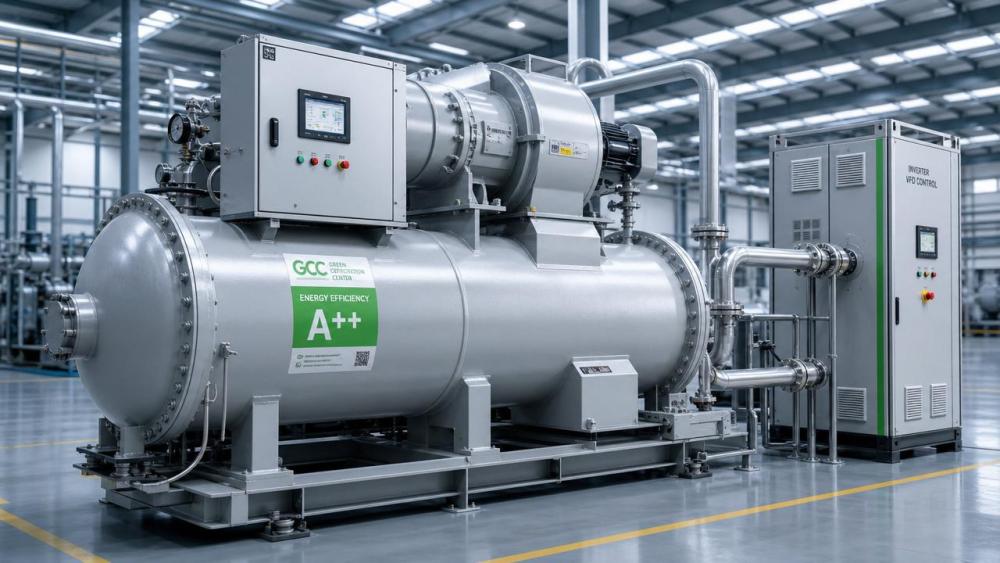
On 1 May 2026, the United Arab Emirates, Saudi Arabia, and Qatar jointly announced the inclusion of industrial chillers in the GCC Green Cooling Certification system. The new module applies ISO 13256-1:2025 to classify units into six energy efficiency grades: A++, A+, A, B, C, and D. Units rated A++ qualify for a 5-percentage-point reduction in import tariffs. To date, only nine Chinese manufacturers — representing 12 models — have passed the initial certification, with all certified units being magnetic bearing or variable-frequency centrifugal chillers.
Industries Affected
Direct Exporters and Trade Enterprises
Exporters shipping industrial chillers to the three GCC countries will face mandatory certification for market access after the implementation date. Non-certified units may be subject to higher tariff rates or customs delays, increasing landed cost and reducing competitiveness.
Manufacturers and Equipment Producers
Producers must align product design and testing protocols with ISO 13256-1:2025 requirements. Certification is model-specific, meaning each variant — including different compressor types, control configurations, or heat rejection options — requires separate evaluation. This increases time-to-market and testing costs for new releases.
Supply Chain and Distribution Partners
Distributors and regional agents will need updated technical documentation, certified test reports, and labeling compliant with GCC green cooling standards. Inventory planning must account for potential clearance delays for uncertified stock, especially near the implementation deadline.
What Relevant Enterprises or Practitioners Should Focus On
Monitor official guidance from GCC Standardization Organization (GSO)
The GSO has not yet published full implementation guidelines, including timelines for phase-in periods, transitional arrangements, or conformity assessment body accreditation status. Enterprises should track GSO bulletins and national regulatory updates from UAE ESMA, SASO (Saudi), and Qatari Ministry of Commerce.
Prioritize A++ and A+ eligible models for GCC-bound shipments
Given the 5% tariff benefit for A++ units and limited early adoption (only 12 models certified), manufacturers and exporters should prioritize submission of high-efficiency variants — especially magnetic bearing and VFD centrifugal designs — for certification ahead of volume shipment cycles.
Distinguish between policy signal and operational readiness
While the 1 May 2026 date is confirmed, enforcement mechanisms (e.g., customs verification procedures, penalties for noncompliance) remain unspecified. Enterprises should treat this as a binding regulatory milestone but avoid assuming immediate full enforcement on day one without official customs or port authority directives.
Review and update technical documentation and supplier coordination
Certification requires third-party test reports traceable to ISO 13256-1:2025. Manufacturers must verify whether existing lab partners are accredited for this standard revision and initiate retesting where needed. Coordination with component suppliers — especially for compressors and controllers — is essential to ensure bill-of-materials compliance.
Editorial Perspective / Industry Observation
Observably, this expansion signals a shift from consumer- and commercial-scale cooling toward industrial energy efficiency governance in the GCC region. Analysis shows the focus on magnetic bearing and VFD centrifugal chillers reflects an implicit preference for technologies enabling high part-load efficiency — consistent with broader GCC net-zero roadmaps. From an industry perspective, this is currently more of a regulatory signal than an immediately enforceable market barrier; however, its alignment with national energy strategies in all three countries suggests long-term policy continuity. Continued monitoring is warranted, especially for potential extension to absorption chillers or process cooling systems in future revisions.
Conclusion: This certification expansion formalizes energy performance as a trade-enabling requirement for industrial chillers in key Gulf markets. It does not yet represent a broad-based market entry barrier, but rather establishes a defined technical and procedural threshold that will increasingly shape procurement, design, and export strategy. Currently, it is better understood as a structured compliance pathway — not a blanket restriction — with tangible tariff incentives for early adopters of high-efficiency technology.
Source: Official joint announcement by UAE, Saudi Arabia, and Qatar (released 1 May 2026); GCC Standardization Organization (GSO) public notice on Green Cooling Certification Framework revision; ISO 13256-1:2025 standard publication.
Note: Implementation details such as accredited testing laboratories, customs verification workflows, and phased enforcement timelines remain pending official clarification and are under active observation.
Related News
- EN 378-1:2026 Tightens EU Export ChecksAuthor :Cryogenic Systems Expert

- How to Compare Semiconductor Cooling Solutions by Heat Load and Uptime RiskAuthor :Cryogenic Systems Expert

- EU Label Deadline Hits China Chiller ExportsAuthor :Cryogenic Systems Expert

- How Smart Thermal Systems Improve Industrial Cooling EfficiencyAuthor :Cryogenic Systems Expert

- How to Choose Process Cooling Equipment for Stable Temperature ControlAuthor :Cryogenic Systems Expert

- EU Finalizes 2026 HFC Quota Cut for R-134a ChillersAuthor :Cryogenic Systems Expert

- EU Tightens HFC-134a Quotas for Industrial ChillersAuthor :Cryogenic Systems Expert

- REACH SVHC Update Pressures HFC-134a Chiller Supply ChainsAuthor :Cryogenic Systems Expert

- EU PFAS Coolant Ban Reshapes Chiller ExportsAuthor :Cryogenic Systems Expert

- EU REACH Restricts PFAS Cooling Media ImportsAuthor :Cryogenic Systems Expert

- EU Ecodesign Rule Takes Effect for Industrial ChillersAuthor :Cryogenic Systems Expert

- EU REACH Rule Takes Effect for PFAS in Industrial Cooling ExportsAuthor :Cryogenic Systems Expert

- Industrial Cooling for Plastic Processing: How to Size for Stable Cycle TimesAuthor :Cryogenic Systems Expert

- EU F-Gas Update Bars R404A/R507 in Commercial CoolingAuthor :Cryogenic Systems Expert

- DOE Raises Chiller Efficiency Standard From October 2026Author :Cryogenic Systems Expert

- India Mandates BIS Energy Certification for Industrial ChillersAuthor :Cryogenic Systems Expert

- Energy-Efficient Heat Exchange for Process Cooling: Cost vs PaybackAuthor :Cryogenic Systems Expert

- EPA R-134a Import Ban Takes Effect on July 13, 2026Author :Cryogenic Systems Expert

- India BIS Rule Takes Effect for Industrial ChillersAuthor :Cryogenic Systems Expert

- EPA Cuts R134a Import Quotas 20% From July 10Author :Cryogenic Systems Expert

- How to Compare Energy-Efficient Cooling Systems for Factory Expansion ProjectsAuthor :Cryogenic Systems Expert

- Chiller Price Index Rises 11.3% in Q2Author :Cryogenic Systems Expert

- Saudi SASO Tightens Chiller Import Compliance From July 10Author :Cryogenic Systems Expert

- Dubai Opens Fast-Track Chiller TendersAuthor :Cryogenic Systems Expert

- Japan Raises Chiller COP Floor to 6.2 From Sept. 1Author :Cryogenic Systems Expert
![]()
- Compact Thermal Management in Smart Devices: Common Failure RisksAuthor :Cryogenic Systems Expert

- Thermal Management for Batteries: Cooling Methods ComparedAuthor :Cryogenic Systems Expert

- How Compact Thermal Design Extends Smart Device UptimeAuthor :Cryogenic Systems Expert

- Shanghai-Rotterdam Reefer Rates Jump 37% in a WeekAuthor :Cryogenic Systems Expert

- Process Cooling Equipment Low Maintenance: What Cuts Downtime Over 5 Years?Author :Cryogenic Systems Expert

- Semiconductor Cooling Solutions: Which Design Works Best for High-Density Tools?Author :Cryogenic Systems Expert

- Semiconductor Thermal Management Systems: Preventing Yield Loss from Heat DriftAuthor :Cryogenic Systems Expert

- EPA Clears R-1234ze(E) for Industrial ChillersAuthor :Cryogenic Systems Expert
 for Industrial Chillers")
- DOE Raises Chiller IEER Floor to 12.8 From Oct. 2026Author :Cryogenic Systems Expert

- Singapore Refrigeration Show Adds Green Compliance HubAuthor :Cryogenic Systems Expert

- How Food Industry Temperature Control Systems Reduce Product LossAuthor :Cryogenic Systems Expert